A pair of rabbits needs a different setup from an aquarium. A horse brings different daily tasks from a parrot. Place two animals side by side to work through what their care would involve.
Your selection is used only in this tab and is not saved.
Pets
How much space can stay available, who will care for the animals and which tasks fit your day? Compare the practical needs that make their care different.
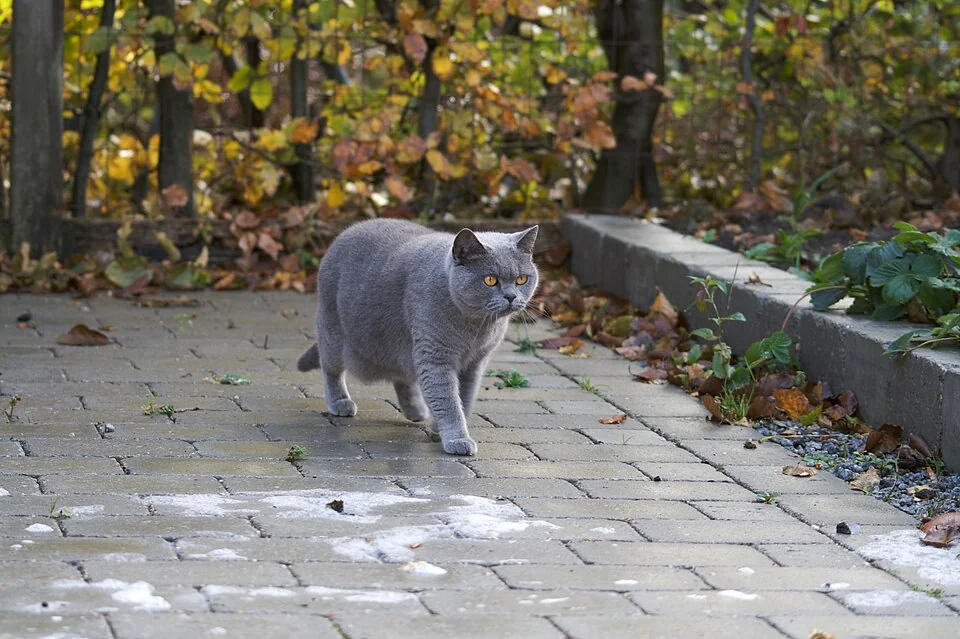
Photo: British Shorthair Cat · Martin Hedegaard · CC BY 2.0. Resized proportionally and saved as WebP. Full source frame retained. Based on the specified Commons web derivative. Embedded colour profile converted to sRGB.
Photo: British Shorthair Cat · Martin Hedegaard · CC BY 2.0. Resized proportionally and saved as WebP. Full source frame retained. Based on the specified Commons web derivative. Embedded colour profile converted to sRGB.
Daily care
Dog
Several trips outside each day, with sniffing, play and short training sessions. Their length and pace should suit the individual dog.
Photo: British Shorthair Cat · Martin Hedegaard · CC BY 2.0. Resized proportionally and saved as WebP. Full source frame retained. Based on the specified Commons web derivative. Embedded colour profile converted to sRGB.
Photo: British Shorthair Cat · Martin Hedegaard · CC BY 2.0. Resized proportionally and saved as WebP. Full source frame retained. Based on the specified Commons web derivative. Embedded colour profile converted to sRGB.
Cat
Daily play with toys the cat can catch, fresh food and water, and clean litter trays are part of care.
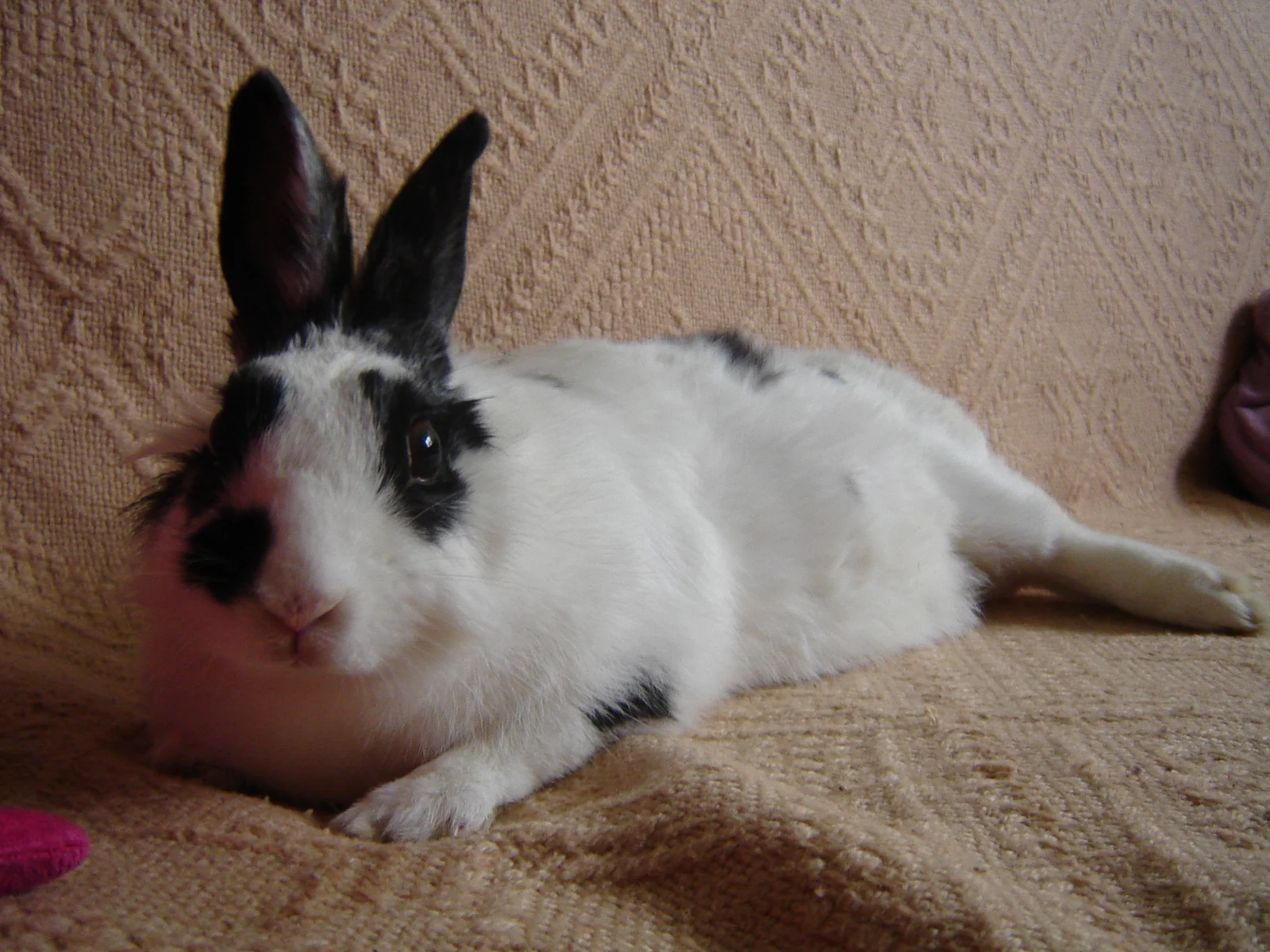
The German Animal Welfare Federation recommends at least two square metres of floor space for up to four animals. Levels do not replace that running area.
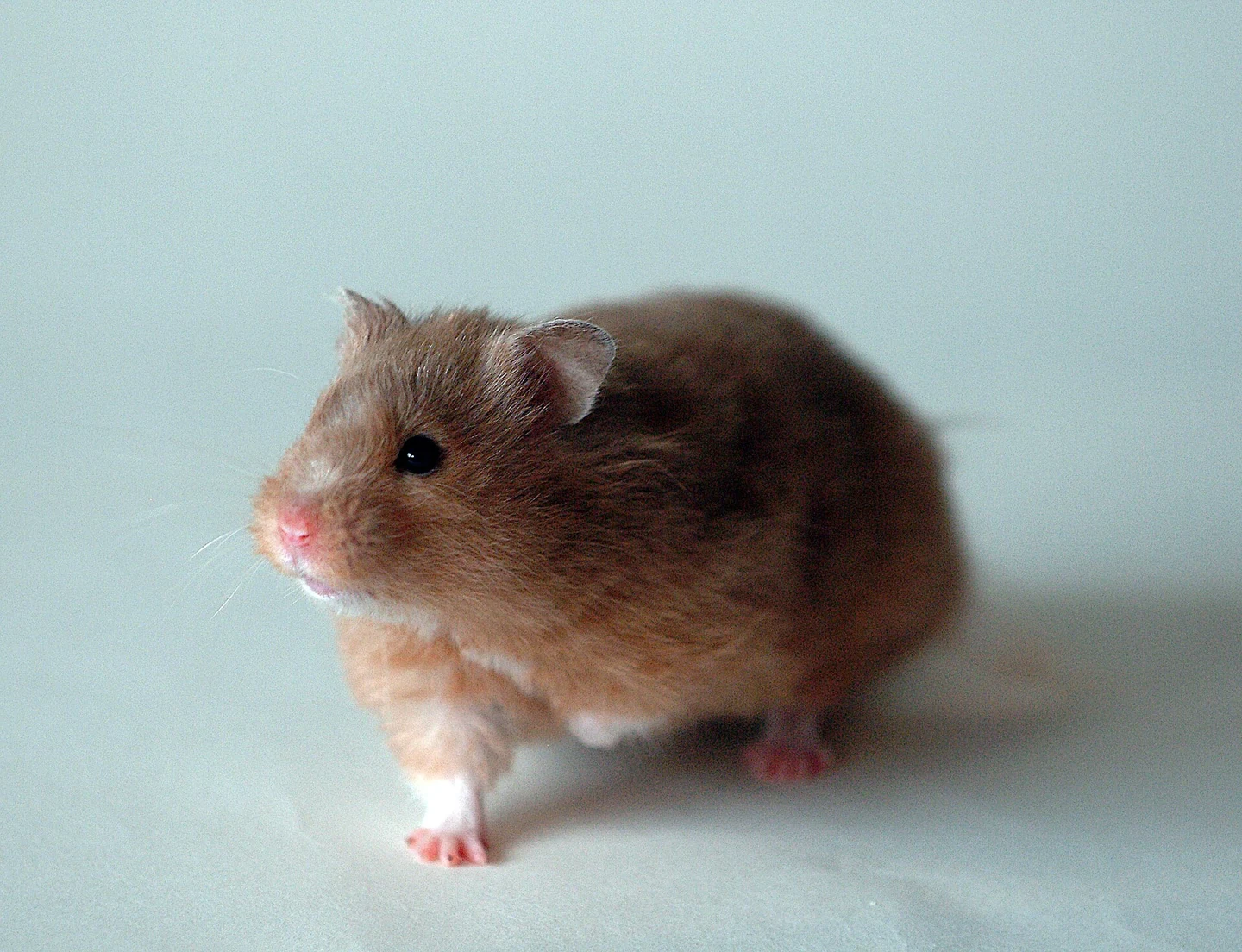
Photo: Golden hamster front 1.jpg · Adamjennison111 at English Wikipedia · CC BY 2.5. Resized proportionally and converted to WebP. The layout may crop the image.
Photo: Golden hamster front 1.jpg · Adamjennison111 at English Wikipedia · CC BY 2.5. Resized proportionally and converted to WebP. The layout may crop the image.
Syrian hamster
Check food, water and stored food, and clean soiled areas. Observation and voluntary contact fit their active evening hours.
The German Animal Welfare Federation recommends at least one square metre of floor space, 70 centimetres of height and at least 30 centimetres of burrowing bedding.
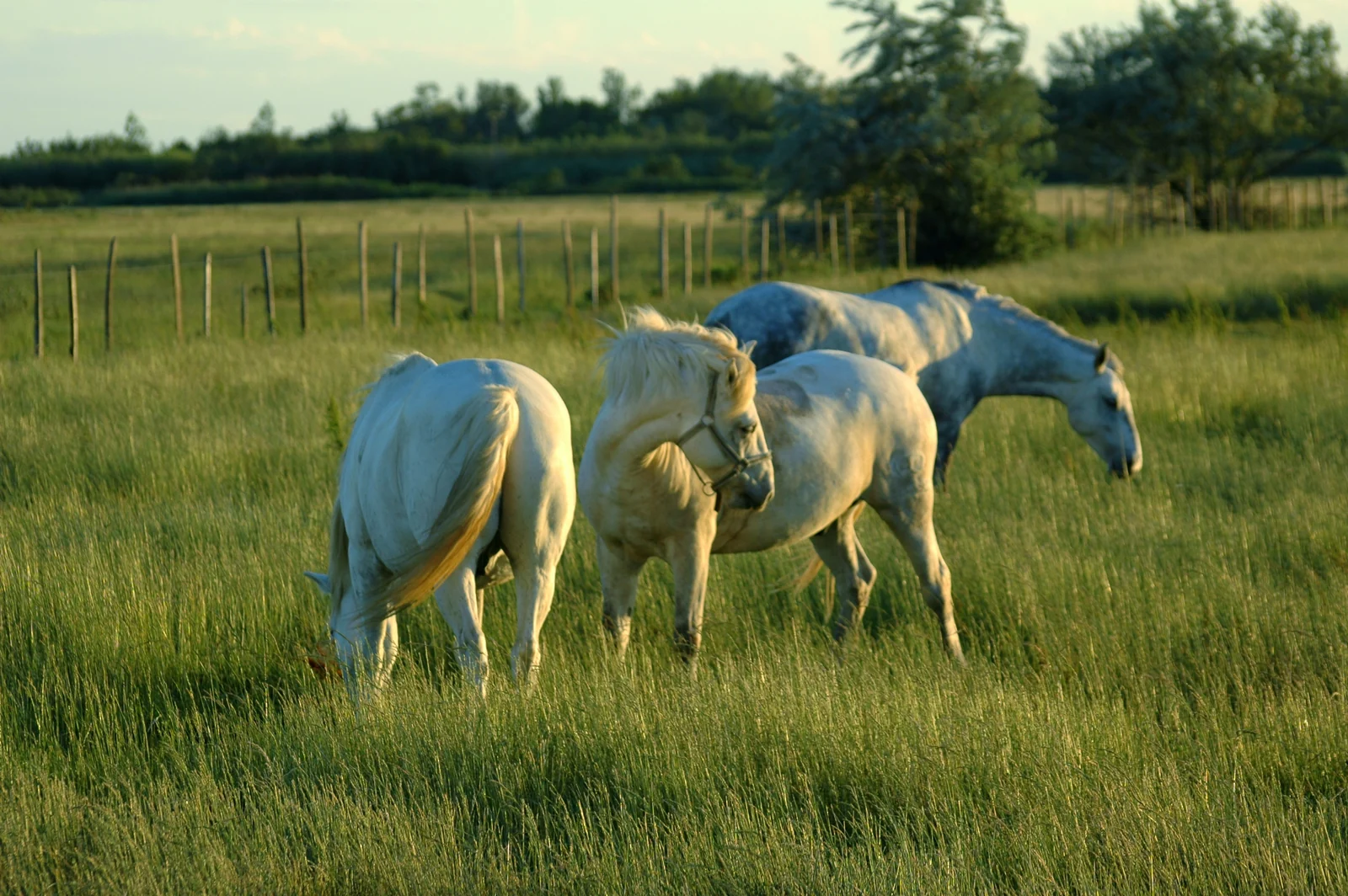
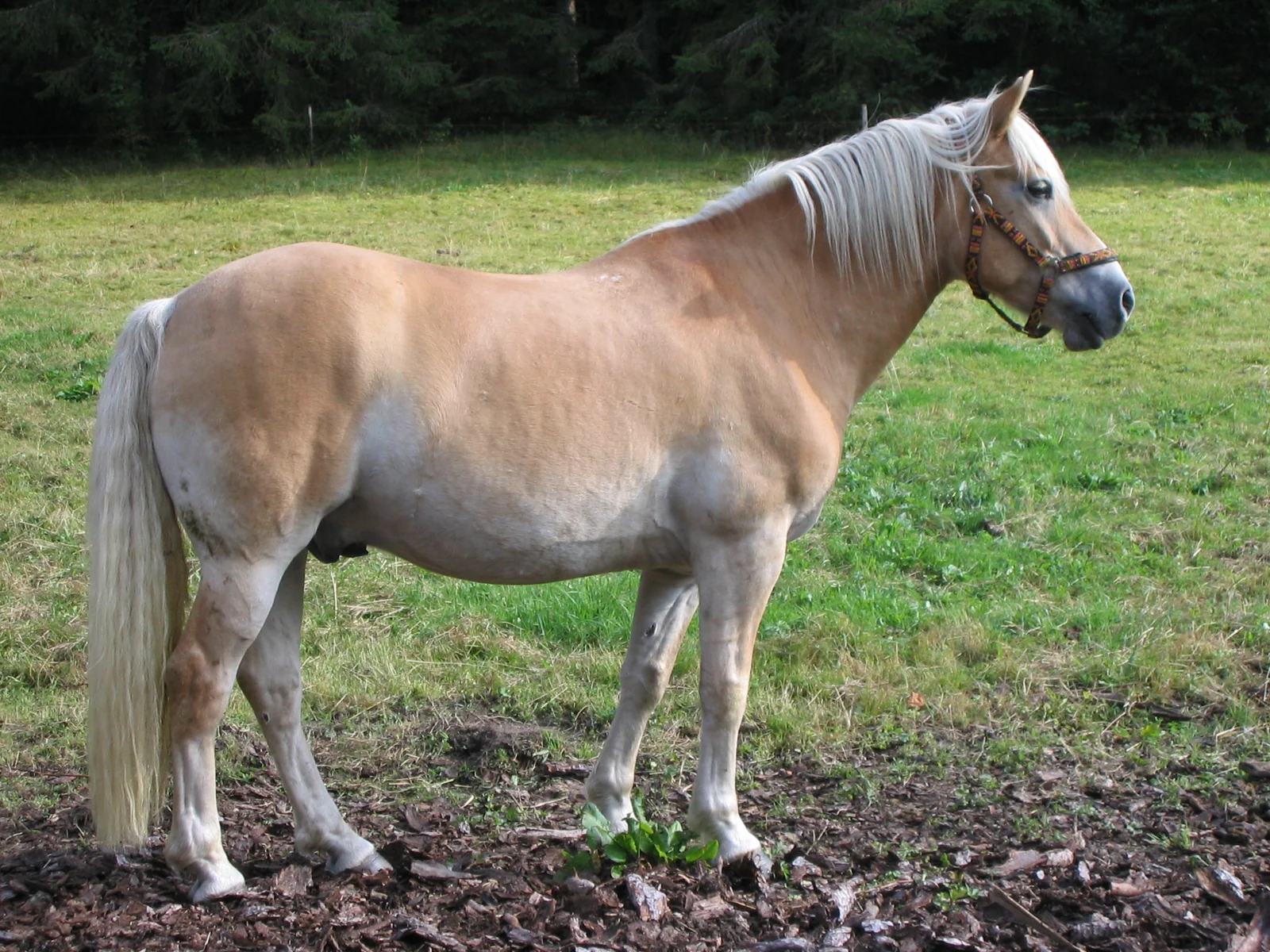
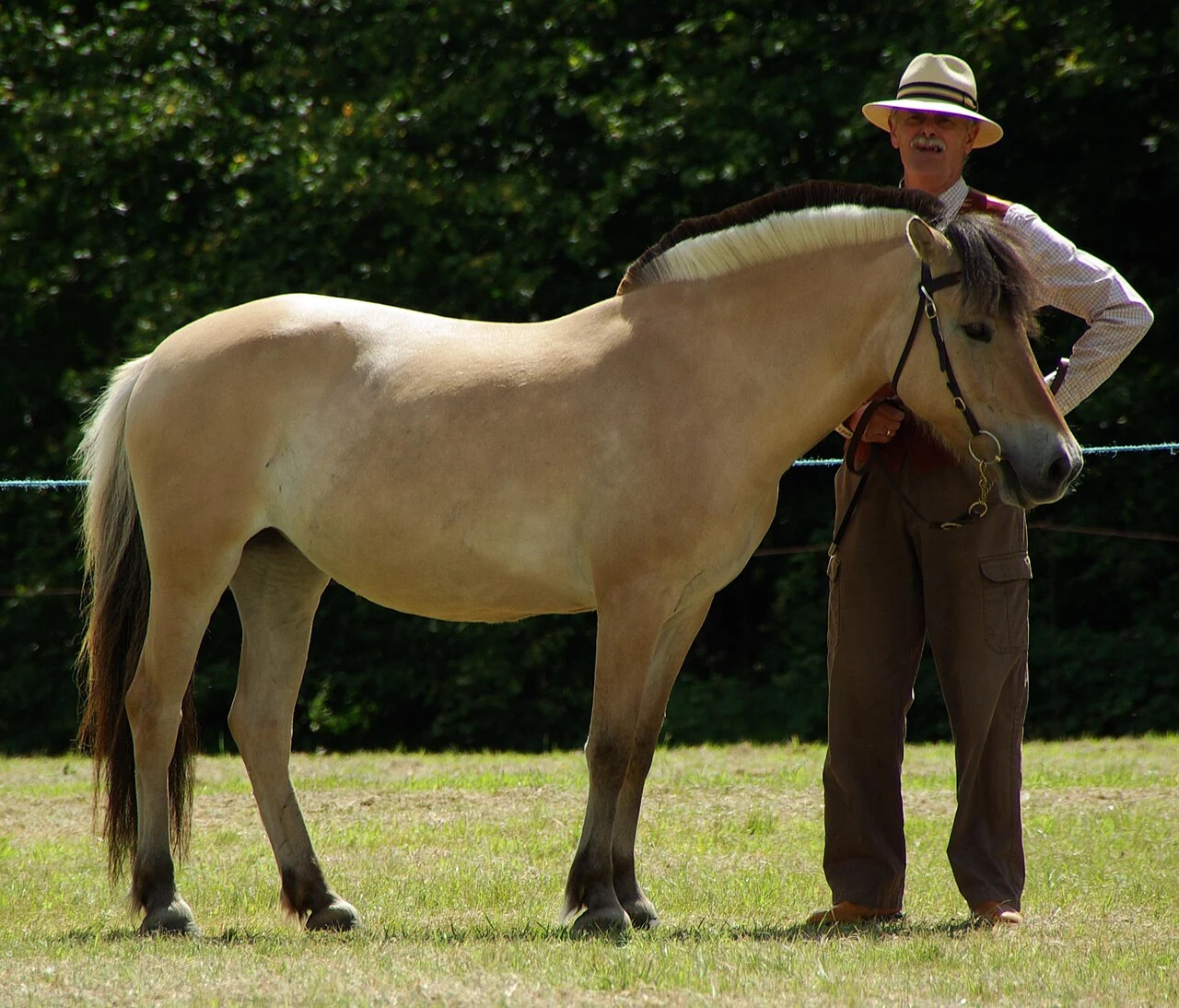
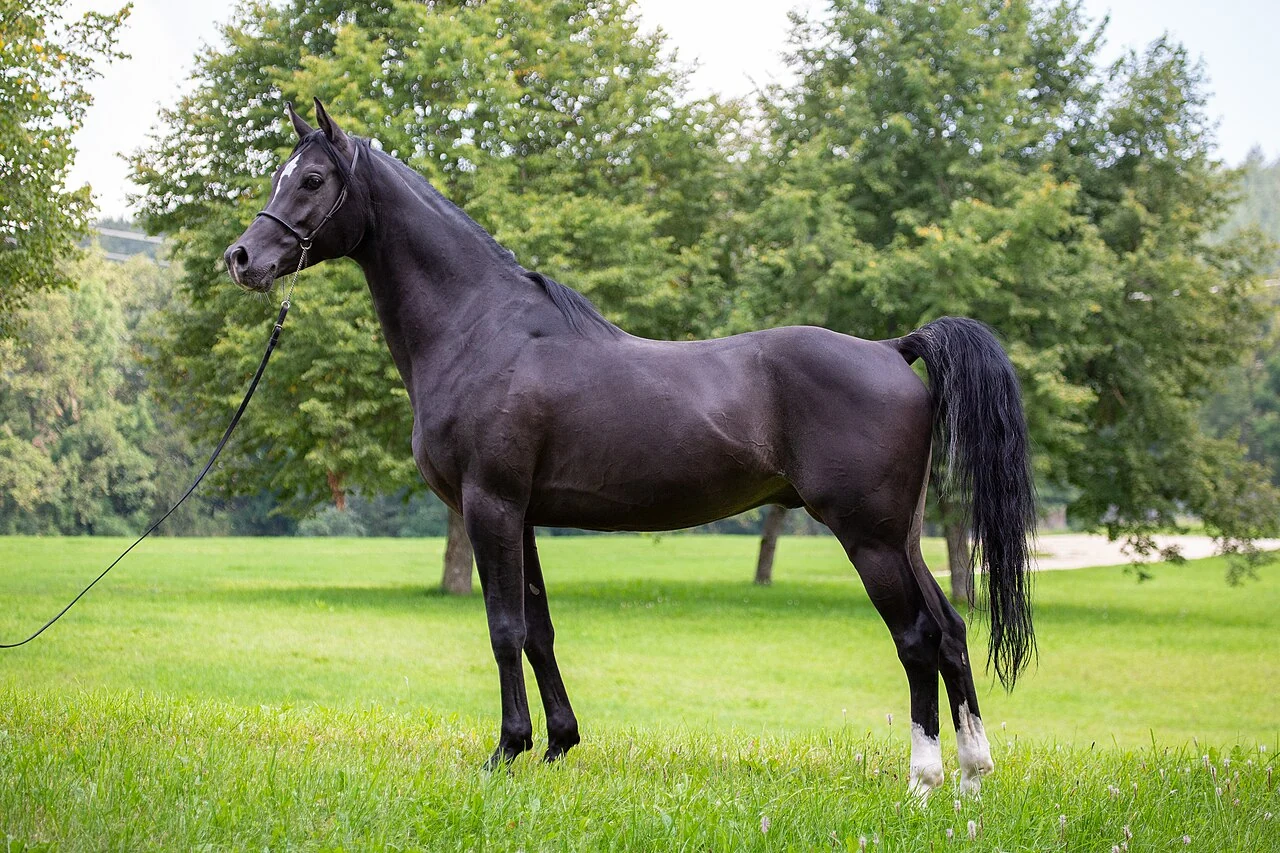
Background, training and care needs help build a first impression. When viewing, pay attention to how the individual horse responds to people, surroundings and the work you have in mind.
Haflinger
An Alpine horse with a versatile riding and driving background.
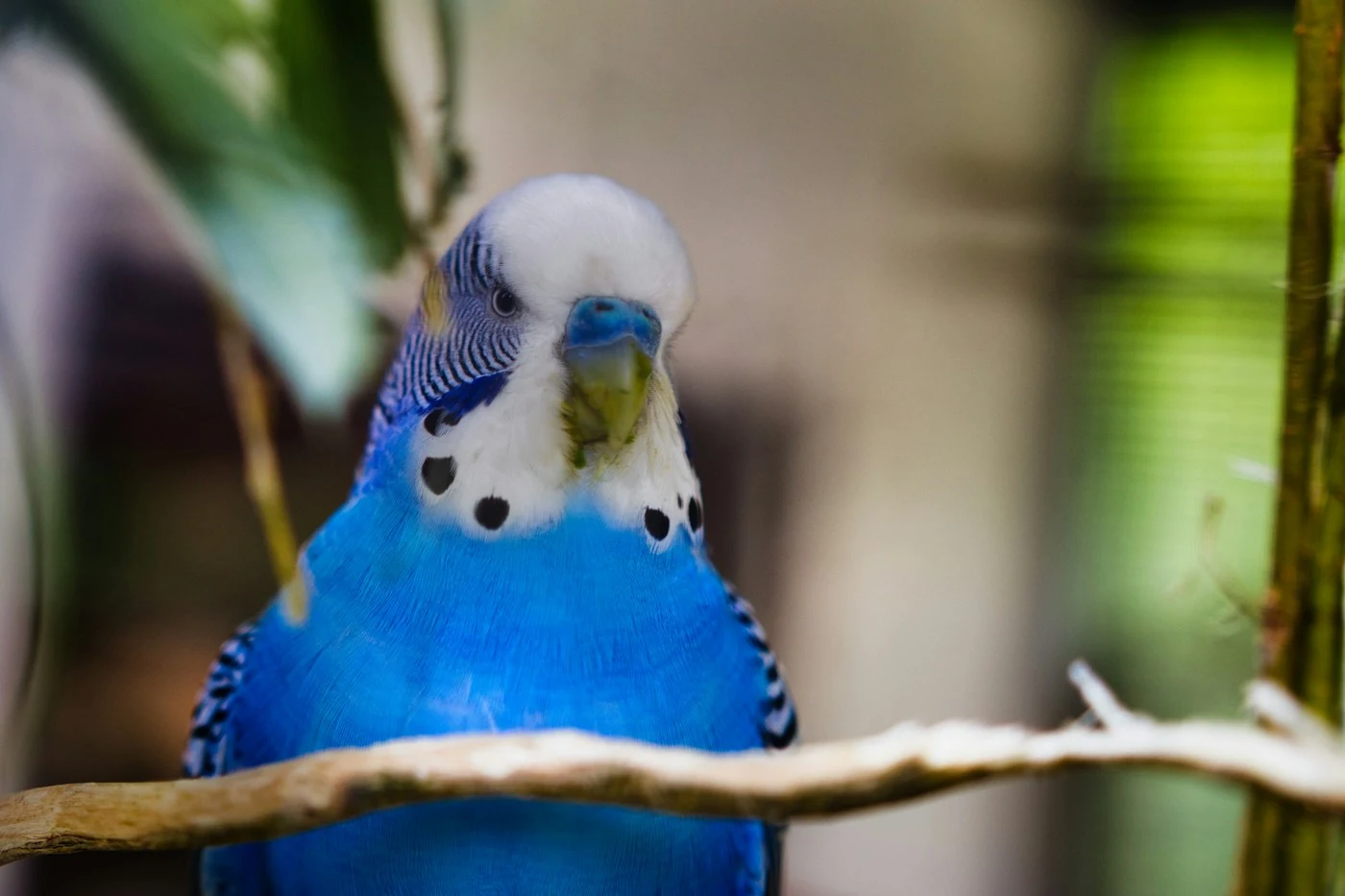
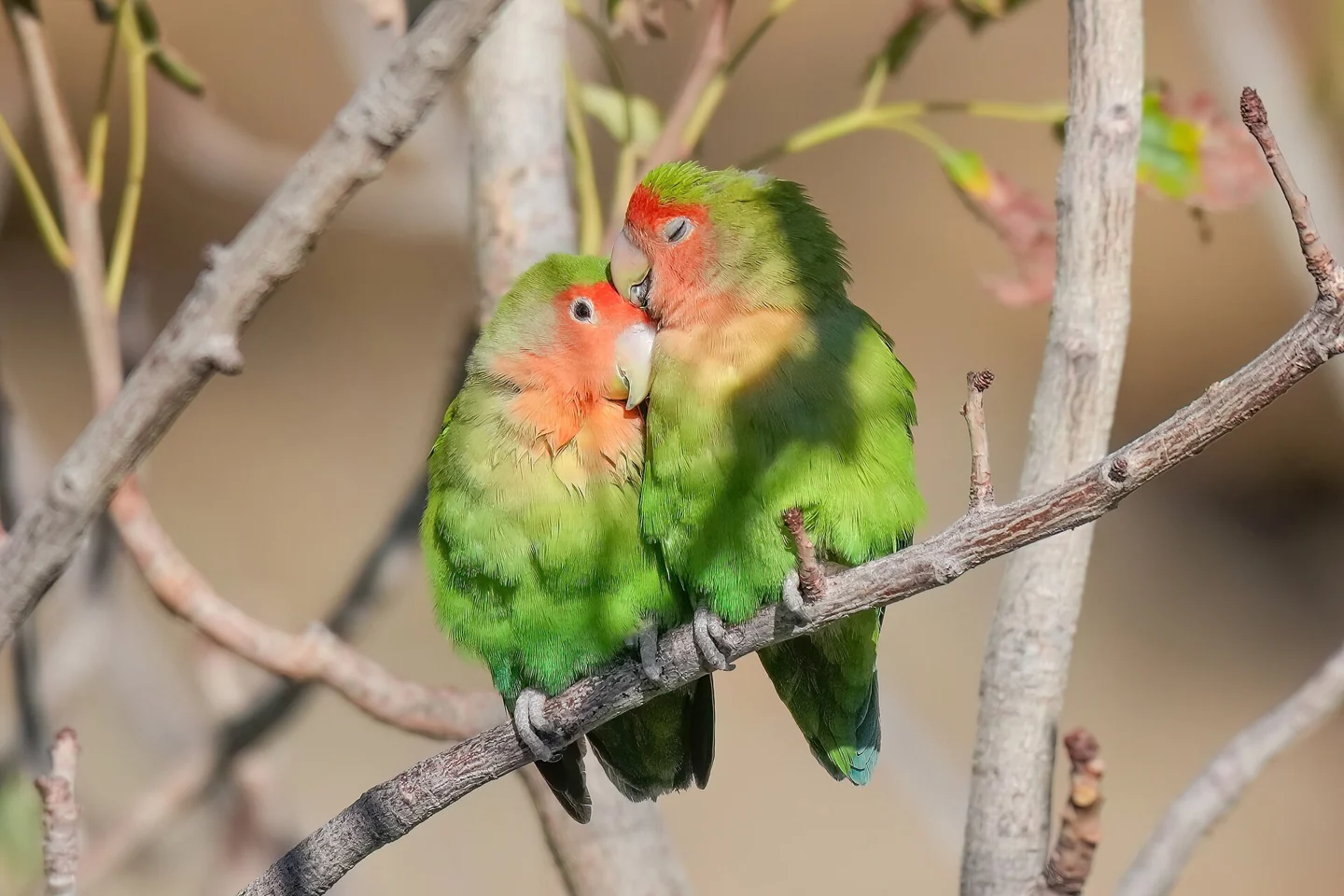
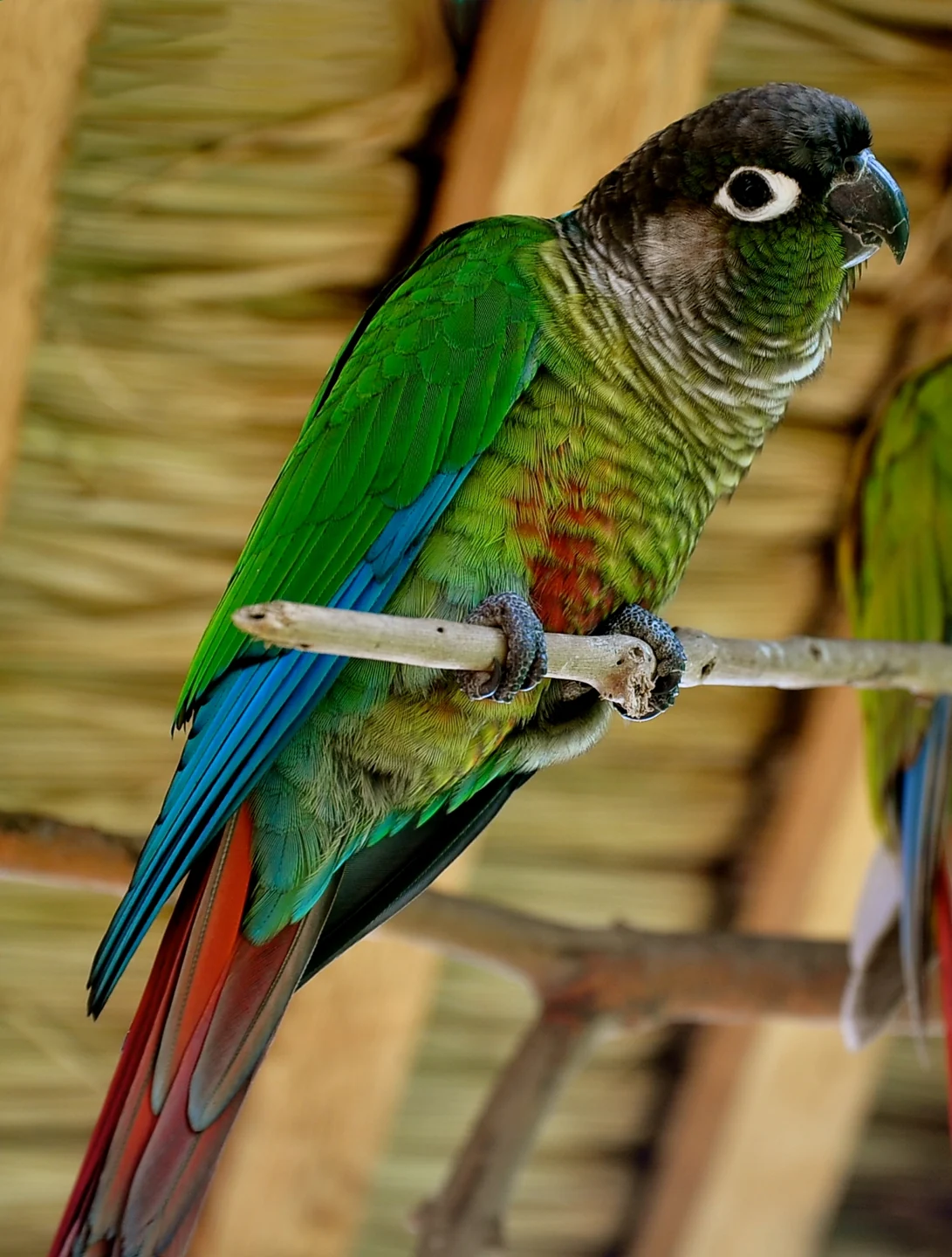
Even small parrots need substantial flight space and suitable companions. Compare their daily rhythms, housing and the often long period of care ahead.
Swiss Animal Protection recommends at least two square metres of floor space and two metres in height for two to four birds, alongside flight outside the enclosure.
Swiss Animal Protection recommends at least two square metres of floor space and two metres in height for two to four birds, alongside flight outside the enclosure.
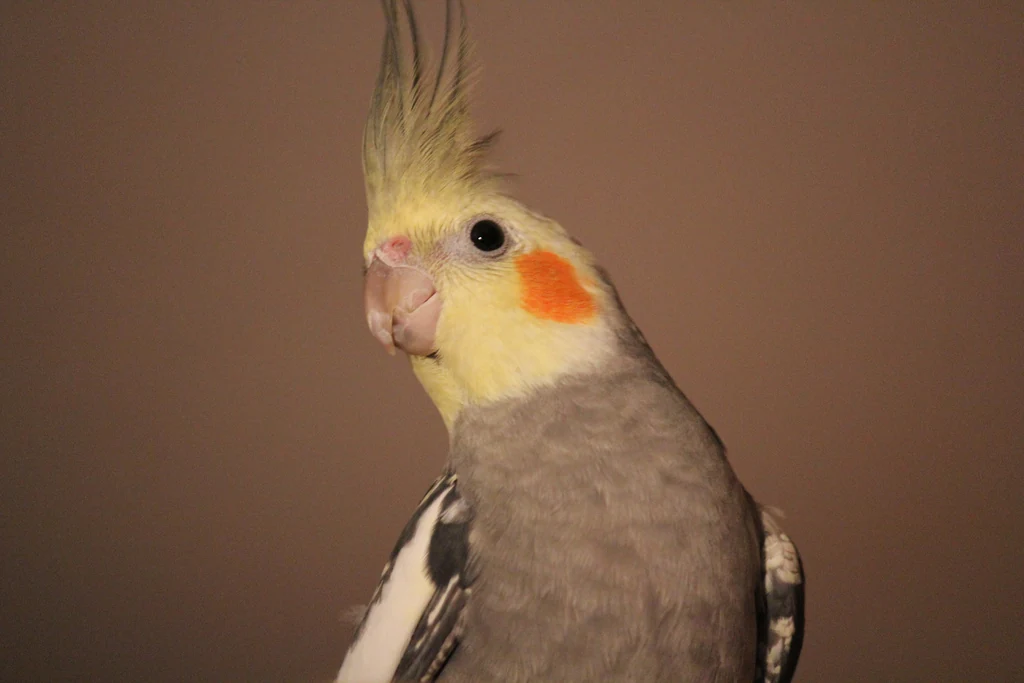
Observation and flight time fit particularly well around morning and evening. The TVT describes the species as relatively quiet and less inclined to chew.
The TVT specifies at least two square metres of floor space without additional free flight. A spacious aviary with further flight opportunities is a useful plan.
Swiss Animal Protection recommends at least two square metres of floor space and two metres in height for two to six birds, alongside flight outside the enclosure.
The World Parrot Trust specifies at least two metres of aviary length. Width, height and clear flight routes also matter, with further flight outside it.
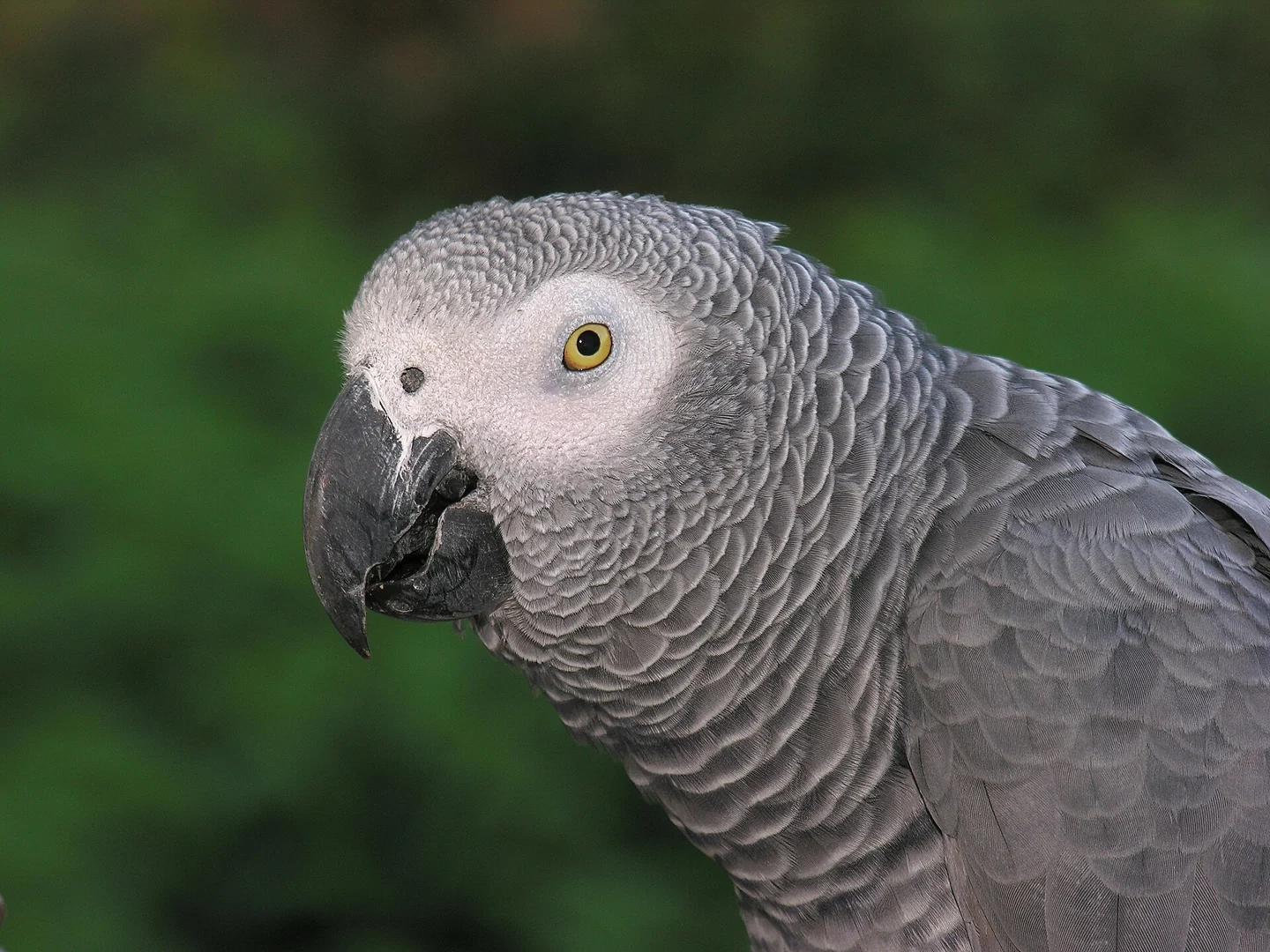
Photo: Psittacus erithacus -upper body-8c.jpg · L.Miguel Bugallo Sánchez (http://commons.wikimedia.org/wiki/User:Lmbuga) · CC BY-SA 3.0. Resized proportionally and converted to WebP. The layout may crop the image.
Photo: Psittacus erithacus -upper body-8c.jpg · L.Miguel Bugallo Sánchez (http://commons.wikimedia.org/wiki/User:Lmbuga) · CC BY-SA 3.0. Resized proportionally and converted to WebP. The layout may crop the image.
African grey parrot
Varied foraging, suitable fresh plant foods and daily care. Food-search tasks need to remain manageable so every bird eats.
Swiss Animal Protection recommends six square metres of floor space for a pair, for example 3 × 2 × 2.3 metres, plus safe flight outside the enclosure.
The summaries draw on our published care guides. Each statement links to the relevant section or an additional specialist source. When meeting an animal, age, health and previous care add to the picture offered by the comparison.
Keep this handy
Turn your shortlist into a practical plan
Once you are considering an animal, a specific equipment list and an everyday budget help bring the plan together. Include cover for holidays, illness and unexpected veterinary costs.
 fellfolio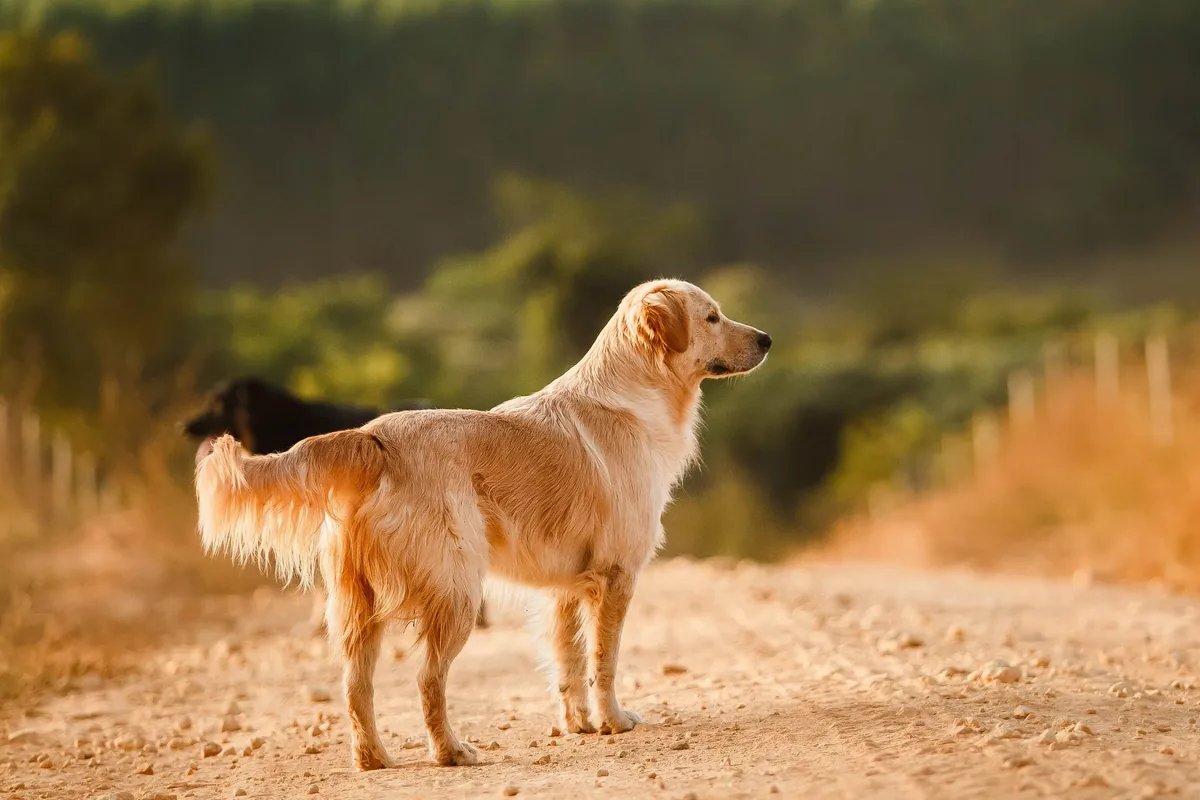
.jpg)


.jpg)


