 fellfolio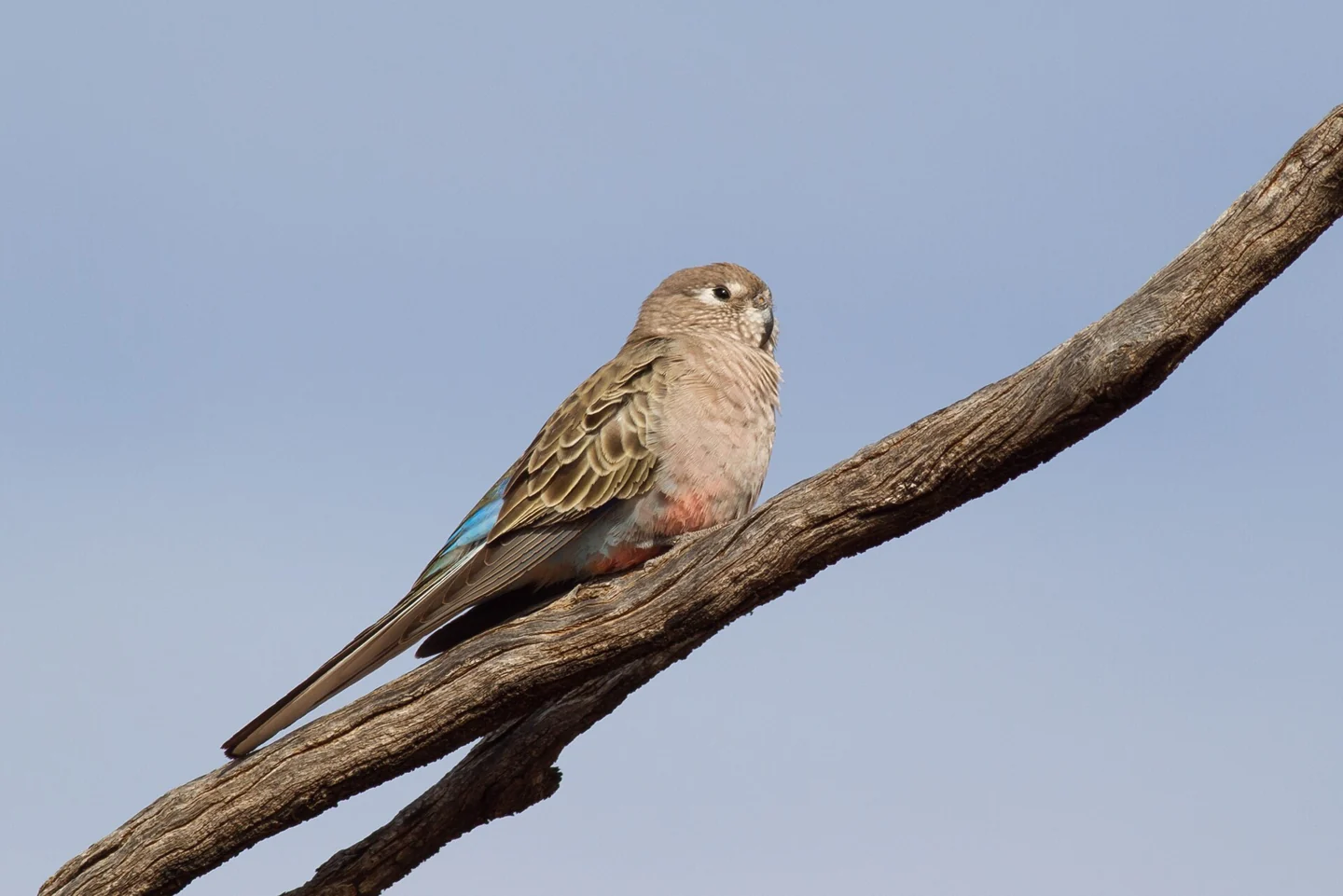
A parakeet from dry Australian landscapes
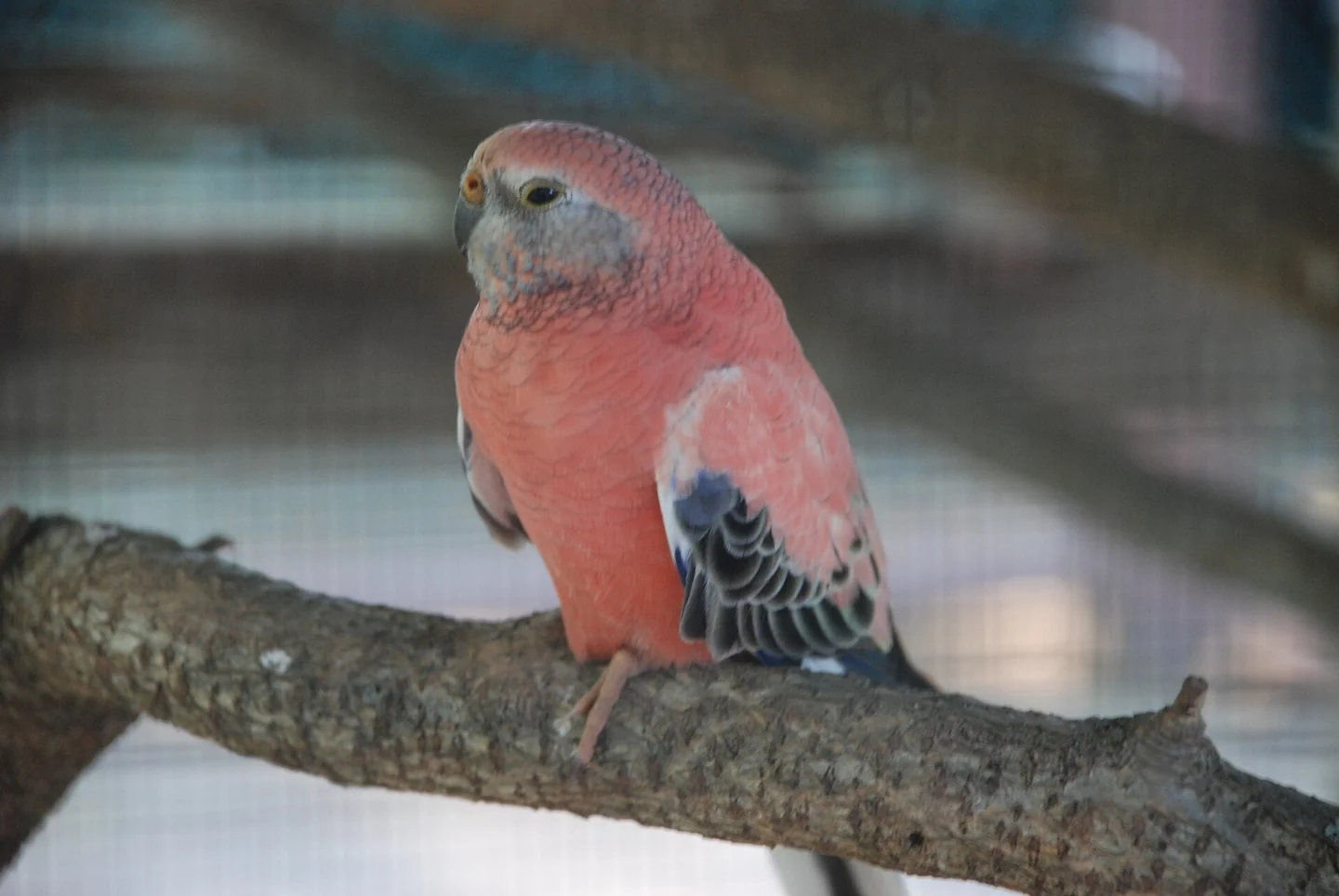
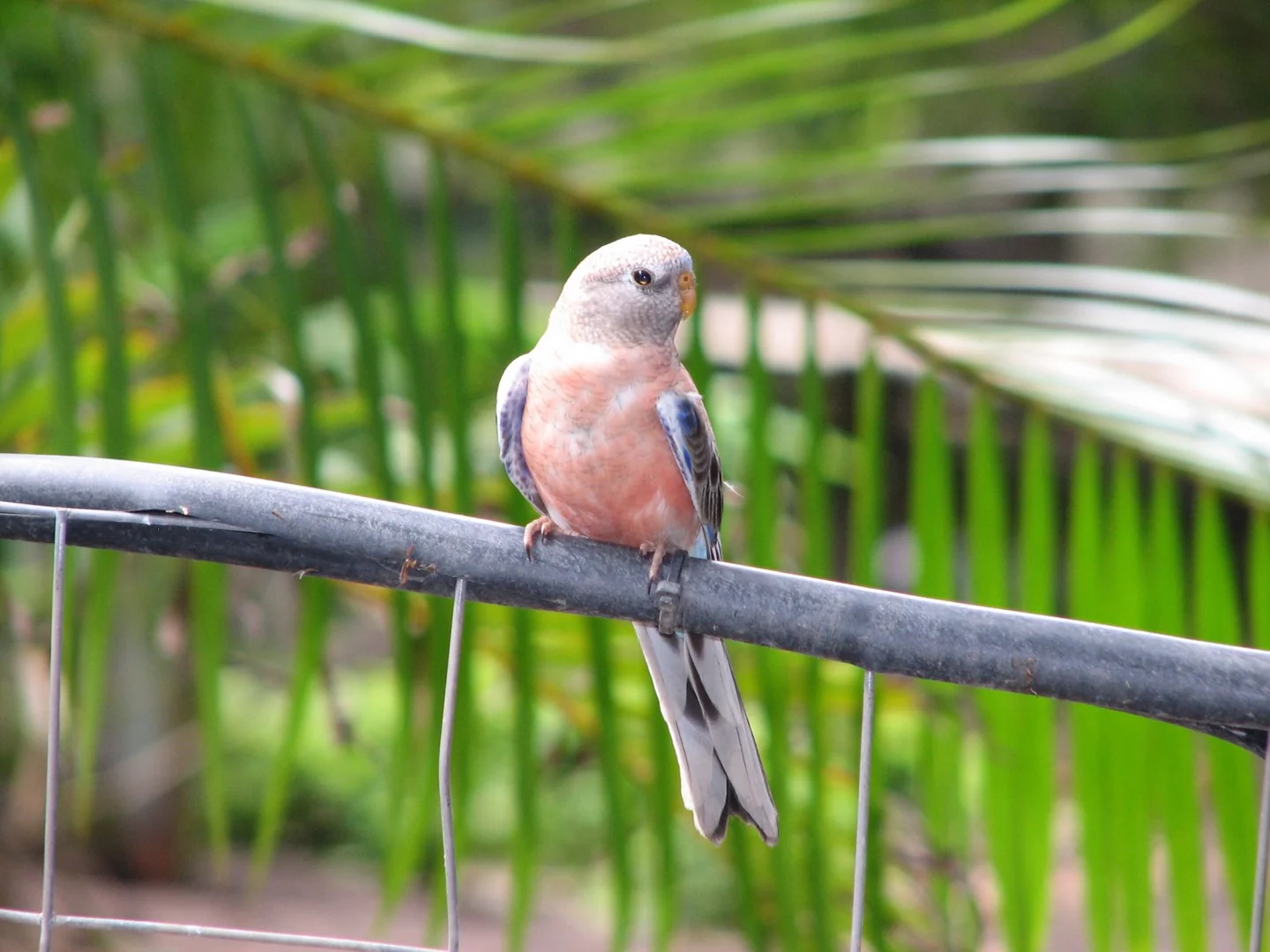
The scientific name is Neopsephotus bourkii, although older sources also use Neophema bourkii. Natural colouring combines a brown back with pink underparts and blue areas. Domestic pink mutations may look much brighter. The species comes from dry Australian scrub landscapes.
The German veterinary welfare association TVT describes Bourke’s parakeets as relatively quiet and less destructive chewers than many parrots. They commonly seek food and water around twilight. At home, a routine allowing secure flight in the early evening can accommodate that pattern. TVT gives a lifespan of roughly ten to twelve years, making suitable housing, veterinary funding and holiday cover a substantial commitment.
A bird’s calm appearance should be considered alongside its normal daily activity. A settled individual may move quietly between familiar places, and subtle changes become easier to notice once those routes are known.
Sources for this section
- Bourkesittiche, Merkblatt 165Tierärztliche Vereinigung für Tierschutz
A compatible pair with predictable surroundings
At least two Bourke’s parakeets should live together. A compatible pair provides companionship during rest, feeding and exploration. Other bird species may have different active periods and much more forceful behaviour. A dedicated Bourke’s enclosure is therefore easier for a new keeper to manage than a mixed aviary.
Before adding a bird, its health, sex and history should be established. An avian vet can advise on initial separation and any tests needed. During later introductions, neither bird should be able to exclude the other repeatedly from food or resting areas. Several feeding stations and perches make moving apart easier.
If one partner dies, the remaining bird’s situation and health deserve review. An experienced rescue may help find a compatible companion. Human attention can support the bird during that process but cannot replace contact with its own species. Keeping a second suitable enclosure available also makes introductions or temporary separation safer to organise.
Sources for this section
- Bourkesittiche, Merkblatt 165Tierärztliche Vereinigung für Tierschutz
- Living with other birdsRSPCA
Flight paths, ground access and changing light
An aviary should allow several wingbeats along a clear flight path. For a pair, two square metres of floor space with useful height provides a practical starting point. TVT specifies at least two square metres where additional free flight is unavailable. Safe daily flight outside the enclosure offers further movement and exploration.
Branches of different thicknesses should leave flight paths open. A sheltered area beside an opaque wall provides somewhere to rest. Shallow, easily cleaned dishes on the ground suit their feeding behaviour when placed away from droppings falling from perches. A safe shallow bath can be offered with the birds choosing whether to use it.
An abrupt change to complete darkness can startle birds that are still moving. Dimmable, low-flicker lighting allows a gradual transition to night, followed by uninterrupted rest. Outdoor housing requires a suitable frost-free shelter, weather protection and careful acclimatisation. A small cage placed on a balcony does not provide these conditions.
Read more: Setting up a bird room: safe flight and good landing places
Sources for this section
- Bourkesittiche, Merkblatt 165Tierärztliche Vereinigung für Tierschutz
- Housing and environments for pet birdsRSPCA
Making ground foraging part of balanced feeding
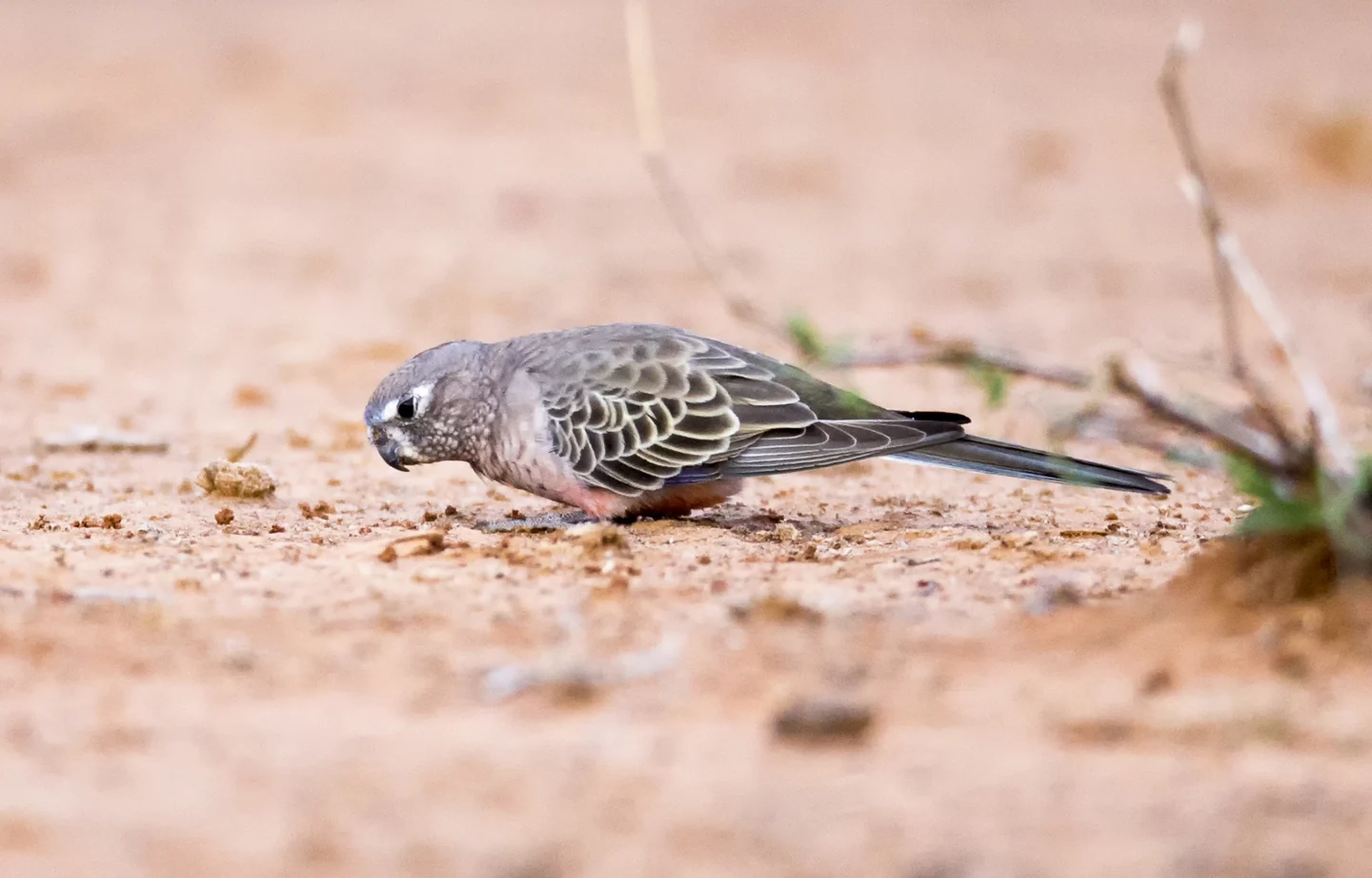
Wild Bourke’s parakeets search for many small seeds on the ground. In captivity, that behaviour needs to sit within a balanced diet with a controlled energy intake. A suitable plan may combine seeds, appropriate complete foods and fresh plant foods. This means pellets formulated for the species: small pieces of compound food with the nutrients distributed throughout each piece. Its composition should be discussed with an avian veterinary practice, particularly when a bird is overweight or changing diet.
Small portions of familiar food can be spread in a clean, shallow foraging tray. This makes searching accessible while allowing leftovers to be removed. Soiled food should not remain on the aviary floor. Drinking vessels and fresh-food dishes need daily cleaning.
During a diet change, both birds’ actual intake matters. Familiar food should remain available while the new food is introduced. Regular weights show changes that may be hidden by feathers. Vitamins and minerals should be selected to complement the entire diet rather than added automatically. A documented feeding routine also helps a temporary caregiver avoid offering excessive treats.
Sources for this section
- Bourkesittiche, Merkblatt 165Tierärztliche Vereinigung für Tierschutz
- What to feed your pet birdRSPCA
Confidence, ageing and health
A Bourke’s parakeet can learn to travel calmly on a familiar perch or enter a carrier voluntarily. Training can begin by rewarding an approach with a small preferred food item. A steady perch and short, predictable movements make the situation easier to understand. Moving away should be respected by restoring comfortable distance.
Young birds should already feed independently before moving home. A nesting cavity can promote reproductive behaviour, so it belongs only in a considered plan. Preventing unwanted young is easier when group composition and furnishings have been discussed beforehand.
Later in life, shorter routes between food and resting places may improve access. Reduced willingness to fly, persistent fluffing, changes in breathing or weight loss should first be checked by an avian vet. With a naturally quiet species, comparison with the individual’s normal behaviour is more useful than expecting the bustle of a more energetic parakeet. Laboured breathing requires immediate contact with an avian vet or emergency veterinary service.
Read more: Bird training: confidence, carriers and cooperative care · Bird life stages: from youngster to older companion
Sources for this section
- Bourkesittiche, Merkblatt 165Tierärztliche Vereinigung für Tierschutz
- The power of positive reinforcementWorld Parrot Trust
- Geriatric diseases of pet birdsMerck Veterinary Manual
Common questions
Can Bourke’s parakeets live with budgies?
A shared enclosure should not be recommended as a general rule. Bourke’s parakeets can be more reserved and active at different times. Separate suitable housing makes access to food and undisturbed rest easier to manage.
Are they suitable for a bedroom?
Early and late twilight activity, feather dust and the need for uninterrupted sleep favour a carefully planned bird area. The needs of both people and birds should remain compatible over the long term.
A closer look
Sources and photo credit
- Bourkesittiche, Merkblatt 165Tierärztliche Vereinigung für Tierschutz
- What to feed your pet birdRSPCA
- Housing and environments for pet birdsRSPCA
- Living with other birdsRSPCA
- Geriatric diseases of pet birdsMerck Veterinary Manual
- The power of positive reinforcementWorld Parrot Trust
Photo: Neophema bourkii 121274727.jpg · Kym Nicolson · CC BY 4.0. Resized proportionally and converted to WebP. The layout may crop the image.
Photo: Bourke's Parrot (Neopsephotus bourkii) -zoo.jpg · Peter Dutton · CC BY 2.0. Resized proportionally and converted to WebP. The layout may crop the image.
Photo: Bourkes parrot 1 (18261135615).jpg · Jim Bendon from Karratha, Australia · CC BY-SA 2.0. Resized proportionally and converted to WebP. The layout may crop the image.
Photo: Neopsephotus bourkii -Flying High Bird Habitat -Australia-8c.jpg · paulgear · CC BY-SA 3.0. Resized proportionally and converted to WebP. The layout may crop the image.

_-zoo.jpg)
.jpg)
