fellfolio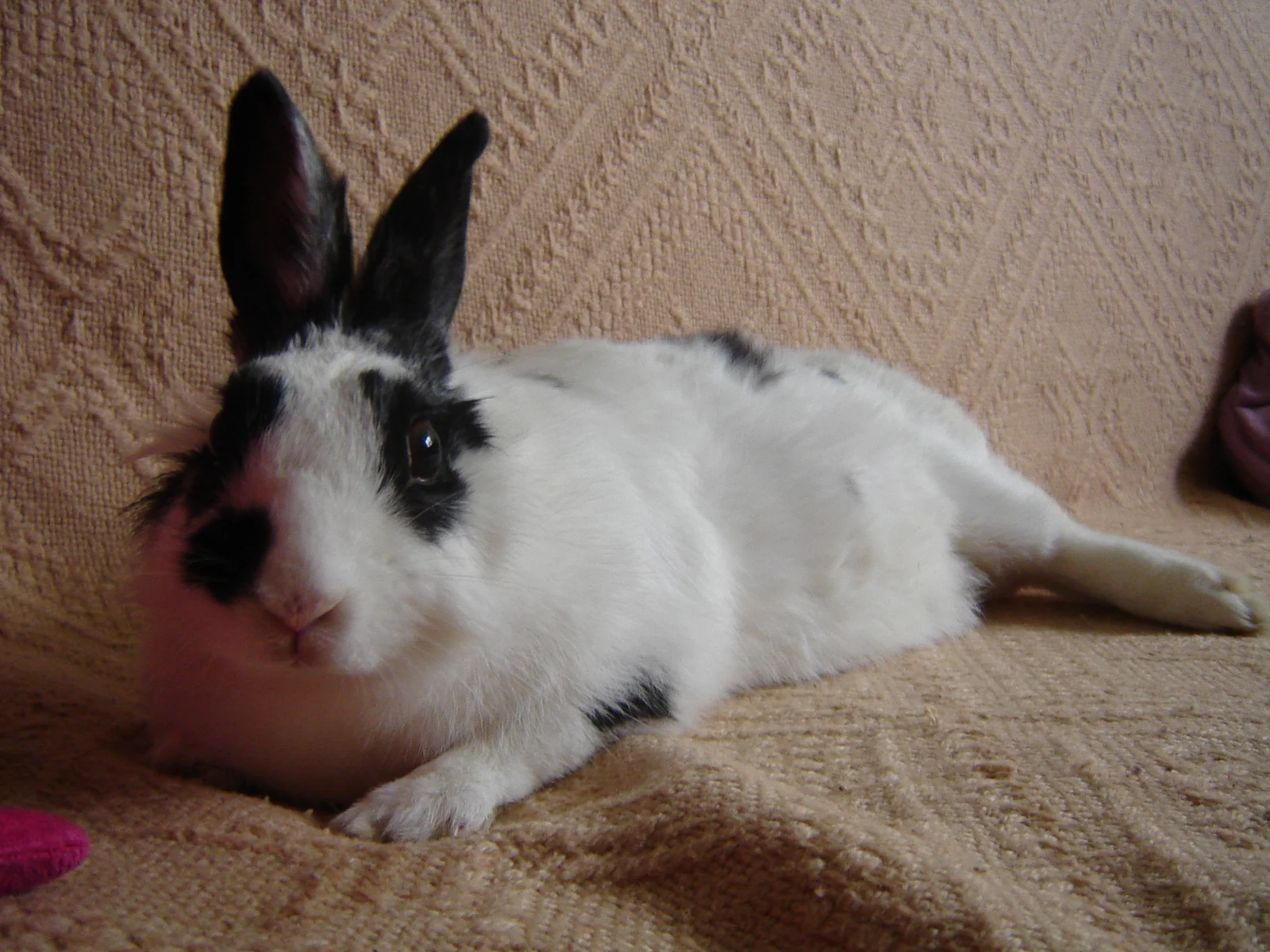
Use familiar routines to observe changes
Begin with everyday behaviour. Which rabbit picks up food, chews and swallows? Are both moving around as usual? Does one seem hunched, unusually quiet or less interested? The activity of a healthy companion can obscure the fact that the other rabbit is eating very little. Observation therefore needs to include each animal.
The litter area supplies further clues. Compare the number, size and consistency of firm droppings with the familiar pattern. In shared accommodation it may be difficult to identify whose they are, so combine this with watching eating and movement. Fewer droppings alongside reduced appetite need immediate discussion with the vet. Timing matters too: explain whether the change appeared that morning or after the last known normal meal.
Maintain the coat and a clean rear
Gentle contact and inspection can reveal mats, damp fur or skin changes. Long-haired rabbits need more coat care, while short-haired animals may also benefit from careful brushing during a moult. A veterinary team can demonstrate suitable equipment and handling. Cutting blindly into tight mats close to the skin risks injury.
The rear should remain clean and dry. Soiling can accompany digestive problems or difficulty moving and grooming. Flies may lay eggs in affected areas; the resulting maggots can severely damage tissue. Flystrike is an emergency. Maggots or suspected flystrike require immediate veterinary attention. More frequent checks are particularly important in warm weather and for rabbits whose health or mobility makes keeping themselves clean difficult.
Keep routine handling close to the ground
Many rabbits are easier to inspect on a familiar, non-slip surface. Small rewards from their normal allowance can help build a voluntary approach. Pay attention to their response during grooming. Moving away or becoming very tense may call for shorter sessions and gradual familiarisation rather than prolonged restraint.
When lifting is necessary, the whole body needs secure support. Ears and scruff are not carrying handles. A rabbit-experienced professional can demonstrate the technique with the individual animal. For weighing, a stable shallow container on suitable scales close to the floor can make the process manageable. Similar conditions, including the same scales and a comparable time, make the resulting records easier to interpret.
Clean effectively while retaining familiarity
Wet and dirty areas need daily attention, particularly the toilet, drinking area and places containing fresh-food leftovers. Clean bowls thoroughly at the same time. An enclosure with accessible corners makes forgotten scraps easier to find. A persistently damp patch suggests an underlying layout or maintenance problem that deserves attention beyond continually adding more bedding.
Full cleaning depends on the setup and degree of soiling. Familiar clean scents do not always need to be removed completely. When treating infectious disease, however, follow the practice’s specific hygiene instructions. Cleaning products should be appropriate for their use, applied or rinsed as directed and stored beyond the rabbits’ reach. Keeping the process straightforward makes thorough daily maintenance easier to sustain.
Prepare preventive care and emergency contacts
Identify a rabbit-experienced practice before a problem occurs. Preventive planning includes teeth, nails, body condition and appropriate vaccinations. The appointments and measures needed depend on the individual and local disease risks. Looking at the front teeth does not establish the condition of all the cheek teeth; a fuller assessment needs the relevant expertise.
Marked appetite loss, breathing difficulty, collapse, severe pain or suspected flystrike require immediate veterinary contact. Information about the last normal meal, droppings and existing conditions is useful. A ready carrier and accessible emergency number reduce delays. Anyone providing holiday care should know these arrangements and understand that a rabbit losing its appetite should not simply be watched until the following day.
Common questions
How often should rabbits be weighed?
A regular, practical schedule helps establish an individual pattern. The vet may recommend closer monitoring during illness or weight management. Comparable measurements over time are more informative than one isolated reading.
Should I bathe a rabbit with dirty fur?
A full bath is not routine rabbit care. Soiling and its cause need targeted assessment. If flystrike is suspected, attempts to clean the rabbit must not delay immediate treatment.
Sources and photo credit
- Creating the right home for rabbitsRSPCA
- How to keep your rabbit healthyRSPCA
- Flystrike in rabbitsRabbit Welfare Association & Fund
- Pet rabbits: care, behaviour and welfareRSPCA
Photo: Lying domestic rabbit · Orlica · Public domain. Resized and converted to WebP; scene unchanged.