fellfolio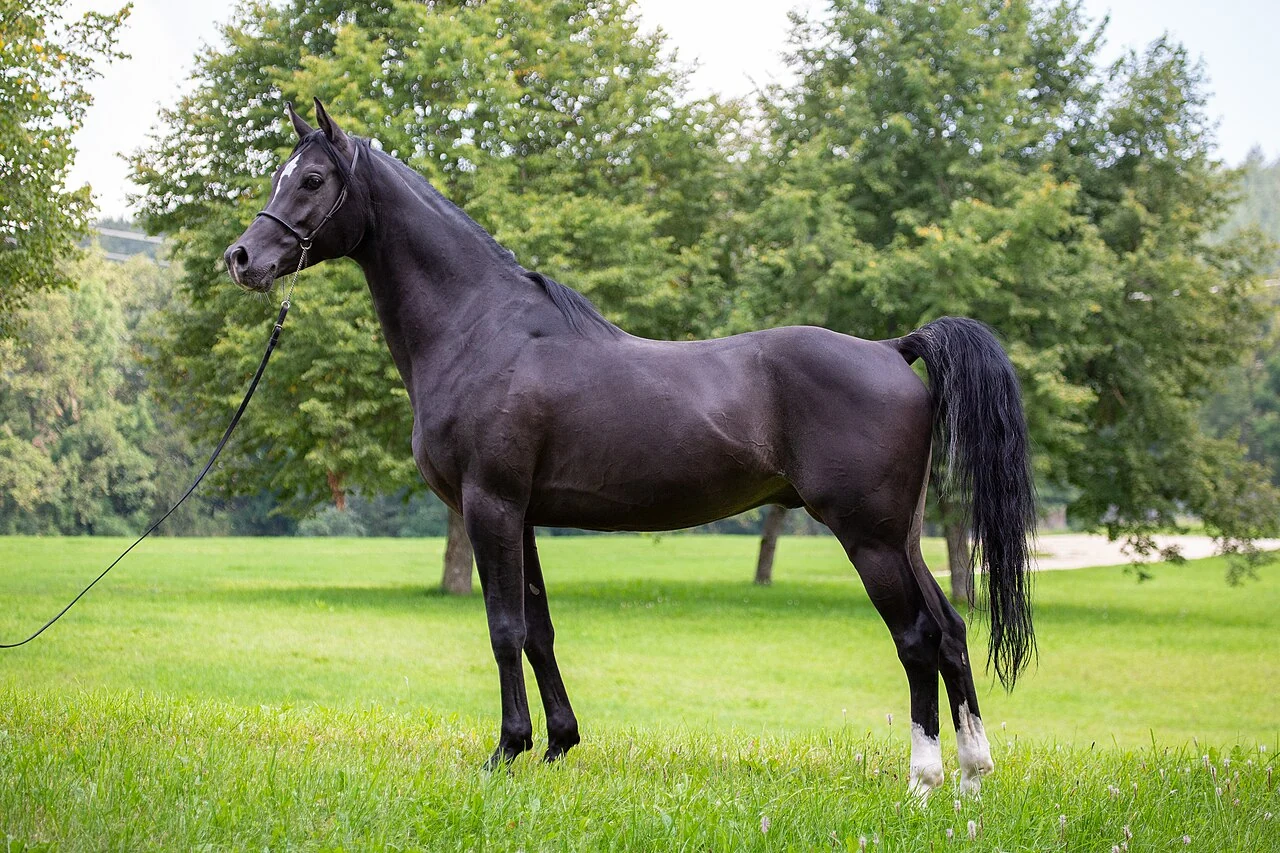
Bedouin horses and their spread around the world
The Arabian’s history is closely connected with Bedouin communities and horse keeping in the Middle East. Ancestry was passed down through generations, with mare families holding particular importance. Trade and political relationships brought horses to other regions, where they influenced many riding breeds. Today Arabians are bred around the world.
Different specialisms developed within the breed, including racing, endurance riding and showing. This background can explain which qualities a family has been selected for. When meeting a horse, it helps to ask what its education has involved: long trail rides, race training or mainly showing? Those experiences indicate which parts of its proposed new life will already be familiar and which will need patient teaching.
Sources for this section
- Discover Arabian HorsesArabian Horse Association
- Guide to buying a horseBritish Horse Society
Considering expression and physical function together
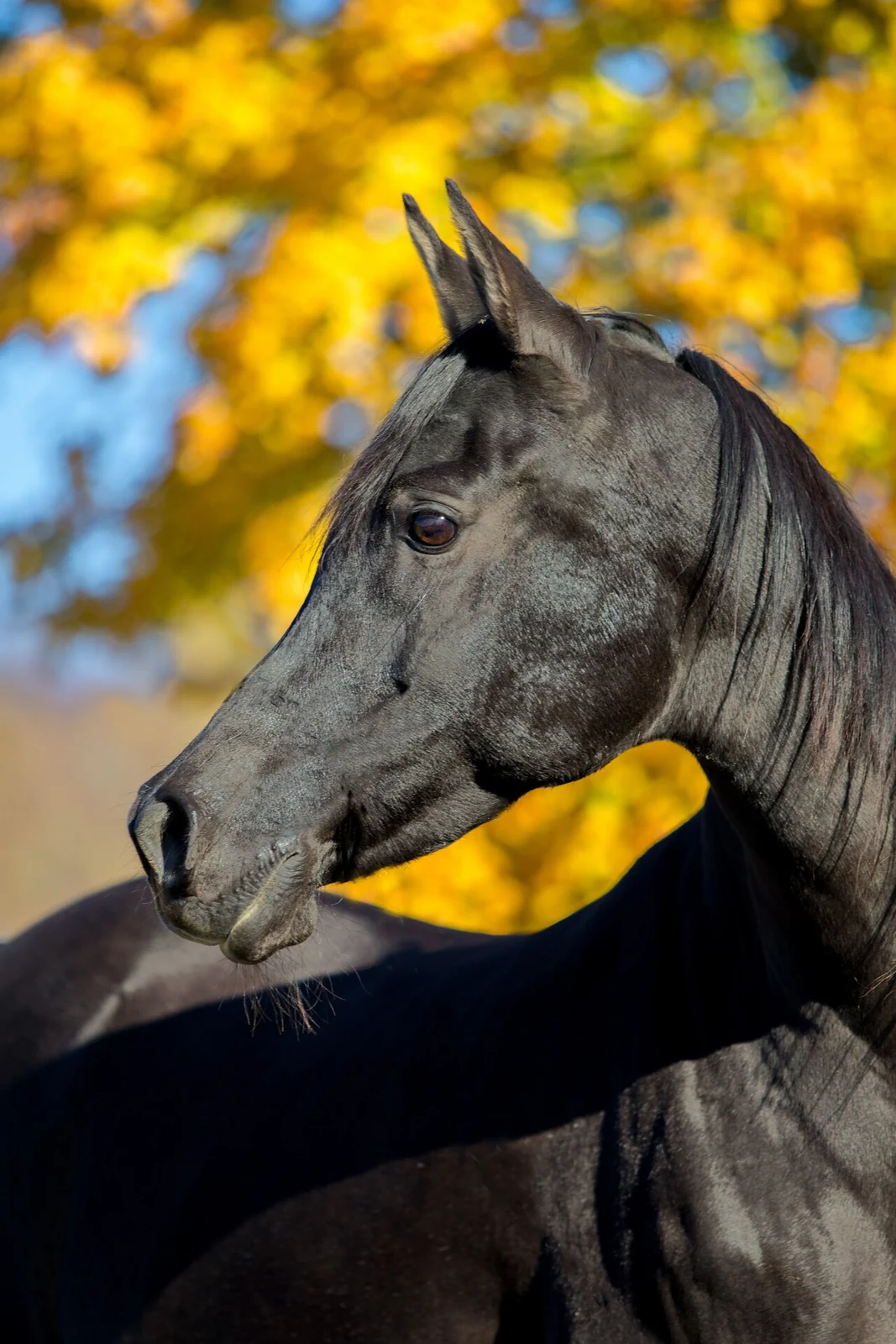
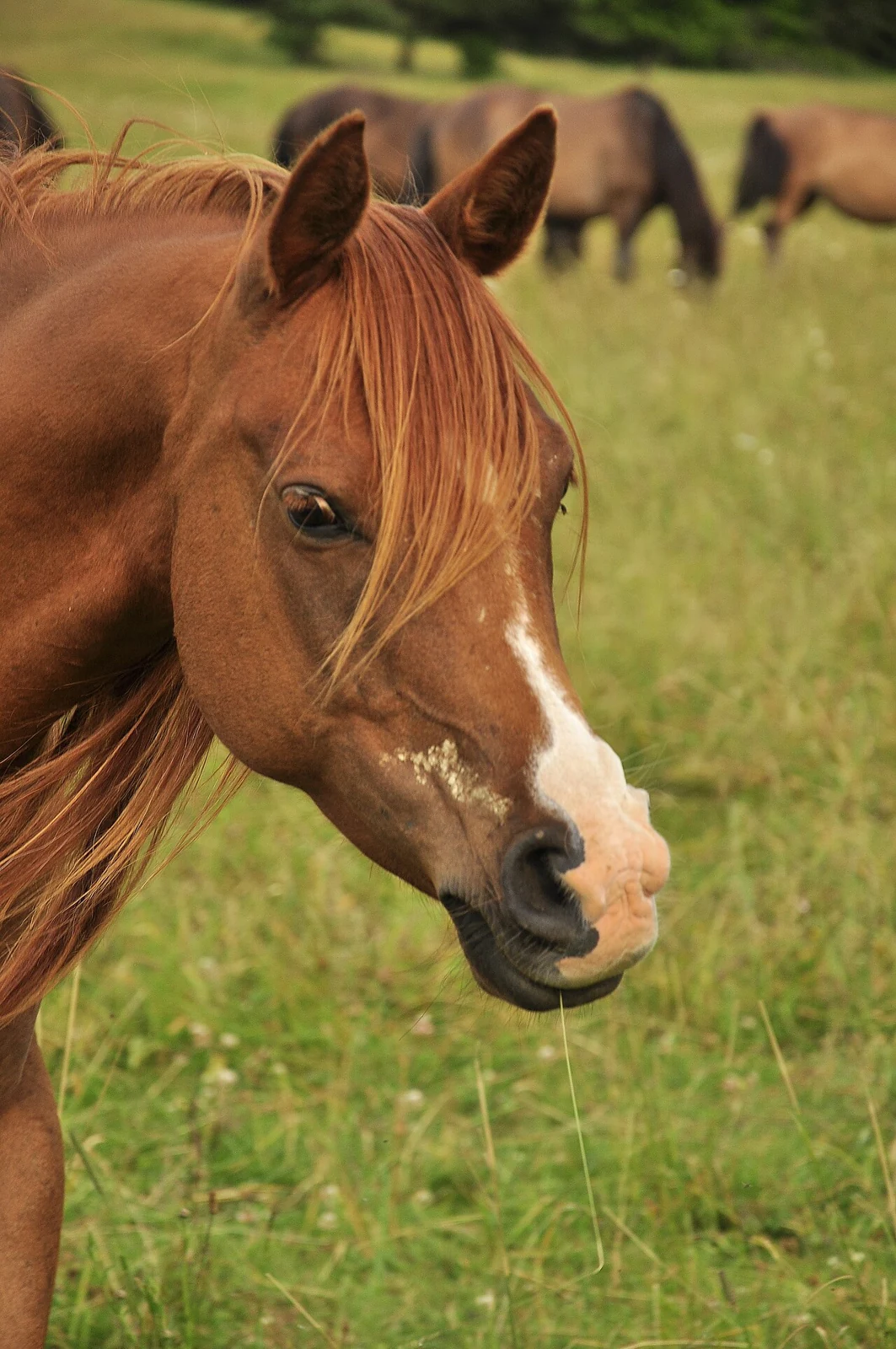
A refined-looking head and noticeable tail carriage are familiar features, with variation in how strongly they appear. A viewing should leave enough time to assess the whole horse: its movement, muscle condition in relation to previous work and response to quiet handling. An unusually pronounced head shape is not a reliable mark of quality.
Unusual breathing, difficulty eating or other functional problems deserve veterinary assessment. Describing a feature as typical for the breed does not explain symptoms. Equipment needs the same practical approach. A headcollar, bridle and saddle should fit the actual animal. Photographs or a general Arabian size are insufficient for choosing equipment because body proportions differ within the breed. Comfort should remain apparent during use as well as when equipment is first fitted.
Sources for this section
- Discover Arabian HorsesArabian Horse Association
- Guide to buying a horseBritish Horse Society
Turning awareness into clear cooperation
An attentive horse notices changes quickly. That can help learning while also making a thoughtful introduction to unfamiliar surroundings valuable. A short walk along a familiar route may provide a better starting point than a long outing with numerous new sights and sounds. Keeping the task manageable makes existing understanding easier to recognise.
Breaks, predictable routines and small achievable steps support communication. With a horse that startles easily, discomfort, uncertainty, excessive demands and limited experience should all be considered. Calling the horse spirited does little to identify the cause. A less experienced person may be better matched with an older, suitably educated individual than with a youngster chosen in the hope of learning everything together. Skilled support can help the partnership develop without relying on assumptions about the breed.
Read more: Reward-based horse training: clear steps for everyday care · Foals and young horses: growing up, handling and early learning
Sources for this section
- Guide to buying a horseBritish Horse Society
- Where to keep your horseBritish Horse Society
- Training: how do horses learn?World Horse Welfare
Building endurance through preparation
Arabians are prominent in endurance riding. An individual does not acquire fitness simply by belonging to the breed. Longer routes, varied footing and hills need appropriate preparation. Weather, feed intake, recovery and hoof condition belong in that planning too.
A carefully prepared full-day ride can be an enjoyable goal for a leisure partnership. Beforehand, it helps to know how the horse travels, drinks away from home and settles in unfamiliar surroundings. Experienced company can make early longer outings easier to organise. If recovery after ordinary work takes noticeably longer or performance changes suddenly, veterinary investigation should come before increasing the distance again. Previous achievements provide context, while current condition should guide the next stage of work.
Sources for this section
- Discover Arabian HorsesArabian Horse Association
- Feeding horsesBritish Horse Society
- Essential care for your horse’s hoovesBritish Horse Society
- Guide to buying a horseBritish Horse Society
DNA records, routine care and later life
A DNA parentage test checks the relationship to recorded parents. It is not a general health certificate. Additional tests are available for particular inherited conditions in Arabians, including SCID, which severely affects immune function, and certain neurological or developmental disorders. The laboratory report should identify the variants tested. Results from both parents need professional interpretation before a mating is planned.
Ordinary care includes free movement, equine company, suitable resting areas and a ration matched to actual work and body condition. Teeth and muscle condition may change feeding needs as a horse ages. Slower eating or weight loss deserves investigation. Appropriate adjustments can help preserve comfortable activities and familiar social contact. Memories of previous athletic ability should not replace assessment of how the horse feels and functions now.
Read more: Keeping horses: building a good everyday life · Older horses: adapting feeding, movement and daily care
Sources for this section
- DNA and genetic testingArabian Horse Association
- Where to keep your horseBritish Horse Society
- Feeding horsesBritish Horse Society
Common questions
Are Arabians always nervous?
No. Behaviour depends on the individual, previous experiences, management and health. A careful viewing and suitable knowledgeable support are more informative than a general breed label.
Can an Arabian be a leisure horse?
Yes, when health, training and the particular horse-and-rider partnership are suitable. Endurance competitions or other events are not a requirement for a rewarding daily life.
A closer look
Sources and photo credit
- Where to keep your horseBritish Horse Society
- Feeding horsesBritish Horse Society
- Essential care for your horse’s hoovesBritish Horse Society
- Guide to buying a horseBritish Horse Society
- Discover Arabian HorsesArabian Horse Association
- DNA and genetic testingArabian Horse Association
- Training: how do horses learn?World Horse Welfare
Photo: WM Nafis - Arabian horse.jpg · OliverSeitz · Public domain. Resized and converted to WebP; scene unchanged.
Photo: Black arabian horse head.jpg · OliverSeitz · Public domain. Resized and converted to WebP; scene unchanged.
Photo: Chestnut Arabian mare head.jpg · Joanna Pędzich-Opioła · CC BY 2.0. Resized and converted to WebP; scene unchanged.
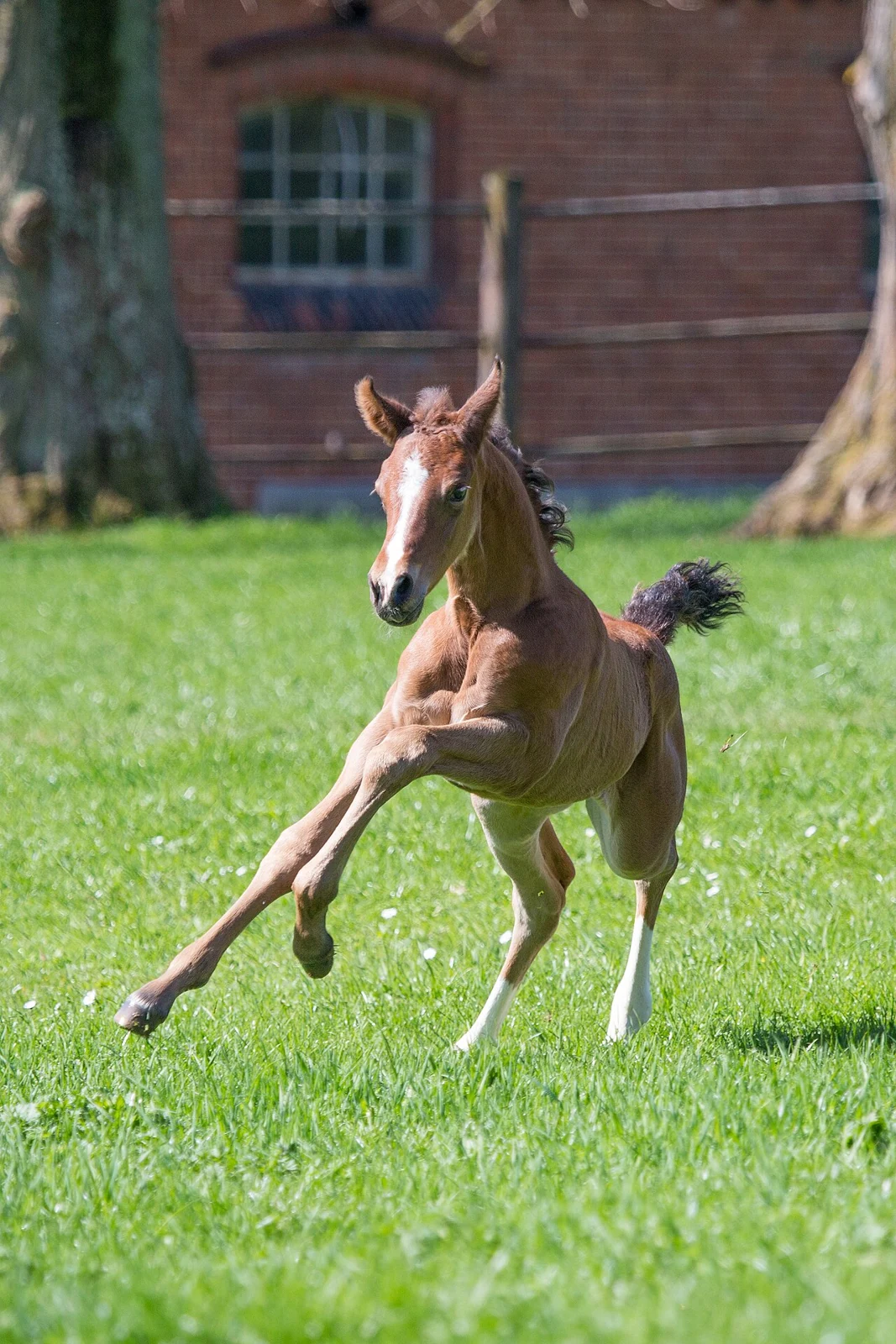
Photo: Bay arabian foal, Germany.jpg · OliverSeitz · Public domain. Resized and converted to WebP; scene unchanged.