 fellfolio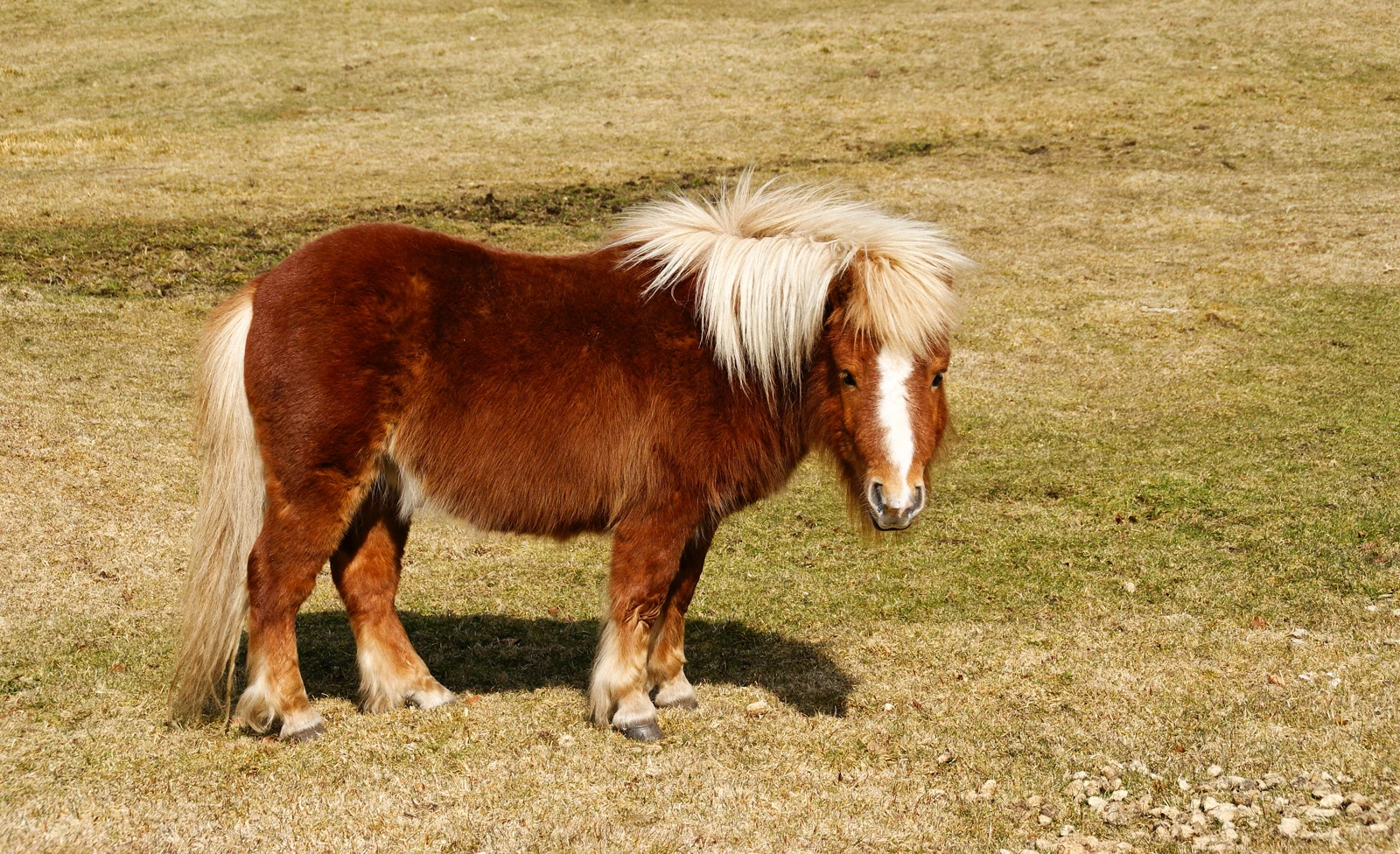
Recognising a Shetland pony
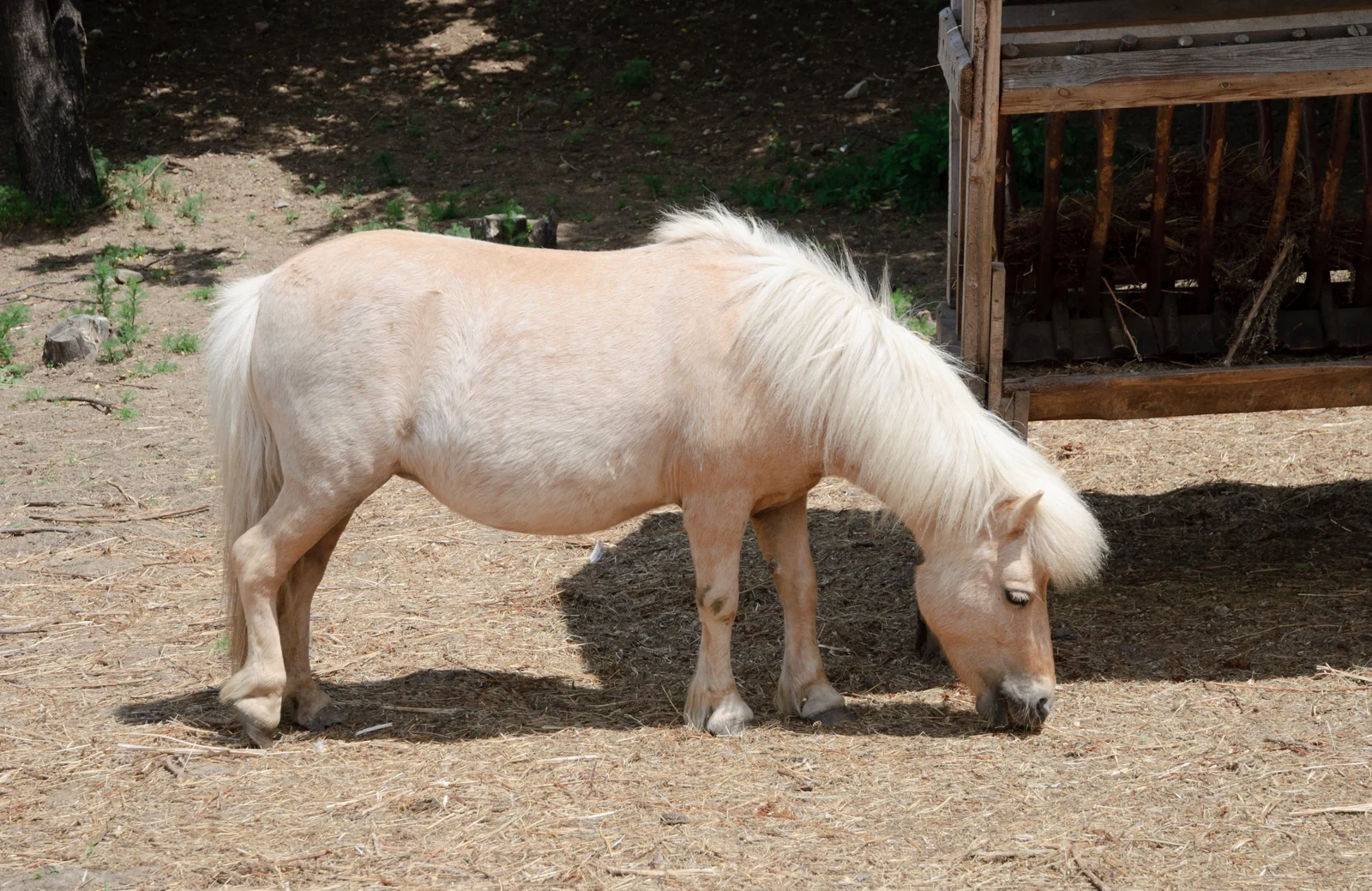
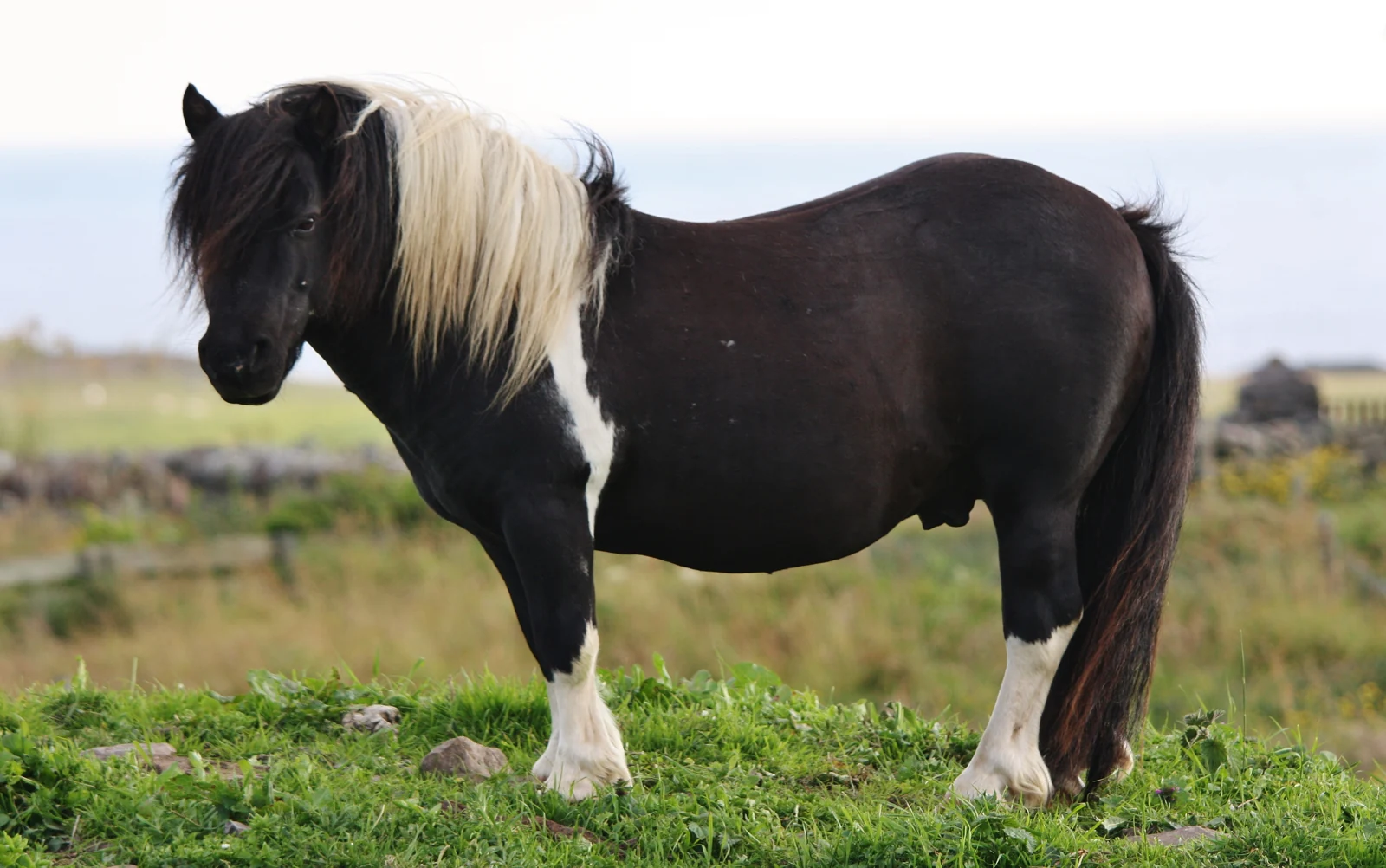
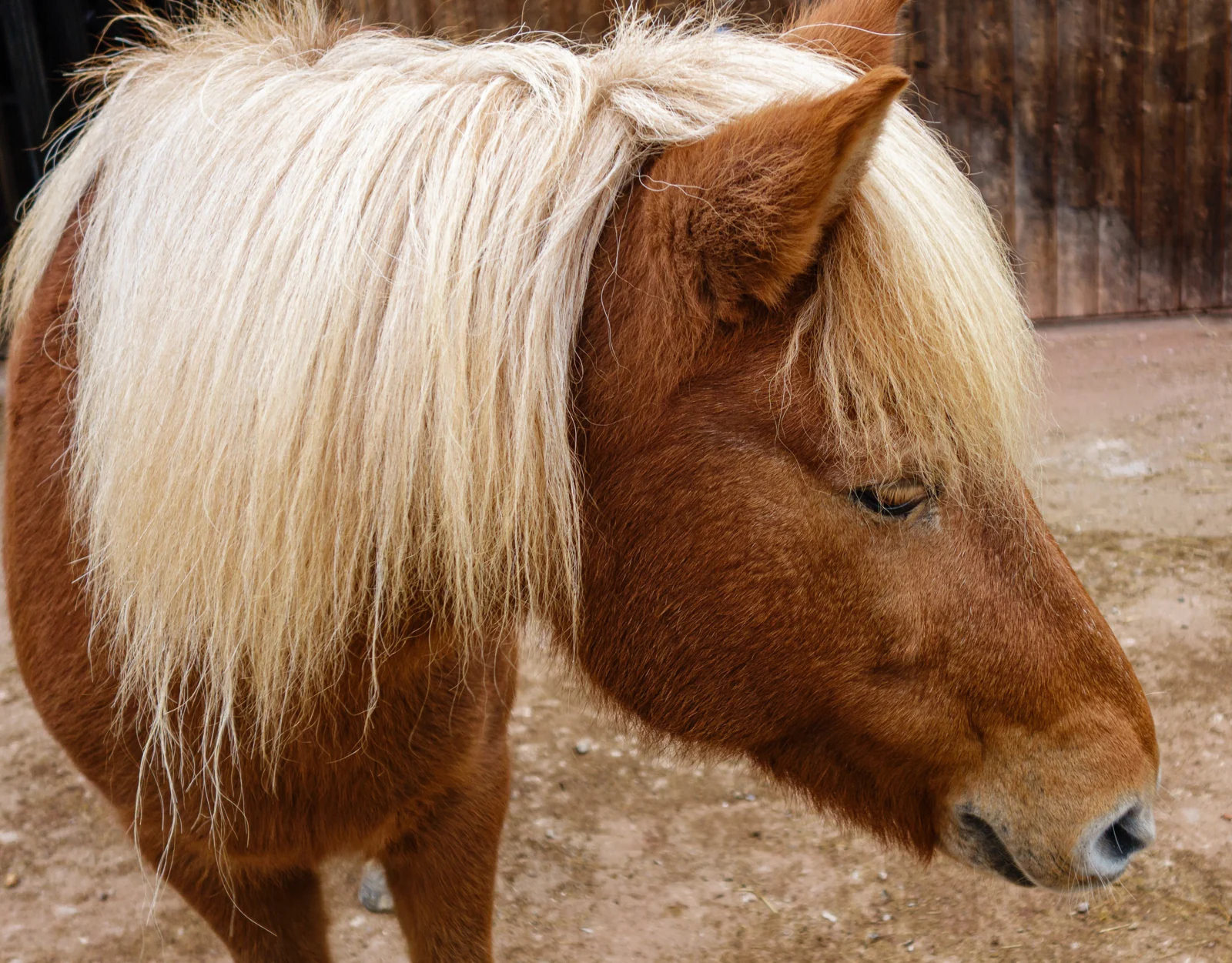
The breed originates from the Shetland Islands. Its winter coat combines protective outer hairs with a dense underlying layer; mane and tail are generally plentiful. The breed standard allows many colours, excluding spotted patterns. Height is measured at the withers, the raised area where neck and back meet.
A small pony in an advertisement is not automatically a registered Shetland. Papers can establish recorded ancestry, while actual size, condition and health history guide practical care. A mature pony with limited education deserves the same careful assessment as a larger horse. A photograph gives little sense of the strength it can use when moving through a gateway or reaching for food.
Sources for this section
- Breed standardShetland Pony Stud-Book Society
- Guide to buying a horseBritish Horse Society
- Breed HistoryShetland Pony Stud-Book Society
Helping children and ponies learn together
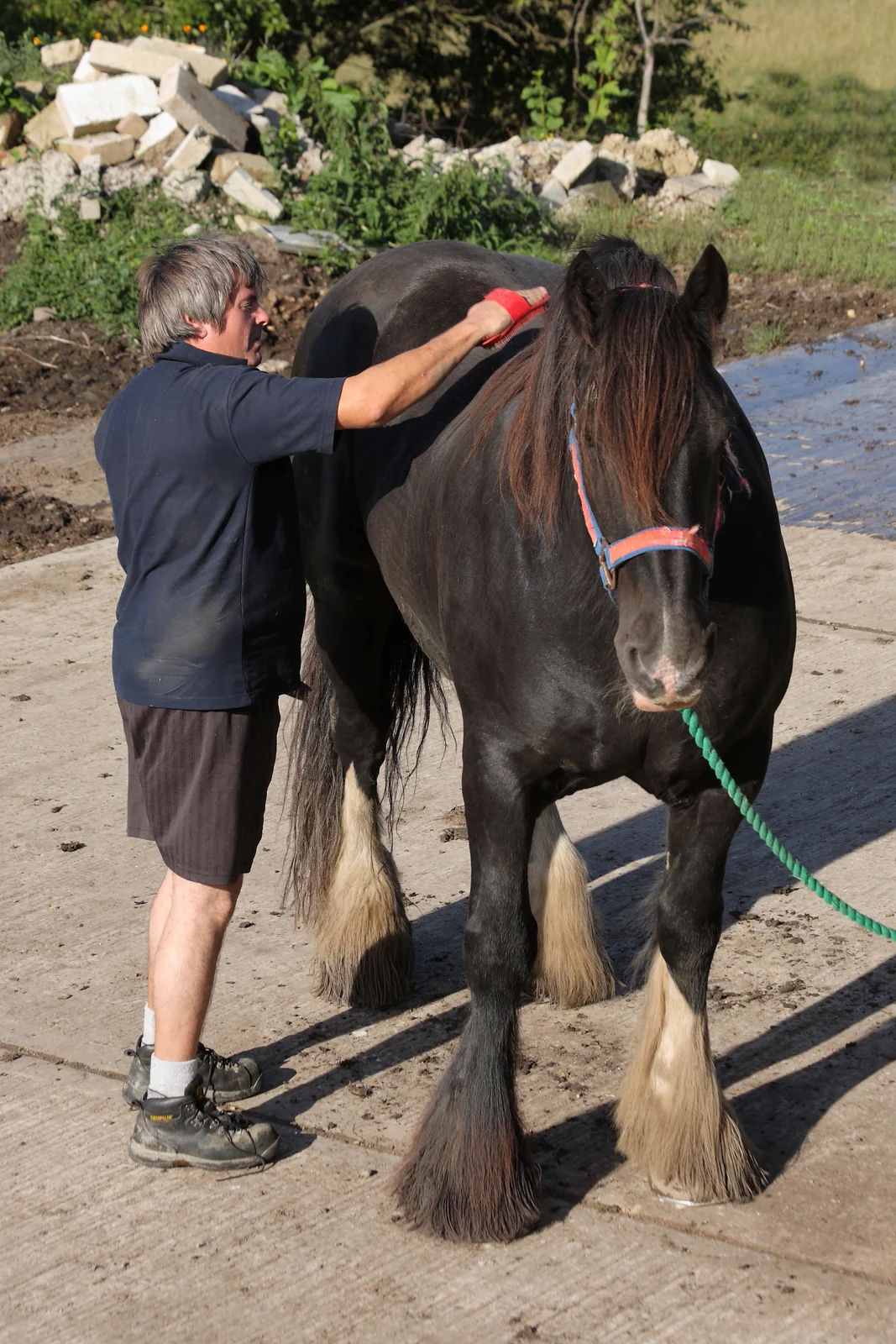
A suitably educated Shetland can introduce children to grooming, leading and observing horses. An adult should organise the interaction so that both child and pony have space and understandable guidance. A secure place to stand and clear responsibilities are more helpful than several people giving instructions at once.
Whether a child can ride should be assessed for the particular pony. The child’s size, weight and balance need to suit its back, conditioning and training. Appropriate head protection, correctly fitted equipment and competent instruction belong in the plan. A pony that becomes frightened or moves away needs the situation adjusted. Its response provides information about how it is coping, and should be taken seriously even when the animal is small.
Sources for this section
- Guide to buying a horseBritish Horse Society
- Owning a horseBritish Horse Society
Checking the yard at pony height
Fences need heights and gaps suited to small ponies. Spaces beneath gates, accessible catches and entrances to feed stores deserve particular attention. A lower water trough still needs to be stable and kept clean. Looking at the layout from pony height helps reveal what is genuinely within reach.
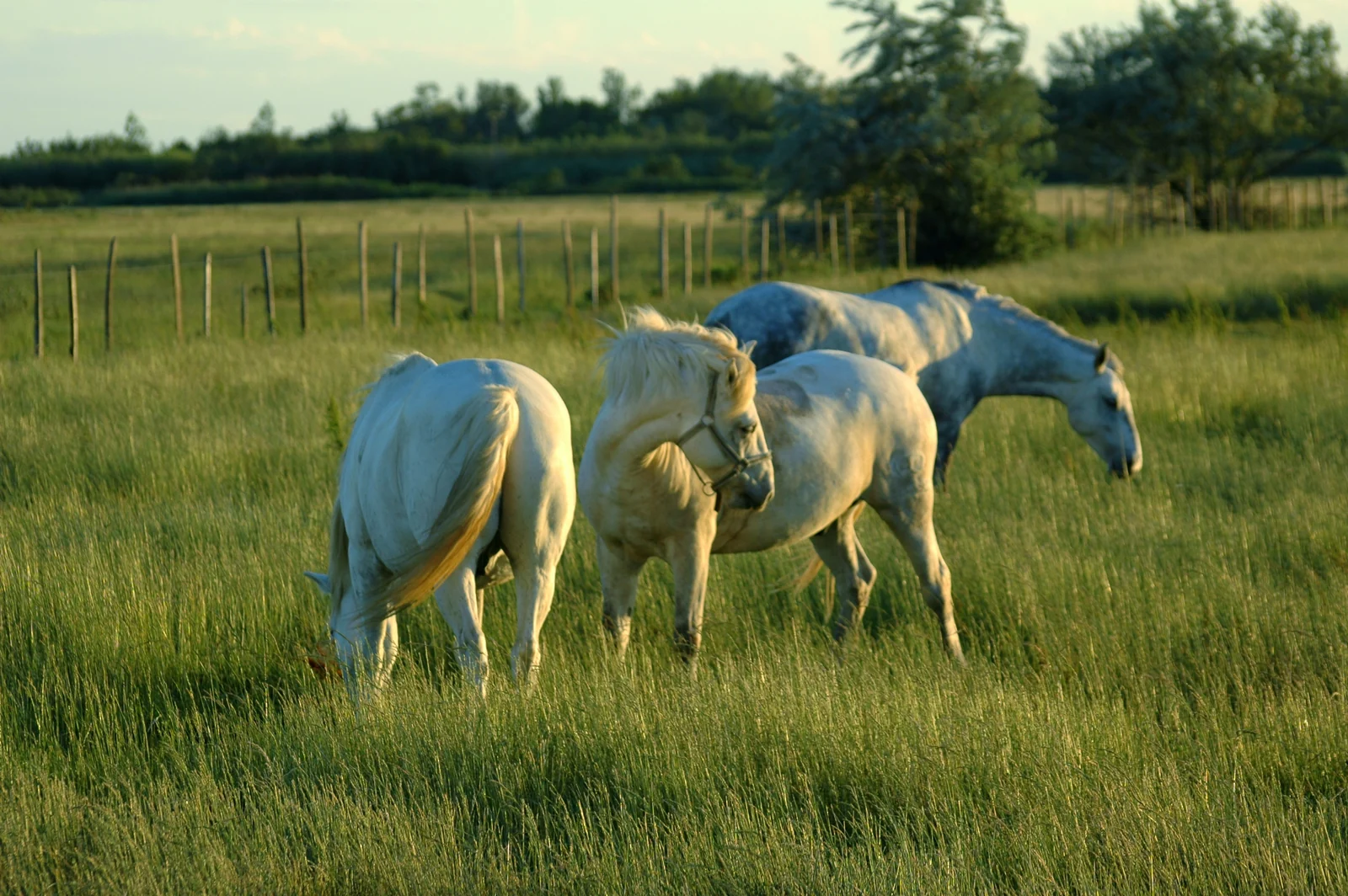
Shetlands need compatible equine company. A group containing larger horses can work when the animals’ behaviour, size differences and available space are considered together. Each animal needs access to food and rest without persistent interference. A companion pony also requires its own care arrangements. Hoof appointments, health checks and an individual ration should be planned explicitly, so its needs remain visible alongside those of a ridden horse.
Read more: Choosing the right yard for your horse · Keeping horses: building a good everyday life
Sources for this section
- Where to keep your horseBritish Horse Society
- Owning a horseBritish Horse Society
Matching feed to actual requirements
A smaller body needs a correspondingly planned ration. For a lightly worked pony, generous portions of energy-rich feed can easily exceed its requirements. Rich grazing also contributes to total intake. Suitable forage remains the foundation, and qualified advice can help balance adequate eating time with appropriate energy supply.
A dense coat can hide fat deposits. Hands-on checks and comparable photographs make gradual changes easier to notice. Weight gain should prompt a review of the ration and grazing: excess weight increases the risk of laminitis. This painful condition damages the tissues supporting the pedal bone inside the hoof. Short, stiff strides, reluctance to turn or unusually warm feet can be warning signs. Suspected laminitis requires an immediate call to the veterinary practice. A pony in pain should not be forced to keep walking.
Sources for this section
- Feeding horsesBritish Horse Society
- Preventing colic in horsesBritish Horse Society
- Essential care for your horse’s hoovesBritish Horse Society
- LaminitisBritish Horse Society
Useful activities throughout life
A Shetland may take part in quiet walks, simple groundwork or properly prepared driving. Driving requires the pony’s education, harness and vehicle to work together. Its small size does not make introducing a carriage a casual task. Professional guidance is particularly valuable for a novice choosing and educating a driving pony.
Young ponies begin with short everyday handling tasks taught in manageable steps. An older individual may still enjoy familiar routes and activities, with duration and effort adjusted to its abilities. Professional hoof care remains necessary throughout life. Changes in teeth or mobility call for corresponding adjustments to care. The pony’s value as a companion continues whether or not it is still ridden or driven.
Read more: Foals and young horses: growing up, handling and early learning · Older horses: adapting feeding, movement and daily care · Reward-based horse training: clear steps for everyday care
Sources for this section
- Essential care for your horse’s hoovesBritish Horse Society
- Owning a horseBritish Horse Society
- Guide to buying a horseBritish Horse Society
- Training: how do horses learn?World Horse Welfare
Common questions
Can a Shetland live alone as a companion pony?
A companion pony provides equine company and needs compatible companions itself. It also requires care planned around its own needs. Permanent solitary housing does not meet that social requirement.
Is a Shetland cheaper to keep?
Feed quantities may be smaller, but accommodation, daily care, hoof work, dentistry and veterinary services remain substantial responsibilities. A useful budget starts with actual local costs and a reserve, rather than estimating everything from body size.
A closer look
Sources and photo credit
- Breed standardShetland Pony Stud-Book Society
- Where to keep your horseBritish Horse Society
- Owning a horseBritish Horse Society
- Feeding horsesBritish Horse Society
- Essential care for your horse’s hoovesBritish Horse Society
- Preventing colic in horsesBritish Horse Society
- Guide to buying a horseBritish Horse Society
- Training: how do horses learn?World Horse Welfare
- Breed HistoryShetland Pony Stud-Book Society
- LaminitisBritish Horse Society
Photo: Shetland pony - Postbridge.jpg · Herbythyme · CC BY-SA 4.0. Resized and converted to WebP; scene unchanged.
Photo: Shetland pony - Sofia zoo.jpg · MrPanyGoff · CC BY-SA 3.0. Resized and converted to WebP; scene unchanged.
Photo: Shetland pony (2).jpg · Ronnie Robertson · CC BY-SA 2.0. Resized and converted to WebP; scene unchanged.
Photo: Haare und Frisuren 004 2021 10 30.jpg · Friedrich Haag · CC BY-SA 4.0. Resized and converted to WebP; scene unchanged.


.jpg)
