fellfolio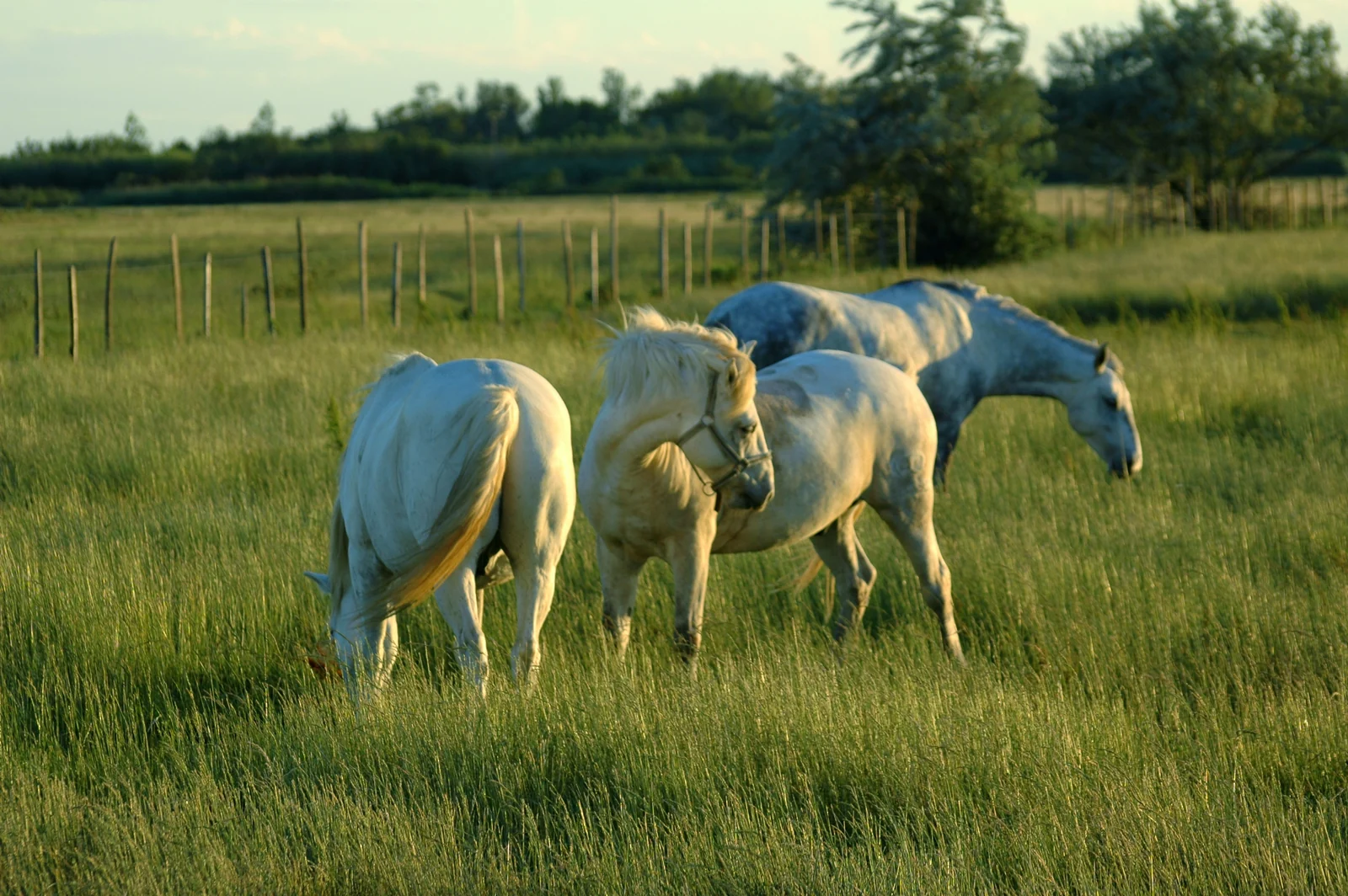
Living with other horses
Horses are social animals. Familiar, compatible companions provide opportunities for shared resting, feeding and mutual grooming. Individual horses also need space to avoid an interaction. A narrow corner beside the only hay supply can create repeated conflict even when the group appears quiet from a distance.
During a yard visit, spending time beyond the busy feeding period can be revealing. Notice whether one horse is always waiting on the edge. Several accessible feeding locations, generous routes between areas and sufficient lying space can reduce competition. Introducing a new horse requires active management. Ask how the yard handles introductions, who watches the group afterwards and what happens if a particular horse cannot settle into the arrangement.
Movement throughout the day
Appropriate turnout allows a horse to choose when to walk, move more energetically or rest. This differs from a training session in which a person controls the pace and direction. Days without riding still need suitable opportunities for movement, unless a veterinary plan requires restriction.
An open group system connects sheltered accommodation with an accessible exercise area. Its success depends on usable surfaces, sensible routes and a compatible group. For individually stabled horses, the actual daily turnout and opportunities for social contact deserve especially close attention. A label such as “full livery” says little about how many hours horses spend outside. The useful question is what an ordinary day looks like for this particular horse throughout the year.
Include feeding in the housing decision
Grass and suitable forage, such as hay, form the foundation of horse feeding. Forage supplies fibre and takes time to chew. The feeding plan needs to reflect body condition, workload and any health problems. A pony that gains weight readily may need a different arrangement from a horse that struggles to maintain condition.
Access matters as much as the amount delivered to the yard. Can quieter horses reach the forage? Is it stored properly? Does the water supply work, and is the water clean? Concentrates are additional energy feeds rather than an automatic requirement. Their role depends on the individual horse’s needs. Changes to feed should be gradual and agreed with everyone involved, so an intended adjustment is not accidentally doubled by another person.
A comfortable place to rest
A resting area needs enough space for horses to lie down comfortably and get up again. Wet bedding, slippery entrances or another horse blocking the way can make an apparently good shelter difficult to use. Shade and airflow matter in warm weather; prolonged rain calls for somewhere dry and protected. The paths leading to these areas also need to remain usable.
A visit during poor weather can reveal weaknesses that are easy to miss on a sunny afternoon. Ask to see the winter arrangements even if you are choosing a yard in summer. A well-run establishment should be able to explain which surfaces remain available, how pasture is managed and how it keeps water and forage accessible when conditions deteriorate.
Arrange care that survives a change of plan
Daily care involves many ordinary tasks: checking water, supplying food, removing droppings, looking at each horse and passing on anything unusual. Hoof care, dental checks, vaccination planning and treatment appointments add further responsibilities. Each task needs a named person or a clear service agreement. Assuming that somebody will notice is unreliable when several people share a yard.
A concise care sheet can hold feeding instructions, contacts, individual habits and cover arrangements. A holiday carer should meet the horse and learn the yard routine beforehand. Veterinary help and transport also need planning before an emergency. Having these details together makes everyday cooperation easier as well: the same information does not have to be reconstructed from several messages whenever someone takes over a shift.
Common questions
Does group housing suit every horse?
The particular group and facilities matter. An older horse or one with health problems may need individual feeding, easier routes or other adjustments. Discuss those needs with the yard and the treating vet.
Can a horse have a good life without being ridden?
Yes. Suitable companionship, freedom to move, appropriate care and enjoyable interaction remain important. Any additional exercise should reflect the horse’s health and fitness.
Sources and photo credit
- Where to keep your horseBritish Horse Society
- Owning a horseBritish Horse Society
- Feeding horsesBritish Horse Society
- Essential care for your horse’s hoovesBritish Horse Society
- Preventing colic in horsesBritish Horse Society
Photo: 3 horses on pasture · Barbarossa · CC BY 2.5. Resized and converted to WebP; scene unchanged.