fellfolio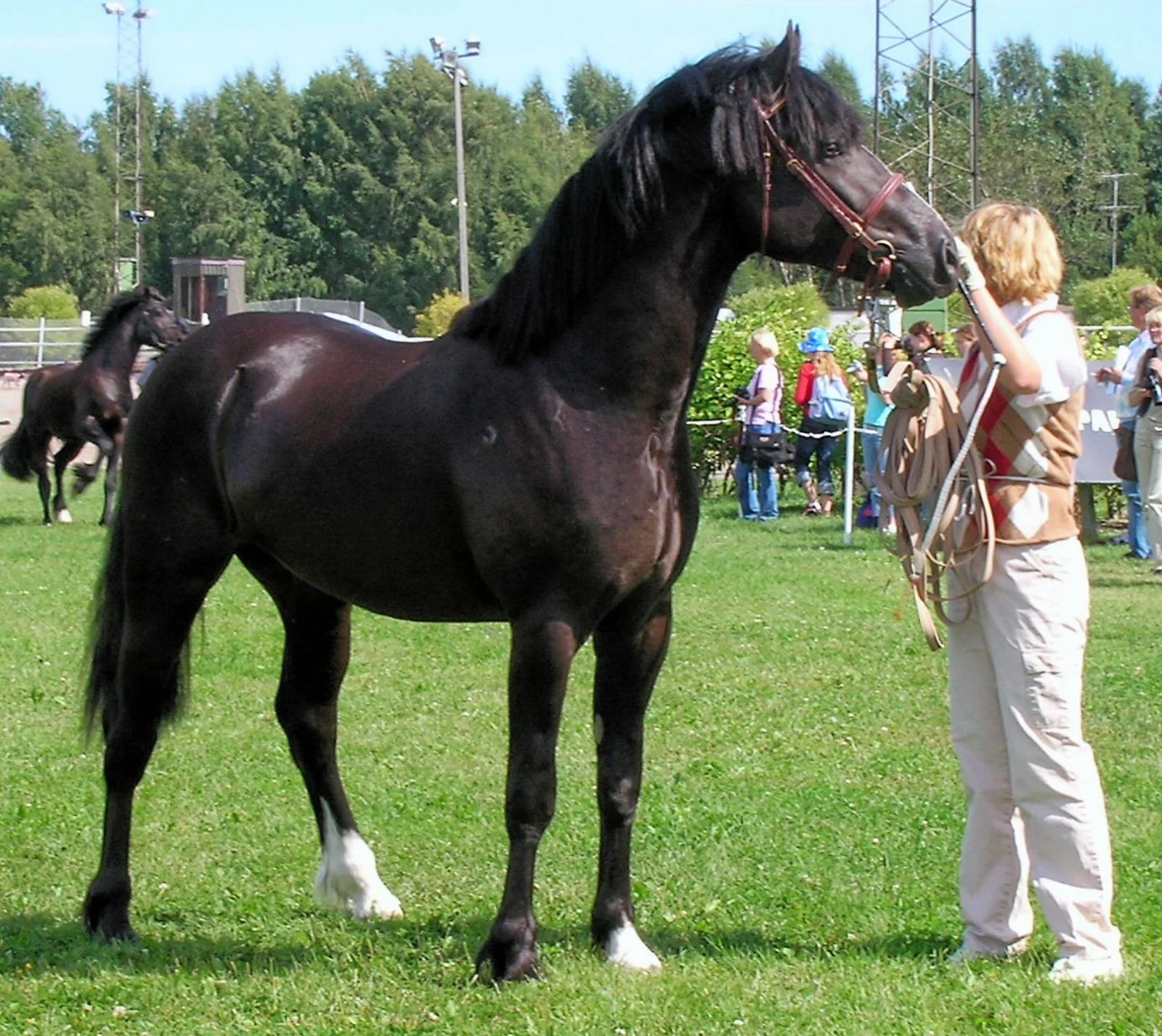
Understanding the Section D designation
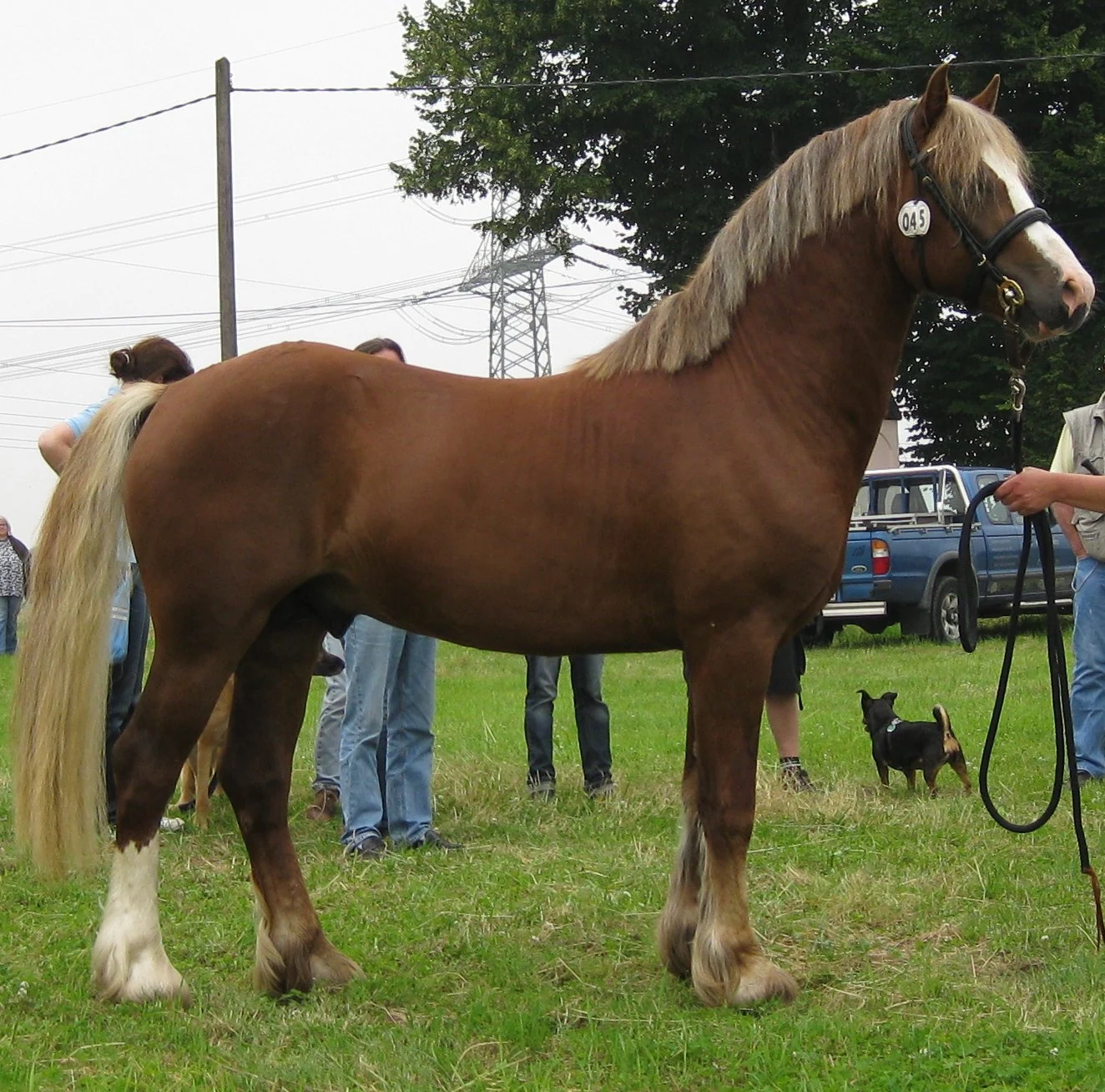
The Welsh Cob developed from Welsh pony stock with contributions from other riding and driving horses during its breeding history. Crosses in the eighteenth and nineteenth centuries helped shape the modern type. Cobs were used for personal travel, transport and riding, roles that valued strength alongside mobility.
Section D starts above 13.2 hands, approximately 137 centimetres. In this measurement system a hand is four inches, so 13.2 means thirteen hands and two inches. A Welsh Cob may therefore be pony-sized or horse-sized. A prospective purchase should include its actual measured height, recorded ancestry and a clear account of its education. The section name provides a starting point while leaving considerable individual variation to explore.
Sources for this section
- Section D Welsh CobWelsh Pony & Cob Society of America
Experiencing the movement before choosing
The breed type combines substance with active movement. An expressive trot can be impressive to watch. Under saddle, the rider also needs to follow the rhythm and give understandable cues. A trial ride should leave ample time for walk, transitions and straightforward tasks, so the practical experience receives as much attention as appearance.
It is useful to see the regular rider demonstrate the horse’s familiar cues first. An experienced Cob may suit a developing rider, whereas a forward young horse can require considerably more support. That distinction is best assessed through ordinary observations. Descriptions such as uncomplicated or suitable for a family become meaningful once the seller explains the actual situations in which the horse has worked.
Read more: Reward-based horse training: clear steps for everyday care
Sources for this section
- Section D Welsh CobWelsh Pony & Cob Society of America
- Guide to buying a horseBritish Horse Society
Driving involves a separate education
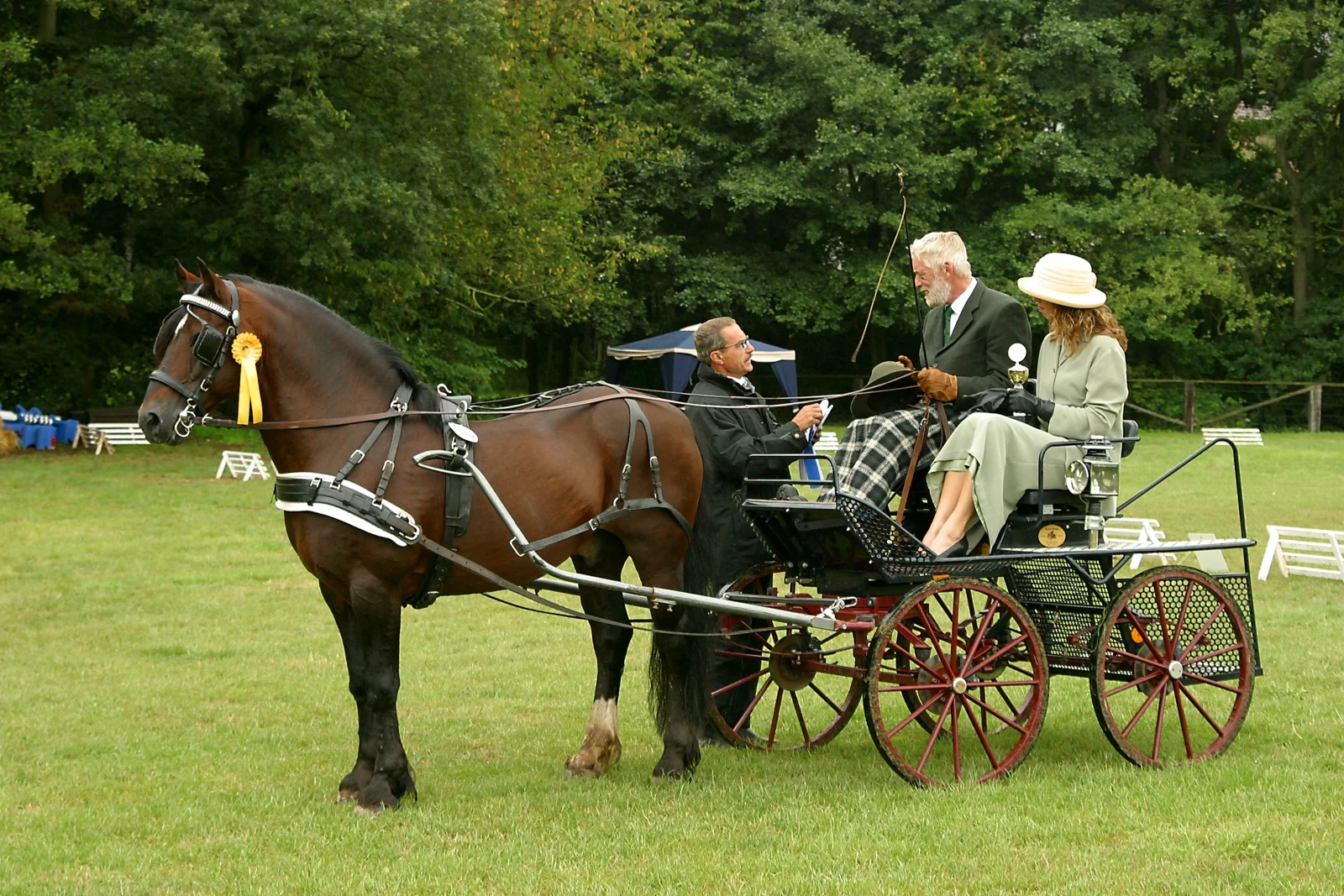
The Welsh Cob’s association with driving appeals to people who would like to explore routes with a carriage. A ridden horse still needs specific preparation for this work. It must become familiar with the relevant cues, harness and the sounds and movements of the vehicle. Qualified driving instruction should guide the process.
When considering an established driving horse, useful questions include the type of turnout it has worked in, the routes it knows and the assistance normally available. Existing equipment needs to fit the individual. Someone learning to drive should select a horse with an experienced professional. A suitable practice area, competent help on the ground and a realistic plan for regular work all belong in the arrangement.
Sources for this section
- Section D Welsh CobWelsh Pony & Cob Society of America
- Guide to buying a horseBritish Horse Society
- Owning a horseBritish Horse Society
Company, accessible space and feeding
A Welsh Cob needs daily opportunities for free movement and suitable equine companions. Gates, feeding areas and shelters should comfortably accommodate its build. Clear routes and several accessible feeding places help a group share the space. A horse should not need to squeeze between others to reach its forage.
The ration should reflect individual condition and workload. A rounded outline may be part of the horse’s type, while increasing fat deposits still deserve attention. Hay, grazing, additional feed and treats need to be considered together. Professional condition assessment can help when appearance is difficult to interpret. Consistent photographs and measurements reveal trends more reliably than impressions that change after grooming or a demanding week of work.
Read more: Keeping horses: building a good everyday life
Sources for this section
- Where to keep your horseBritish Horse Society
- Feeding horsesBritish Horse Society
Changing needs over a lifetime
The mane, tail and longer hair around the lower legs benefit from regular attention. After wet or muddy conditions, checking the skin beneath the hair can reveal irritation that clumped strands would otherwise hide. Hoof care, dental health and the fit of saddle or harness remain ongoing responsibilities.
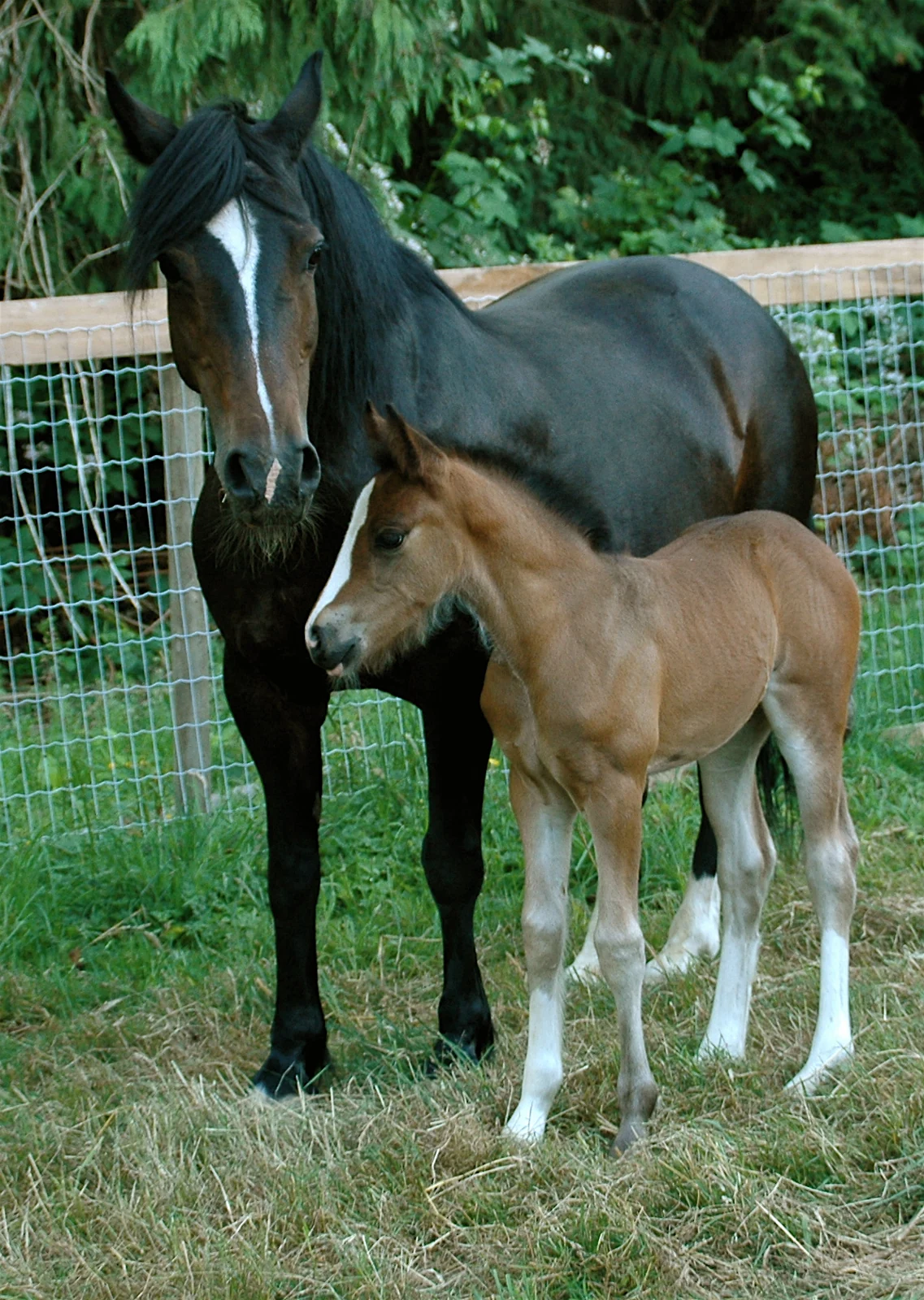
A young Cob first needs a social life and gradual learning. Looking powerful does not establish readiness for demanding work. An older horse may benefit from shorter routes or adjusted tasks if its mobility changes. New difficulties should be discussed with the veterinary practice. Established handling skills can remain valuable, including calm leading and cooperation during examinations, even when athletic expectations change.
Read more: Foals and young horses: growing up, handling and early learning · Older horses: adapting feeding, movement and daily care
Sources for this section
- Stage 1 Care syllabusBritish Horse Society
- Essential care for your horse’s hoovesBritish Horse Society
- Owning a horseBritish Horse Society
- Training: how do horses learn?World Horse Welfare
Common questions
Is every Welsh Cob a large pony?
Section D has a lower height threshold and no upper limit. Some Welsh Cobs exceed the usual pony height. Actual measurements matter for transport, equipment and assessing a suitable rider.
Can groundwork provide useful activity?
Well-planned groundwork can offer a worthwhile shared task alongside daily free movement with companions. Exercises should suit the horse’s health and education and the handler’s skills. Short, clear tasks provide a practical starting point.
A closer look
Sources and photo credit
- Section D Welsh CobWelsh Pony & Cob Society of America
- Where to keep your horseBritish Horse Society
- Owning a horseBritish Horse Society
- Feeding horsesBritish Horse Society
- Essential care for your horse’s hoovesBritish Horse Society
- Stage 1 Care syllabusBritish Horse Society
- Guide to buying a horseBritish Horse Society
- Training: how do horses learn?World Horse Welfare
Photo: Welshd dewin.JPG · Hanna V · CC BY-SA 3.0. Resized and converted to WebP; scene unchanged.
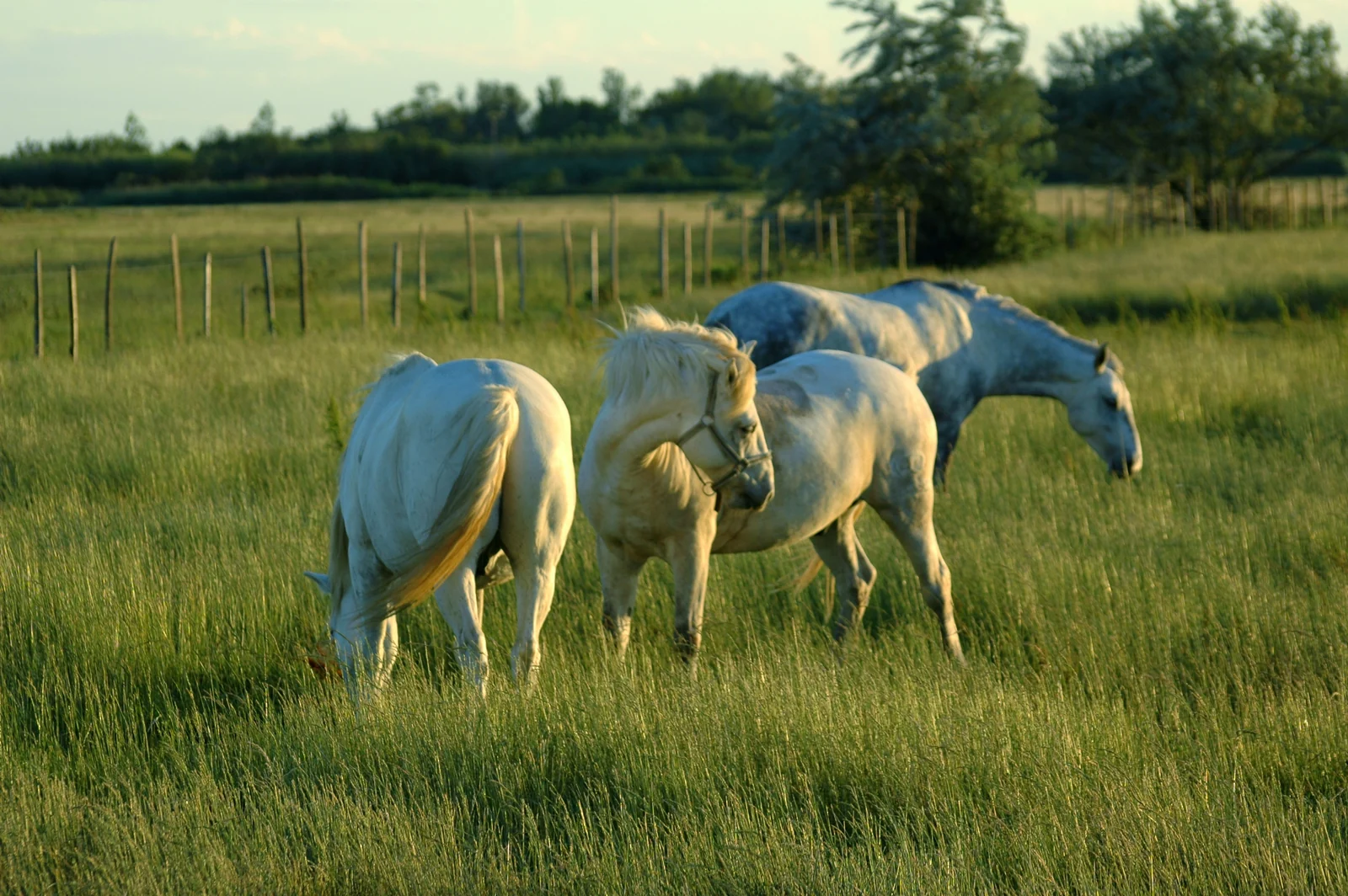
Photo: Welsh-D-Kutsche.jpg · User:MBurger · CC BY-SA 3.0. Resized and converted to WebP; scene unchanged.
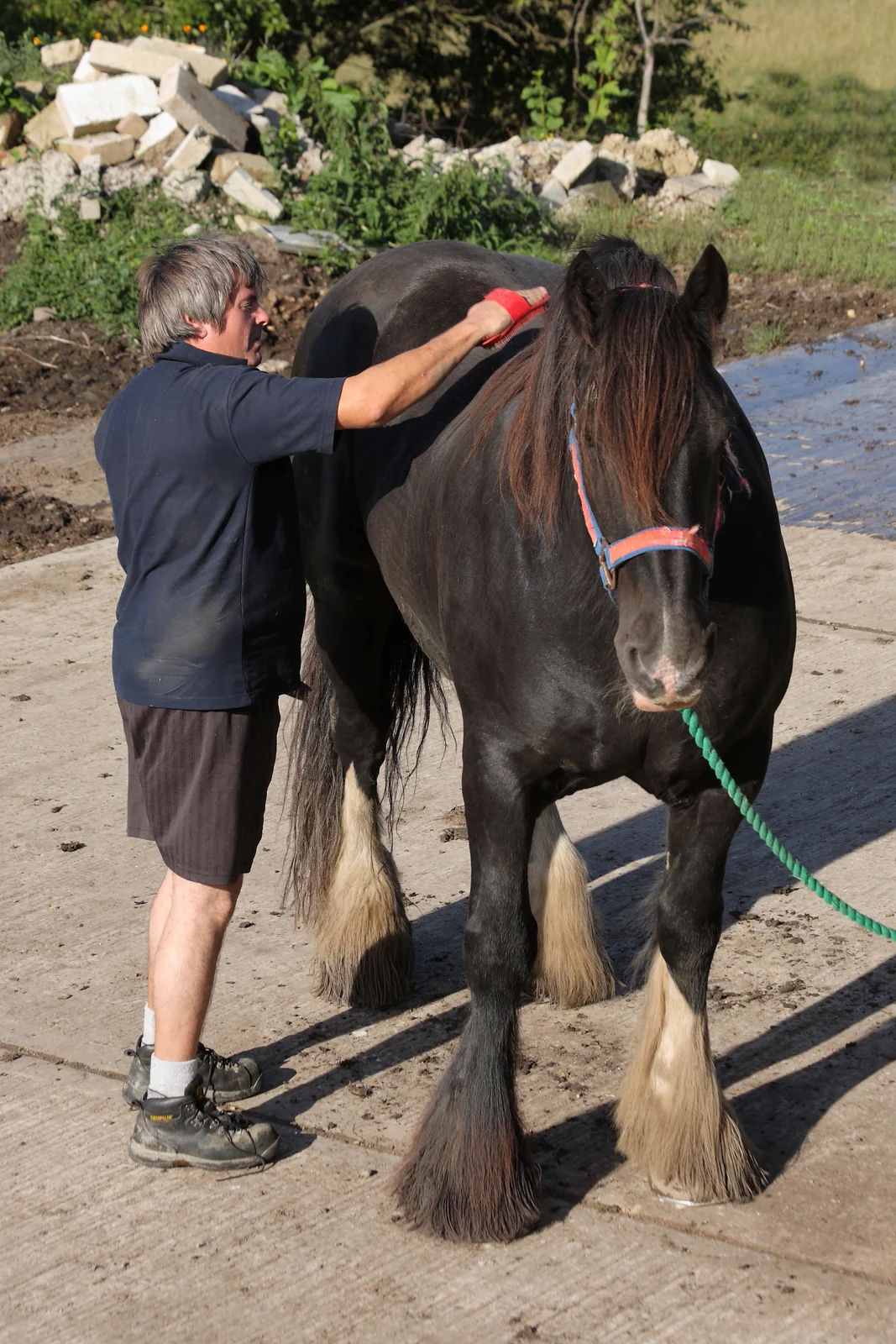
Photo: WelshPonySectionD.jpg · Hü (Wikimedia Commons) · CC BY-SA 3.0. Resized and converted to WebP; scene unchanged.
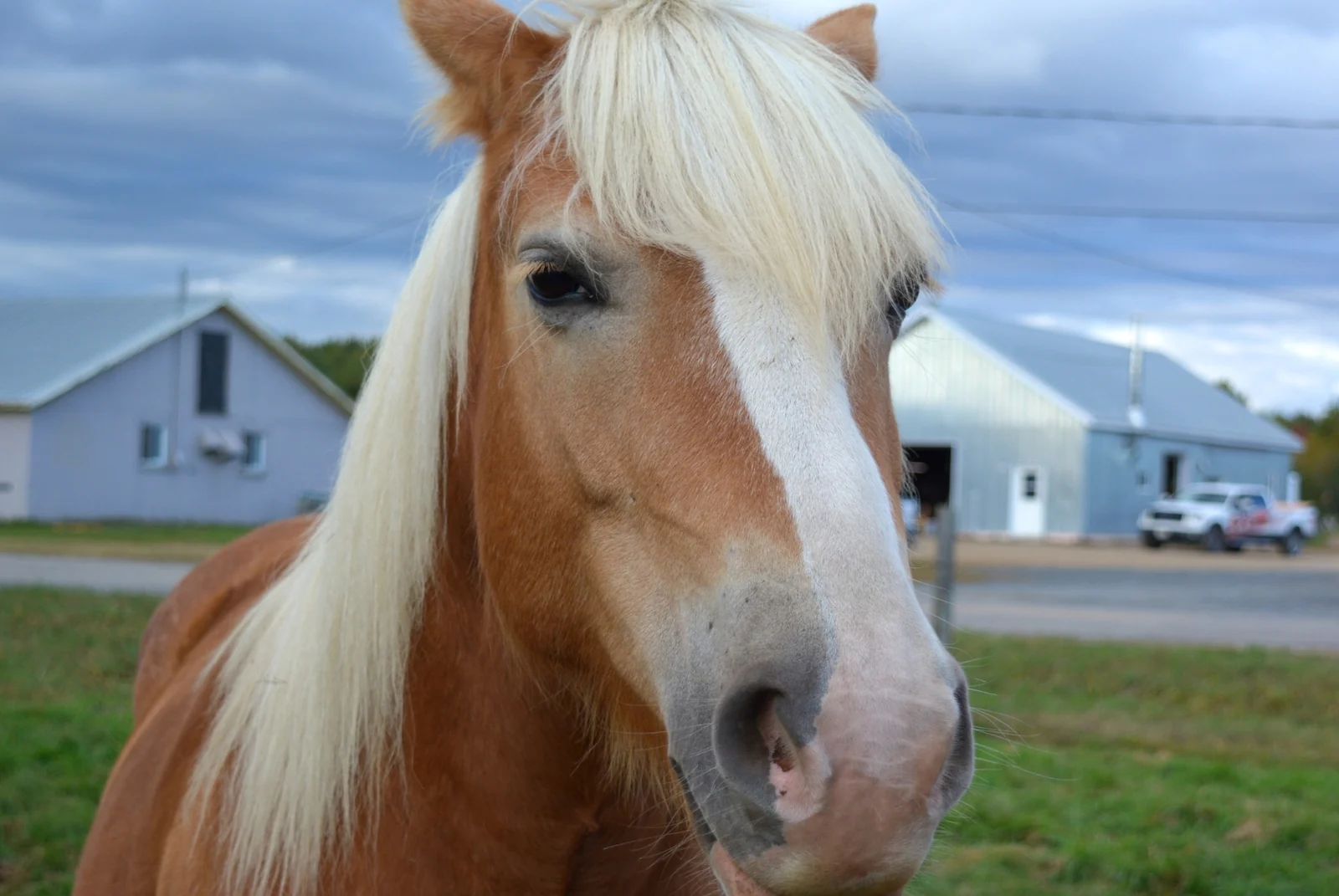
Photo: Bonny and Conbrio.jpg · Nikki · CC BY-SA 2.0. Resized and converted to WebP; scene unchanged.