 fellfolio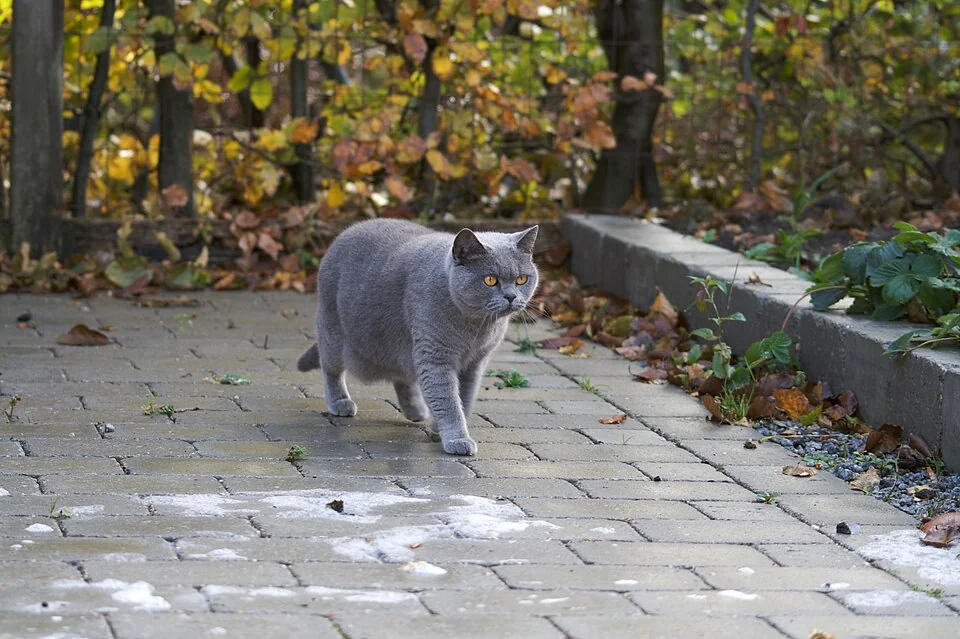
Use age as a starting point
Veterinary life-stage guidance distinguishes kittens, young adults, mature adults and seniors. Cats are generally described as seniors from around eleven years. This helps plan preventive care; it does not tell you how agile an individual cat is. An older cat may still love playing, while a younger animal may already need help because of illness.
Knowing familiar habits is especially useful. How does your cat reach a resting place, eat a meal or spend the afternoon? One quiet hour offers little information on its own. A new pattern over several days gives your vet a clearer account of what has changed. Acute problems need earlier attention rather than waiting to establish a pattern.
Sources for this section
- Your Cat’s Life StagesFeline Veterinary Medical Association
- Senior Cats Have Special NeedsFeline Veterinary Medical Association
Make early exploration manageable
A prepared, quiet room with an accessible litter tray, food, water and hiding places provides a useful starting point. A kitten can gradually explore the rest of the home from there. Small gaps, loose strings and unsecured windows need attention beforehand. Tilt-open windows are particularly dangerous because a cat can become trapped in the narrowing gap while trying to climb through.
Kittens often move quickly between energetic play and deep sleep. Toys that keep claws and teeth away from hands and feet help establish suitable play habits. A wand toy has a small attachment on a string; moving it like prey and allowing the kitten to catch it makes the activity meaningful. Damaged or easily swallowed parts are unsuitable, and string toys should be put away safely afterwards.
Sources for this section
- Bringing a new kitten homeCats Protection
- Your Cat’s Environmental NeedsFeline Veterinary Medical Association
Match feeding to growth and body condition
A growing kitten needs complete food suitable for kittens. Several small meals are often more manageable than one large portion. Knowing the previous food and feeding schedule avoids changing diet at the same time as home and caregivers. Where a change is needed, a gradual introduction following suitable guidance can make the transition easier.
For adult cats, portion size depends partly on body condition, activity and neutering status. Treats contribute to the total food intake. Weight loss in an older cat should be investigated by a vet. Dental problems, digestive changes and other health conditions may be involved. Food choices and portion sizes should reflect the findings and what the cat actually eats.
Sources for this section
- Feeding your catCats Protection
- Senior Cats Have Special NeedsFeline Veterinary Medical Association
Keep adult life interesting and accessible
A useful home offers different activities: a stable scratching surface, raised viewpoints, hiding places and clear routes between them. Food, water and litter facilities should not be crowded into one corner. With several cats, it matters whether each individual can reach important places without having to pass another cat blocking the way.
Interactive play can follow the sequence of watching, stalking, chasing and catching. A simple food puzzle also gives a cat something to investigate with nose and paws. Some cats join in immediately; others examine an unfamiliar toy before approaching. A cat who turns away or retreats should be allowed to rest. Offering an activity gives the cat a choice about joining in.
Sources for this section
- Your Cat’s Environmental NeedsFeline Veterinary Medical Association
Build familiarity with routine care
An open carrier kept in a quiet part of the home can become familiar long before it is needed for travel. A brush or a brief touch on a paw can also be introduced through small, pleasant steps. The reward should suit the cat: food, play or contact the animal actively seeks may work well.
These experiences prepare a kitten for later care, but adult and older cats can learn too. The useful question is whether the cat is relaxed and participating. A previously accepted touch that suddenly causes discomfort should prompt consideration of pain or another physical problem. Necessary treatment should not be delayed until training is complete; the veterinary team can plan a suitable approach in the meantime.
Read more: Everyday cat training: carriers, grooming and confidence
Sources for this section
- Cat training techniques for caregiversFeline Veterinary Medical Association
Preserve access to favourite places
A broad, non-slip intermediate step may make a favourite window perch accessible again. A litter tray with a low entrance and an easy-to-reach bed help a cat who finds large steps difficult. These changes can complement familiar surroundings. Rearranging the entire room may make orientation harder for a cat with reduced sight or hearing.
Changes in jumping, grooming, drinking, sleeping or toileting deserve a conversation with the vet. Older cats often benefit from examinations at shorter intervals, with the schedule tailored to their health. Care notes should include current habits and any treatment plan. Someone who sees the cat only occasionally may otherwise struggle to recognise a small but meaningful departure from normal behaviour.
Sources for this section
- Senior Cats Have Special NeedsFeline Veterinary Medical Association
- Your Cat’s Life StagesFeline Veterinary Medical Association
Common questions
Does an older cat automatically need less food?
No. Activity, muscle, body weight and any health conditions all affect requirements. Weight loss should be investigated rather than treated as an inevitable part of ageing.
Would a kitten make a good companion for a senior cat?
It depends on both animals. An energetic kitten can overwhelm an older cat. Temperament, social history, health and separate resting areas should guide the decision, rather than expecting the kitten to make the older cat more active.
Sources and photo credit
- Your Cat’s Life StagesFeline Veterinary Medical Association
- Bringing a new kitten homeCats Protection
- Your Cat’s Environmental NeedsFeline Veterinary Medical Association
- Senior Cats Have Special NeedsFeline Veterinary Medical Association
- Feeding your catCats Protection
- Cat training techniques for caregiversFeline Veterinary Medical Association
Photo: British Shorthair Cat · Martin Hedegaard · CC BY 2.0. Resized proportionally and saved as WebP. Full source frame retained. Based on the specified Commons web derivative. Embedded colour profile converted to sRGB.
.jpg)