fellfolio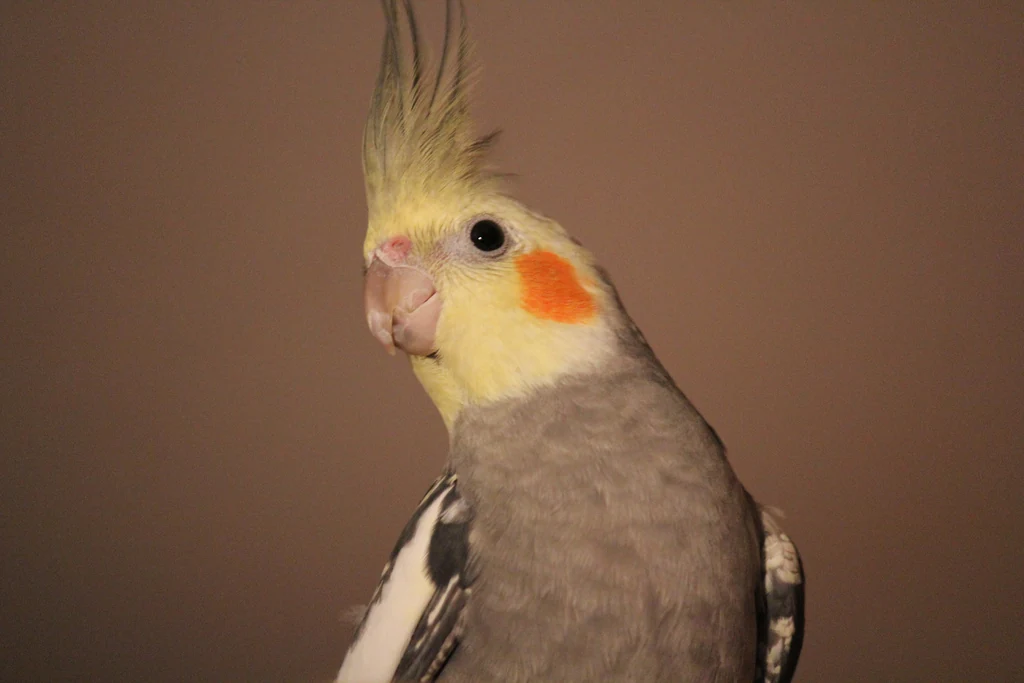
Start with the landing places
A simple floor plan can show the aviary, windows, doors and major furniture, followed by two or three possible landing places. Clear connections should run between them. An attractive climbing structure is much less useful if every approach is obstructed by a lamp or cupboard.
A perch near the aviary entrance can make the first move into the room easier. Another across the room creates an inviting longer route. Sheltered places should remain available too. With several birds, duplicating popular spots can prevent one animal being repeatedly displaced.
The aviary should allow comfortable cleaning. Wide doors, accessible bowls and removable floor elements reduce routine work. Wipeable surfaces or removable liners beneath busy perches make it possible to clean without rearranging the whole room.
Choose clean air and predictable lighting
A bright room with a sheltered side to the aviary offers both a view and retreat. Direct sun through glass can overheat the area, so shade should always be available. Ventilation needs arrangements that prevent birds escaping through, or becoming trapped in, an open or tilted window.
Overheated non-stick coatings can release fumes fatal to birds. Depending on the appliance, coated heating surfaces other than frying pans can also be involved. An open-plan kitchen therefore needs a carefully considered physical separation; moving the cage a little further from the cooker is not a dependable solution. Smoke, fragrance sprays and strongly emitting products should also be kept away.
Appropriate bird lighting may be useful indoors. Lamp choice, placement and operating time should match the species and actual setup, with advice from an avian professional. Birds need less brightly lit areas and an undisturbed night period as well. Lighting should not expose the entire room to one unchanging intensity around the clock.
Look at windows and furniture as a bird would
A transparent pane can appear to be an open route. Before initial flights, large windows and mirrors should therefore be visibly covered, for example with suitable curtains without loose loops. One small sticker does not protect a whole wall of glass. If window mesh is intended as a safety barrier, its material and fixings must withstand beaks and attempts to escape.
Gaps behind furniture or radiators can trap a bird. Cables, toxic plants, glue traps and accessible small objects should be removed from the flight area. Open toilets, tall vases and full buckets create drowning hazards and need to be closed or kept elsewhere. Fans and moving mechanisms should be off and secured during free flight.
Other pets should not share the room while birds are flying. A door rule understood by everyone helps prevent mistakes. Before a window or exterior door opens, the location of every bird should be established.
Choose branches and toys carefully
Suitable natural branches of different thicknesses allow varied grips. The species and source should be known; sprayed or heavily contaminated branches are unsuitable. Perches need secure or safely controlled flexible attachments and should not hang directly over food and water.
Toys need checking against the birds’ size. A head can become trapped in a narrow ring, while smaller openings may catch toes. Fraying rope can wrap around feet. Detachable metal pieces and unknown coatings also deserve attention. Brief daily checks are especially useful when a new item is being enthusiastically dismantled.
Some enrichment can be used up: suitable branches, plain paper and safe shredding materials. Rotating a few items leaves flight space available and makes it easier to see what the birds actually enjoy.
Make the room straightforward to care for
A fixed storage place for food, cleaning cloths and replacement liners helps daily care. Bowls need cleaning, water replacing and moist leftovers removing. Droppings beneath favourite perches are worth checking during the routine. For a substitute carer, a short walkthrough showing each task is often more useful than a long list without locations.
The handover should explain which doors stay closed and where the birds usually land. A photograph of the fully prepared room can serve as a reference. Ideally, someone caring for the birds for the first time should practise the routine with the familiar carer beforehand.
Prepare for an essential journey
A secure carrier should be available before a bird becomes ill. A familiar perch inside can make entering less daunting. Loose swings and toys should be removed for travel because they can strike the bird as the vehicle moves. The container needs ventilation and secure positioning.
After exposure to smoke or dangerous fumes, the birds should be moved away from contaminated air if this can be done without endangering people. Urgent avian veterinary help is then needed, even if the source has been removed. Contact details, transport arrangements and an accurate count of the birds therefore belong in every care handover.
Common questions
Is ordinary insect mesh enough for a window?
Only if its material and fixing withstand the birds and leave no gaps. A loose insect screen should not be relied on as an escape barrier.
Does a bird room have to be empty?
No. Stable furniture can remain if dangerous gaps are blocked, surfaces are suitable and flight routes stay clear. A straightforward layout makes safety checks and cleaning easier.
Sources and photo credit
- Housing and environments for pet birdsRSPCA
- Owning a birdAgriculture Victoria
- Toys for birdsVCA Animal Hospitals
- Passive smoking and our petsPDSA
- Transporting your birdVCA Animal Hospitals
- Household hazards for pet birdsMerck Veterinary Manual
- Disorders affecting multiple body systems of pet birdsMerck Veterinary Manual
Photo: Nymphicus hollandicus -pet -male-8a.jpg · Vianney Tran · CC BY-SA 2.0. Resized proportionally and converted to WebP. The layout may crop the image.