fellfolio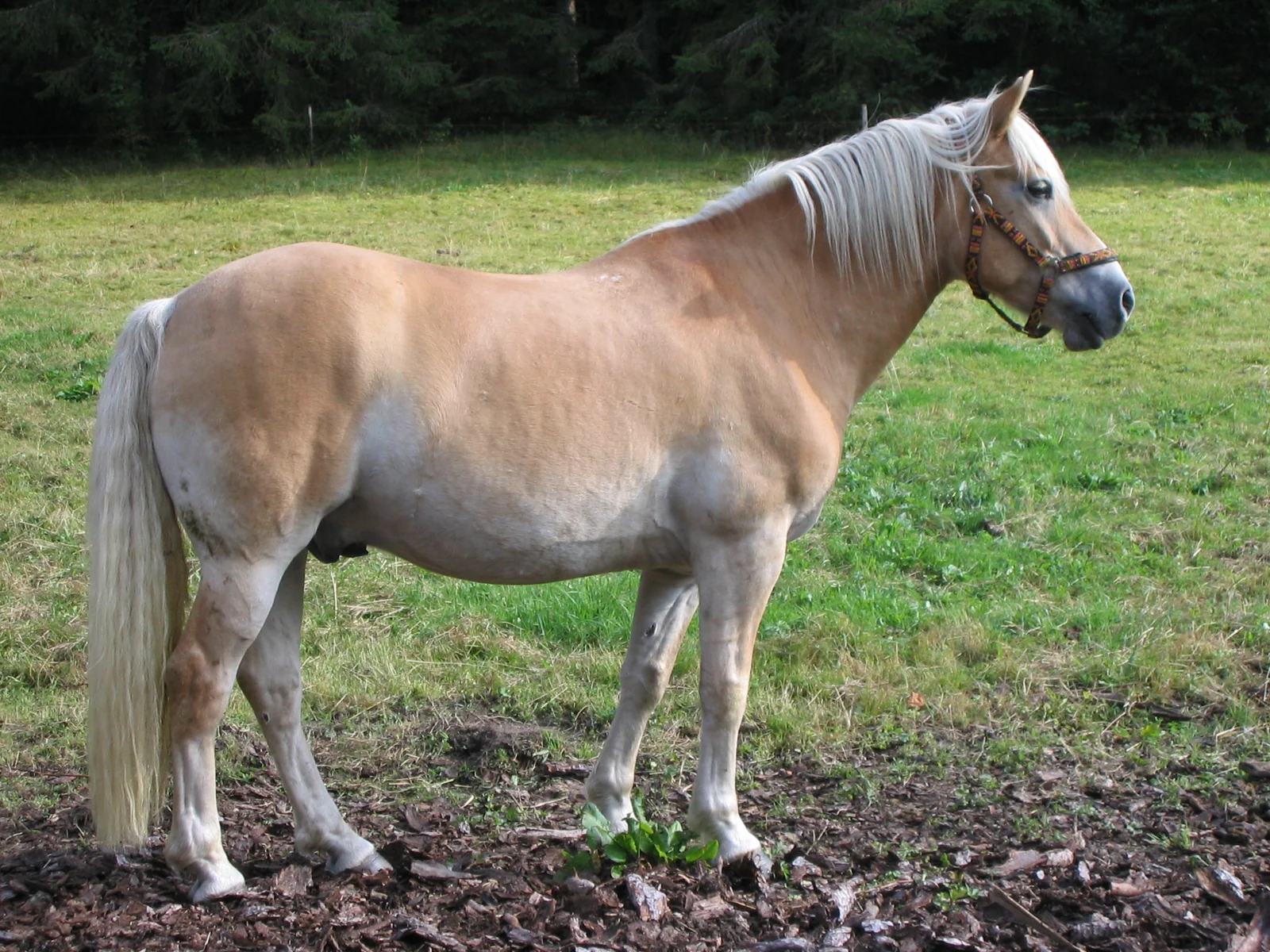
An Alpine background with modern uses
The breed traces its foundation to 249 Folie, a stallion born in 1874 in Schluderns in the Vinschgau valley. Haflinger breeding developed among horses of the Tyrolean Alps, with working and transport roles preceding today’s riding and driving uses. The Tyrolean association describes an ideal height of around 150 centimetres.
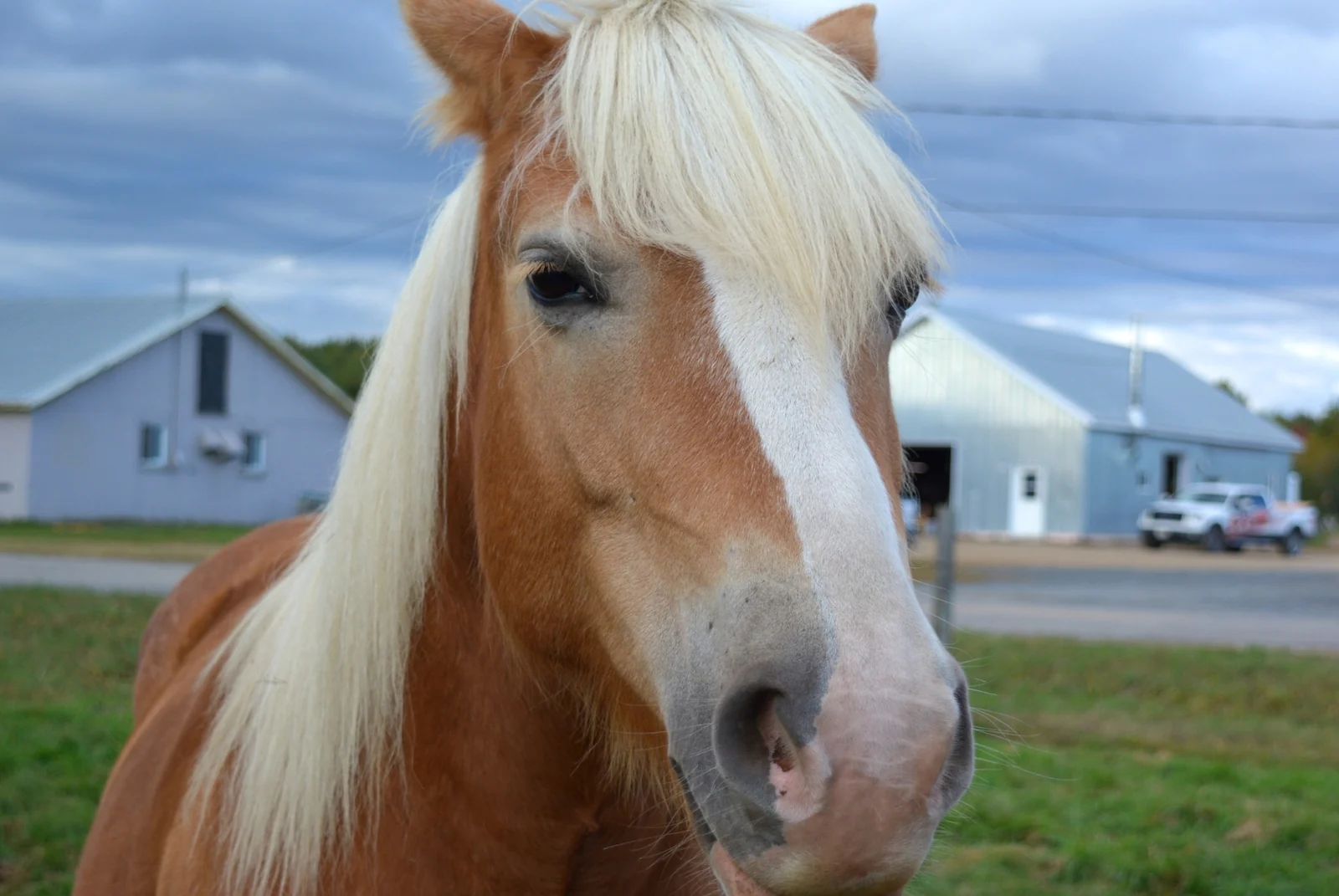
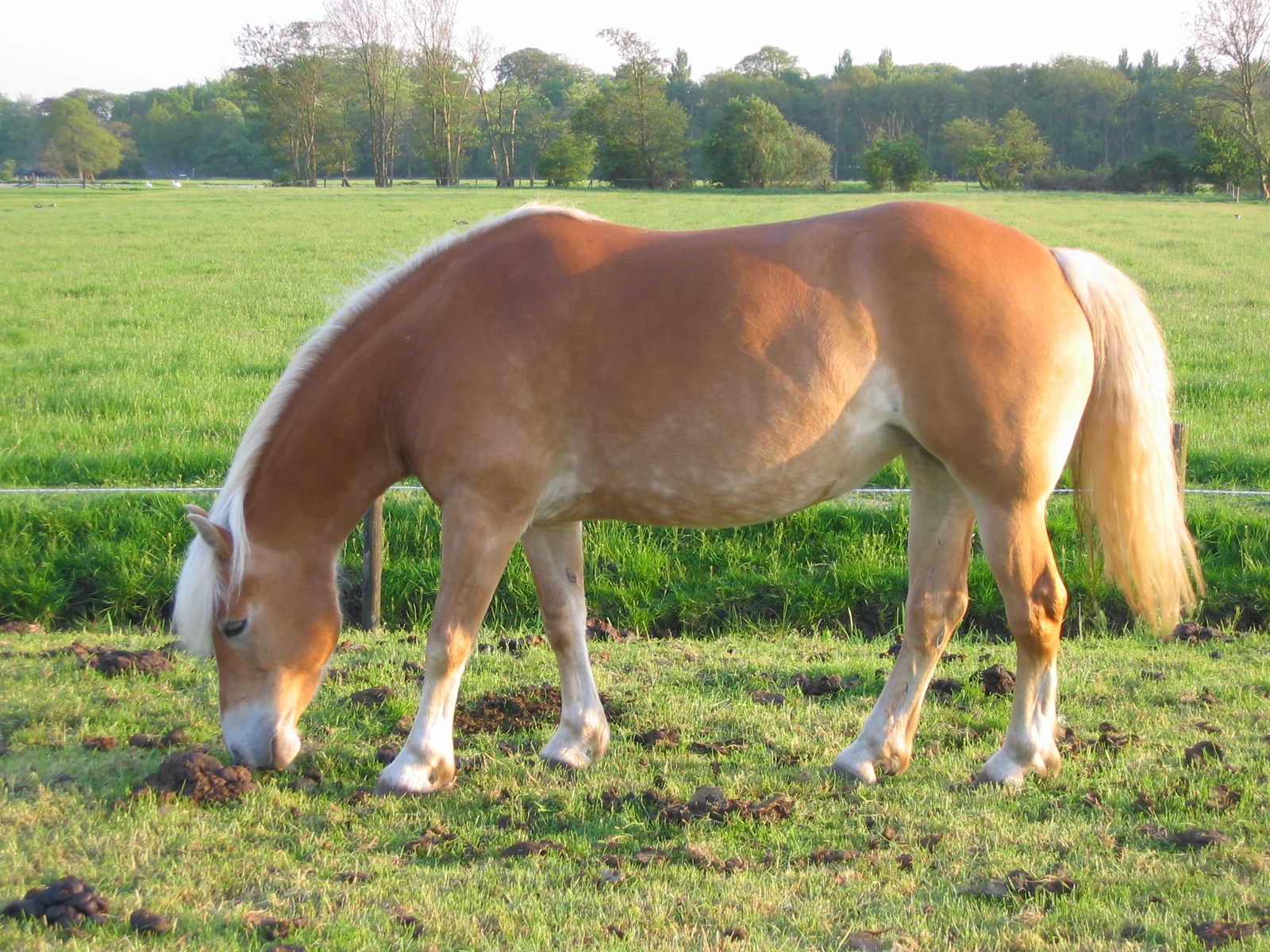
Chestnut shades and a pale mane and tail are characteristic. Beneath that recognisable colouring, individuals vary in build. A viewing should include the whole horse in movement as well as standing. A substantial neck cannot establish how well a horse is conditioned or how much weight it can comfortably carry.
Sources for this section
- The breeding goalHaflinger Horse Breeding Association Tyrol
Getting to know the horse in ordinary situations
The breeding aim favours an approachable, versatile horse. An individual Haflinger’s suitability becomes clearer during familiar tasks: being caught, groomed or taken out with other horses. It is also useful to discuss situations the horse has not yet encountered. An honest account of its education makes it easier to plan support.
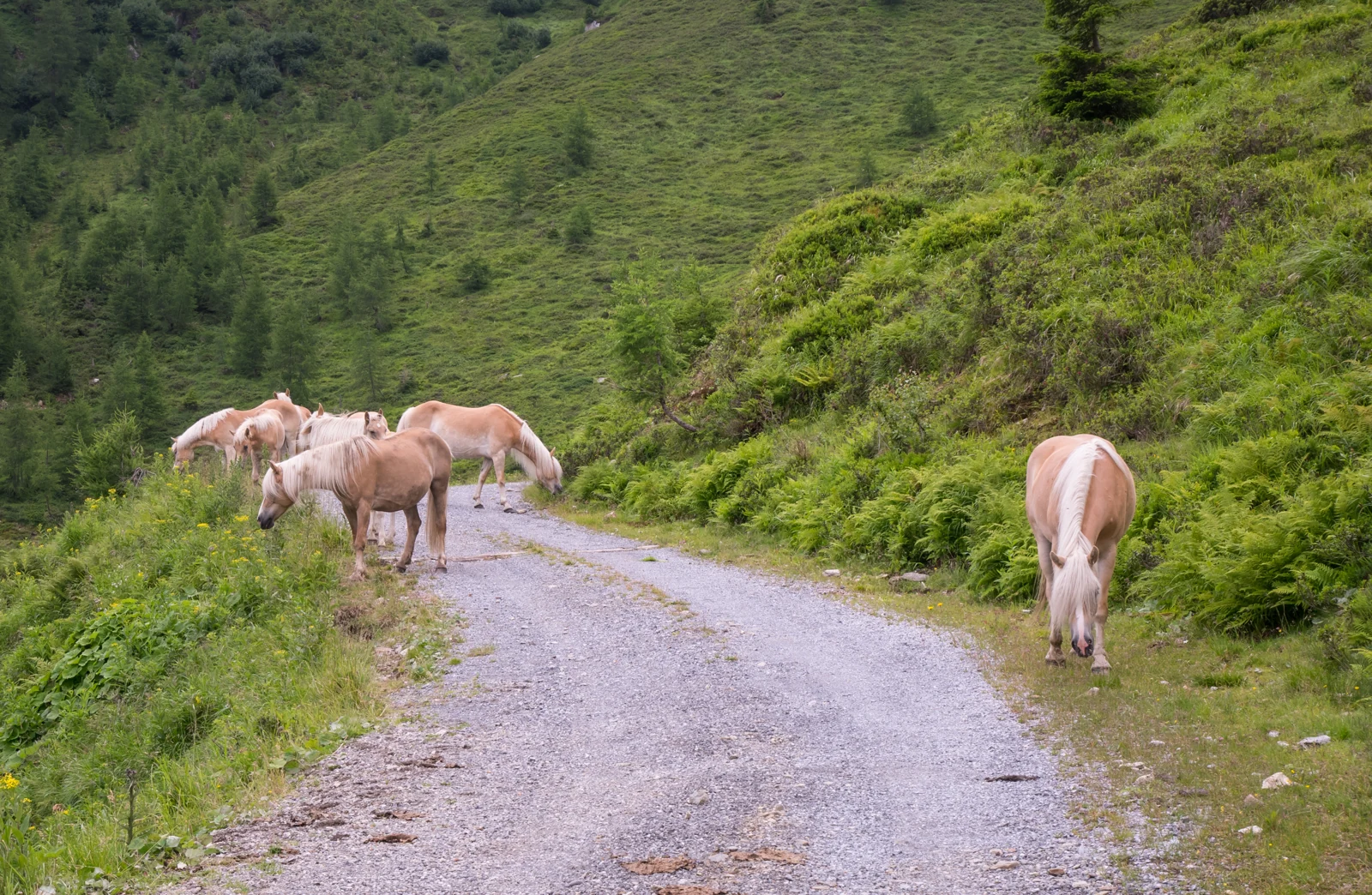
A Haflinger that persistently reaches for grass beside a track may be labelled stubborn. A more useful description records where it leaves the track, which cue it understands and how people respond. Clear, rewarding practice can strengthen the behaviour being taught. If behaviour changes suddenly, discomfort and equipment fit should be considered alongside training. This avoids turning a potentially useful observation into a fixed judgement about the horse.
Read more: Reward-based horse training: clear steps for everyday care
Sources for this section
- The breeding goalHaflinger Horse Breeding Association Tyrol
- Guide to buying a horseBritish Horse Society
- Training: how do horses learn?World Horse Welfare
Company and space that work for the individual
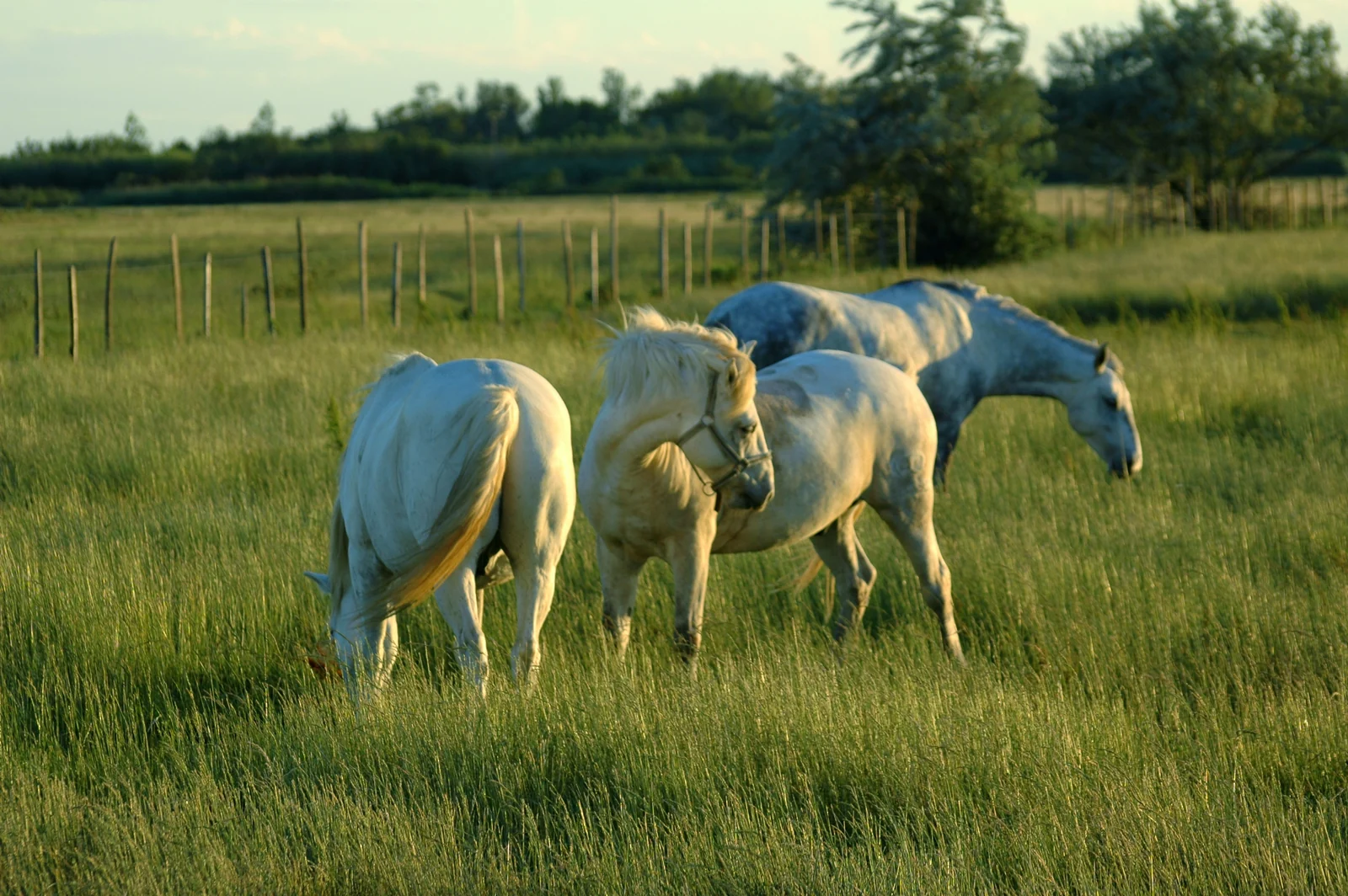
A Haflinger needs compatible equine company and opportunities to move freely each day. When viewing a yard, accessible feeding places, dry resting areas and room to move away from companions deserve attention. An attractive field is less useful if a lower-ranking horse cannot reach its shelter. Watching the group when feed arrives or horses settle can reveal how the arrangement actually works.
A thick coat helps protect the horse, while suitable shelter remains necessary. Rugging decisions depend on clipping, weather and body condition. Summer arrangements should provide shade and readily available water. When changing yards, written details of the existing routine help carers introduce feed and management changes gradually.
Read more: Choosing the right yard for your horse
Sources for this section
- Where to keep your horseBritish Horse Society
- Types of rugs and rugging a horseBritish Horse Society
- Preventing colic in horsesBritish Horse Society
Connecting the ration with body condition
Haflingers are often described as economical to feed. In practice, this calls for careful assessment of energy requirements. A horse doing light work needs a different ration from one in regular demanding training. Suitable forage, such as hay, forms the foundation; additional concentrated feed should meet an identified need.
A substantial mane and thick coat can conceal gradual weight gain. Photographs from the same angle, consistent measurements and hands-on body assessment make changes easier to follow. A knowledgeable professional can demonstrate the difference between muscle and fat deposits. If weight needs to be reduced, a planned feeding programme is preferable to long gaps without forage. Recording what is actually supplied, including treats and access to grass, gives the adviser something practical to work with.
Sources for this section
- Feeding horsesBritish Horse Society
- Preventing colic in horsesBritish Horse Society
Care and education through the years
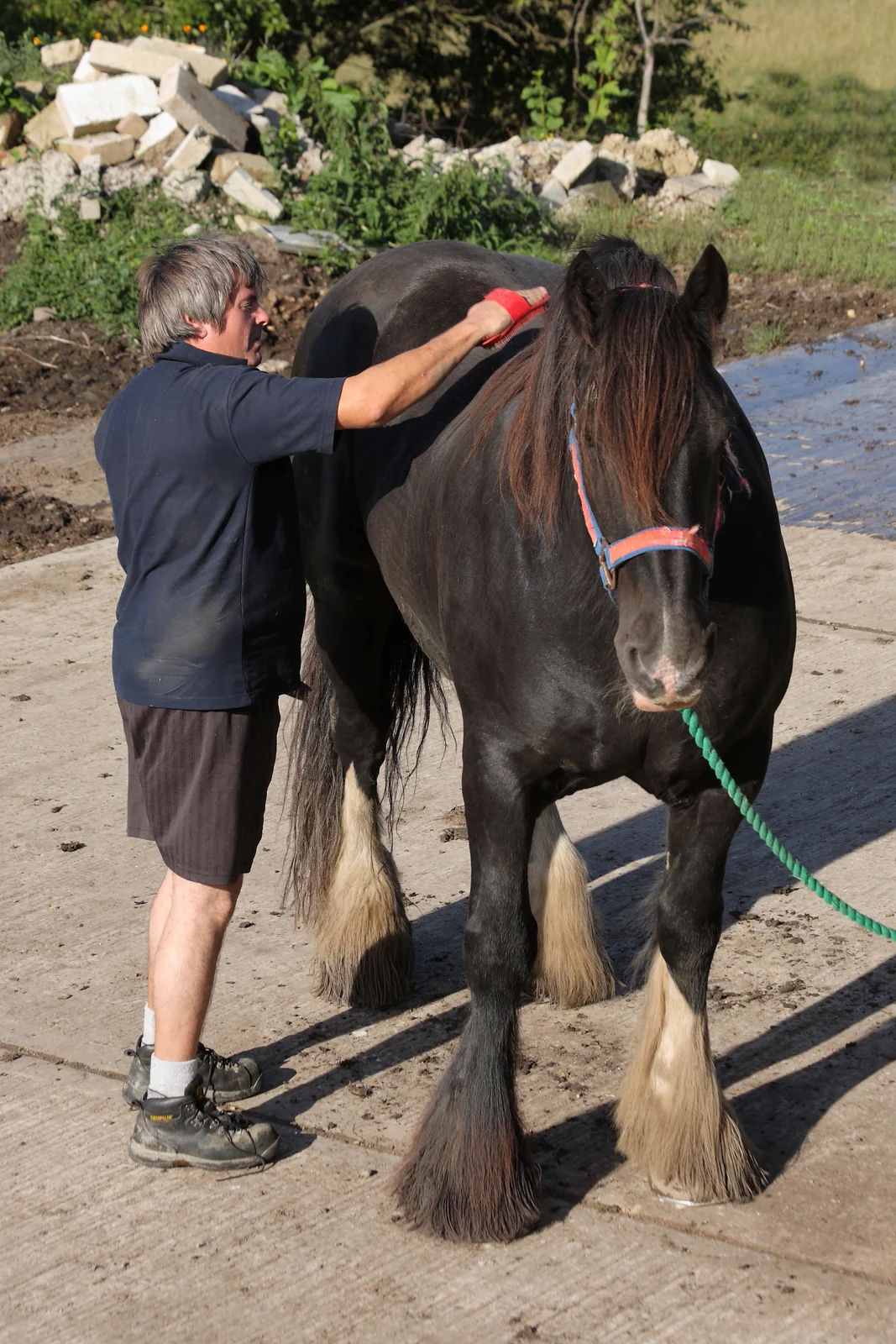
Grooming should include looking beneath the mane. Rubbed skin and matted areas may otherwise remain hidden. Hooves need regular inspection and professional attention even when the horse is barefoot or temporarily unridden. Saddle fit should be reviewed when training or body shape changes.
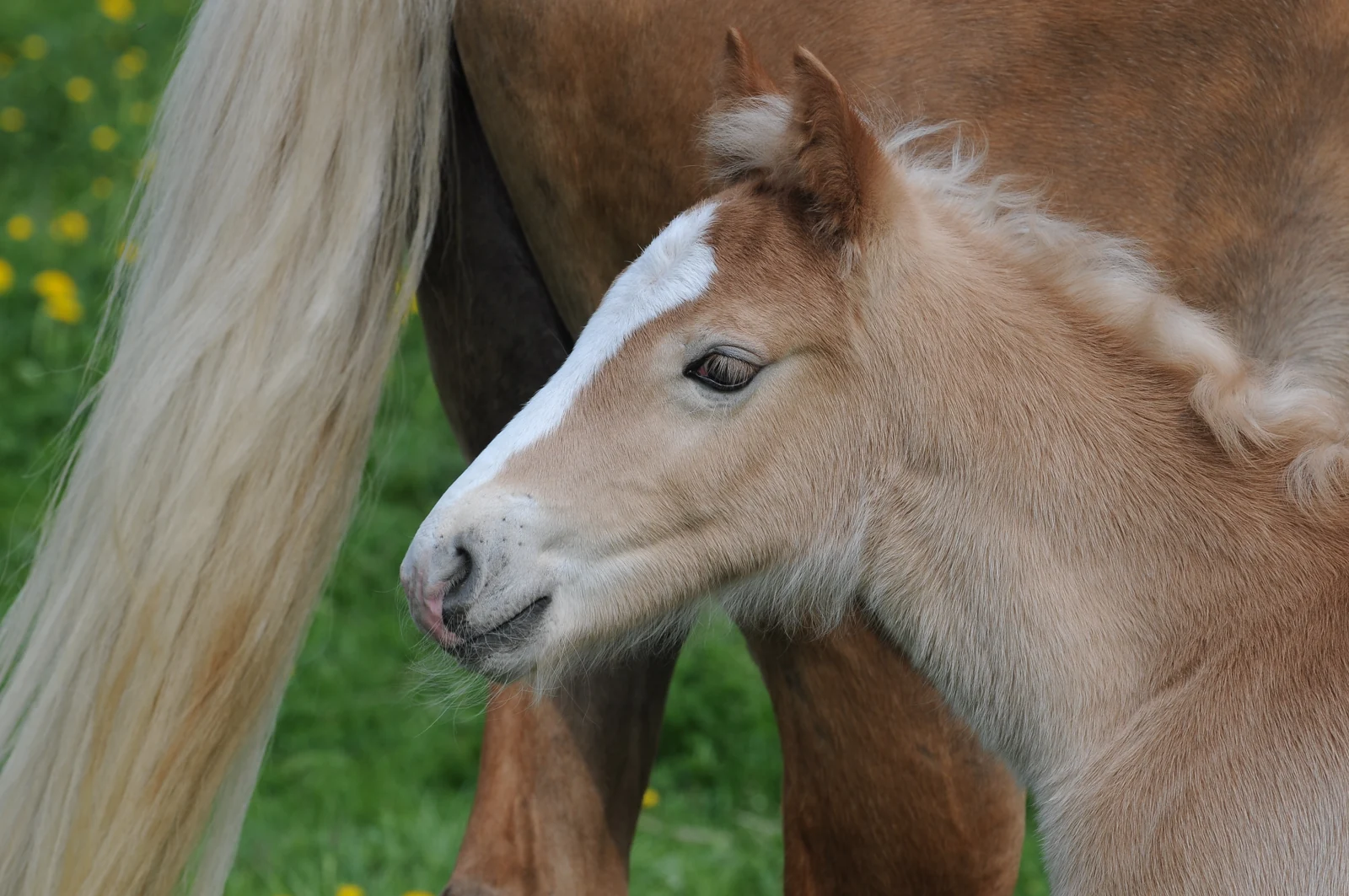
A youngster first needs a social life, suitable movement and calm handling. Depending on its education, an adult Haflinger may enjoy hacking, groundwork or driving. Later in life, changes in chewing, rising or coping with longer walks can help guide adjustments to its routine. These observations are useful for discussions with the veterinary practice. They also help separate an appropriate reduction in workload from a new difficulty that deserves investigation.
Read more: Foals and young horses: growing up, handling and early learning · Older horses: adapting feeding, movement and daily care
Sources for this section
- Stage 1 Care syllabusBritish Horse Society
- Essential care for your horse’s hoovesBritish Horse Society
- Guide to buying a horseBritish Horse Society
- Training: how do horses learn?World Horse Welfare
Common questions
Is a Haflinger suitable for a beginner?
An appropriately educated individual may suit a less experienced owner with reliable professional support. Its actual responses matter. A young or inexperienced horse needs experienced guidance, whatever its breed.
Can an adult ride a Haflinger?
Suitability needs to be assessed for the particular horse and rider. Build, back condition, fitness, saddle fit and rider balance all contribute. A universal weight allowance based solely on the breed would be misleading.
A closer look
Sources and photo credit
- The breeding goalHaflinger Horse Breeding Association Tyrol
- Where to keep your horseBritish Horse Society
- Feeding horsesBritish Horse Society
- Essential care for your horse’s hoovesBritish Horse Society
- Preventing colic in horsesBritish Horse Society
- Stage 1 Care syllabusBritish Horse Society
- Types of rugs and rugging a horseBritish Horse Society
- Guide to buying a horseBritish Horse Society
- Training: how do horses learn?World Horse Welfare
Photo: Haflinger 3607 by Flominator.jpg · Flominator · CC BY-SA 3.0. Resized and converted to WebP; scene unchanged.
Photo: St. Anton am Arlberg - Haflinger 01.jpg · Basotxerri · CC BY-SA 4.0. Resized and converted to WebP; scene unchanged.
Photo: Haflinger horse on pasture in the Netherlands.jpg · Paula Jantunen (user Niora) · Public domain. Resized and converted to WebP; scene unchanged.
Photo: Haflinger Hengstfohlen 1.JPG · Böhringer Friedrich · CC BY-SA 2.5. Resized and converted to WebP; scene unchanged.