fellfolio
The different horses within KWPN breeding
KWPN of North America describes four Dutch breeding directions: dressage, jumping, harness and Gelder. Harness breeding produces driving horses, with goals including an expressive trot and high knee action. Gelder horses are bred for versatile use under saddle and pulling a carriage. North America has an additional Hunter direction. Hunter classes assess qualities including steady movement, manners and jumping style. These qualities also guide the selection of breeding horses.
A dressage horse is selected for different movement qualities from those needed by a horse jumping a fence. A seller should therefore explain the horse’s breeding direction and what work it has actually learned. Breeding descriptions set goals for selecting breeding animals. Everyday decisions also depend on the individual horse’s experiences and needs.
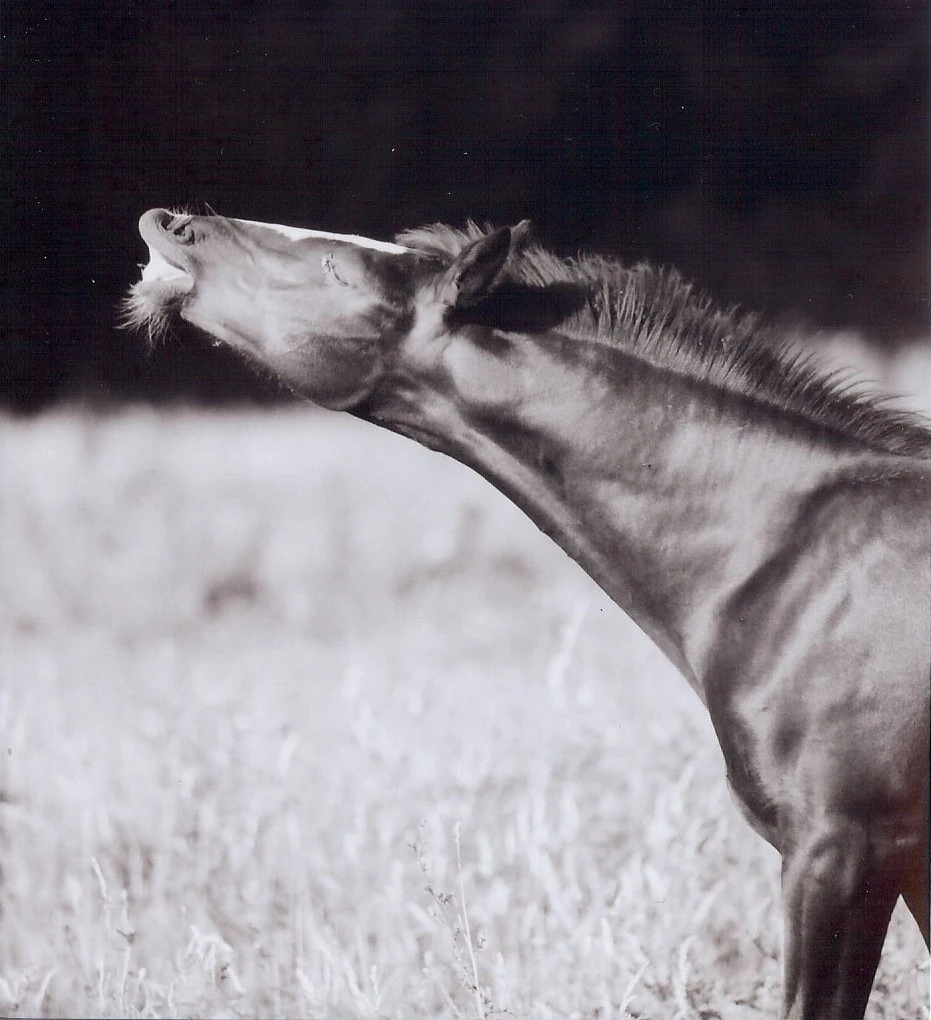
Choose training that matches everyday plans
Buying a young sport horse includes planning its further education. It may already accept grooming and leading, while riding, outdoor trips or loading into a trailer still need teaching. An experienced horse should be shown in situations that will genuinely occur later, such as leaving the yard alone, going out in a group or standing quietly while someone mounts.
An experienced person accompanying the buyer should watch how horse and rider work together. Clear information about previous breaks, instruction and medical findings is useful. Actual height and build should be measured or assessed for transport, accommodation and saddle fit. The KWPN designation does not describe one uniform size for every horse.
Read more: Your first horse: preparing for the decision
Introduce riding and driving skills gradually
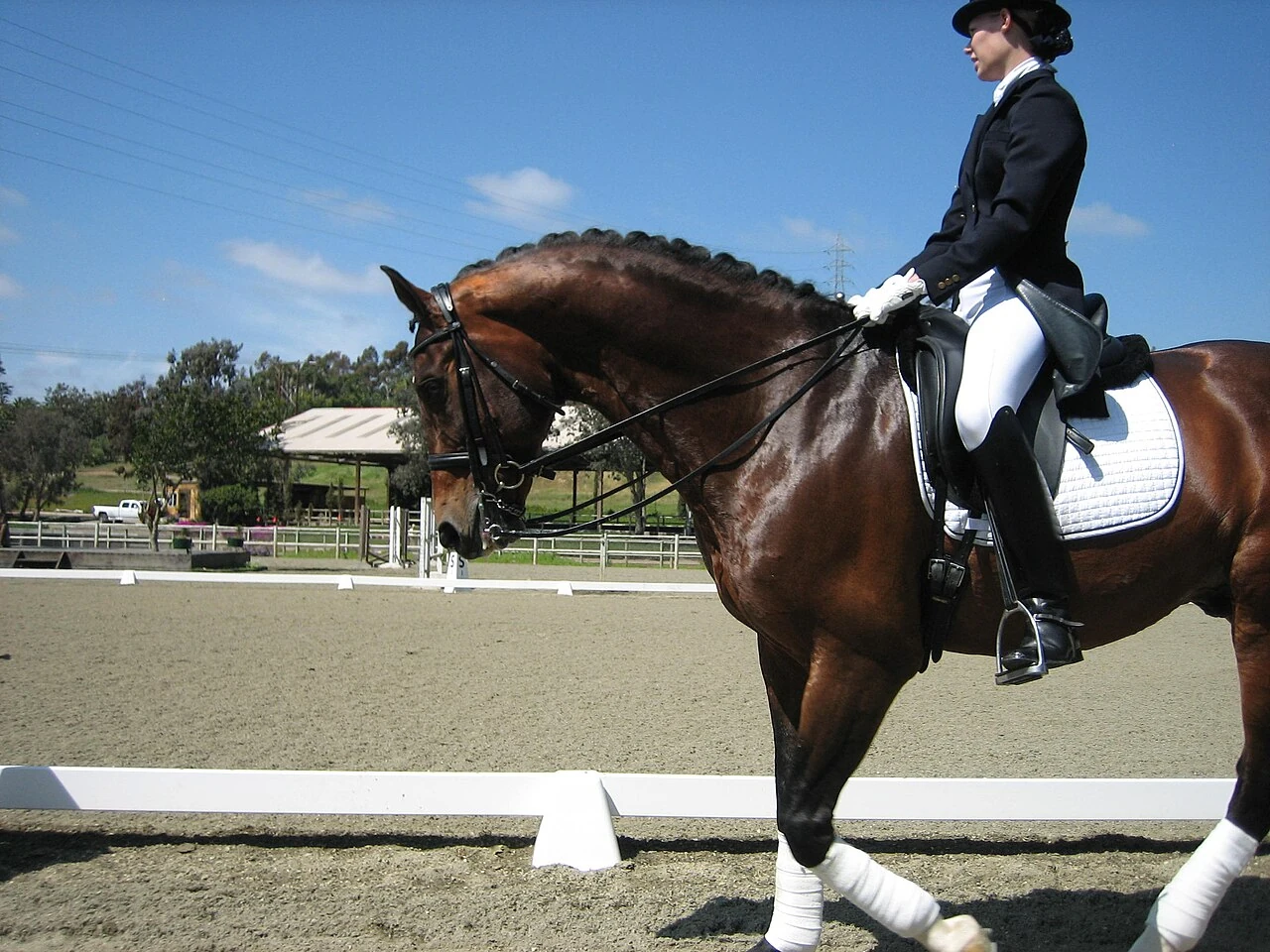
Dressage education should begin with suitable rhythm, calm changes between paces and well-balanced turns. A change from walk to trot, for example, is easier to understand when the cue is consistent and a correct response is acknowledged promptly. Impressive movement in an advertisement should not encourage asking too much of a horse that is still building fitness and learning the basics.
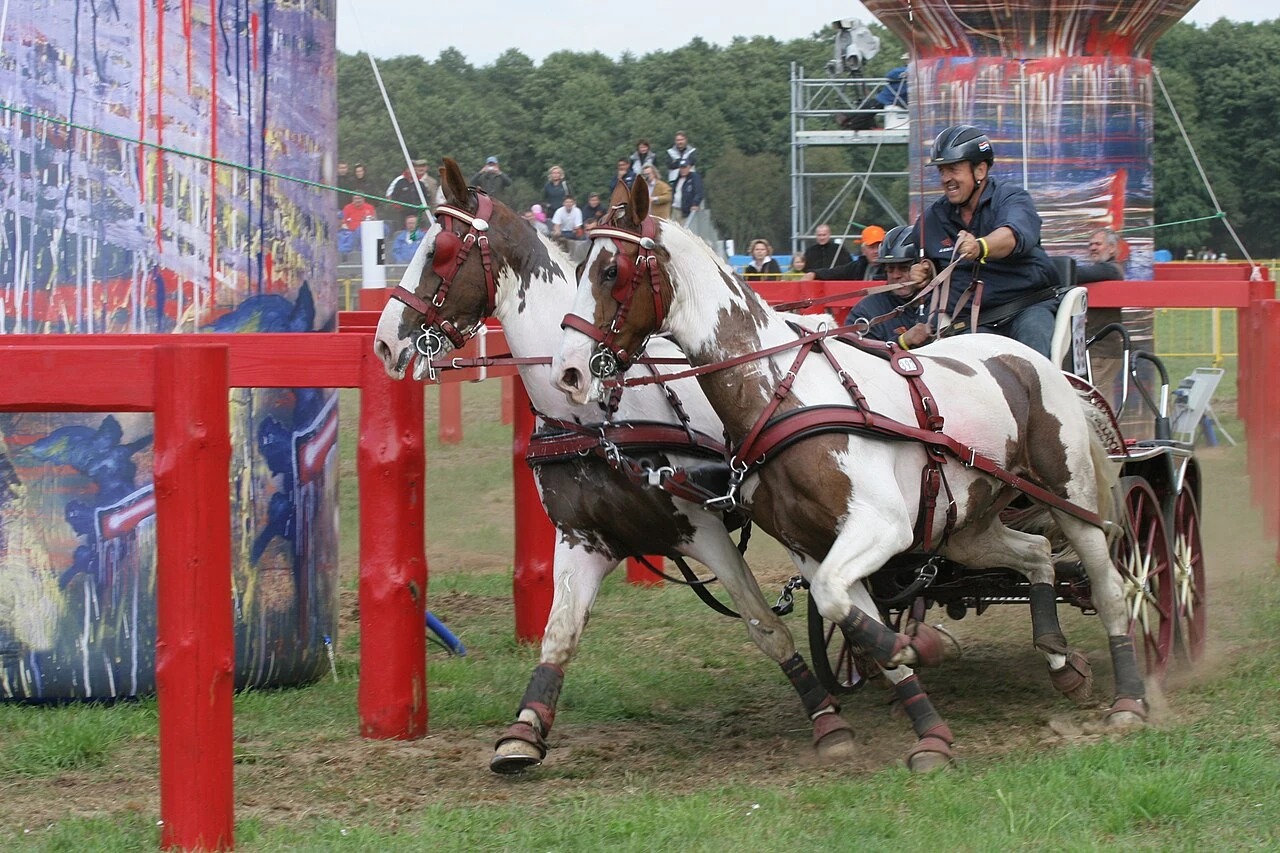
For driving, the harness is the equipment through which the horse transfers pulling force to a carriage. Wearing it and accepting sounds and movement behind the body need gradual introduction with experienced guidance. Driving education differs from riding. A horse accustomed to a rider should not simply be put in front of a carriage because of its breeding direction.
Read more: Reward-based horse training: clear steps for everyday care
A sporting routine needs time with other horses
Alongside regular training, the horse should have daily opportunities to move freely and interact with other horses. Accommodation should provide safe routes, shelter from the weather and adequate rest. In a group, every horse should be able to reach food and water. The yard routine should meet these needs outside training hours too.
A care plan should include days without riding. Who checks the legs and feet, who notices changed eating behaviour and who arranges help? These questions are particularly useful when several people share the riding. A recorded routine helps prevent everyone assuming that someone else has already completed a task.
Feed for the work actually being done
Hay and suitable grazing should be the basis of the diet. Fresh water and a ration suited to work and body condition are needed too. During a training break, feeding often needs different planning from a period of demanding preparation. Changes should be gradual to give the digestive system time to adapt.
Fat deposits and muscle should be assessed separately. Feeling the ribs and other areas helps judge body condition more accurately than simply looking at a familiar breed type. Marked changes in weight or appetite call for veterinary advice. As workload increases, training and feeding should be adjusted together.
Assess health in relation to the intended routine
A veterinary examination before purchase should consider intended use and existing findings. Previous competition results can raise useful questions about training and workload. Current movement, feet and back comfort still need assessment of the horse itself. New lameness, resistance during saddling or a marked decline in performance warrants investigation.
Professional hoof care and mouth checks should be planned with the relevant practitioners. Changes of work or recovery from an injury may require feeding and exercise to be adjusted together. Diagnostic costs, treatment and care during longer breaks also belong in the budget. Available records help everyone involved understand and follow current recommendations.
Common questions
Is every KWPN horse bred for dressage?
No. Dutch breeding directions include dressage, jumping, harness horses and Gelder horses. The North American organisation adds a Hunter direction for its own setting. The relevant direction should be clear in an advertisement.
Can a KWPN horse be kept for leisure riding?
That may suit an appropriate individual. Its training, behaviour in the intended routine and support for the rider matter. The need for exercise, company and health care remains.
A closer look
Sources and photo credit
- Breeding Directions & Breeding GoalsKWPN of North AmericaThe different horses within KWPN breeding · Choose training that matches everyday plans · Introduce riding and driving skills gradually
- Guide to buying a horse: questions to ask and moreBritish Horse SocietyThe different horses within KWPN breeding · Choose training that matches everyday plans · Introduce riding and driving skills gradually · Assess health in relation to the intended routine
- Training: how do horses learn?World Horse WelfareIntroduce riding and driving skills gradually
- Where to keep your horseBritish Horse SocietyA sporting routine needs time with other horses
- Horse health essentialsWorld Horse WelfareA sporting routine needs time with other horses · Feed for the work actually being done · Assess health in relation to the intended routine
- Essential care for your horse’s hoovesBritish Horse SocietyA sporting routine needs time with other horses · Assess health in relation to the intended routine
- Feeding horsesBritish Horse SocietyFeed for the work actually being done
- Fat scoring horsesBritish Horse SocietyFeed for the work actually being done
- Over het KWPNKWPNThe different horses within KWPN breeding
- HunterUS EquestrianThe different horses within KWPN breeding
Photo credits
Photo: Koning Albert KWPN Stallion.jpg · Koningsh · CC BY-SA 4.0. Image format adapted.
Photo: Foal Flehmen.jpg · BulletZ · CC BY-SA 3.0. Image format adapted.
Photo: Harrie Verstappen Warka 2007.jpg · Phaethousa · CC BY-SA 3.0. Image format adapted.
Photo: KWPN.jpg · Wissenswert 2.0 · CC BY-SA 4.0. Image format adapted.