fellfolio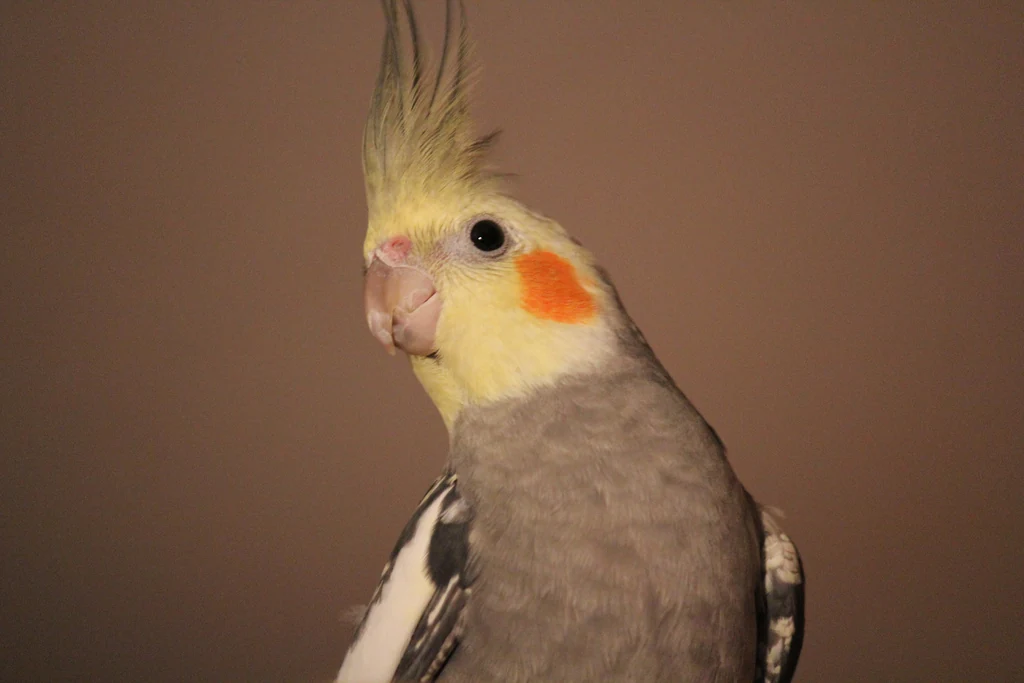
Familiar partners provide security
Cockatiels can form close pair bonds. An established harmonious pair should remain together, and an adoption conversation should include existing relationships and habits. Following one another, resting together and sharing activities often reveal more about a bond than simply occupying nearby perches.
Before new birds join the home, an avian vet should advise on health checks and an appropriate period of separate accommodation. Introductions can then proceed gradually. Several feeding points and landing sites allow birds to step away from one another. Keeping a tame cockatiel alone to strengthen its dependence on people fails to provide the company it needs.
Plan the flying route first
Swiss Animal Protection recommends at least two square metres of aviary floor space and a height of two metres for two to four cockatiels, preferably more. Its example footprint is 100 by 200 centimetres. Furnishings should leave substantial clear space for flight. Safe daily flight outside the aviary adds opportunities for movement and investigation.
Wide access doors make cleaning and changing bowls easier. Natural branches of different diameters should provide secure perches without blocking the flying route. Outside the aviary, two stable landing areas can define a useful route across the room. Dedicating part of a wall to the birds also allows easy-clean surfaces beneath their favourite places.
A sheltered rear side against a wall offers protection. Strong draughts, intense midday sun and a position beside a television or loudspeaker are unsuitable. Kitchens should be excluded because of fumes and other household hazards.
Calls and sleep affect the household
Calls help maintain contact within the group. They may become particularly noticeable when a partner disappears from view or something exciting happens. Visiting a well-managed cockatiel home or rescue before adoption gives a better impression of their volume than a short video can.
Cockatiels can panic and take flight at night after a sudden fright. A quiet sleeping area without unexpected light reflections or passing pets is therefore useful. Repeated night frights may improve with changes to the layout and a dim orientation light. Injuries or frequent episodes should be discussed with an avian vet.
Undisturbed sleep needs a place in the household plan. If the living room stays brightly lit and noisy until late, another suitable sleeping arrangement will be needed.
Favourite seeds are part of a bigger diet
Cockatiels may selectively eat energy-rich seeds from a mixture, leaving a seed-only diet nutritionally unbalanced. An appropriate plan combines suitable staple food with fresh plant foods. An avian practice can help tailor the balance to the birds’ weight, activity and health.
Changes should be gradual. Familiar food should remain available until it is clear that the birds actually eat the new option. Weight records and changes in droppings help monitor the transition. Large sunflower seeds are best kept to small rewards rather than supplied as a constantly replenished main meal.
Fresh water, clean bowls and removing perishable leftovers make useful daily routines. A photograph of the normal portion can make a later care handover clearer, especially when several different foods are involved.
Chew, bathe and take part willingly
Suitable untreated leafy branches provide material to pull apart and investigate. A shallow water dish can offer bathing, while some birds prefer moving through wet leaves. These opportunities should remain voluntary, with equipment kept clean afterwards. Loose threads, tight loops and detachable small parts are unsuitable toy features.
For friendly training, an offered perch may initially be easier to accept than a hand. A small reward can follow a voluntary step onto it. Short sessions can later support weighing or entering a carrier. A bird that retreats should be given more space. Patient practice can make necessary care less upsetting as the actions become familiar.
Know what is normal for each bird
A cockatiel that usually arrives promptly for food but suddenly stays on its perch is showing a change worth investigating. Reduced appetite, weight loss, persistent fluffed feathers or altered droppings need avian veterinary assessment. Breathing difficulty or an injury requires prompt help.
A small scale with a familiar perch can make regular weighing easier. A pattern from the same bird under similar conditions is more informative than an isolated number. Holiday cover should involve someone who can recognise both birds, knows their usual routines and can access their documents and veterinary contacts.
Common questions
Can I be my cockatiel’s only companion?
Human attention has value but cannot provide another cockatiel’s communication or mutual preening. A compatible same-species companion should be part of the arrangement.
How can unplanned breeding be discouraged?
Nesting boxes and breeding cavities should not be provided in a home without a breeding plan. Repeated egg laying warrants avian veterinary advice. Improvised changes to food or lighting may miss the underlying problem.
Sources and photo credit
- NymphensitticheSchweizer Tierschutz STS
- Heimtier-Infos: NymphensittichThieme Tiermedizin
- Cockatiels: feedingVCA Animal Hospitals
- Living with other birdsRSPCA
- How to fly pet birds safelyRSPCA
- Illness in pet birdsMerck Veterinary Manual
- Household hazards for pet birdsMerck Veterinary Manual
Photo: Nymphicus hollandicus -pet -male-8a.jpg · Vianney Tran · CC BY-SA 2.0. Resized proportionally and converted to WebP. The layout may crop the image.