fellfolio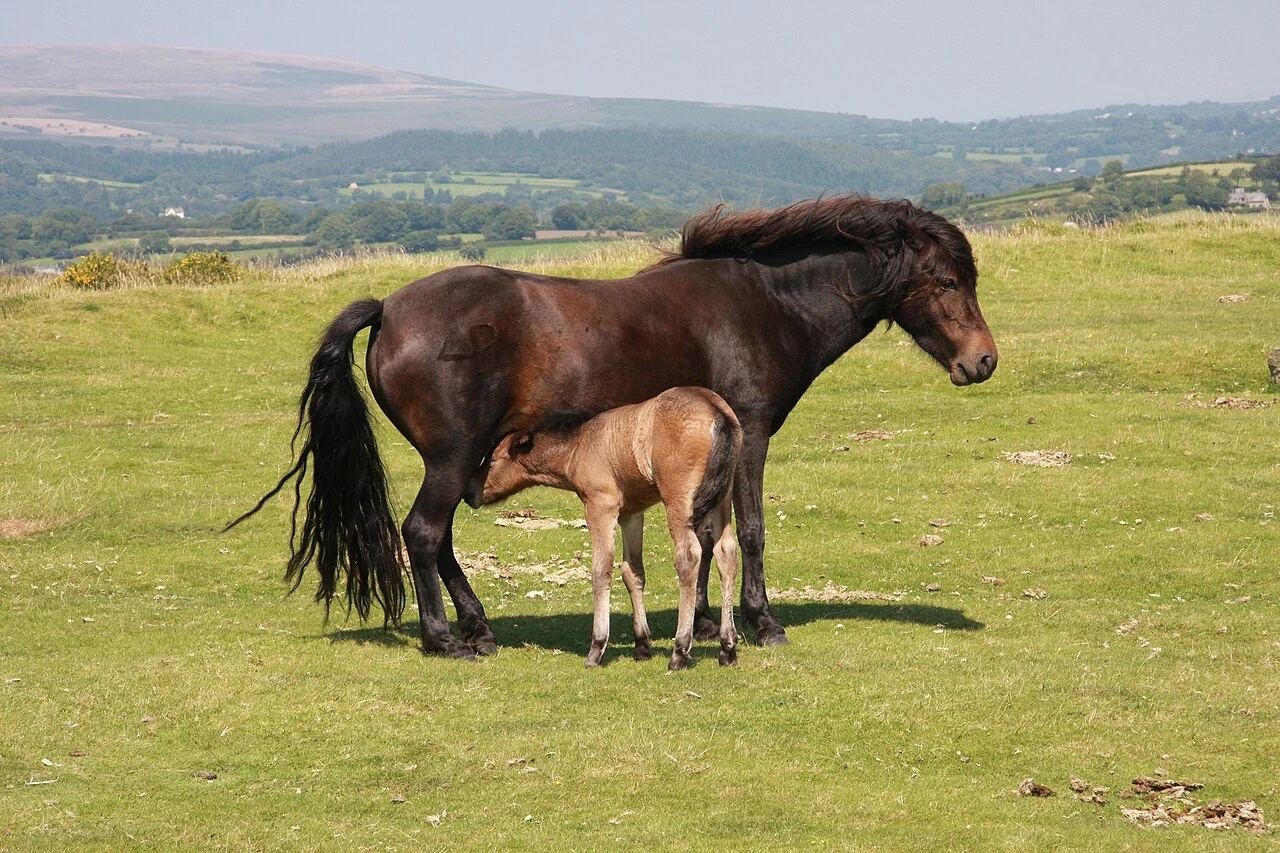
Dartmoor names a place and a breed
Ponies of different ancestry live on Dartmoor. The Dartmoor Pony Society distinguishes these animals from its registered breed. The main stud book, a record of ancestry, has particular requirements for parents and breeding animals. When buying, the pony’s actual registration and matching identification documents should be checked.
The society also runs a Moorland Scheme. Selected, inspected mares can contribute to the registered population through supplementary records and several generations of breeding. The distinction is therefore more detailed than simply being a moorland or a stud book pony. Alongside ancestry, a prospective leisure owner should find out how the pony has lived with people and what it has learned.
Small stature still needs a careful match
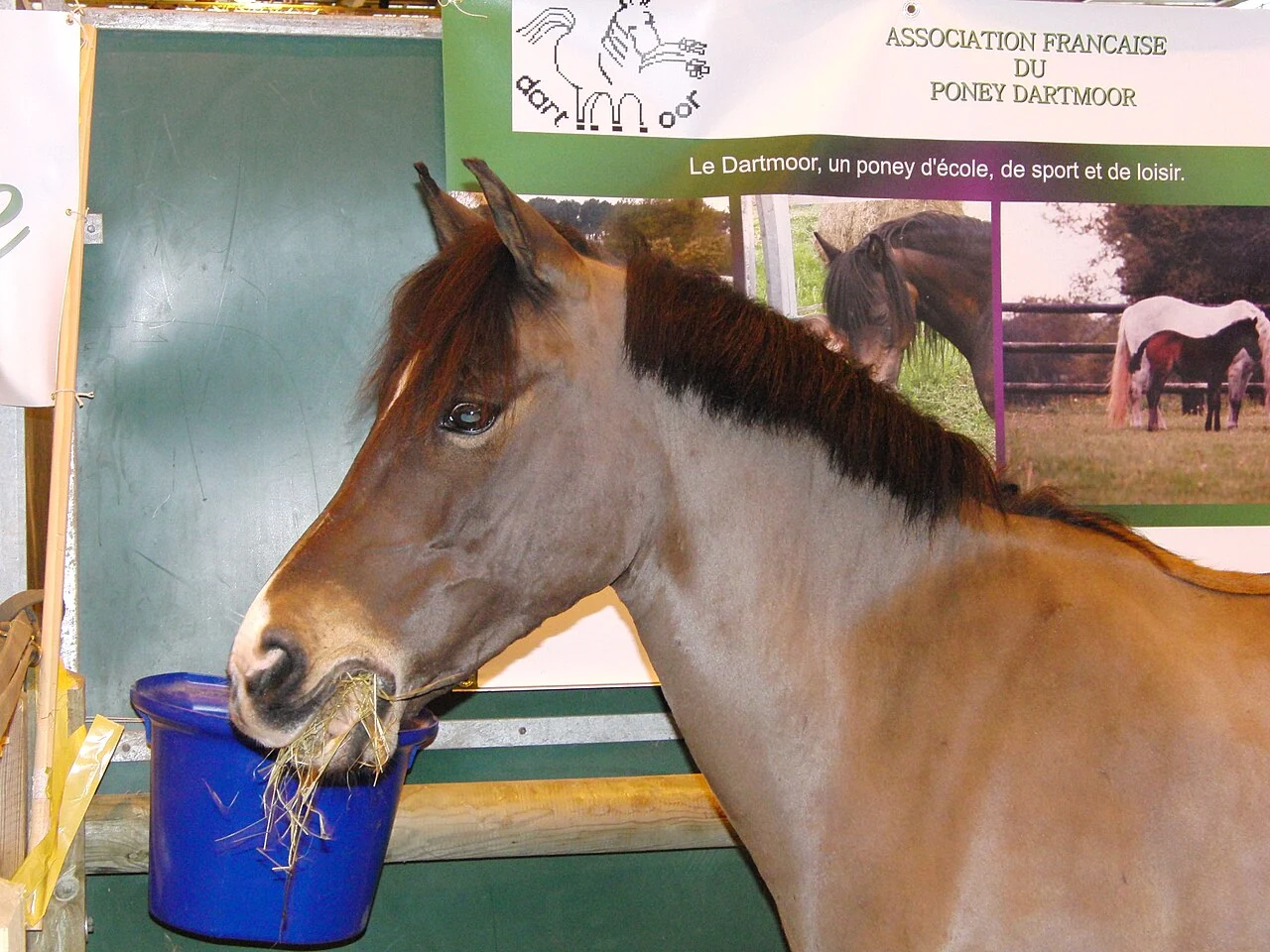
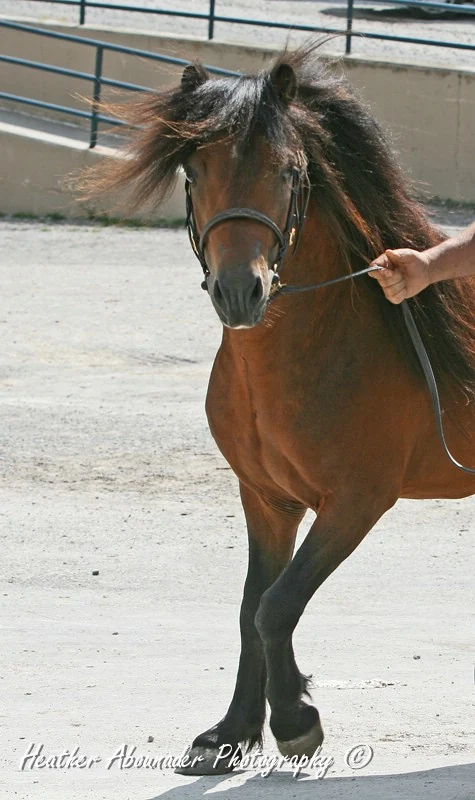
The British standard allows a maximum of 127 cm, measured at the withers where the neck meets the back. It describes a sturdy, well proportioned riding pony with a full mane and tail. Permitted colours include bay, black, chestnut and grey. Piebald and skewbald colours, with large contrasting patches, are outside the standard.
When choosing for a child, the assessment should include whether the rider can sit comfortably and in balance. A saddle should fit the pony while providing suitable room for the rider. An experienced instructor and a qualified saddle fitter can help with that assessment. Before purchase, a veterinary examination should also consider health in relation to the intended work.
Helping a child and pony learn together
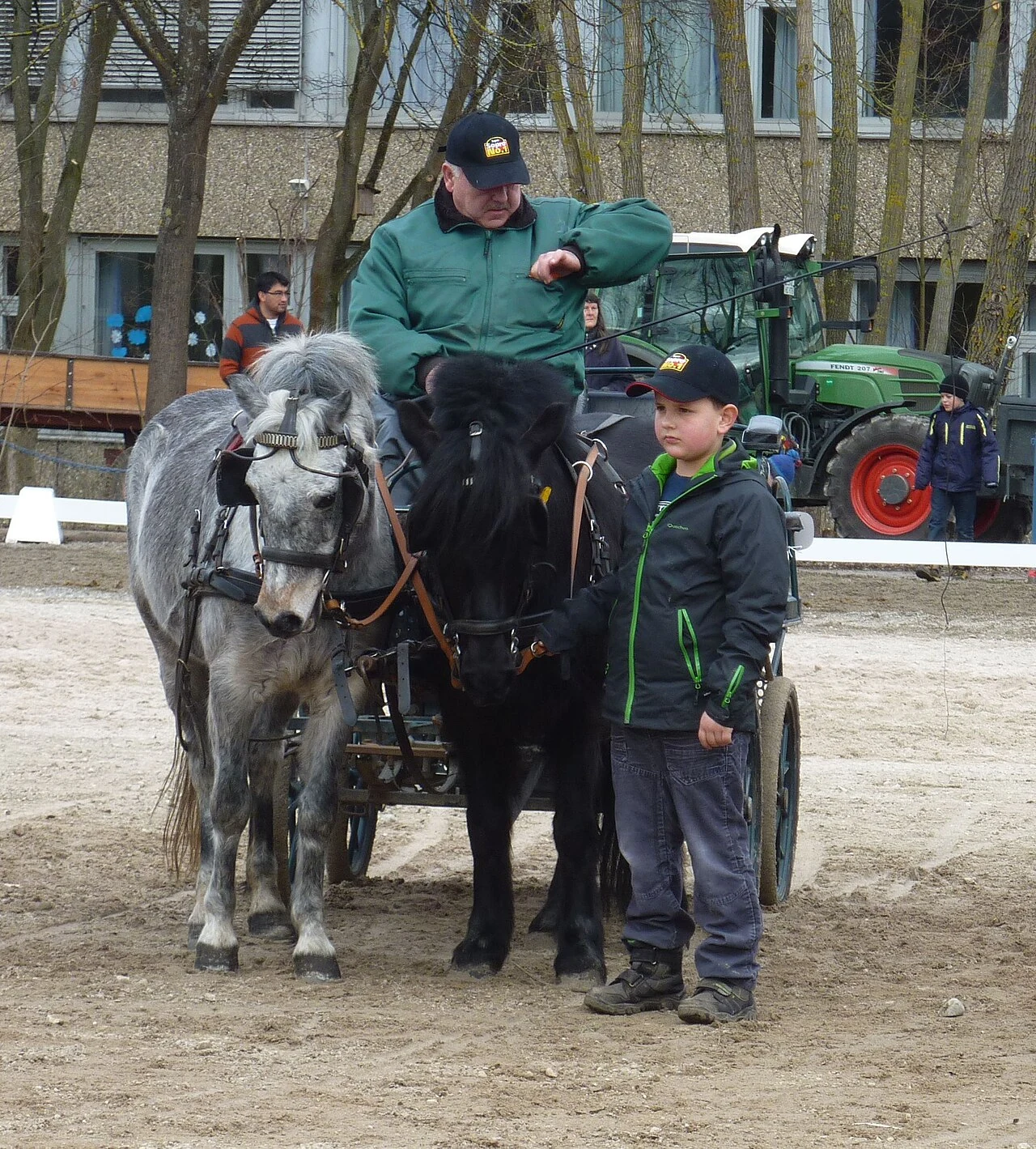
A pony chosen for early lessons should already be familiar with the everyday tasks involved. These include being led calmly, lifting its feet and standing to be mounted. At a viewing, those tasks should first be demonstrated by its familiar handler. With supervision, the child can then see how they get along with the pony.
Even a simple exercise should be clear. A child might practise stopping from a walk and then asking the pony to walk on again. The person helping should make sure the cue is understandable and a successful response is rewarded appropriately. If the pony becomes worried or does not respond, the reason should be explored. The task might be confusing, too difficult or uncomfortable because of equipment.
Young ponies need their own education with experienced guidance. They should not also be expected to cope with an inexperienced child’s first attempts at riding. A pony with established experience may therefore be the more practical choice for a family.
Read more: Reward-based horse training: clear steps for everyday care · Your first horse: preparing for the decision
Life between riding lessons
A Dartmoor Pony should have contact with compatible horses and daily opportunities for free movement. Safe outdoor space, suitable fencing and somewhere dry to rest belong in the care plan. In a group, the small pony should be able to reach food and water comfortably, even when it lives with larger animals.
Adults should take responsibility for daily care, appointments and decisions. Children can learn a great deal by helping under supervision. Clear arrangements should identify who checks the pony when school, illness or holidays change the usual routine. Before taking ownership, a budget should include hoof care, dental checks and unexpected veterinary treatment.
Plan chewing time as well as calories
Hay and suitable grazing should make up most of the diet. This fibrous food provides chewing time and supports digestion. Fresh water should always be available. Whether additional feed is needed depends on factors including exercise, age and body condition.
For a pony doing little work, the energy supplied by pasture deserves particular attention. A thick coat can hide developing fat deposits. Feeling the neck, ribs and hindquarters regularly can help reveal changes. If the pony needs to lose weight, its feeding plan should be adjusted with professional support while retaining enough time spent chewing.
Notice small changes before they grow
Laminitis is a painful condition affecting the tissues that hold the pedal bone inside the hoof. Damage can weaken that support and allow the bone to move. Excess weight and certain hormonal disorders can increase the risk. Shortened steps, difficulty turning or repeatedly shifting weight between feet should prompt immediate veterinary advice. A pony in pain should not be forced to keep walking.
Daily care should include checking and cleaning the feet, with hoof appointments planned for the individual. Vaccination, parasite control and dental treatment should form an agreed health plan. If an older pony struggles to chew or loses weight, dental problems and other illnesses should be investigated. Feeding and movement can then be adjusted to its needs.
Read more: Older horses: adapting feeding, movement and daily care
Common questions
Are all ponies on Dartmoor registered Dartmoor Ponies?
They may have different ancestry. Particular registration procedures apply to the registered breed and the Moorland Scheme. An individual pony’s documents should establish its actual entry.
Can my child care for the pony alone?
Children should help with tasks appropriate to their age and ability under supervision. Adults should remain responsible for safety, health and dependable daily care.
A closer look
Sources and photo credit
- About Dartmoor PoniesDartmoor Pony SocietyDartmoor names a place and a breed · Small stature still needs a careful match
- DPS Moorland SchemeDartmoor Pony SocietyDartmoor names a place and a breed
- Owners and BreedersDartmoor Pony SocietyDartmoor names a place and a breed
- Guide to buying a horse: questions to ask and moreBritish Horse SocietyDartmoor names a place and a breed · Small stature still needs a careful match · Helping a child and pony learn together · Life between riding lessons
- Fat scoring horsesBritish Horse SocietyPlan chewing time as well as calories
- Feeding horsesBritish Horse SocietyPlan chewing time as well as calories · Notice small changes before they grow
- Horse health essentialsWorld Horse WelfareSmall stature still needs a careful match · Helping a child and pony learn together · Life between riding lessons · Notice small changes before they grow
- Where to keep your horseBritish Horse SocietyLife between riding lessons
- Essential care for your horse’s hoovesBritish Horse SocietyNotice small changes before they grow
- LaminitisBritish Horse SocietyNotice small changes before they grow
- Training: how do horses learn?World Horse WelfareHelping a child and pony learn together
Photo credits
Photo: Dartmoor mother and foal.jpg · Mike Knapp (Flickr: Mitchyk) · CC BY 2.0. Image format adapted.
Photo: Dartmoor02 SDA2010.JPG · Eponimm · CC BY-SA 3.0. Image format adapted.
Photo: Dartmoorgespann Preisverleihung.jpg · Xocolatl · CC BY-SA 3.0. Image format adapted.
Photo: Dartmoor Pony.jpg · Heather Abounader (Flickr: Heather Moreton) · CC BY 2.0. Image format adapted.