 fellfolio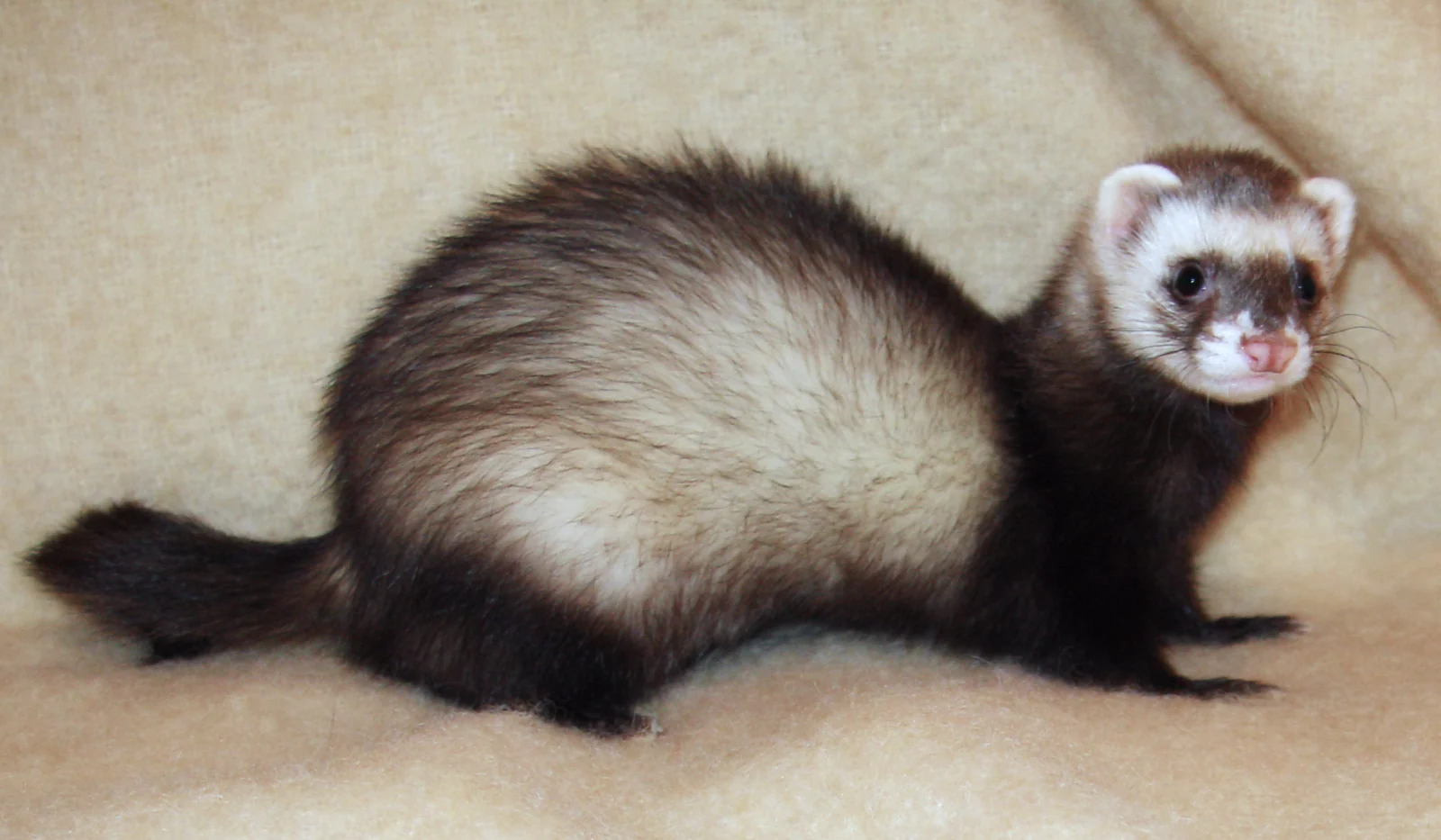
Define an area you can reliably secure
A generous, fully prepared area is easier to check initially than an entire home with numerous hidden routes. Inspect doors, windows, vents and gaps around pipes individually. Built-in furniture may conceal spaces from which retrieving an animal would be difficult. Covers need to remain firmly in place and should not be chewable or easily displaced.
A close inspection at floor level followed by supervised exploration can reveal which areas attract attention. Consider climbing routes too: a small box may provide access to a much higher piece of furniture. Recheck after rearranging the room or bringing in new items. The present layout determines safety; an earlier inspection does not account for the new route created by moving a chair beside a windowsill.
Manage laundry, appliances and moving furniture
Laundry offers soft hiding places. Before using a washer or dryer, all ferrets should be accounted for and both clothing and drum checked. Keeping a utility area permanently inaccessible is an easier arrangement where possible. Spaces inside and behind kitchen appliances need similar protection. Opening an appliance should not quietly create a new place for an animal to disappear.
Recliners and sofa beds have mechanisms that can trap ferrets. Keep them outside exercise areas or secure them permanently so mechanisms and internal spaces cannot be reached. Ordinary upholstered furniture also needs inspection underneath. A shared household habit of checking for animals before sitting down or moving furniture complements physical protection, rather than relying on one person remembering the risk while others remain unaware.
Merck Veterinary Manual · UC Davis School of Veterinary Medicine
Provide comfortable sleeping places and routes
Ferrets need sheltered places where they can sleep undisturbed. Secure sleeping boxes or firmly attached hammocks at a low height can work well. Washable fabrics should be inspected for holes, loose threads and loops. Individual use matters: a material that one animal dismantles is unsuitable for its unattended sleeping area.
Raised levels need safe access and protection against falls. A tall narrow enclosure does not automatically supply enough floor space for active movement. Clearly arranged sleeping, feeding and toilet areas make access easier. Several resting places offer choice. An animal can then sleep while a companion continues exploring, without every journey through the accommodation passing directly across the occupied bed.
Give curiosity suitable outlets
Safe tunnels, sturdy hides and simple searching activities add interest. Tunnels need enough internal space, smooth edges and a design that allows inspection. A modest rearrangement can invite fresh investigation without requiring another purchase. The available floor area should still allow free movement when accessories are in place.
Soft rubber, earplugs and foam are hazardous because pieces may be bitten off and swallowed. Equipment that exposes similar material during use creates the same concern. Suspected swallowing warrants immediate veterinary contact. For suitable objects, a small selection offered in rotation can keep activities varied. Checking items after use makes it easier to notice damage or a missing piece before the object returns to the play area.
Plan cleaning, temperature and care cover
Toilets and bowls need daily attention. Hiding places should be accessible so stored food can be found. Leftovers in an unreachable sofa cavity are difficult to discover and remove. Easily cleaned surfaces and replaceable sleeping fabrics reduce work while allowing some familiar retreat spaces to remain available during cleaning.
Ferrets are vulnerable to excessive heat. Direct sun and an overheated room are unsuitable, so shade, appropriate room conditions and fresh water need to remain available when you are away. A carer should know which doors stay closed, how all animals are accounted for and where they usually sleep. A photograph of the finished layout can make a handover clearer and reveal whether something has accidentally been moved into an unsafe position.
Common questions
Is watching ferrets enough to keep them safe?
Supervision helps, but cannot replace a prepared environment. An animal may disappear into a cavity or move beneath furniture very quickly. Hazardous access points should already be securely blocked.
Can a shop-bought cage be the whole permanent home?
Many provide too little connected space for active exploration. Suitable generous accommodation and regular movement in a secure area need to be planned together.
Sources and photo credit
- How to create a good home for ferretsRSPCA
- Keeping your pet ferret happy and healthyRSPCA
- Management of FerretsMerck Veterinary Manual
- Special Considerations for FerretsMerck Veterinary Manual
- Ferret CareUC Davis School of Veterinary Medicine
Photo: Ferret 2008 · Alfredo Gutiérrez · CC BY-SA 4.0. Resized and converted to WebP; scene unchanged.
