fellfolio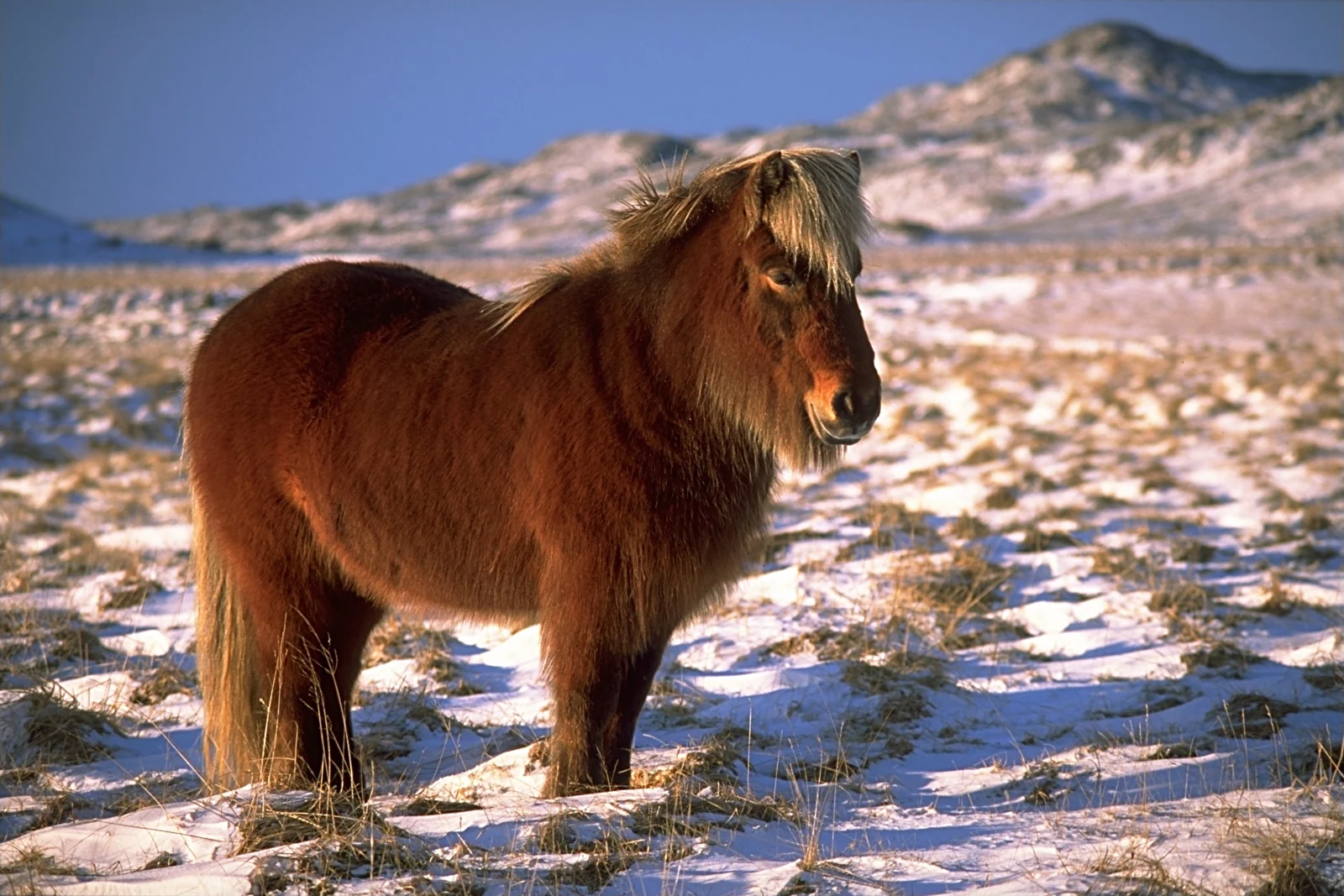
A history shaped in Iceland
The ancestors of Icelandic horses arrived during the settlement of Iceland between 874 and 930. The population subsequently developed without further crossing with other breeds. Travelling on horseback gave useful gaits and stamina an important place in selection.
Today the breed is involved in leisure riding and sport. A shared breeding aim describes a versatile riding horse, while individual horses still differ considerably. A seasoned hacking companion and an enthusiastic young competition prospect may require very different support. Asking about the horse’s actual work and experience helps turn a general interest in the breed into a realistic choice. A familiar appearance should leave room for that individual assessment.
Sources for this section
Understanding tölt and pace
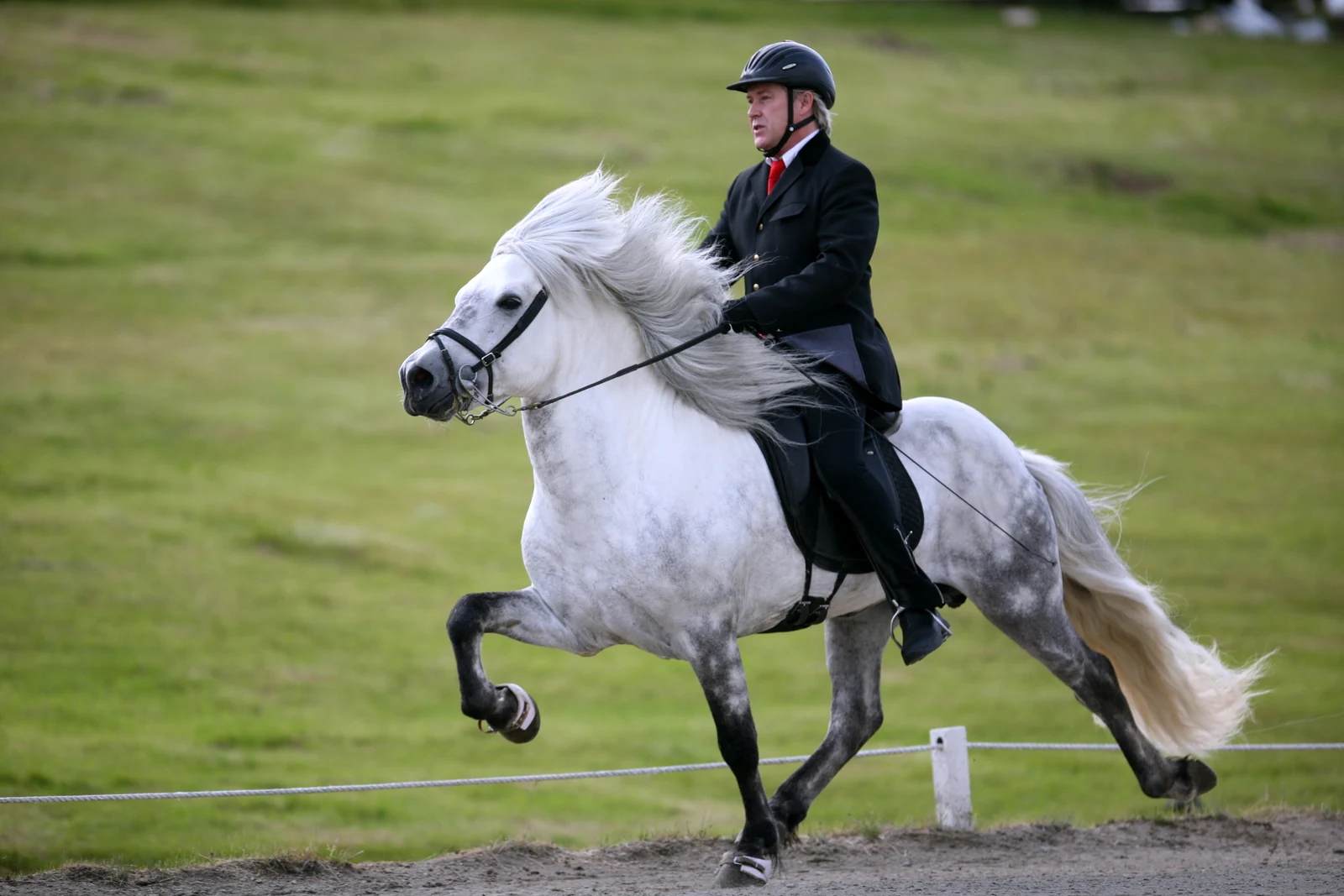
Alongside walk, trot and canter, Icelandic horses can show tölt and, in some individuals, pace. In tölt, the four feet land in sequence, creating an even four-beat rhythm with at least one hoof always touching the ground. Unlike trot, there is no moment when all four feet are airborne. This often gives the rider a particularly smooth seat. How comfortably an individual maintains the rhythm also depends on balance, training and the rider’s cues.
In fast pace, the legs on the same side move approximately together. This requires particular ability and knowledgeable training. During a purchase assessment, it helps to establish which gaits the horse shows reliably with a suitable rider. A gaited-horse instructor can explain the cues and assess the movement, rather than leaving the buyer to judge solely from a pleasant few minutes in the saddle.
Read more: Reward-based horse training: clear steps for everyday care
Sources for this section
- The Icelandic horseFEIF
- The five gaitsHorses of Iceland / Farmers Association of Iceland
Space for moving, eating and resting
An Icelandic horse needs dependable contact with compatible equine companions. In a group, it should be able to reach forage, water and resting places without persistent displacement. Multiple access points and room to move away reduce awkward bottlenecks. Visiting when feed is supplied often reveals more than looking around empty paddocks.
An Icelandic horse can sweat heavily during work in a dense winter coat. In cold weather, a breathable cooler rug may help the damp coat dry without the horse becoming chilled. Regular checks beneath it show whether the coat is still wet or the horse is becoming too warm. Whether clipping makes sense depends on workload, housing and the care available afterwards. Summer arrangements should include shade and water the horse can reach whenever it needs to drink.
Read more: Choosing the right yard for your horse
Sources for this section
- Where to keep your horseBritish Horse Society
- Types of rugs and rugging a horseBritish Horse Society
Following condition through the seasons
Grazing combines movement, feeding and social contact. The energy consumed may nevertheless exceed the needs of a lightly worked leisure horse. Feeding decisions should follow the individual’s condition. A long mane and dense coat can hide fat deposits, so hands-on assessment adds useful information to a visual check.
Comparable photographs, measurements and an accurate record of hay, grass, extra feed and treats can make a feeding consultation more useful. If weight reduction is needed, a qualified nutrition adviser and the veterinary practice can help plan it. Suitable forage remains important. Simply restricting everything can create further difficulties for digestion and behaviour while leaving the nutritional balance unresolved.
Sources for this section
- Feeding horsesBritish Horse Society
- Preventing colic in horsesBritish Horse Society
Recognising sweet itch
Icelandic horses are among the breeds with increased susceptibility to sweet itch. This is an allergy to substances in biting insects’ saliva, particularly that of tiny midges. Intense itching often leads to rubbing of the mane and tail, sometimes leaving sore skin. Before buying, it is worth asking about problems in previous summers. A veterinary surgeon can establish the cause and plan care. Suitable insect protection, a well-fitting sweet itch rug and sheltered accommodation around dusk and dawn can reduce exposure.
Sources for this section
- Sweet itchBritish Horse Society
Assessing education and health before buying
Meeting the horse should include ordinary tasks such as haltering, leading and offering its feet. Plans for hacking make questions about traffic, group rides and separation especially relevant. More than one visit with an experienced adviser can help put a good first impression into context. An independent veterinary examination considers health in relation to the intended use.
Young Icelandic horses need gradual education and time to develop. In older individuals, teeth, mobility and changes in muscle may alter care requirements. Saddle fit can need reviewing as body shape changes. Age alone does not determine suitability: the useful question is which tasks the horse can manage comfortably with its current education and physical condition. Keeping observations specific helps both the instructor and veterinary practice advise.
Read more: Foals and young horses: growing up, handling and early learning · Older horses: adapting feeding, movement and daily care
Sources for this section
- Guide to buying a horseBritish Horse Society
- Essential care for your horse’s hoovesBritish Horse Society
Common questions
Does every Icelandic horse tölt well automatically?
Ability, balance, health and education all influence tölt. Some horses need skilled help to show it clearly and comfortably under saddle. An experienced assessment can distinguish the horse’s ability from its current training needs.
Does its size make it a children’s horse?
Height alone cannot establish a suitable rider. Individual build, conditioning, rider weight and rider balance all matter. The particular partnership should be assessed by someone qualified to advise.
A closer look
Sources and photo credit
- The Icelandic horseFEIF
- Where to keep your horseBritish Horse Society
- Feeding horsesBritish Horse Society
- Essential care for your horse’s hoovesBritish Horse Society
- Preventing colic in horsesBritish Horse Society
- Types of rugs and rugging a horseBritish Horse Society
- Guide to buying a horseBritish Horse Society
- The five gaitsHorses of Iceland / Farmers Association of Iceland
- Sweet itchBritish Horse Society
Photo: IcelandicHorseInWinter.jpg · Andreas Tille · CC BY-SA 3.0. Resized and converted to WebP; scene unchanged.
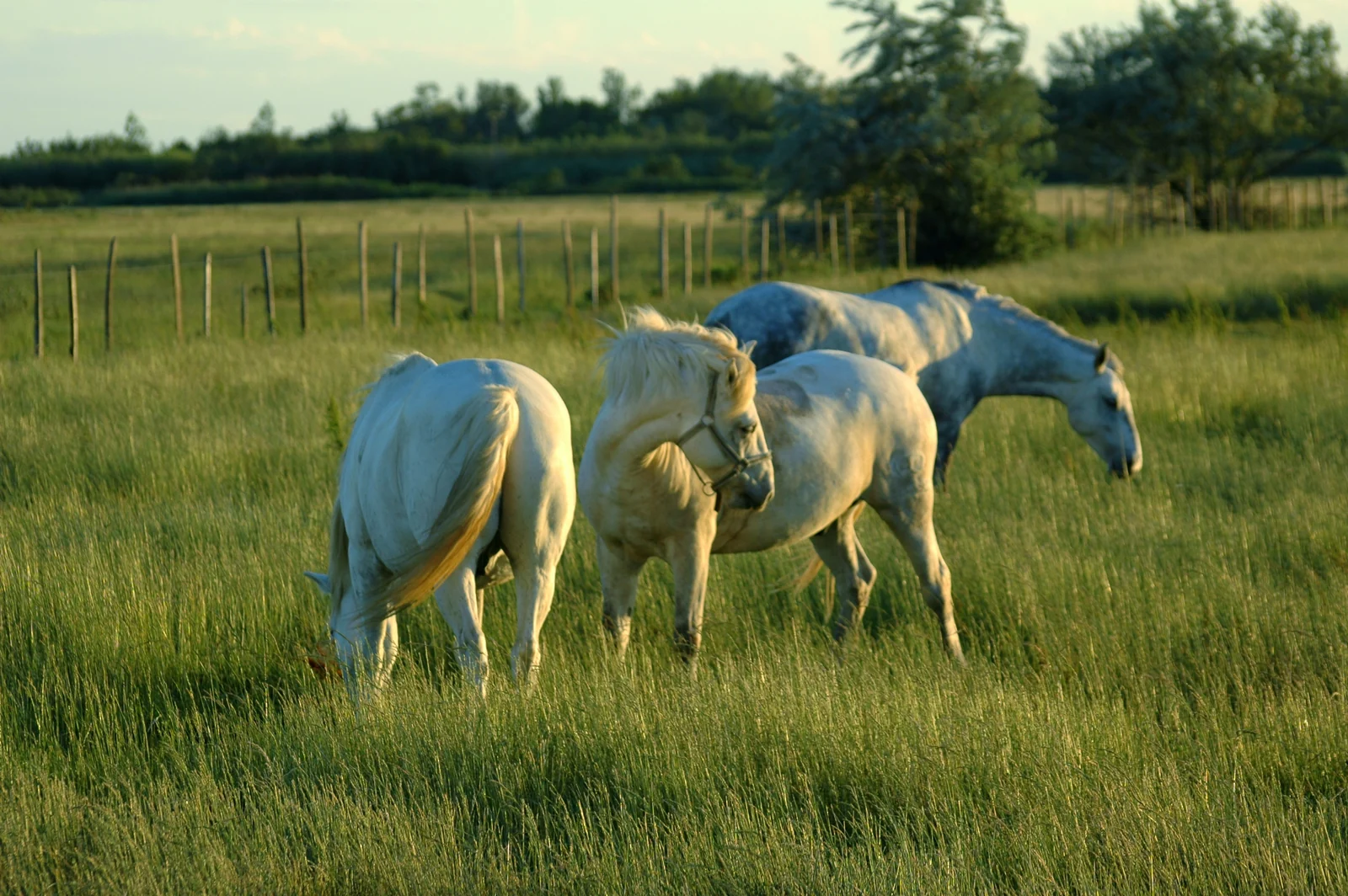
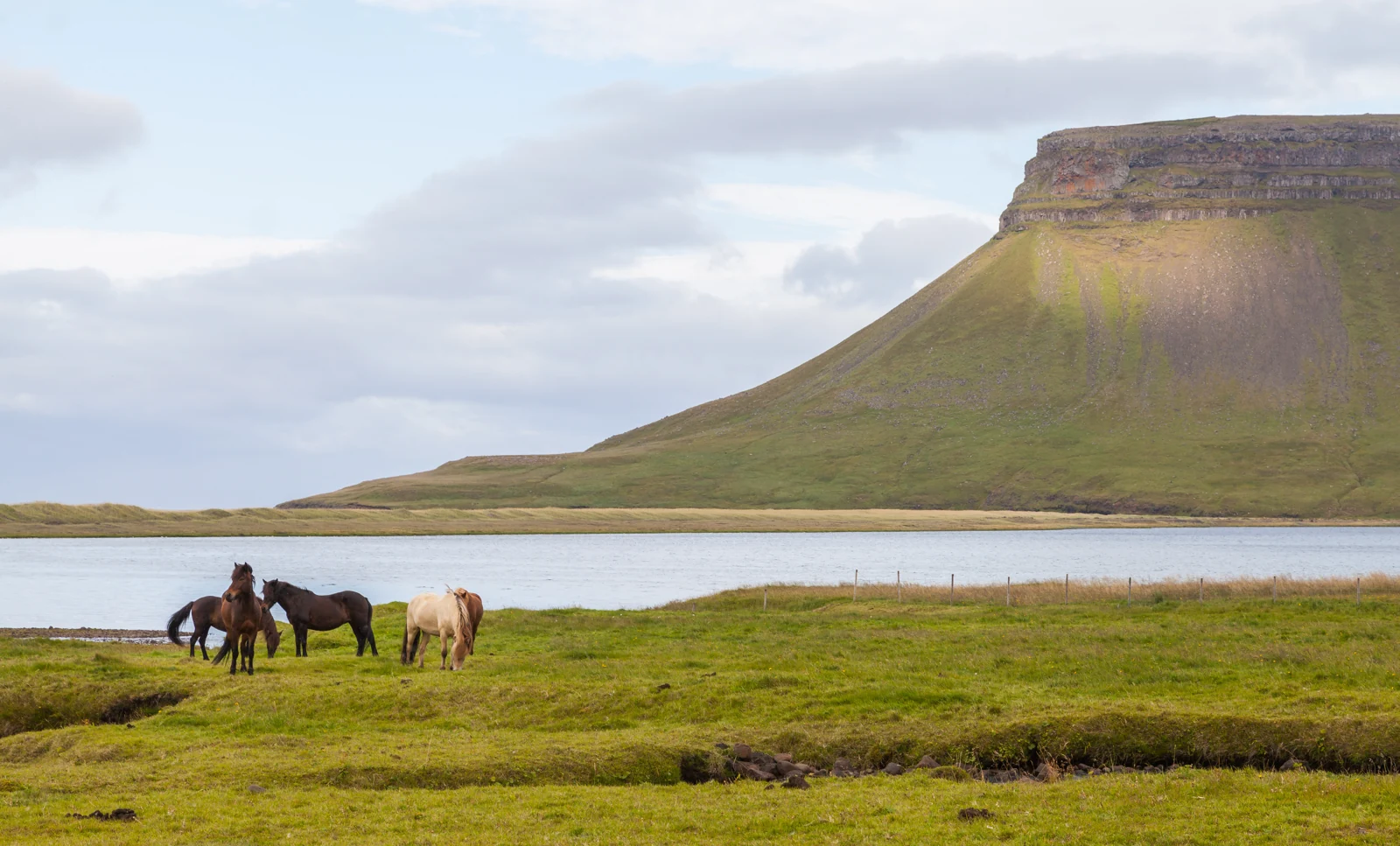
Photo: Búlandshöfði, Vesturland, Islandia, 2014-08-14, DD 085.JPG · Diego Delso · CC BY-SA 4.0. Resized and converted to WebP; scene unchanged.
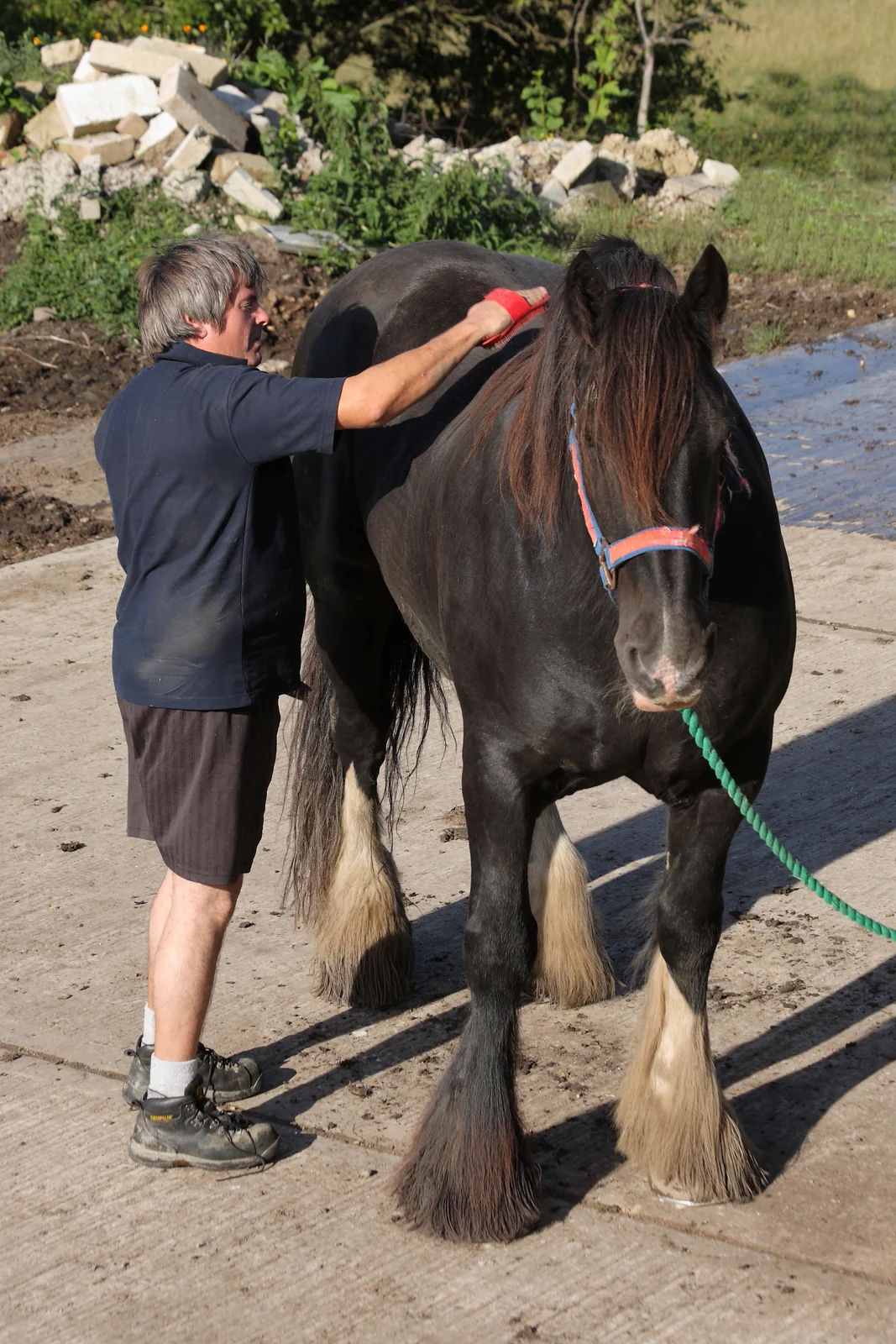
Photo: 043 Sævar frá Stangarholti.jpg · Dagur Brynjólfsson · CC BY-SA 2.0. Resized and converted to WebP; scene unchanged.
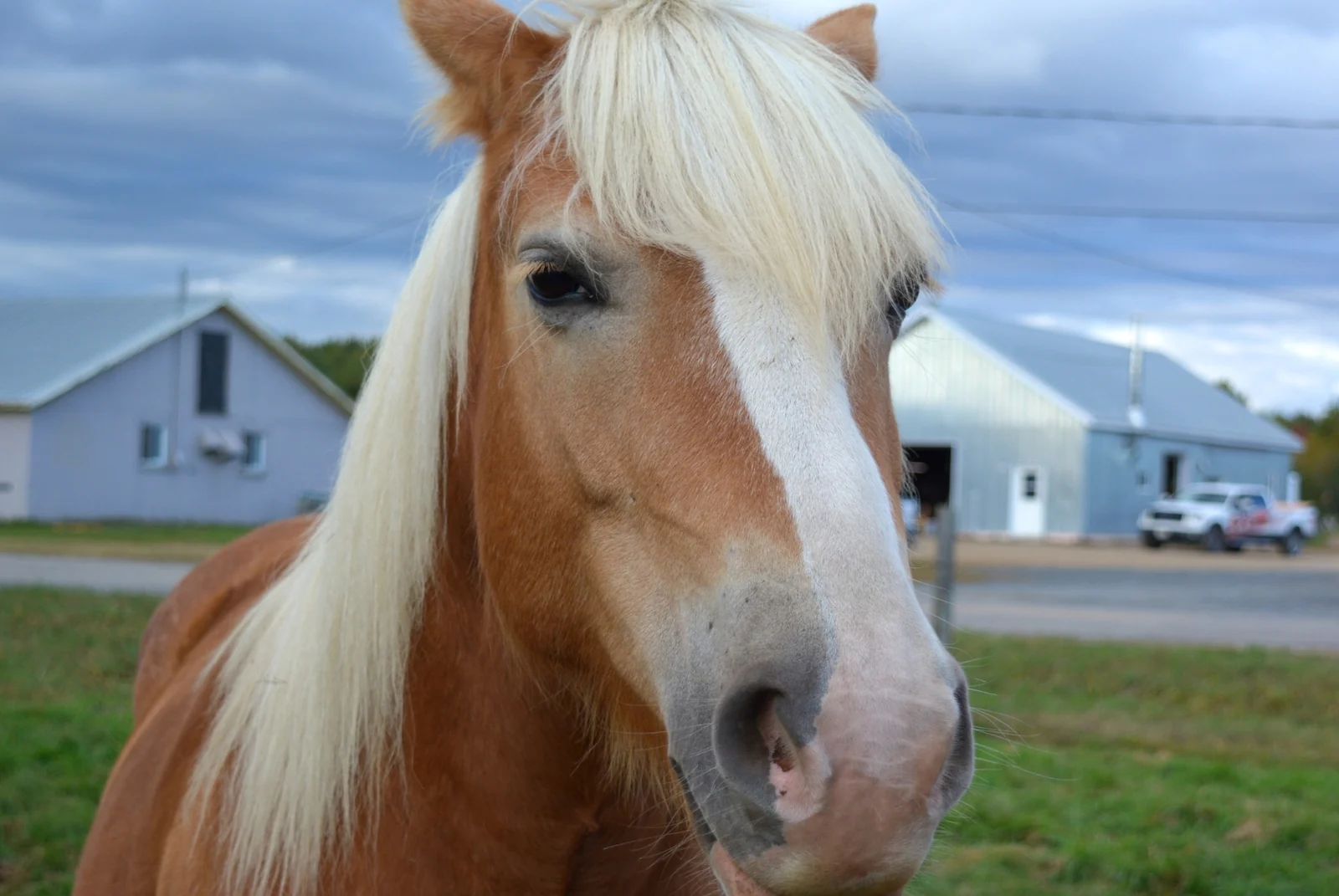
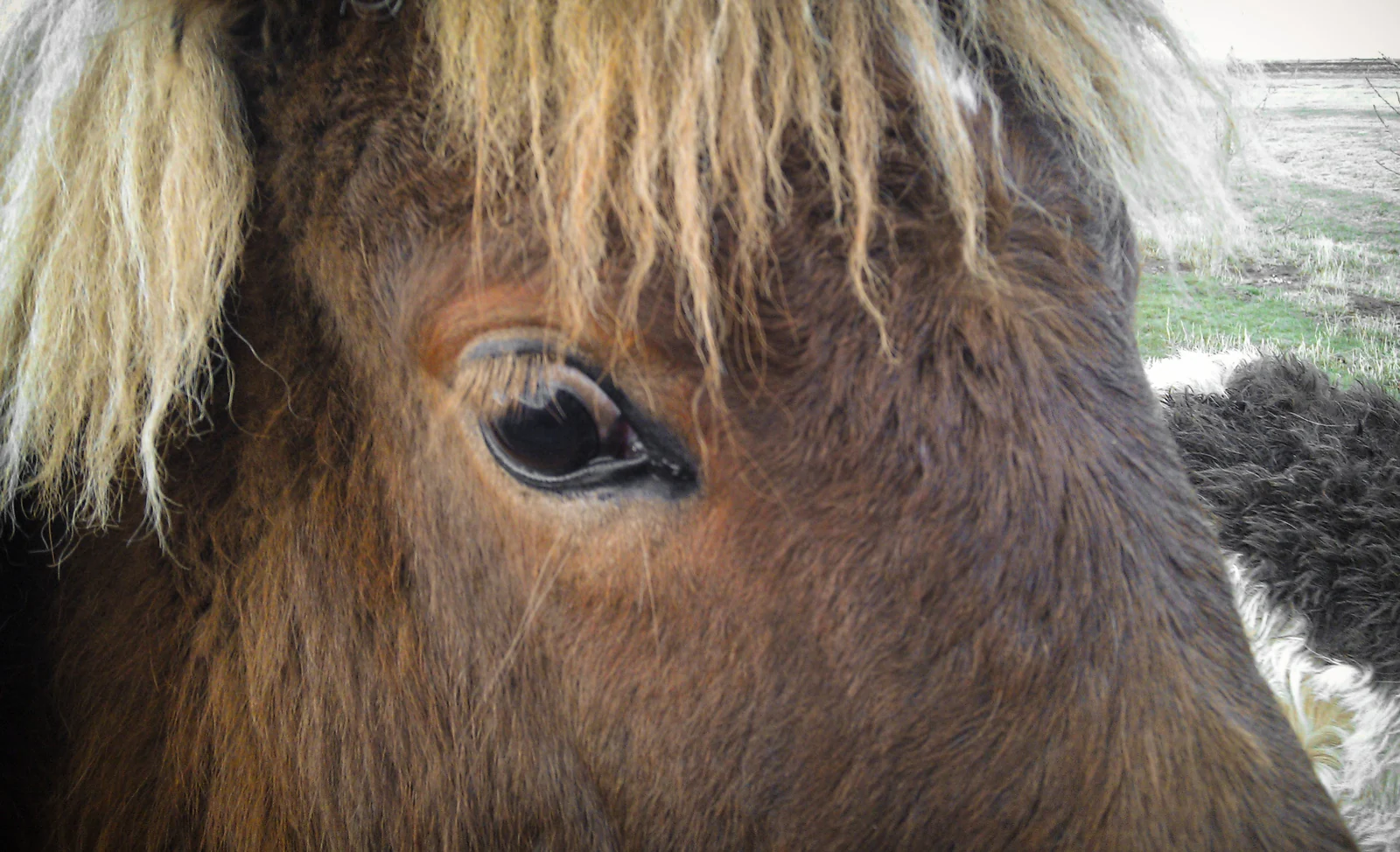
Photo: Icelandic Horse Face.jpg · Carl Young · CC BY-SA 4.0. Resized and converted to WebP; scene unchanged.