fellfolio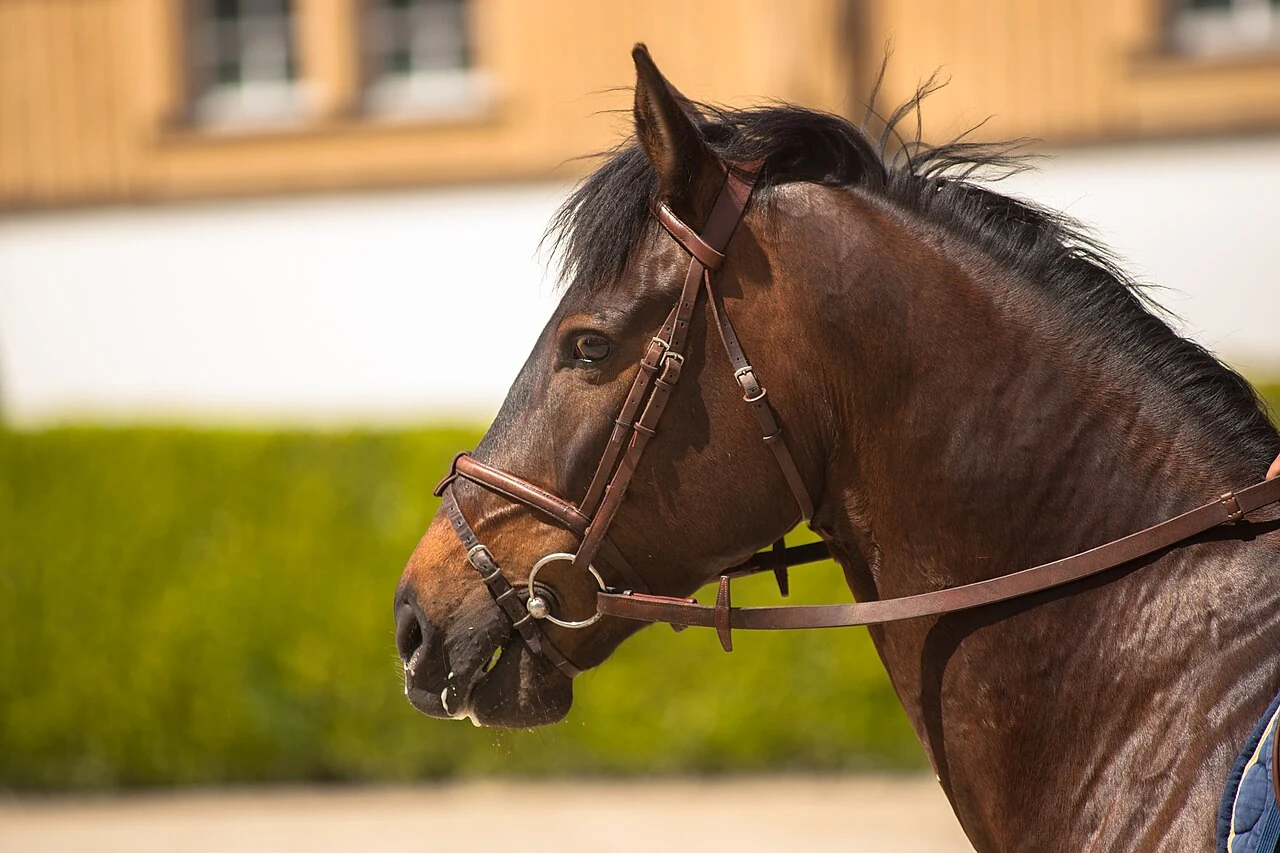
Working roots in the Swiss Jura
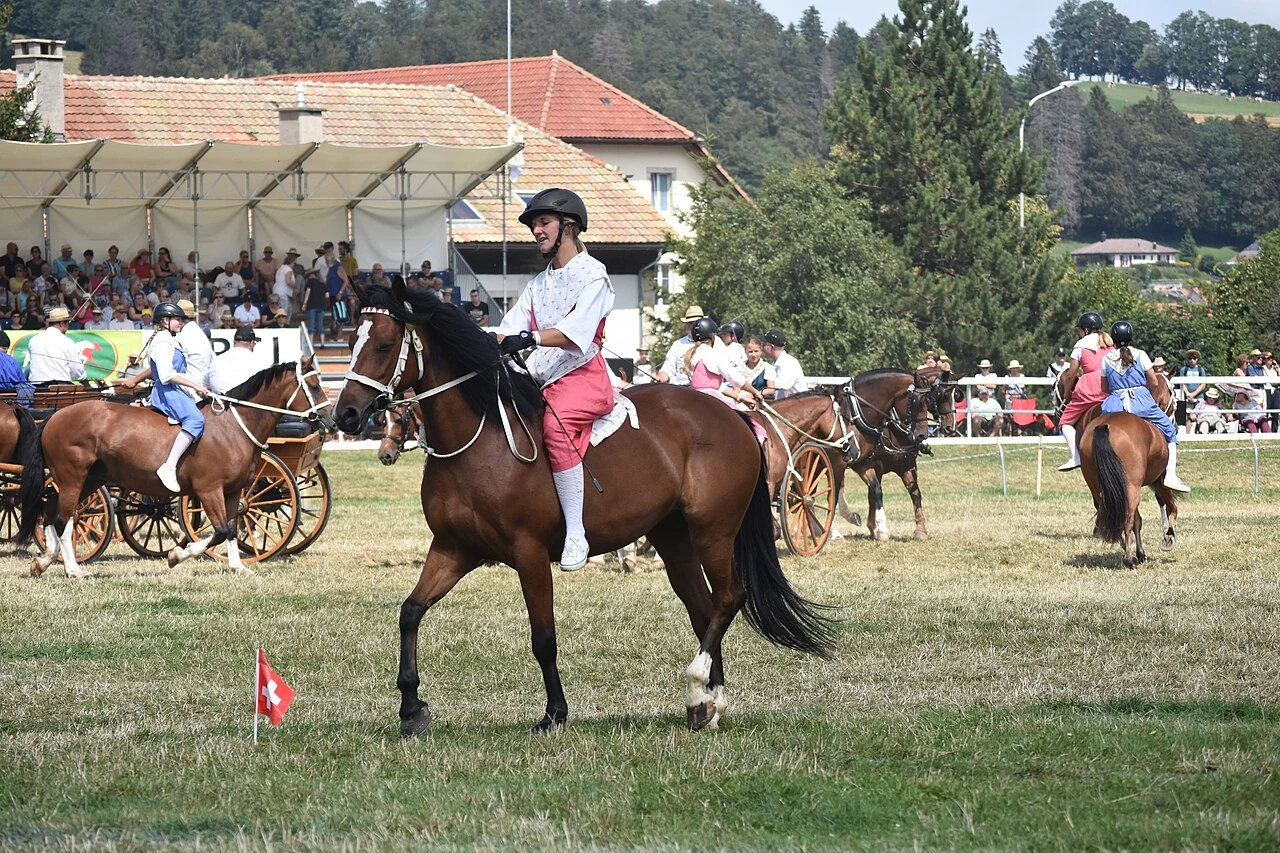
The Freiberger’s development is closely tied to the Jura region of Switzerland. Horses needed to work on farms, pull loads and serve military needs. Several horse types contributed to the breed. As machinery took over those jobs, both the horse’s role and the direction of breeding changed.
The Swiss Freiberger association now describes a medium-weight horse for varied uses, including riding and driving. This background helps explain why individuals can differ in substance and athletic appearance. Comparisons should take account of the particular horse’s build and the work it has been doing.
Understanding height, build and movement
The breeding programme gives a height target of 150 to 160 centimetres at three years of age. Measurements are taken at the withers, the raised area where the neck joins the back. At a viewing, you should establish the horse’s actual height. Width, training and physical capacity also matter when assessing a suitable match with a rider.
The desired breed type combines a substantial body with supple, rhythmical gaits. Walk, trot and canter should each have a regular rhythm. The breeding goal lists bay, black and chestnut coats with limited white markings. A chestnut coat is reddish, without the black mane and tail found in bay horses.
Riding and driving need their own foundations
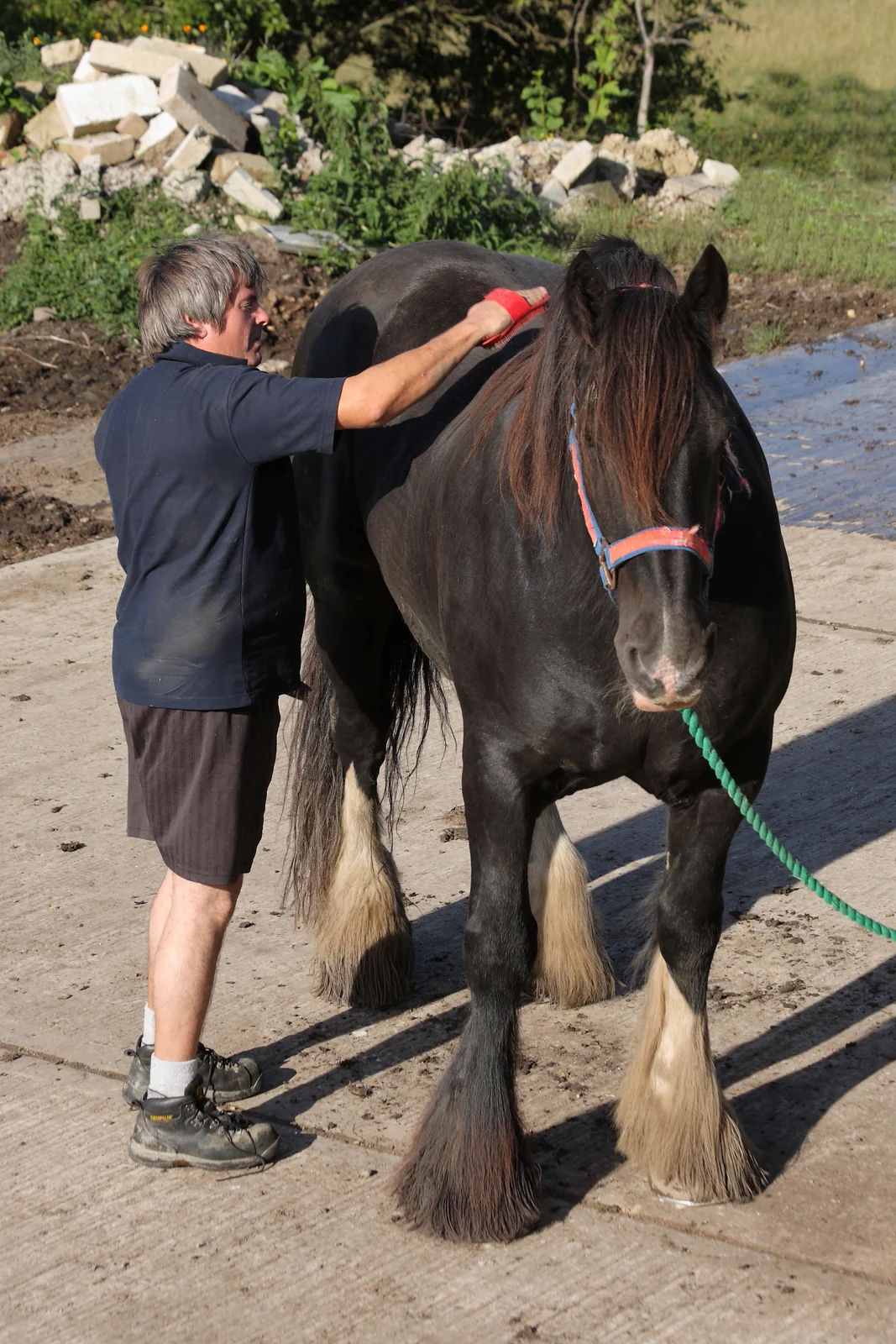
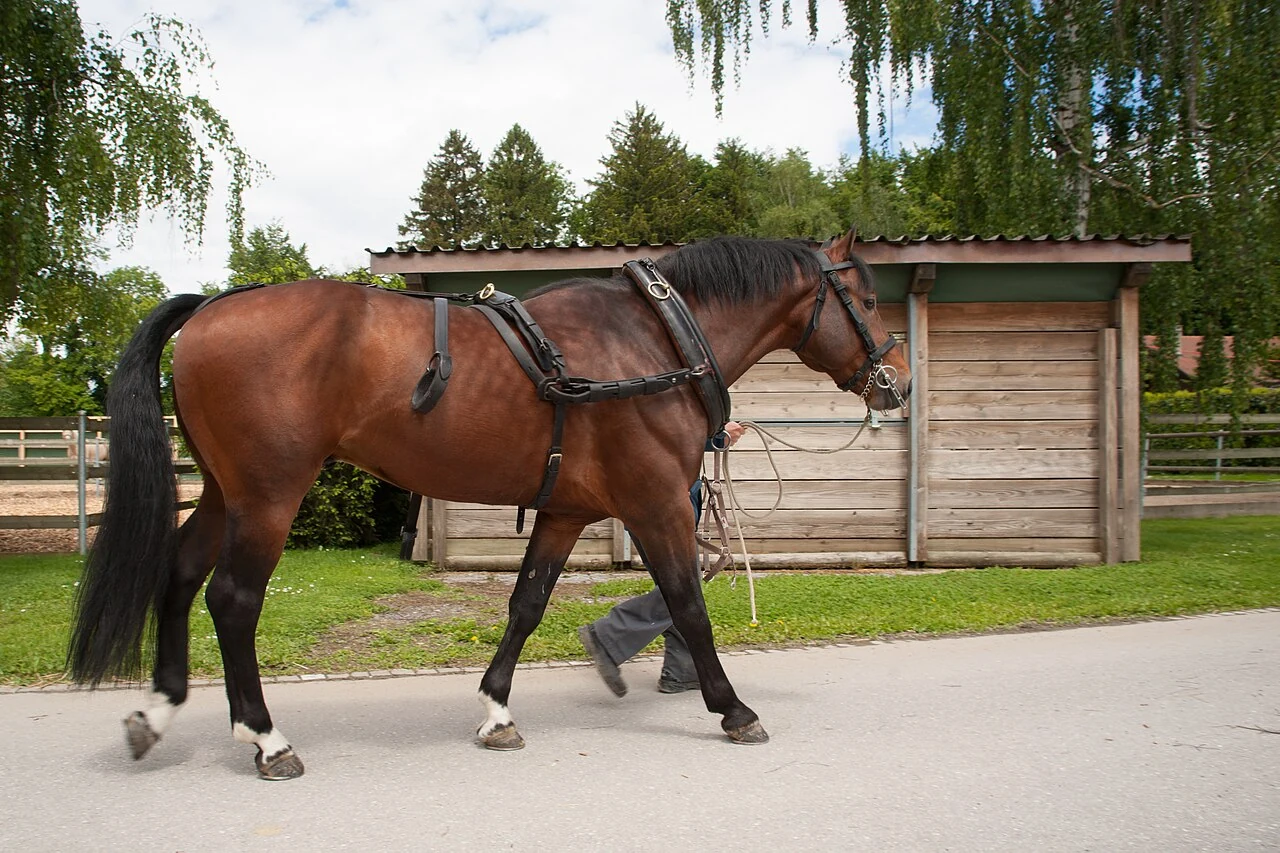
A horse that accepts a saddle and rider has not automatically learned to pull a vehicle. It should gradually become familiar with the harness, the equipment it wears to pull a carriage. Training also involves learning to respond to the handler’s signals and move comfortably with the vehicle behind it. An experienced professional should guide these steps. The carriage and harness should fit the horse and the intended work.
For riding, practical experience is especially useful to discuss. Has the horse been ridden outdoors alone and with others? Is it familiar with traffic, open routes and unfamiliar places? Viewings should explore those questions and include appropriate trials with an experienced person alongside you.
Small learning steps are valuable in everyday handling too. For example, a horse can first learn to hold up a foot briefly, then gradually for longer. A clear cue and an immediate reward help identify the behaviour you want. If fear or pronounced tension develops, the task should be made easier while you consider the cause.
Read more: Reward-based horse training: clear steps for everyday care
Movement, rest and compatible companions
Suitable housing should provide daily time outdoors to move freely and contact with other horses. In a group setup, the routes between feed, water and resting areas deserve attention. A less assertive horse should be able to move away from others while still reaching those resources. Sheltered, dry resting areas should be included.
If your Freiberger spends much of its time outdoors, the ground and shelter should remain usable through winter. Before moving, you should ask how the group is chosen and how new arrivals are introduced. You should also establish who will feed, check and care for the horse if you are ill or unable to attend.
Read more: Choosing the right yard for your horse · Keeping horses: building a good everyday life
What being an easy keeper means
Efficient use of feed is part of the association’s breeding goal. Owners often call a horse that maintains condition without much additional dietary energy an easy keeper. If your Freiberger gains weight readily, the full ration should be considered, including grazing and treats.
Forage such as hay and suitable grass should form the basis of feeding and allow plenty of chewing time. Weight loss should be planned with professional advice, keeping forage available across the day rather than creating long periods without food. Regular weighing or measuring, together with gently assessing fat cover, can help reveal changes. Extra feed should match actual work and nutritional needs.
Keeping a substantial horse comfortable
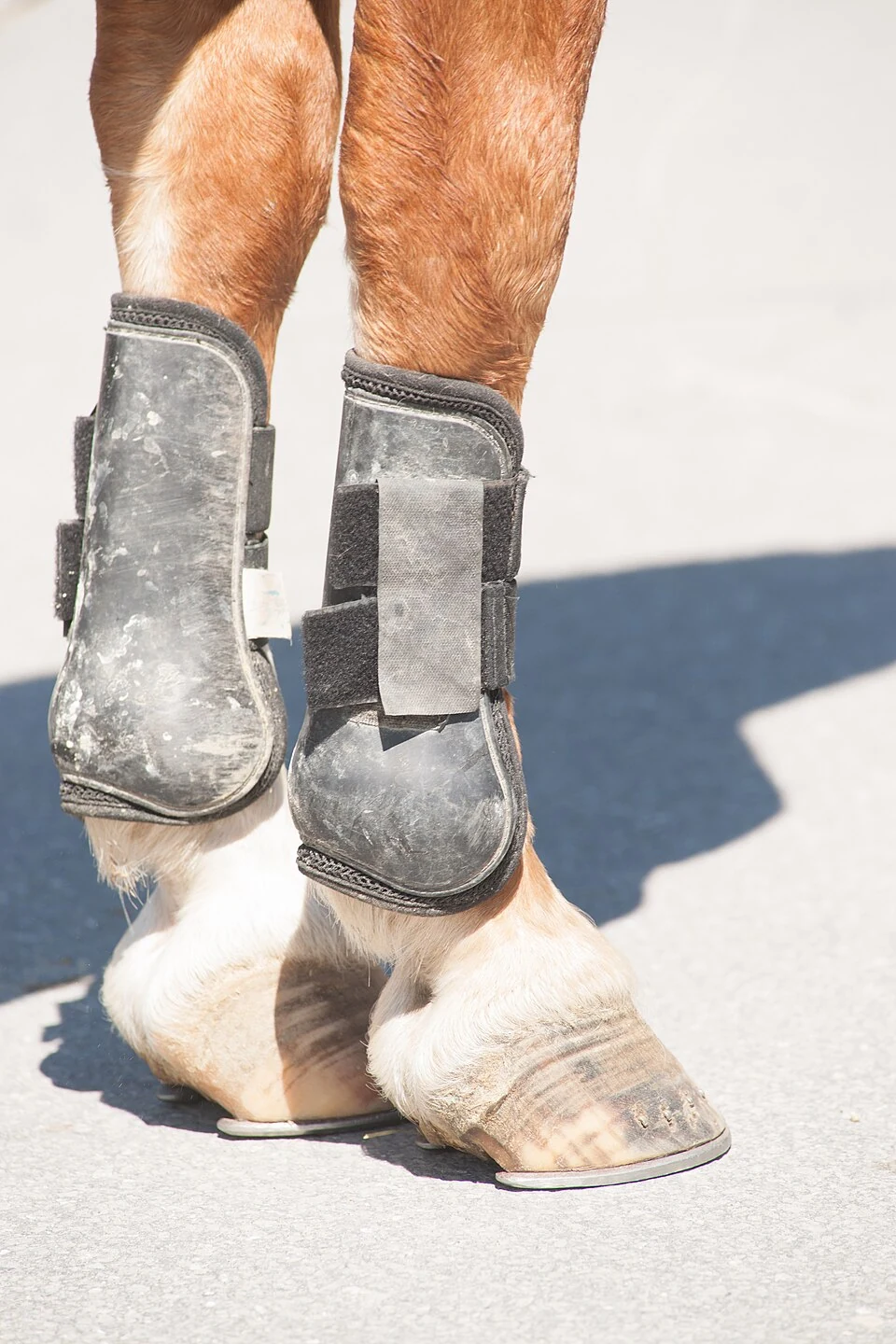
Daily hoof cleaning should include checking for injuries, loose shoes and other changes. The trimming schedule and any need for shoes should be decided for the individual, taking terrain and workload into account. Longer rides or drives should be introduced with a gradual fitness programme.
Dental checks, veterinary preventive care and properly fitted equipment should be planned. Changes in eating, movement or behaviour should be assessed promptly. If a horse starts dipping its back during tacking up, pain and poor equipment fit are among the causes worth investigating.
Read more: Daily horse care: noticing what changes
Choosing experience that suits your plans
The Freiberger association uses field tests to assess performance and behaviour. Results can provide useful additional information. You should also discuss how the horse has lived and been trained since the test, and get to know it in the situations that matter to you.
An independent veterinary examination and clear documents are sensible parts of the purchase process. Ongoing costs should be based on quotes for the yard, hoof care, lessons and any driving equipment. The horse finder can help organise your plans, while the cost calculator lets you turn local prices into a realistic budget.
Read more: Your first horse: preparing for the decision
Common questions
What does Urfreiberger mean?
Urfreiberger is an ancestry classification. For this calculation, Freiberger horses born before 1950 form the starting population and are assigned no ancestry from other horse breeds. Descendants may qualify if no horses from other breeds were subsequently introduced into their ancestry. If this classification matters to your decision, an expert should check the horse’s records.
A closer look
Sources and photo credit
- HistorischesSchweizerischer FreibergerverbandWorking roots in the Swiss Jura
- PortraitSchweizerischer FreibergerverbandWorking roots in the Swiss Jura · Riding and driving need their own foundations
- ZuchtzielSchweizerischer FreibergerverbandWorking roots in the Swiss Jura · What being an easy keeper means
- Zuchtprogramm des Schweizerischen Freibergerverbands, in Kraft ab 2020Schweizerischer FreibergerverbandUnderstanding height, build and movement · Choosing experience that suits your plans
- Where to keep your horseBritish Horse SocietyMovement, rest and compatible companions
- Feeding horsesBritish Horse SocietyWhat being an easy keeper means
- Essential care for your horse’s hoovesBritish Horse SocietyKeeping a substantial horse comfortable
- Training: how do horses learn?World Horse WelfareRiding and driving need their own foundations
- Guide to buying a horse: questions to ask and moreBritish Horse SocietyUnderstanding height, build and movement · Riding and driving need their own foundations · Choosing experience that suits your plans
- Horse health essentialsWorld Horse WelfareKeeping a substantial horse comfortable
Photo credits
Photo: Haras national Avenches - Franches montagnes.jpg · Ludovic Péron · CC BY-SA 3.0. Image format adapted.
Photo: Haras national Avenches - Franches montagnes - 2.jpg · Ludovic Péron · CC BY-SA 3.0. Image format adapted.
Photo: Ein Freiberger in einer Dressurdarbietung.jpg · PaterMcFly · CC BY 4.0. Image format adapted.
Photo: Haras national Avenches - jambes.jpg · Ludovic Péron · CC BY-SA 3.0. Image format adapted.