fellfolio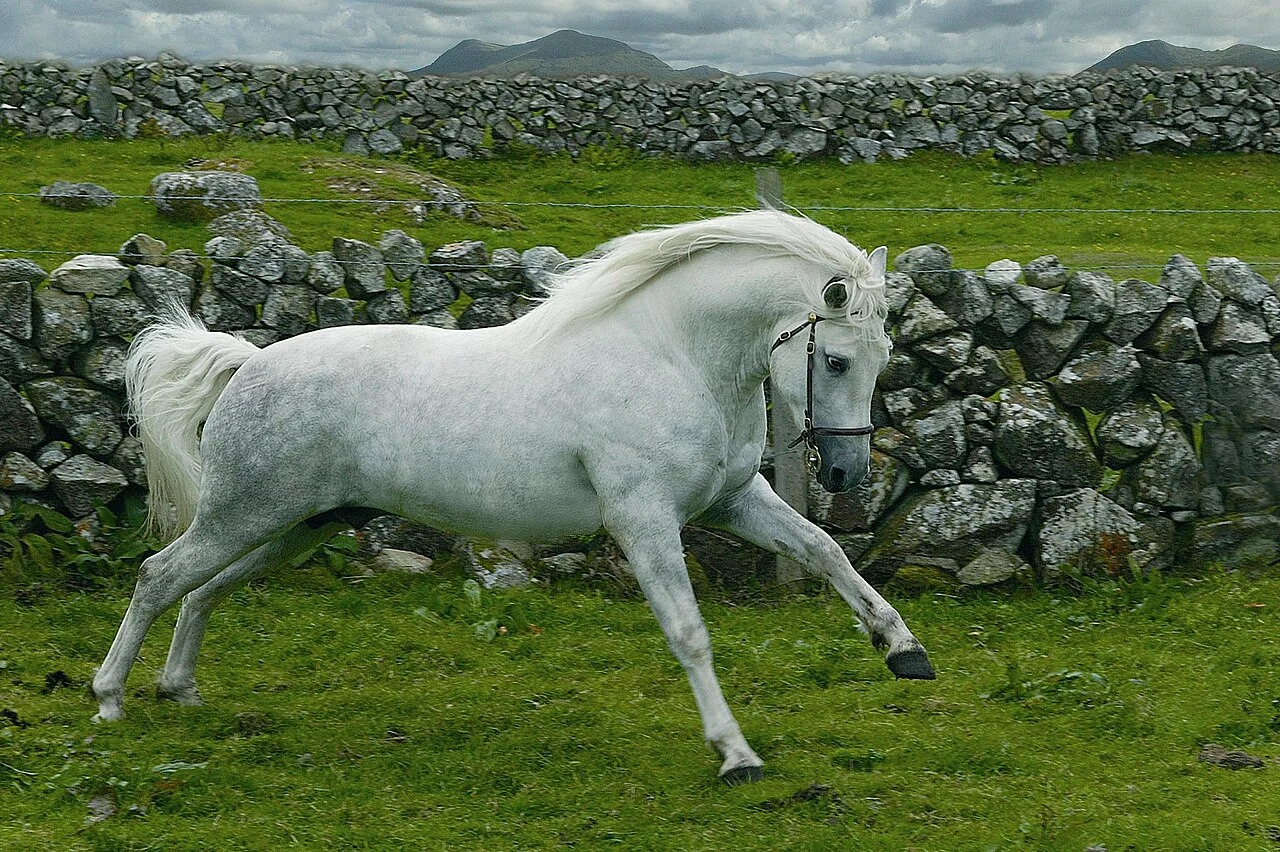
From western Ireland to the modern riding pony
Connemara is a region in County Galway, Ireland. Its local pony population formed the basis of the modern breed. The Irish breed society was established in 1923 and the first studbook followed in 1924. This history explains the regional name, while subsequent breeding and training have shaped the ponies encountered today.
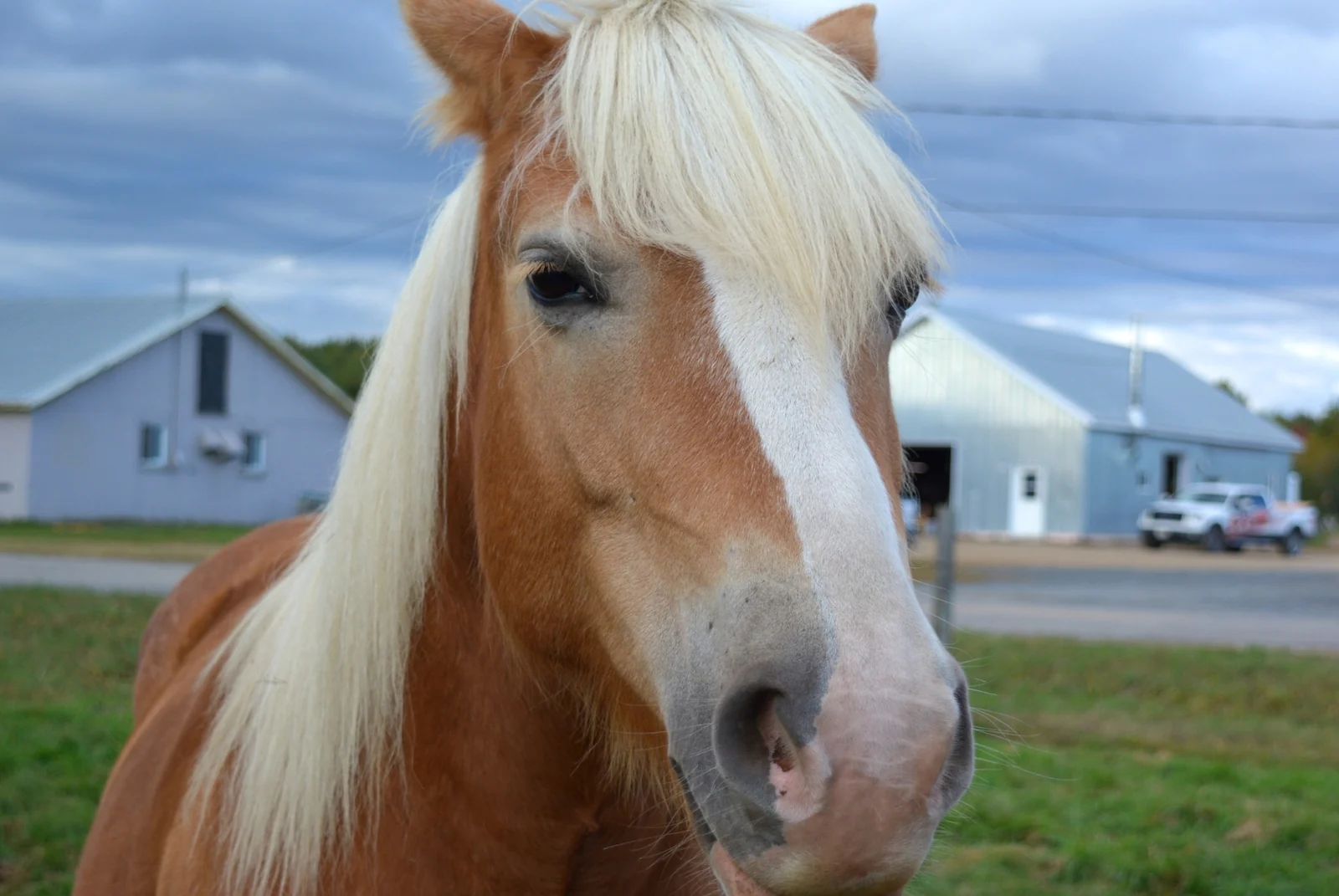
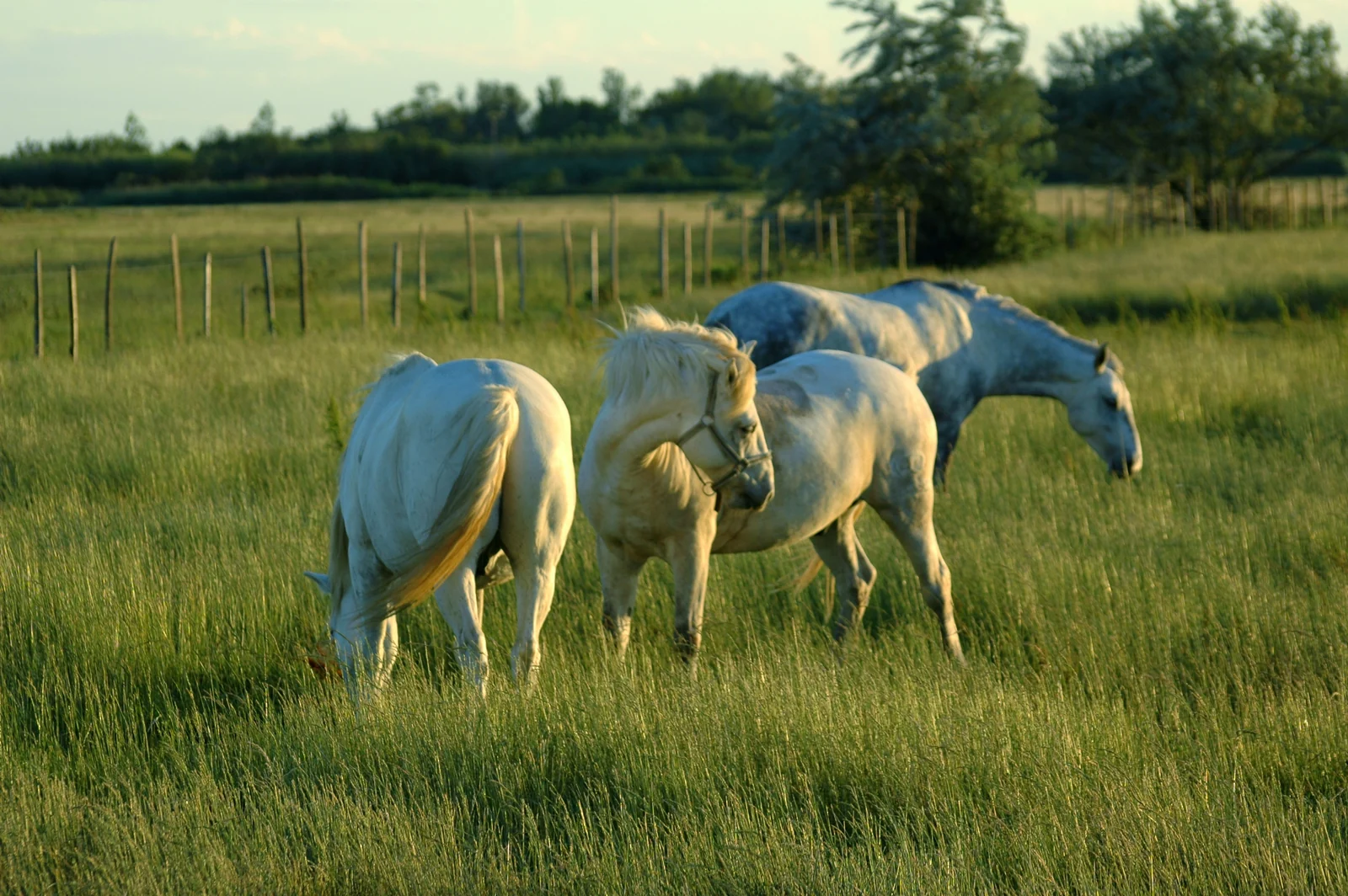
Grey is particularly familiar, but Connemaras come in other colours too. A grey pony is therefore not necessarily a Connemara. Anyone seeking a registered animal should be able to follow its identity and breeding records. Health and handling deserve the same attention when considering a leisure pony without a full pedigree. Coat colour reveals neither education nor reliability near traffic.
Sources for this section
- About the breedBritish Connemara Pony Society
- Guide to buying a horseBritish Horse Society
Finding the right individual
The height range appeals to many teenagers and smaller adults. A suitable partnership also depends on build, fitness, saddle fit and the rider. A sturdy pony cannot compensate for an unsuitable seat or poorly distributed weight any more than a larger horse can. An experienced assessment in person is useful before making a decision.
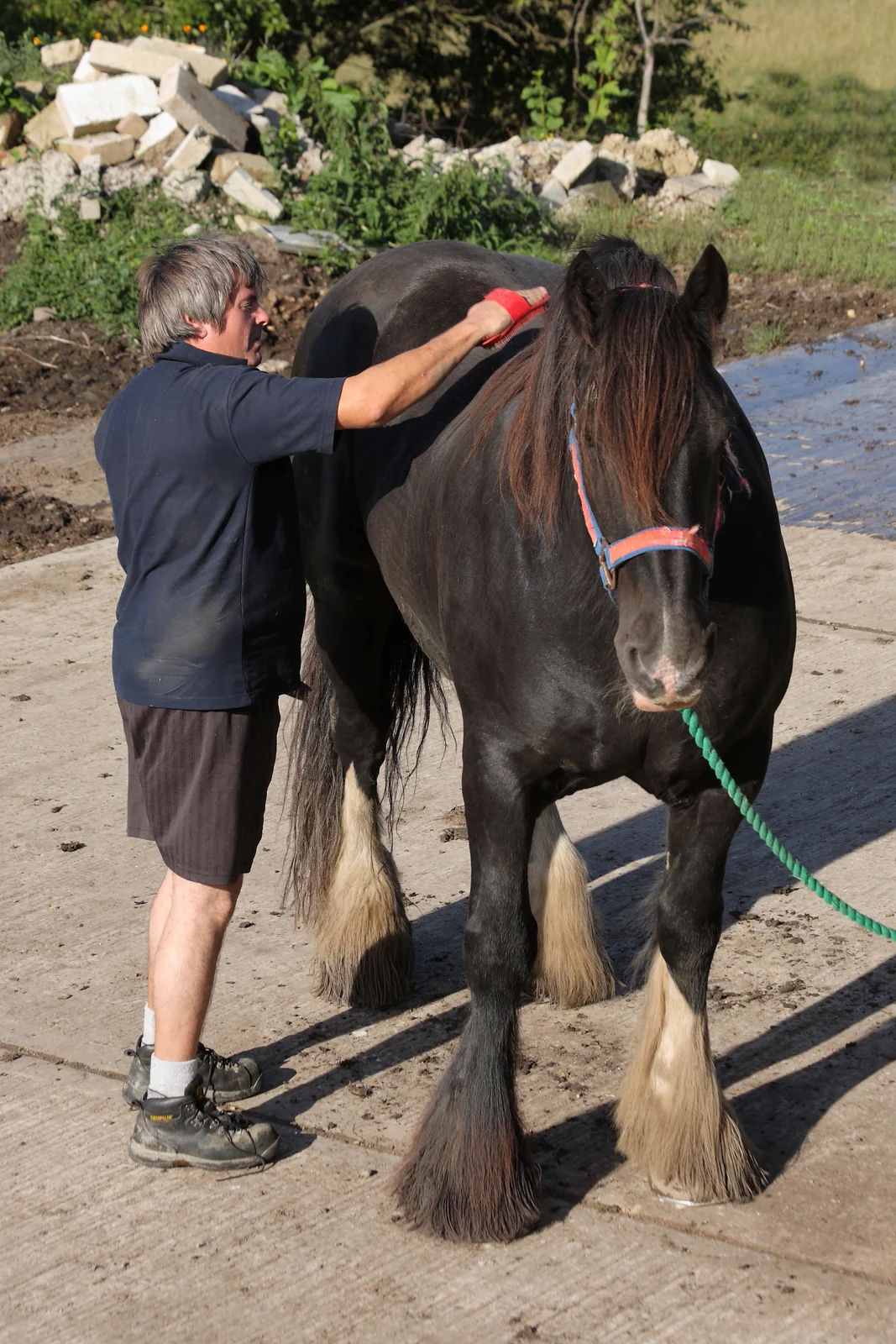
A viewing should include activities that will form part of ordinary life: grooming, lifting feet, leading and riding in appropriate conditions. Someone who mainly wants to hack should learn how the pony behaves outdoors alone and in company. A successful competition pony may have little experience of tractors, open fields or longer breaks between rides. These differences are worth discussing with the people who know the pony. They help identify the training and support that a new partnership will need.
Read more: Your first horse: preparing for the decision
Sources for this section
- Guide to buying a horseBritish Horse Society
Variety with clear tasks
Connemaras are ridden in several disciplines, including showjumping and eventing. Hacking, pole exercises and careful basic schooling can provide a varied programme. Work should reflect the individual pony’s age, fitness and current skills. Increasing difficulty separately from duration makes it easier to understand which change has made an exercise more demanding.
A practical week might include relaxed hacks, short schooling sessions and free movement with companions. When introducing something new, a small target is useful: a few calm steps over one ground pole can come before a line of poles. A sudden reluctance or change in movement deserves investigation of equipment, physical discomfort and the clarity of the aids. Simply increasing pressure does not establish what the pony is finding difficult.
Read more: Reward-based horse training: clear steps for everyday care · Foals and young horses: growing up, handling and early learning
Sources for this section
- Guide to buying a horseBritish Horse Society
- Where to keep your horseBritish Horse Society
- Training: how do horses learn?World Horse Welfare
Understanding HWSD
HWSD means hoof wall separation disease, an inherited condition affecting the outer hoof wall. In affected ponies it can split, peel or break away, with signs sometimes appearing early in life. The associated genetic variant is recessive: affected animals have two copies, one inherited from each parent. An animal with one copy is a carrier and generally does not develop the condition because of that variant, but can pass it on.
A genetic test identifies these different results. Both parents’ results matter when a mating is planned. When buying a riding pony, its current feet, previous problems and hoof care history also need assessment. A clear genetic result does not rule out other causes of hoof trouble. The severity of changes also varies among genetically affected animals. A veterinary surgeon and qualified hoof care professional should help assess management needs and the work that is appropriate for the individual.
Sources for this section
- Hoof Wall Separation DiseaseUC Davis Center for Equine Health
- Essential care for your horse’s hoovesBritish Horse Society
Daily care through different ages
A suitable yard provides reliable social contact, dry resting areas and daily opportunities for free movement. A competition pony needs these opportunities just as a leisure companion does. During a visit, look at whether lower-ranking animals can reach forage and water without being repeatedly displaced. Several feeding positions can make group life easier.
Feeding should reflect body condition, workload and forage quality. A pony in light work does not automatically need concentrate feed because it previously competed. Regular photographs taken from comparable angles, combined with a knowledgeable body condition assessment, help make gradual changes visible. Later in life, teeth, muscle condition and comfortable movement may need closer attention. The routine can then be adjusted while retaining familiar company and suitable activity.
Read more: Choosing the right yard for your horse · Older horses: adapting feeding, movement and daily care
Sources for this section
- Where to keep your horseBritish Horse Society
- Feeding horsesBritish Horse Society
- Essential care for your horse’s hoovesBritish Horse Society
Common questions
Are all Connemaras grey?
No. Grey ponies appear in many photographs of the breed, but other colours occur. Identity and breeding records are more informative than colour.
Is a Connemara suitable for children?
An appropriately trained and suitable individual can be a partner for a young rider. The breed name alone does not establish safety with an inexperienced child. Experience, supervision and the particular partnership all matter.
A closer look
Sources and photo credit
- Where to keep your horseBritish Horse Society
- Feeding horsesBritish Horse Society
- Essential care for your horse’s hoovesBritish Horse Society
- Guide to buying a horseBritish Horse Society
- About the breedBritish Connemara Pony Society
- Hoof Wall Separation DiseaseUC Davis Center for Equine Health
- Training: how do horses learn?World Horse Welfare
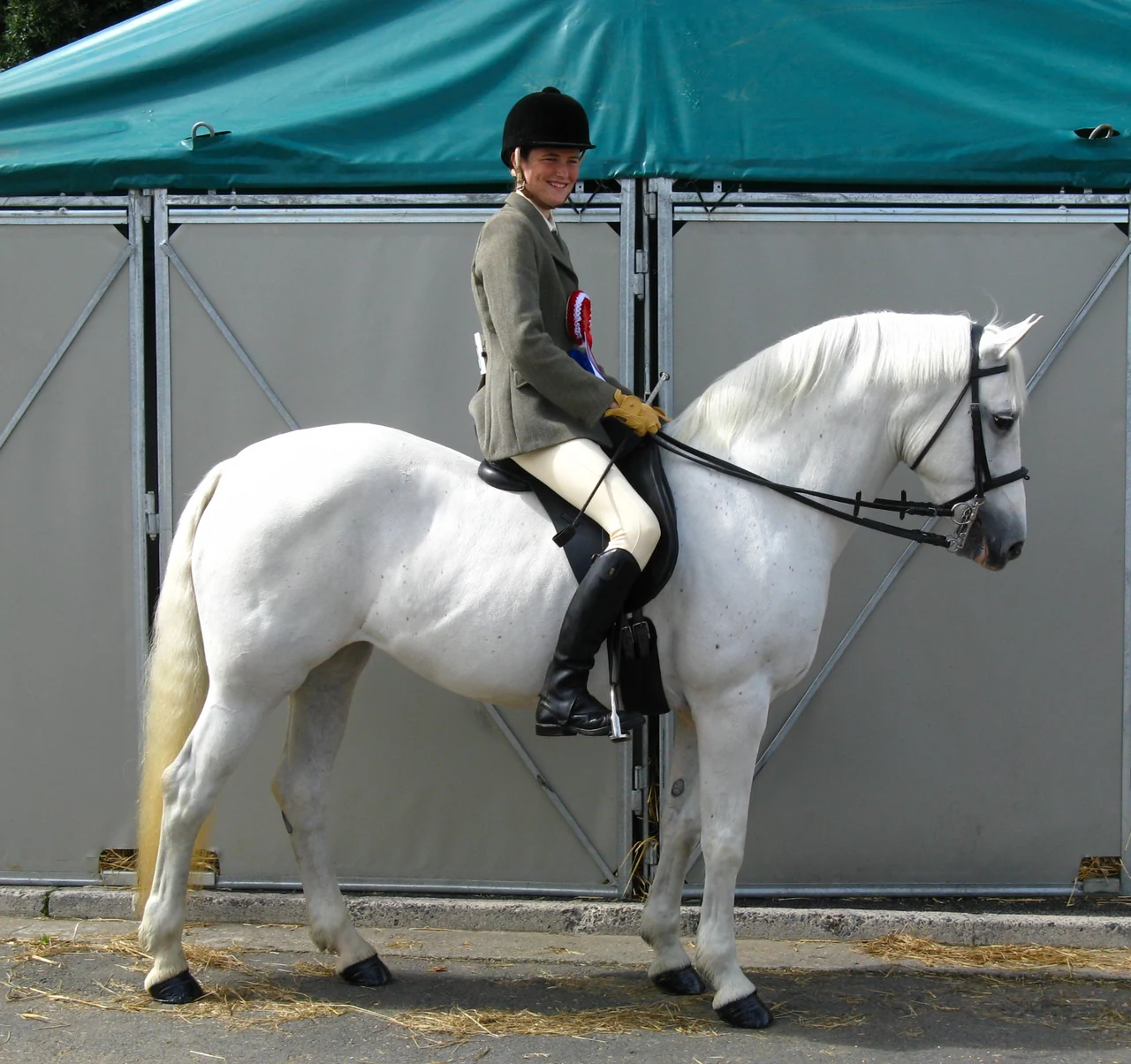
Photo: Gentle Dancer Irlande.jpg · Sophiesl · CC BY-SA 3.0. Resized and converted to WebP; scene unchanged.
Photo: Connemara Pony, Dublin Horse Show 2008.png · Culnacreann · CC BY-SA 3.0. Resized and converted to WebP; scene unchanged.
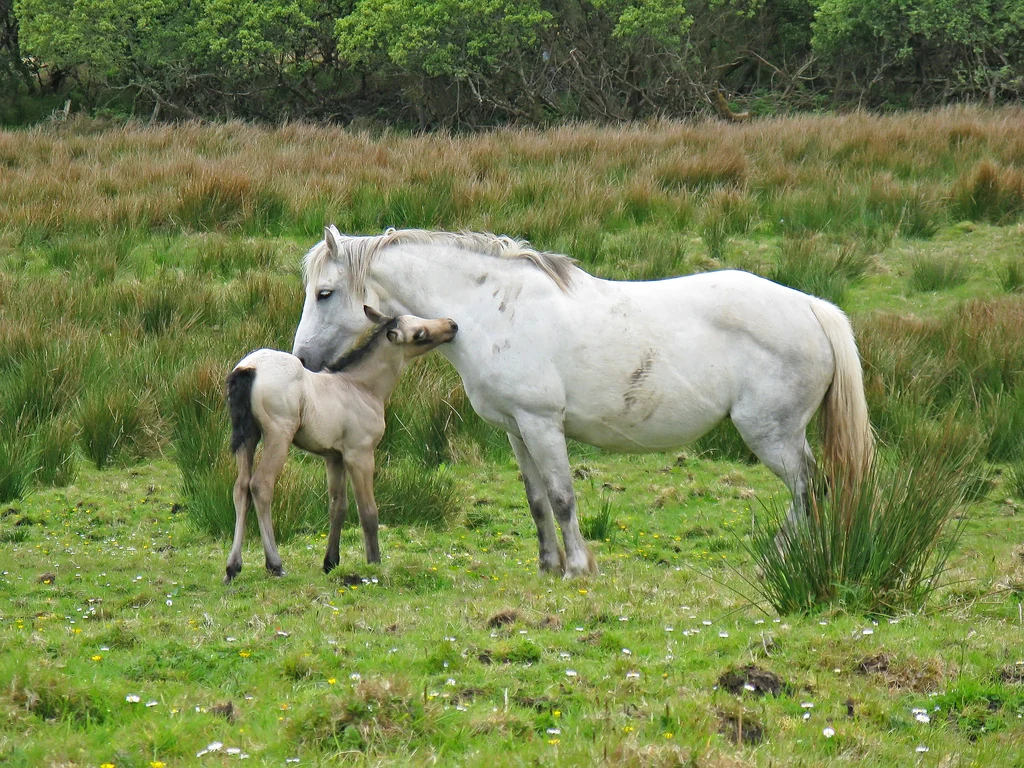
Photo: Connemara - Connemara National Park, Connemara Ponies.jpg · Simone · CC BY 2.0. Resized and converted to WebP; scene unchanged.
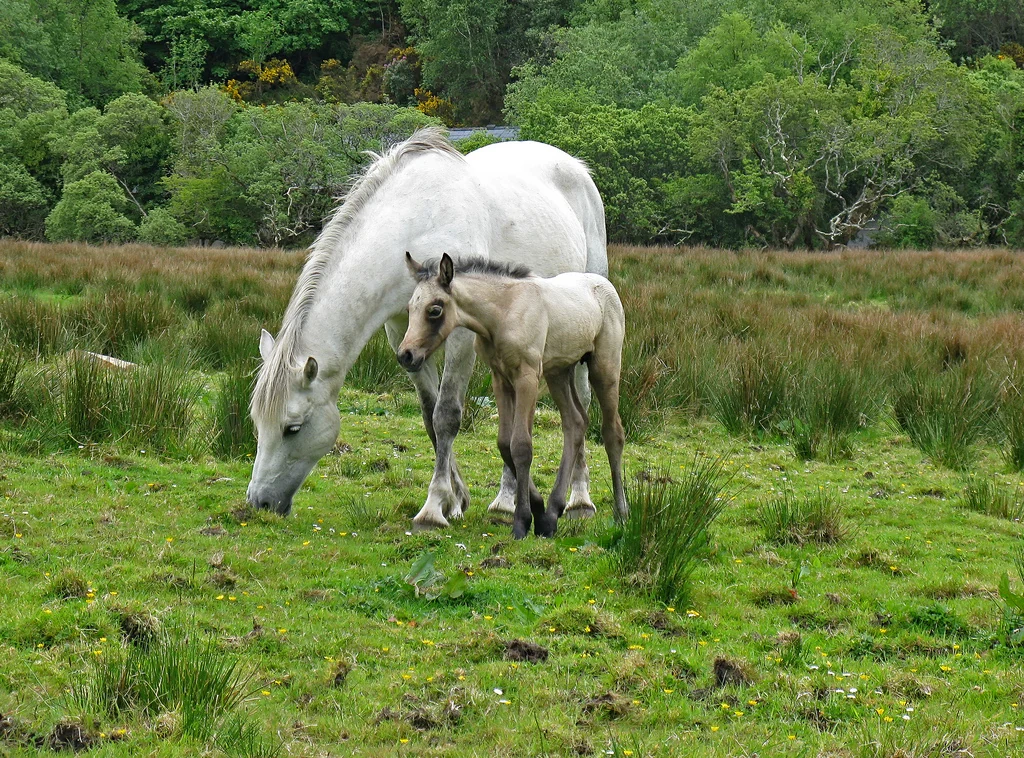
Photo: Connemara - Connemara National Park, Connemara Ponies 1.jpg · Simone · CC BY 2.0. Resized and converted to WebP; scene unchanged.