fellfolio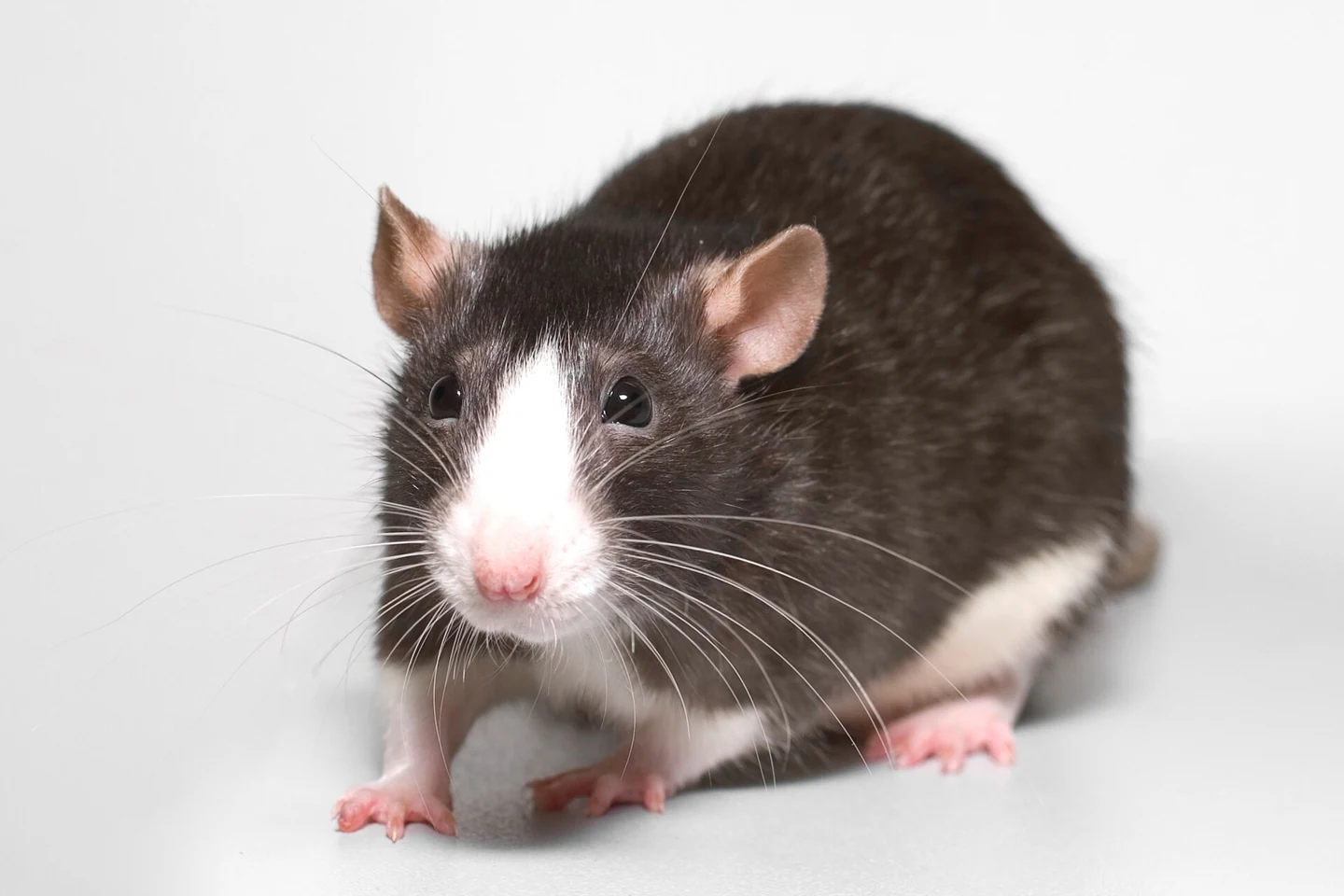
Start with a compatible group
Rats sleep in contact, groom one another and play together. An established small group with reliably confirmed sexes is a practical starting point. Same-sex groups, or carefully matched groups involving neutered males, avoid unplanned litters. Any waiting period after neutering should follow the vet’s instructions.
Unfamiliar rats should not be put straight into an occupied enclosure. An experienced rat rescue can help choose suitable companions and plan introductions. Several sleeping places and accessible feeding points make sharing easier. Each rat should be able to rest and reach the resources it needs. Persistent exclusion matters even before an animal has a visible injury.
Height needs safe routes
Zürcher Tierschutz recommends a cage measuring at least 100 by 70 centimetres at the base and 155 centimetres high for up to four rats. More room is useful. Broad platforms, ramps and hammocks should turn that height into usable space. Long, uninterrupted drops need to be prevented; a hammock beneath a climbing route can provide an additional resting point and break up the space.
Solid flooring supports feet, whereas exposed wire floors are unsuitable. Sleeping houses, paper for nesting and a digging box offer different activities. Fabric furnishings need regular checks for loose threads. Older rats may need shallower ramps and lower sleeping areas so that reaching food and water does not involve demanding climbs.
The enclosure should have good ventilation without sitting in a draught or direct sun. Smoke, room fragrances and dusty bedding are best kept away. A small glass tank cannot provide the ventilation or usable climbing layout that rats need.
Make a safe space worth exploring
Daily supervised exercise can begin in a securely divided part of a room. Cardboard boxes with several openings, wide tunnels and low climbing structures provide routes to investigate. Changing the arrangement offers fresh interest. Hiding some of the normal food allowance in loosely crumpled paper gives noses and paws something to work on without adding a stream of extra treats.
Electrical cables, toxic plants and narrow gaps behind furniture should be inaccessible. Upholstered furniture also needs thought: a rat may crawl into a cavity that becomes dangerous when a chair is moved. Other pets should be kept out during exercise. Carrying a rat outdoors on a shoulder is not a safe substitute; a sudden fright can lead to escape.
Variety with a reliable nutritional base
A complete food formulated for rats makes it easier to provide balanced nutrition. Appropriate vegetables and other suitable additions can add variety. With a loose seed mixture, some rats select favourite ingredients and leave others, so the contents of the bowl do not necessarily reflect the nutrients eaten. Sweet or fatty snacks should remain small extras.
A measured group allowance works best alongside attention to individual animals. If one rat gains weight while another loses it, simply reducing everybody’s food is unlikely to solve the problem. Regular weighing reveals the pattern. Fresh water should be available in easily reached places, and bottle mechanisms need a daily check to make sure water actually flows.
Let friendly encounters become familiar
A quiet voice, an offered hand and repeated short encounters make human contact predictable. Some rats soon climb onto an arm; others begin by investigating fingertips. Tiny food rewards can help without turning a few practice sessions into an additional meal.
A rat’s body needs support when lifted, and the tail should never be used as a handle. Children can help prepare enrichment, observe the group and offer food, with adult guidance for direct handling. An animal that moves away should have that break. A rat that later chooses to climb back onto a hand or arm offers a lovely sign of growing trust.
Notice changes while they are still small
Pet rats have relatively short lives, often around two to three years. Arrangements for veterinary care should therefore be in place from the start. An experienced practice, a secure carrier and funds for treatment are all part of the preparation. Difficulty breathing needs urgent veterinary attention. Unusual breathing sounds, loss of appetite or a marked withdrawal from normal activity also warrant prompt advice.
Familiar handling can reveal a new lump or another physical change. Weight records help a vet understand how quickly something has developed. For holiday care, a photograph and short description of each rat are useful: which one is easy to pick up, which needs medication, and which eats more slowly? A single note about the group can conceal those individual needs.
Common questions
Will rats be less friendly if they live in a group?
Rat companionship does not prevent a relationship with people. Each animal can have regular positive encounters with you while keeping the social contact it needs from other rats.
Are rats suitable pets for children?
They can be engaging family pets when adults take responsibility for housing, daily care and veterinary decisions. Their activity and relatively short lives should be discussed beforehand. They are not suitable for unsupervised carrying around.
Sources and photo credit
- Farbratten: HaltungZürcher Tierschutz
- Creating a good home for ratsRSPCA
- What to feed ratsRSPCA
- Keeping pet rats togetherRSPCA
- Rat health and welfareRSPCA
- Caring for your ratBlue Cross
Photo: Fancy rat blaze.jpg · AlexK100 · CC BY-SA 2.0. Resized proportionally and converted to WebP. The layout may crop the image.