 fellfolio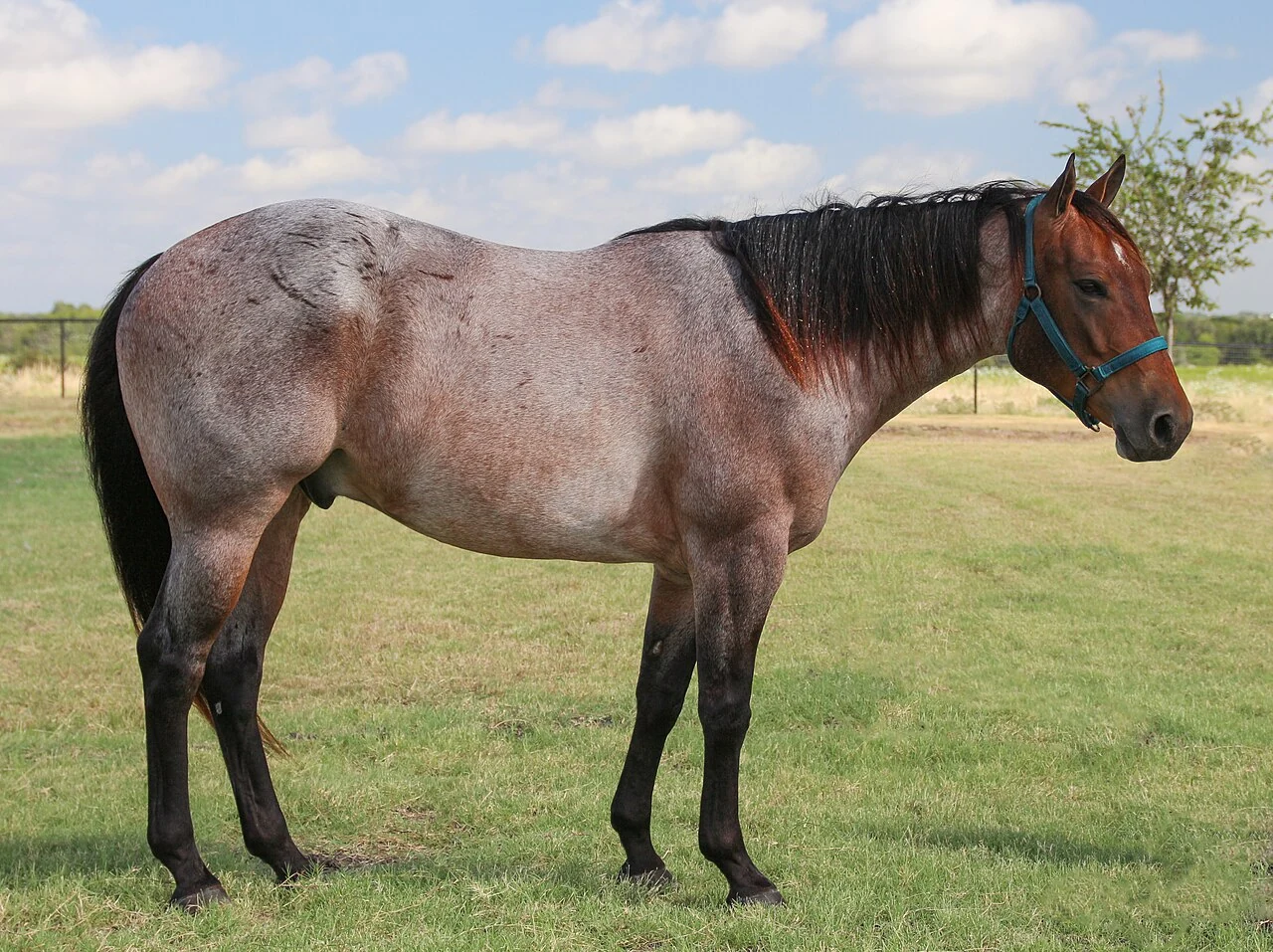
From short races to varied work
The Quarter Horse name refers to the quarter-mile races for which suitable horses became known in North America. Cattle work and several riding disciplines later influenced the breed’s development too. The American Quarter Horse Association was established in 1940 and maintains the breed registry.
Prospective owners now encounter different specialisms. A horse selected for sprint performance can differ in build and education from one intended for cattle work or a particular ridden class. A line’s description mainly explains the qualities prioritised in breeding. When a horse moves from intensive training to leisure riding, feeding and workload should change gradually. Company and daily opportunities to move freely remain central to its care.
Sources for this section
- What is a Quarter Horse?Ohio Quarter Horse Association
- Where to keep your horseBritish Horse Society
- Feeding horsesBritish Horse Society
Western training does not automatically mean beginner suitability
A well-educated horse may respond to subtle weight and rein aids. A rider who has learned different signals can initially create misunderstandings. During a trial, a knowledgeable person should explain the cues familiar to that horse. Lessons with the particular partner are often more helpful than assuming that existing habits will transfer without adjustment.
Someone seeking a hacking companion should ask about experience outdoors both alone and in company. Arena experience says little about either situation. Tying up, lifting feet, loading and behaviour during treatment deserve discussion as well. These individual observations and an independent veterinary assessment form the basis of an informed decision. Less experienced owners especially benefit from support that remains available after the horse arrives, when unfamiliar situations begin to occur.
Read more: Your first horse: preparing for the decision
Sources for this section
- Guide to buying a horseBritish Horse Society
Reading health records clearly
Tests are available for several inherited conditions found in Quarter Horses. Examples include HYPP, a muscle condition that can cause episodes of trembling or paralysis, and PSSM1, in which a genetic change affects storage of sugar-based material in muscle cells and may cause symptoms. Other tests address different diseases and are not covered by those two results.
A panel combines individual tests. The laboratory report should state exactly which ones were included. A description such as genetically clear is too vague without that list. Normal results do not rule out other muscle disorders, injuries or acquired illness. Before breeding, the particular findings for both animals and their patterns of inheritance should be discussed with appropriate professional support. For a riding horse, examination, previous history and current capacity for work remain important too.
Sources for this section
- Quarter Horse and related breeds disease panelUC Davis Veterinary Genetics Laboratory
- Guide to buying a horseBritish Horse Society
Strength, turns and time to move freely
Fast turns and abrupt stops can look spectacular. They require physical preparation, appropriate footing and suitable training. A leisure owner does not need those exercises to provide worthwhile activity. Quiet hacking, carefully developed transitions and simple obstacle tasks can offer variety as well.
When introducing a new task, it helps to identify the small response the horse needs to learn first. Passing through a gate might begin with calm waiting and one forward step taught separately, before they are combined. Free movement with compatible horses belongs between training sessions. A horse that concentrates well in an arena still needs opportunities outside work to choose how it moves, explores and interacts. The whole day matters when judging whether a routine suits the animal.
Read more: Reward-based horse training: clear steps for everyday care · Foals and young horses: growing up, handling and early learning
Sources for this section
- Guide to buying a horseBritish Horse Society
- Where to keep your horseBritish Horse Society
- Training: how do horses learn?World Horse Welfare
Matching feeding and care to current work
The substantial muscle of some Quarter Horses can make body condition harder to judge. Regular assessment of the rib area, neck and fat deposits helps distinguish muscle from increasing fat cover. Forage, grazing and supplementary feeds should be considered together. Where a metabolic or muscle disorder has been diagnosed, the ration needs individual professional planning.
Feet and equipment also need reliable checks. A saddle should fit the current back shape and the rider; being described as a western saddle does not guarantee that fit. Significant changes in muscle or weight justify another assessment. Older horses can remain active with suitable adjustments. If stiffness develops or fitness declines, examination helps identify causes and available options. Records of training and observations can make that conversation more useful.
Read more: Daily horse care: noticing what changes · Older horses: adapting feeding, movement and daily care
Sources for this section
- Feeding horsesBritish Horse Society
- Essential care for your horse’s hoovesBritish Horse Society
- Guide to buying a horseBritish Horse Society
Common questions
Are Quarter Horses always especially quiet?
No. Temperament and responses vary between individuals. Experience, training, health and management all influence behaviour.
What does a clear five-panel result mean?
It describes the results of the five named genetic tests. Other inherited or acquired conditions may still be present. A detailed laboratory report and a veterinary examination answer different questions.
A closer look
Sources and photo credit
- Where to keep your horseBritish Horse Society
- Feeding horsesBritish Horse Society
- Essential care for your horse’s hoovesBritish Horse Society
- Guide to buying a horseBritish Horse Society
- What is a Quarter Horse?Ohio Quarter Horse Association
- Quarter Horse and related breeds disease panelUC Davis Veterinary Genetics Laboratory
- Training: how do horses learn?World Horse Welfare
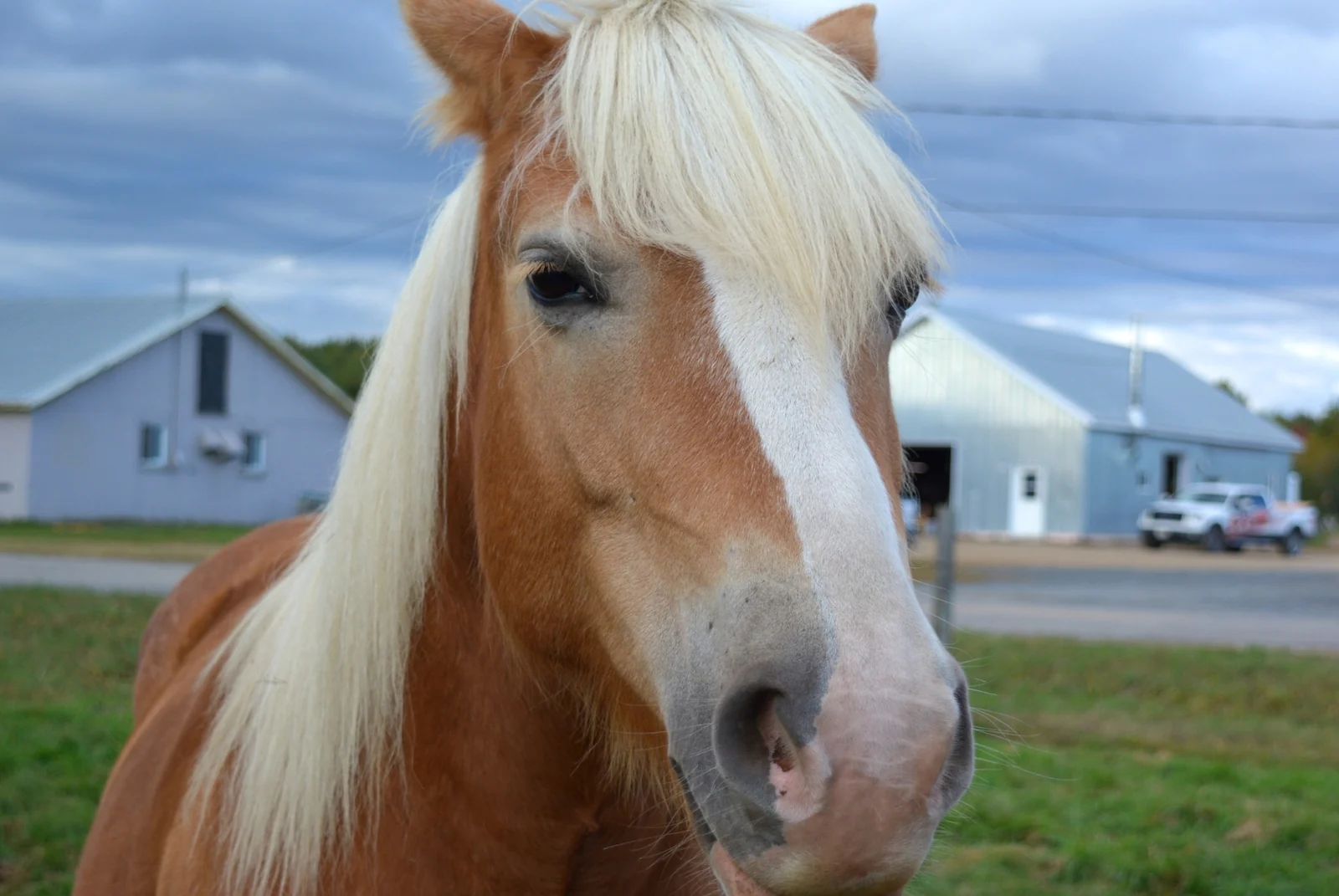
Photo: Red roan Quarter Horse.jpg · Betty Wills (Atsme) · CC BY-SA 4.0. Resized and converted to WebP; scene unchanged.
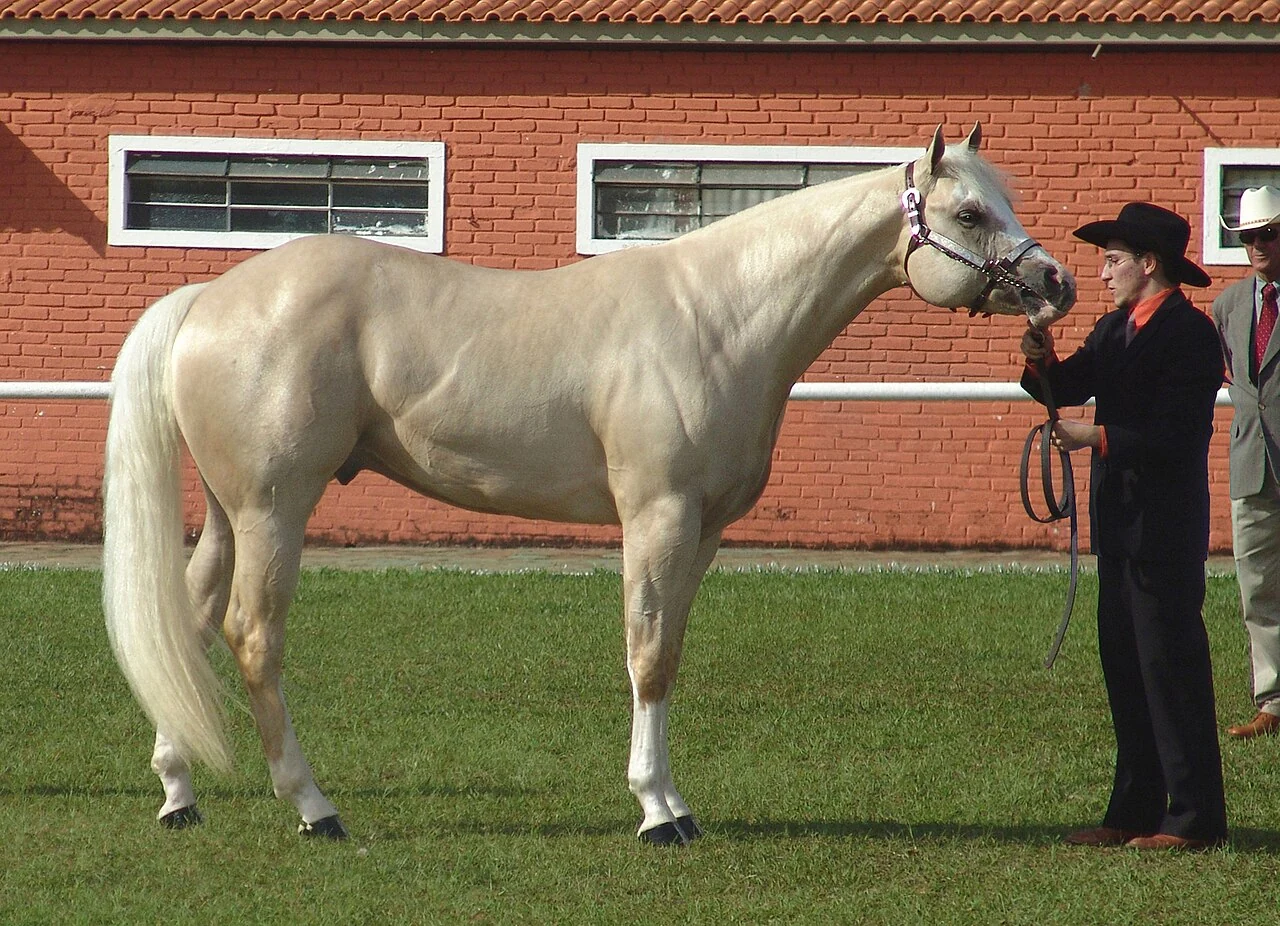
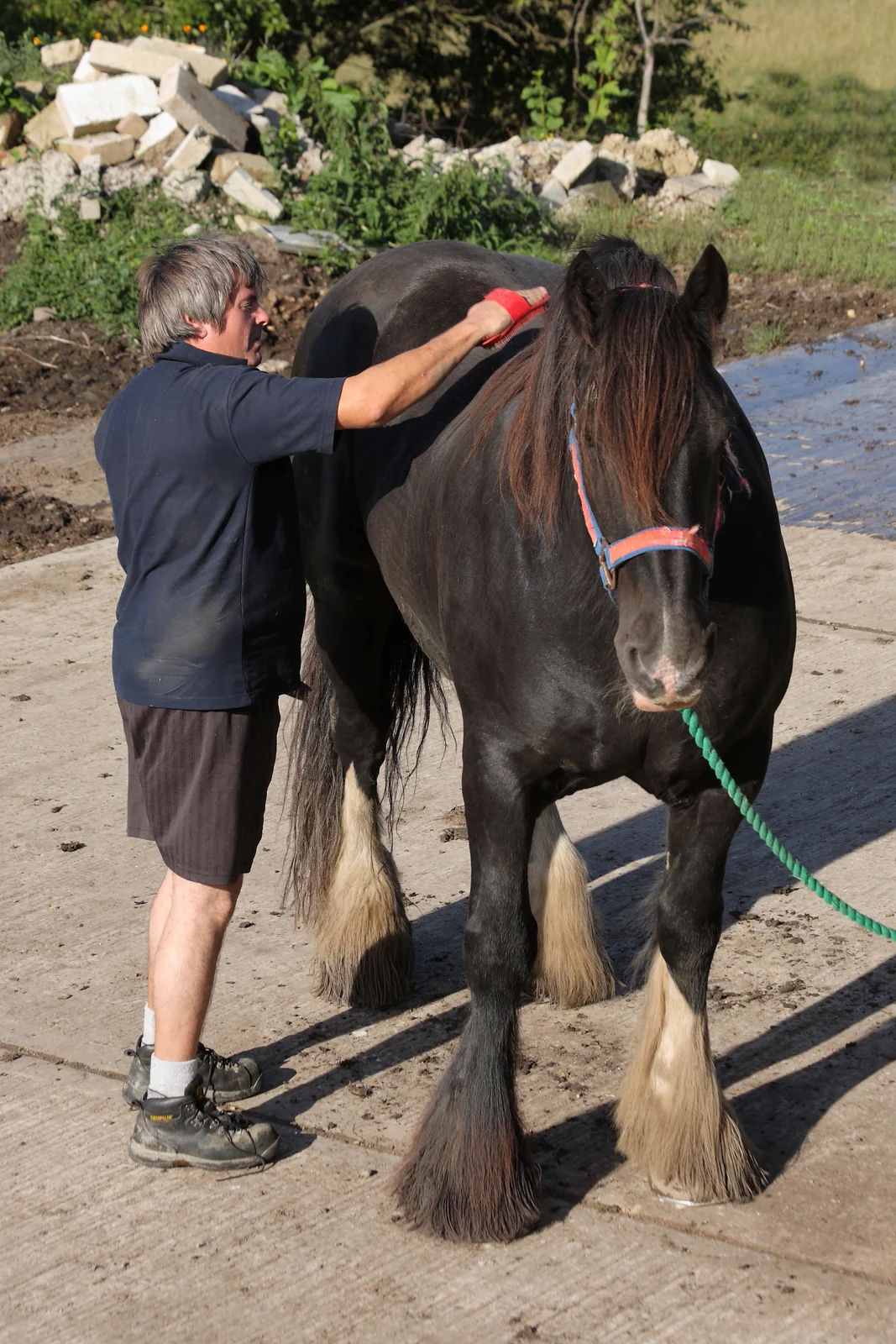
Photo: Quarter Horse(REFON)-cleaned.jpg · José Reynaldo da Fonseca; derivative: Pitke · CC BY 2.5. Resized and converted to WebP; scene unchanged.
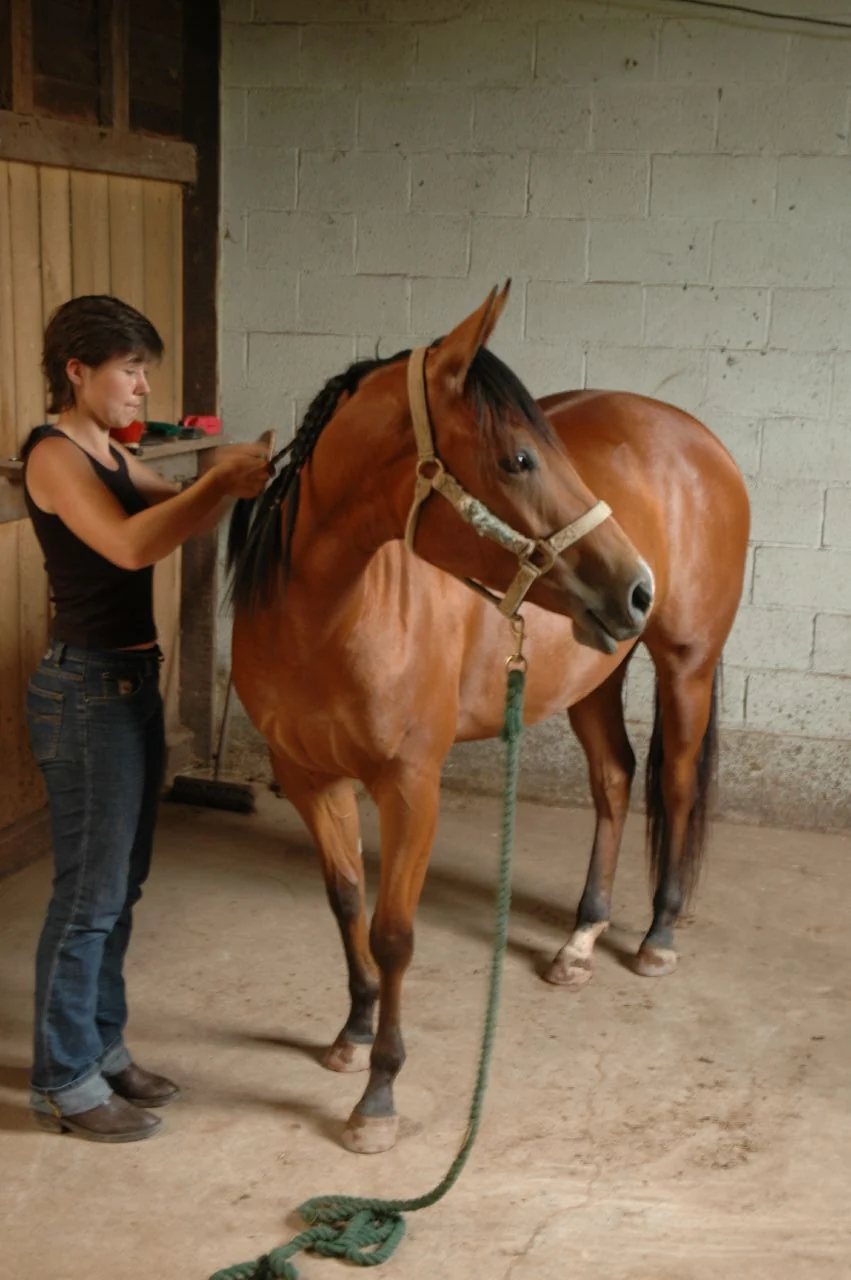
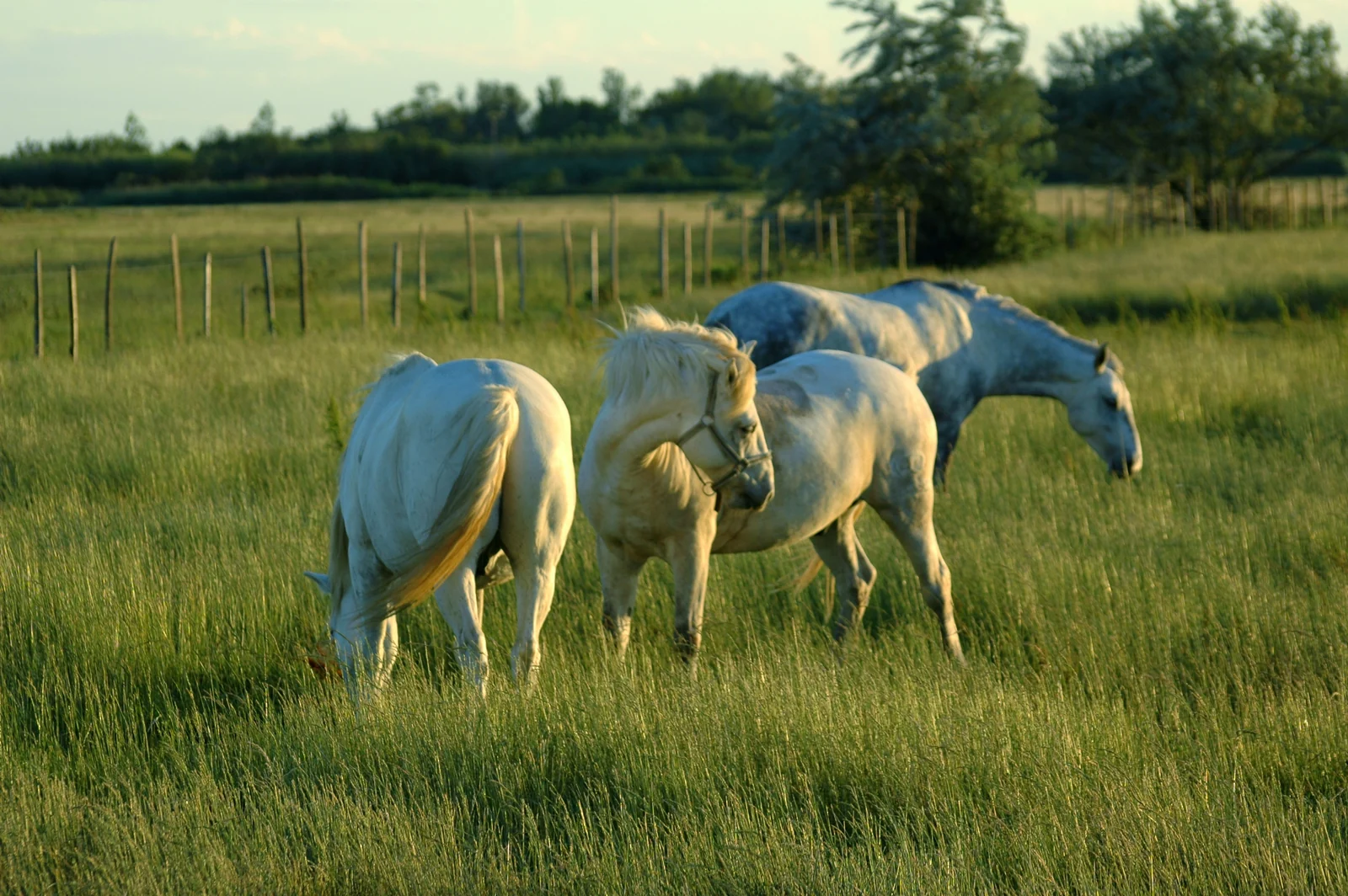
Photo: Woman grooming American Quarter Horse mare.jpg · evelynbelgium · CC BY-SA 2.0. Resized and converted to WebP; scene unchanged.
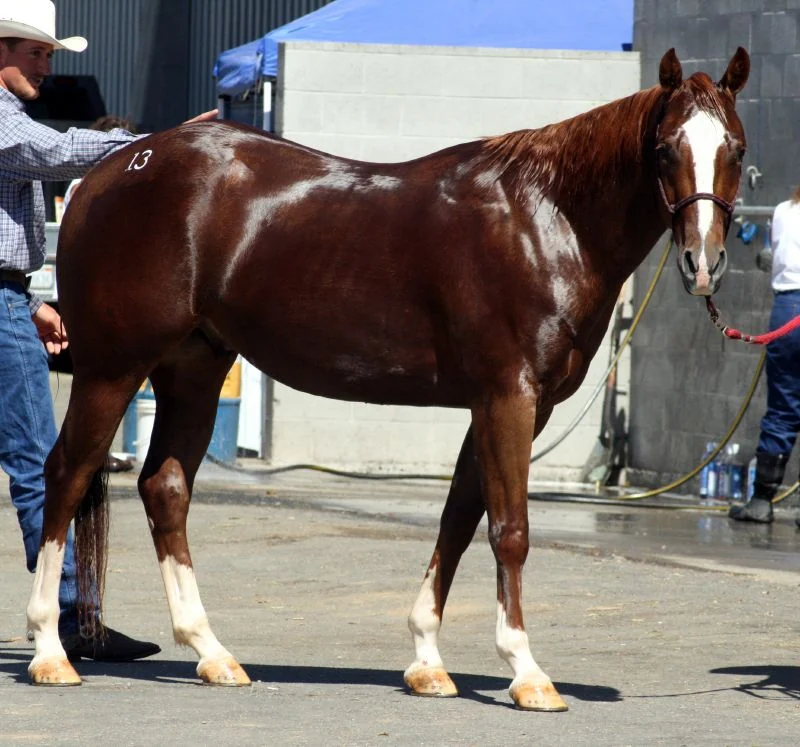
Photo: Quarter Horse Gelding.jpg · Just chaos · CC BY 2.0. Resized and converted to WebP; scene unchanged.

-cleaned.jpg)

