fellfolio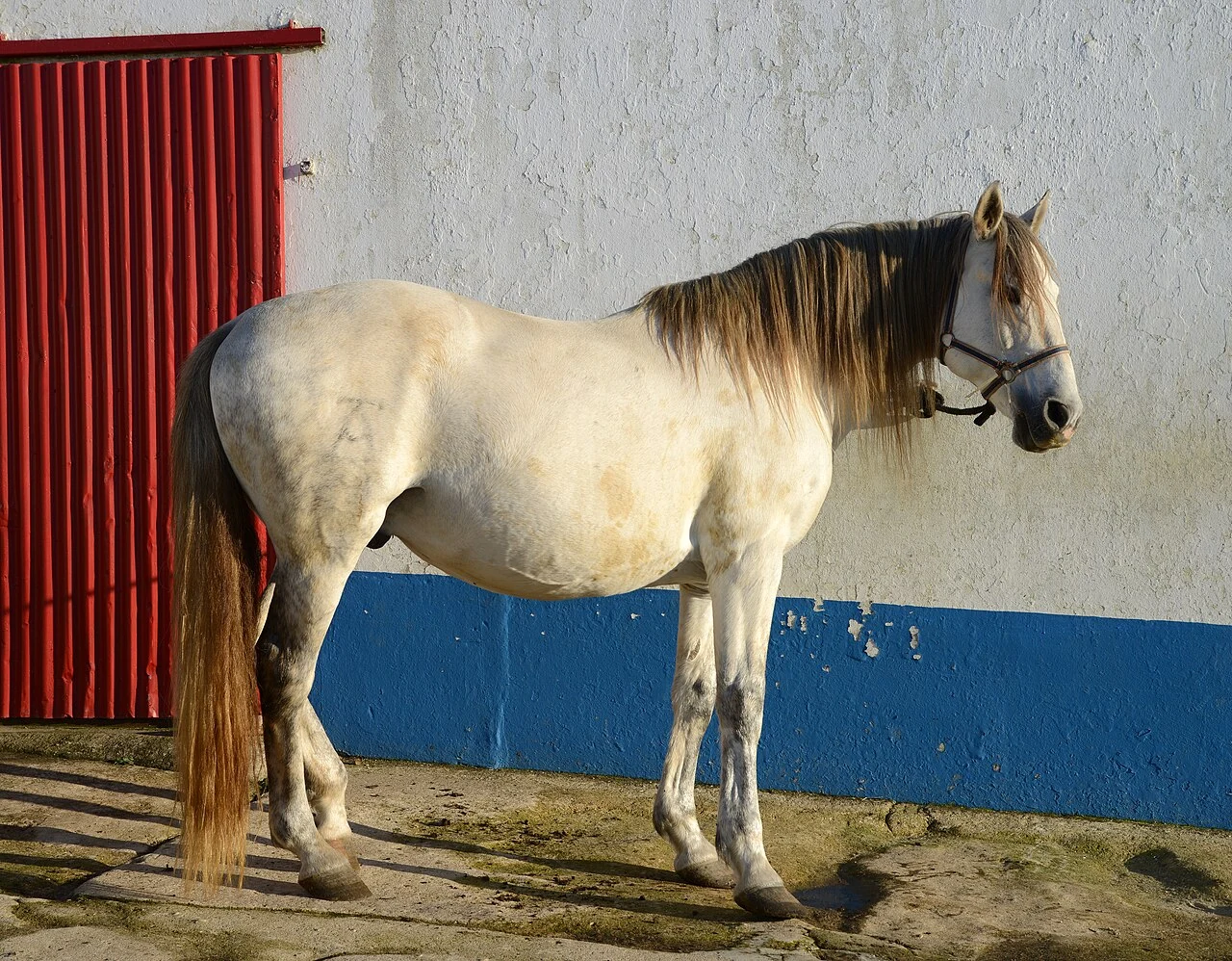
Portuguese tradition and modern riding
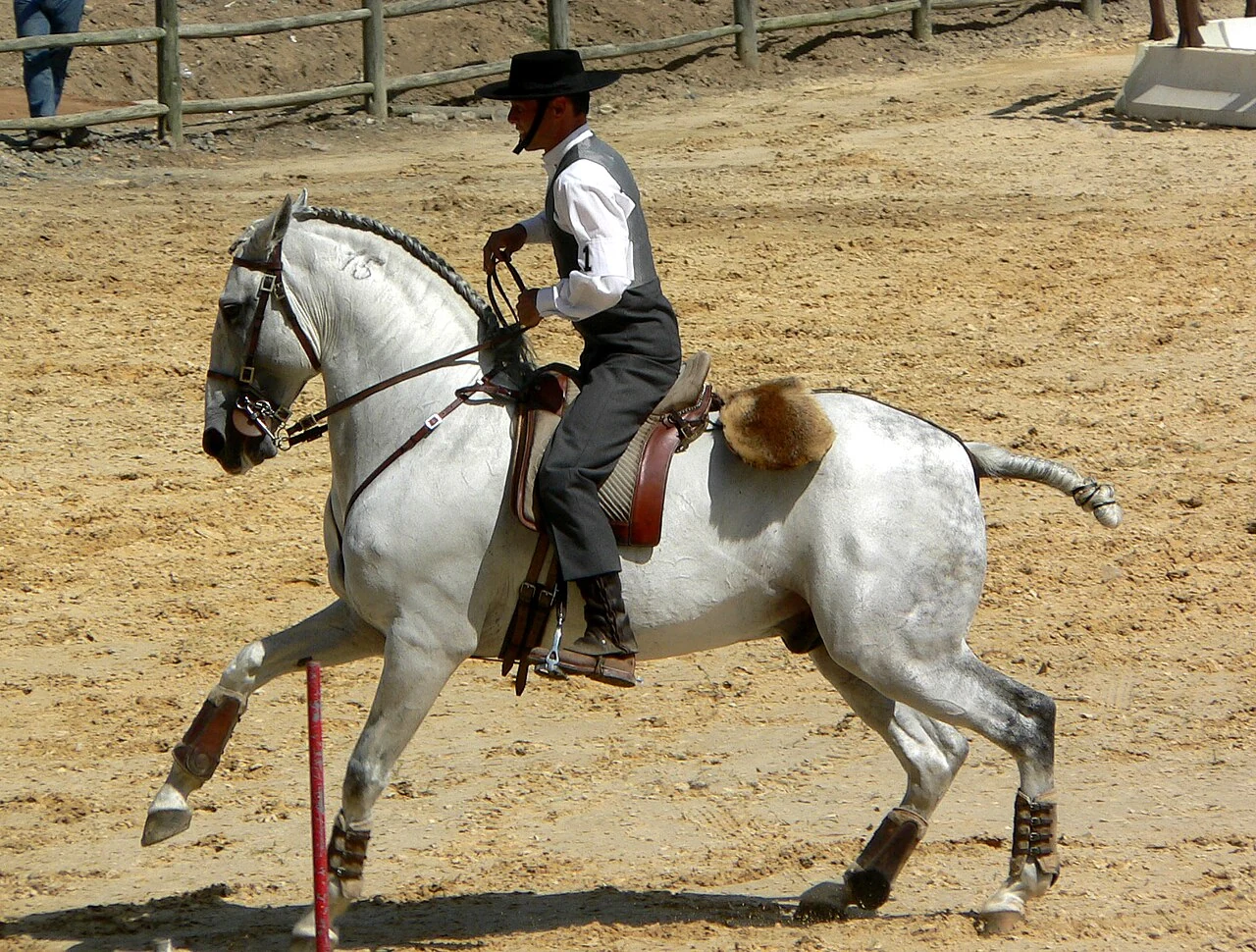
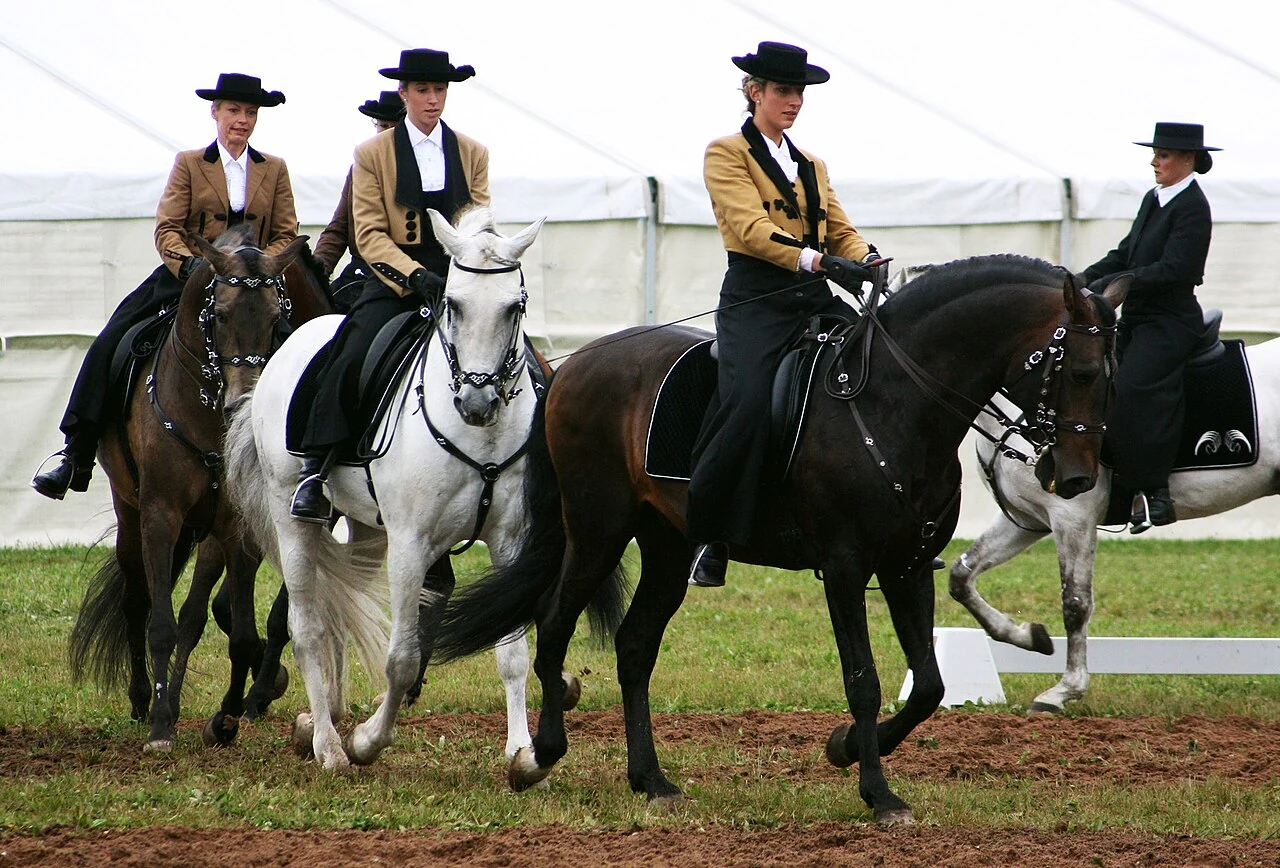
APSL, the Portuguese association of Lusitano breeders, describes an agile horse suited to classical riding and traditional work. Working equitation brings together dressage, handling tests and other competition elements. It calls for attentive steering and a horse that can negotiate different situations with confidence.
International dressage is also part of the breed’s modern life. For a leisure rider, careful training in the arena combined with rides outdoors and varied exercises can be particularly appealing. The activities you choose should suit the individual’s training, health and fitness. A young horse should first have time to develop reliable foundations.
Read more: Foals and young horses: growing up, handling and early learning
A rounded outline and expressive movement
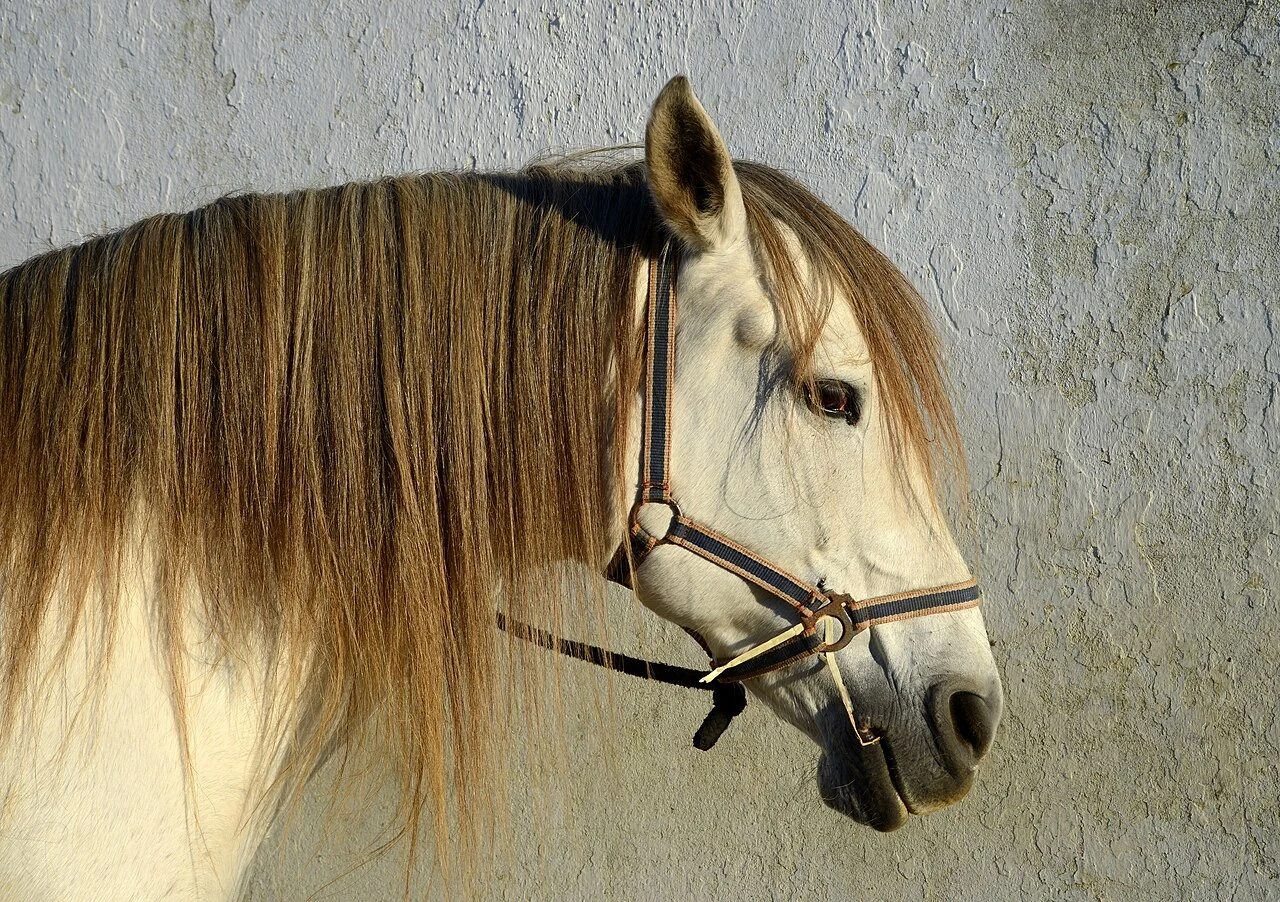
The breed standard describes a strong, rounded body, a muscular neck and a head whose profile may curve gently outwards. Grey and bay are among the common colours. The mane and tail are described as long and abundant. During grooming, tangled strands can be loosened gently by hand before combing.
APSL gives average heights of 155 centimetres for mares and 160 centimetres for stallions, measured at six years of age. Height is measured at the withers, the raised area where the neck meets the back. When viewing a horse, you should ask for its actual measurement and consider its width too. That affects how comfortable and balanced you feel in the saddle.
Clear communication before demanding movements
Riding aids are the cues you give through your seat, legs and reins. They should be understandable and ease when the horse responds. A few well-executed transitions between walking and halting can be a more useful starting point than repeatedly attempting difficult movements.
Standing beside a mounting block offers a simple example on the ground. A brief moment of standing calmly should be rewarded first. Once the horse understands, the time can gradually increase. If tension or avoidance appears, the task should become easier while you work out what is troubling the horse.
In dressage, collection involves shorter, balanced steps with more flexion in the joints of the hind legs. The horse appears lighter and more elevated in front. This takes strength and balance, which a Lusitano should develop gradually. Suitable instruction can help you recognise whether a demanding movement feels comfortable for the horse or whether it needs more preparation.
Read more: Reward-based horse training: clear steps for everyday care
A yard that supports movement and company
Daily freedom to move and contact with compatible horses should be part of your housing plans. At a group yard, feeding and resting areas deserve a close look. Can your horse eat and lie down comfortably, or would another horse repeatedly move it away? Well-spaced resources can help reduce competition.
Care arrangements, feeding routines and introductions to the group should be discussed before the move. Practical details matter too. A long journey to the yard can take up much of a winter day. If you want regular lessons, access to suitable instructors and practice areas deserves as much attention as the appearance of the facilities.
Read more: Choosing the right yard for your horse · Keeping horses: building a good everyday life
A diet that matches the work being done
Hay and suitable grazing provide fibre-rich forage and should underpin the diet. Additional high-energy feed depends on body condition and the amount of work the horse actually does. Occasional rides outdoors and intensive athletic training have different demands.
Weight and fat cover should be assessed regularly, including by gently feeling the ribs. Professional ration advice can take the nutritional content of the available hay into account. Changes should be introduced gradually, with clean drinking water available throughout the day.
Using everyday care to notice changes
Grooming and picking out the feet give you opportunities to notice a sore area on the back, swelling or hoof damage. Professional hoof care and dental checks should be planned. Saddle fit also needs reassessment when training or weight changes alter the horse’s shape.
If a previously settled horse becomes unsettled during tacking up or starts moving differently, possible pain should be taken seriously and discussed with a vet. An independent pre-purchase examination is useful before buying, with your intended activities explained to the vet. Existing findings and previous treatment should also be part of that conversation.
Read more: Daily horse care: noticing what changes
Choosing the Lusitano you will live with
An experienced companion should join you for a trial ride. You should also see the horse being caught, led and tacked up. If you hope to ride out on trails or quiet lanes, its behaviour away from the arena is particularly relevant. A horse may feel much more secure in a familiar arena than on a new route.
The budget should include board or livery, lessons, hoof care, veterinary costs and an allowance for unexpected expenses. The horse finder can help you organise your priorities. Entering local quotes in the cost calculator turns those priorities into a practical plan for the horse’s daily life.
Read more: Your first horse: preparing for the decision
Common questions
Can a Lusitano suit a beginner?
An experienced, suitably trained horse may be an option with good support. You should try the horse with your instructor. A youngster or a horse that responds to very subtle aids may need a more experienced rider.
A closer look
Sources and photo credit
- Padrão da RaçaAPSL, Associação Portuguesa de Criadores do Cavalo Puro Sangue LusitanoPortuguese tradition and modern riding · A rounded outline and expressive movement · Clear communication before demanding movements
- Equitação de TrabalhoAPSLPortuguese tradition and modern riding
- DressageAPSLPortuguese tradition and modern riding
- Where to keep your horseBritish Horse SocietyA yard that supports movement and company · Choosing the Lusitano you will live with
- Feeding horsesBritish Horse SocietyA diet that matches the work being done
- Essential care for your horse’s hoovesBritish Horse SocietyUsing everyday care to notice changes
- Training: how do horses learn?World Horse WelfareClear communication before demanding movements
- Guide to buying a horse: questions to ask and moreBritish Horse SocietyA rounded outline and expressive movement · Clear communication before demanding movements · Using everyday care to notice changes · Choosing the Lusitano you will live with
- Horse health essentialsWorld Horse WelfareUsing everyday care to notice changes
- Collection: a biomechanical approach (part 2)Institut français du cheval et de l’équitation (IFCE)Clear communication before demanding movements
Photo credits
Photo: Horse December 2014-3.jpg · Alvesgaspar · CC BY-SA 4.0. Image format adapted.
Photo: Horse December 2014-1.jpg · Alvesgaspar · CC BY-SA 4.0. Image format adapted.
Photo: Lusitano stallion1.jpg · Lbpetersen · CC BY-SA 3.0. Image format adapted.
Photo: Lusitano Pferd International 2011.JPG · Usien · CC BY-SA 3.0. Image format adapted.