 fellfolio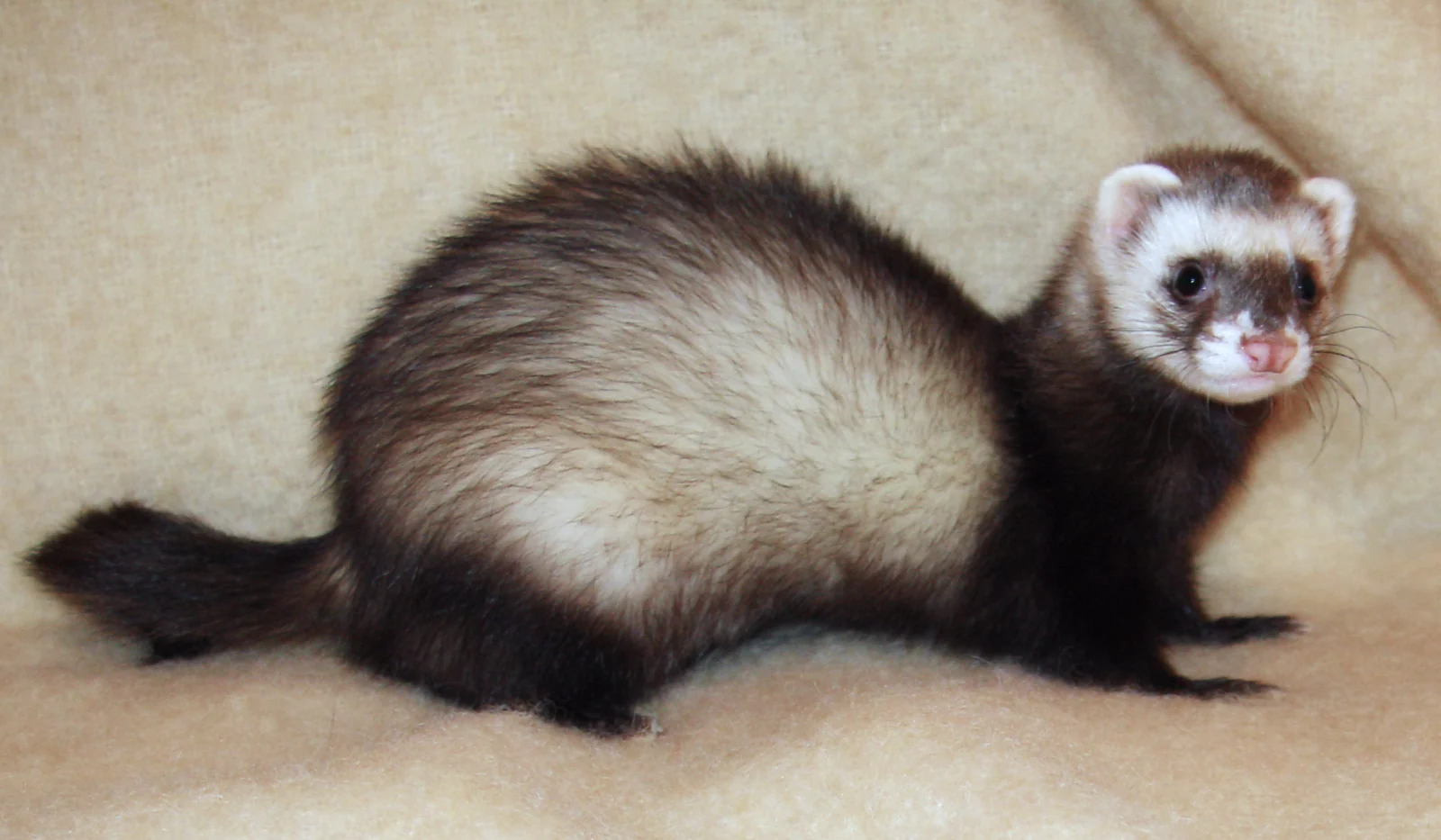
Active periods need room and attention
Ferrets spend substantial time asleep, then become lively explorers when awake. Daily life with them combines quiet periods with energetic play. A small enclosure and occasional brief handling do not provide enough opportunity for that activity. Secure, generous movement space and daily interaction need to be reliably available.
A room that can be made safe and where people enjoy spending time with the animals is useful. Suitable tunnels, searching activities and hiding places make it interesting. Judge equipment by what the ferrets actually do with it. An item being chewed into pieces needs a different response from one being carried around intact. A tired individual should still be able to reach an undisturbed sleeping place while companions continue playing.
Choose a compatible group
Many ferrets enjoy contact with their own species. Adopting an established group from an experienced rescue can provide a start with known relationships. Each animal still needs access to food, water and resting places. One that is repeatedly harassed or rarely comes out should not simply be labelled shy.
The RSPCA recommends small compatible groups, ideally no more than four ferrets. A ferret-experienced vet should plan reproductive management for every animal in the group, taking sex, age, health and previous treatment into account. The choice between hormonal and surgical options needs individual veterinary assessment.
When forming a new group, consider history, health and individual behaviour. Persistent biting or injuries call for changes and experienced advice. Rabbits, rodents and birds are prey species, not appropriate play companions for ferrets. Their accommodation and activity areas need dependable separation. Bringing different animals home together does not establish that they will later be safe sharing exercise space, even if early interactions appear quiet.
Make safety an everyday habit
A ferret may enter a small opening behind kitchen units or fall asleep among laundry. Kitchens, washers, dryers and reclining furniture therefore need particularly careful management. Before starting an appliance or closing a door, account for the animals. Everyone in the household needs to understand and follow the arrangement.
Loose objects matter too. Chewed rubber and foam may be swallowed and cause an intestinal blockage. A visitor’s shoes, a new bag or newly assembled furniture can therefore change the safety of a previously checked room. Reviewing the space after such changes is more reliable than treating preparation as a one-off job completed before adoption. The aim is a routine that people can consistently follow without relying on remembering an ever-growing list of exceptions.
Organise feeding and cleaning
Ferrets are carnivores and need a nutritionally suitable, complete diet. An appropriate complete commercial feed can make everyday provision simpler. “Complete” refers to food intended to supply the required nutrients as the main diet; a meat treat does not fulfil that role. Discuss the choice with an experienced veterinary practice. Fresh water should remain accessible throughout the day.
Toilets, bowls and sleeping fabrics require regular cleaning. Include hidden food stores in routine checks. Their characteristic scent can be managed through hygiene but will not disappear entirely. Anyone particularly sensitive to it should experience it before adopting. Frequent bathing is not a good answer to an unrealistic expectation about smell and can affect the skin.
Establish veterinary support early
Persistent oestrus, the reproductive season, can be dangerous in a female ferret. Prolonged high oestrogen levels may severely damage blood-cell production. A ferret-experienced vet should therefore help plan reproductive management in good time. Medical and surgical options have different benefits and drawbacks and need an individual discussion.
Other preventive planning includes vaccination, appropriate parasite management and regular examinations. Reduced appetite, weakness or clear changes in behaviour warrant prompt advice. Identify emergency help, suitable transport and a financial reserve before arrival. Holiday care also needs someone familiar with the individual animals and the safety arrangements. Meeting and practising the routine beforehand is more dependable than leaving instructions with a person encountering ferrets for the first time.
Common questions
Are ferrets suitable pets for young children?
Adults need to remain responsible. Ferrets may nip during play, and awkward handling can injure them. Children’s interactions need calm supervision and should be stopped when either the child or animal needs space.
Can ferrets learn to use a litter tray?
Many use suitable trays in familiar locations. Several accessible trays can help during exercise time. Completely reliable toileting in every situation should not be assumed.
Sources and photo credit
- How to create a good home for ferretsRSPCA
- A healthy diet for ferretsRSPCA
- Keeping ferrets togetherRSPCA
- Keeping your pet ferret happy and healthyRSPCA
- Management of FerretsMerck Veterinary Manual
- Caring for your ferretsRSPCA
- Ferret neutering and contraceptionRSPCA
- Special Considerations for FerretsMerck Veterinary Manual
- Ferret CareUC Davis School of Veterinary Medicine
Photo: Ferret 2008 · Alfredo Gutiérrez · CC BY-SA 4.0. Resized and converted to WebP; scene unchanged.
