fellfolio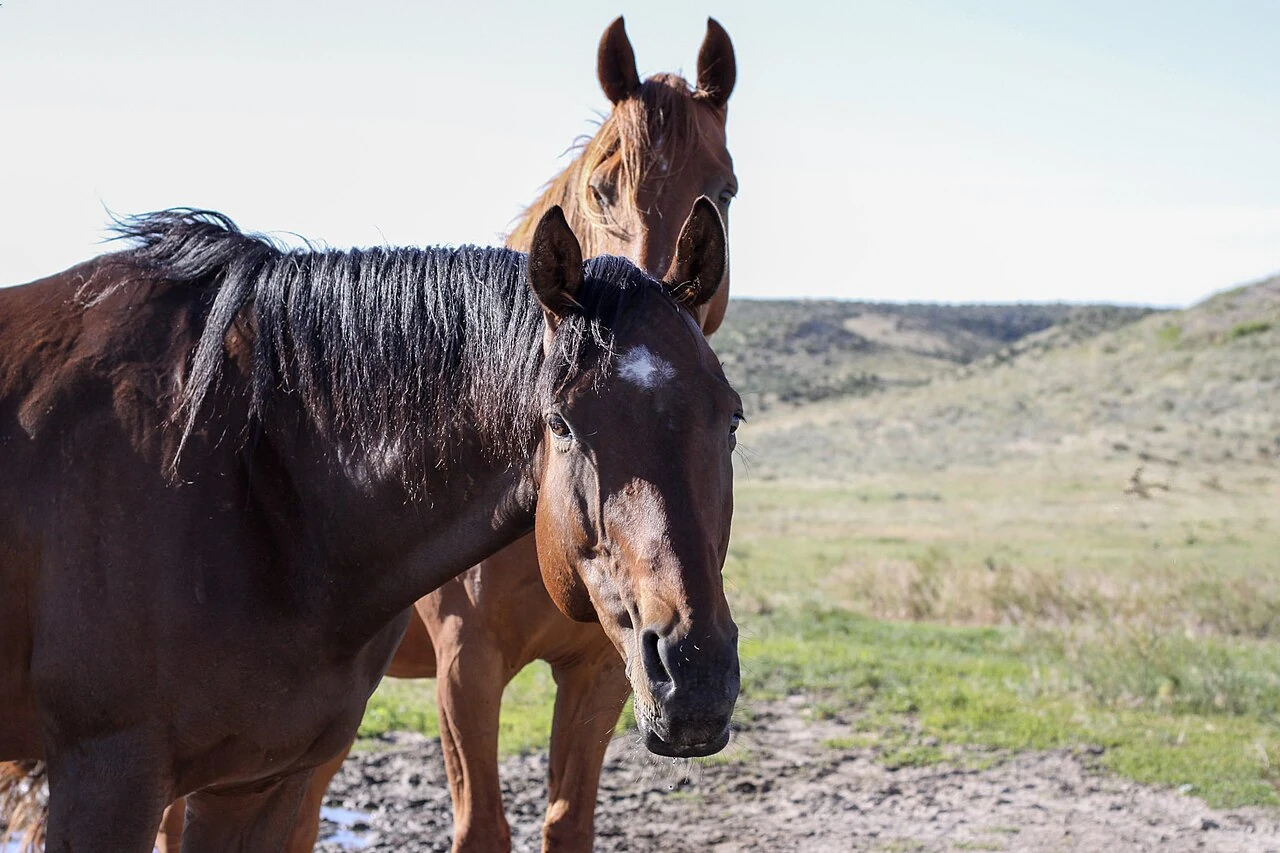
A longstanding studbook for racehorse breeding
The British organisation Weatherbys published the first version of the General Stud Book in 1791 to record Thoroughbred ancestry. DNA testing was introduced later to verify parentage. A horse’s registration establishes its ancestry, while its previous owner or trainer should be able to explain whether it raced, how long it trained and what other experience it gained.
Training and treatment records are particularly useful for a horse leaving racing. Its previous carer can explain handling, riding, whether it went out alone and why it had breaks. A horse leaving a racing yard already understands learned routines. These experiences should provide the starting point for its further education.
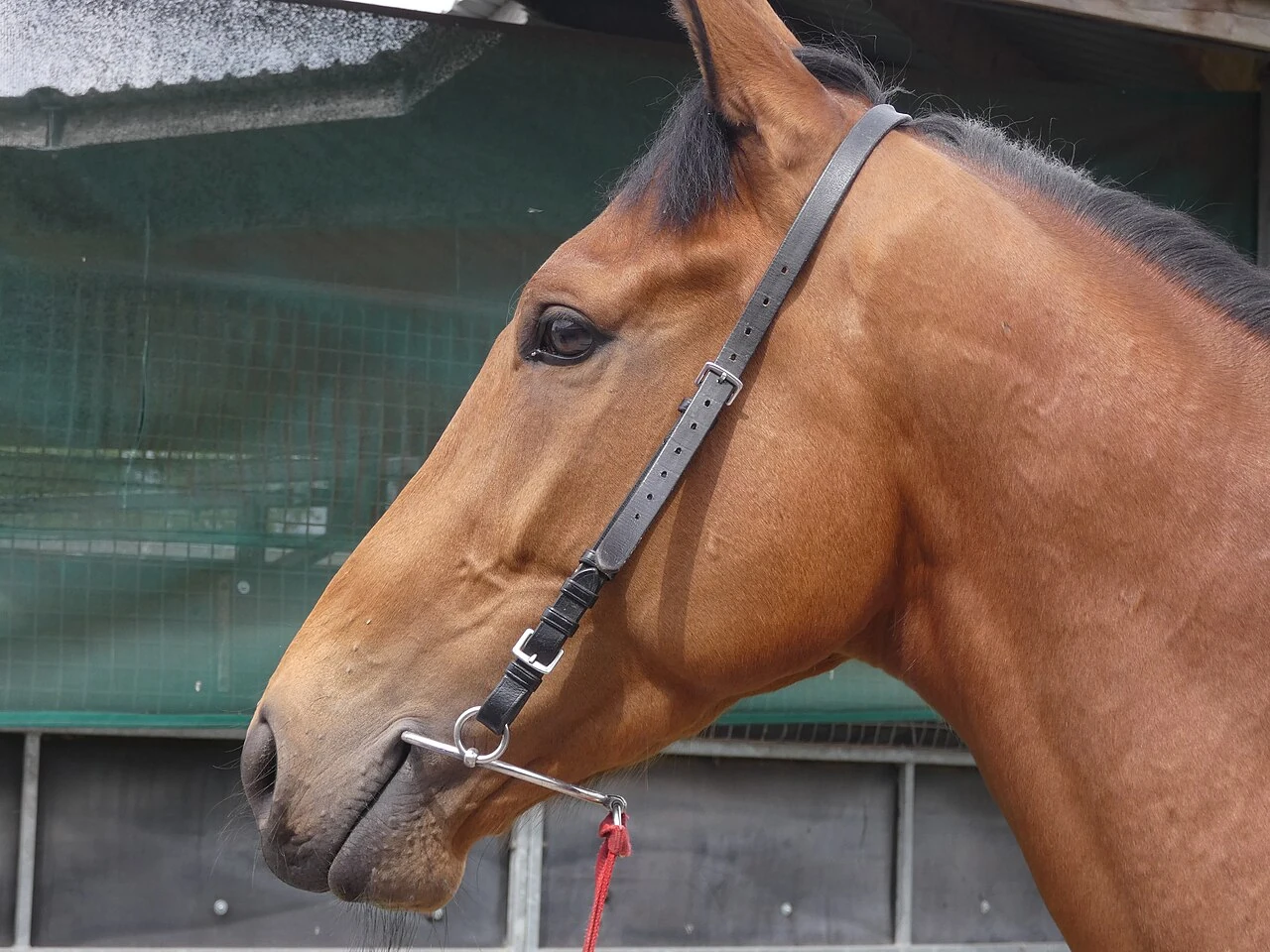
Introduce new cues in a quiet setting
Racehorses are often exercised together and learn repeated routines. Some have learned that taking up the reins means increasing speed. A rider shortening the reins to slow down may therefore receive an unexpected response at first. Individual horses vary in what they have learned. Skilled support should help establish how the particular horse understands existing signals.
New exercises should begin in an uncomplicated setting. Standing quietly, moving off from a clear cue and simple turns are useful foundations before a long ride outdoors. A correct response should be rewarded straight away, for example with a brief break after a calm halt. Increasing uncertainty or speed suggests taking a smaller next step. An experienced instructor can help connect old and new routines clearly.
Read more: Reward-based horse training: clear steps for everyday care
Does the horse suit your plans and experience?
Before buying, it should be clear who can guide further training. A horse beginning its transition needs different experience from one already familiar with reliable riding outdoors and in an arena. Viewings should include leading, grooming, mounting and behaviour around other horses. The riding assessment should take place with suitable support.
An examination before purchase should consider known injuries and intended use. Knowing whether breaks followed health problems or other circumstances helps explain the history. Lessons, investigations and a potentially longer settling period belong in the initial budget. A low purchase price reveals little about the future time and care commitments.
Read more: Your first horse: preparing for the decision
Combine a suitable yard with dependable routines
A new yard should allow safe contact with other horses, freedom to move and a sheltered resting area. Settling arrangements should consider the horse’s previous life. An unfamiliar group and different surroundings already involve substantial change. Dependable feeding times, quiet handling and a carefully planned introduction to other horses can help the horse settle into its new home.
Daily observation should establish whether the horse eats, rests and uses its surroundings comfortably. It still needs movement and care on days without riding. Agreed responsibilities help carers notice changes. Feet should be checked and cleaned, with ongoing professional hoof care planned around their condition and the horse’s use.
Adjust feeding after racing work
Retraining of Racehorses recommends adapting feeding changes to the individual after racing. Reduced work changes energy requirements. Hay and suitable grazing should form the basis of the diet. A previous racing ration should be reviewed rather than adopted automatically. Its new workload and body condition should guide how much feed it now needs.
Changes should be gradual and accompanied by observation of appetite, weight and body condition. Looking and feeling help distinguish muscle from fat deposits. Significant weight loss should prompt veterinary investigation of possible causes, including dental problems or pain, and support with planning the diet.
Recognise discomfort without guessing its cause
Gastric ulcers are injuries to the stomach lining. They can occur in different horses, including those outside racing. Stress, feeding and living conditions are relevant when assessing the situation. Reduced appetite, weight loss or changed behaviour may justify investigation, but these also have other possible causes. Some affected horses show few obvious signs.
Veterinary investigation may include gastroscopy, an examination of the stomach using a camera. A suitable diagnosis is needed to guide treatment. Resistance when the girth is tightened does not on its own identify an ulcer. Lameness, back sensitivity or difficulty with different riding equipment should also be investigated. Further training should follow the examination findings and the vet’s recommendations.
Common questions
Are former racehorses always difficult to ride?
Their experiences differ. Some already know a varied riding routine, while others need to learn new cues and situations. Skilled support should match the individual’s stage of training.
How can gastric ulcers be recognised?
Possible signs such as poor appetite or changed behaviour are not specific. Some horses show little. Veterinary investigation, sometimes including a camera examination of the stomach, is needed to establish the cause.
A closer look
Sources and photo credit
- Our historyWeatherbysA longstanding studbook for racehorse breeding
- Life of a racehorseRetraining of RacehorsesA longstanding studbook for racehorse breeding · Introduce new cues in a quiet setting · Does the horse suit your plans and experience?
- Guide to buying a horse: questions to ask and moreBritish Horse SocietyA longstanding studbook for racehorse breeding · Does the horse suit your plans and experience?
- Training: how do horses learn?World Horse WelfareIntroduce new cues in a quiet setting
- Where to keep your horseBritish Horse SocietyCombine a suitable yard with dependable routines
- Horse health essentialsWorld Horse WelfareCombine a suitable yard with dependable routines · Adjust feeding after racing work · Recognise discomfort without guessing its cause
- Essential care for your horse’s hoovesBritish Horse SocietyCombine a suitable yard with dependable routines
- FeedingRetraining of RacehorsesAdjust feeding after racing work
- Feeding horsesBritish Horse SocietyAdjust feeding after racing work
- Fat scoring horsesBritish Horse SocietyAdjust feeding after racing work
- 10 Things You Might Not Know About Equine Gastric UlcersUniversity of California, Davis, School of Veterinary MedicineRecognise discomfort without guessing its cause
Photo credits
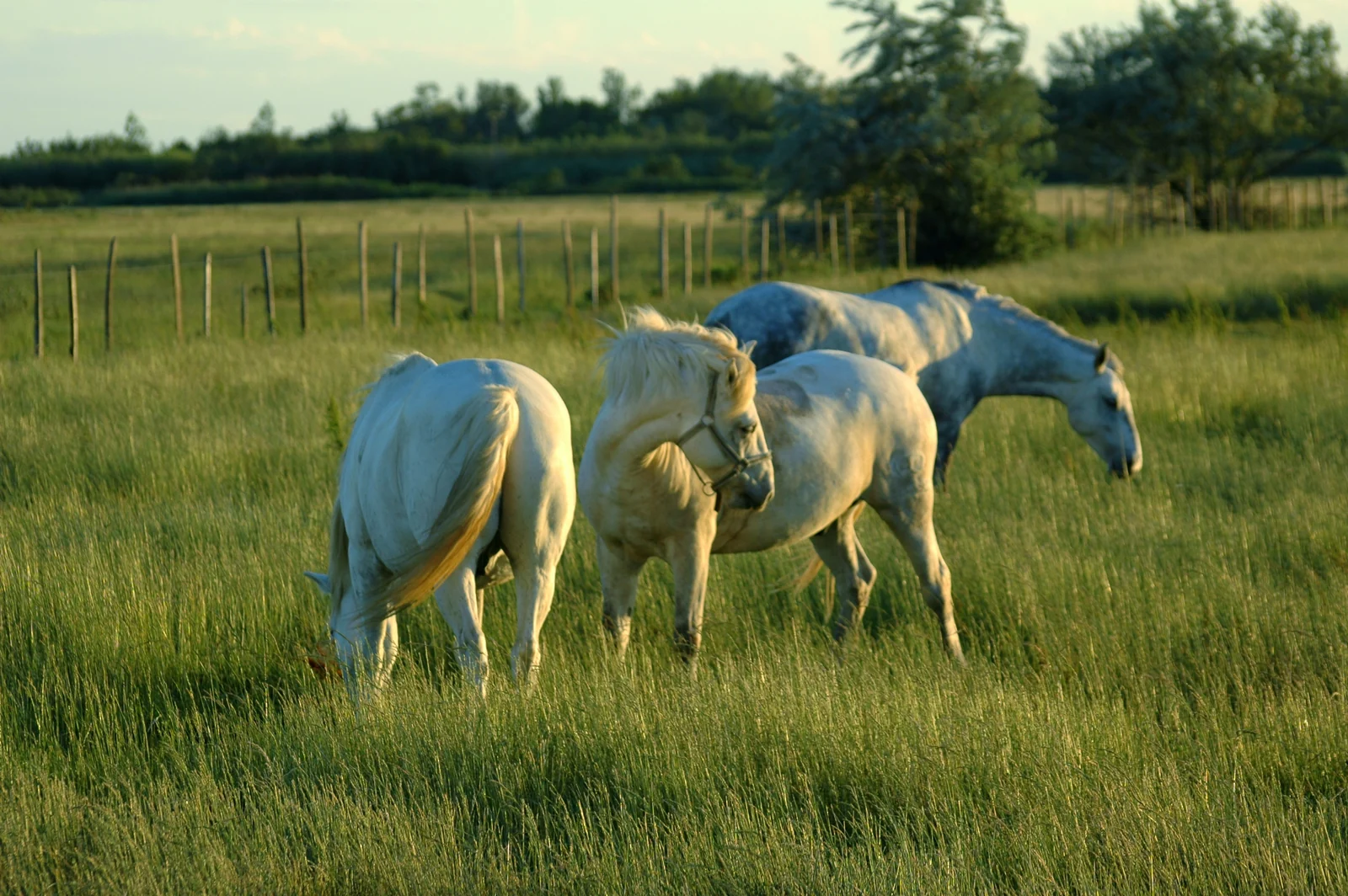
Photo: Thoroughbred Geldings.jpg · Opittman · CC0. Image format adapted.
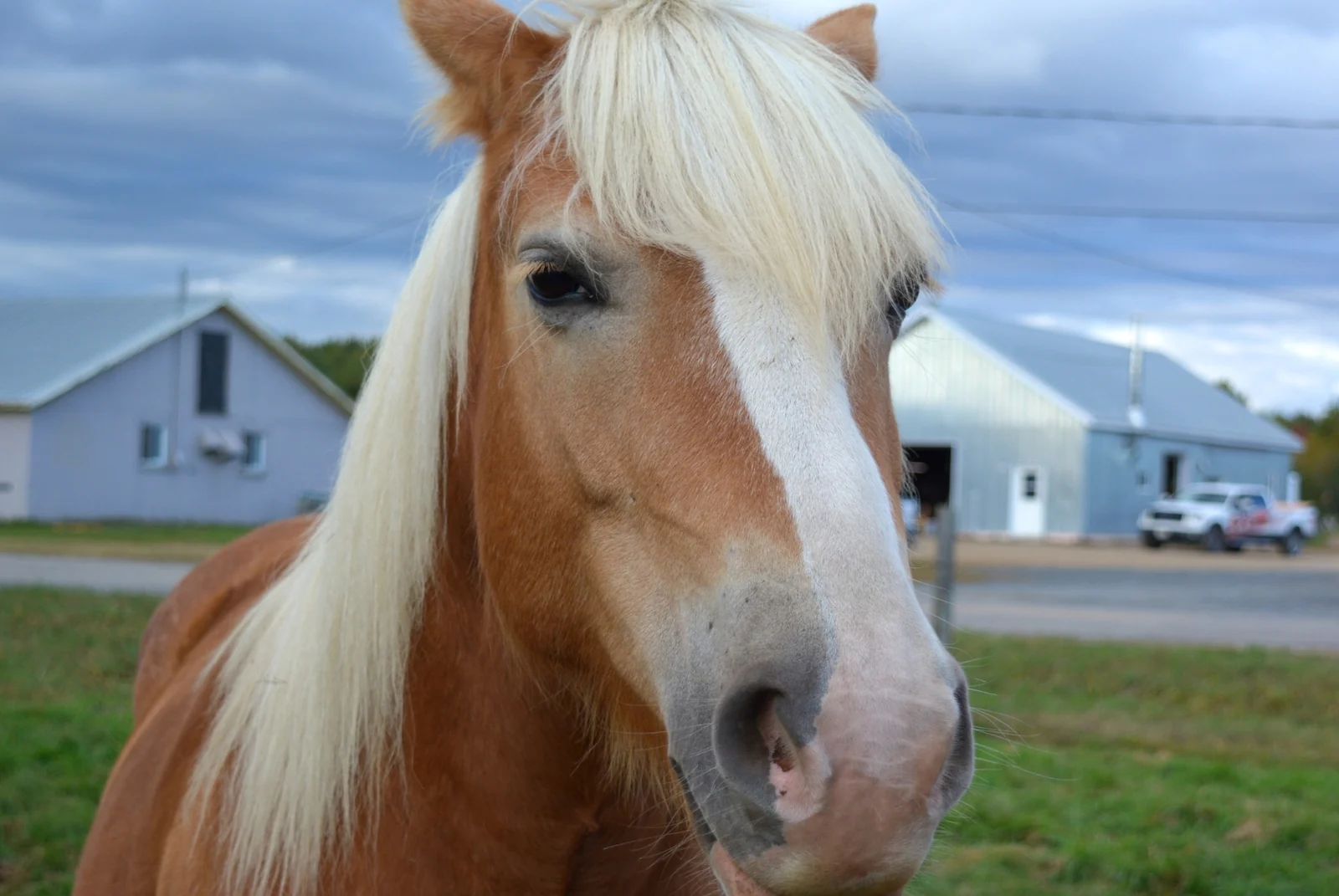
Photo: Thoroughbred horse by Dr C Simao.jpg · Chiraag Simao · CC BY-SA 4.0. Image format adapted.
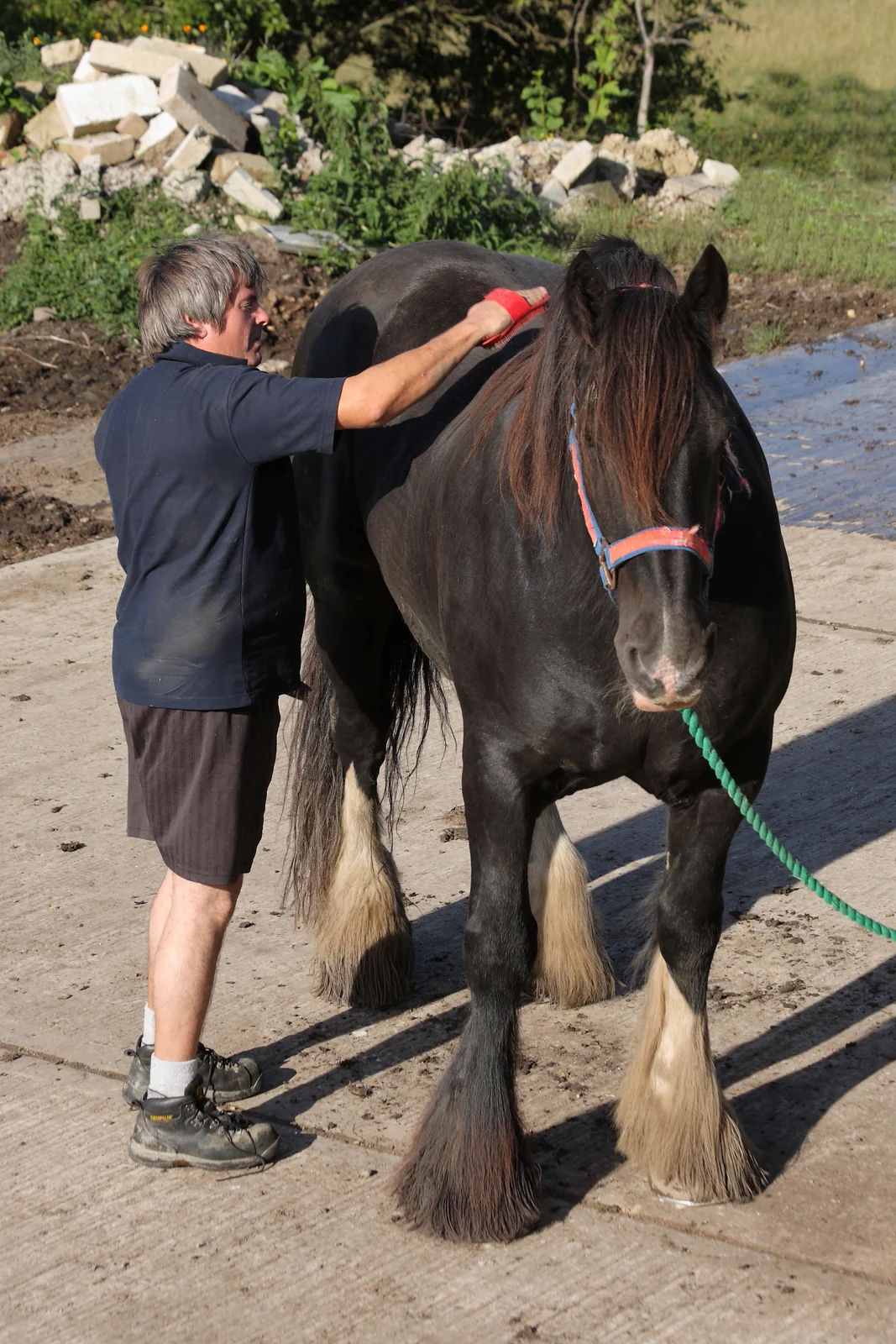
Photo: Head of a thoroughbred racehorse.jpg · Mjitomobile · CC0. Image format adapted.
Photo: Off the Track Thoroughbred.jpg · Oatmilk17 · CC BY-SA 4.0. Image format adapted.