 fellfolio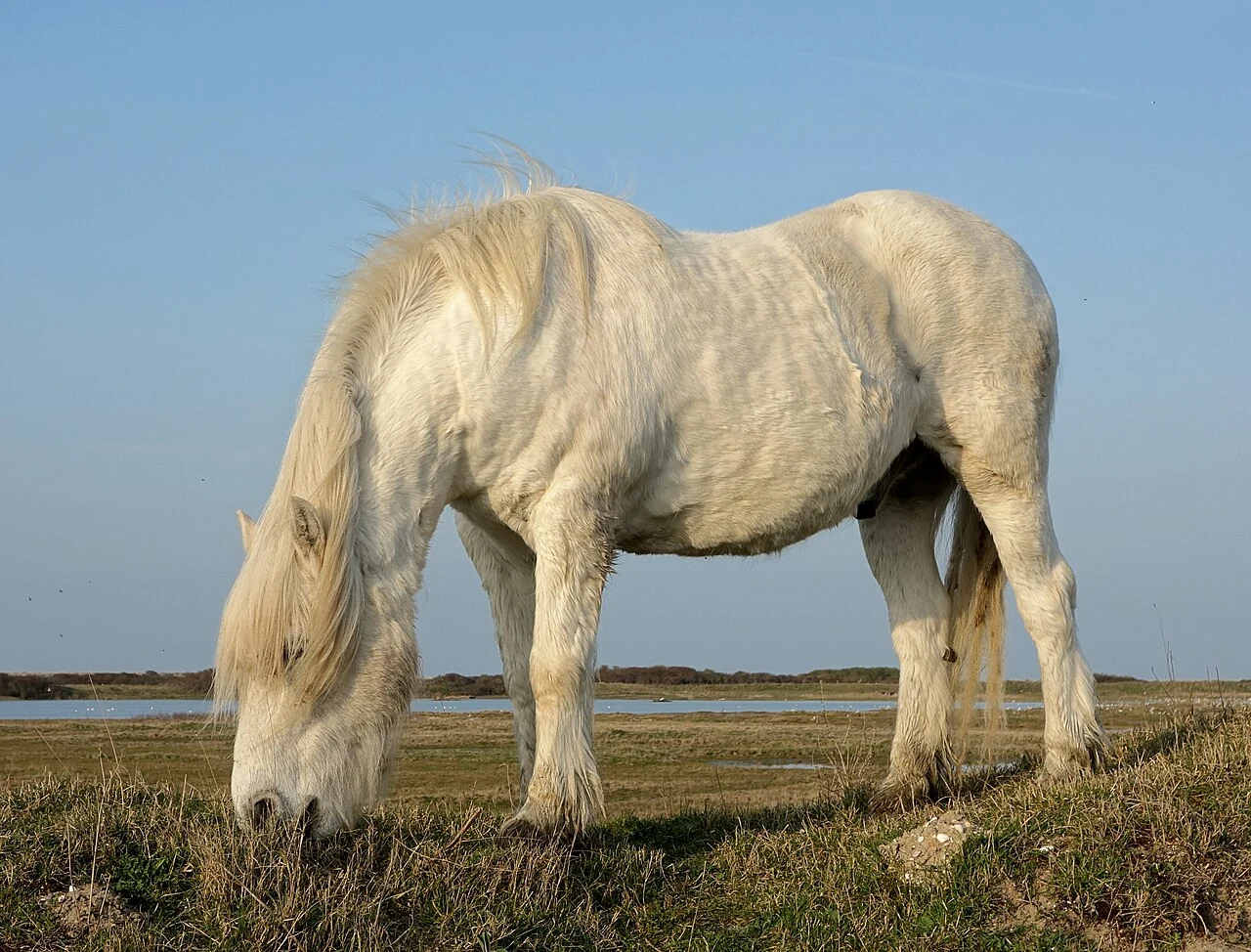
A pony from Scotland
The Highland Pony is one of Scotland’s native pony breeds. The Highland Pony Society describes a compact, strong type historically used for different kinds of work. Its background includes riding, driving and carrying loads.
For a modern leisure companion, a buyer should ask which activities the pony already knows. It might have considerable experience riding outdoors but little practice in an arena. Another may be well educated for driving yet have rarely been ridden. Getting to know the individual gives a clearer picture of these differences than a general breed description.
Build, colours and a changing coat
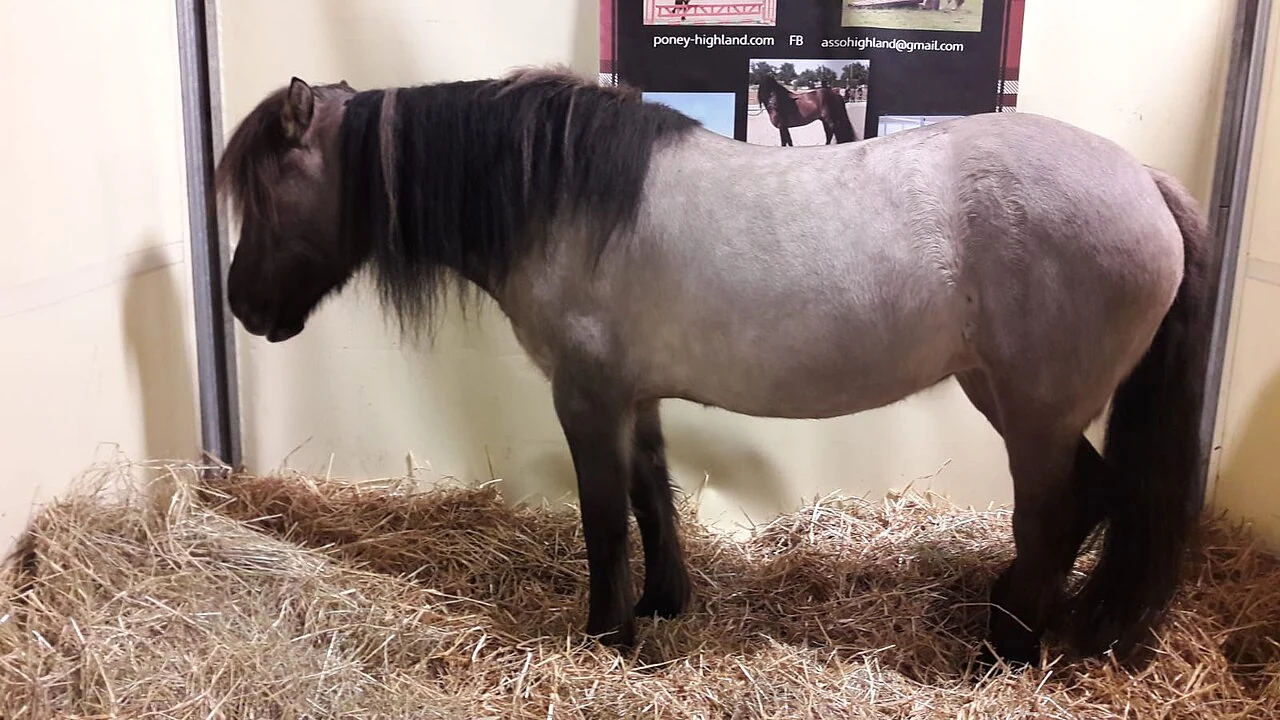
The standard specifies a maximum of 148 cm at the withers. This is the raised area where the neck meets the back and where a horse’s height is measured. Desired features include a substantial body, broad muzzle, long mane and full tail.
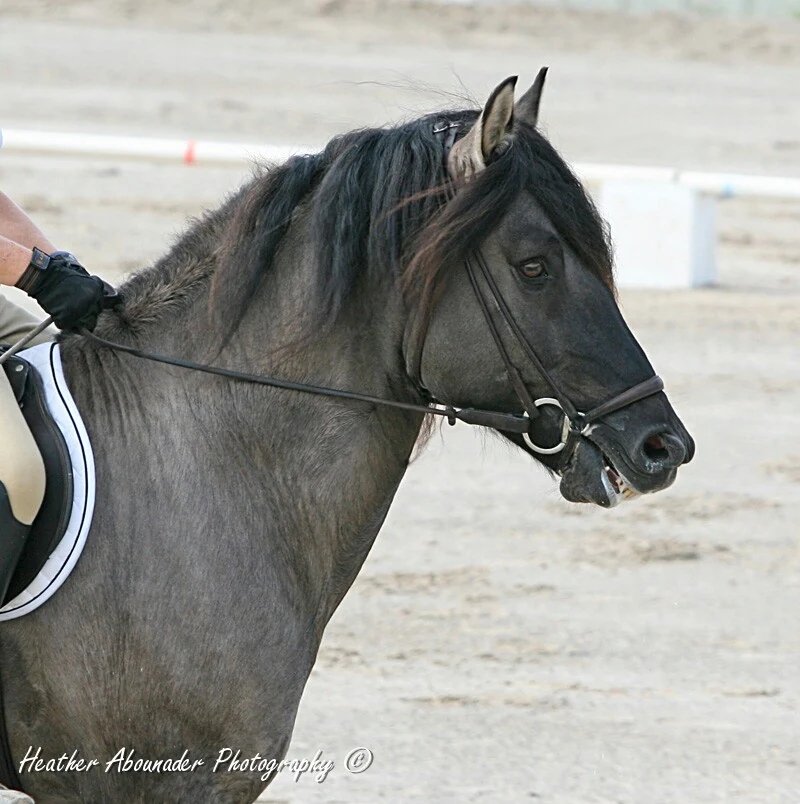
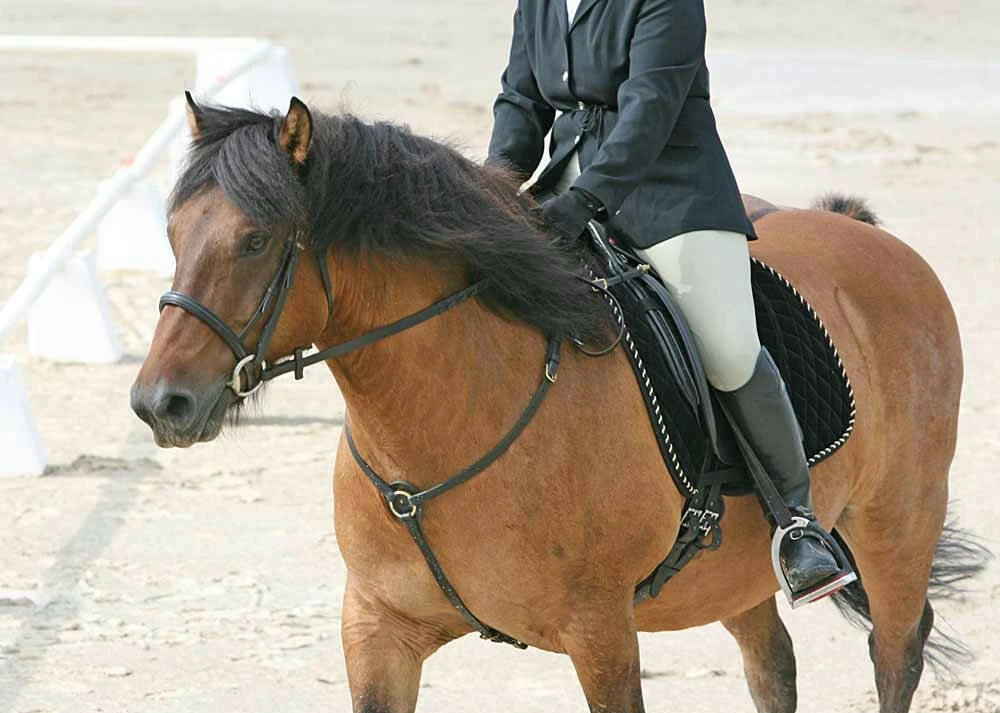
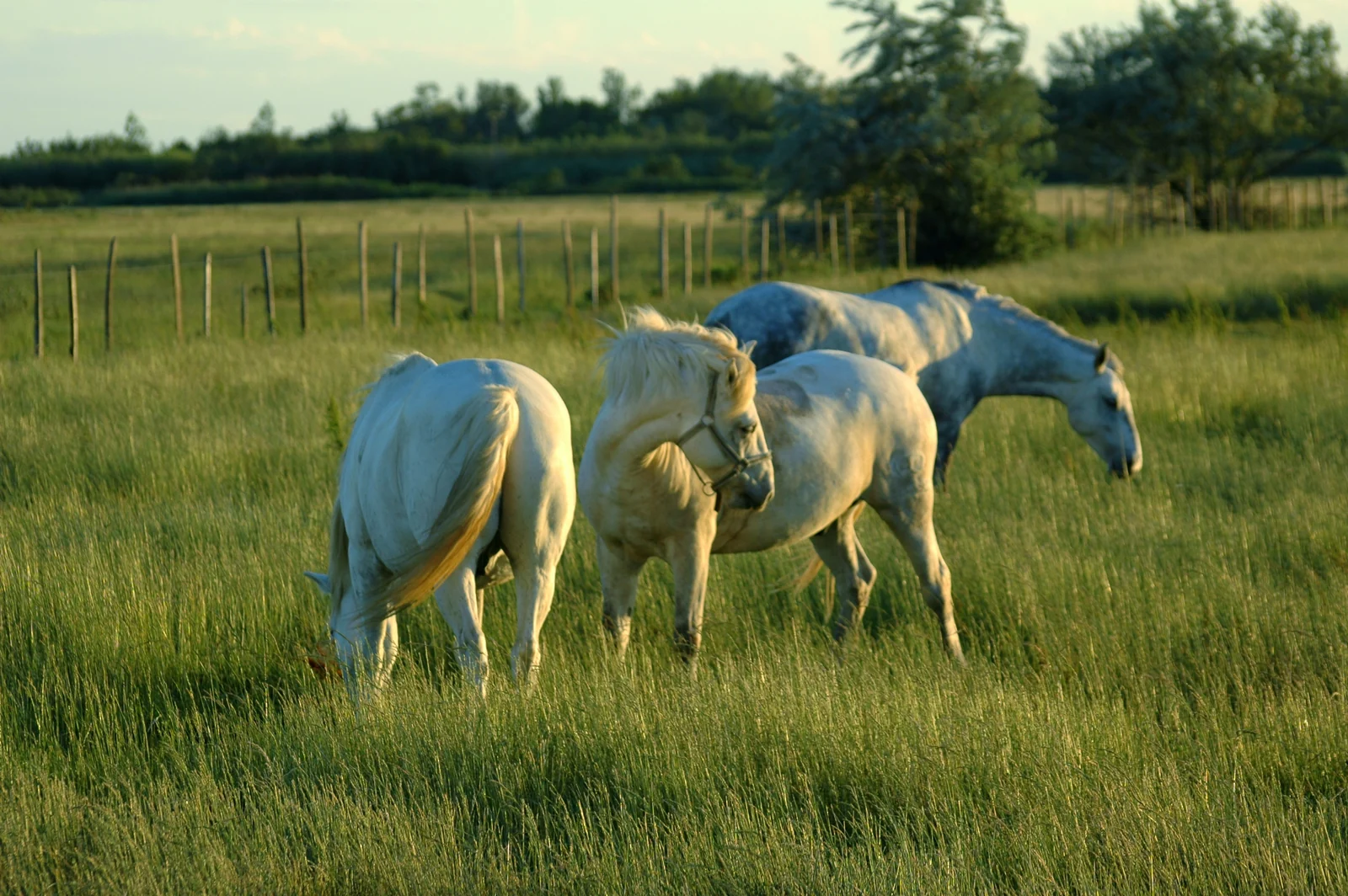
Many Highland Ponies are dun, with a diluted coat colour that may be accompanied by a darker stripe along the back and stripes on the legs. Other colours, including grey, bay and black, are also described in the standard. Coat colour can change as a young pony develops.
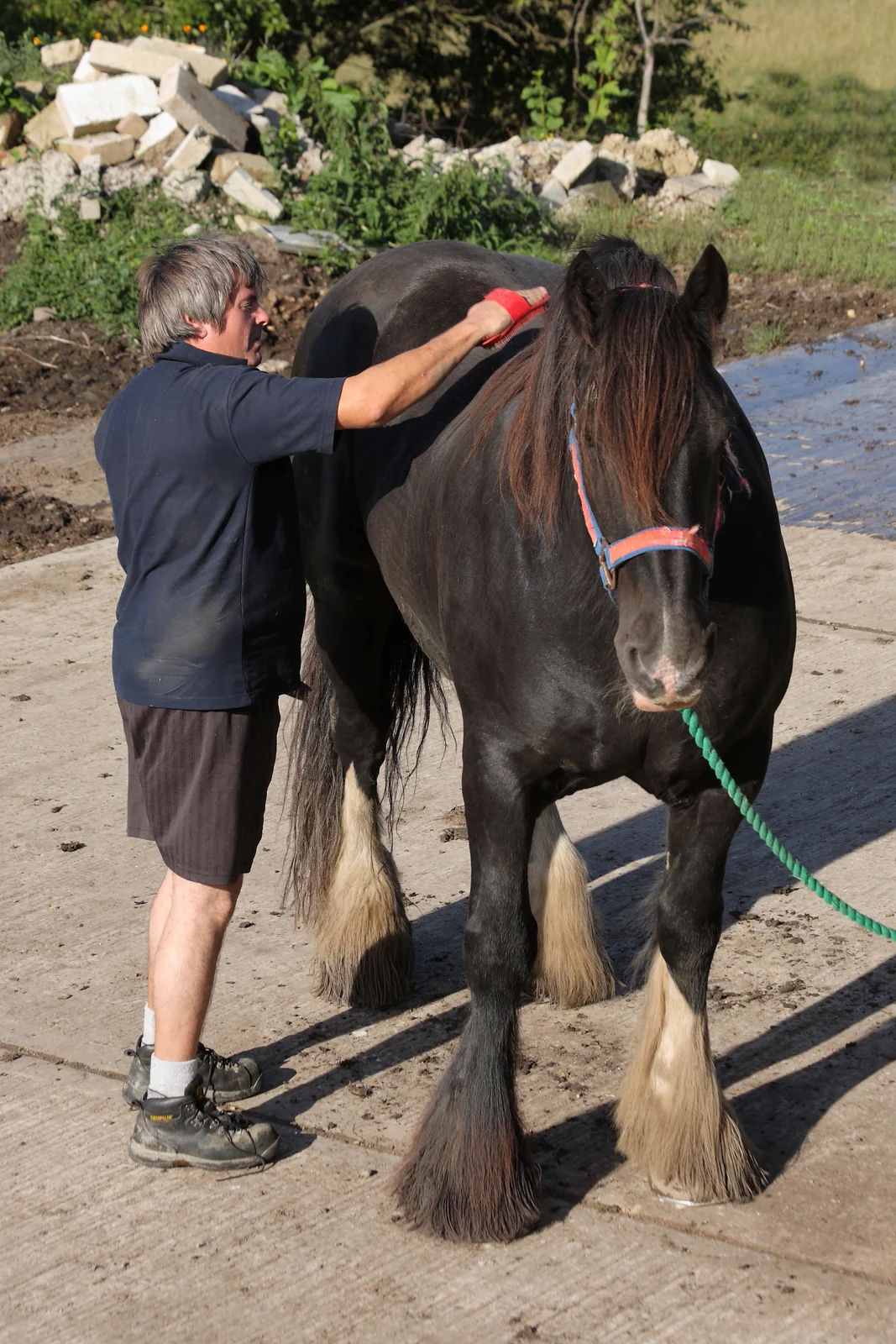
The winter coat combines a dense undercoat with longer outer hair. In summer it becomes shorter and smoother. Grooming should include checking the skin beneath the coat. Unusual itching, sore areas or swelling should be investigated with professional advice.
Exploring outdoors together
Before longer rides, a pony should learn simple cues reliably and build fitness gradually. A short route with familiar company can be a starting point. New tracks, traffic or unfamiliar objects should be introduced in situations the pony can manage comfortably.
In an arena, useful tasks can include stopping, walking on again and making broad turns. Cues should be clear and consistent. An appropriate reward after a successful response helps learning. If the pony becomes worried, the task should be made easier and possible pain considered.
For driving, a pony needs separate training to pull a carriage. It wears fitted harness that distributes the pulling forces. Equipment, vehicle and the driver’s cues should be introduced with experienced guidance. Whether riding or driving is planned, education and physical suitability should be assessed together before taking ownership.
Read more: Reward-based horse training: clear steps for everyday care · Your first horse: preparing for the decision
Shelter and room for daily movement
Accommodation should offer contact with compatible horses, daily time outdoors and a dry resting area. The site should remain usable during prolonged rain. Suitable shelter provides protection, while enough space allows horses to keep their distance from one another. All members of a group should be able to reach food and water.
Whether a rug, or horse blanket, is useful should depend on the weather, health and amount of coat the pony has. A clipped pony has lost some of its natural protection. Age and illness can also change its needs. Those differences should be considered when deciding what protection to provide.
When choosing a yard, it is worth asking how exercise and feeding work in winter. Who prevents drinking water from freezing? Who checks the pony when you cannot come? Clear arrangements should be in place before it moves in.
Assessing what is beneath the winter coat
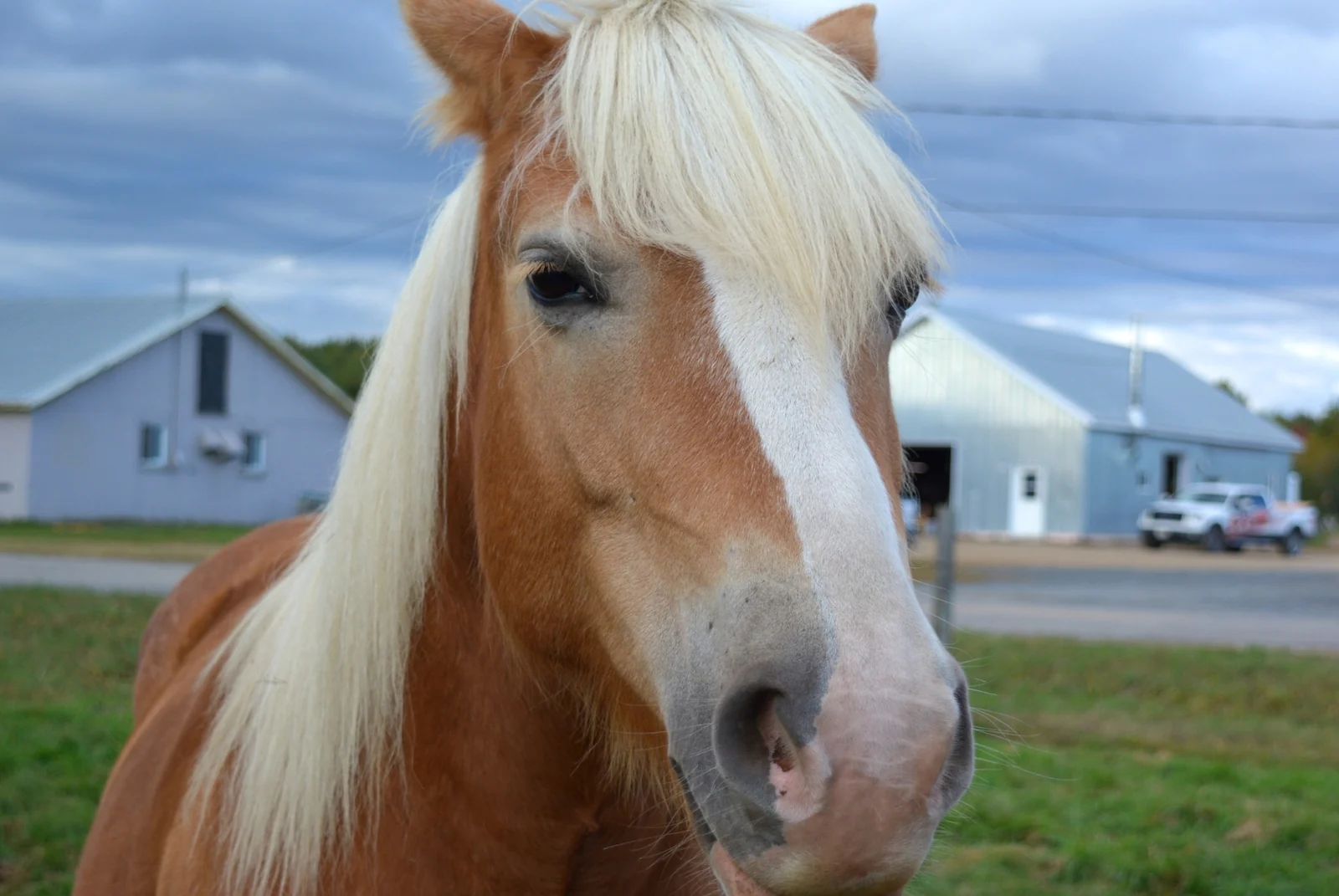
Dense hair can make a Highland Pony look substantial while concealing its actual body condition. The neck, ribs and hindquarters should therefore be felt regularly. The aim is to notice fat deposits and changes, rather than trying to make a naturally broad pony look narrow.
Hay and suitable grazing should form the basis of feeding. Extra feeds providing substantial energy should meet an actual need. For a pony doing little work, rich pasture may already supply too much energy. Professional guidance can help plan grazing access and the ration while retaining enough chewing time.
Changes to feed should be introduced gradually. Fresh water should remain available throughout winter. A pony losing weight or struggling to chew should be examined before simply increasing its ration. Dental problems can change which food is suitable, particularly in later life.
Read more: Older horses: adapting feeding, movement and daily care
Hoof care and routine health checks
Feet should be cleaned and checked daily. The interval between trimming or shoeing should be agreed for the individual with a qualified hoof care professional. A clean, dry standing area is particularly useful in prolonged wet weather. Unusual heat, cracks or changes in movement should be discussed promptly.
Laminitis affects the tissues that hold the pedal bone inside the hoof. Damage can cause severe pain and weaken the bone’s support. Excess weight and certain hormonal conditions can increase the risk. Shortened steps or difficulty turning should prompt immediate veterinary advice. A pony in pain should not be forced to keep walking.
A health plan should include dental checks, vaccination and appropriate parasite control. Young ponies need attention to growth and training. For older animals, mobility, chewing and body condition should be reassessed regularly.
Read more: Foals and young horses: growing up, handling and early learning · Older horses: adapting feeding, movement and daily care
Common questions
Does a Highland Pony need a winter rug?
That depends on the individual. Coat, clipping, weather, age and health should be considered together. An experienced carer or the vet can help with the decision.
Does a substantial build mean the pony is overweight?
No. Fat deposits should be assessed by feeling. The breed’s build and a dense coat can make actual body condition harder to judge by looking alone.
A closer look
Sources and photo credit
- Breed DescriptionHighland Pony SocietyA pony from Scotland · Build, colours and a changing coat · Exploring outdoors together
- Guide to buying a horse: questions to ask and moreBritish Horse SocietyA pony from Scotland · Exploring outdoors together
- Fat scoring horsesBritish Horse SocietyShelter and room for daily movement · Assessing what is beneath the winter coat
- Feeding horsesBritish Horse SocietyAssessing what is beneath the winter coat
- Horse health essentialsWorld Horse WelfareBuild, colours and a changing coat · Exploring outdoors together · Shelter and room for daily movement · Assessing what is beneath the winter coat · Hoof care and routine health checks
- Where to keep your horseBritish Horse SocietyShelter and room for daily movement
- Essential care for your horse’s hoovesBritish Horse SocietyHoof care and routine health checks
- LaminitisBritish Horse SocietyHoof care and routine health checks
- Training: how do horses learn?World Horse WelfareExploring outdoors together
Photo credits
Photo: Platier oye poney highland bis.JPG · Velvet · CC BY-SA 3.0. Image format adapted.
Photo: Highland Pony Stallion.jpg · Heather Abounader (Flickr: Heather Moreton) · CC BY 2.0. Image format adapted.
Photo: Highlandpony (2).jpg · Heather Abounader (Flickr: Heather Moreton) · CC BY 2.0. Image format adapted.
Photo: Poney highland SIA2019.jpg · Béatrice Bla. · CC BY-SA 4.0. Image format adapted.


.jpg)
