 fellfolio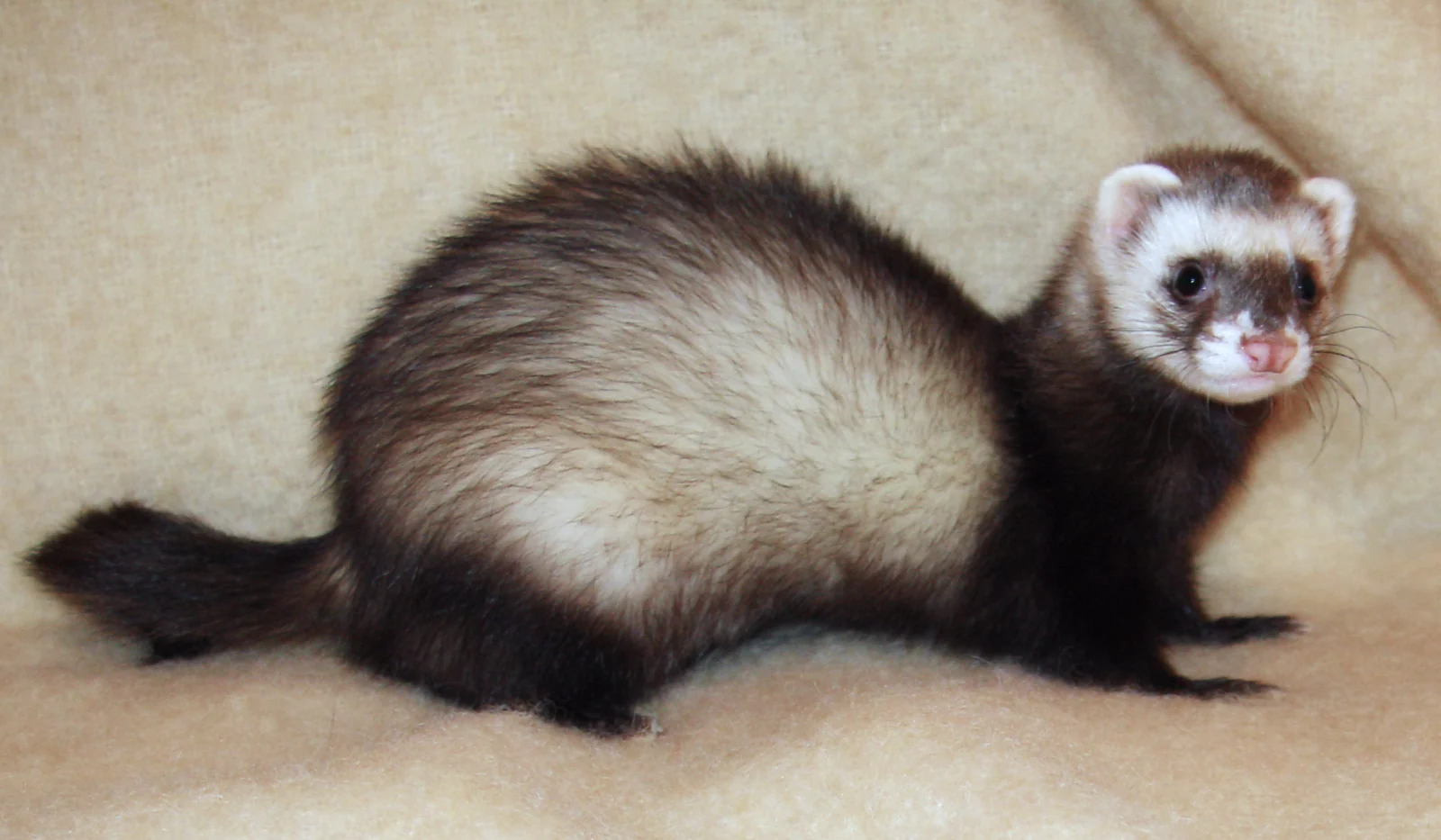
Understand the main food
An appropriate complete feed is intended to supply the required nutrients as the main daily diet. A complementary food or meat treat is not formulated for that purpose. This distinction on the packaging is more useful than a product name suggesting that it is particularly natural. Ferrets need digestible animal-derived nutrients and a composition suited to their digestive system.
A ferret-experienced veterinary practice can help select a suitable diet, especially for growing animals, illness or weight problems. An ingredient list alone does not answer every nutritional question. Arbitrary cat food should not automatically become a permanent substitute either. Bringing the actual product information and a list of all extras to a consultation makes the discussion more specific and useful.
Make small meals available
Ferrets need frequent feeding opportunities. A suitable arrangement allows small meals even when the owner is away. With an appropriate dry diet, recording the amount supplied over a day can make intake easier to understand. Moist food requires a schedule that prevents it remaining warm for prolonged periods. The arrangement needs to suit both the food and the individual animals.
Watch each member of a group. An empty bowl might mean everyone ate, or that one ferret consumed most of the supply. Several accessible feeding locations and brief individual observations provide better information. If a ferret needs treatment for excess weight or another condition, ask the practice for an appropriate plan. Prolonged fasting imposed at home is not a suitable weight-management method.
Consider homemade and raw diets carefully
Being a carnivore does not mean that a serving of plain muscle meat supplies every required nutrient. Homemade diets need informed formulation. A short recipe may sound plausible while creating long-term imbalances. Anyone wishing to prepare the main diet should obtain advice from an appropriately qualified veterinary nutrition professional.
Raw meat also introduces hygiene considerations. US Food and Drug Administration testing identified disease-causing bacteria in raw pet foods. Exposure extends beyond the animal to hands, bowls and kitchen surfaces. Freezing does not automatically sterilise a product. Raw feeding therefore should not be presented as an inherently simpler or safer default. The useful goals are complete, appropriate nutrition and a hygiene routine that can be carried out reliably.
Keep rewards and changes manageable
Sweet snacks, fruit and dairy products do not belong in routine ferret feeding. A suitable small amount of food already included in the daily allowance can serve as a reward. This helps keep total intake understandable. When several people enjoy offering treats, a prepared shared allowance can prevent accidental duplication.
Changes to the main food should be gradual. Information about the existing diet should therefore travel with a newly adopted ferret. An animal refusing an unfamiliar food should not be forced into switching through prolonged deprivation. Record the amount offered, acceptance and any change in droppings. If the transition is difficult, discuss it with the veterinary practice rather than repeatedly replacing the food with another new product.
Check water, stored food and body condition
Fresh water should remain accessible at all times. A heavy stable bowl is straightforward to clean. If using a bottle, check that the valve works. Ferrets that regularly spill water benefit from another suitable drinking point. Cleaning should include the places where food is hidden, because even small leftovers can remain unnoticed for a long time.
Regular weighing under similar conditions helps establish the individual pattern. Seasonal changes can occur, but clear weight loss together with reduced appetite or weakness still needs prompt assessment. Vomiting, marked lethargy or suspected swallowing of an object require immediate veterinary contact. Knowing the last normal meal and the specific changes observed provides useful information when arranging help.
Common questions
Can ferrets live entirely on pieces of meat?
Individual meat pieces do not form a fully formulated diet. Homemade main diets need appropriate provision of minerals, vitamins and other nutrients, with qualified nutritional advice.
Should vitamins be added to complete food?
Supplements should address an identified need and fit the entire diet. An appropriate complete food is already intended to provide balanced nutrition. Unplanned additions can alter that balance and should be discussed with the vet.
Sources and photo credit
- A healthy diet for ferretsRSPCA
- Management of FerretsMerck Veterinary Manual
- Caring for your ferretsRSPCA
- Get the facts: raw pet food dietsUS Food and Drug Administration
- Special Considerations for FerretsMerck Veterinary Manual
- Ferret CareUC Davis School of Veterinary Medicine
Photo: Ferret 2008 · Alfredo Gutiérrez · CC BY-SA 4.0. Resized and converted to WebP; scene unchanged.
