fellfolio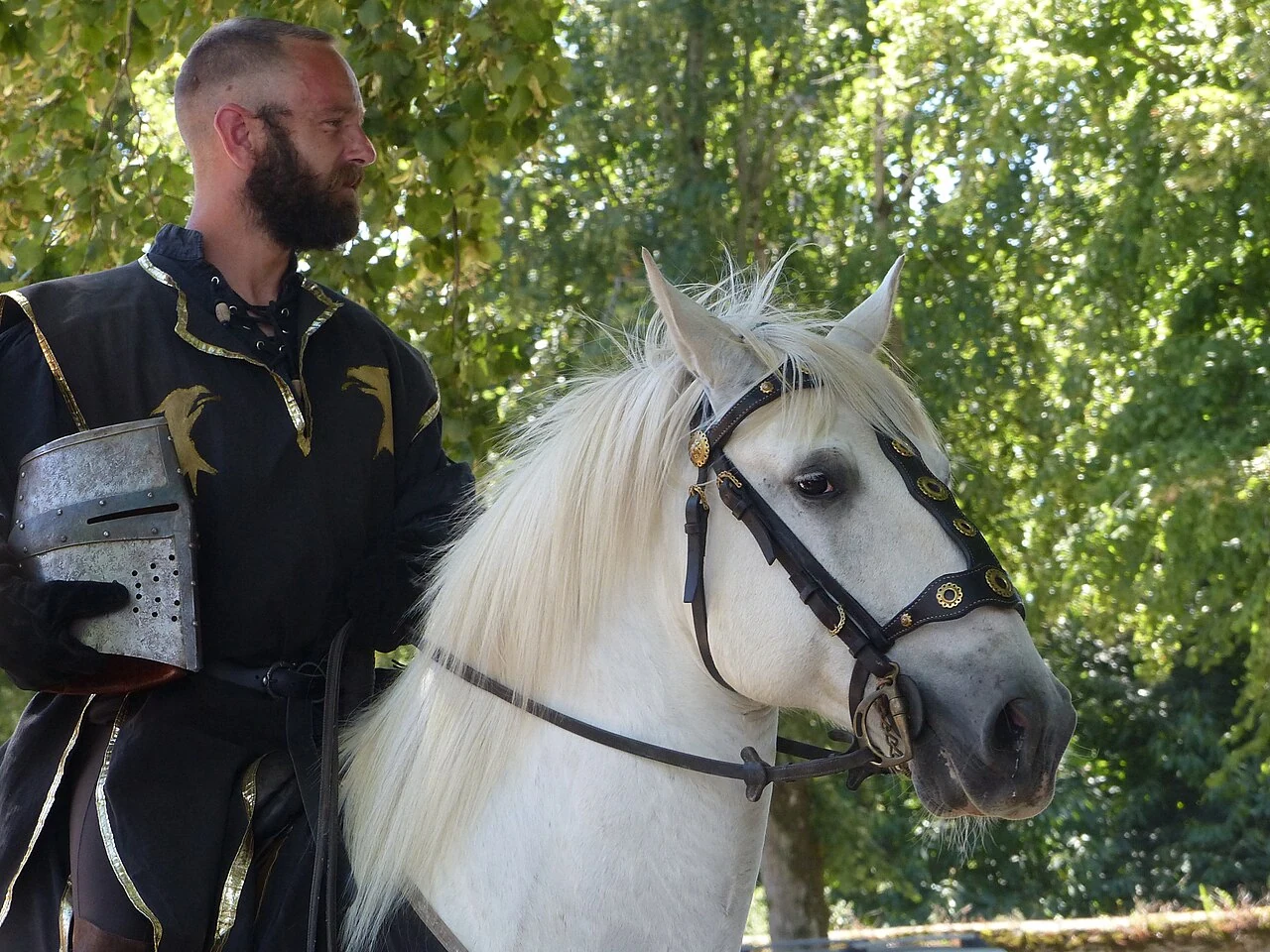
Understanding Andalusian and PRE
Andalusian is the familiar name for the Spanish horse associated with Andalusia. Pura Raza Española identifies the officially registered breed. Its studbook, the record of pedigree and registered horses, is managed by the Spanish breeders’ association ANCCE. If a horse is advertised as a PRE, its documents should confirm that registration.
An important stage in the breed’s history began in the sixteenth century, when Philip II established royal stables at Córdoba and brought together horses for breeding. Later development helped shape a riding horse with rounded proportions and expressive movement. PRE horses are now seen in dressage and recreational riding, among other activities. Their individual training and experience are the useful starting points when choosing a partner.
An attentive partner benefits from clear aids
Many riders value the PRE’s attention to their signals. That responsiveness can make riding with subtle aids enjoyable. Aids are the signals given through the rider’s seat, legs and reins. They should be understandable to the horse and used consistently. A rider who communicates quietly and clearly is especially helpful to a horse that notices small changes.
During a viewing, you should pay attention to everyday handling. How does the horse behave when led away from its companions, groomed or faced with unfamiliar sounds? What happens around other horses on a ride? Previous experience matters too. The seller should explain the horse’s usual routine, what it knows well and which situations still require support. These details help you judge the partnership you would be taking on.
Build the foundations behind expressive movement
A young PRE may already have eye-catching movement. Its education should still begin with quiet leading, standing comfortably, understanding signals and learning to move in balance with a rider. More demanding work requires strength and coordination that develop over time. A qualified trainer should adapt the programme to the horse’s age, fitness and existing education.
Small, achievable tasks and well-timed breaks make learning easier. A reward should follow the desired response promptly so the horse can connect the two. Riding outdoors, often called hacking, time to move freely outside and varied work can broaden the routine. If tension builds during an exercise, the task should be made easier and the cause explored. Continuing to increase the demands can make it harder for the horse to understand what is wanted.
Read more: Reward-based horse training: clear steps for everyday care · Foals and young horses: growing up, handling and early learning
Choose accommodation around daily horse life
Before buying, you should decide where the horse will live. Suitable accommodation should provide regular time outside to move freely, known as turnout, and contact with compatible horses. Shared turnout should give horses room to pass one another and move away when they choose. During a yard visit, you should ask how the daily routine works. Who turns horses out, checks their water and provides care at weekends? A clear arrangement makes the commitment easier to judge.
Resting accommodation should be dry, well ventilated and spacious enough for the horse to lie down and rise comfortably. Outdoor horses need shelter from adverse weather. Introductions to a group should be managed carefully, with attention to the horses involved. A stallion requires experienced handling and facilities suitable for that responsibility. These arrangements should be agreed before committing to a purchase.
Daily feeding, grooming and hoof care
Feeding should reflect the horse’s body condition and actual workload. A PRE going on occasional quiet hacks has different requirements from one in demanding training. Appropriate forage, such as hay or grass, and clean water are the starting point. Extra feed should be planned with knowledgeable advice. Regular weight estimates and feeling the ribs help you notice changes that the coat may hide.
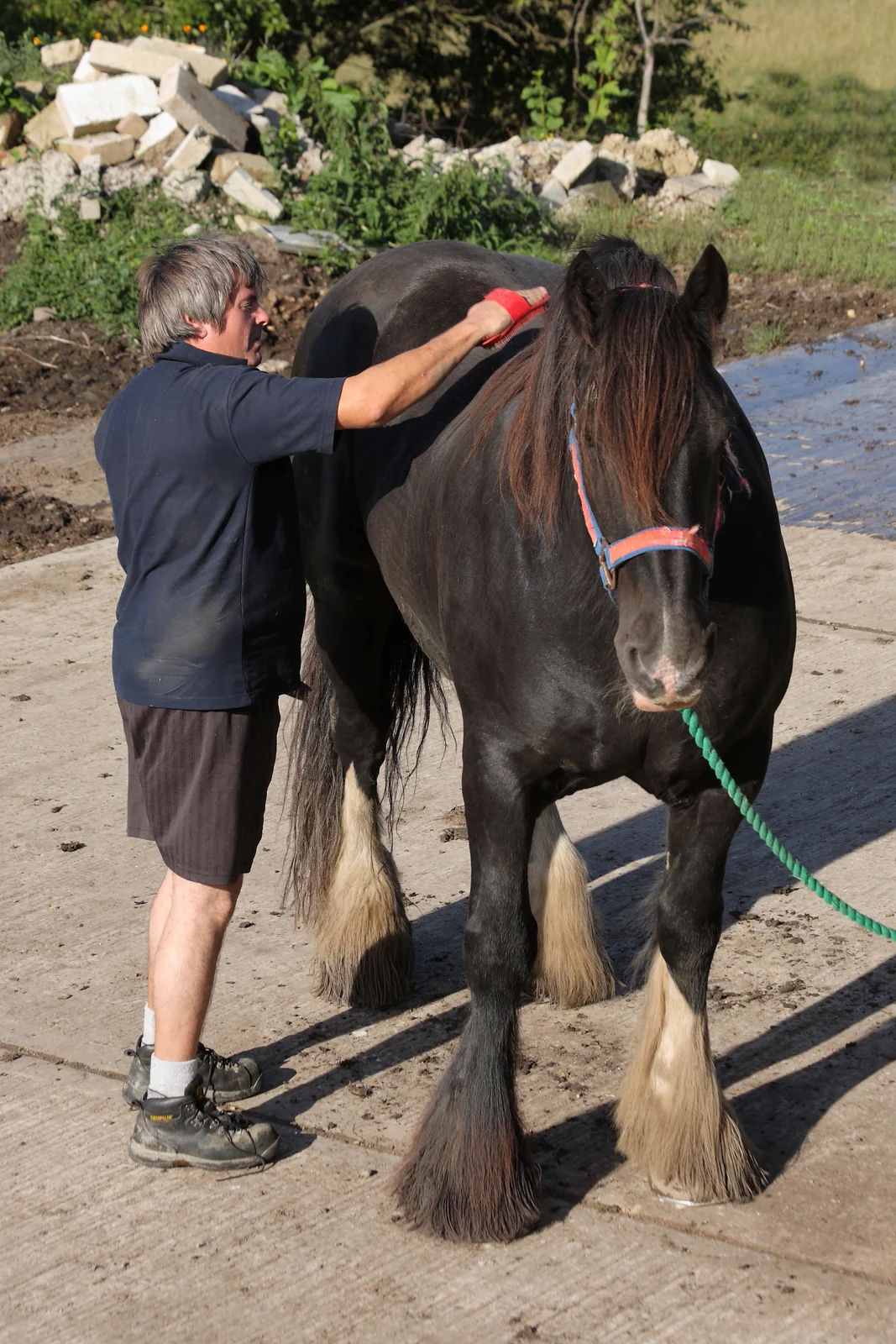
The long mane and tail should be detangled gently to avoid pulling out unnecessary hair. Daily grooming also provides an opportunity to check the skin, legs and areas beneath the saddle and girth. Hooves should be picked out regularly and checked for changes. A qualified hoof-care professional should set a suitable trimming or shoeing schedule based on growth, conformation and workload.
Match the horse to the riding you want to do
For a first PRE, a reliably educated horse is often easier to assess than a youngster beginning its training. At a viewing, someone familiar with the horse should ride it first. You can then try the intended activities with knowledgeable support and see whether the partnership feels comfortable. If hacking is your main interest, ask about the horse’s experience outdoors and include that in a suitable viewing.
An independent veterinary examination before purchase helps assess the horse’s current health. Known illnesses, past injuries and the intended work should be discussed. The financial plan should also include accommodation, hoof care, lessons, transport and a reserve for veterinary expenses. Purchase price is one part of the cost of the years you hope to share.
Read more: Your first horse: preparing for the decision
Common questions
Is every Andalusian a registered PRE?
The documents should be checked. PRE identifies the officially registered Pura Raza Española. Andalusian is often used as a familiar name in advertisements, but the name alone does not establish pedigree or PRE studbook registration.
Can a PRE be a first horse?
An appropriately trained horse with dependable handling may be suitable. Your riding experience, support at the yard and lessons with a qualified person are central to the decision. A young or lightly trained horse requires considerably more experience, even if it seems friendly during a viewing.
Can a PRE be used for hacking?
A suitably trained PRE can be ridden outdoors. Ask about the individual horse’s experience with traffic, unfamiliar routes and riding alone or in groups. New situations should be introduced gradually with knowledgeable support where needed.
A closer look
Sources and photo credit
- Historia y características del PREANCCEUnderstanding Andalusian and PRE · An attentive partner benefits from clear aids
- Qué es ANCCEANCCEUnderstanding Andalusian and PRE
- Las razas ganaderas en AndalucíaJunta de AndalucíaUnderstanding Andalusian and PRE
- Where to keep your horseBritish Horse SocietyChoose accommodation around daily horse life
- Feeding horsesBritish Horse SocietyDaily feeding, grooming and hoof care
- Essential care for your horse’s hoovesBritish Horse SocietyDaily feeding, grooming and hoof care
- Training: how do horses learn?World Horse WelfareAn attentive partner benefits from clear aids · Build the foundations behind expressive movement
- Guide to buying a horseBritish Horse SocietyAn attentive partner benefits from clear aids · Build the foundations behind expressive movement · Choose accommodation around daily horse life · Match the horse to the riding you want to do
Photo credits
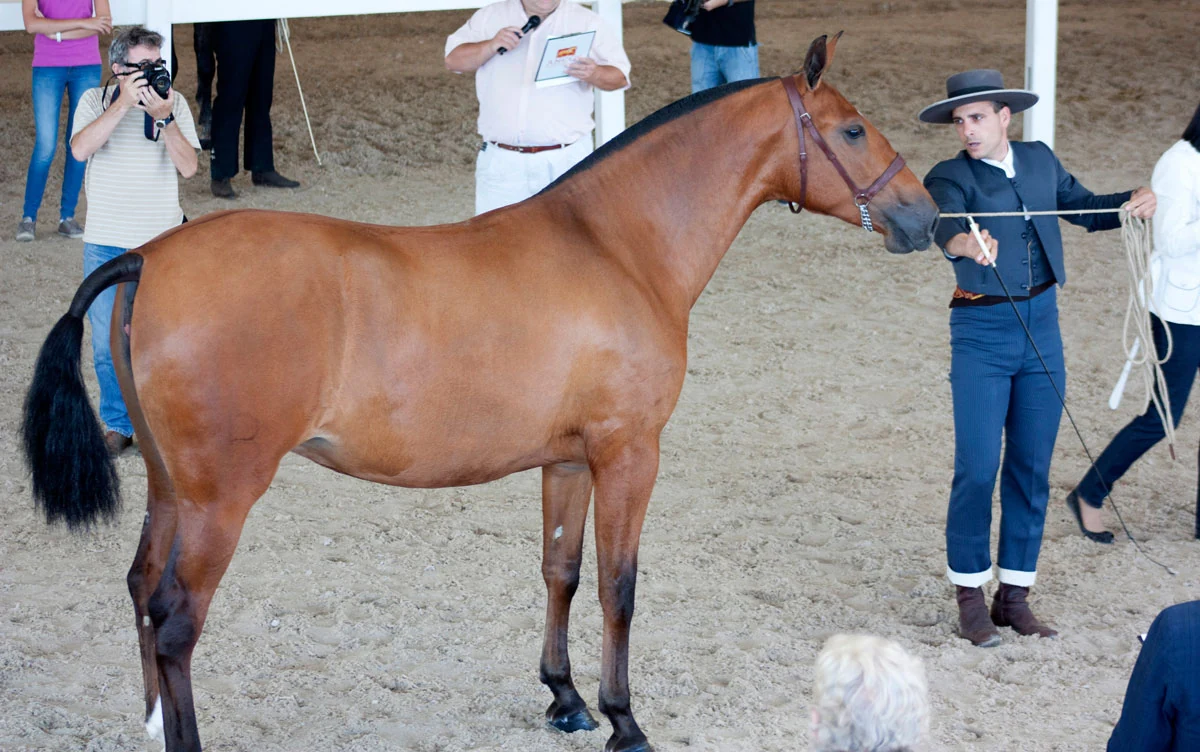
Photo: Mors espagnol sur un cheval Pure race espagnole 02.jpg · Tsaag Valren · CC BY-SA 4.0. Image format adapted.
Photo: PREbaiValencia.jpg · ValenciaCaballo · CC BY-SA 2.0. Image format adapted.
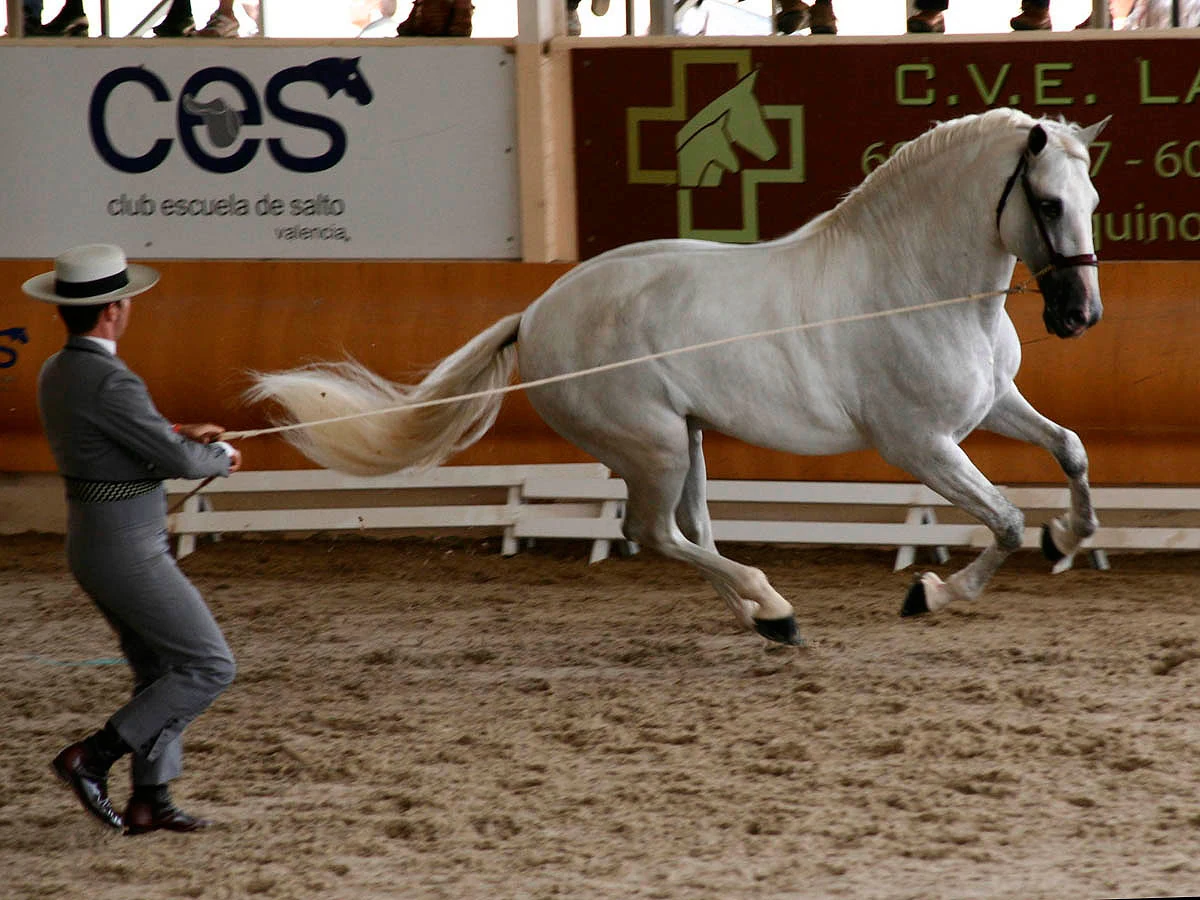
Photo: Pure race espagnole gris en longe à Valence.jpg · Valenciacaballo · CC BY-SA 2.0. Image format adapted.
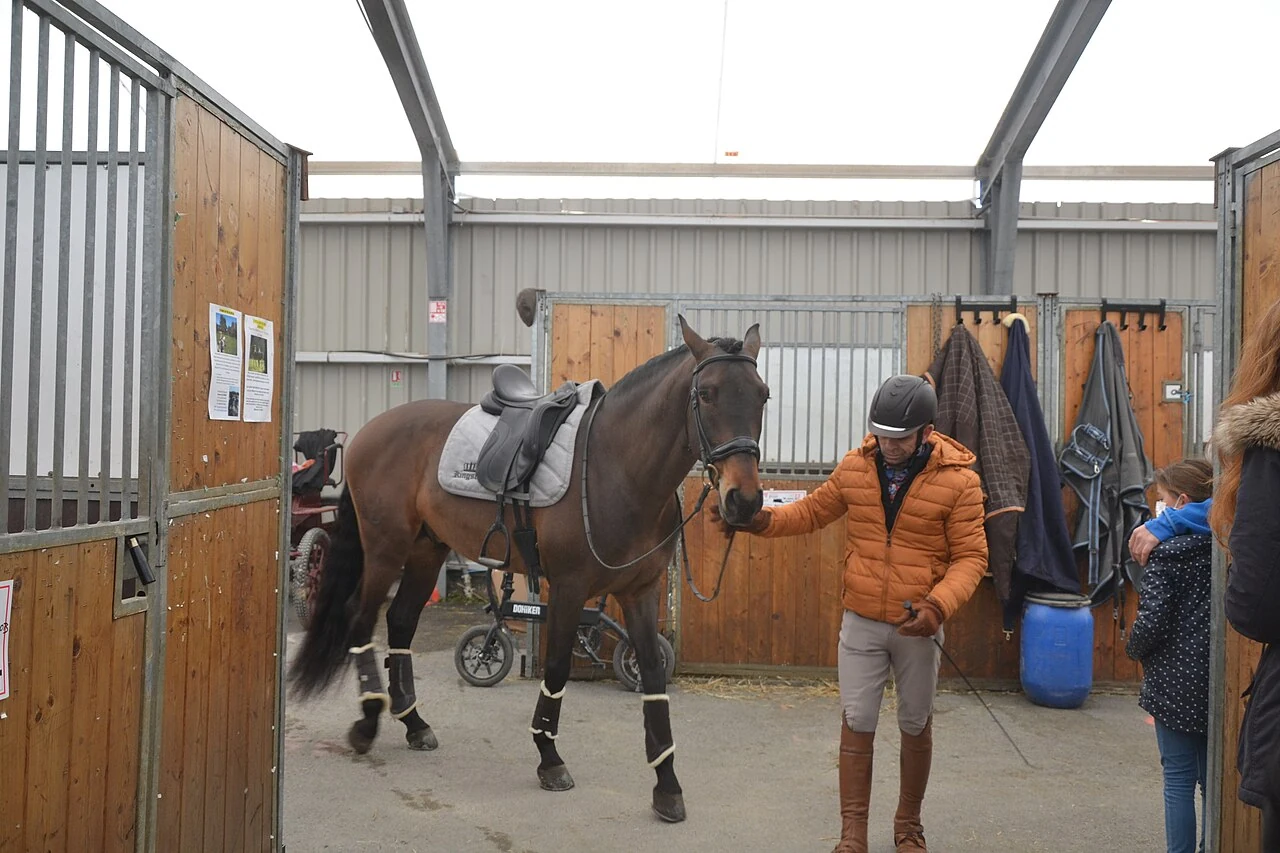
Photo: Cheval Passion 2022 - PRE 2.jpg · Marianne Casamance · CC BY-SA 4.0. Image format adapted.