fellfolio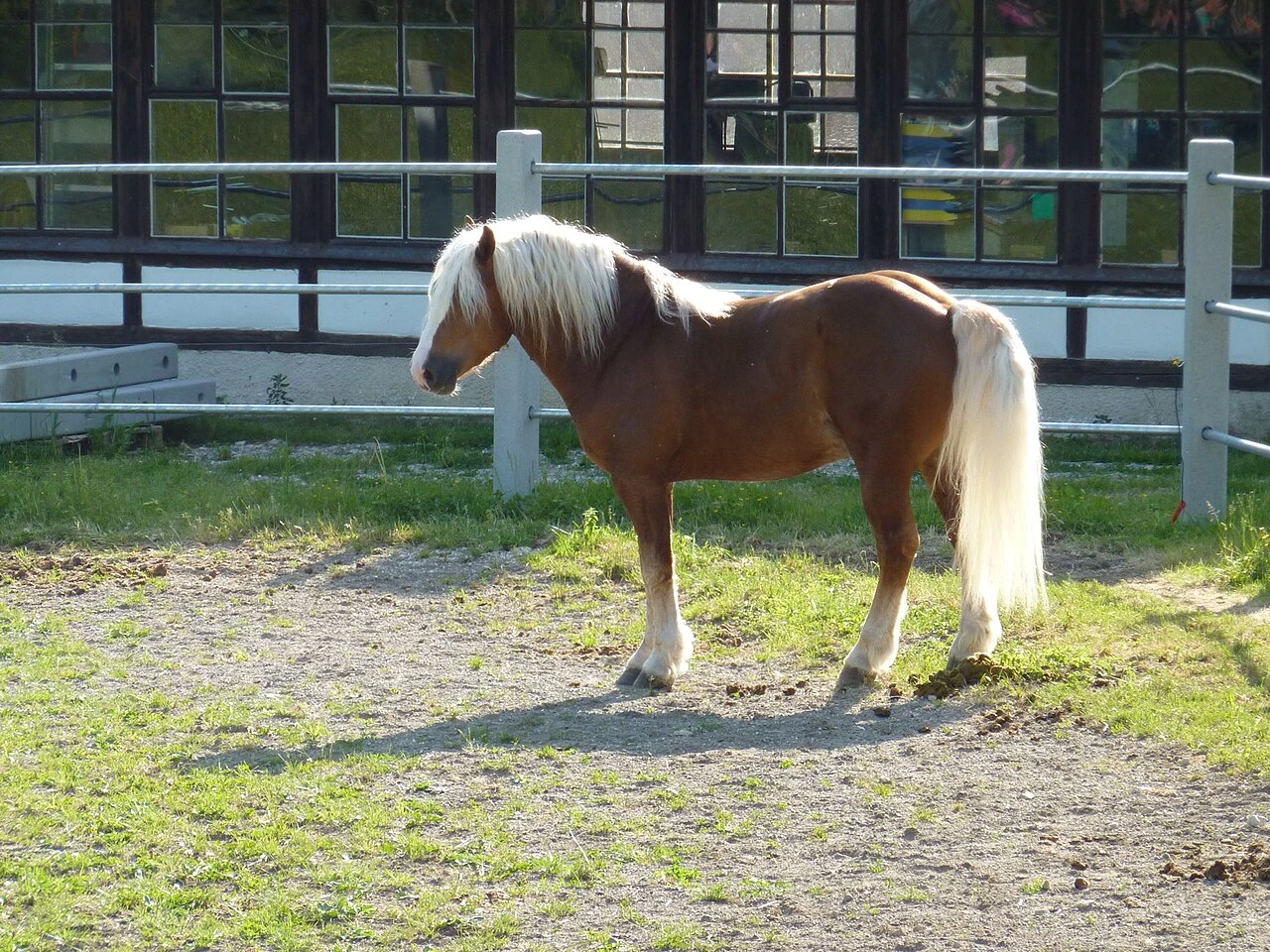
A working horse from the Black Forest
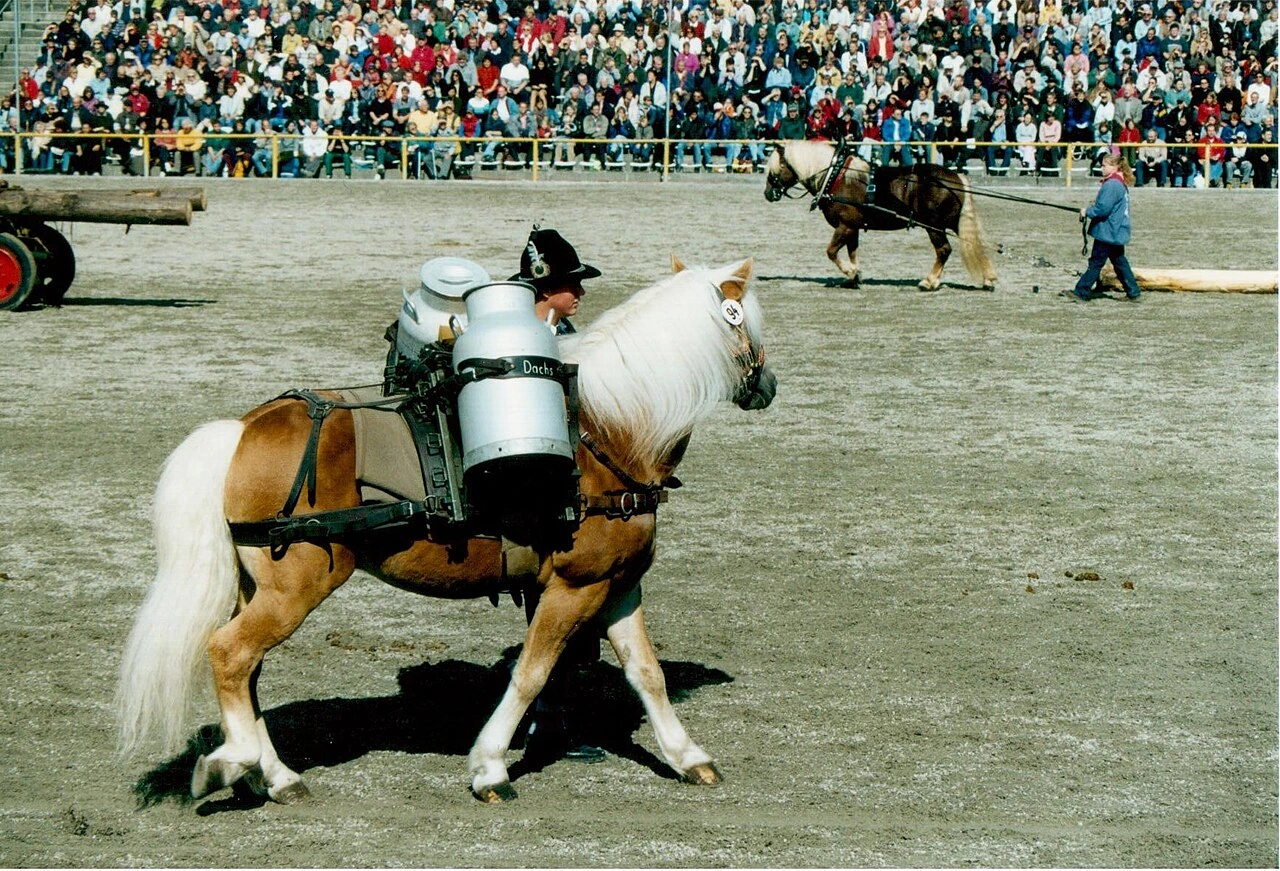
The breed developed in a region where horses were important for farm and forestry work. People needed strength, useful movement and a horse capable of working in demanding surroundings. The Black Forest Horse Breeding Association has played an important part in organised breeding since its foundation in 1896.
Demand declined as machinery took over more of the work. Later interest in driving and riding helped sustain the breed. Strength, good movement and an agreeable temperament remain important breeding goals. That history explains the type of horse, while its own training needs to be assessed before purchase.
Strong and comparatively compact
The German term Kaltblut describes the strongly built draught horse types developed for pulling work. It refers to their build and breeding history. Within this group, the Black Forest Horse is described as a light to medium type.
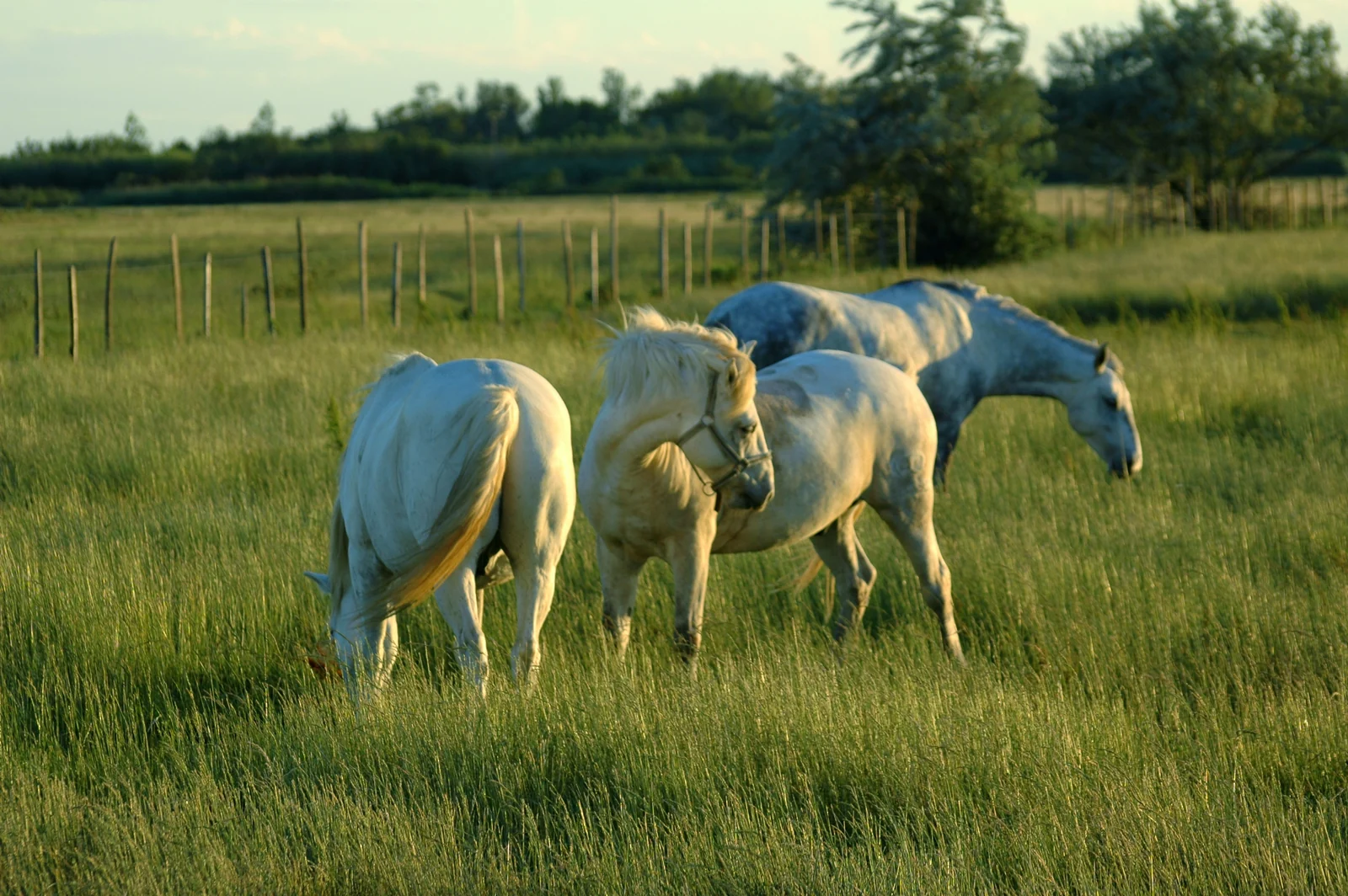
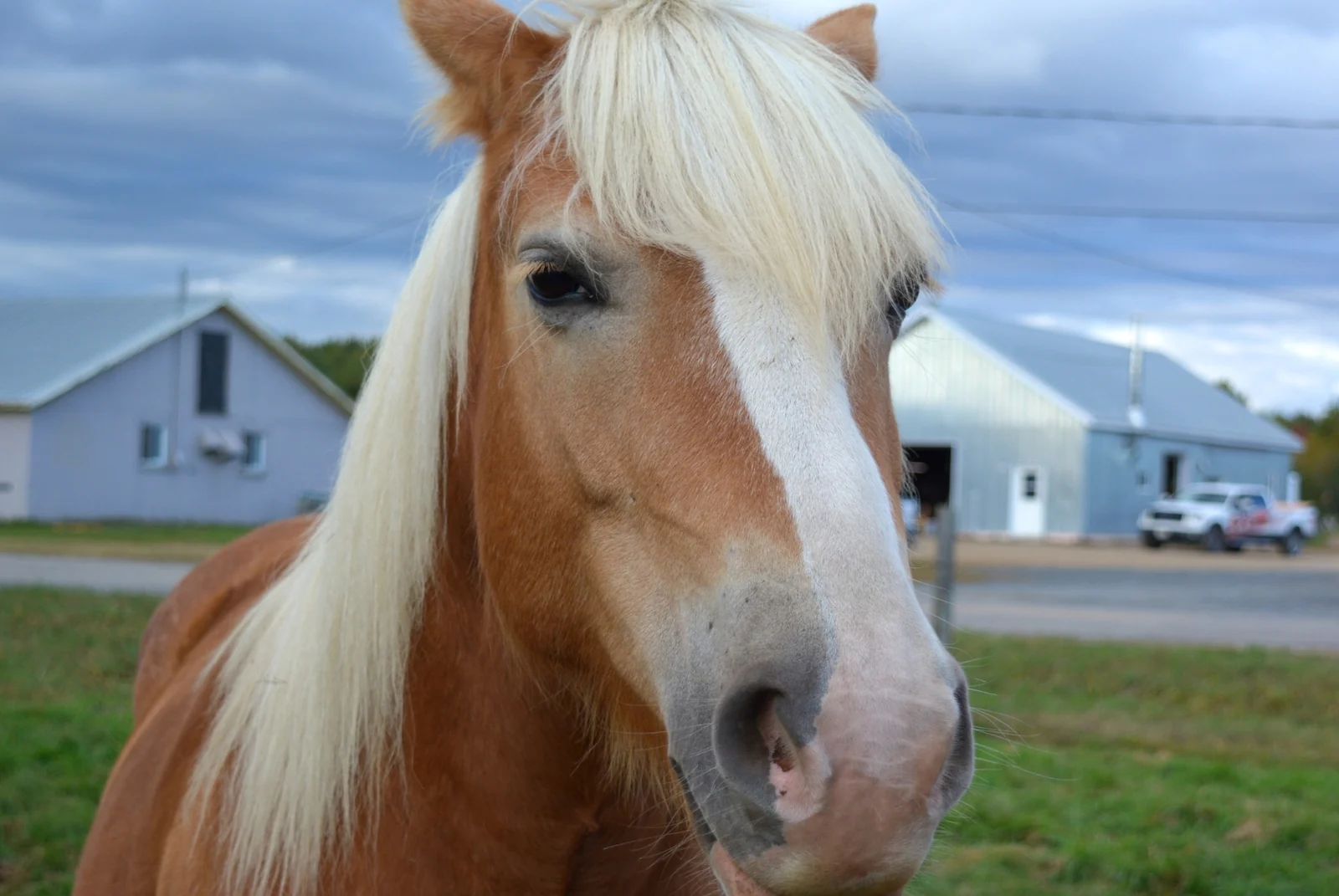
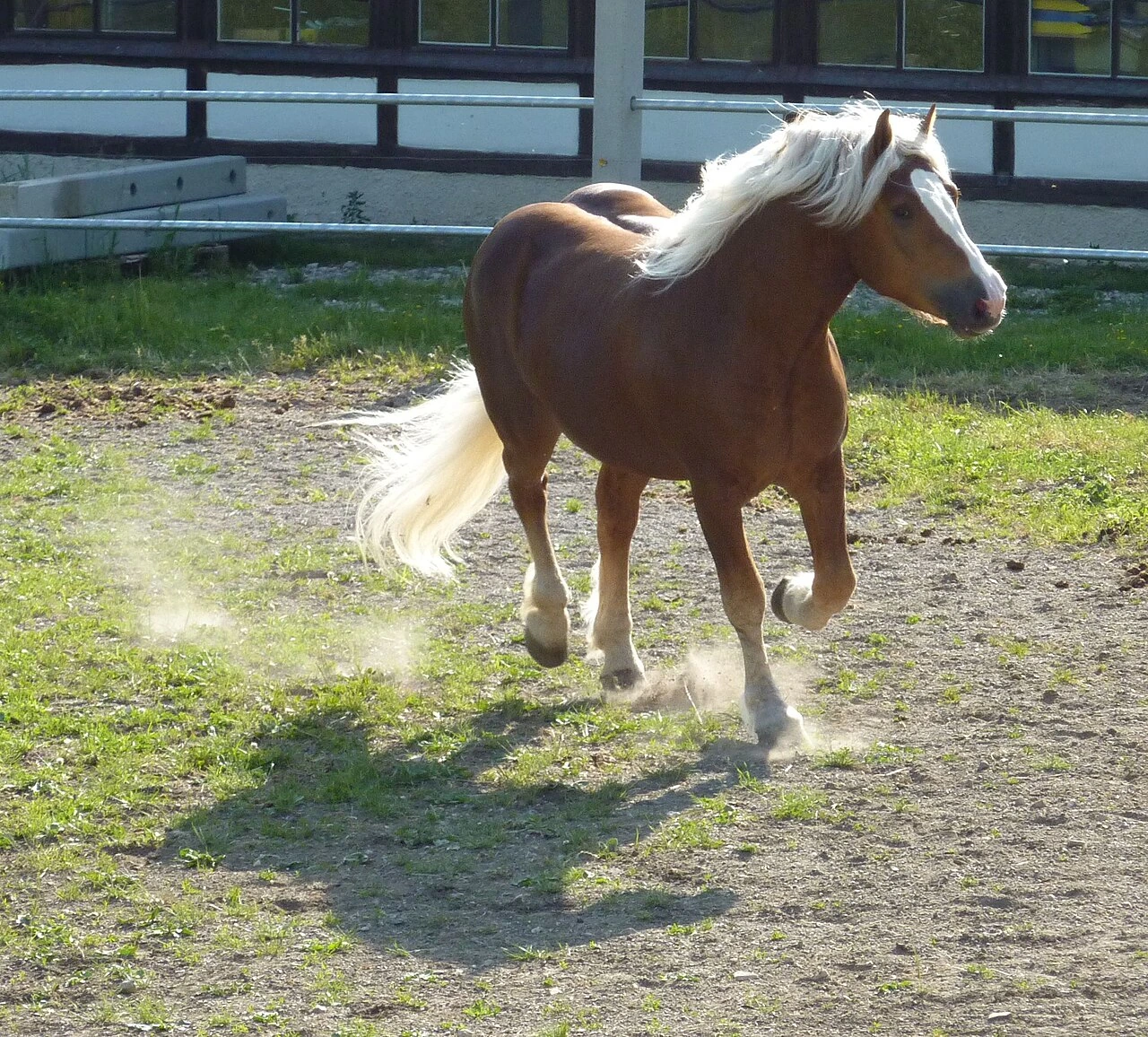
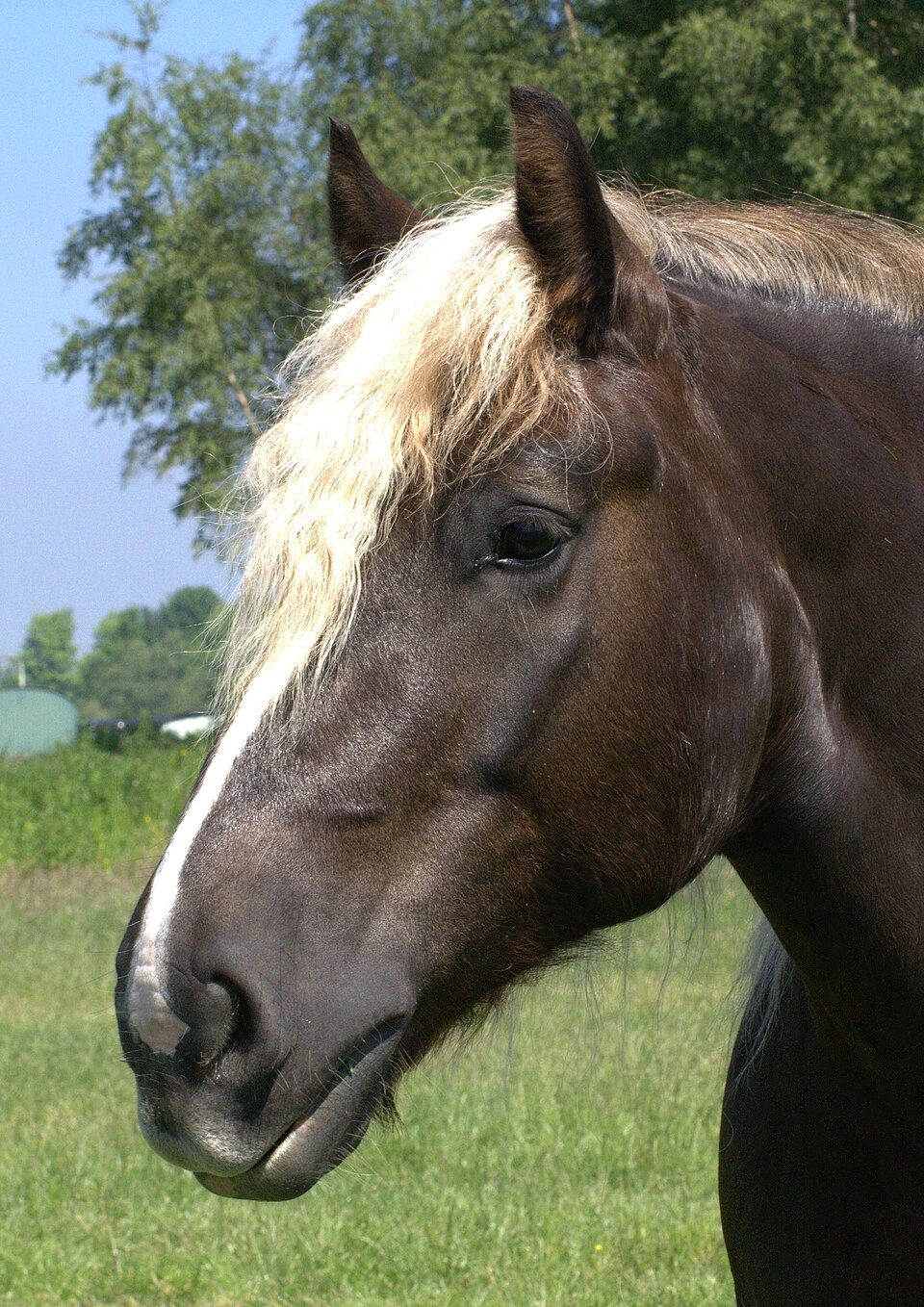
The breeding programme gives a target height of 148 to 156 centimetres for mares. Height is measured at the withers, the highest part of the back behind the neck. Chestnut horses with pale manes and tails are especially familiar, although bay, black and grey colours are also preserved. These details describe the breed type, and the individual horse’s actual size should be checked.
A calm reputation still calls for good training
A balanced horse that responds readily to people is an important breeding aim. A well educated Black Forest Horse can be an enjoyable companion for grooming, leading and outings. Even a horse that appears relaxed needs to have learned those routines properly. Its strength can be noticeable when it is startled or wants to reach its companions.
During a viewing, it is useful to watch leading, foot handling and responses to unfamiliar situations. Someone with limited horse experience may be better served by a mature horse with steady daily experience and knowledgeable support. A young draught horse needs the same careful education as any other youngster.
Prepare separately for riding and driving
Many prospective owners are looking for a horse for trail riding or carriage driving. Each activity needs its own preparation. A horse that is reliable under saddle does not automatically understand being driven. Harness, the sensation of pulling, new sounds and a vehicle behind it should be introduced gradually with experienced help.
Ridden fitness and strength should also build up over time. A long outing after a break can be too demanding even for a horse that looks powerful. Suitable equipment and exercise matched to current fitness help make the work comfortable. Repeated stopping or unusual stiffness should prompt a check of the cause.
Room to move and comfortable company
Housing should suit the horse’s actual build. Doors, passageways and resting areas need enough space. In a group, every horse should be able to eat, drink and rest without being displaced. Appropriate equine companions and daily freedom to move remain part of good care alongside ridden or driven work.
Group housing with access to outdoor areas may work well when the facilities and routines are carefully planned. The home should include dry sheltered resting areas, secure footing and feeding points that a less assertive horse can reach. A visit in poor weather often reveals how well those arrangements work in practice.
Match the ration to work and body condition
Grass and hay form the basis of feeding. Concentrates are energy rich additions such as grain and prepared feed mixes. They should be chosen for the horse’s workload, forage quality and body condition. With light leisure work, they can easily supply more calories than the horse needs.
Regular weight monitoring should include feeling the horse’s body to distinguish fat from muscle. Excess body fat can increase the risk of laminitis, a painful condition affecting the structures within the hoof. If the horse is overweight, a qualified feeding adviser or vet should help reduce excess calories while preserving suitable forage and feeding time.
Notice small changes beneath a sturdy appearance
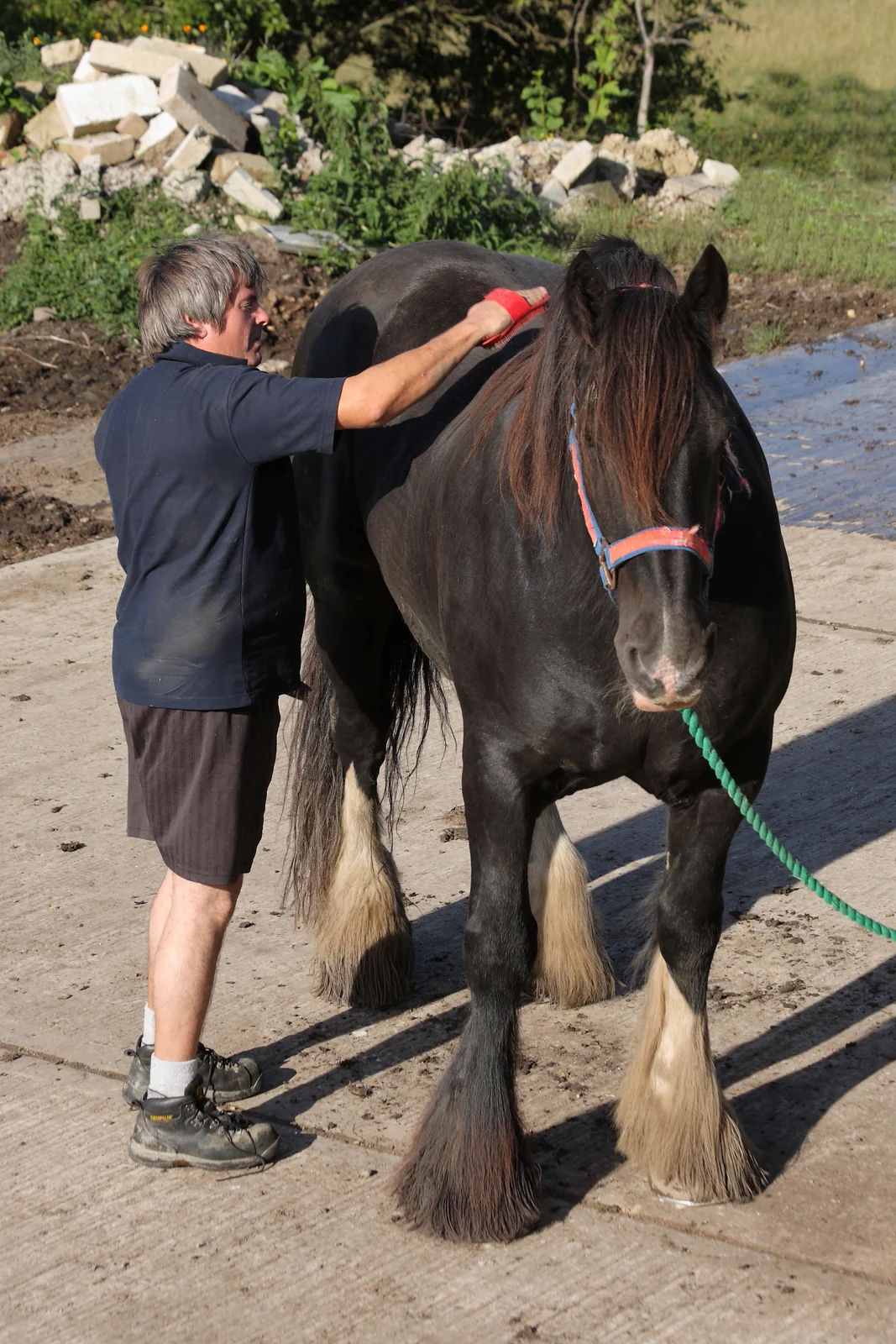
Grooming and cleaning the feet create useful opportunities for a daily health check. Legs, skin and hooves should be examined for changes. Lameness, swelling or unusual heat deserve attention even when the horse is still willing to move. Clean dry standing areas and regular professional hoof care support prevention.
Dental care, vaccinations and parasite control should be planned with the vet. Parasite management means monitoring the horse’s risk and using medicines where they are needed. The right arrangements will depend on the individual horse and its home. Notes on appetite, movement and behaviour help the vet assess changes over time.
Assess the training and ongoing costs
It helps to describe the work you hope to do before looking for a horse. Quiet trail rides call for different experience from training a young driving horse. Viewings with a knowledgeable adviser should include handling on the ground and a discussion of health records. An independent examination before purchase adds useful veterinary information.
The budget should cover livery, feed, hoof care, lessons and provision for veterinary treatment. Driving may also involve suitable harness, a carriage and specialist instruction. Our cost planner helps bring regular expenses together. The first horse guide covers practical preparation for viewings, care arrangements and moving home.
Common questions
Is a Black Forest Horse suitable for a beginner?
A mature, well educated horse may be suitable for someone with less experience when its behaviour and intended work are a good match. Knowledgeable support remains valuable. A breed name does not tell you which everyday tasks the horse has already learned.
Are all Black Forest Horses chestnut with a pale mane?
That colour is characteristic and encouraged in the breeding programme, but other colours are also preserved. Pedigree and registration provide a more dependable account of breed identity than coat colour alone.
Can a ridden Black Forest Horse also be driven?
Driving requires separate training. A ridden horse still needs to learn about harness, pulling and a carriage. An experienced professional should help prepare it and assess the equipment, surroundings and driver’s ability.
A closer look
Sources and photo credit
- Das Schwarzwälder KaltblutpferdSchwarzwälder PferdezuchtgenossenschaftA working horse from the Black Forest · Prepare separately for riding and driving
- Geschichte der Schwarzwälder PferdezuchtgenossenschaftSchwarzwälder PferdezuchtgenossenschaftA working horse from the Black Forest
- Zuchtprogramm Schwarzwälder Kaltblut, Stand Mai 2025Pferdezuchtverband Baden-WürttembergA working horse from the Black Forest · Strong and comparatively compact · A calm reputation still calls for good training · Prepare separately for riding and driving
- Where to keep your horseBritish Horse SocietyRoom to move and comfortable company · Assess the training and ongoing costs
- Horse health essentialsWorld Horse WelfarePrepare separately for riding and driving · Notice small changes beneath a sturdy appearance
- Training: how do horses learn?World Horse WelfareA calm reputation still calls for good training · Prepare separately for riding and driving
- Guide to buying a horse: questions to ask and moreBritish Horse SocietyA calm reputation still calls for good training · Assess the training and ongoing costs
- Feeding horsesBritish Horse SocietyMatch the ration to work and body condition
- Fat scoring horsesBritish Horse SocietyMatch the ration to work and body condition
- Essential care for your horse’s hoovesBritish Horse SocietyNotice small changes beneath a sturdy appearance
Photo credits
Photo: Marbach Schwarzwälder stehend.jpg · Xocolatl · CC0 1.0. Image format adapted.
Photo: Marbach Schwarzwälder Trab von vorn.jpg · Xocolatl · CC0 1.0. Image format adapted.
Photo: Schwarzwaelder Kopf Rocco.jpg · Daisyree Bakker · CC BY 2.0. Image format adapted.
Photo: Schwarzwälder-kaltblut.jpg · Hartmut Goetze · CC BY-SA 3.0. Image format adapted.