 fellfolio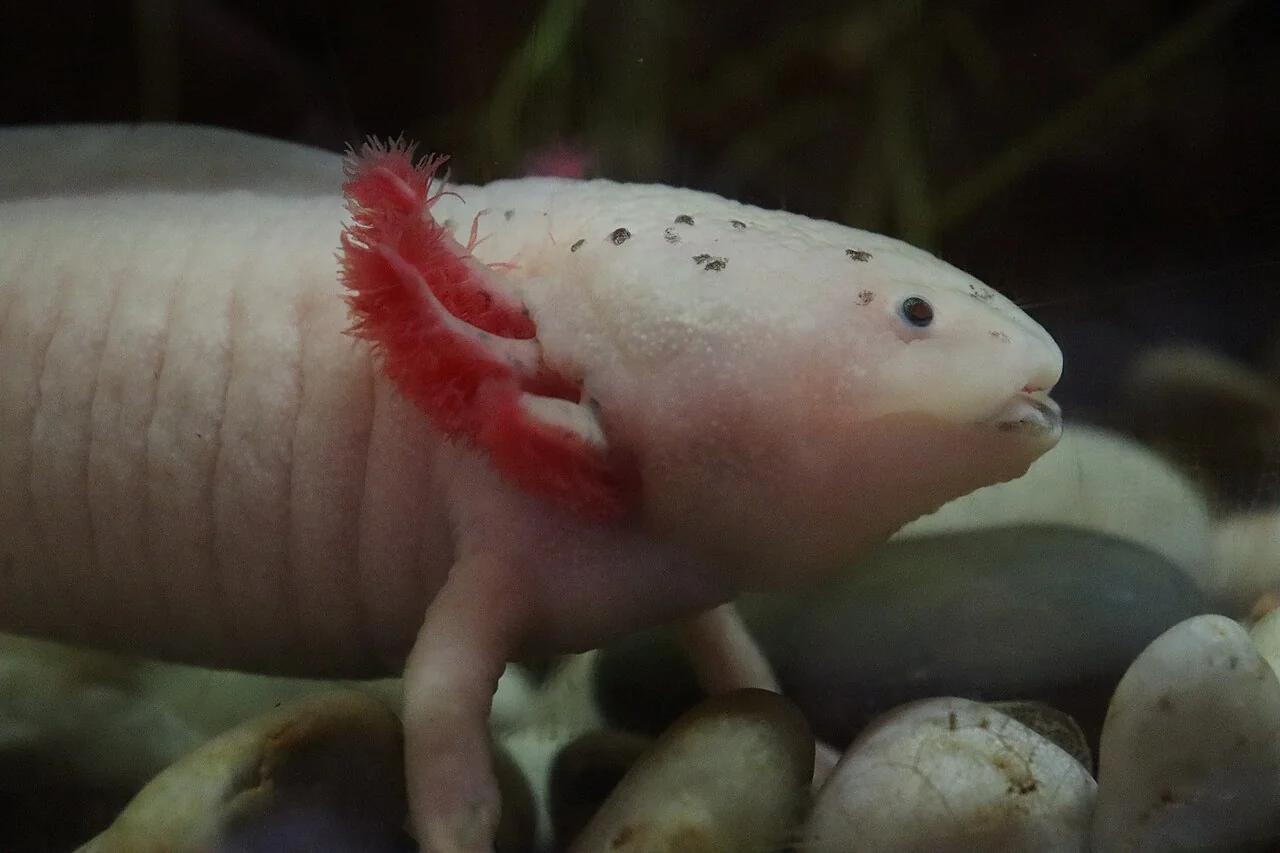
A salamander that grows up in water
Axolotls normally do not transform into land-dwelling salamanders. They grow, become reproductively mature and keep their external gills. This retention of juvenile features is called neoteny. A dry land area is therefore not part of the usual aquarium plan. The animal needs suitable water throughout its life and access to the surface.
Sources describe adults around 25 to 30 cm long and lifespans of about 15 years, sometimes longer. Young axolotls grow at different speeds and snap at moving objects. The breeding colony described in the Kentucky archive separates larger juveniles because they may injure smaller ones. Housing one animal avoids these conflicts and makes it easier to track its own meals and droppings.
Sources for this section
- Guide to Axolotl HusbandryUniversity of Kentucky, archive of Susan T. Duhon’s Indiana University axolotl colony guide
- Caring for axolotlsSPCA New Zealand
- Axolotl Care SheetAgave Veterinary Care
Floor space, shelter and slow water
An adult needs useful length and width, rather than water volume stacked in a tall vessel. A veterinary care sheet notes that roughly 75 litres is more stable than a very small tank. More floor area gives room for several hides and clear paths between them. Smooth caves, plants and securely placed large stones provide cover. Sharp edges can damage delicate skin.
Axolotls draw food into the mouth with a sudden suction movement, so small stones can be swallowed with a meal. A bare floor or stones far too large to swallow are straightforward choices. The filter must support water quality without blasting current across the gills; a baffled outlet can help. Fish are poor default companions: small ones may be eaten and larger ones may nip gills. A secure, ventilated lid helps prevent escapes.
Read more: Setting up a freshwater aquarium: tank, filter and water
Sources for this section
- How to look after axolotls and aquatic frogsOrnamental Aquatic Trade Association
- Axolotl Care SheetAgave Veterinary Care
- Guide to Axolotl HusbandryUniversity of Kentucky, archive of Susan T. Duhon’s Indiana University axolotl colony guide
Keep the water cool through summer
The husbandry guide published by the University of Kentucky describes axolotls kept at 15 to 18 °C and advises against temperatures above about 22 °C. Place a thermometer in the water where it gives a useful reading. Direct sun, warm equipment and a hot room can all change that reading quickly. Before summer, establish whether a cool room or a suitable aquarium chiller will hold a safe temperature reliably.
Lighting may mark a normal day and night, but should not heat the tank. Shaded retreats should remain available. Replacement water needs preparation so its temperature and properties are close to the aquarium water. An aquatic animal cannot step away from a sudden major change in the water around its entire body.
Sources for this section
- Guide to Axolotl HusbandryUniversity of Kentucky, archive of Susan T. Duhon’s Indiana University axolotl colony guide
- How to look after axolotls and aquatic frogsOrnamental Aquatic Trade Association
- Caring for axolotlsSPCA New Zealand
Give the filter time to develop
A new filter does not yet carry enough beneficial bacteria. They convert toxic ammonia from waste and uneaten food first into toxic nitrite, then into nitrate. Before the animal arrives, run the empty aquarium with an ammonia-based product made for maturing aquarium filters, following its instructions. Household cleaning ammonia may contain unsuitable additives and should not be used. The filter is ready when tests repeatedly show zero ammonia and nitrite while a relevant load continues.
Tap water may contain chlorine or chloramine, so use a conditioner suited to the local supply. Distilled or extremely soft water is unsuitable too. Test ammonia, nitrite, nitrate, pH, hardness and temperature. The historic husbandry guide gives a pH range of roughly 6.5 to 8; OATA describes medium to hard water, about 8 to 18 °dH, as a guide. Test the local tap water before choosing how to prepare it. During regular partial water changes, remove uneaten food and droppings. If filter media needs cleaning, rinse it gently in water removed from the aquarium, preserving its bacterial population.
Read more: Caring for an aquarium: watch the water, filter and fish
Sources for this section
- Guide to Axolotl HusbandryUniversity of Kentucky, archive of Susan T. Duhon’s Indiana University axolotl colony guide
- How to set up and look after a freshwater tankOrnamental Aquatic Trade Association
- How to look after axolotls and aquatic frogsOrnamental Aquatic Trade Association
- Housing for AmphibiansMerck Veterinary Manual
Feed for the animal’s size and age
Axolotls eat animal foods. Earthworms from a safe source and suitable sinking complete pellets can form a useful base for growing and adult animals. Prey must fit in the mouth and be swallowed whole. Remove leftovers before they break down in the water. Keeping fish in the tank, or using them casually as feed, adds risks of injury and disease transmission.
In the breeding colony described by the Kentucky archive, newly hatched larvae receive freshly hatched brine shrimp daily. Appropriate pellets and other foods are introduced as they grow. Adults feed less often: the historic guide describes three or four meals a week, while SPCA New Zealand suggests every other day. Growth, body condition and water measurements help show whether the amount and routine suit the animal. If a familiar animal suddenly refuses food, check temperature and water tests first and seek veterinary advice if the change persists.
Sources for this section
- Guide to Axolotl HusbandryUniversity of Kentucky, archive of Susan T. Duhon’s Indiana University axolotl colony guide
- Caring for axolotlsSPCA New Zealand
- How to look after axolotls and aquatic frogsOrnamental Aquatic Trade Association
- Axolotl Care SheetAgave Veterinary Care
Spot changes and seek help
A quick daily look at appetite, skin, gills, movement and body shape helps establish what is usual. An axolotl may rest still on the floor for long periods. Newly uncontrolled floating, white cottony patches, wounds, swelling or a sustained loss of appetite deserve assessment. Record temperature, ammonia, nitrite and recent water changes at the same time. Marked weakness or breathing difficulty needs immediate veterinary help.
Handling is best reserved for essential moves because the skin and gills are easily injured. A veterinarian familiar with aquatic amphibians can advise on transport and unusual signs. Fish medicines or salt treatments should not be tried without a diagnosis. Dated photos and water records give the clinician a clearer history than a single description of the tank.
Sources for this section
- Caring for axolotlsSPCA New Zealand
- How to look after axolotls and aquatic frogsOrnamental Aquatic Trade Association
- Housing for AmphibiansMerck Veterinary Manual
- Guide to Axolotl HusbandryUniversity of Kentucky, archive of Susan T. Duhon’s Indiana University axolotl colony guide
Common questions
Does an axolotl need a land area?
No. Adults retain external gills and remain aquatic. Suitable water, a secure lid and access to the surface matter more than a land platform.
Can axolotls live with fish?
A species-only aquarium is more dependable. Small fish may be eaten, while larger fish can damage the gills and introduce pathogens.
When is a new aquarium ready?
After maturation, when testing repeatedly shows zero ammonia and zero nitrite under a continuing appropriate load. Waiting a set number of days does not prove that the filter is ready.
A closer look
Sources and photo credit
- Guide to Axolotl HusbandryUniversity of Kentucky, archive of Susan T. Duhon’s Indiana University axolotl colony guide
- Caring for axolotlsSPCA New Zealand
- How to look after axolotls and aquatic frogsOrnamental Aquatic Trade Association
- How to set up and look after a freshwater tankOrnamental Aquatic Trade Association
- Housing for AmphibiansMerck Veterinary Manual
- Axolotl Care SheetAgave Veterinary Care
Photo: Ambystoma mexicanum.101 - Aquarium Finisterrae.jpg · Fernando Losada Rodríguez · CC BY-SA 4.0. Resized and converted to WebP; scene unchanged.

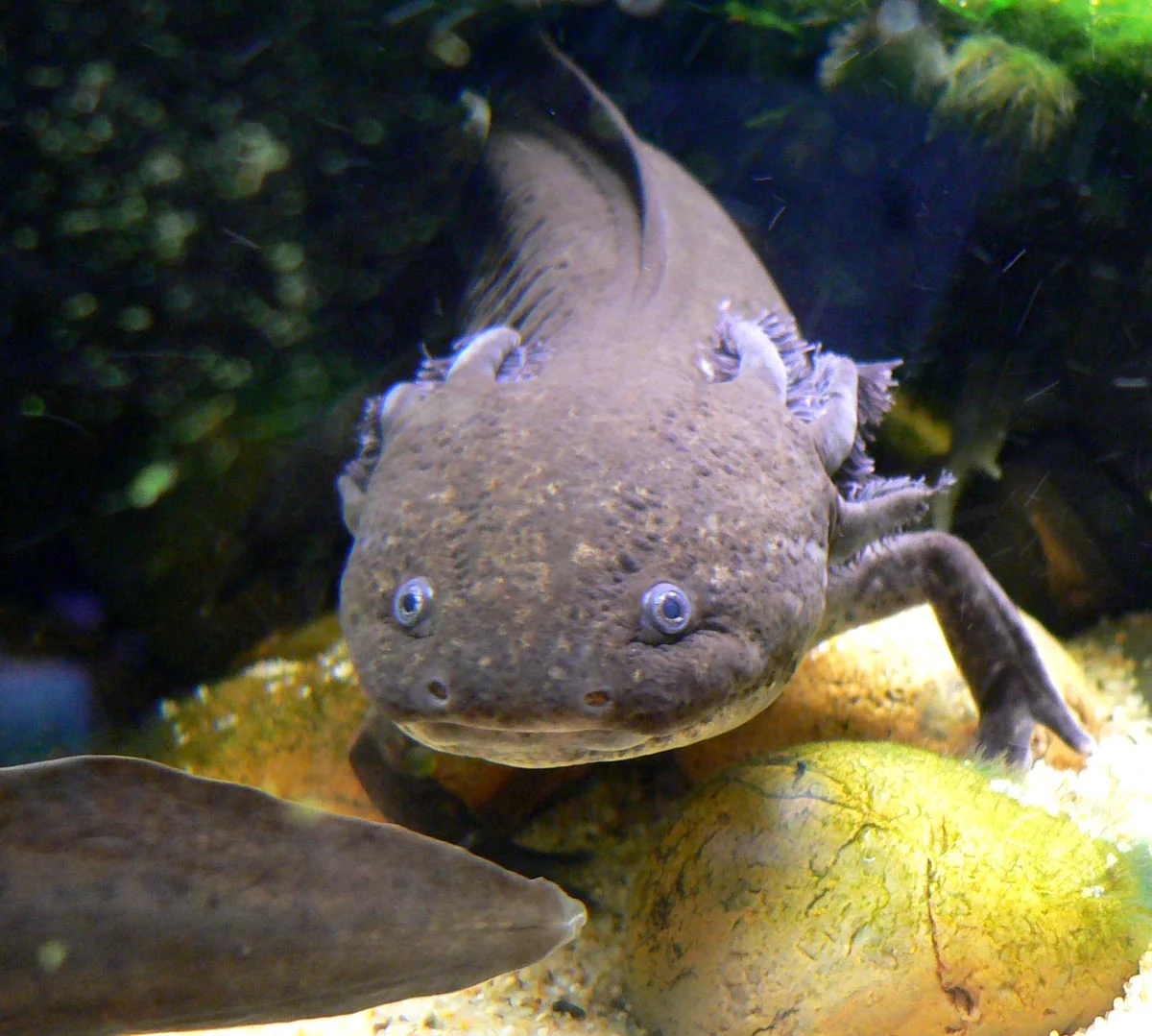
Photo: Ambystoma mexicanum 1.jpg · Stan Shebs · CC BY-SA 3.0. Resized and converted to WebP; scene unchanged.

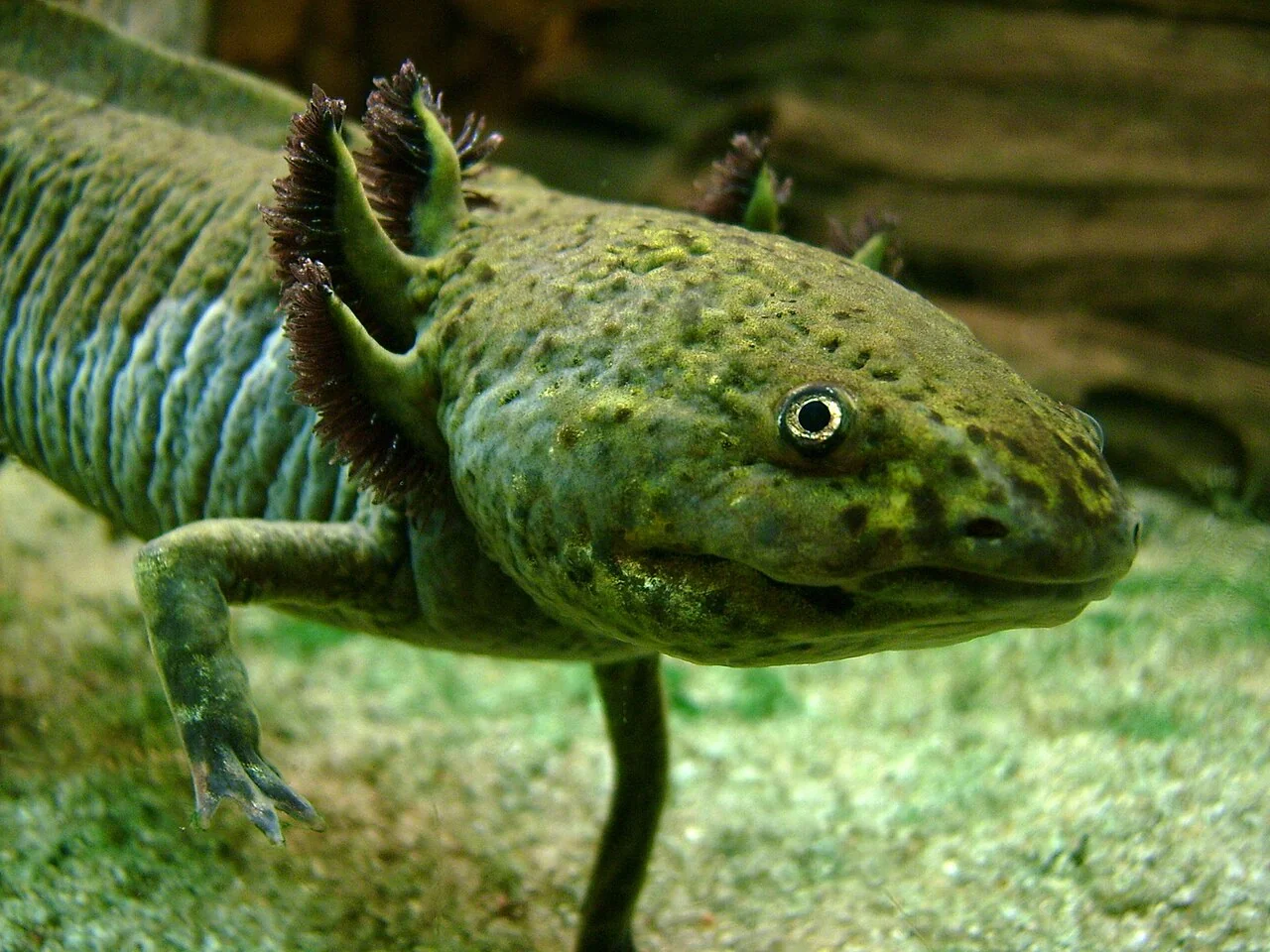
Photo: Axolotl Portrait.jpg · LoKiLeCh · CC BY-SA 3.0. Resized and converted to WebP; scene unchanged.

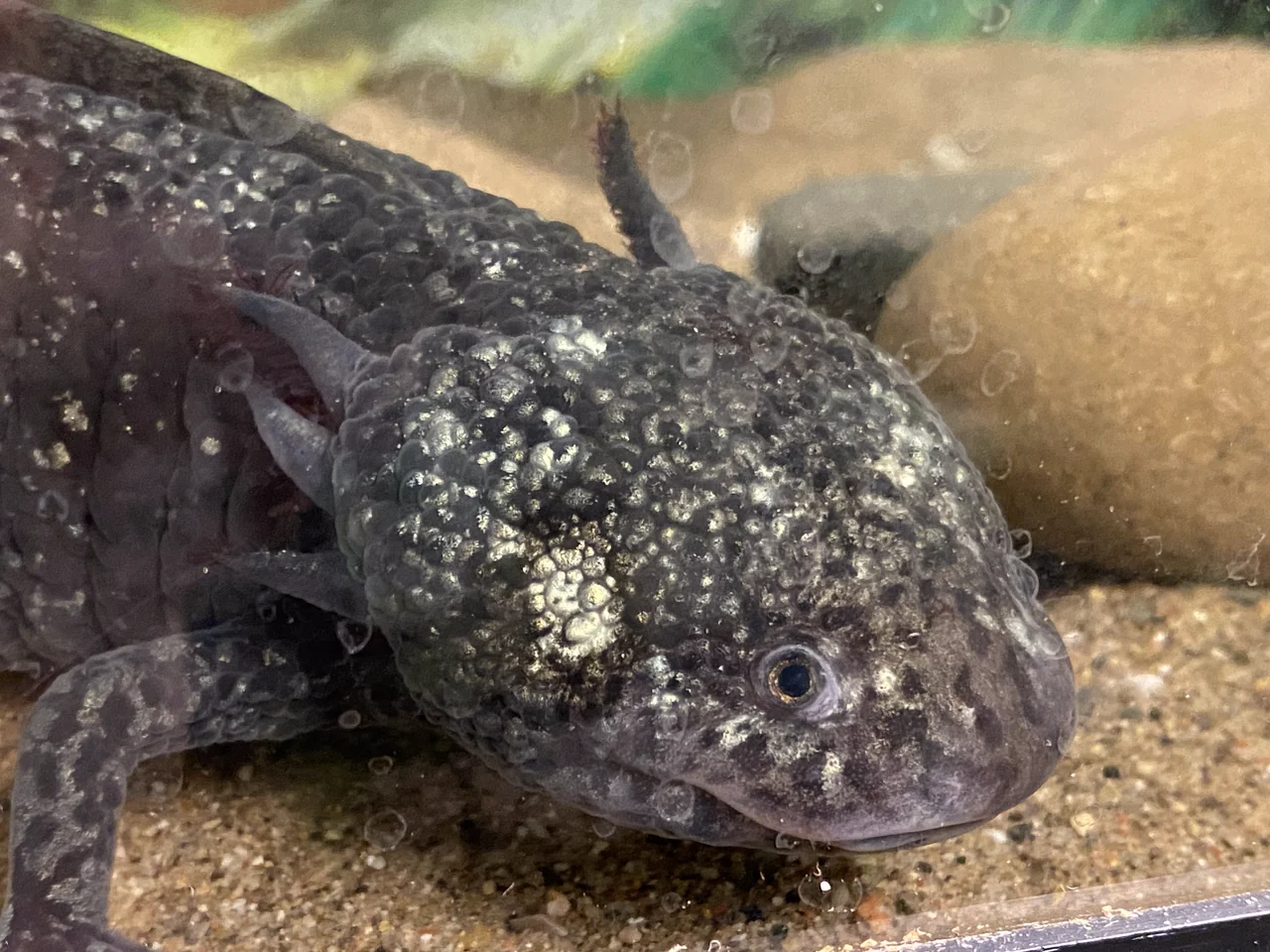
Photo: Female Axolotl.png · Zhagen2024 · CC BY-SA 4.0. Resized and converted to WebP; scene unchanged.
