fellfolio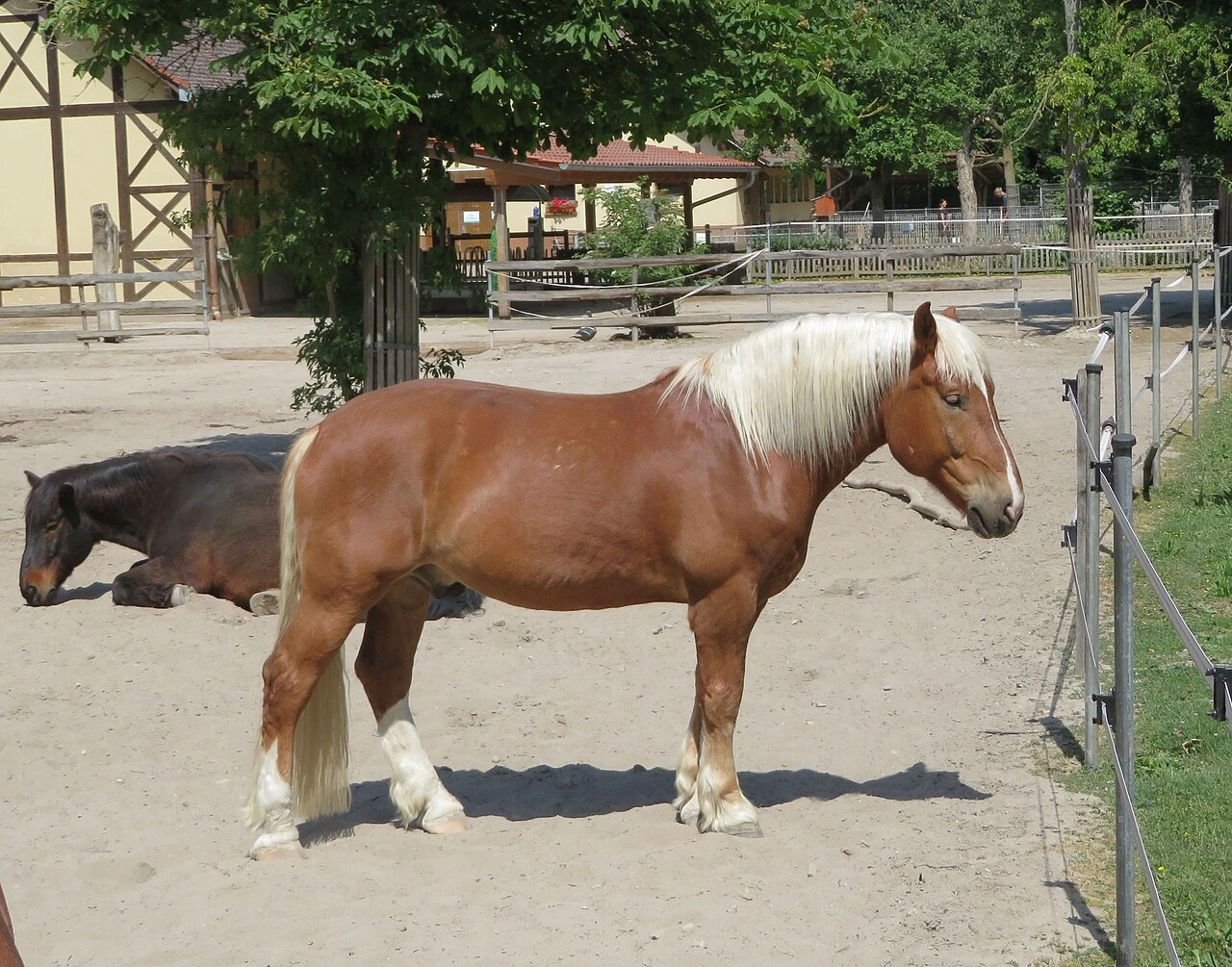
From Bavaria and the neighbouring Alpine region
The breeding programme identifies Bavaria and Austria as the breed’s areas of origin. The South German Coldblood belongs to the substantial horse types developed for pulling work. The German term Kaltblut describes this draught type and its breeding background.
Today, the association names driving and both light and heavy pulling work among its central uses. Suitability for riding is also a breeding aim. Anyone choosing a leisure horse should ask about its actual experience. A horse accustomed to a wagon has learned different tasks from one ridden regularly on trails.
A substantial build and ground covering movement
The breeding programme gives an approximate target height of 160 to 167 centimetres. This is measured at the withers, the highest part of the back behind the neck. A strong body, developed muscles and sound limbs form part of the desired type. Individual horses may differ in size and build.
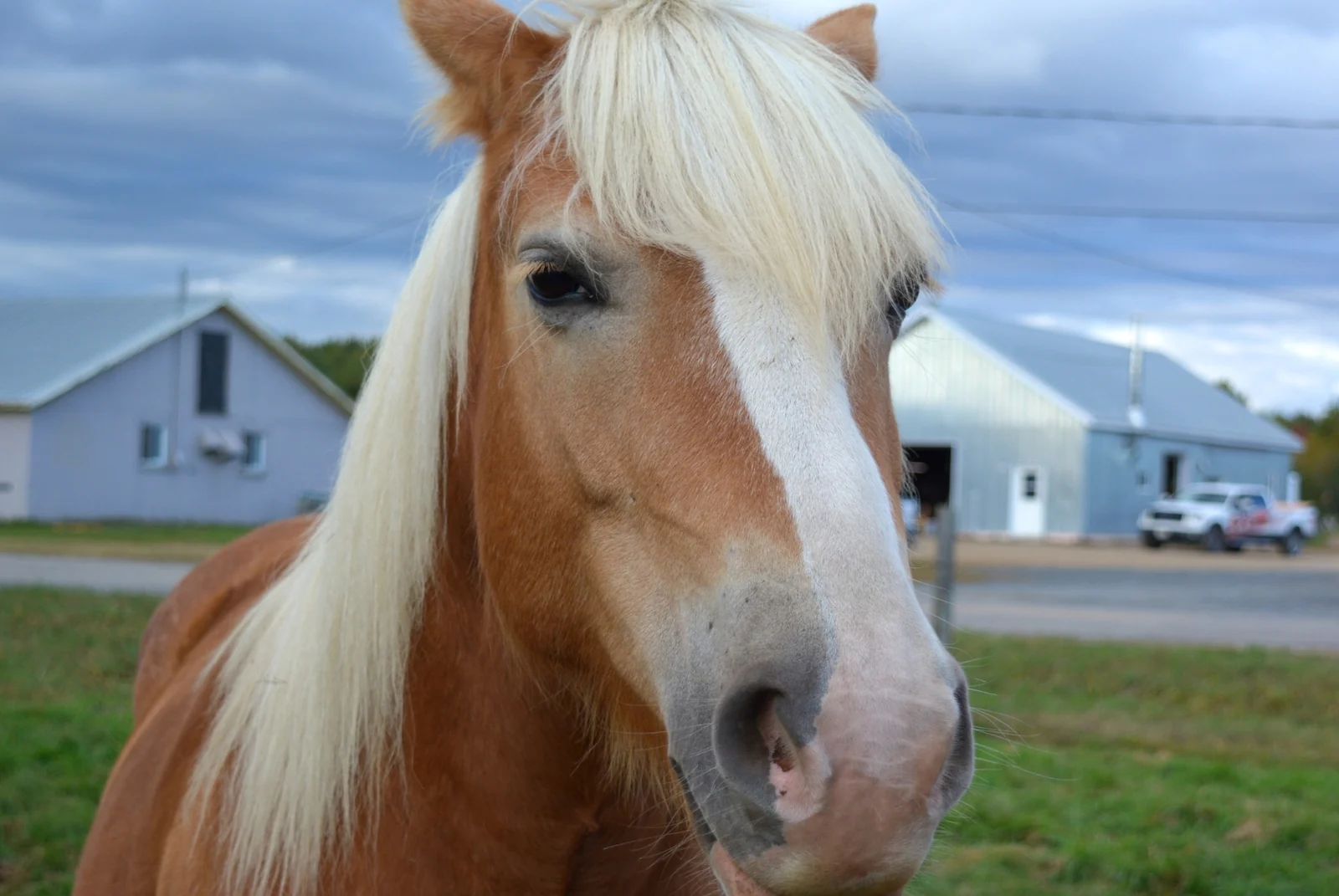
Chestnut horses with pale manes and tails, and bay horses, are common. Other colours include black, grey and spotted coats. An even walk and active trot are particularly valued in breeding. For your own horse, it is also worth observing how comfortably it moves on the surfaces it will use, alongside the quality of its movement.
Clear cues support good everyday handling
An agreeable, balanced temperament is part of the breeding aim. In daily handling, a horse should have learned to respond to clear cues and move calmly alongside a person. Those foundations are especially valuable with a powerful horse. Willing cooperation develops through patient education.
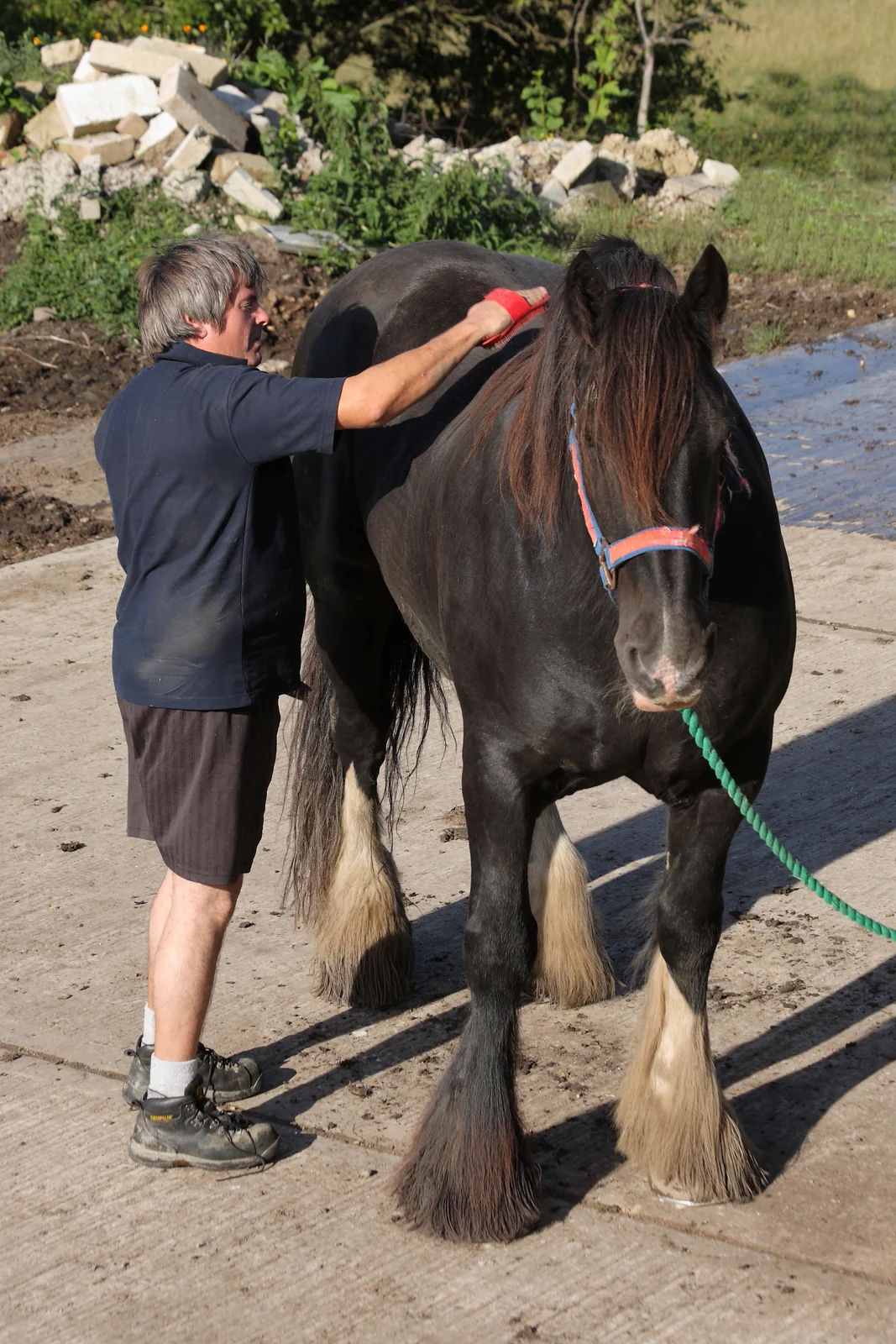
If a horse repeatedly pulls away while being led or becomes restless during care, experienced help can make a difference. The situation, its learning history and possible discomfort should be examined. Exercises can often be simplified into smaller steps. A well timed reward supports the response being taught without turning handling into a contest of strength.
Driving needs experience from horse and handler
Before working with a carriage, horse and driver need to learn a range of skills. The horse must become familiar with harness, pulling, stopping and signals through the driving reins. These long reins connect the driver to the horse. Preparation and the first stages of putting the horse to a vehicle should be supervised by an experienced professional.
Harness, carriage and the route must suit the horse and its education. Ridden work also depends on the horse’s own experience, fitness and equipment. Strength cannot make an unfit horse ready for a long outing or make an unsuitable saddle comfortable. New demands should be introduced gradually so the horse can keep up physically and understand what is being asked.
A home designed for a large, strong horse
Resting areas, doors and passageways should allow the horse to turn, lie down and rise comfortably. Group housing needs enough room for horses to avoid conflict and reach food and water calmly. Compatible equine company and daily free movement are essential parts of care.
During a yard visit, it is useful to discuss winter arrangements, illness and care during the owner’s absence. Dry resting areas, secure footing and dependable feeding matter alongside riding facilities. With a large horse, suitable transport and access to veterinary help are also worth checking before the move.
Additional feed should meet a real need
Hay and grass form the basis of the diet. Concentrates, such as grain or energy rich feed mixes, should be chosen for work, body condition and forage quality. A horse doing regular heavy pulling work has different requirements from one mainly turned out with occasional rides. The ration should reflect that daily life.
Draught types can gain excess body fat on rich feeding. Regular weighing or monitoring with a weight tape should be combined with feeling the body. Assessing the ribs, neck and hindquarters helps reveal changes that a substantial build and coat might conceal. If the horse is overweight, qualified advice can help adapt the feeding plan.
Understanding PSSM1
PSSM1 is an inherited muscle condition that can occur in South German Coldbloods. The name stands for polysaccharide storage myopathy type 1. It involves abnormal accumulation of glycogen, a stored form of sugar, in muscle cells. Affected horses may develop stiffness, muscle pain, sweating or marked reluctance to move. The severity can vary.
A genetic test can detect the known PSSM1 variant. Existing results and the horse’s health history should be discussed with a vet before purchase. A negative result does not exclude other causes of muscle problems. A horse showing symptoms needs veterinary assessment. When PSSM1 is confirmed, feeding and exercise should be planned for that individual.
Keep feet and health records under review
Daily care should include checking hooves, legs, skin and movement. Cleaning the feet helps reveal trapped debris and changes to the hooves. A qualified professional should assess trimming or shoeing for the individual horse and its work. Clean dry standing areas help protect hoof health.
Health records, dental care and preventive arrangements should be discussed before the horse moves home. An independent examination before purchase helps assess health in relation to the intended work. Our first horse guide covers preparation, while the cost planner helps gather livery, hoof care, training and provision for veterinary treatment into one budget.
Common questions
Can a South German Coldblood be ridden?
A suitably trained horse with the physical ability for the work can be ridden. Riding suitability is part of the breeding aim, although driving and pulling are central uses. Training, fitness, saddle fit and the rider’s needs should be assessed together.
Are all South German Coldbloods especially calm?
Breeding aims for an agreeable, balanced temperament. An individual horse’s reactions also reflect its experience, education, health and the situation. Several visits help you become familiar with its usual routines and responses.
What does a positive PSSM1 test mean?
The test detects the known inherited variant. The severity of symptoms can differ. A vet should interpret the result and advise on an appropriate feeding and exercise plan. General diet tips are unsuitable as a substitute for that horse’s clinical management.
A closer look
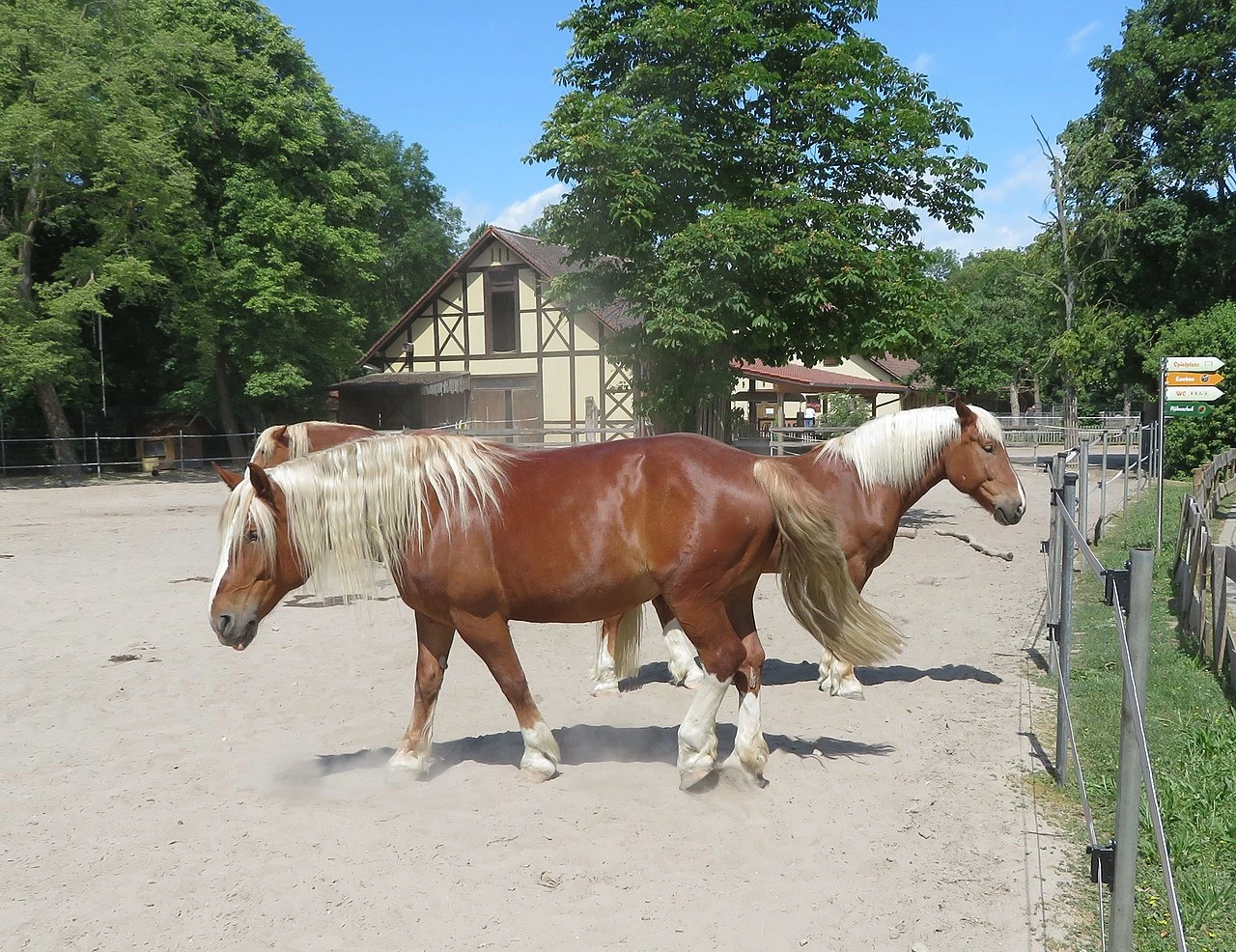
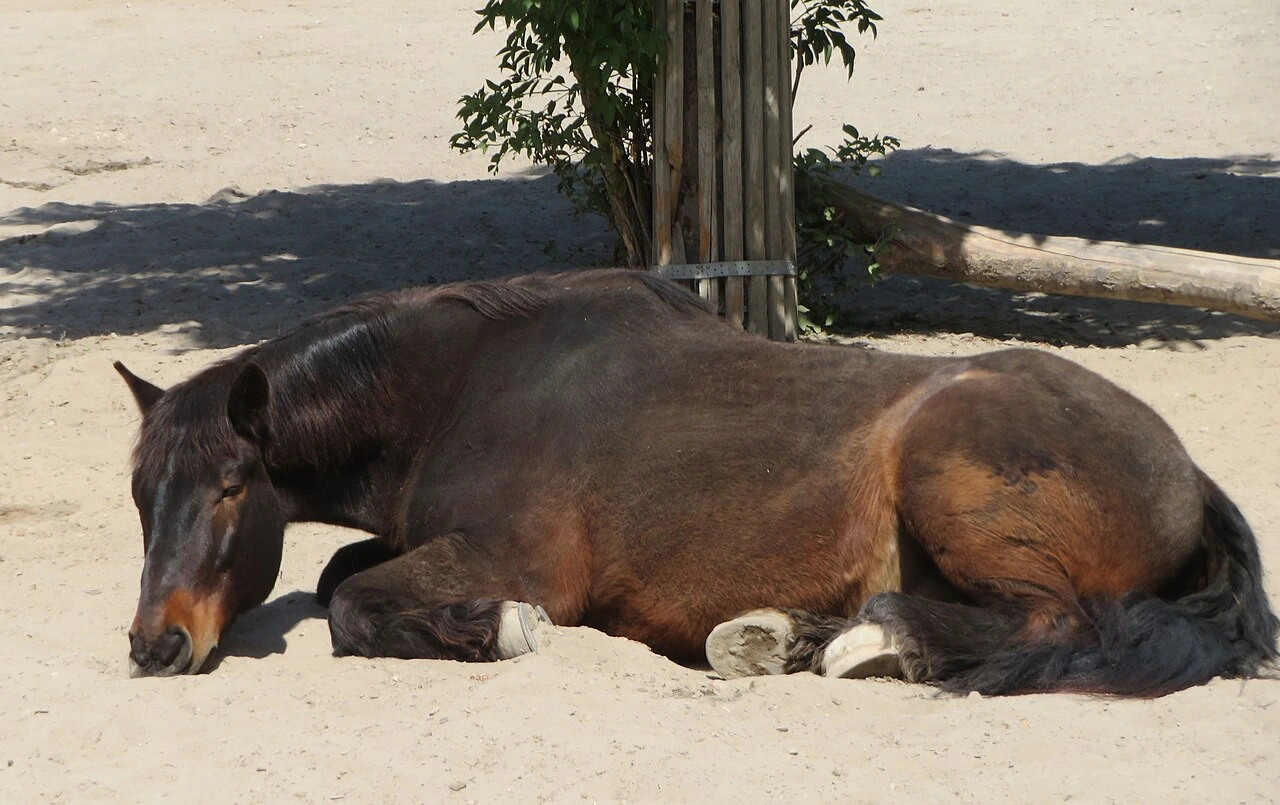
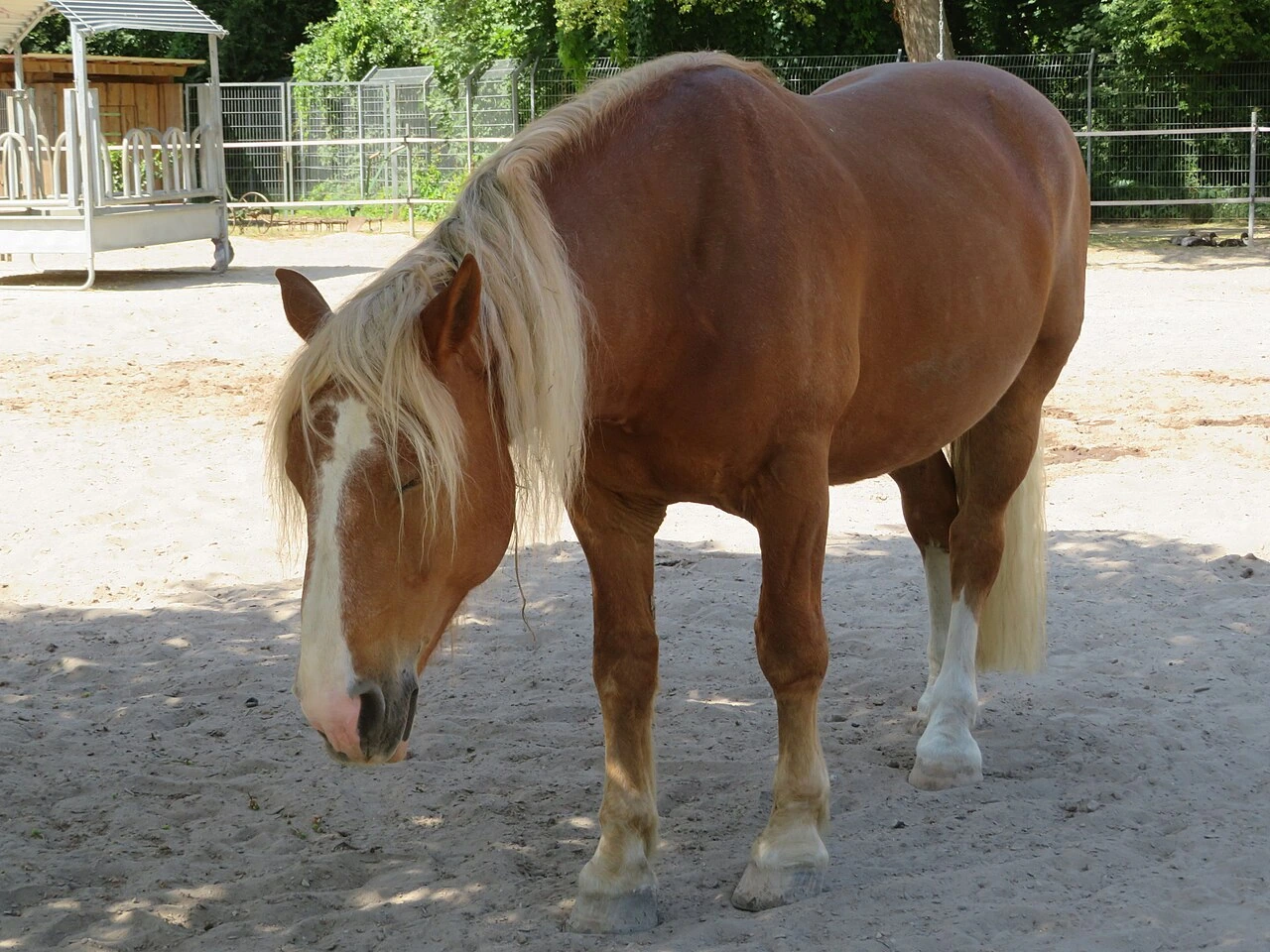
Sources and photo credit
- Zuchtprogramm für die Rasse Süddeutsches Kaltblut, Stand 03.12.2025Landesverband Bayerischer PferdezüchterFrom Bavaria and the neighbouring Alpine region · A substantial build and ground covering movement · Clear cues support good everyday handling · Driving needs experience from horse and handler · Understanding PSSM1
- Polysaccharide Storage Myopathy (PSSM1)University of California, Davis, Veterinary Genetics LaboratoryUnderstanding PSSM1
- Polysaccharide Storage Myopathy (PSSM)University of California, Davis, Center for Equine HealthUnderstanding PSSM1
- Where to keep your horseBritish Horse SocietyA home designed for a large, strong horse
- Horse health essentialsWorld Horse WelfareA substantial build and ground covering movement · Clear cues support good everyday handling · Driving needs experience from horse and handler · Keep feet and health records under review
- Training: how do horses learn?World Horse WelfareClear cues support good everyday handling · Driving needs experience from horse and handler
- Guide to buying a horse: questions to ask and moreBritish Horse SocietyA home designed for a large, strong horse · Keep feet and health records under review
- Feeding horsesBritish Horse SocietyAdditional feed should meet a real need
- Fat scoring horsesBritish Horse SocietyAdditional feed should meet a real need
- Essential care for your horse’s hoovesBritish Horse SocietyKeep feet and health records under review
Photo credits
Photo: Süddeutsches Kaltblut 3.jpg · Sciencia58 · CC BY-SA 4.0. Image format adapted.
Photo: Süddeutsches Kaltblut 1.jpg · Sciencia58 · CC BY-SA 4.0. Image format adapted.
Photo: Süddeutsches Kaltblut - dunkelbraun.jpg · Sciencia58 · CC BY-SA 4.0. Image format adapted.
Photo: A sleeping horse 1.JPG · Sciencia58 · CC BY-SA 4.0. Image format adapted.