fellfolio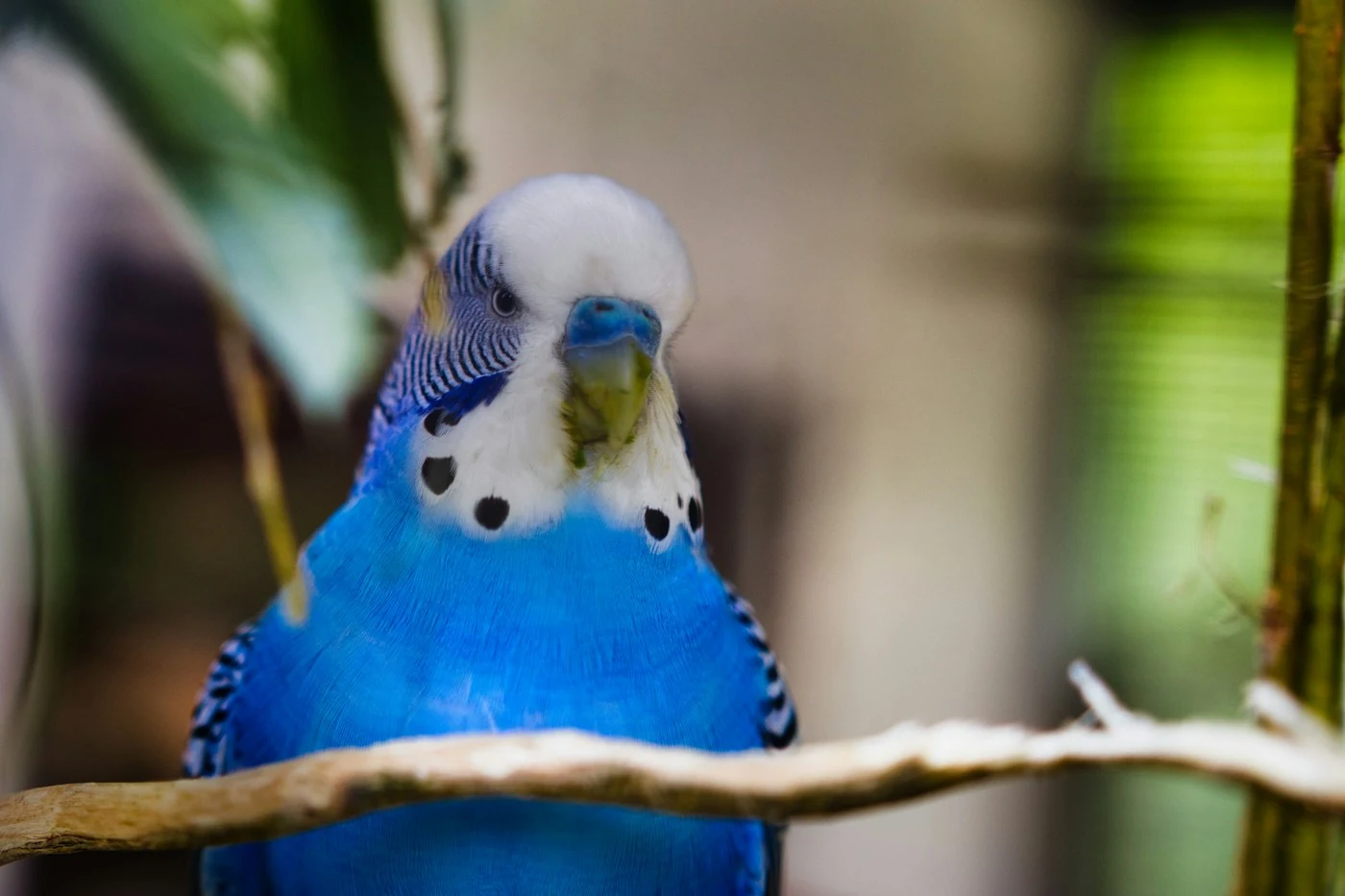
Let flock relationships develop
Budgies maintain contact through calls, choose particular companions and spend time preening one another. An established pair or harmonious group should stay together when moving home. A mirror cannot provide the relationship another bird offers.
New arrivals should be assessed by an avian vet before joining resident birds. The practice can advise on tests and an appropriate period of separate accommodation. Gradual introductions can follow once health arrangements are clear. Several feeding places and unobstructed escape routes make initial meetings easier. Companionship remains important for a tame bird that already enjoys stepping onto a hand.
Make the aviary a useful base
The German Animal Welfare Federation recommends an aviary at least two metres long, one metre wide and two metres high for two to six budgies, with daily flight outside it. A long clear flying route matters. A narrow, tall structure filled with perches offers little opportunity for that movement.
Natural branches of varying diameters allow different foot positions. Their placement should avoid droppings repeatedly landing in food and water. A few accessible landing sites outside the aviary give the room a structure: a secure branch near the entrance and another across the room, for example, with an open route between them.
A bright, quiet location outside the kitchen works well. The birds should be able to look into the room and retreat to a more sheltered area. Evenings need a predictable quiet sleeping period without repeated disturbance from bright lights or television.
Prepare the room before opening the door
Windows and external doors should be closed or protected by a genuinely bird-safe construction. Large glass surfaces and mirrors can initially be covered so they do not look like open flight paths. Fans must be stationary, and open vases, toilets and other deep water containers inaccessible.
Cats and dogs should be elsewhere during flight time. Even familiar pets can injure a bird with a quick paw movement. Clear household arrangements help: anyone entering knows that birds are loose. A visible door notice can prevent misunderstandings when visitors or substitute carers arrive.
Kitchens are unsuitable bird rooms. Overheated non-stick coatings can release invisible fumes that rapidly kill birds. Smoke and aerosol sprays should also be kept out of their air.
Look beyond a full-looking bowl
A seed-only diet can leave nutritional gaps. An avian practice can help plan an appropriate combination of formulated food, vegetables and other suitable ingredients. An overweight bird or one with an existing illness needs advice that takes its individual condition into account.
Changes take patience. Familiar food should not be abruptly withdrawn to force acceptance of something new. What matters is whether the bird actually eats the replacement and maintains its weight. Seed husks can make a bowl appear full when little edible food remains, so a daily check is useful.
Fresh water and clean bowls belong in the daily routine. Suitable vegetables can be offered in manageable pieces at familiar feeding sites. Moist leftovers should be removed before they spoil. A simple record of what the flock accepts can help a carer continue the same feeding routine.
Use curiosity to build familiarity
A branch to chew, suitable food placed somewhere new or a shallow bathing dish can add interest. New objects should be introduced with enough room for the birds to investigate from a distance first. A branch beside a familiar landing site may be easier to approach than one suddenly occupying a favourite sleeping area.
A small food reward can support contact with people. A still hand allows the bird to choose whether to approach. Learning to step voluntarily onto an offered perch or finger can also make necessary transfers easier later. Birds do not need solitary housing to become comfortable with people.
Make time to notice each bird
Feeding offers an opportunity to check that everyone joins in, flies and interacts as usual. Persistent fluffed feathers, reduced appetite, changed droppings or withdrawal need assessment by an avian vet. Breathing difficulty, including marked effort or an open beak, requires urgent help.
A suitable carrier and the practice’s contact details should already be available. Names or clear photographs help a substitute carer identify which bird has changed. A brief note such as “Lio stayed on the upper perch alone during feeding” gives a later veterinary conversation more useful detail than a general impression that the flock seemed quiet.
Common questions
Do tame budgies still need daily flight?
Yes. Being comfortable with people does not change their need for movement. A safe flying space should be regularly available whether or not they step onto a hand.
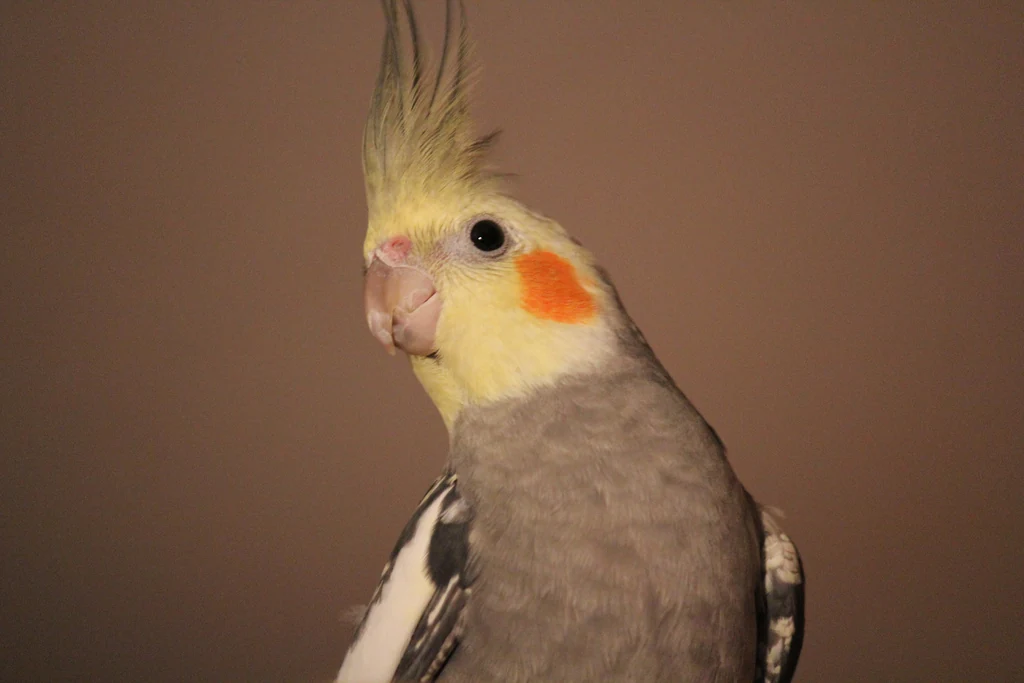
Can budgies share with cockatiels?
A group of the same species is a more straightforward starting point. The two species have different needs and may harass each other. Mixed housing requires substantial space, close observation and knowledgeable planning.
Sources and photo credit
- Wellensittiche als HeimtiereDeutscher Tierschutzbund
- Wellensittiche: HaltungZürcher Tierschutz
- Feeding budgiesVCA Animal Hospitals
- Creating a good home for pet birdsRSPCA
- Household hazards for pet birdsMerck Veterinary Manual
- Disorders affecting multiple body systems of pet birdsMerck Veterinary Manual
- Illness in pet birdsMerck Veterinary Manual
Photo: A blue budgie bird sits on a branch · paws and prints · Unsplash License. Existing verified Fellfolio photograph converted to WebP. The layout may crop the image.