fellfolio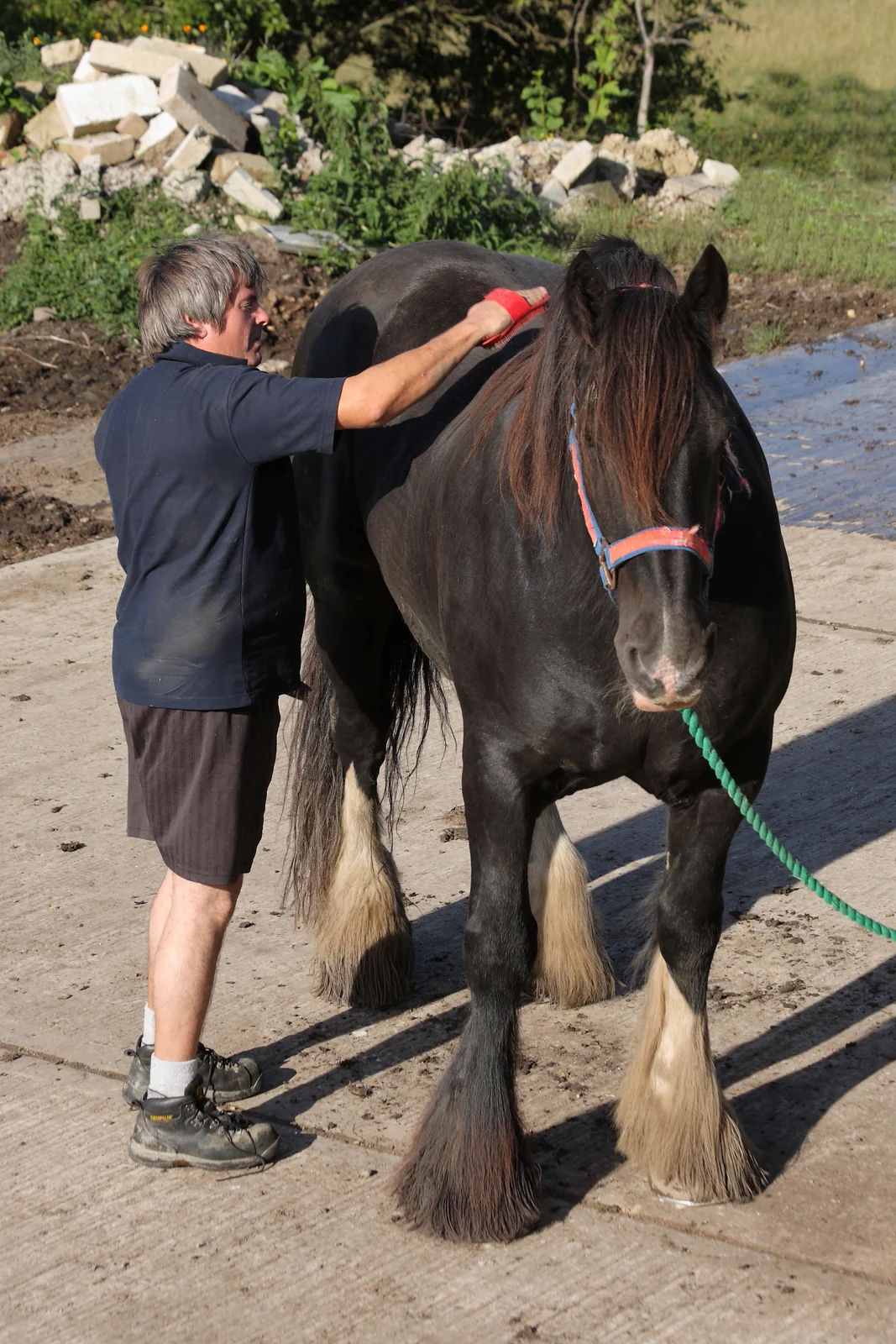
Begin before you pick up a brush
Watching from a short distance can show whether a horse is alert, standing normally and moving as expected. When bringing it in, notice whether it walks willingly or changes how it bears weight. One unusual response does not identify a cause. Several changes together deserve particular attention and, where appropriate, veterinary assessment.
Food and water checks are part of the same routine. Knowing what was offered makes leftovers meaningful. In a group, however, an empty feeding area does not tell you which horse ate. Each individual needs to be observed. Useful handover information describes normal habits rather than simply calling a horse “quiet” or “greedy”; explain, for instance, how it normally responds when its morning feed arrives.
Care for coat and skin comfortably
Grooming provides a chance to look over the body and gently feel for changes. Clean equipment and a calm, secure standing area make the process easier. Dirt beneath the saddle and girth should be removed before tacking up to reduce rubbing. A matted patch or a small wound needs a closer look before vigorous brushing across it.
A new reaction to touch is worth recording. Where was the sensitive area? Was the skin visibly different? Did the horse react without any equipment in place? These details are more useful than increasing pressure when the horse moves away. Regular care builds familiarity with what is normal for the individual while allowing the routine to remain comfortable and responsive.
Check feet alongside professional hoof care
Picking out the feet can reveal trapped stones, changes in the sole or frog and unusual smells. The frog is the wedge-shaped, more elastic structure underneath the hoof. Anyone still learning to lift and clean feet safely should be shown by an experienced professional using their own horse. A calm horse and a non-slip standing surface make the task easier.
Comparing the legs can reveal new swelling, heat or altered weight-bearing. These observations should be passed to the appropriate carer or professional. Marked, painful lameness needs prompt veterinary attention. Unshod horses still require regular professional hoof care. The interval depends on hoof growth, use and condition and should be agreed with the person responsible for maintaining the feet.
Review equipment and the conditions
After exercise, check areas beneath the saddle, girth and any boots. Rubbing, pressure marks or unusual sensitivity warrant a review of fit and use. If a problem recurs, dated photographs and a record of the equipment used can help the relevant professional understand the pattern. A sequence of observations is easier to interpret than a distant recollection of something similar happening before.
Conditions during the rest of the day matter too. Wet resting areas, inaccessible water or a displaced rug may require action. Rugs should suit the individual horse and weather, with regular checks of fit and the skin underneath. Agree who decides on changes when the weather shifts so several well-intentioned people do not make conflicting adjustments independently.
Recognise when a call is needed
Colic means abdominal pain and can have many causes. Repeated pawing, looking at the flank, unexplained sweating, repeated lying down or rolling, reduced eating and fewer droppings are possible warning signs. A vet or emergency service should be contacted immediately when these occur. A horse that is unusually quiet or dull may also be seriously unwell.
Useful information includes when the change began, what has been observed, the last feed and relevant medical history. The veterinary team should advise what to do while help is arranged. Keeping the yard address, responsible contact and transport options readily available prevents avoidable delay. After treatment, the handover should contain the actual veterinary instructions and identify who will carry them out.
Common questions
Does every horse need a full groom every day?
The amount of grooming depends on coat, housing and use. Daily observation remains important, while the grooming itself can be adapted. Areas beneath riding equipment should be clean before it is put on.
What makes a useful record of a minor change?
A dated photograph, the precise location and a short behavioural note can help. Taking comparison pictures from a similar distance makes changes easier to see. Records do not replace an examination when a horse has symptoms.
Sources and photo credit
- Where to keep your horseBritish Horse Society
- Owning a horseBritish Horse Society
- Colic in horsesBritish Horse Society
- Essential care for your horse’s hoovesBritish Horse Society
- Preventing colic in horsesBritish Horse Society
- Stage 1 Care syllabusBritish Horse Society
- Types of rugs and rugging a horseBritish Horse Society
Photo: Horse grooming · Phil Sangwell · CC BY 2.0. Resized and converted to WebP; scene unchanged.