fellfolio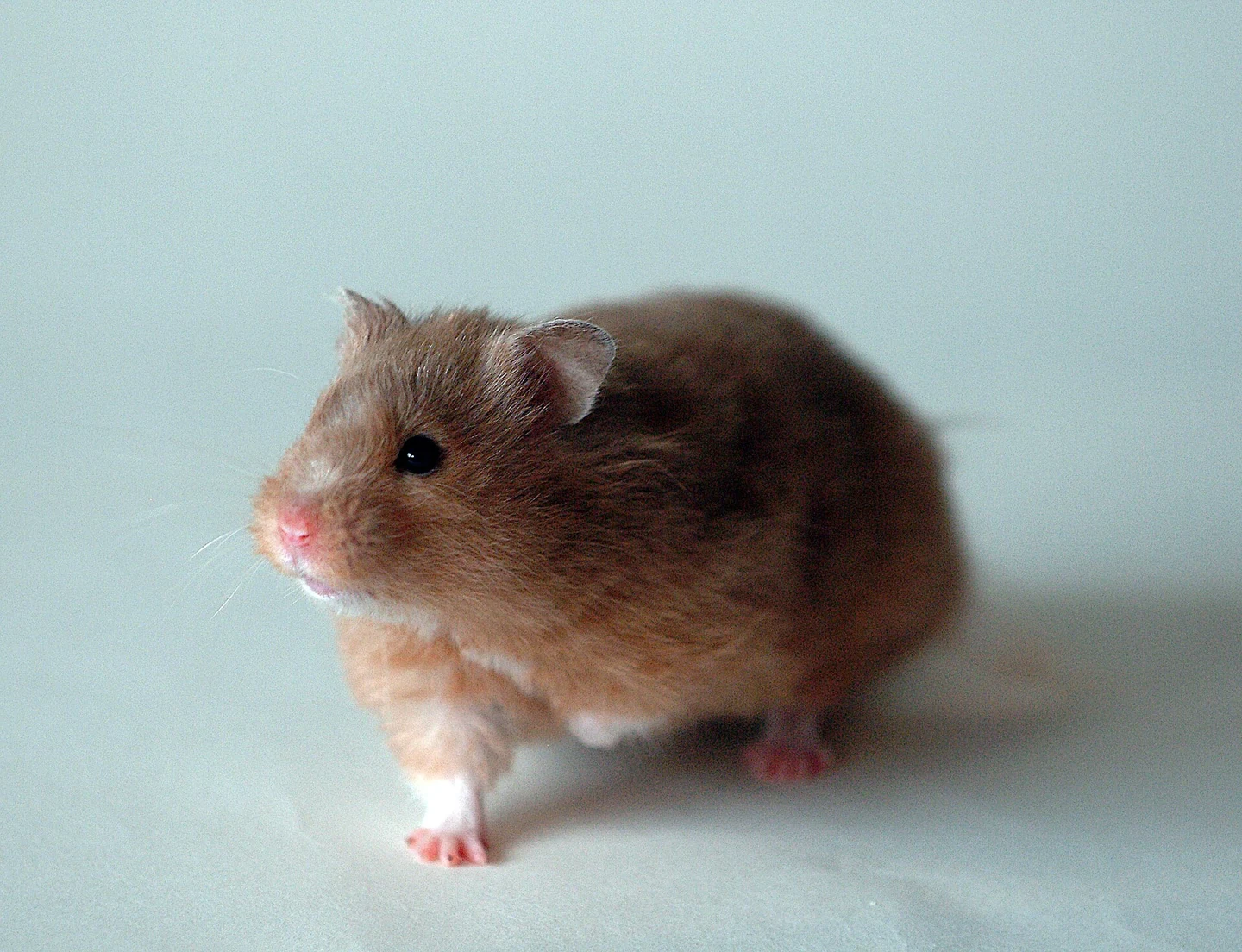
Does a hamster fit your routine?
Syrian hamsters are mainly active at night. A child hoping to play with a pet after school may therefore spend that time looking at a sleeping hamster’s house. Adults who enjoy watching animals in the evening may find the rhythm suits them well. A bedroom is often an inconvenient location because of the noise of digging and running.
Keeping an adult Syrian hamster alone meets its social needs. Adding another hamster can cause serious fighting. Even a very large enclosure does not make routine group housing appropriate. The initial shopping and space plan should therefore provide a complete home for one animal.
Make room for the underground home
The German Animal Welfare Federation recommends at least one square metre of floor space, an enclosure height of 70 centimetres and at least 30 centimetres of bedding for Syrian hamsters. These are useful planning benchmarks. A continuous, well-ventilated burrowing area offers more practical scope than a collection of small cages joined by tubes.
Deep bedding allows connected tunnels. Heavy items, such as a ceramic house or sand bath, should rest on a stable support rather than loose substrate. Otherwise a hamster may dig underneath and cause them to fall. A multi-chamber shelter provides separate retreat areas, with entrances wide enough for an animal carrying food in its cheek pouches.
Soft, plain paper can be used as nesting material. Fluffy “hamster wool” should be avoided because long fibres can wind around limbs. Secure ventilation, an escape-proof lid and a dry location complete the basic setup.
Choose the wheel by how the hamster runs
A wheel should have a solid running surface and be large enough for the hamster to run without arching its back. A generously sized model is sensible for a Syrian hamster; watching the animal use it is the practical check. The wheel should be stable, turn freely and have no accessible trapping points.
It supplements the enclosure rather than replacing floor space or burrowing opportunities. Scattering familiar food in accessible places encourages searching. A cardboard tunnel, an extra shelter or a small change above the bedding can create something to investigate without repeatedly destroying the entire burrow.
Enclosed exercise balls are unsuitable. A hamster inside cannot choose to get out or retreat to a shelter. A secure exercise area should instead offer hiding places, reliable boundaries and continuous supervision.
Allow searching, but check stored food
Syrian hamsters are omnivores. Their main food should be formulated to meet their nutritional needs; a generic small-animal mixture is not automatically appropriate. Small portions of suitable vegetables can add variety. Fresh drinking water should always be accessible.
Hamsters carry food in cheek pouches and build stores. An empty bowl does not prove that the contents have been eaten. Cleaning should remove perishable food from a store while preserving clean, dry supplies where practical. This keeps an eye on hygiene without unnecessarily removing everything familiar.
A food-searching activity can begin with a few pieces of the usual food placed visibly in two locations. Further locations can be added once the hamster finds them. More interesting feeding does not require a larger total portion.
Build confidence without chasing
An awake hamster can first become familiar with a quiet voice and a still hand. If it moves away, it should have space to do so. Approaching a person is easier to learn when it does not always lead to being restrained.
For a short move within the room, a familiar cup or small carrier that the hamster enters voluntarily can be useful. Its opening should be secured before lifting. Pulling an animal out of its nest or carrying it high above the floor risks distress or injury. A veterinary professional can demonstrate safe handling for a necessary examination.
Make the evening check informative
Evening care provides a chance to check water flow, eating, droppings and movement. Noisy breathing, diarrhoea, an injury or a marked drop in normal activity needs prompt veterinary attention. Hamsters can deteriorate quickly when ill.
A holiday handover should explain when this particular hamster usually wakes and how the enclosure is arranged. Someone who cannot immediately see the animal needs to know its normal sleeping place and how to check without unnecessary disturbance. The vet’s details, carrier and relevant medical history should also be available.
Common questions
Is a hamster an easy pet for a child?
Its night-time activity and need for careful handling rarely match the idea of an afternoon playmate. Adults must take responsibility for care. Quiet observation can still become an enjoyable shared interest.
Should all the bedding be replaced every week?
Wet and dirty areas should be removed regularly. Automatically replacing everything destroys tunnels and familiar scents. The amount of cleaning should reflect the condition of the enclosure and bedding.
Sources and photo credit
- Haltung von GoldhamsternDeutscher Tierschutzbund
- A suitable hamster home and safe nesting materialRSPCA
- A balanced diet and food searching for hamstersRSPCA
- Hamster behaviour and exerciseRSPCA
- Hamster health checks and holiday careRSPCA
Photo: Golden hamster front 1.jpg · Adamjennison111 at English Wikipedia · CC BY 2.5. Resized proportionally and converted to WebP. The layout may crop the image.