 fellfolio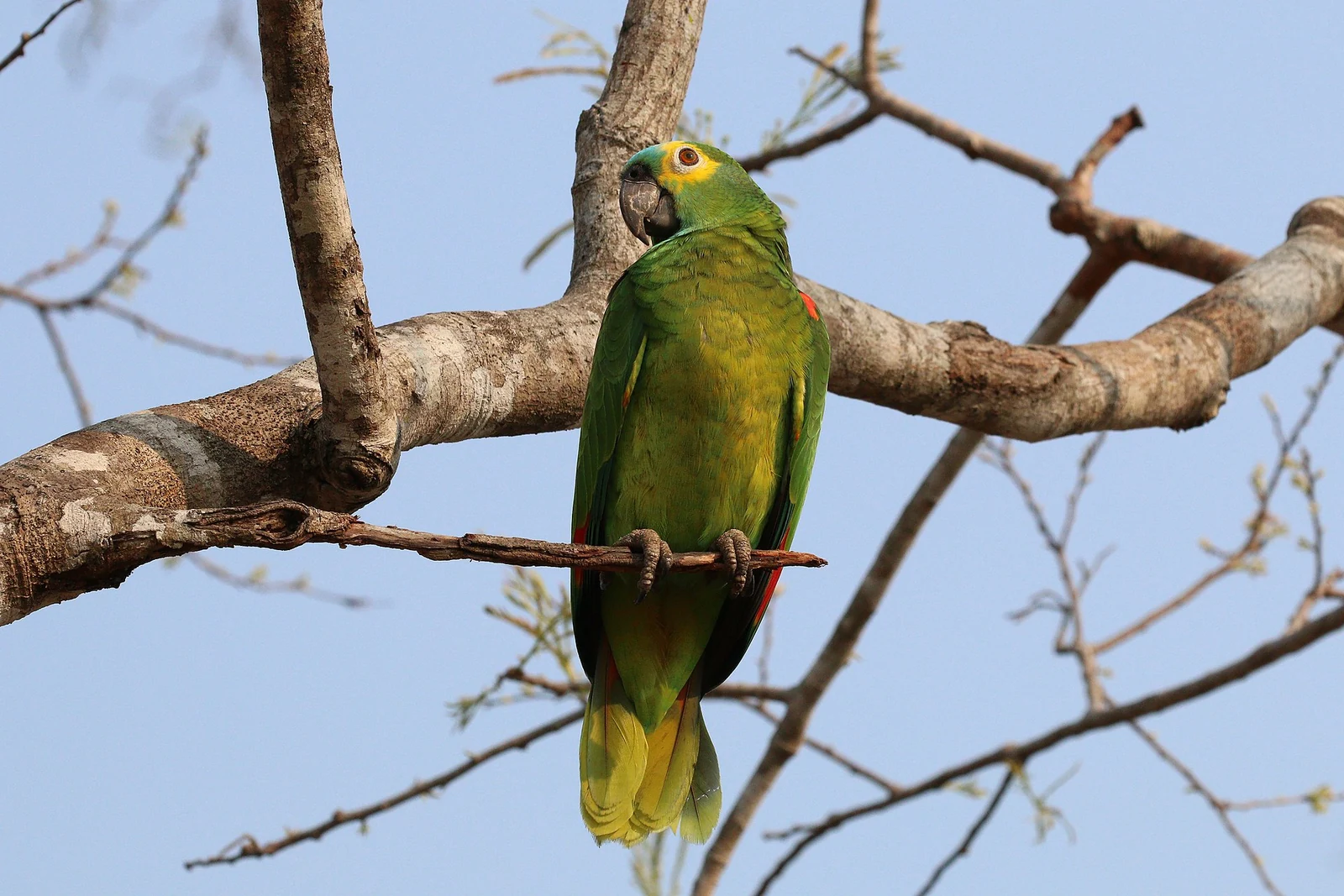
Recognising the species and understanding its history
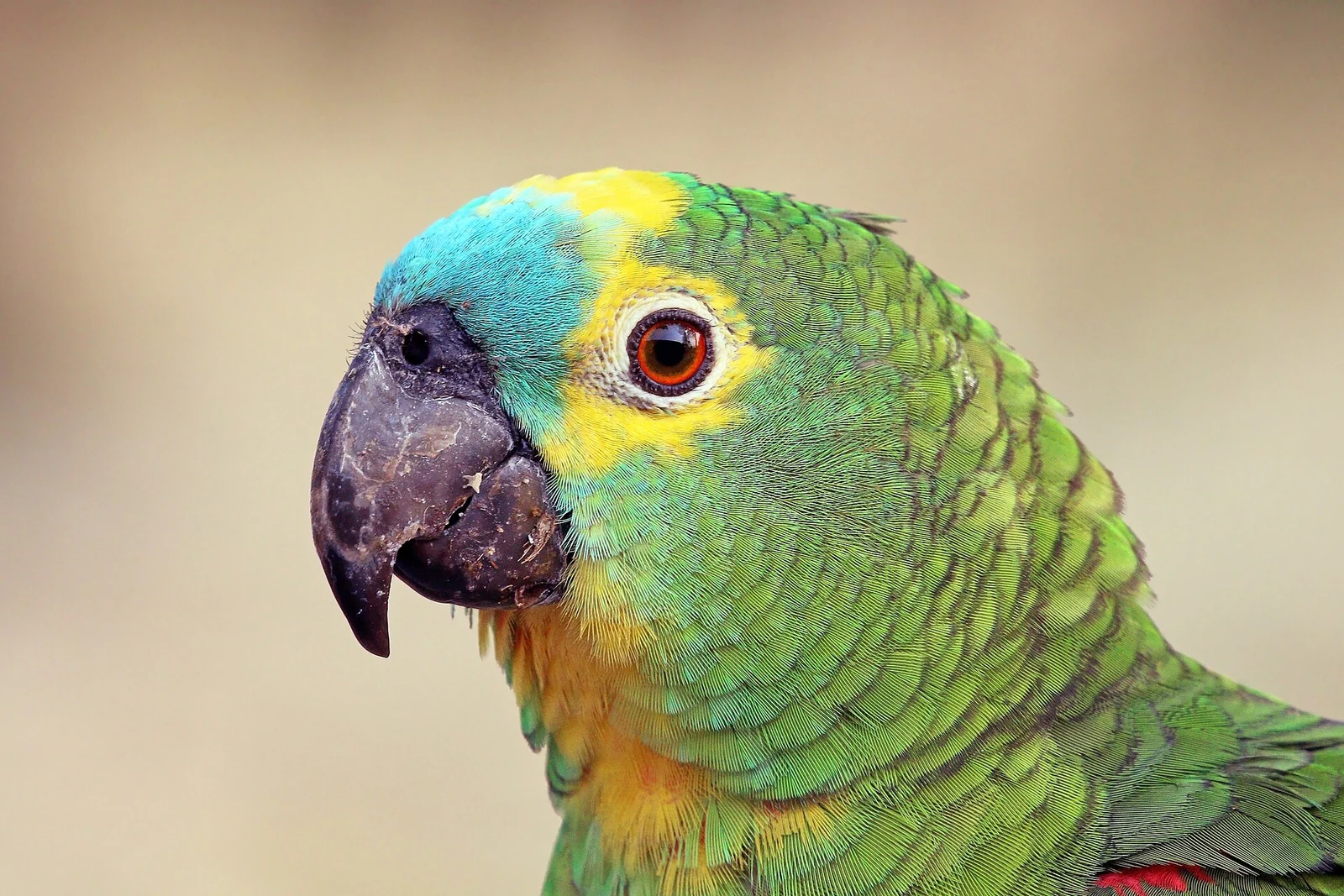
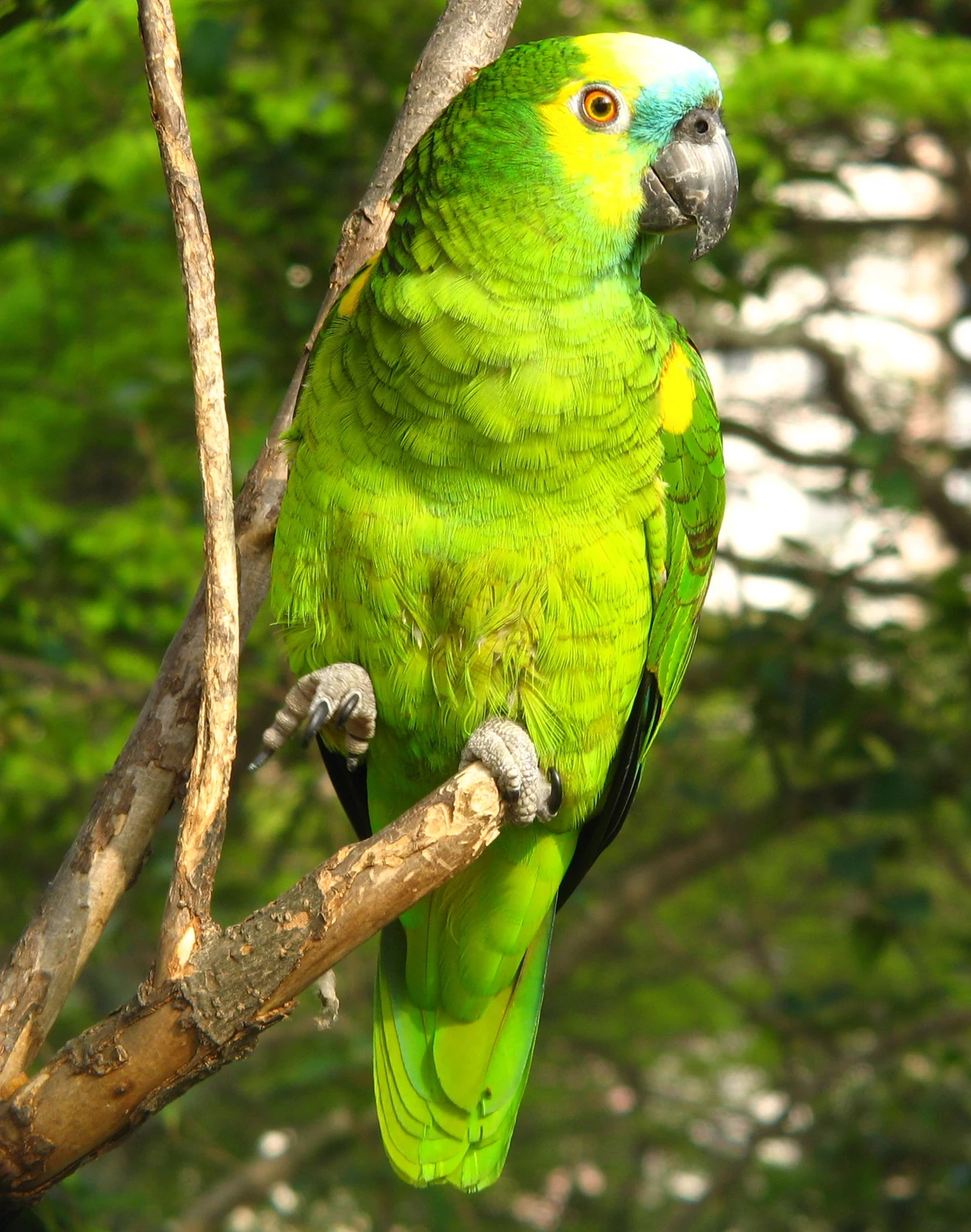
Amazona aestiva is a South American Amazon species, reaching about 35 to 37 centimetres in length. Blue feathers cover the forehead, with variable yellow areas around the face and head. The amount of yellow differs between birds, so head markings alone are not enough to identify an Amazon reliably to species. The parrot conservation organisation World Parrot Trust gives a possible lifespan of 50 to 60 years.
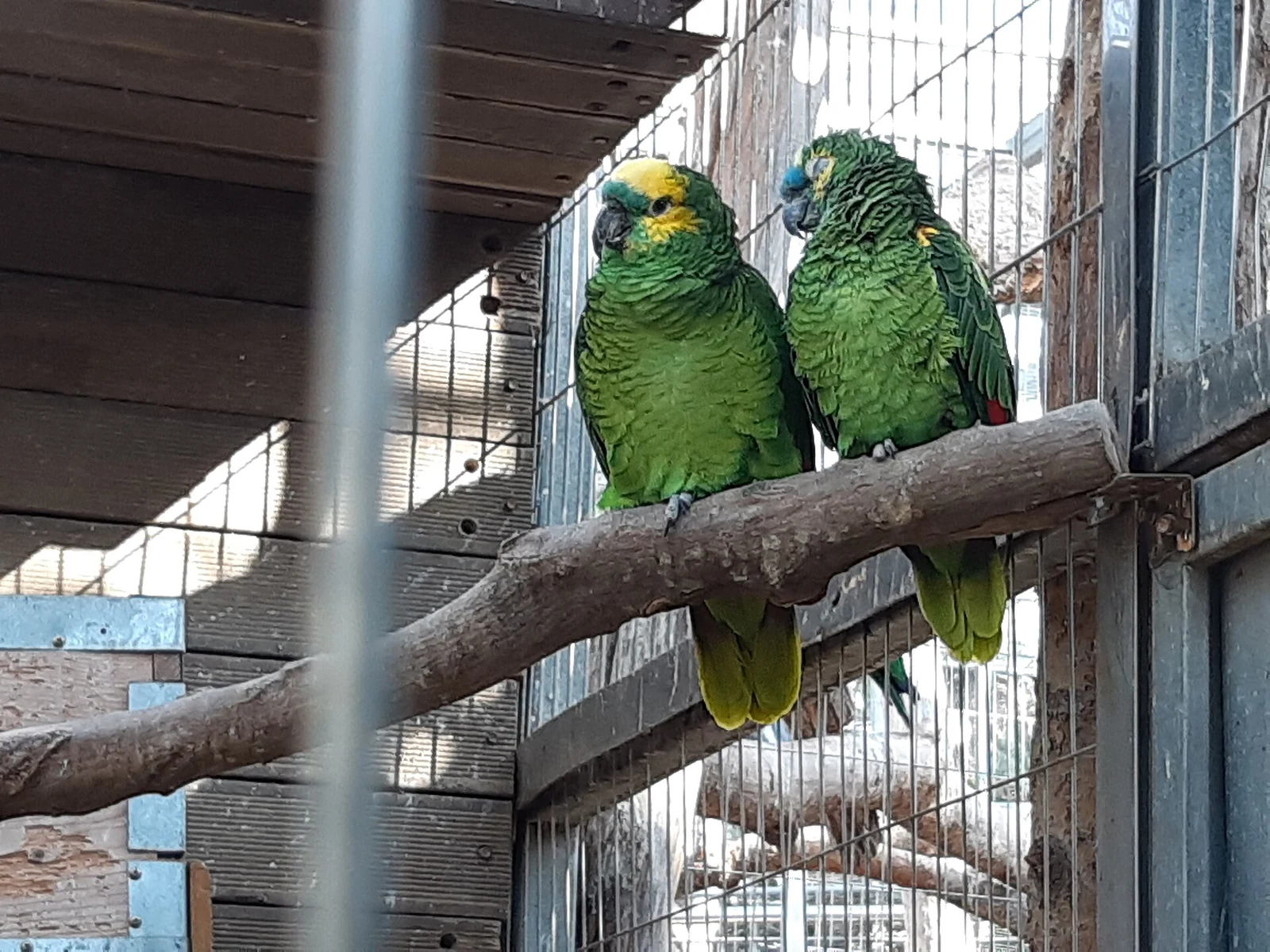
An established adult pair can be observed in several situations at an experienced rescue. Do both eat comfortably? How do they react to people, and which handling routines do they recognise? These observations show what daily care and interaction with this pair could involve.
A clear transfer includes origin records, identification details and available veterinary findings. Any wildlife-trade requirements should be checked with the relevant local authority beforehand. Later care also deserves a concrete agreement as people themselves grow older. The birds may remain dependent on daily feeding, cleaning and veterinary attention for a very long time, and familiar backup caregivers make changes easier to manage.
Sources for this section
- Blue-fronted AmazonWorld Parrot Trust
- Living with other birdsRSPCA
- Introducing a New Pet BirdVCA Animal Hospitals
A flight aviary with strong perches and shelter
Thieme’s veterinary guidance gives an Amazon aviary at least four metres long, 1.5 metres wide and two metres high, together with daily flight outside it. That provides a concrete scale for the space to reserve. Longer routes and additional safe landing places allow further movement.
Strong natural branches should allow flight between them, with climbing and chewing activities arranged around the sides. A sheltered rear offers privacy. Food and water should be distributed so one bird cannot control every useful position. Cleaning access and bowl changes should not require reaching into a narrow corner beside a defensive bird.
Materials and catches need to withstand powerful bills. Suitable stainless-steel fittings are one option; unknown alloys and flaking coatings are problematic. An outdoor aviary also requires appropriate shelter, weather protection and a secure entrance. Indoors, cooking fumes, smoke, sprays and open water containers should be excluded from the bird area. Everyday care should remain practical for a substitute caregiver as well as the person who designed it.
Read more: Setting up a bird room: safe flight and good landing places
Sources for this section
- Heimtier-Infos: AmazoneThieme Tiermedizin
- Housing and environments for pet birdsRSPCA
- Household hazards for pet birdsMerck Veterinary Manual
- Toys for birdsVCA Animal Hospitals
Respect relationships and changing body language
A compatible companion enables shared rest, calling and preening. Each bird should also have room to move away. New relationships need separate accommodation and carefully supported introductions. An avian examination and agreed quarantine in a separate room come before direct contact.
Amazons may show excitement through a fanned tail, altered posture and conspicuous threatening displays. Signals need reading together and in context. When a bird wants more distance, a familiar station can offer somewhere to move voluntarily. Bringing hands closer to the bill at that moment is likely to make the encounter harder.
Maturity and reproductive behaviour can change relationships. Dark cavities and repeated stroking along the back or body may encourage breeding behaviour. Stroking the back and belly should therefore be avoided. An Amazon that seeks contact may enjoy gentle scratches around the head or neck. Predictable routines and appropriate activities also help with everyday handling. When injury is possible, separate space and informed advice are needed. Punishment can increase defensive behaviour and make future care more difficult.
Read more: Living with parrots: choosing a species and shaping the day · Bird training: confidence, carriers and cooperative care
Sources for this section
- Living with other birdsRSPCA
- Introducing a New Pet BirdVCA Animal Hospitals
- The Power of Positive ReinforcementWorld Parrot Trust
- Reproductive diseases of pet birdsMerck Veterinary Manual
- Where to pet your birdPetMD, reviewed by Sandra C. Mitchell, DVM, DABVP
Connect feeding decisions with body condition
Amazons often choose the fattiest items from seed mixtures. A diet rich in sunflower seeds and nuts may provide excess energy while remaining nutritionally unbalanced. Suitable formulated parrot pellets with vegetables offer a more consistent foundation. Pellets combine ingredients throughout each small piece. Portions should reflect the individual bird’s body condition and activity.
Washed pepper, carrot and broccoli can be offered in manageable pieces, with fruit in smaller amounts. A tiny nut fragment can be a valued training reward within the daily intake. An avian practice can explain suitable quantities in relation to weight and examination findings. A severe improvised diet is not an appropriate response to suspected excess weight.
Food changes should progress gradually, supported by regular weighing and observation of what each bird actually swallows. Familiar food remains available initially. Fresh leftovers need prompt removal and bowls and water require daily attention. A recorded portion also helps a substitute caregiver account for rewards alongside meals, especially if several people train the same bird.
Read more: Bird life stages: from youngster to older companion
Sources for this section
- Amazon Parrots: FeedingVCA Animal Hospitals
- What to feed your pet birdRSPCA
Keep care interesting and manageable through the years
A loose paper parcel containing familiar food gives an Amazon something to open. Initially the reward should remain visible; later the bird can work a little harder to reach it. Strong, safe chewing branches provide another task. Toys need regular inspection for detached pieces, trapping openings and long loose fibres.
Voluntary perch transfers, standing on scales and entering a carrier make practical care easier. Each can begin with a small movement rewarded immediately. A second familiar person should also learn the routine, making care possible when the usual keeper is away or unwell.
Older Amazons may benefit from accessible broad resting places and shorter routes. A less secure grip, reduced flight or changed appetite also call for an avian veterinary assessment, so an underlying illness can be identified and treated. Feather biting also has several possible causes and warrants avian veterinary attention. Breathing difficulty or marked weakness requires immediate veterinary help. Keeping current contacts alongside the carrier helps everyone caring for the birds respond consistently.
Read more: Bird training: confidence, carriers and cooperative care · Bird life stages: from youngster to older companion
Sources for this section
- Benefits of Foraging Activities for ParrotsWorld Parrot Trust
- Toys for birdsVCA Animal Hospitals
- How to train your pet birdRSPCA
- Geriatric diseases of pet birdsMerck Veterinary Manual
- Introduction to disorders and diseases of pet birdsMerck Veterinary Manual
Common questions
Is a blue-fronted Amazon a family pet?
It may become familiar with people, but needs experienced care and safe everyday boundaries. Children should not have unsupervised direct access. Calls, beak strength and a long lifespan affect the whole household.
Does an older Amazon need less enrichment?
The type and difficulty can change. Accessible searching tasks, familiar companions and short voluntary exercises remain useful. New limitations should receive a health assessment.
A closer look
Sources and photo credit
- Blue-fronted AmazonWorld Parrot Trust
- Heimtier-Infos: AmazoneThieme Tiermedizin
- Living with other birdsRSPCA
- Introducing a New Pet BirdVCA Animal Hospitals
- Housing and environments for pet birdsRSPCA
- What to feed your pet birdRSPCA
- Amazon Parrots: FeedingVCA Animal Hospitals
- Benefits of Foraging Activities for ParrotsWorld Parrot Trust
- How to train your pet birdRSPCA
- The Power of Positive ReinforcementWorld Parrot Trust
- Toys for birdsVCA Animal Hospitals
- Household hazards for pet birdsMerck Veterinary Manual
- Introduction to disorders and diseases of pet birdsMerck Veterinary Manual
- Geriatric diseases of pet birdsMerck Veterinary Manual
- Reproductive diseases of pet birdsMerck Veterinary Manual
- Where to pet your birdPetMD, reviewed by Sandra C. Mitchell, DVM, DABVP
Photo: Turquoise-fronted amazon (Amazona aestiva) 2.JPG · Charles J. Sharp · CC BY-SA 4.0. Resized for the web and converted to WebP; image content unchanged.
Photo: Turquoise-fronted amazon (Amazona aestiva) head.JPG · Charles J. Sharp · CC BY-SA 4.0. Resized for the web and converted to WebP; image content unchanged.
Photo: Blue fronted amazon(Amazona aestiva) cock and hen.jpg · Drcbrothephotographer · CC0. Resized for the web and converted to WebP; image content unchanged.
Photo: Amazona aestiva -in tree-8.jpg · mauroguanandi · CC BY 2.0. Resized for the web and converted to WebP; image content unchanged.
_2.JPG)
_head.JPG)
_cock_and_hen.jpg)
