 fellfolio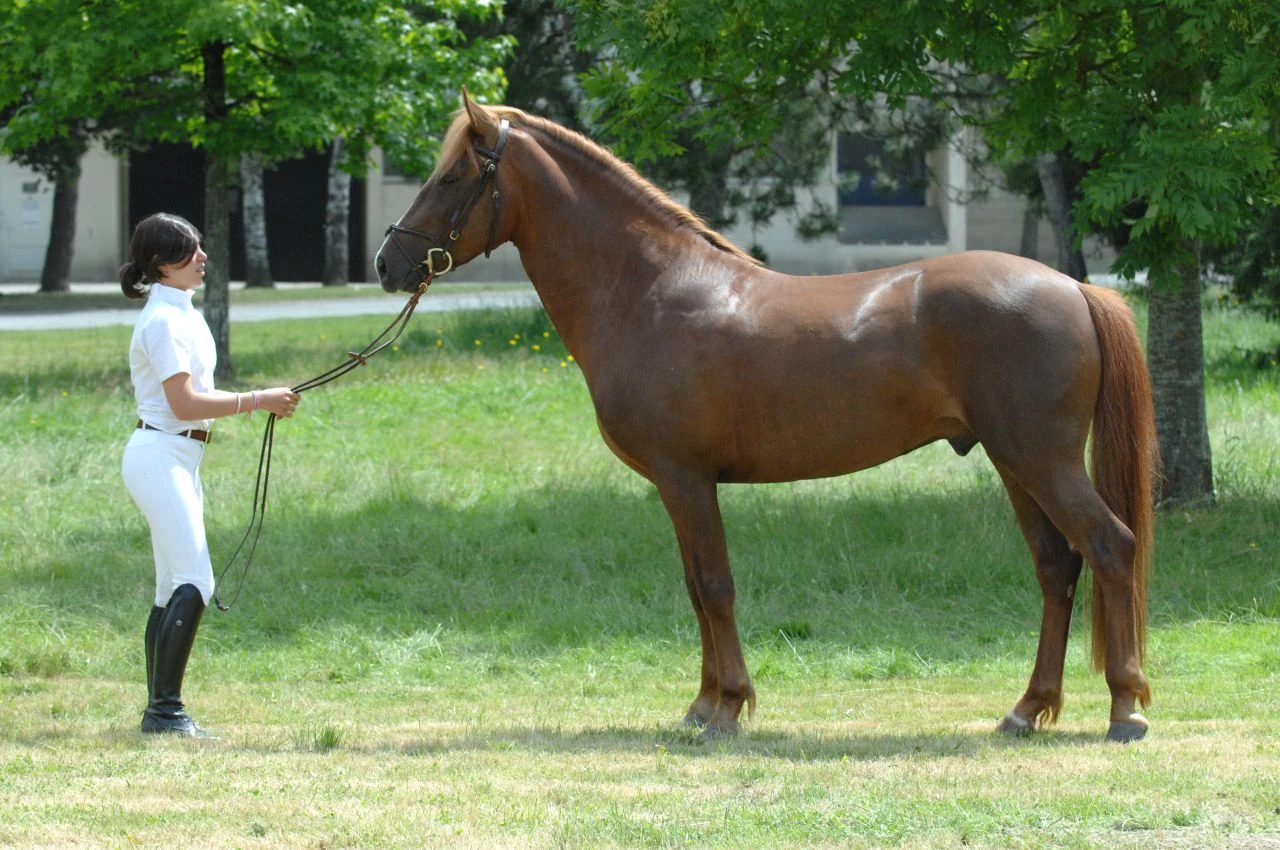
A breed connected with its landscape
The breed is associated with the New Forest in England. Its British registry, the New Forest Pony Breeding and Cattle Society, maintains the stud book, which records ancestry and breeding status. Alongside its main sections, it has separate entries for ponies that do not meet particular breeding requirements and for crosses with recorded New Forest ancestry.
A prospective owner should understand the actual registration of the pony being offered. A woodland photograph or a description in an advert cannot establish that information. Registration also tells you little about the pony’s training. When choosing a leisure companion, health, previous experience and behaviour in everyday situations should be considered together.
Understanding size and finding suitable equipment
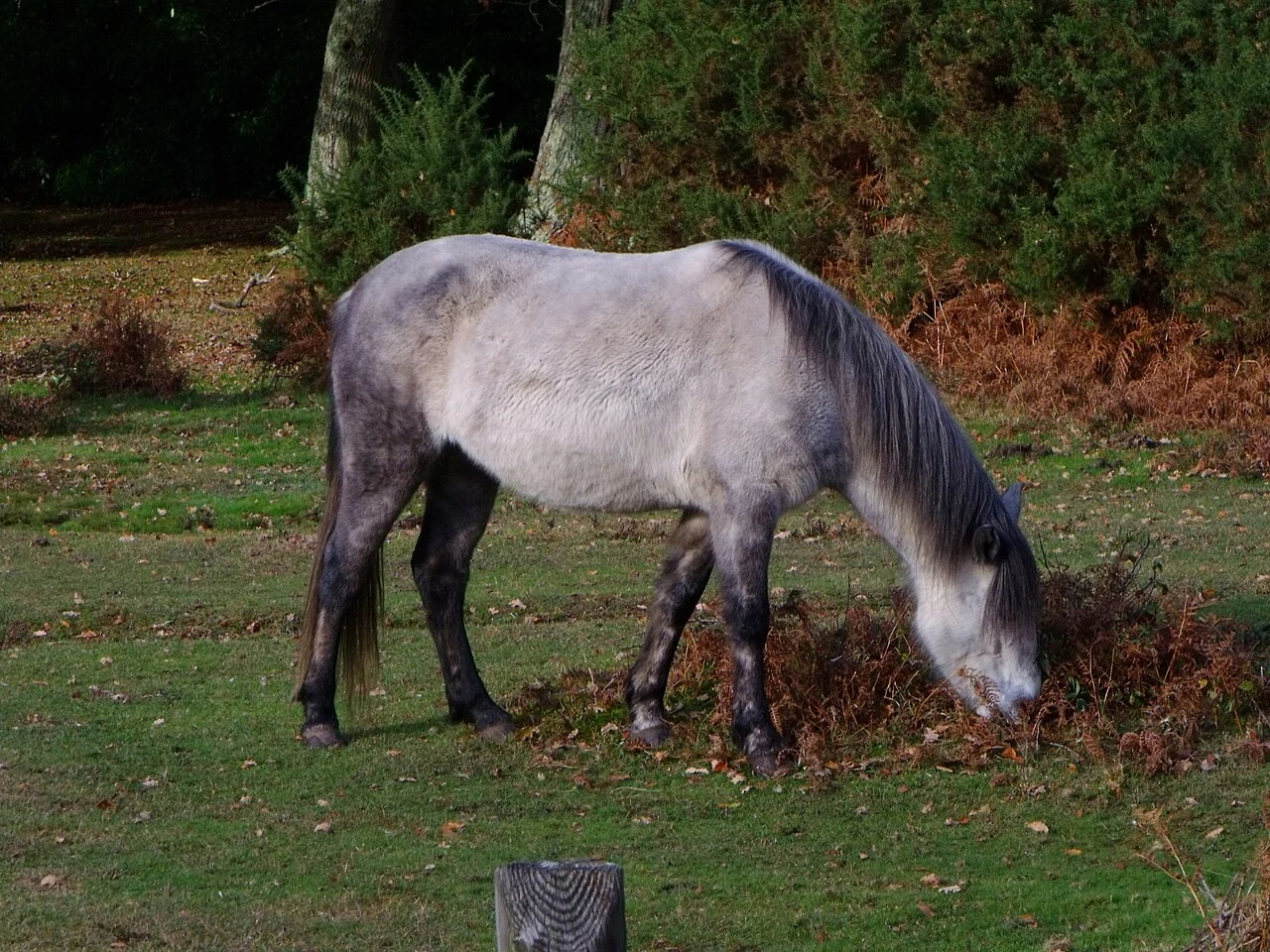
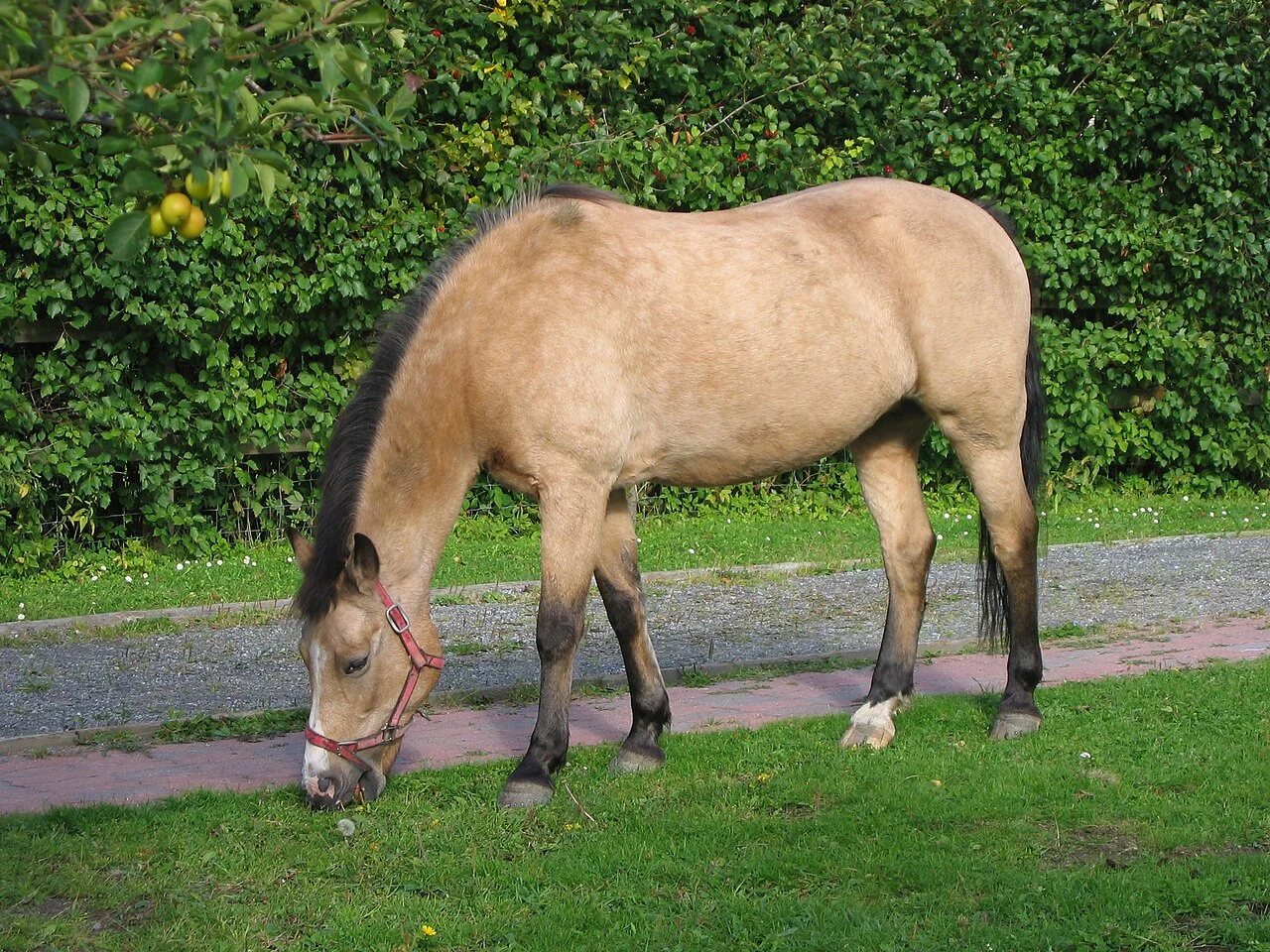
Height is measured at the withers, the raised area where the neck meets the back. The British standard allows up to 148 cm and specifies no minimum. It calls for a strong, well proportioned body and free, straight movement. The breed comes in different colours, including bay, black and chestnut.
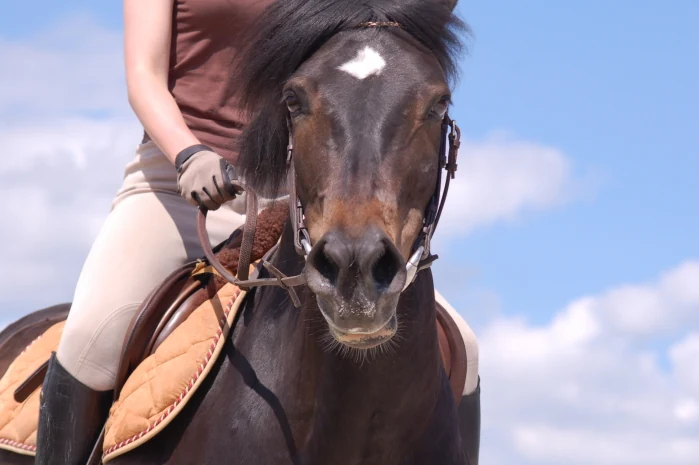
At a viewing, the pony should be seen moving as well as standing. Does it move evenly, and how comfortably does it perform the activities you have in mind? Suitability for riding should be assessed by considering build, fitness, rider and saddle together. A larger pony needs an individually fitted saddle just as a smaller one does.
Variety through manageable steps
A useful start combines simple arena exercises with calm experiences away from the yard. Stopping, walking on and making broad turns can give a rider clear tasks to practise. The pony should receive consistent, understandable cues. An appropriate reward immediately after the desired response helps it connect its action with the outcome.
Riding outdoors should also be introduced gradually. Familiar company and a short, manageable route may help at first. Plans for jumping or more advanced dressage should allow time to develop both fitness and training. Dressage involves exercises intended to improve balance, suppleness and responses to a rider’s cues. A young pony should have experienced guidance and enough recovery between sessions.
Read more: Reward-based horse training: clear steps for everyday care · Foals and young horses: growing up, handling and early learning
Movement and company throughout the week
Accommodation should offer daily time outdoors, contact with compatible horses and a dry resting area. In a group, every animal should be able to reach food and water. Narrow gateways or a single feeding point can make life difficult for a pony that is repeatedly moved away by others.
Before moving yards, it is worth discussing how newcomers are introduced and who covers care during illness or holidays. Clear arrangements should identify who checks the pony in the morning and evening, looks at its feet and reports changes. Weeks without riding still require regular movement and reliable care.
Feed for the work the pony actually does
Hay and suitable grazing should form the basis of the diet. This fibrous food provides chewing time and supports digestion. Fresh water should always be within reach. Extra feeds that provide substantial energy should depend on actual workload, body condition and a professionally assessed ration.
A pony doing little work may take in more energy than it needs from rich pasture. Body condition should therefore be assessed regularly by looking and feeling, including checking how easily the ribs can be felt and whether fat is accumulating along the neck. If weight is increasing, a revised feeding plan should still allow enough chewing time. Prolonged fasting is not a suitable way to reduce weight.
Making sense of PSSM1 results
PSSM1 is an inherited muscle disorder involving abnormal storage of sugar in muscle cells. It can cause pain, weakness or reluctance to move. A single copy of the known genetic variant, an inherited change in DNA, can cause symptoms, although their severity varies. A positive result should be discussed with a vet who can help plan appropriate feeding and exercise.
In 2026, the British society corrected an earlier negative test result for the stallion Woodfidley Top Gun. For ponies with this stallion in their pedigree, previous assumptions that they were clear through their parents may no longer be valid. Before buying or breeding, existing direct tests and their meaning should be checked. The society states that its voluntary testing offer for particular descendants does not automatically change their registration or breeding status.
Routine care should include hoof care, dental checks and a health plan agreed with the vet. Sudden stiffness, signs of pain or a change in appetite should prompt professional advice. A breed name or a genetic test alone cannot explain every such change.
Common questions
Can a New Forest Pony suit a beginner?
An experienced, well educated pony that suits the rider may be an option. An experienced instructor should help with selection and continued training. A young pony with little training requires different support.
Does every New Forest Pony need a PSSM1 test?
That decision should consider ancestry, existing results and intended use with veterinary advice. The 2026 announcement particularly concerns descendants of a named stallion. It does not mean every pony of the breed is affected.
A closer look
Sources and photo credit
- Guide to buying a horse: questions to ask and moreBritish Horse SocietyA breed connected with its landscape · Understanding size and finding suitable equipment · Variety through manageable steps
- Fat scoring horsesBritish Horse SocietyFeed for the work the pony actually does
- Feeding horsesBritish Horse SocietyFeed for the work the pony actually does
- Horse health essentialsWorld Horse WelfareUnderstanding size and finding suitable equipment · Movement and company throughout the week · Making sense of PSSM1 results
- Where to keep your horseBritish Horse SocietyMovement and company throughout the week
- Essential care for your horse’s hoovesBritish Horse SocietyMovement and company throughout the week · Making sense of PSSM1 results
- Training: how do horses learn?World Horse WelfareVariety through manageable steps
- Breeding programme, compilation updated September 2026New Forest Pony Breeding and Cattle SocietyA breed connected with its landscape · Understanding size and finding suitable equipment
- NFPBaCS 2026 PSSM1 updateNew Forest Pony Breeding and Cattle SocietyMaking sense of PSSM1 results
- Polysaccharide Storage Myopathy (PSSM1)UC Davis Veterinary Genetics LaboratoryMaking sense of PSSM1 results
Photo credits
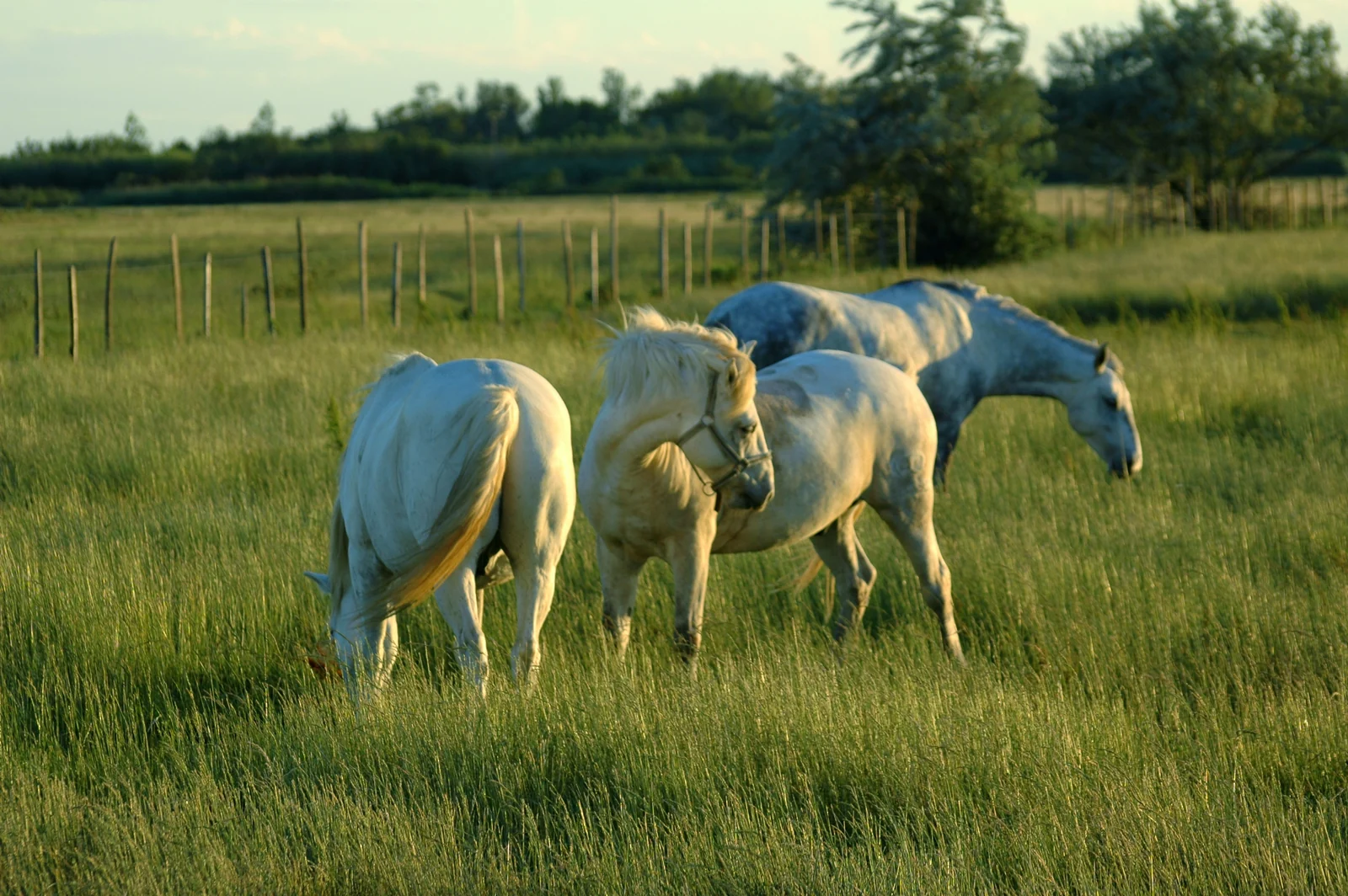
Photo: New-forest Rockenrol Gevaudan.jpg · Eponimm · CC BY-SA 3.0. Image format adapted.
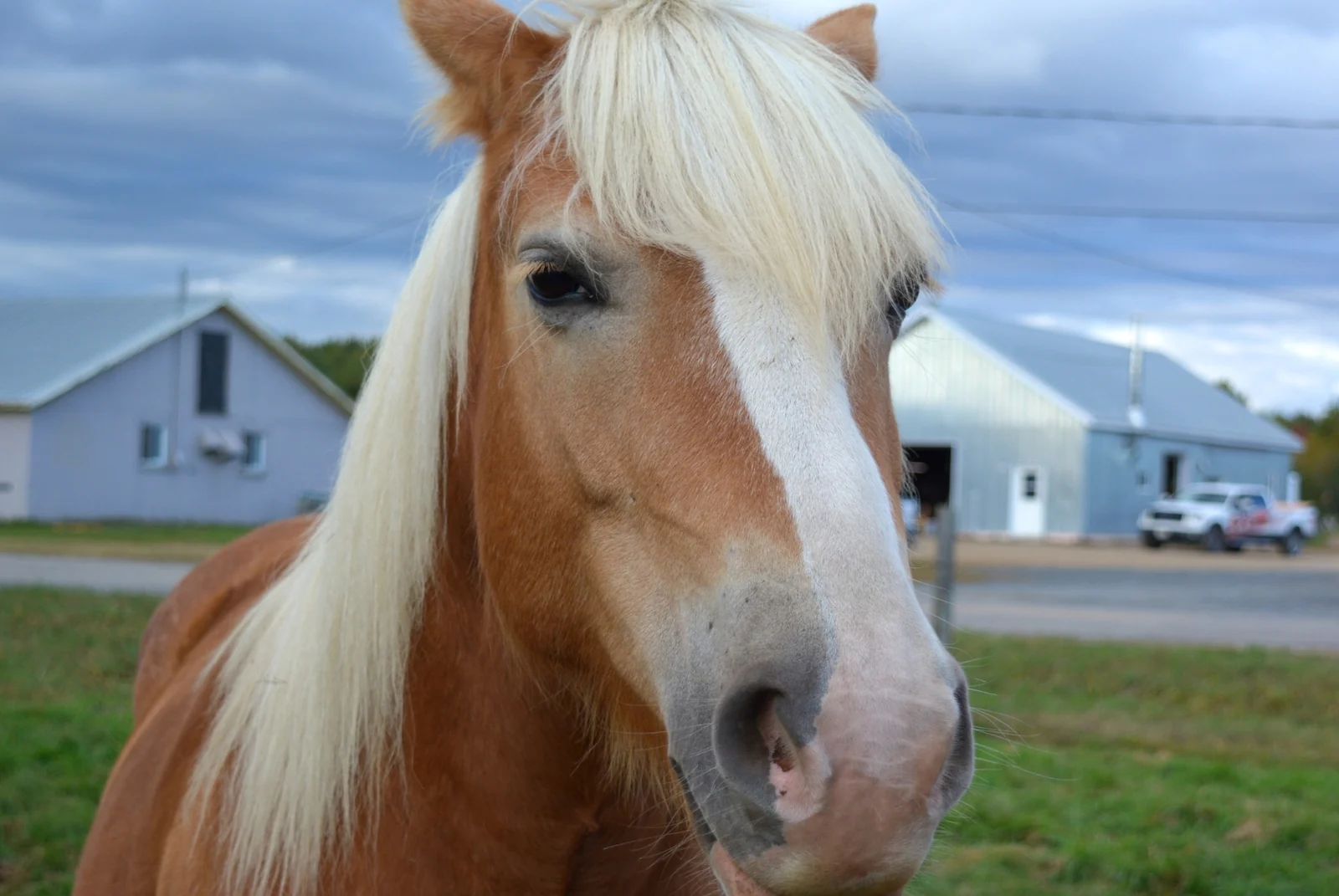
Photo: New-forest tete01.jpg · Eponimm · CC BY-SA 3.0. Image format adapted.
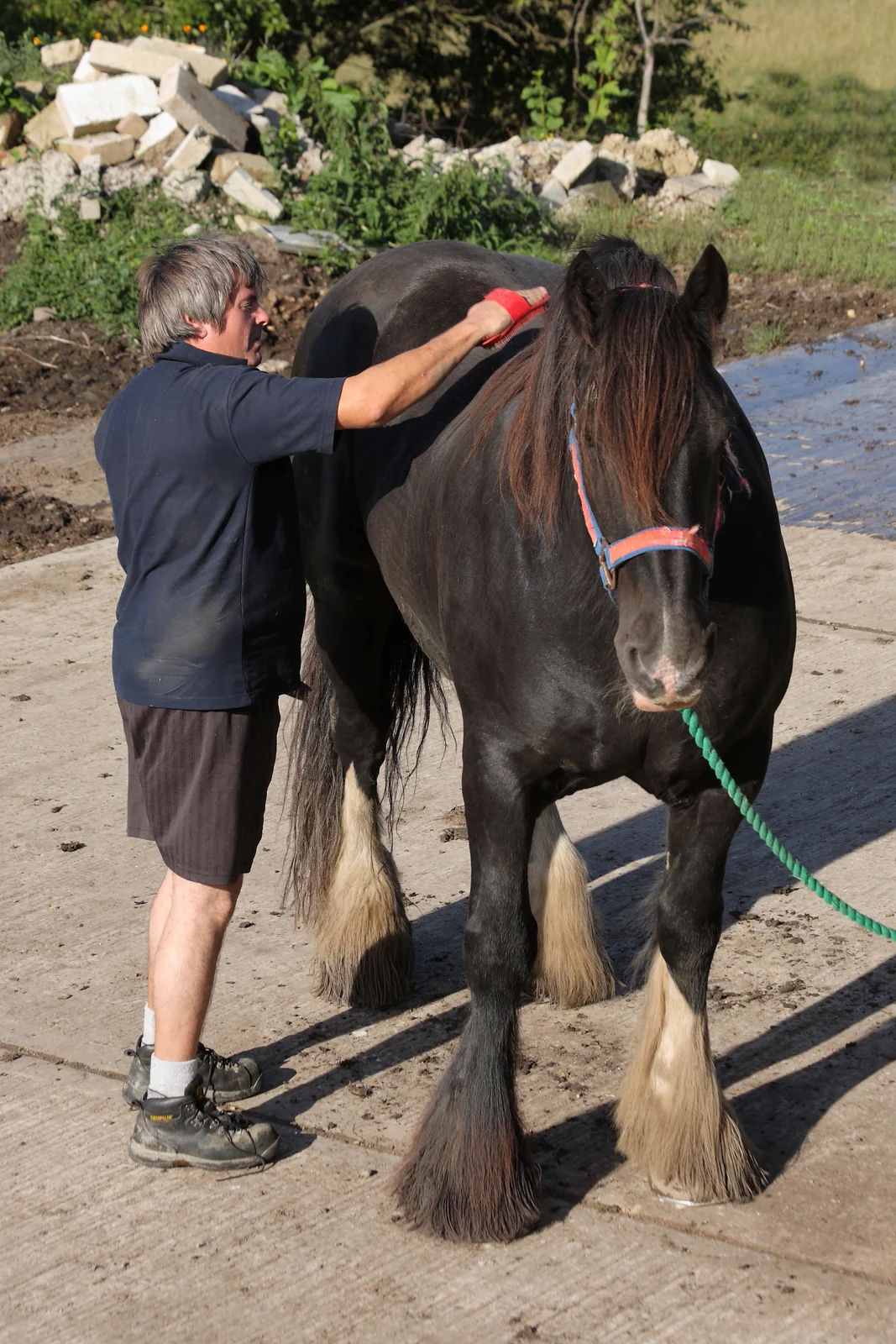
Photo: New Forest Pony (11251308813).jpg · grassrootsgroundswell · CC BY 2.0. Image format adapted.
Photo: Buckskin New Forest pony.JPG · Paula Jantunen · Public domain. Image format adapted.


.jpg)
