fellfolio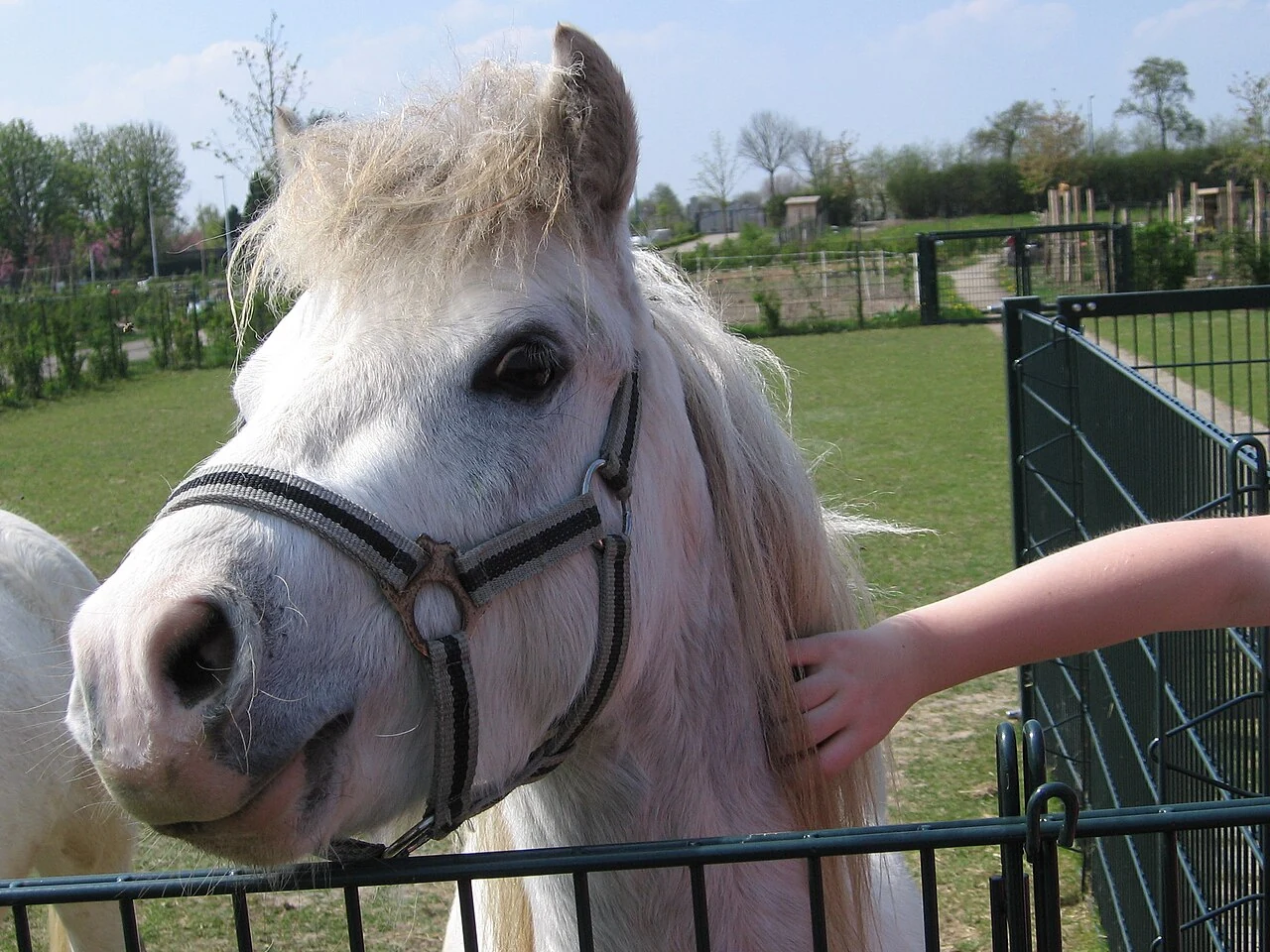
An upland pony within the Welsh studbook
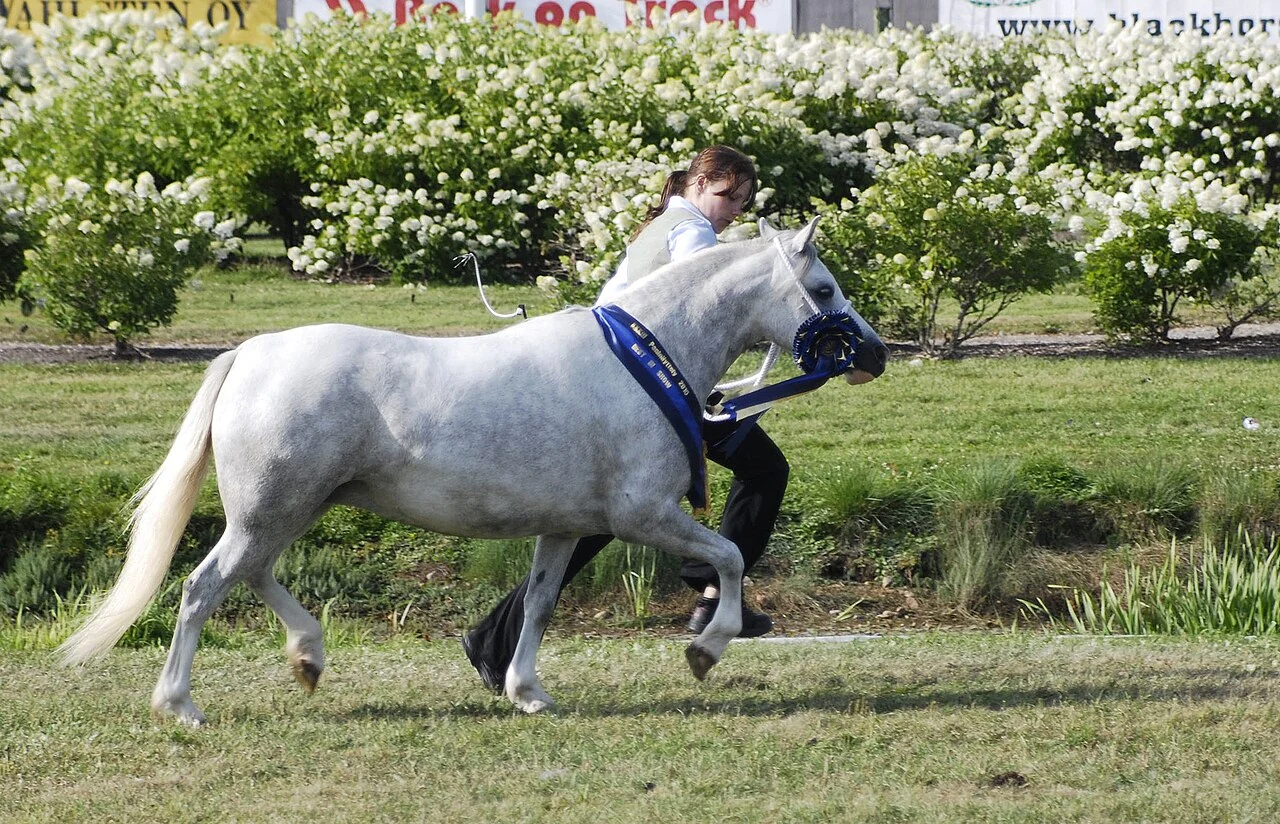
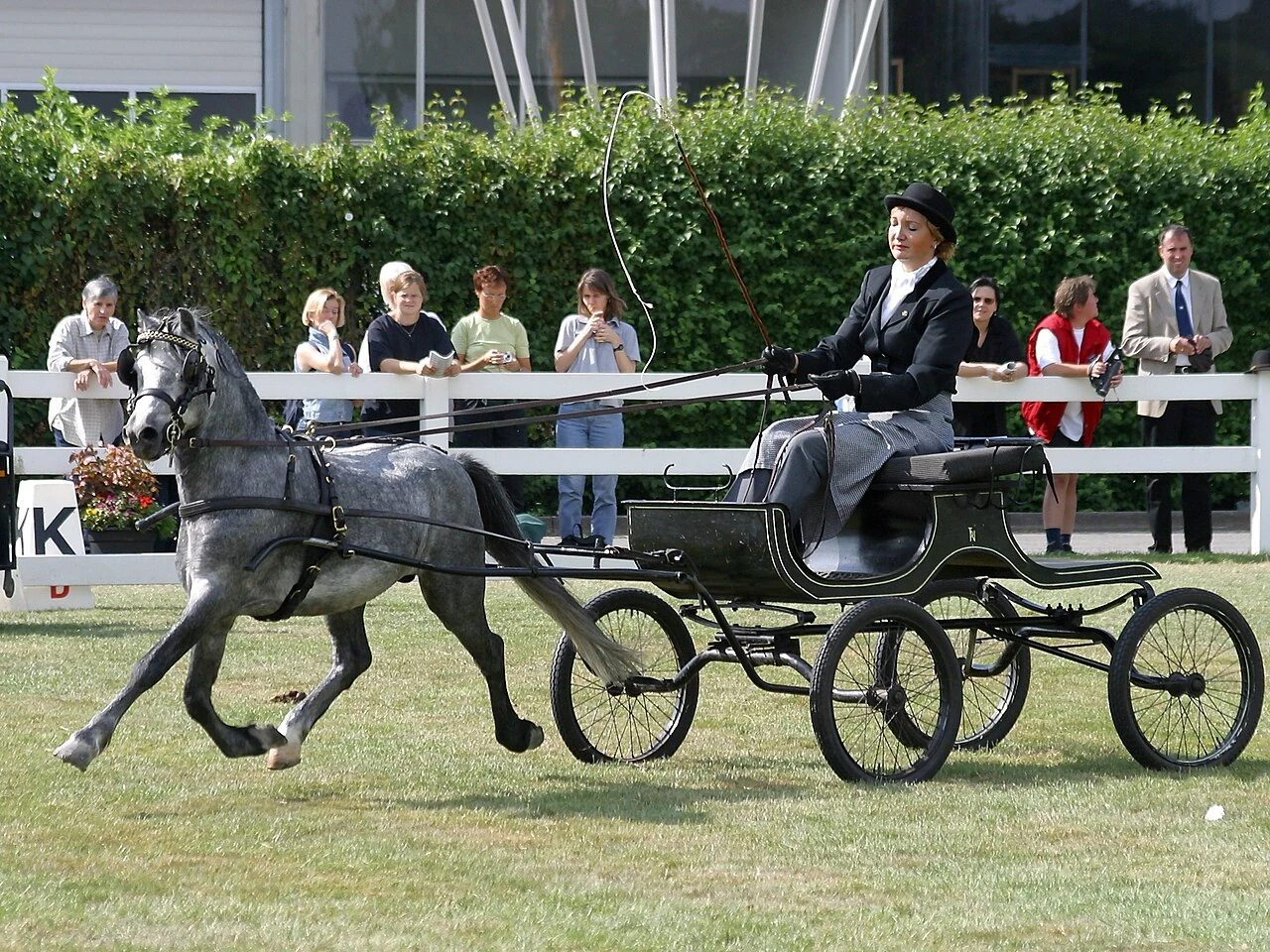
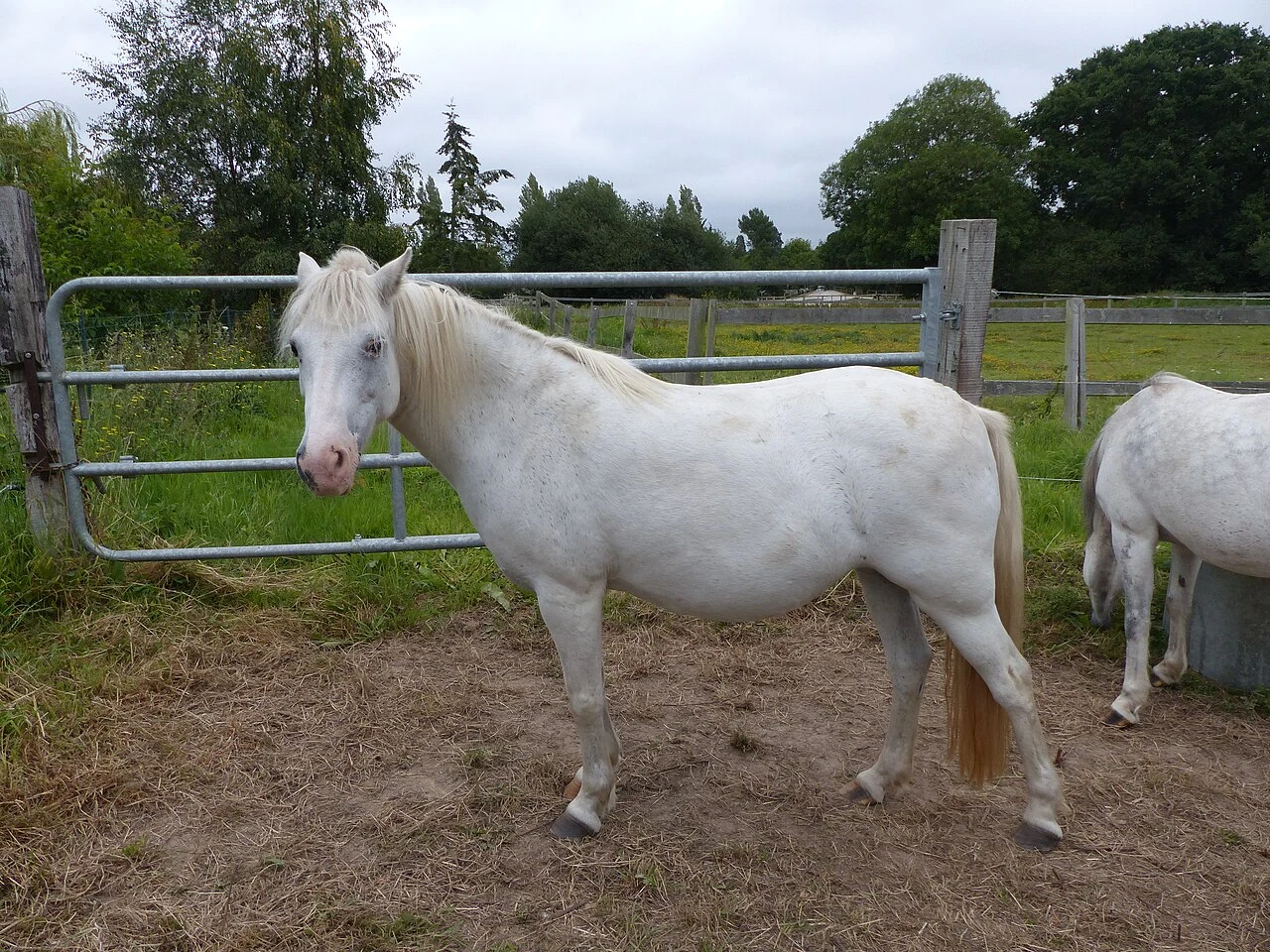
The Welsh Pony and Cob Society was founded in 1901 and published its first studbook in 1902. It now distinguishes Sections A, B, C and D. Section A is the Welsh Mountain Pony, the historical foundation of the other Welsh types, which subsequently developed along different breeding lines.
The name Mountain reflects its origins in the Welsh uplands. The current standard describes a small, finely shaped head, a strong back and free, straight movement. It seeks a spirited pony type. A pony adapted to outdoor life should still receive a dry resting area, shelter from adverse weather and reliable care.
Understanding the 121.9 cm limit
The Welsh Pony and Cob Society’s standard allows a Section A pony to stand no more than 121.9 cm at the withers, the raised area where neck and back meet. This is the section limit.
Various coat colours are accepted, apart from piebald and skewbald, the large white and coloured body patches seen in patterned horses. A compact body and small size make individual saddle fitting particularly important. Whether a pony should carry a rider, and which rider, should be assessed with experienced help, considering its back, education, health and the intended person.
Helping a child and pony learn together
An experienced Welsh A can introduce a child to handling horses. Its responses to leading, grooming and touching the legs should first be observed calmly. A child whose movements are still unpredictable needs guidance. The pony should already understand the tasks, rather than having to learn basic handling at the same time.
Adults should also teach how to keep an appropriate distance and use rewards well. Leading a short distance and stopping calmly is a manageable starting exercise. A reward should follow the intended behaviour. If the pony pulls away, snaps or suddenly objects to touch, possible pain, uncertainty and the circumstances should be examined. Escalating force does little to explain the cause.
Read more: Reward-based horse training: clear steps for everyday care · Your first horse: preparing for the decision
Company and freedom to move
Even a small Welsh A needs equine company and daily freedom to move. In a suitable group, every pony should be able to reach food and water. A pony repeatedly driven away from the only feeding place needs a better arrangement. Mixed-size herds also need appropriate fencing, gateways and space to move away from other horses.
Shelter should protect against adverse weather and provide a dry resting area. At a yard viewing, it is worth asking how outdoor access works in winter and who checks the ponies when an owner is away. Feet, skin, appetite and behaviour should be checked reliably each day.
Read more: Keeping horses: building a good everyday life · Choosing the right yard for your horse
Plenty of chewing without excess energy
Hay and suitable pasture grass provide fibrous forage and should form the basis of the diet. On rich grazing, ponies may take in more energy than they use. Body condition should therefore be monitored, particularly when the pony is doing little work. Thick fat deposits should not be treated as a normal feature of a strong pony type.
Fat cover can be assessed by feeling areas such as the ribs and neck. Weight gain should prompt a feeding and grazing plan with a veterinarian or qualified equine nutrition adviser. Reducing energy should not mean leaving the pony without suitable forage for long periods. Daily movement with other horses can also take place on a suitable area without lush grass. Fresh water should remain available.
Taking early signs of laminitis seriously
Excess weight increases the risk of laminitis. This painful condition damages the sensitive tissues that support the bone inside the hoof against the hoof wall. Early signs can include shortened steps, reluctance to turn or unusual shifting of weight between feet. It can occur throughout the year, rather than only during spring grazing.
Suspected laminitis should prompt an immediate call to the veterinarian. A reluctant pony should not be forced to walk. Routine care also includes daily foot checks, professional hoof appointments and appropriate dental examinations. Changes in appetite or behaviour should be investigated rather than dismissed as a pony being difficult.
Choosing for the life you can provide
A knowledgeable riding coach should help assess a Welsh A intended for a child’s first ridden experiences. Several everyday situations are more useful than a short demonstration alone. A young pony that has not learned to carry a rider needs its own education from experienced people. That is a different undertaking from finding a pony to help a child learn.
Before taking one home, its health history, previous laminitis, housing and feeding should be discussed. A pre-purchase veterinary examination can help assess the individual. Lessons, housing, feed, hoof care and provision for illness should then be included in a shared plan. The pony will still depend on that care if the child’s interests later change.
Read more: Your first horse: preparing for the decision
Common questions
Is a Welsh A the same as a Shetland pony?
No. It belongs to Section A of the Welsh studbook, with a different origin and its own standard. Small size alone does not identify a pony’s breed.
Can a Welsh A live outdoors throughout the year?
A suitable outdoor arrangement may work if it provides shelter, dry resting space, appropriate feeding and reliable checks. Health, weather and grazing should be considered for the individual pony.
A closer look
Sources and photo credit
- The Welsh BreedsWelsh Pony and Cob SocietyAn upland pony within the Welsh studbook
- Welsh Section A: The Welsh Mountain PonyWelsh Pony and Cob SocietyAn upland pony within the Welsh studbook · Understanding the 121.9 cm limit
- Early Stud Book HistoryWelsh Pony and Cob SocietyAn upland pony within the Welsh studbook
- Where to keep your horseBritish Horse SocietyAn upland pony within the Welsh studbook · Company and freedom to move · Plenty of chewing without excess energy · Choosing for the life you can provide
- Feeding horsesBritish Horse SocietyPlenty of chewing without excess energy
- Essential care for your horse’s hoovesBritish Horse SocietyTaking early signs of laminitis seriously
- Guide to buying a horse: questions to ask and moreBritish Horse SocietyUnderstanding the 121.9 cm limit · Helping a child and pony learn together · Choosing for the life you can provide
- LaminitisBritish Horse SocietyTaking early signs of laminitis seriously
- Fat scoring horsesBritish Horse SocietyPlenty of chewing without excess energy
- Training: how do horses learn?World Horse WelfareHelping a child and pony learn together
- Horse health essentialsWorld Horse WelfareUnderstanding the 121.9 cm limit · Helping a child and pony learn together · Company and freedom to move · Taking early signs of laminitis seriously
Photo credits
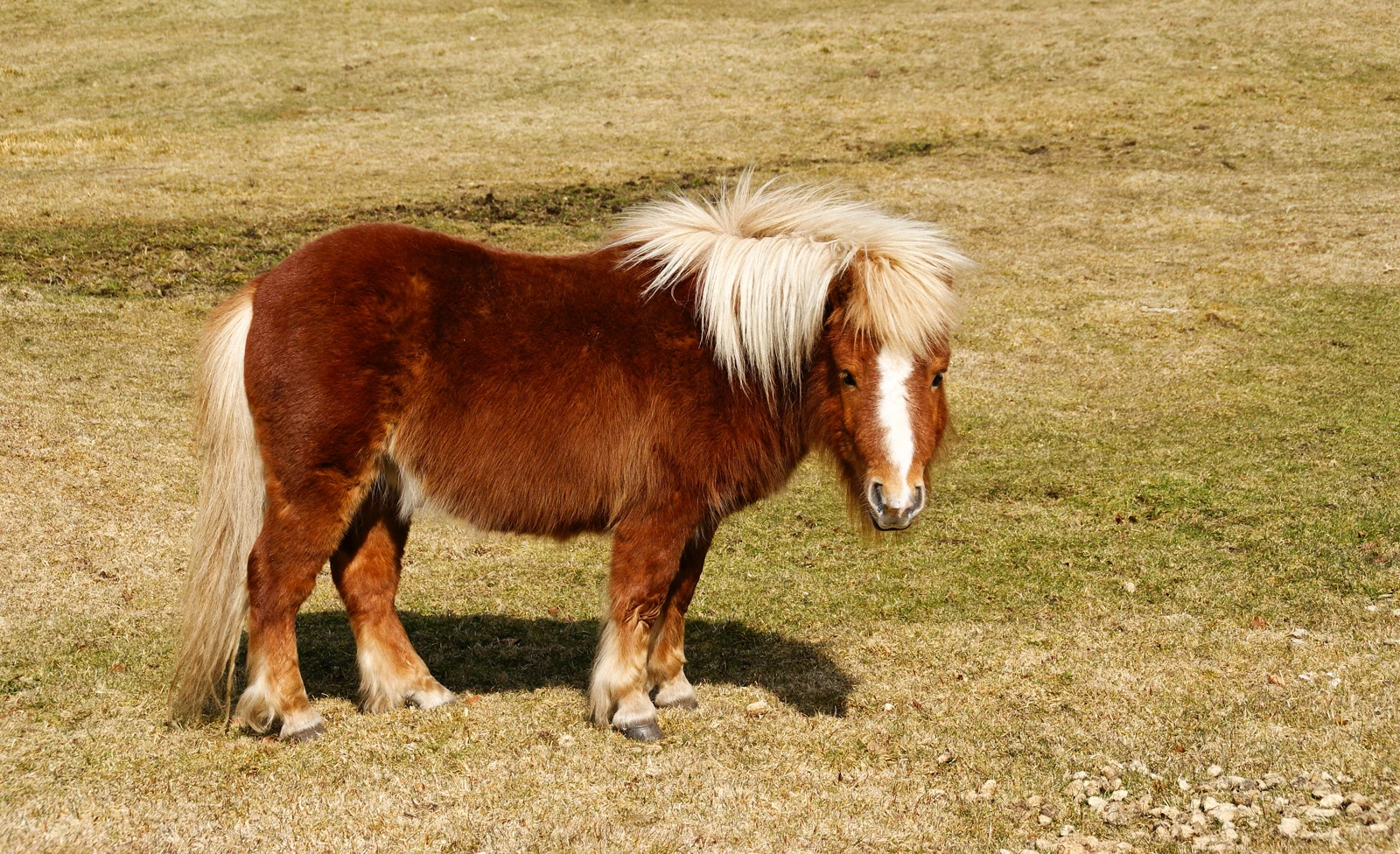
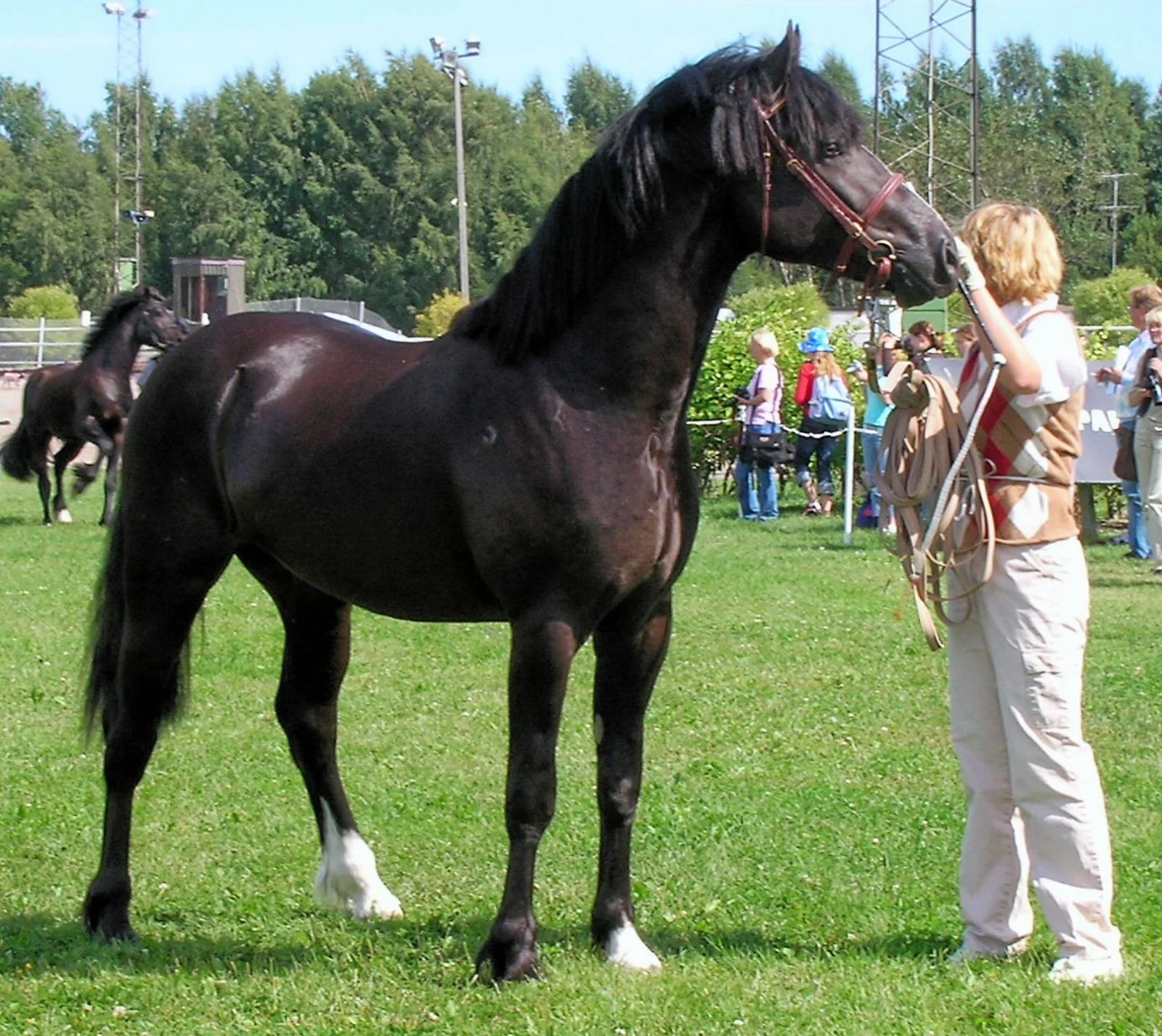
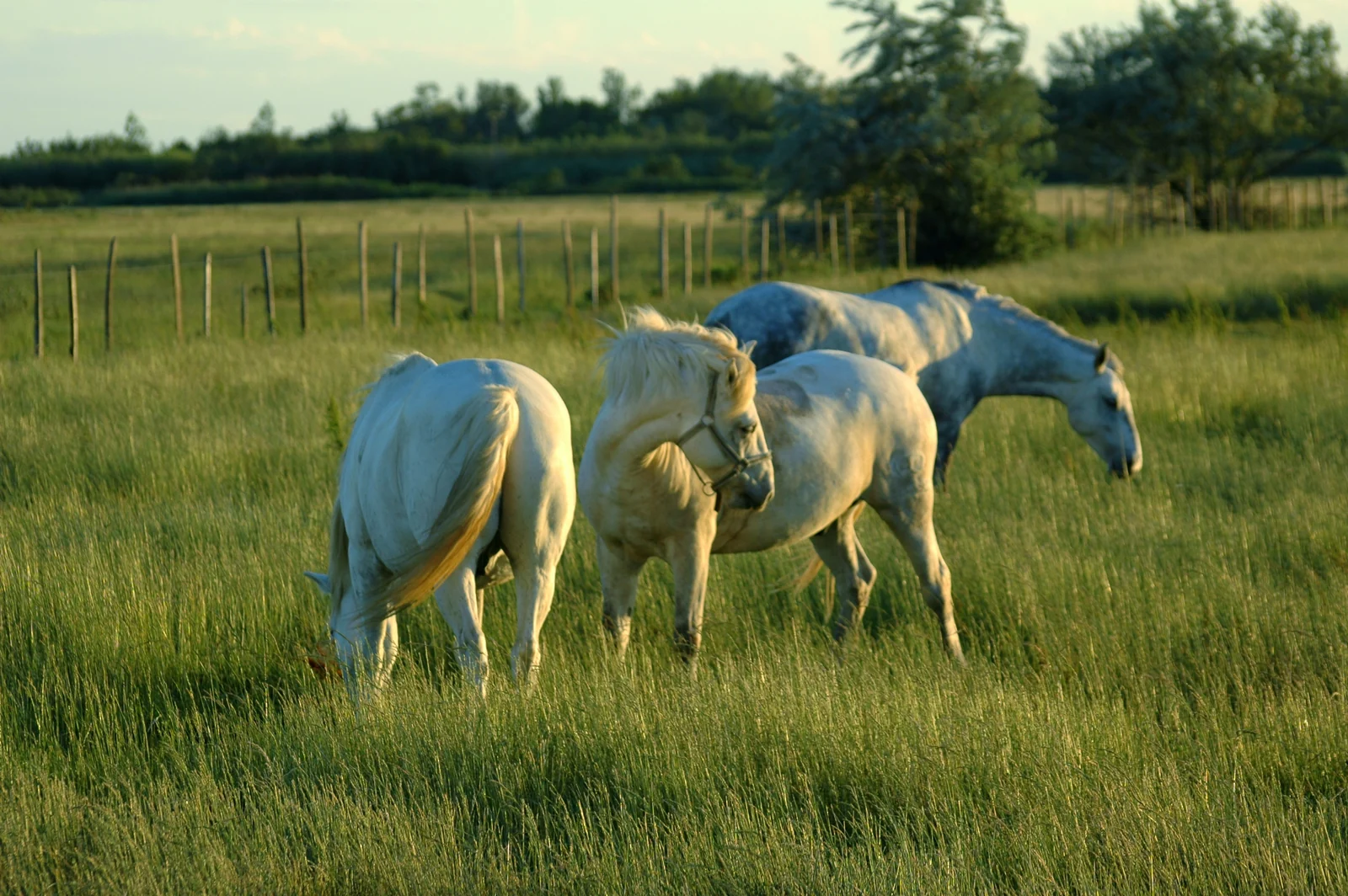
Photo: Welsh pony, Leidsche Rijn 2013.JPG · Hansmuller · CC BY-SA 3.0. Image format adapted.
Photo: 325-t-Moondelight-Marilyn-0.jpg · Pitke · CC BY-SA 3.0. Image format adapted.
Photo: Welsh-A-Buggy.jpg · MBurger · CC BY-SA 3.0. Image format adapted.
Photo: Haras national de Lamballe Welsh A avec vitiligo 2.jpg · Tsaag Valren · CC BY-SA 4.0. Image format adapted.