 fellfolio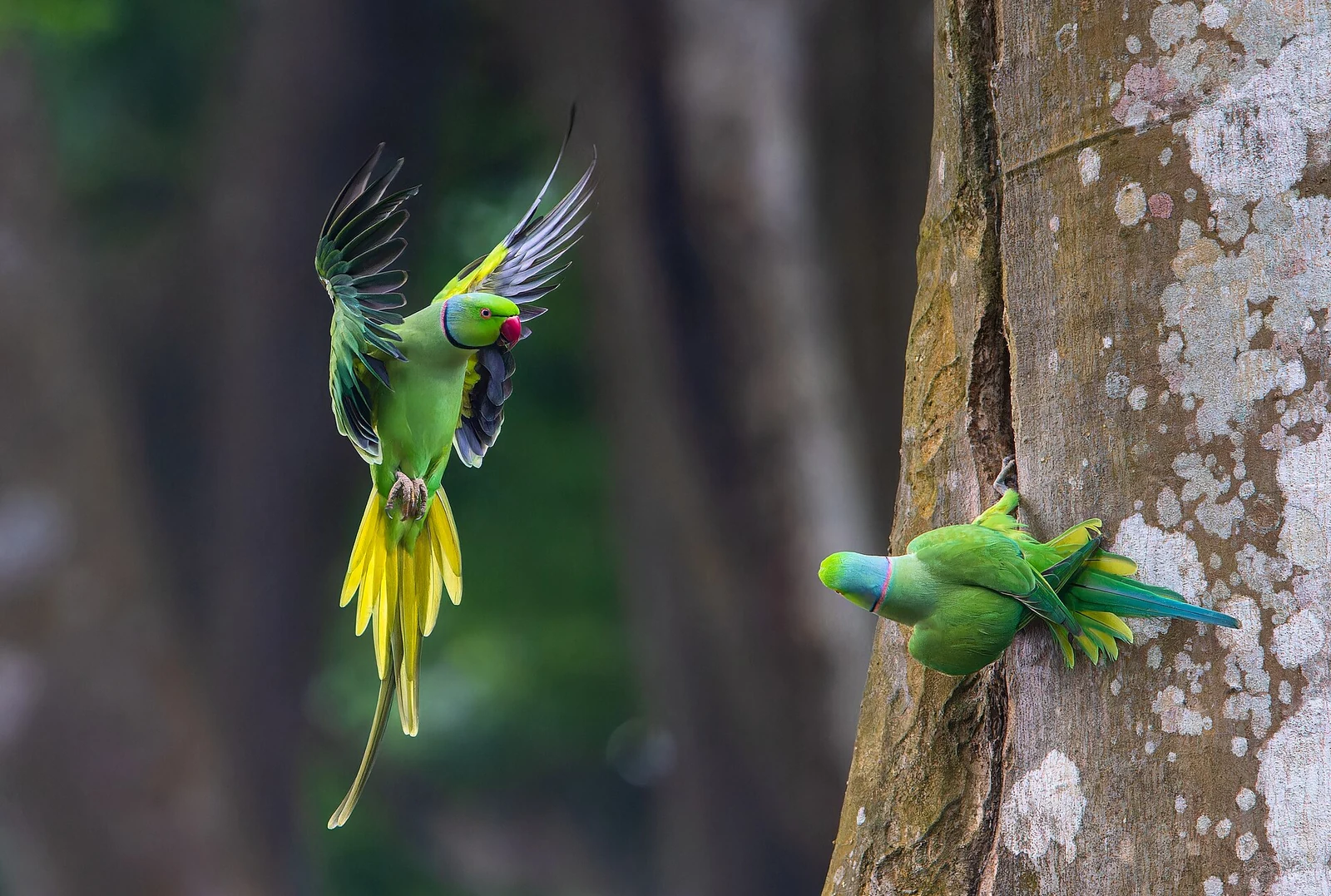
Identification, origins and two scientific names
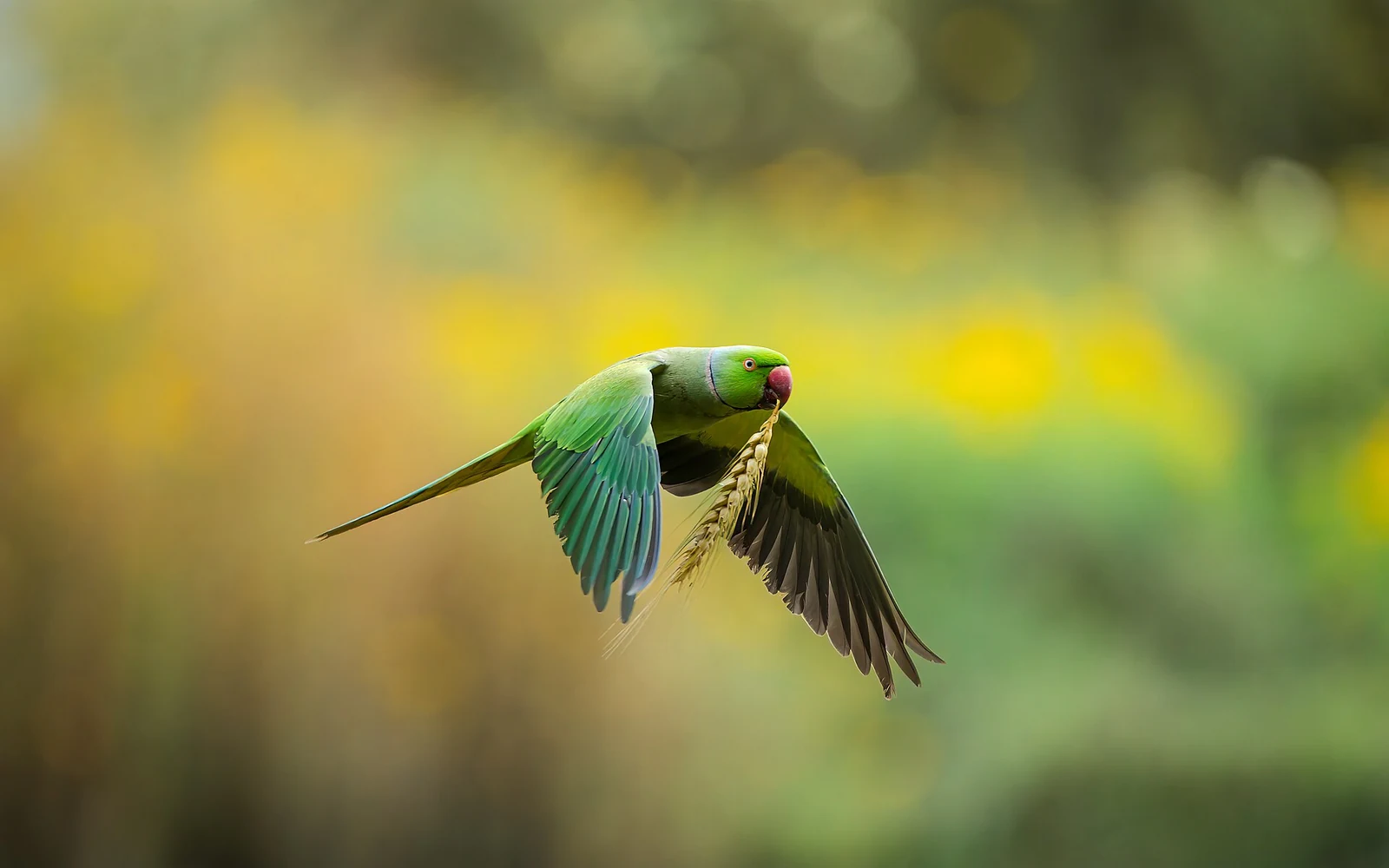
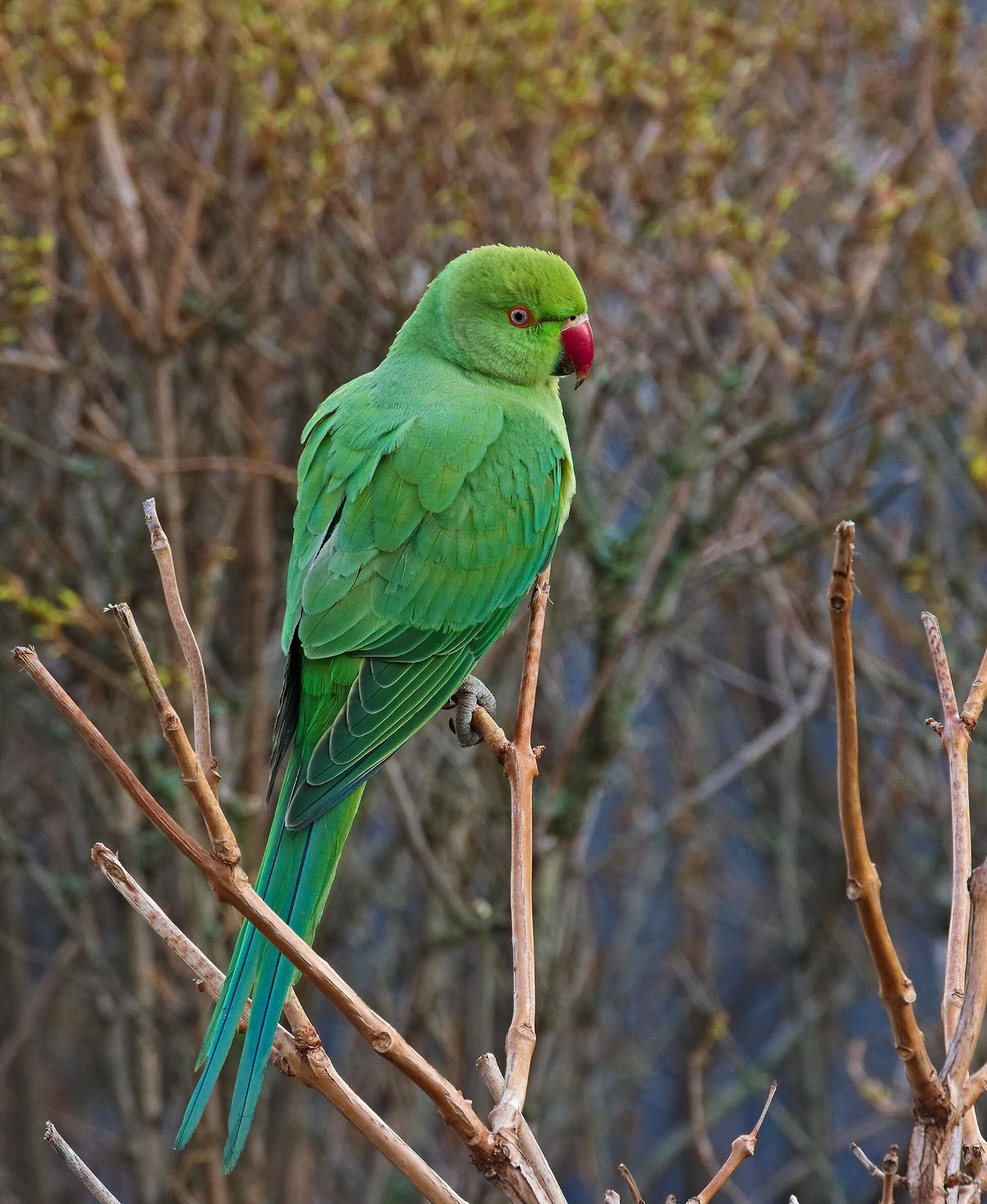
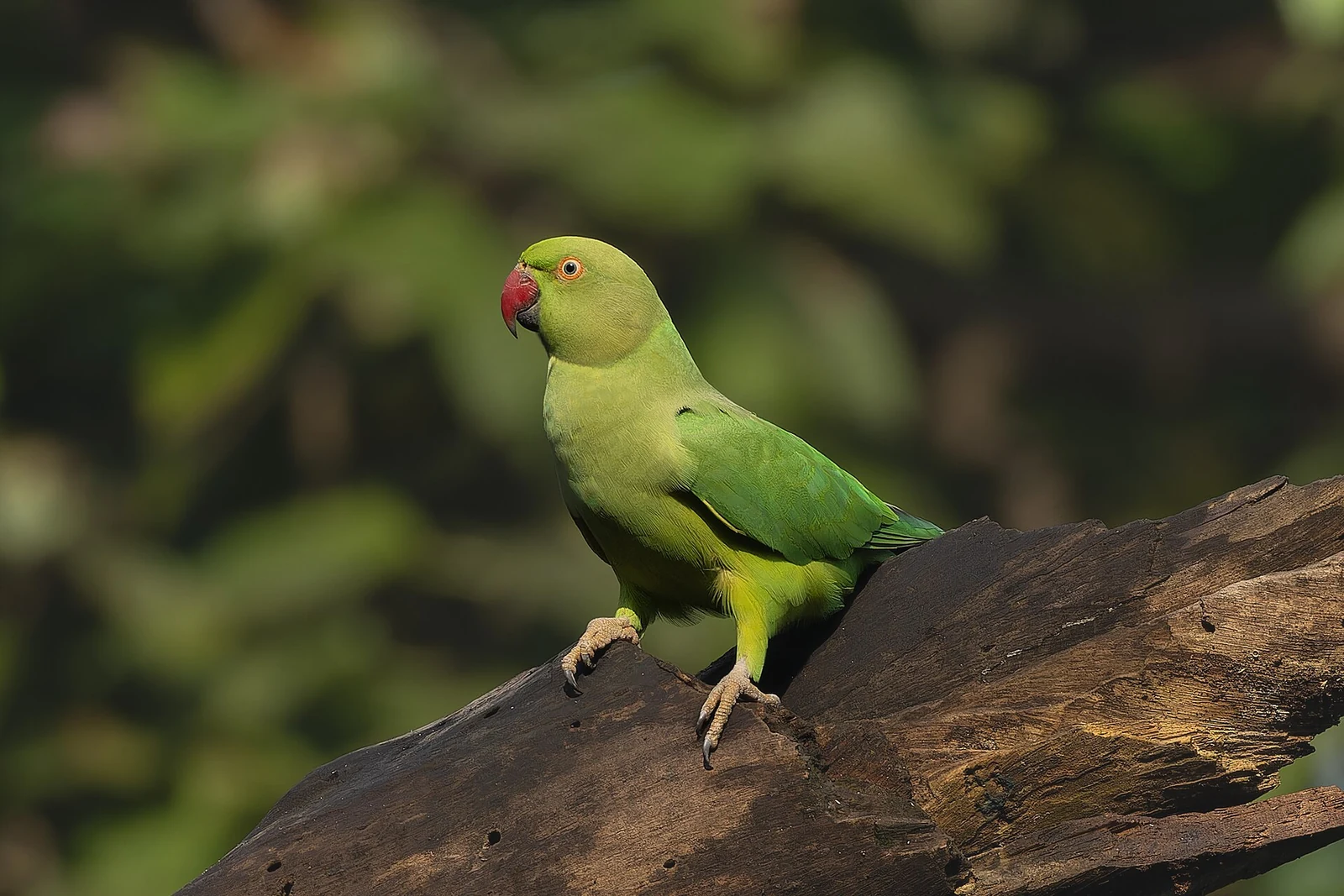
The parrot conservation organisation World Parrot Trust uses Alexandrinus krameri for the rose-ringed parakeet. Books and ownership records often still use Psittacula krameri; both names refer to the same species. Its original range covers parts of Africa and Asia. The roughly 40-centimetre total length includes its long tail. The World Parrot Trust gives a lifespan of about 25 to 30 years.
Adult males in the natural colour pattern have a conspicuous neck ring. Females and young birds cannot be identified in quite the same way. Blue, yellow and other captive colour varieties complicate a quick visual judgement further. Reliable sex identification may be needed before matching companions, rather than guessing age and sex from a photograph.
When adopting, useful information includes known age, familiar food, existing bonds and health records. An established adult pair offers a relationship that can already be observed. The practical plan should also name someone able to provide daily care through holidays or illness over the coming decades.
Sources for this section
- Rose-ringed ParakeetWorld Parrot Trust
- Living with other birdsRSPCA
- Introducing a New Pet BirdVCA Animal Hospitals
Build the home around a long flying route
The World Parrot Trust specifies a walk-in aviary at least 4.5 metres long. That reference gives a concrete sense of the space involved: birds need room for successive wingbeats. Width and height must also accommodate the number of birds, their tails and comfortable landings. A narrow passage of the stated length would not achieve that.
Strong perches can sit near opposite ends, leaving an open route between them. Climbing areas along the sides and a sheltered resting place provide other choices. Feeding sites should allow both birds to eat without repeatedly crossing the other’s path. Bowls serviced from outside can make routine care easier for a substitute caregiver too.
Daily flight outside the aviary needs a prepared room with closed windows, visible glazing and secure landing places. Cables and furniture edges may attract strong beaks, so the whole area needs checking. Smoke, sprays and cooking fumes should be kept out. Outdoor facilities additionally require weather protection, an appropriate shelter and an entrance designed to prevent escape.
Read more: Setting up a bird room: safe flight and good landing places
Sources for this section
- Rose-ringed ParakeetWorld Parrot Trust
- Housing and environments for pet birdsRSPCA
- Household hazards for pet birdsMerck Veterinary Manual
Plan for relationships and audible calls
Rose-ringed parakeets communicate with calls that can be heard at a distance. Spending time at a well-managed home or rescue gives a more useful impression than listening to a phone recording. Neighbours, workspaces and sleeping areas all matter when assessing the fit. A permanently silent parrot is an unrealistic training goal.
A prospective companion should first be examined by an avian vet and accommodated in a separate room. The practice can plan quarantine and any necessary tests. Once cleared, birds can gradually become familiar with each other’s presence. Meetings need retreat routes and a reliable way to separate them.
Relaxed shared feeding and chosen proximity are encouraging observations. If one bird is persistently chased or kept away from food, the birds should initially be separated safely. An avian practice or experienced rehoming organisation can help plan further introductions. Small finches and other parakeet species should not simply be added to the enclosure. Housing planned around their own species makes needs and relationships easier to assess.
Read more: Living with parrots: choosing a species and shaping the day
Sources for this section
- Rose-ringed ParakeetWorld Parrot Trust
- Living with other birdsRSPCA
- Introducing a New Pet BirdVCA Animal Hospitals
Turn part of a meal into an activity
Appropriately formulated parrot pellets can provide a dietary foundation alongside washed vegetables and smaller amounts of other suitable foods. Pellets combine ingredients within each piece, reducing the opportunity to select only favourite seeds. Carrot, pepper and broccoli offer different textures and shapes. An avian vet can help match portions to the food actually eaten and the birds’ body condition.
A few familiar food pieces can first be placed visibly in a shallow foraging dish. Later, loosely wrapping them in plain paper adds something to open and investigate. Rewards belong within the normal daily intake. Fresh branches and safe chewing materials provide further occupation, while damaged items with loose fibres need removing.
During a food change, familiar food should stay available until both birds reliably eat the replacement. Regular weighing helps track the transition. Drinking vessels need daily cleaning, and moist leftovers should be removed after feeding. Watching each bird eat is especially useful when they share the feeding area.
Read more: Bird training: confidence, carriers and cooperative care
Sources for this section
- What to feed your pet birdRSPCA
- Benefits of Foraging Activities for ParrotsWorld Parrot Trust
- Toys for birdsVCA Animal Hospitals
Useful confidence for everyday care and later years
Voluntarily stepping onto a transport perch can be an early training goal. A tiny reward follows a movement towards it immediately. Later, stepping up can be connected to a short transfer towards the scales. The bird should remain free to return to its familiar place. These small routines are also straightforward for a second caregiver to learn.
Young parakeets should already eat reliably without assistance before moving home. An older bird may need closer perches or more accessible bowls. Reduced flight, an insecure grip or falling weight also call for an avian veterinary assessment, so any underlying illness can be treated.
A bird suddenly eating very little, remaining fluffed up or responding much less than usual needs prompt examination. Laboured breathing requires immediate contact with an avian vet or emergency service. A familiar carrier and current contact details make those arrangements easier when time matters. Notes about the bird’s usual eating and activity can help explain what changed.
Read more: Bird training: confidence, carriers and cooperative care · Bird life stages: from youngster to older companion
Sources for this section
- How to train your pet birdRSPCA
- Geriatric diseases of pet birdsMerck Veterinary Manual
- Introduction to disorders and diseases of pet birdsMerck Veterinary Manual
Common questions
Will a rose-ringed parakeet learn to talk?
Some imitate words; others do very little. Voluntary interaction, reliable routines and rewarding activities matter more to a relationship than a particular ability to mimic speech.
Do feral populations show that balcony housing is suitable?
Established wild populations show that the species can survive in particular environments. They do not establish a suitable home for an individual pet. An outdoor facility still needs informed planning, shelter, weather protection and secure containment.
A closer look
Sources and photo credit
- Rose-ringed ParakeetWorld Parrot Trust
- Living with other birdsRSPCA
- Introducing a New Pet BirdVCA Animal Hospitals
- Housing and environments for pet birdsRSPCA
- What to feed your pet birdRSPCA
- Benefits of Foraging Activities for ParrotsWorld Parrot Trust
- How to train your pet birdRSPCA
- Toys for birdsVCA Animal Hospitals
- Household hazards for pet birdsMerck Veterinary Manual
- Introduction to disorders and diseases of pet birdsMerck Veterinary Manual
- Geriatric diseases of pet birdsMerck Veterinary Manual
Photo: Rose-ringed parakeet (Psittacula krameri), University of Rajshahi, Bangladesh (1).jpg · A. H. M Ibnul Arabi · CC BY-SA 4.0. Resized for the web and converted to WebP; image content unchanged.
Photo: The Rose Ringed Parakeet in flight.jpg · Prasan Shrestha · CC BY-SA 4.0. Resized for the web and converted to WebP; image content unchanged.
Photo: 2018.03.03.-10-Mannheim-Vogelstang--Halsbandsittich-Weibchen.jpg · Andreas Eichler · CC BY-SA 4.0. Resized for the web and converted to WebP; image content unchanged.
Photo: Rose-ringed Parakeet in Rabindra Sarobar October 2025 by Tisha Mukherjee 03.jpg · Tisha Mukherjee · CC BY-SA 4.0. Resized for the web and converted to WebP; image content unchanged.
,_University_of_Rajshahi,_Bangladesh_(1).jpg)


