fellfolio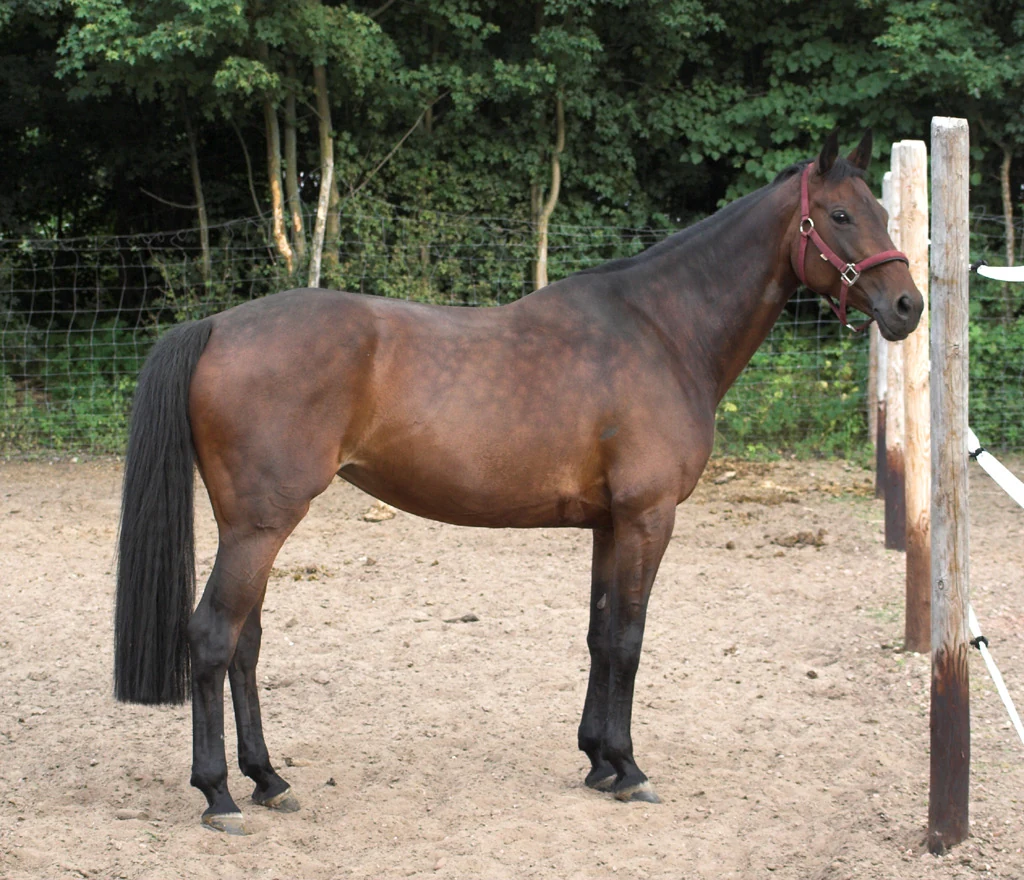
Understanding OL and OS
The Oldenburg is a German warmblood, a term describing a breeding type of riding horse. The OL association maintains its stud book, the register of ancestry and breeding entries. Modern OL breeding has a strong dressage focus while describing a sport horse suitable for a range of riding activities.
The International Oldenburg Jumping Horse has a separate stud book managed by Oldenburg-International. Its actual registration should be checked in the documentation. Both programmes admit other approved populations under particular conditions, contributing to the variety of pedigrees today.
A substantial riding horse with varied appearances
The OL breeding goal describes an elegant, harmoniously built sport horse. Desired features include a well-set neck, strong back and hindquarters able to support movement effectively. All coat colours are admitted, so colour alone cannot identify an Oldenburg.
The programme gives roughly 160 to 170 cm for three-year-old horses as its target. Height is measured at the withers, the raised area where neck and back meet. An older horse should be measured individually, with its build considered when planning accommodation, transport and equipment.
Walk, trot and canter are the three basic paces. The breeding programme seeks balanced movements that cover ground. A rider may initially find large movements unfamiliar to sit to. An instructor at a viewing can help assess how comfortably you work together and the demands on your riding.
Education that horse and rider can follow
A dressage horse learns to respond to its rider through many small tasks. Early work might involve clear transitions between walk and halt or broad turns. Exercises should make it possible for the horse to understand the response being asked for. A well-timed, appropriate reward supports learning.
As work becomes more demanding, time to develop strength and balance and experienced guidance become increasingly useful. A young horse should be introduced gradually to equipment, carrying a rider and new exercises. Resistance or agitation should prompt a review of understanding, workload and possible pain before requirements increase.
A viewing should include arena work, intended outdoor activities and behaviour when saddling. A knowledgeable companion can help assess how you work together. A less experienced buyer should ask specifically about the horse’s experience with novice riders.
Read more: Reward-based horse training: clear steps for everyday care · Your first horse: preparing for the decision
A yard that supports the whole day
Accommodation should allow daily free movement, contact with compatible horses and enough rest. When choosing a yard, it is worth checking exactly when horses go outside and which areas are available. An arena is useful for training, while free time with other horses needs its own place in the daily routine.
Group feeding and drinking points should be arranged so that every horse can reach them. A dry, well-ventilated resting area and safe flooring also need planning. A large horse kept in a stable should have enough space to lie down and stand up comfortably.
If care is shared, responsibilities and changes should be agreed together. Everyone needs to know about additional training, a new feed or a planned rest day. Dependable cover should be available for illness, holidays and busy periods.
Reviewing food and body condition together
Hay and suitable grazing should form the dietary foundation. They provide fibre and time for chewing. Fresh water should be easy to reach. Additional energy should be planned only when it suits the individual’s workload and condition.
A large-framed horse can develop fat deposits while having little muscle in some areas. The neck, ribs and hindquarters should therefore be examined by looking and gently feeling. Overall shape is not enough to assess this. Professional feeding advice can help adjust the ration when changes are noticed.
Feed changes should be gradual. Prolonged periods without suitable food should be avoided when planning the daily routine. Leaving meals or struggling to chew should prompt investigation of the reason. Dental problems can alter which foods are suitable and how they need preparing, especially for older horses.
Read more: Older horses: adapting feeding, movement and daily care
What a WFFS result tells you
The OL programme records WFFS status for particular stallion entries. WFFS is the older abbreviation for Fragile Foal Syndrome, or FFS, a fatal inherited connective tissue disorder in foals. Affected foals inherit two copies of the variant, one from each parent. A horse with one copy is unaffected by this disease but can pass the variant on.
Before breeding, the genetic results of both parents should be discussed with qualified guidance. Carrier status alone does not prevent a stallion’s entry under the OL programme. For an adult riding horse, other practical health questions still need assessment, including movement, feet, teeth and previous workload.
A veterinary pre-purchase examination is useful before taking ownership. Changes in eating, behaviour or movement should be discussed promptly afterwards. A shared preventive plan can bring together dental checks, vaccination, parasite control and suitable hoof care. Saddle fit should also be reviewed when growth or work alters body shape.
Read more: Foals and young horses: growing up, handling and early learning · Older horses: adapting feeding, movement and daily care
Common questions
Are OL and OS the same register?
No. The Oldenburg horse and the International Oldenburg Jumping Horse have separate stud books. OL breeding predominantly focuses on dressage and OS on jumping. The documents should show the actual registration.
Is a WFFS carrier ill as a riding horse?
A horse with one copy of this variant is unaffected by FFS. The result still matters for breeding because the variant can be passed on. General health should be assessed separately for the individual riding horse.
A closer look
Sources and photo credit
- Der Verband: Die Oldenburger VerbändeOldenburger Pferdezuchtverband e.V.Understanding OL and OS
- Zuchtprogramm für das Oldenburger Pferd, Stand 10. September 2025Verband der Züchter des Oldenburger Pferdes e.V.Understanding OL and OS · A substantial riding horse with varied appearances · Education that horse and rider can follow · What a WFFS result tells you
- Zuchtprogramm des Internationalen Oldenburger SpringpferdesSpringpferdezuchtverband Oldenburg-International e.V.Understanding OL and OS
- Guide to buying a horse: questions to ask and moreBritish Horse SocietyA substantial riding horse with varied appearances · Education that horse and rider can follow · A yard that supports the whole day · What a WFFS result tells you
- Where to keep your horseBritish Horse SocietyA substantial riding horse with varied appearances · A yard that supports the whole day
- Training: how do horses learn?World Horse WelfareEducation that horse and rider can follow
- Horse health essentialsWorld Horse WelfareEducation that horse and rider can follow · Reviewing food and body condition together · What a WFFS result tells you
- Feeding horsesBritish Horse SocietyReviewing food and body condition together
- Fat scoring horsesBritish Horse SocietyReviewing food and body condition together
- Fragile Foal Syndrome (FFS) Type IUniversity of California, Davis, School of Veterinary MedicineWhat a WFFS result tells you
- Essential care for your horse’s hoovesBritish Horse SocietyWhat a WFFS result tells you
Photo credits
Photo: Bess2.jpg · Martin Bahmann · CC BY-SA 3.0. Image format adapted.
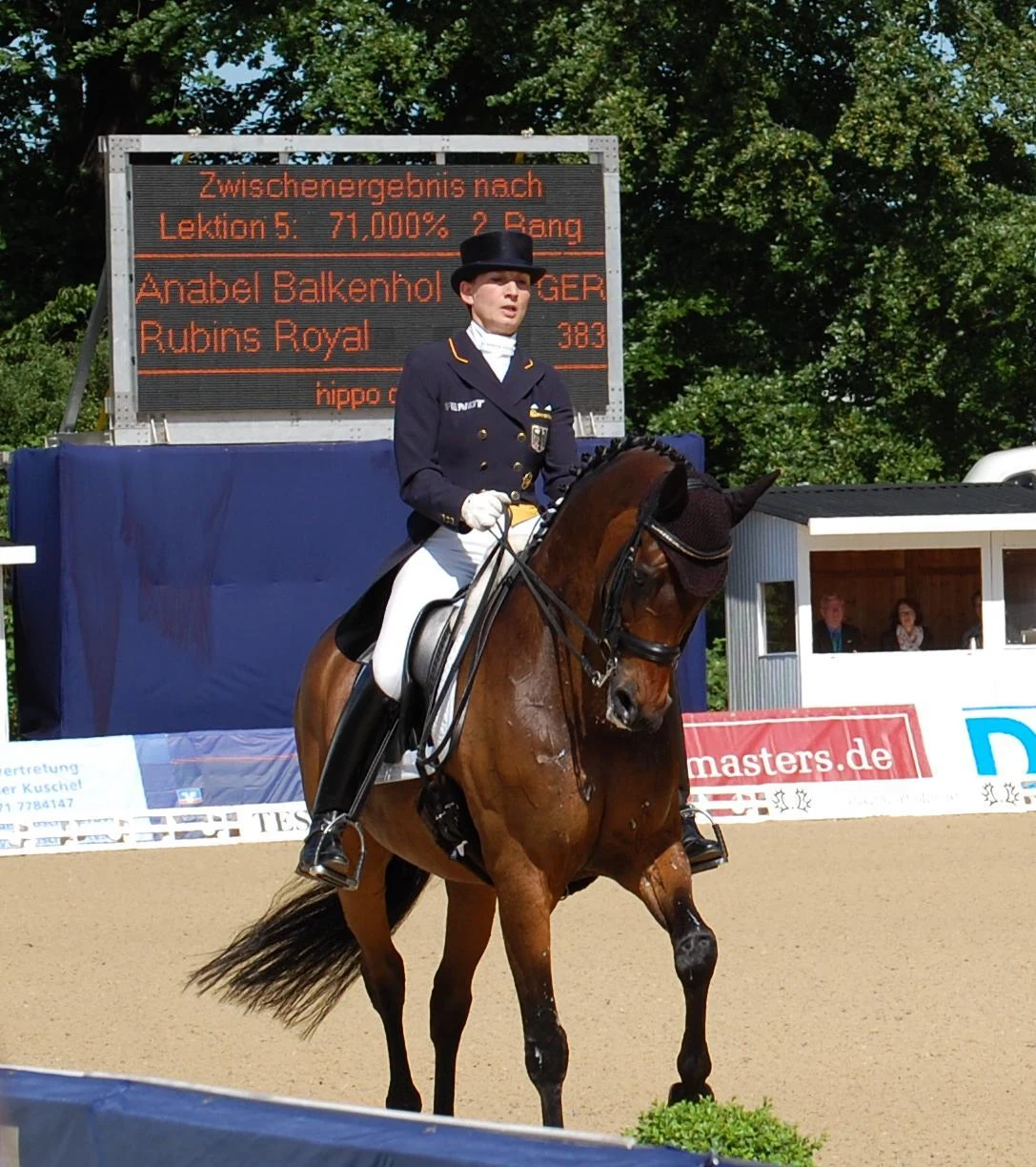
Photo: Anabel Balkenhol mit Rubins Royal, CDI Hamburg 2011.JPG · Foto: Steinfurth / Lizenz: CC BY-SA 3.0 · CC BY-SA 3.0. Image format adapted.
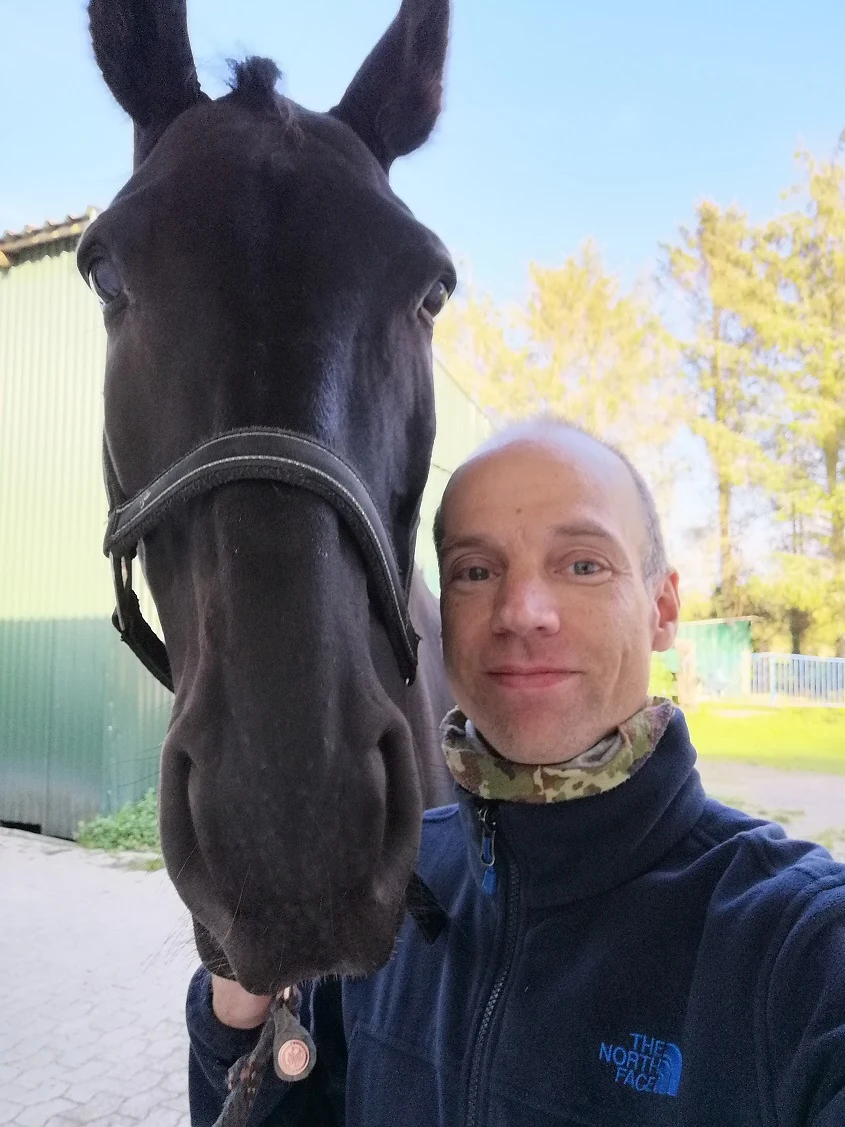
Photo: Mücke & Mike 03.10.2022.jpg · Mikematics · CC BY-SA 4.0. Image format adapted.
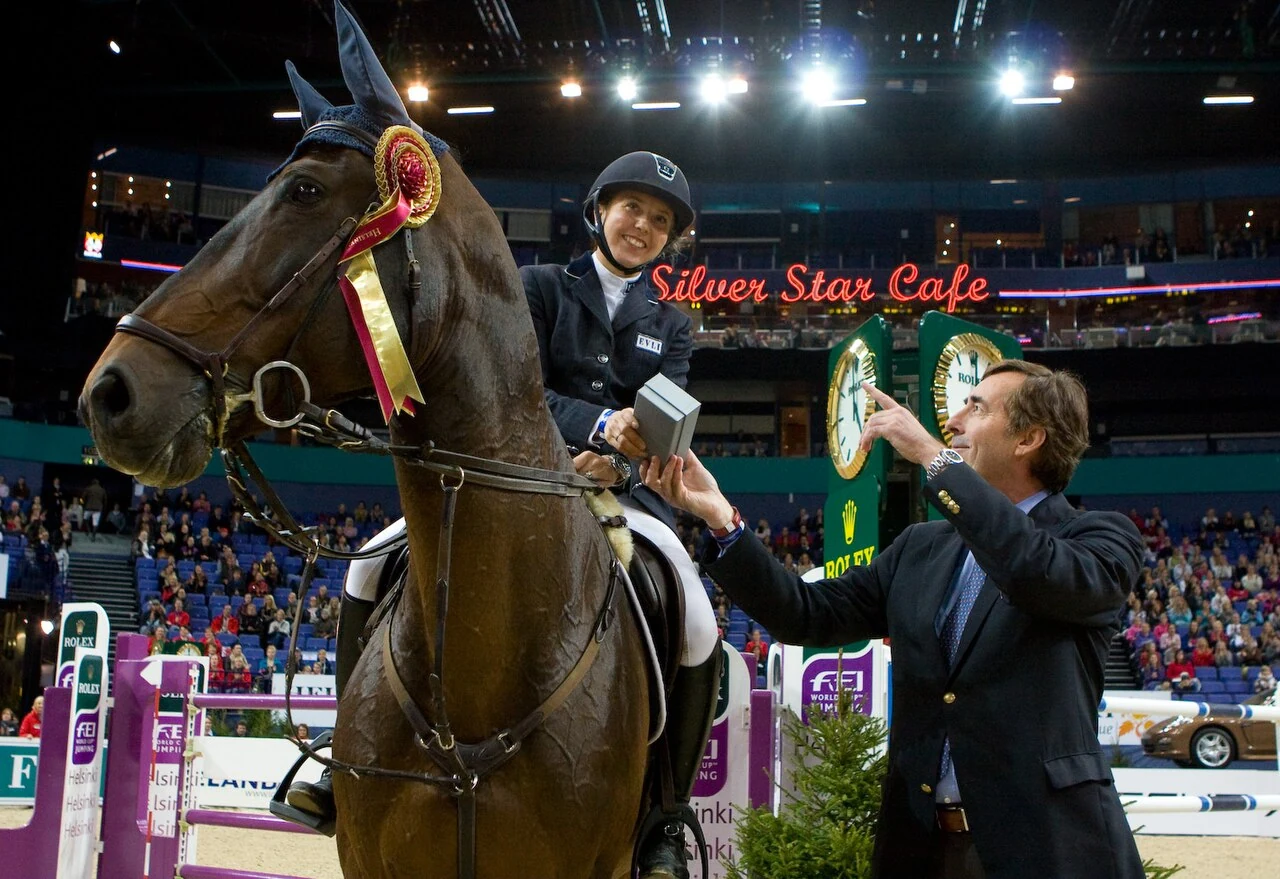
Photo: NooraForstenQuinaultHelsinki.jpg · Caygill · CC BY-SA 3.0. Image format adapted.