fellfolio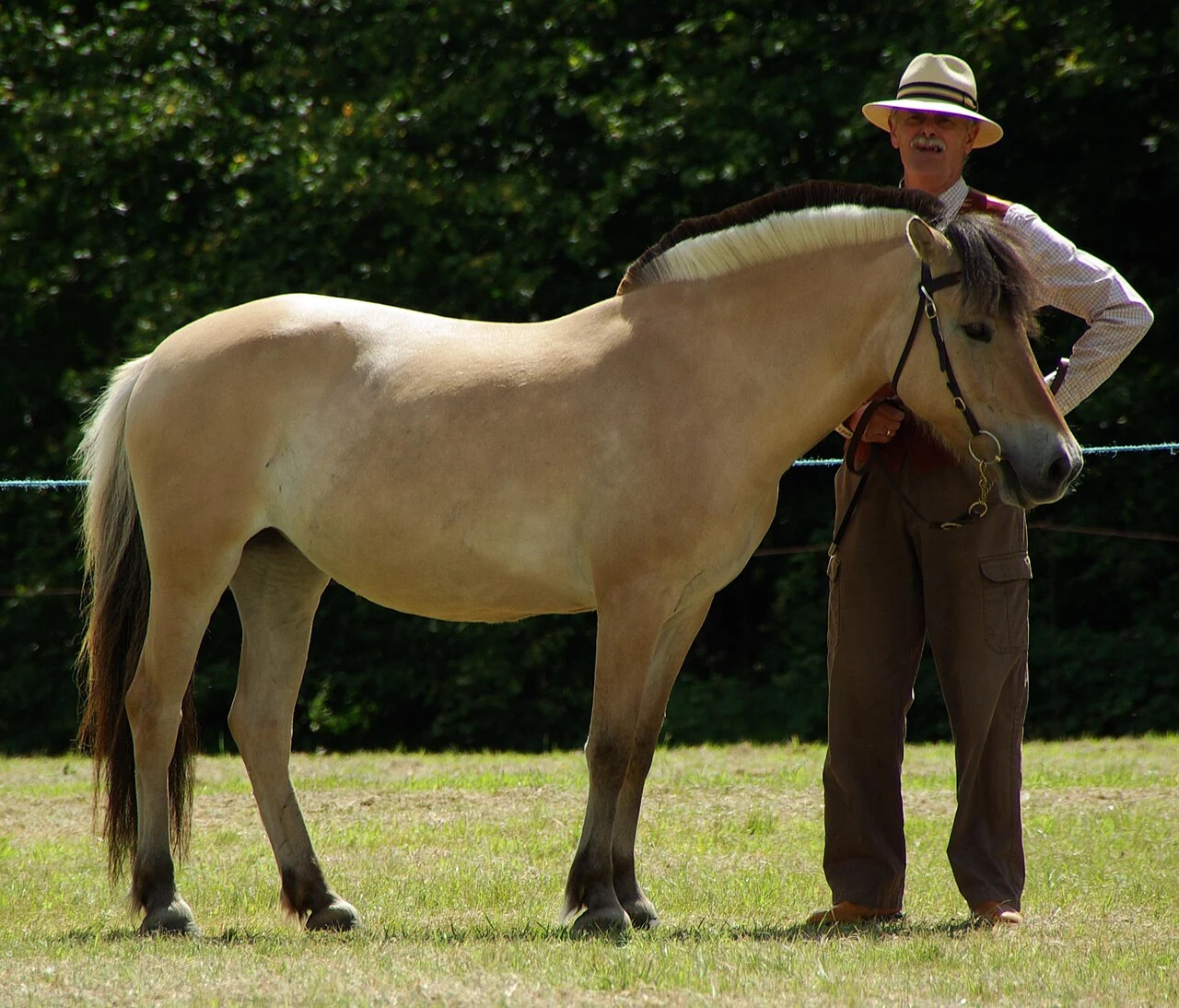
A Norwegian horse with a varied working history
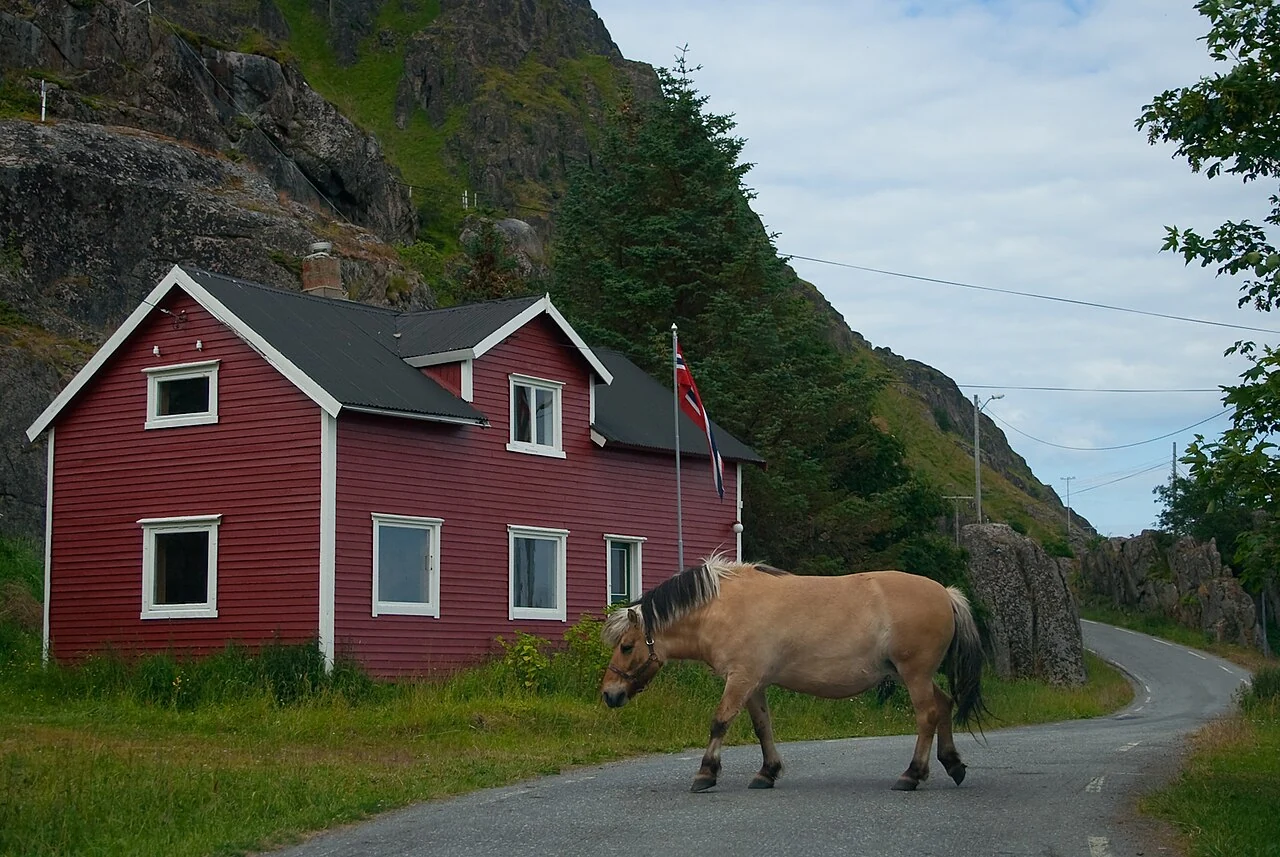
The breed is closely associated with western Norway. Horses of this type were used for farm work and transport, with riding and driving becoming important uses too. That background helps explain why different builds can occur within a recognisable breed type. A lighter leisure horse and a substantial driving partner need not have identical proportions.
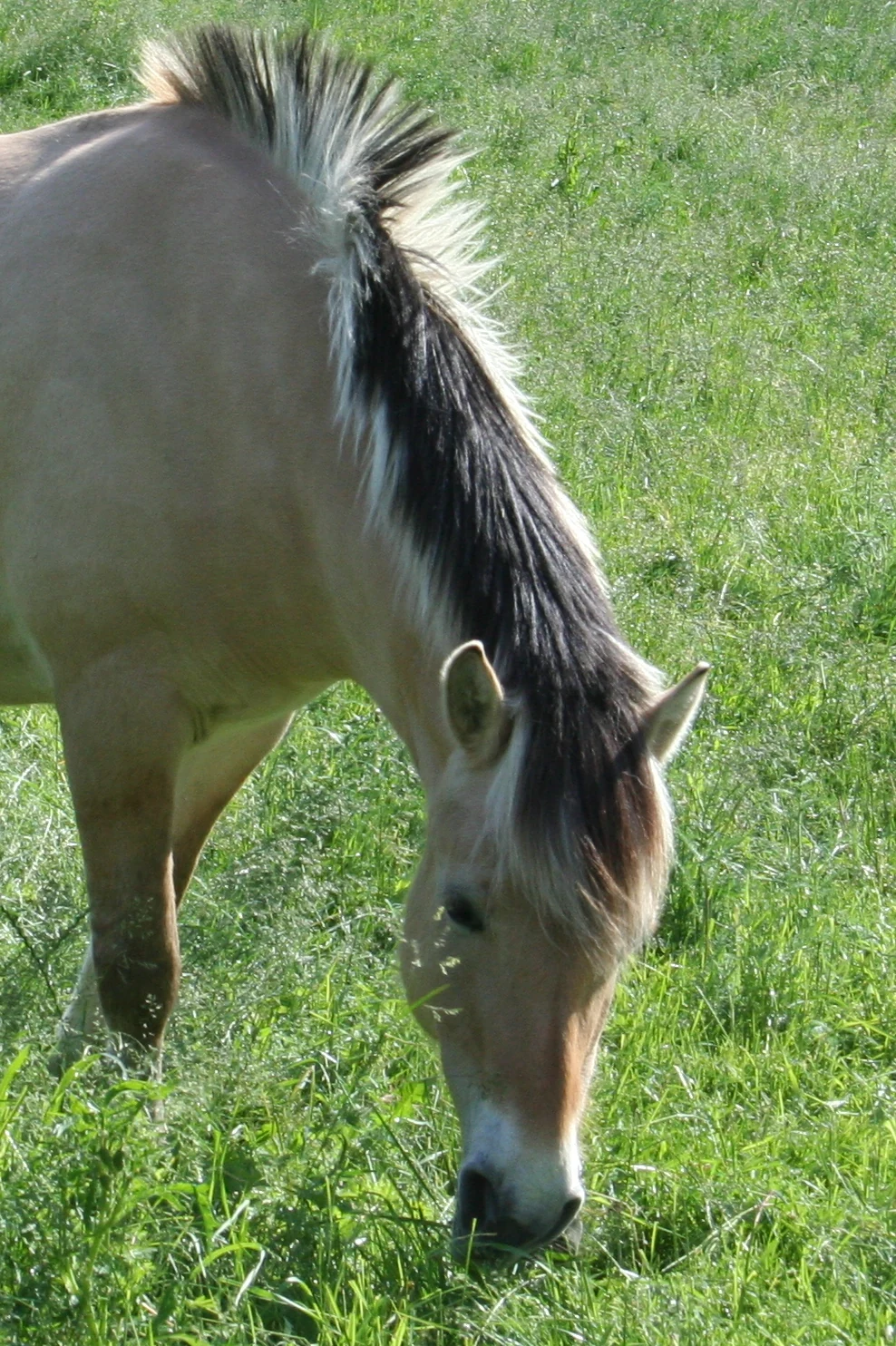
The American breed registry describes many Fjords as standing around 137 to 147 centimetres, with some individuals outside that range. The familiar dun colours vary in shade. Traditional trimming leaves the dark central hairs slightly longer than the pale outer hairs, emphasising the pattern in the upright mane.
Sources for this section
- Fjord Horse Breed StandardNorwegian Fjord Horse Registry
Choosing beyond a sturdy appearance
A search for a leisure partner should begin with the activities that will actually be part of everyday life. A Fjord experienced in harness may not have learned to be ridden reliably. Calm behaviour during grooming does not establish that it hacks comfortably alone. Previous carers should be able to explain those different areas of experience.
A viewing becomes more useful when it allows enough time, from collecting the horse from companions to returning it afterwards. This reveals responses within a familiar routine. Clear, established responses to stopping, maintaining space and walking beside a handler are especially valuable for a less experienced person. Where strength and uncertainty meet, a reputation for a friendly breed is not enough to establish safe handling. Appropriate support matters throughout the early weeks of a new partnership.
Read more: Your first horse: preparing for the decision
Sources for this section
- Guide to buying a horseBritish Horse Society
Considering feeding and movement together
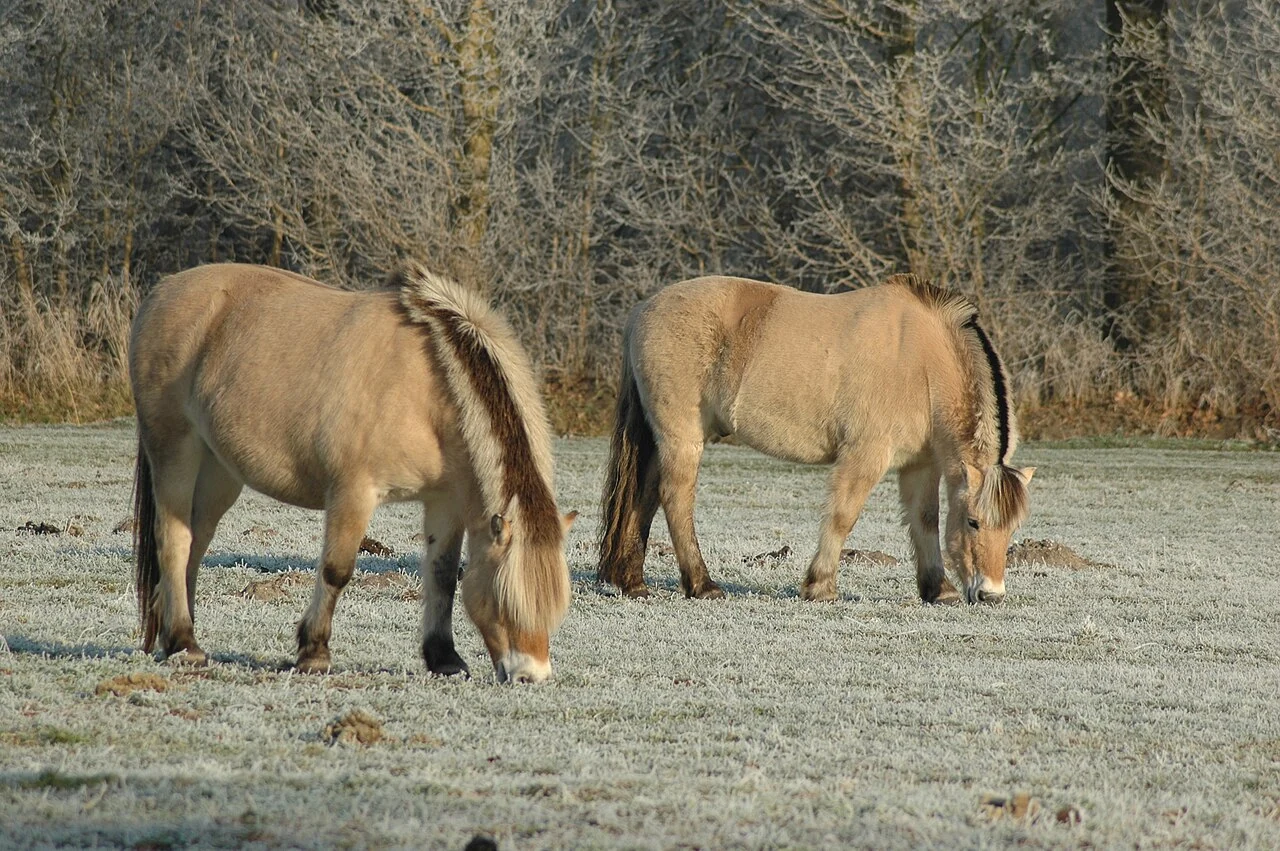
Weight gain in a compact horse can be easy to overlook. The neck, rib area and hindquarters should therefore be assessed regularly by someone who understands body condition scoring. A rounded belly alone says little about fat reserves. Winter coat and a thick mane can make changes harder to see.
Forage remains the basis of feeding. Where weight is increasing undesirably, a professionally informed plan should consider forage quality, quantities, feeding opportunities and movement together. Long periods without forage are not a useful shortcut. Grazing arrangements can reflect the horse’s condition and the pasture while retaining contact with companions. A short record of portions actually eaten provides a better starting point than simply saying that a pony already receives very little. It also helps identify contributions from different carers.
Read more: Keeping horses: building a good everyday life
Sources for this section
- Feeding horsesBritish Horse Society
- Preventing colic in horsesBritish Horse Society
Teaching reliable everyday responses
A horse that stops and stands beside its handler makes many jobs easier: opening a gate, examining a foot or fitting equipment. These skills develop through clear repetitions and appropriate feedback. Short sessions with small achievable steps can fit naturally into ordinary care.
Driving adds further demands. Harness, pulling sounds and the movement of a carriage should be introduced gradually with knowledgeable help. Reliable behaviour around traffic is another part of the preparation. Someone hoping to drive should plan instruction in handling a turnout and using the reins. Riding experience does not fully replace those skills. A well-educated horse can make learning easier, but still needs clear signals that it understands. The horse and the person both contribute to a safe partnership.
Read more: Reward-based horse training: clear steps for everyday care · Foals and young horses: growing up, handling and early learning
Sources for this section
- Guide to buying a horseBritish Horse Society
- Training: how do horses learn?World Horse Welfare
Coat, feet and a suitable yard
An upright mane makes the neck easy to see, while a dense winter coat needs attention during routine care. After harder activity, checking whether the horse is still damp beneath the hair is useful. Rugging decisions depend on weather, shelter, health and individual need. Beneath a rug, the horse should feel comfortably warm and dry. Sweating underneath suggests the rug needs to be reconsidered for the conditions.
Daily checks include legs, feet, skin and movement. A dry, firm surface often makes examining feet easier than doing so in deep mud. A horse living outside still needs an appropriate dry resting area and protection from poor weather. If an older Fjord becomes slower, discomfort, dental changes or reduced fitness may contribute. Veterinary assessment helps distinguish useful adjustments from limitations that could be treated or managed. Comfortable movement and familiar company remain valuable as the routine changes.
Read more: Daily horse care: noticing what changes · Older horses: adapting feeding, movement and daily care
Sources for this section
- Stage 1 Care syllabusBritish Horse Society
- Types of rugs and rugging a horseBritish Horse Society
- Essential care for your horse’s hoovesBritish Horse Society
- Where to keep your horseBritish Horse Society
Common questions
Is every Fjord suitable for a beginner?
No. An experienced individual with suitable training may be a good match. A young or inexperienced Fjord needs knowledgeable support just as other horses do.
Must the mane always be trimmed upright?
The trim is a familiar part of the breed’s appearance. Daily care centres on healthy skin, comfortable grooming and suitable equipment. A particular mane shape is not a requirement for good welfare.
A closer look
Sources and photo credit
- Where to keep your horseBritish Horse Society
- Feeding horsesBritish Horse Society
- Essential care for your horse’s hoovesBritish Horse Society
- Preventing colic in horsesBritish Horse Society
- Stage 1 Care syllabusBritish Horse Society
- Types of rugs and rugging a horseBritish Horse Society
- Guide to buying a horseBritish Horse Society
- Fjord Horse Breed StandardNorwegian Fjord Horse Registry
- Training: how do horses learn?World Horse Welfare
Photo: Fjord Pony at Collettes Horse Show August 2011 - 1.jpg · Lil Shepherd; derivative: Nordlicht8 · CC BY 2.0. Resized and converted to WebP; scene unchanged.
Photo: Fjord horse Ure.jpg · Jon Olav Eikenes from Oslo, Norway · CC BY 2.0. Resized and converted to WebP; scene unchanged.
Photo: Fjord Horse.jpg · Jennifer Slot · CC BY 2.0. Resized and converted to WebP; scene unchanged.
Photo: Mane Fjord horse.jpg · A. Köhler; derivative: Klara · CC BY-SA 3.0. Resized and converted to WebP; scene unchanged.