fellfolio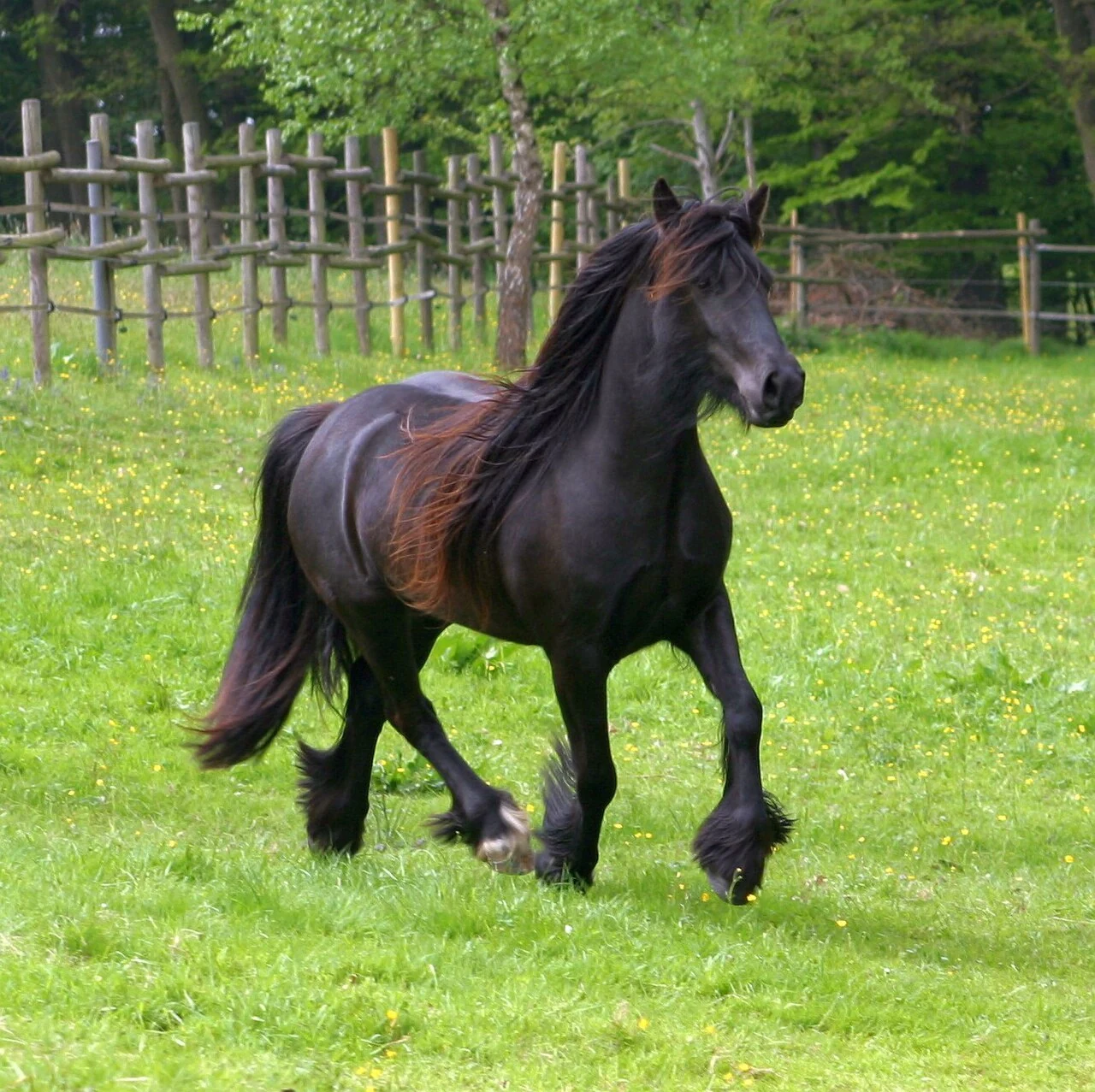
From working pony to a varied modern life
Fell Ponies were used in northern England for tasks including carrying loads and transport. That history helps explain the breed’s emphasis on a strong body and practical movement. The Fell Pony Society oversees the breed and describes its own standard.
At a viewing, identification and pedigree records should match the animal being offered. Its education and previous experiences also deserve attention when considering the life you would share. Someone looking for an outdoor riding companion should see it on a suitable route with knowledgeable support.
A substantial body and abundant hair
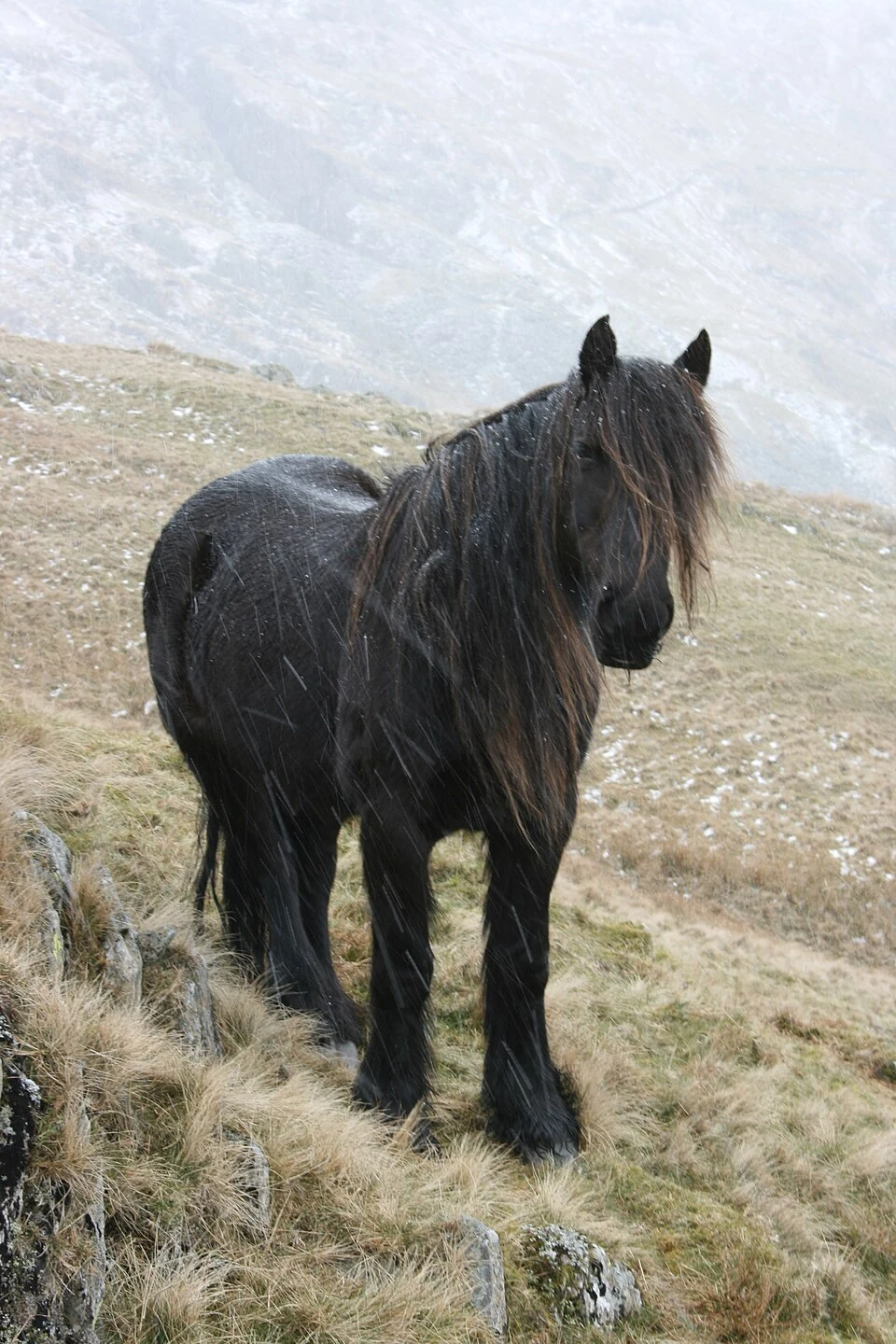
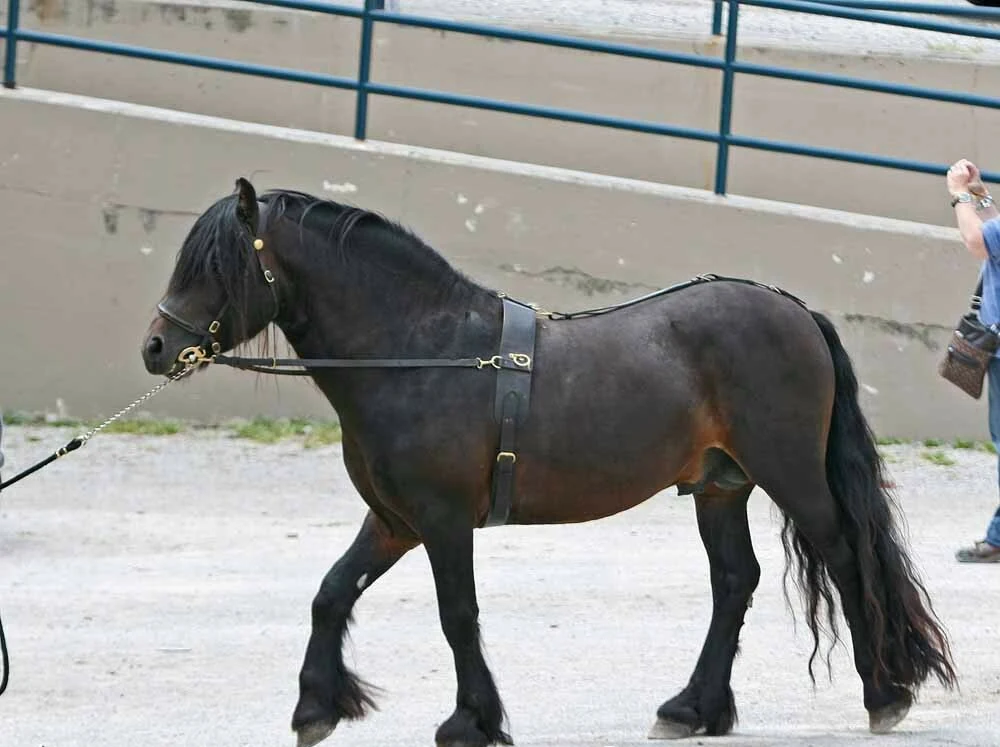
The standard specifies a maximum height of 142.2 cm, measured at the withers where the neck meets the back. Typical features include a strong body, full mane and thick tail. Longer hair also grows around the lower legs and is known as feather. Permitted colours are black, brown, bay and grey.
An individual pony’s movement should be assessed calmly. Its build, fitness and saddle fit should be considered together when deciding whether it suits the intended rider. A strong appearance alone cannot establish a particular rider weight. An experienced instructor and a pre-purchase veterinary examination can help inform the decision.
Riding and driving require their own preparation
A Fell Pony can be educated for different activities. Early riding exercises might include stopping quietly, walking on again and turning on a broad curve. Small steps and appropriate rewards help the pony understand the responses being asked for. A familiar outdoor riding route can later add variety.
In driving, the pony pulls a carriage. It wears fitted harness that distributes pulling forces across appropriate parts of its body. It needs to learn about contact from that equipment, the driver’s cues and a vehicle behind it. Experienced professionals should guide this education. A pony accustomed to being ridden still needs to learn these additional tasks.
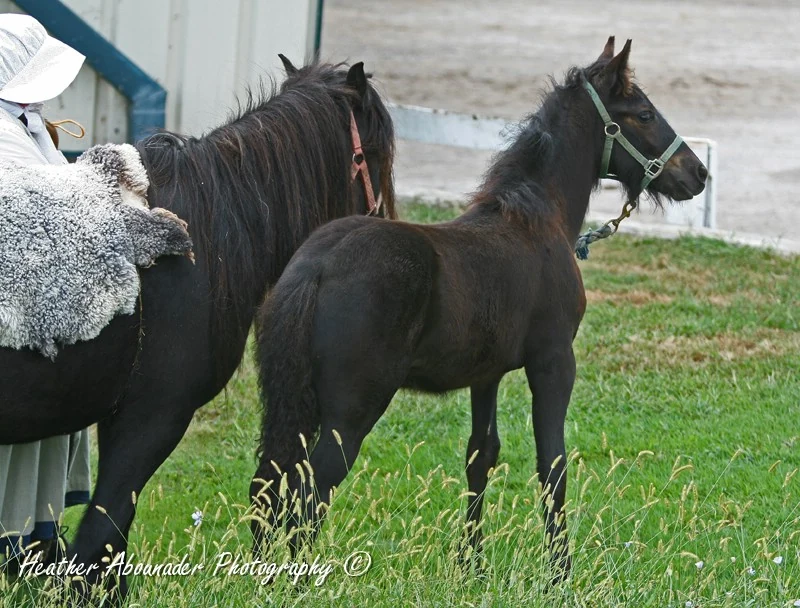
For a young pony, foundations such as leading, lifting feet and standing quietly should be established first. When an older pony returns to work, its health and existing fitness should guide the starting point.
Read more: Reward-based horse training: clear steps for everyday care · Foals and young horses: growing up, handling and early learning
Room to move and reliable company
Accommodation should provide daily time outdoors, contact with compatible horses and protection from difficult weather. A dry resting area and well maintained ground are especially important in wet months. A pony associated with outdoor life should still be checked regularly for injuries, unusual movement and changes in appetite.
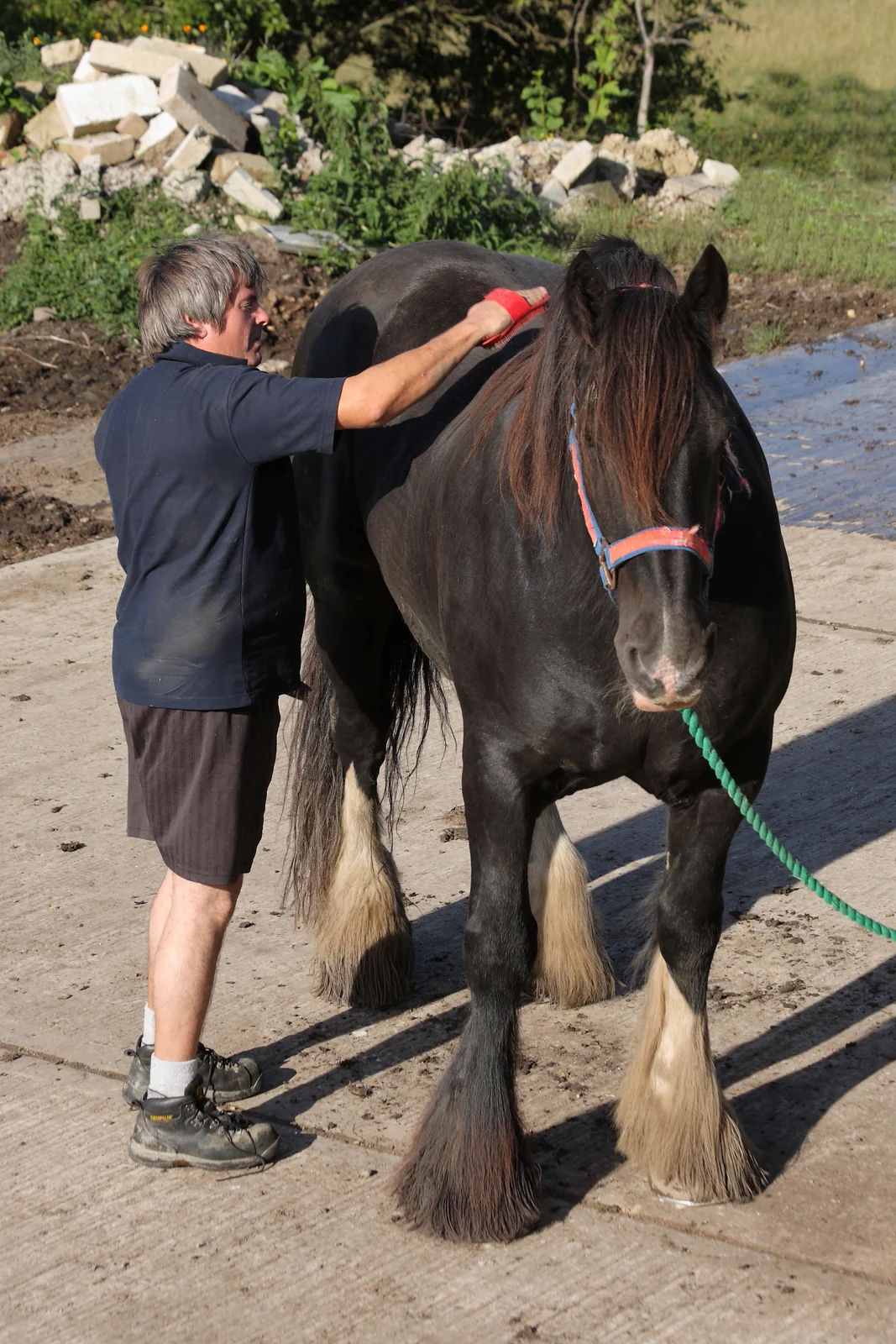
Care of the mane, tail and feather should allow the hair and underlying skin to be checked. Looking beneath the longer hair on the lower legs is useful, as heat, swelling or irritated skin may be less obvious there. Changes should be discussed with the vet. Feet should be cleaned daily and trimmed or shod at intervals agreed with a hoof care professional.
Read more: Keeping horses: building a good everyday life · Daily horse care: noticing what changes
Distinguishing a substantial build from excess fat
A compact pony’s body condition should be assessed by looking and feeling. This helps distinguish a naturally broad outline from extra fat deposits. Regular notes about the ribs, neck and hindquarters can make gradual changes easier to notice.
Hay and suitable grazing should form the basis of feeding. Additional feed should be chosen for an actual need, such as increased work or difficulty maintaining condition. If weight is increasing, energy intake should be adjusted without creating prolonged gaps in eating. Fresh water and balanced nutrition remain important while weight is managed.
Understanding foal immunodeficiency and routine care
Foal Immunodeficiency Syndrome, usually shortened to FIS, is an inherited disorder that can occur in Fell Ponies. Affected foals develop severe anaemia, meaning too few healthy red blood cells, and cannot defend themselves adequately against infections. They can initially appear normal before becoming ill in the following weeks. There is no cure, and affected foals do not survive.
A foal is affected when it inherits the relevant genetic variant, a change in DNA, from both parents. A pony with one copy is a carrier. It does not develop FIS itself but can pass the variant on. Both parents’ results should therefore be checked before breeding. A carrier can be paired with a pony clear of this variant without producing FIS-affected foals. The test assesses this particular inherited condition.
Every pony should have an agreed plan for dental checks, vaccination, parasite control and hoof care. Short, painful steps or difficulty turning can indicate laminitis, a condition affecting the tissues supporting the pedal bone within the hoof. Suspected laminitis should prompt immediate veterinary advice. Care in later life should take account of teeth, mobility and body condition.
Read more: Older horses: adapting feeding, movement and daily care
Common questions
Are all Fell Ponies black?
No. Brown, bay and grey are also permitted by the standard. Colour alone should therefore not be used to identify the breed.
Is a FIS carrier ill?
A carrier with one copy does not develop FIS itself. Its result matters for breeding because it can pass the variant on. The result does not assess other possible health conditions.
A closer look
Sources and photo credit
- About the Fell Pony and breed standardFell Pony SocietyFrom working pony to a varied modern life · A substantial body and abundant hair · Riding and driving require their own preparation
- Guide to buying a horse: questions to ask and moreBritish Horse SocietyFrom working pony to a varied modern life · A substantial body and abundant hair · Riding and driving require their own preparation
- Fat scoring horsesBritish Horse SocietyDistinguishing a substantial build from excess fat
- Feeding horsesBritish Horse SocietyDistinguishing a substantial build from excess fat
- Horse health essentialsWorld Horse WelfareA substantial body and abundant hair · Riding and driving require their own preparation · Room to move and reliable company · Understanding foal immunodeficiency and routine care
- Where to keep your horseBritish Horse SocietyRoom to move and reliable company
- Essential care for your horse’s hoovesBritish Horse SocietyRoom to move and reliable company
- LaminitisBritish Horse SocietyUnderstanding foal immunodeficiency and routine care
- Training: how do horses learn?World Horse WelfareRiding and driving require their own preparation
- Foal Immunodeficiency Syndrome (FIS)UC Davis Center for Equine HealthUnderstanding foal immunodeficiency and routine care
- Foal Immunodeficiency Syndrome (FIS) genetic testUC Davis Veterinary Genetics LaboratoryUnderstanding foal immunodeficiency and routine care
Photo credits
Photo: Fellpony Longstreamlet Kim.jpg · Thomas Lunzer | lunzer.de · CC BY-SA 3.0. Image format adapted.
Photo: Fell pony.jpg · Paul · CC BY-SA 2.0. Image format adapted.
Photo: Fellpony.jpg · Heather Abounader (Flickr: Heather Moreton) · CC BY 2.0. Image format adapted.
Photo: Fell Ponies - Mare and foal.jpg · Heather Abounader (Flickr: Heather Moreton) · CC BY 2.0. Image format adapted.