 fellfolio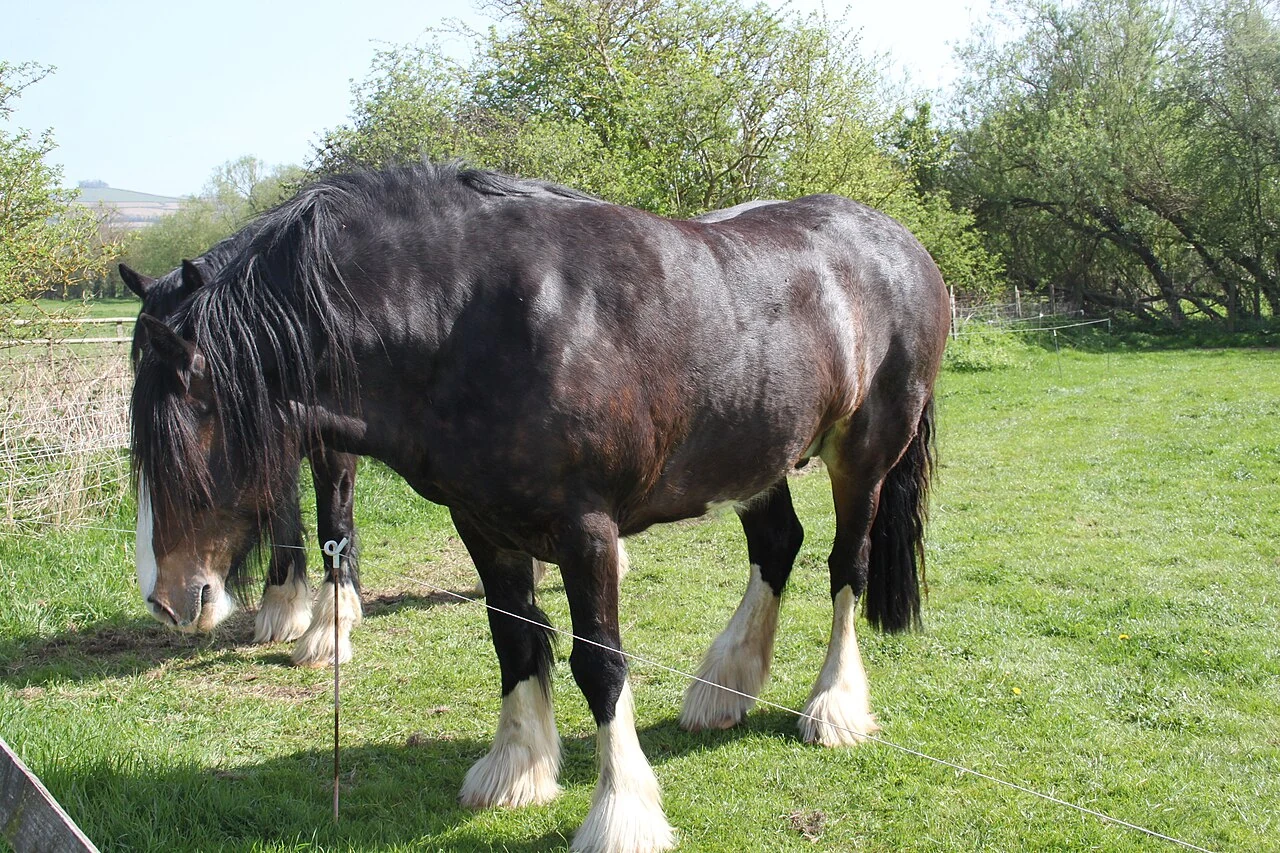
An English horse shaped by heavy work
The Shire originated in England, particularly the Midlands and the eastern Fenlands. Shires worked on farms and hauled heavy wagons for agriculture and industry. Brewery deliveries are another familiar part of their working history. Strength, an enduring walk and cooperation with the handler were valuable qualities for these jobs.
Today, Shires are used in driving, demonstrations and riding. If you hope to drive one, gaining experience with a trained driving horse and professional support should come first. The harness is the equipment the horse wears to pull a carriage. Both harness and vehicle should suit the individual horse and the intended work. An inexperienced horse should be introduced to them gradually. At a viewing, you should therefore ask which tasks it has already learned.
Making sense of Shire height
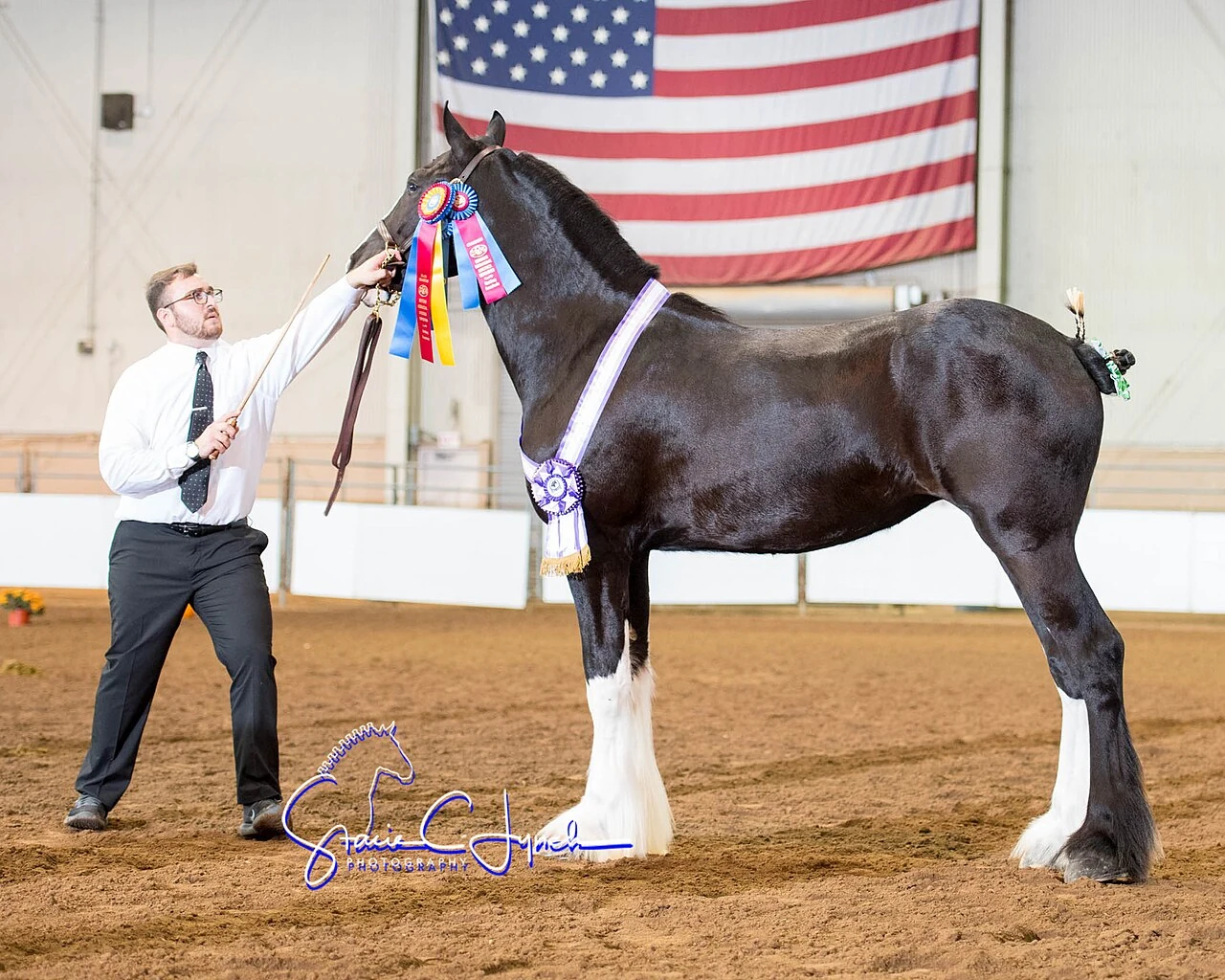
The American association’s currently published conformation guidelines were adopted in 1977. They give stallions a minimum height of 16.2 hands, approximately 168 centimetres at the withers. A hand is four inches. The digit after the point represents additional inches, so 16.2 means sixteen hands and two inches. Mares are described as slightly smaller in those guidelines.
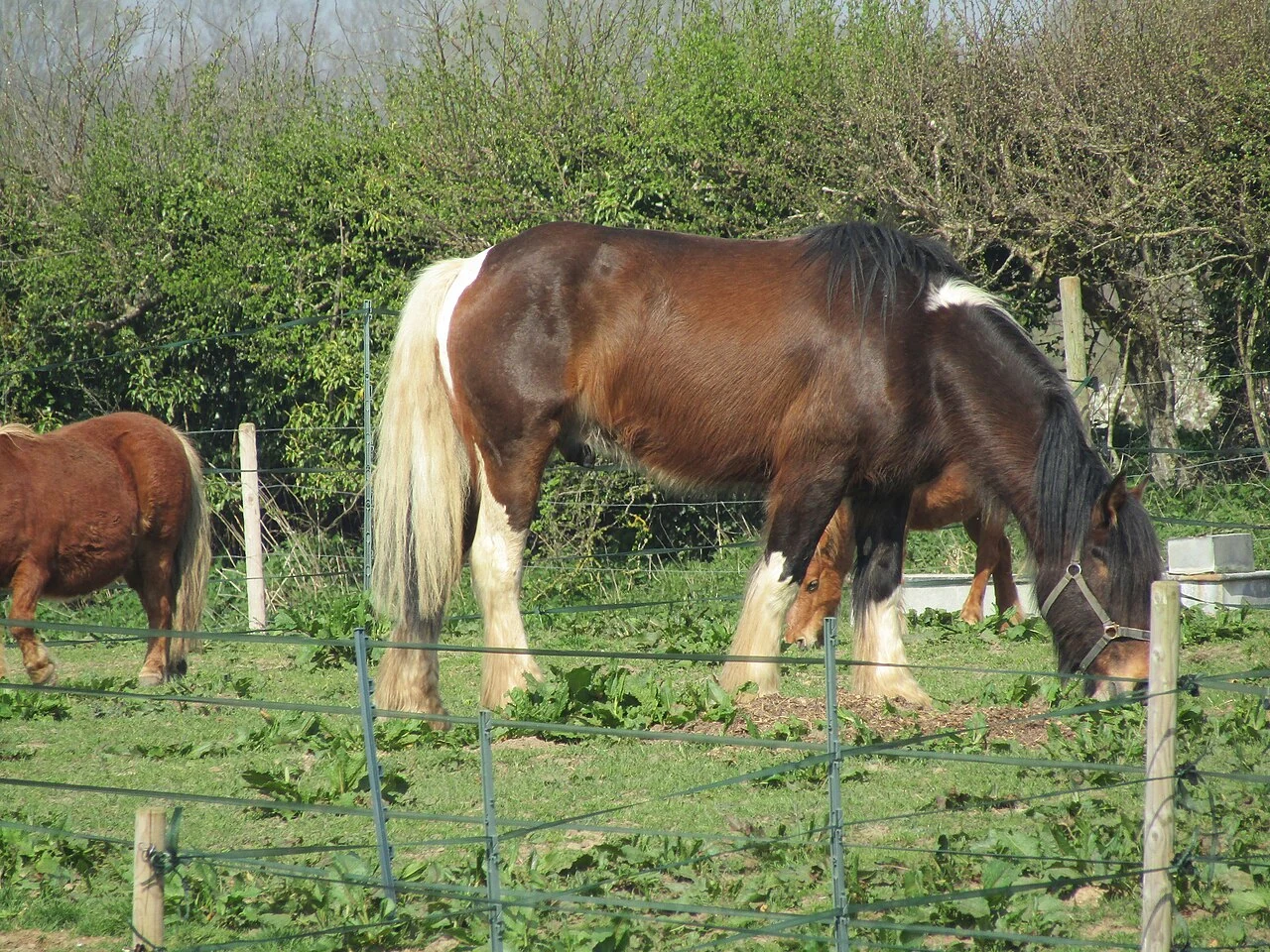
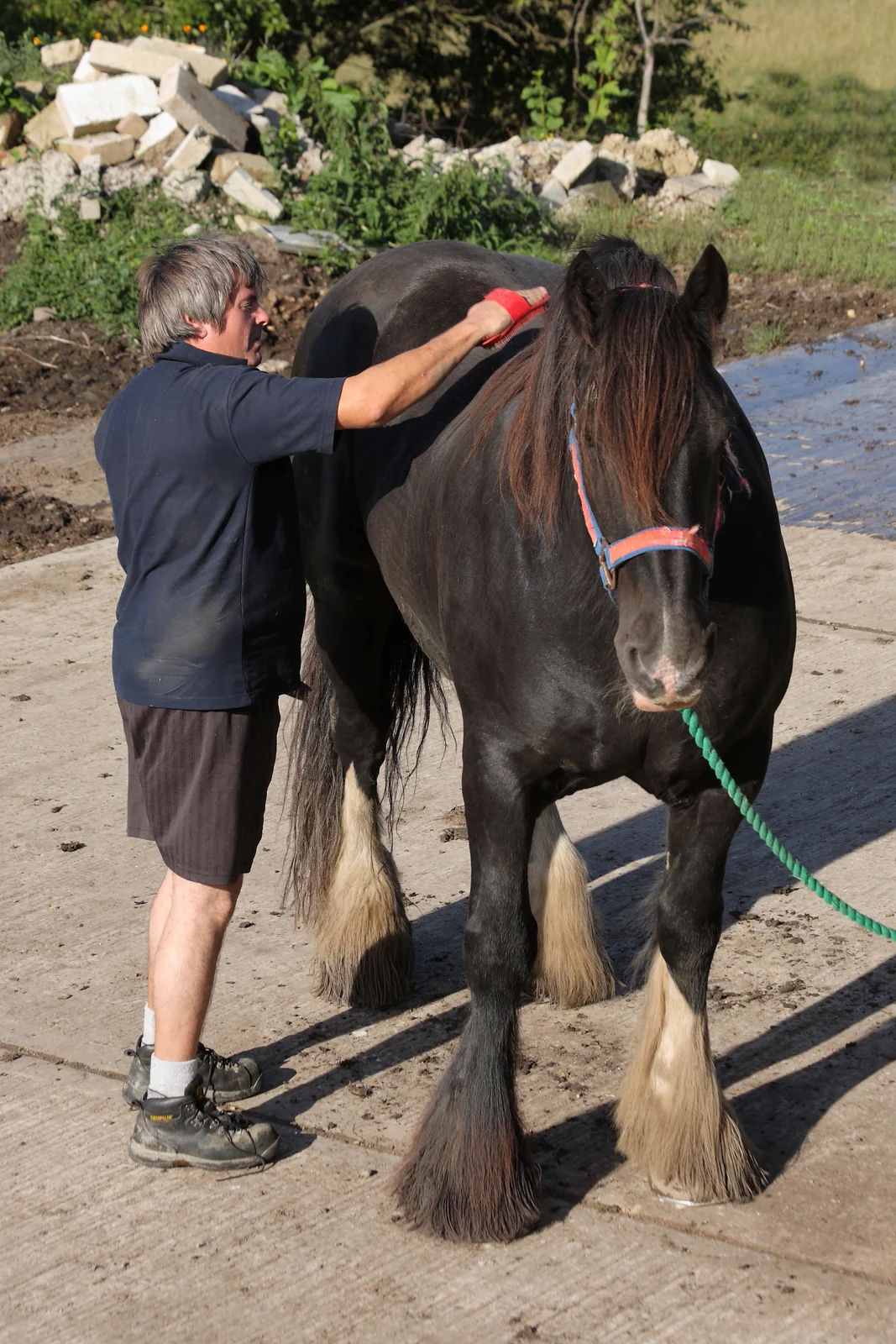
The withers are the raised area where the neck joins the back. Broad shoulders, a substantial body and large hooves add to the Shire’s imposing appearance. Black, bay, brown and grey are among its colours. The long hair around the lower legs is called feathering. This distinctive feature needs regular attention during grooming.
Good handling grows from small learning steps
A Shire should learn to respond calmly to clear cues during leading and hoof care. A short, rewarded moment of standing still can be the beginning. Longer waits and new locations can follow gradually. With a heavy horse, dependable foundations are especially useful before more demanding situations are introduced.
When teaching a horse to give a foot, the duration and difficulty should initially be modest. It needs to balance comfortably on secure footing. Repeatedly snatching a foot away or becoming tense deserves investigation. Pain or difficulty balancing may contribute.
Ridden or driving work should match the horse’s fitness and health. A Shire that has done little exercise for some time needs a gradual programme. A qualified trainer can help you choose appropriate exercises and recognise whether the horse is physically coping with them.
Read more: Reward-based horse training: clear steps for everyday care
Housing and transport for the actual horse
Doors, gateways and resting accommodation should be checked before the move. The horse needs room to turn, lie down and get up comfortably. Daily time outdoors to move freely and contact with compatible companions should be provided. In group housing, feeding places and routes should allow the horses enough room to move away from one another.
Transport should accommodate the horse’s actual height, width and weight. Available space and permitted payload should be established before travel. A roomy grooming area and professionals equipped to work with large horses are practical considerations too. Obtaining quotes in advance helps you understand what those arrangements will involve.
Read more: Choosing the right yard for your horse · Keeping horses: building a good everyday life
Feeding a large horse for its real workload
Fibre-rich forage, including hay and suitable grazing, should form the basis of feeding. Additional energy depends on work and body condition. Size alone is not a reason to offer particularly rich cereal meals.
Weight and fat cover should be assessed regularly, with professional feeding advice when adjustments are needed. A suitable weighing scale can be particularly useful for a large horse. The diet should also supply appropriate vitamins and minerals. Clean water should always be accessible, and feed changes should be made gradually.
Looking beneath the feathering
Shires can develop chronic progressive lymphedema, often shortened to CPL. Fluid does not drain adequately from tissues in the lower legs, which can cause swelling, thickened skin and later folds or nodules. Dense feathering may conceal early changes.
During grooming, you should inspect and gently feel the skin beneath the hair. New swelling, skin folds or sores should be assessed by a vet. There is currently no cure for CPL, and affected horses may need substantial long-term care. The precise cause remains incompletely understood. Treatment should follow veterinary assessment.
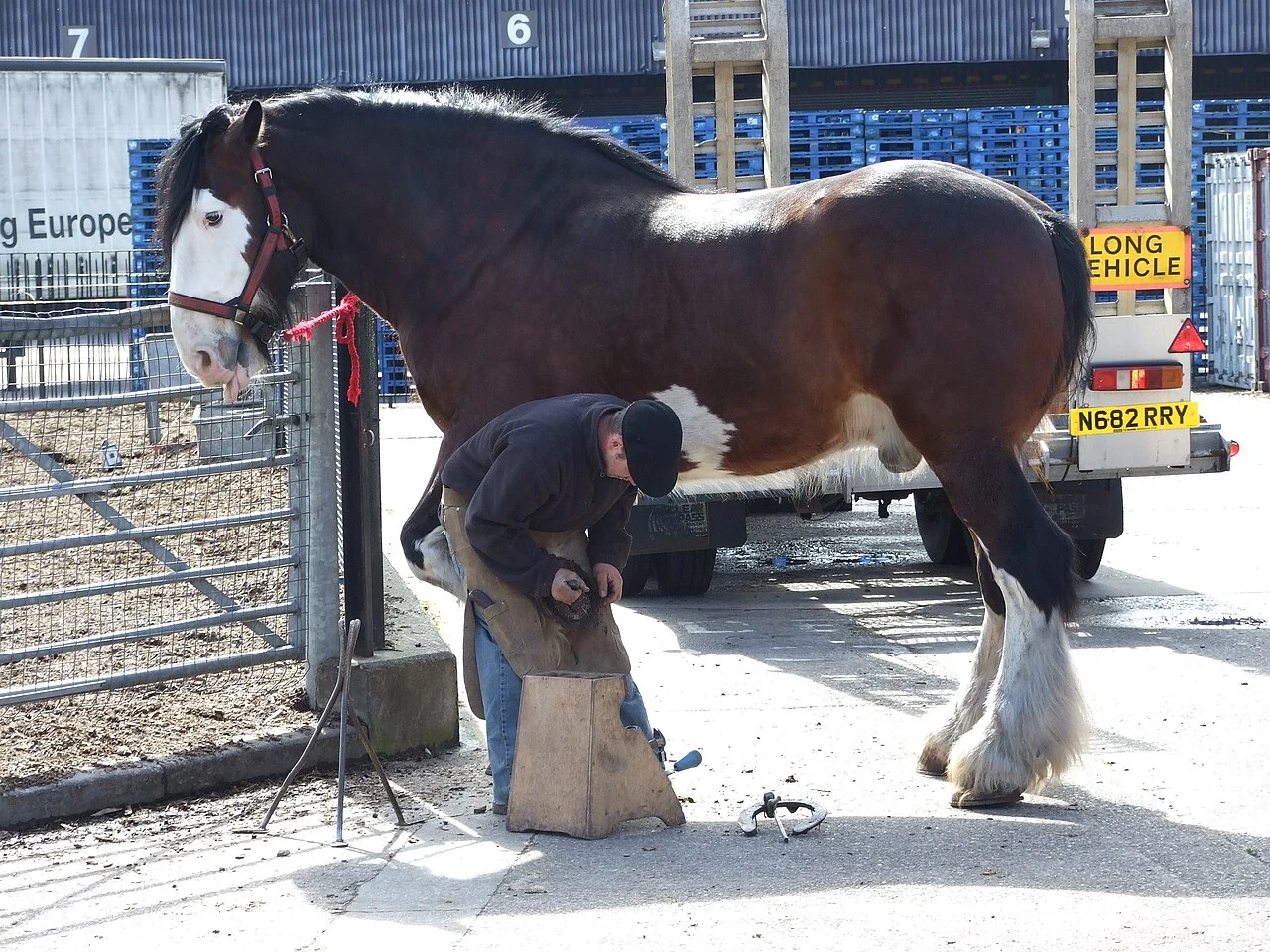
Daily hoof checks and professional trimming or shoeing are also important. A clean, dry standing area should be available. It is worth finding a hoof-care professional early who is comfortable working with your horse’s size and weight.
Read more: Daily horse care: noticing what changes
Planning the whole daily routine
At a viewing, you should see the Shire being caught, led and groomed. If you want to ride or drive, its existing training should suit those plans. An independent pre-purchase veterinary examination is sensible, including an open discussion of any skin problems and earlier findings.
The budget should cover the yard, feed, equipment, hoof care and veterinary attention. Grooming time and help during absences need consideration as well. The horse finder can help organise your priorities, while the cost calculator brings together local quotes for keeping a large horse.
Read more: Your first horse: preparing for the decision
Common questions
Can a Shire be suitable for a beginner?
That should be assessed for the individual horse. An experienced, settled Shire may suit a beginner with good support. A professional should help you explore its training and handling, including apparently simple tasks such as leading and picking up feet.
A closer look
Sources and photo credit
- Breed Standard: ASHA Conformation Guidelines (adopted 18 May 1977)American Shire Horse AssociationMaking sense of Shire height
- Shire HorseRare Breeds Survival TrustAn English horse shaped by heavy work · Making sense of Shire height
- The Versatile ShireAmerican Shire Horse AssociationAn English horse shaped by heavy work
- Chronic Progressive Lymphedema (CPL)UC Davis Center for Equine HealthLooking beneath the feathering
- Where to keep your horseBritish Horse SocietyHousing and transport for the actual horse · Planning the whole daily routine
- Feeding horsesBritish Horse SocietyFeeding a large horse for its real workload
- Essential care for your horse’s hoovesBritish Horse SocietyGood handling grows from small learning steps · Looking beneath the feathering
- Training: how do horses learn?World Horse WelfareGood handling grows from small learning steps
- Guide to buying a horse: questions to ask and moreBritish Horse SocietyAn English horse shaped by heavy work · Good handling grows from small learning steps · Housing and transport for the actual horse · Planning the whole daily routine
Photo credits
Photo: Avon Valley Country Park Shires.JPG · Rodw · CC0. Image format adapted.
Photo: 2018-04-20 Shire Horse, Northrepps, Cromer.JPG · Kolforn (Wikimedia) · CC BY-SA 4.0. Image format adapted.
Photo: Best Shire (37510534046).jpg · Stacie C Lynch Photography / Keystone International · CC BY 2.0. Image format adapted.
Photo: New shoes.jpg · Tam · CC BY-SA 2.0. Image format adapted.


.jpg)
