fellfolio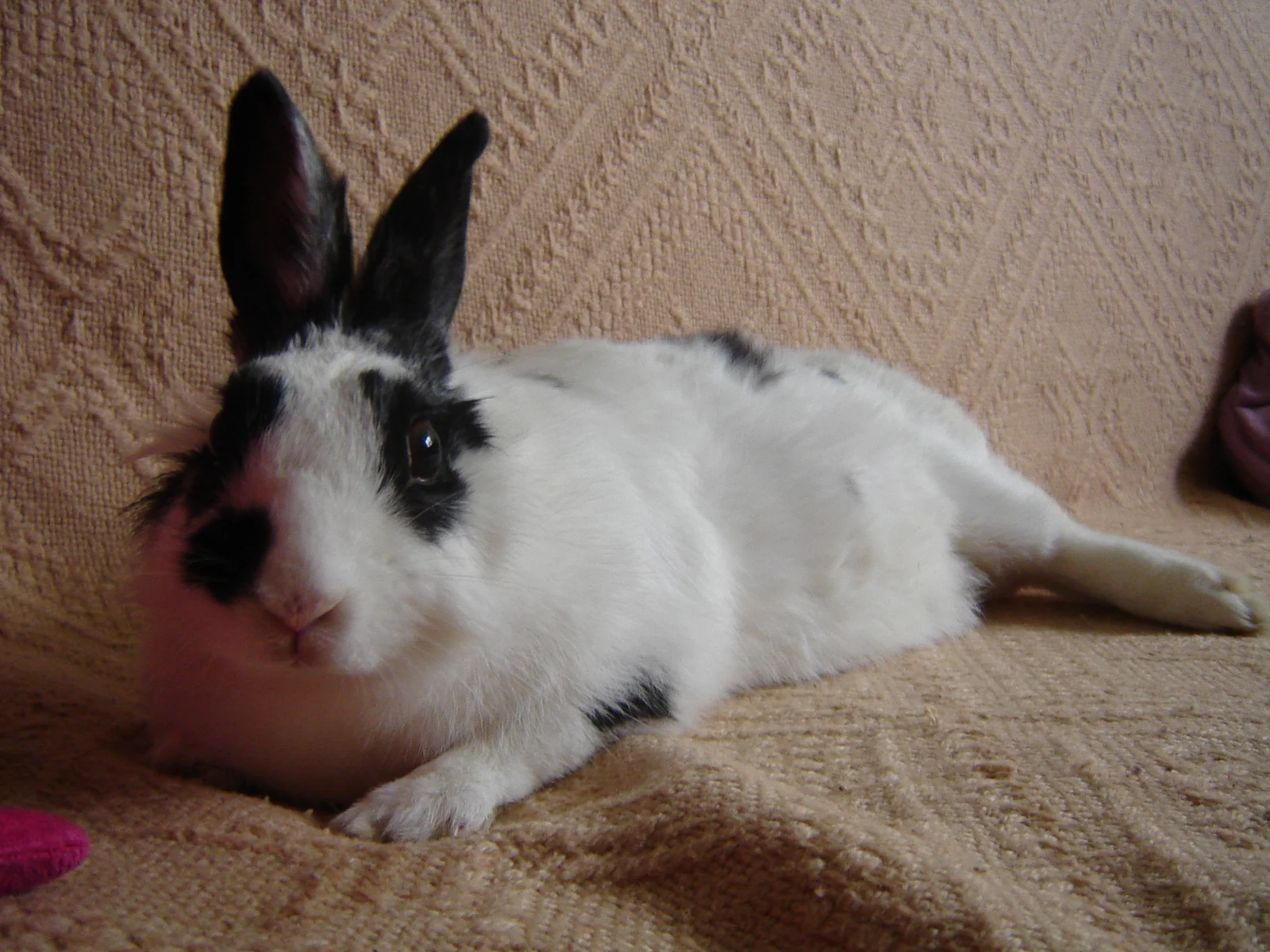
Room to run rather than only hop
The Rabbit Welfare Association & Fund recommends a minimum connected footprint of three by two metres, with a height of one metre, for two average-sized rabbits. This is a welfare recommendation, not a statement of a universal legal minimum. Larger rabbits and groups need more space. Additional room is also valuable for smaller individuals.
Usable layout matters. A floor filled with furniture loses its running routes, and several narrow levels do not replace a continuous area where rabbits can move quickly. Shelter and exercise space should remain connected. Rabbits may be active while people sleep or work, so occasionally opening a cage door does not make an otherwise cramped home suitable for the rest of their day.
Design for two individuals
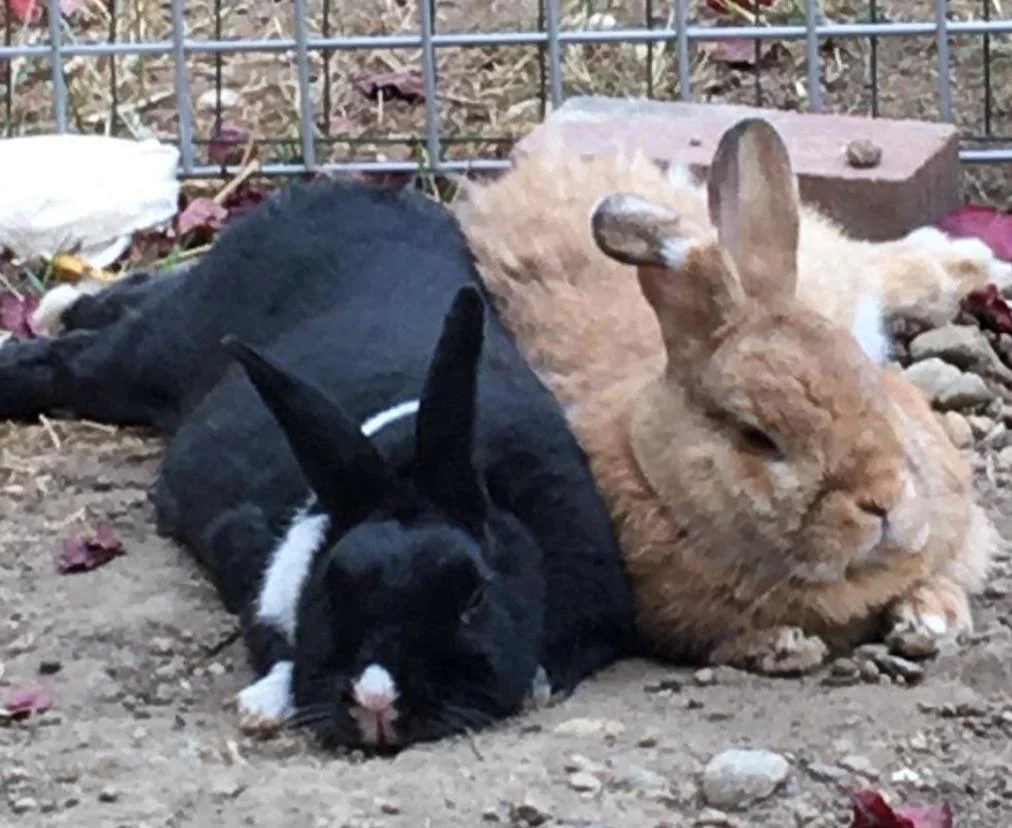
A familiar companion allows rabbits to rest together, groom one another and communicate with their own species. They need to be compatible and introduced carefully. An established pair from an experienced rescue can simplify the start. A guinea pig is not a substitute: its needs and communication differ from those of a rabbit.
Even a closely bonded pair needs opportunities to move apart. Several shelters and accessible feeding and water points make that possible. Two exits from a hide reduce the chance of one rabbit blocking the other inside. While planning, imagine the route a quieter rabbit could take if its companion stood in front of it. Avoiding dead ends at this stage is easier than repeatedly managing conflict around them later.
Make indoor space work at floor level
Slippery flooring can make movement difficult. Secure, washable surfaces provide grip; inspect their edges for chewing. Electrical cables, houseplants, cleaning products and accessible foam need to be out of reach. A cable behind a sofa remains accessible if a rabbit can also get behind the sofa.
A clearly defined permanent living area can be combined with additional rabbit-proofed space. Keep the layout accessible for cleaning. Heavy furniture that traps food underneath adds unnecessary work. Retreats also need protection from visitors, children and other pets. Living near the household can offer pleasant interaction when the rabbits can choose to withdraw. Their shelter should not become a place where people repeatedly reach in to bring them back out.
Outdoor security includes above and below
An outdoor enclosure must prevent escapes and predator access, including digging beneath it and entering from above. A lightweight temporary pen intended for supervised use does not automatically provide that protection. Doors, joins and the ground boundary deserve the same attention as the visible sides. A permanent structure benefits from informed, careful design.
Shelter should remain dry and ventilated while protecting rabbits from excessive heat and poor weather. A sunny position can become dangerously hot; check where shade falls later in the day as well as in the morning. Fresh water and daily observations are needed in every season. Moving between a heated home and cold outdoor accommodation should be planned around acclimatisation and health rather than done casually.
Make useful activity easy to provide
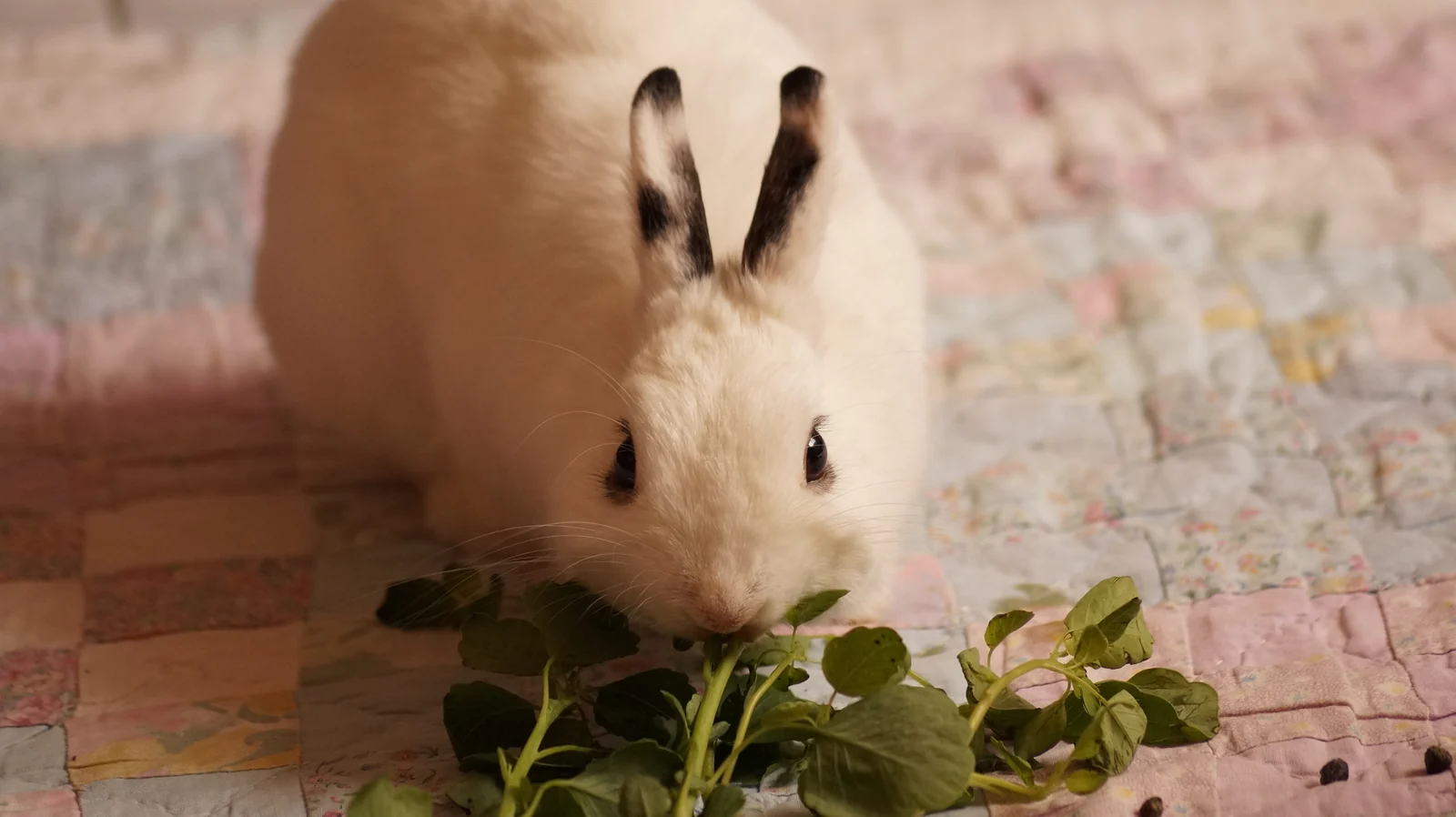
Suitable hay locations, safe tunnels and a digging area give rabbits things to do within their ordinary home. Digging offers an outlet for natural behaviour without relying on carpet edges. Materials should be non-toxic, free from sharp components and appropriate for how the rabbits actually use them. Anything being dismantled or eaten needs closer inspection and, where necessary, replacement.
A successful layout is also manageable to maintain. Accessible litter trays, replaceable floor coverings and clean hay storage simplify daily work. After changing the arrangement, watch what happens: do the rabbits use the tunnel, retain a clear running route and both eat comfortably? That feedback makes future improvements more relevant than repeatedly adding new objects without considering the space they occupy.
Common questions
Is a large cage with evening exercise enough?
Evening exercise does not cover the other active periods. A permanent usable enclosure, with additional secure space where possible, is a more suitable arrangement.
Are rabbits suitable pets for a child’s bedroom?
Their space needs, activity and preference for choosing contact do not fit the idea of a small cuddly cage pet. Adults need to remain responsible for care and health observations, regardless of who enjoys spending time with them.
Sources and photo credit
- Creating the right home for rabbitsRSPCA
- Space recommendationsRabbit Welfare Association & Fund
- Company for pet rabbitsRSPCA
- Keeping rabbits in your homeRSPCA
- Enrichment for rabbitsRSPCA
Photo: Lying domestic rabbit · Orlica · Public domain. Resized and converted to WebP; scene unchanged.