fellfolio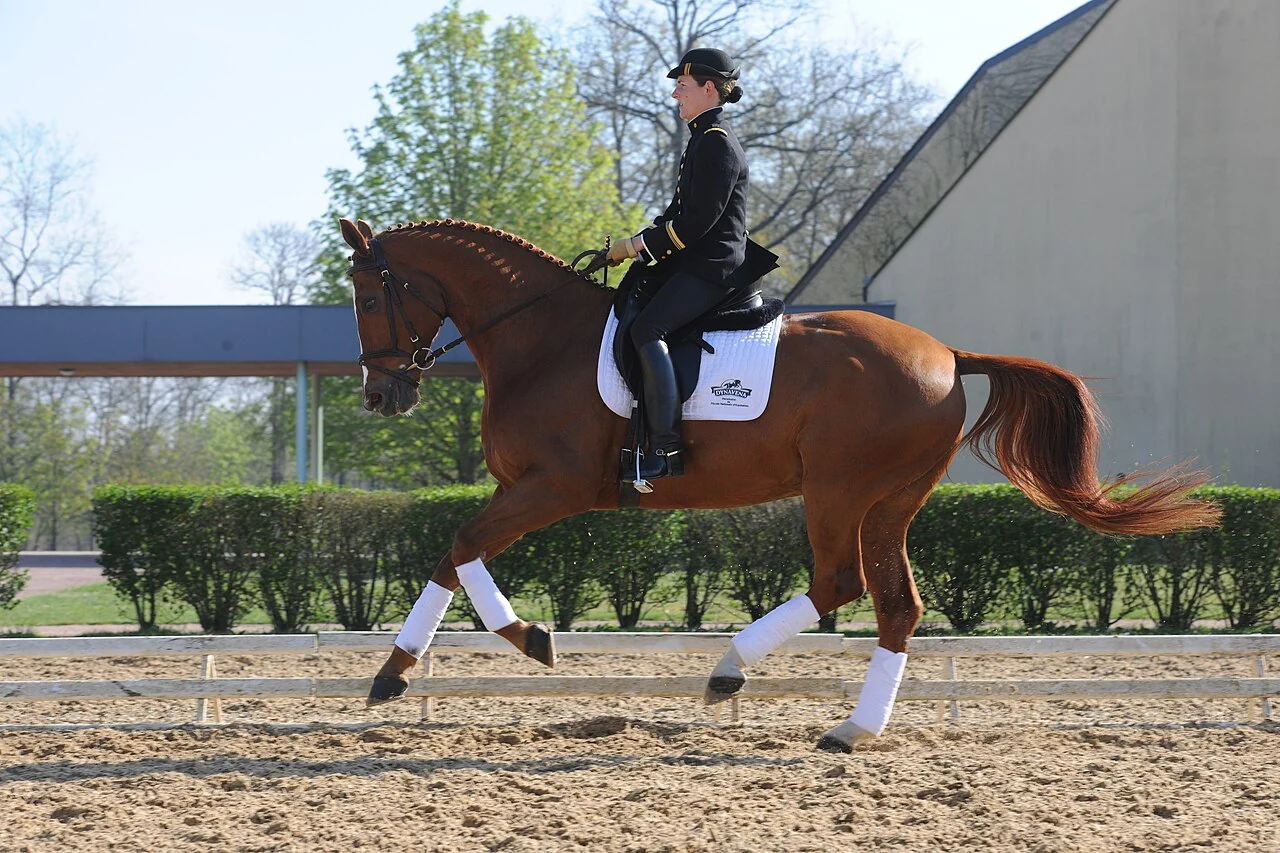
What the breeding label tells you
The Hanoverian breeding programme includes health, riding qualities and sporting suitability. Dressage, jumping and eventing contribute different priorities, and breeding lines can have different emphases. This information helps explain a horse’s background. Its actual qualities still need to be assessed in person.
Warmblood describes a breeding group in this context. It does not refer to body temperature or a halfway point in temperament. The idea that a Hanoverian must have one of a limited set of familiar coat colours is also too narrow: the association now accepts all warmblood colours. For a leisure partnership, comfortable movement, an understandable education and suitable handling experience are more useful than a preferred colour. A pedigree can start a conversation, but the individual horse supplies the most relevant answers.
Sources for this section
- Breeding programsHannoveraner Verband
- Guide to buying a horseBritish Horse Society
Matching the horse to the rider
Large, expressive movements can be impressive while also being demanding to sit. A trial should therefore show whether the rider can remain balanced and whether the horse understands the aids being used. A qualified instructor can help distinguish skills that lessons can develop from a combination likely to be too challenging at present.
Everyday arrangements deserve consideration too. A horse worked daily with professional support may be unfamiliar with longer breaks. Someone who rides after work and hacks at weekends should discuss that difference. Information about travel, hoof care, veterinary visits and group turnout is useful as well. A previous injury break or a change of yard may explain why a horse currently behaves differently from the way it appears in older sales videos.
Read more: Your first horse: preparing for the decision
Sources for this section
- Guide to buying a horseBritish Horse Society
Building fitness over time
Expressive movement requires strength and coordination. Work should develop gradually in a young horse or one returning after a break. A short session can already be demanding when it introduces unfamiliar movement patterns. Quiet hacking, appropriate groundwork and selected ridden exercises can be combined according to the horse’s education.
A training record is more useful when it includes more than minutes worked. Which exercise felt easy, when did concentration change, and how did the horse move the next day? Such observations make adjustments more informed. Repeated reluctance during one movement warrants checking discomfort, saddle fit and the demands of the exercise. Persistently insisting on the same task does not explain a new reaction. Knowledgeable support can help restore a programme that is understandable and physically appropriate.
Read more: Foals and young horses: growing up, handling and early learning · Reward-based horse training: clear steps for everyday care
Sources for this section
- Guide to buying a horseBritish Horse Society
- Stage 1 Care syllabusBritish Horse Society
- Training: how do horses learn?World Horse Welfare
A yard that allows recovery
An arena and an attractive indoor school are useful facilities. What happens during the rest of the day matters to the horse as well. It should have opportunities for free movement, contact with compatible horses and undisturbed rest. Group facilities need routes, feeding positions and shelters that reduce the risk of individuals being repeatedly displaced or trapped at narrow points.
Space and equipment should suit the particular horse. A large warmblood needs room to turn and move comfortably through gates and grooming areas. Suitable transport should be considered before buying too. For a horse previously kept mainly alone, a carefully managed introduction to a compatible group may be valuable. The yard team’s experience and observation of the horses matter more than completing the change by an arbitrary date.
Read more: Choosing the right yard for your horse
Sources for this section
- Where to keep your horseBritish Horse Society
- Owning a horseBritish Horse Society
Understanding findings and planning care
Before purchase, an independent veterinary examination should take the intended use into account. Existing findings, earlier treatment and restrictions belong in that discussion. A single image or phrase in a report is difficult to interpret without professional context. The explanation should cover what is currently apparent and what uncertainty remains about future use.
Everyday care includes reliable attention to feet, teeth, body condition and vaccination planning. Feeding reflects forage quality, condition and actual work. A horse previously in intensive training needs its ration reviewed when work decreases. Later in life, muscle loss or discomfort may call for a different workload. Comfortable movement and familiar equine company should remain available. The transition from competition to a quieter routine can then reflect the needs and preferences of the individual horse.
Read more: Daily horse care: noticing what changes · Older horses: adapting feeding, movement and daily care
Sources for this section
- Guide to buying a horseBritish Horse Society
- Essential care for your horse’s hoovesBritish Horse Society
- Feeding horsesBritish Horse Society
Common questions
Does a Hanoverian need to compete?
A horse needs appropriate movement, occupation and social contact. Competition is not necessary to provide them. Leisure activities can offer a varied and worthwhile routine.
Is a youngster easier to shape around my preferences?
A young horse first needs a thorough education and dependable support. An individual that already has suitable training can be a much better choice for a less experienced owner.
A closer look
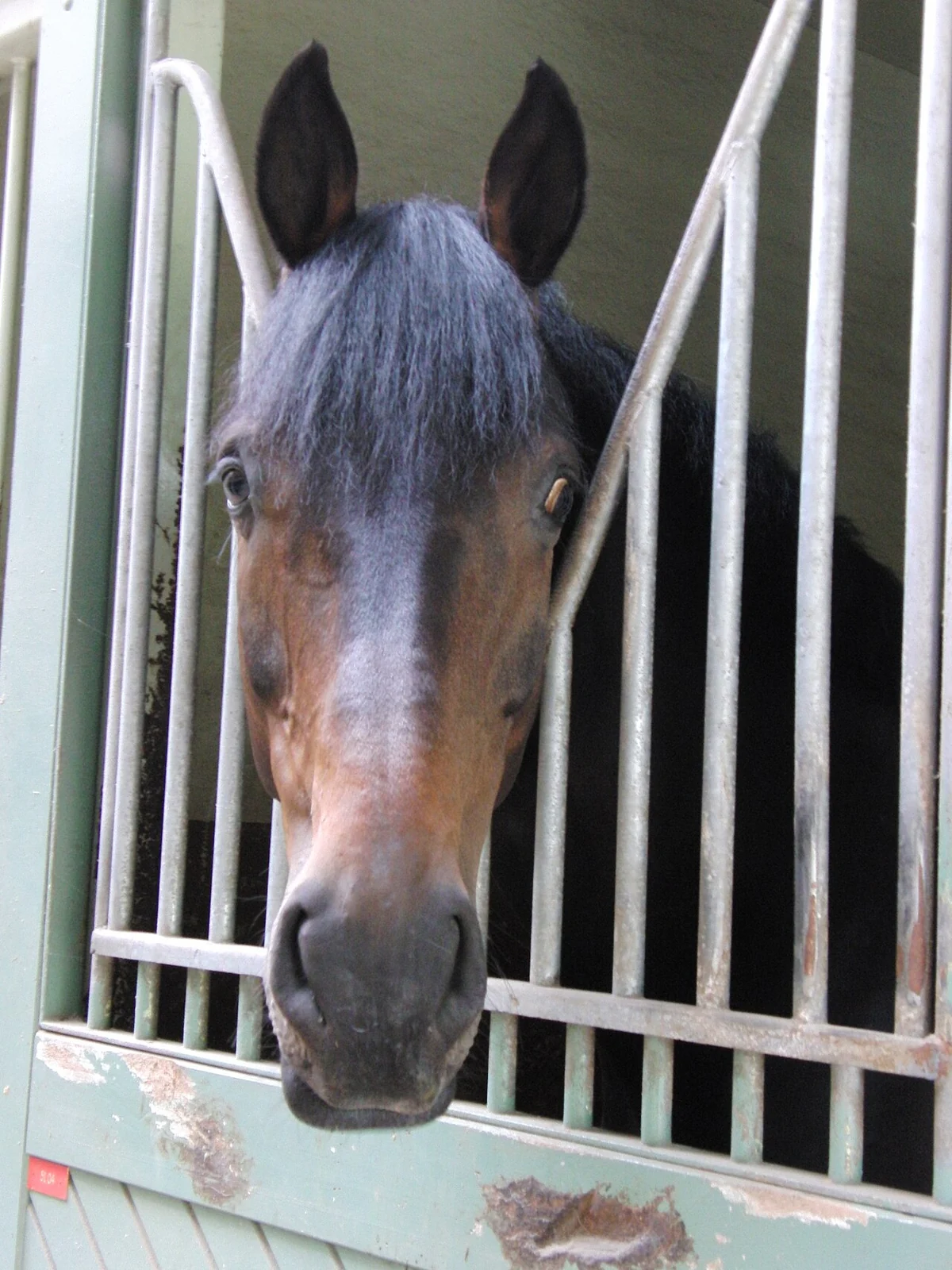
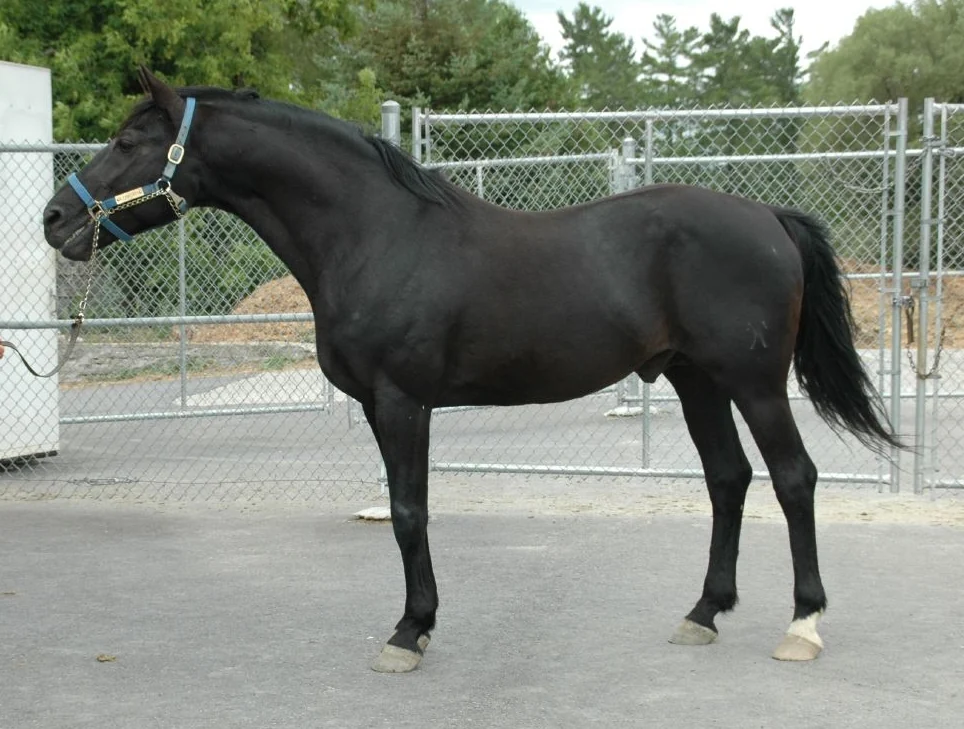
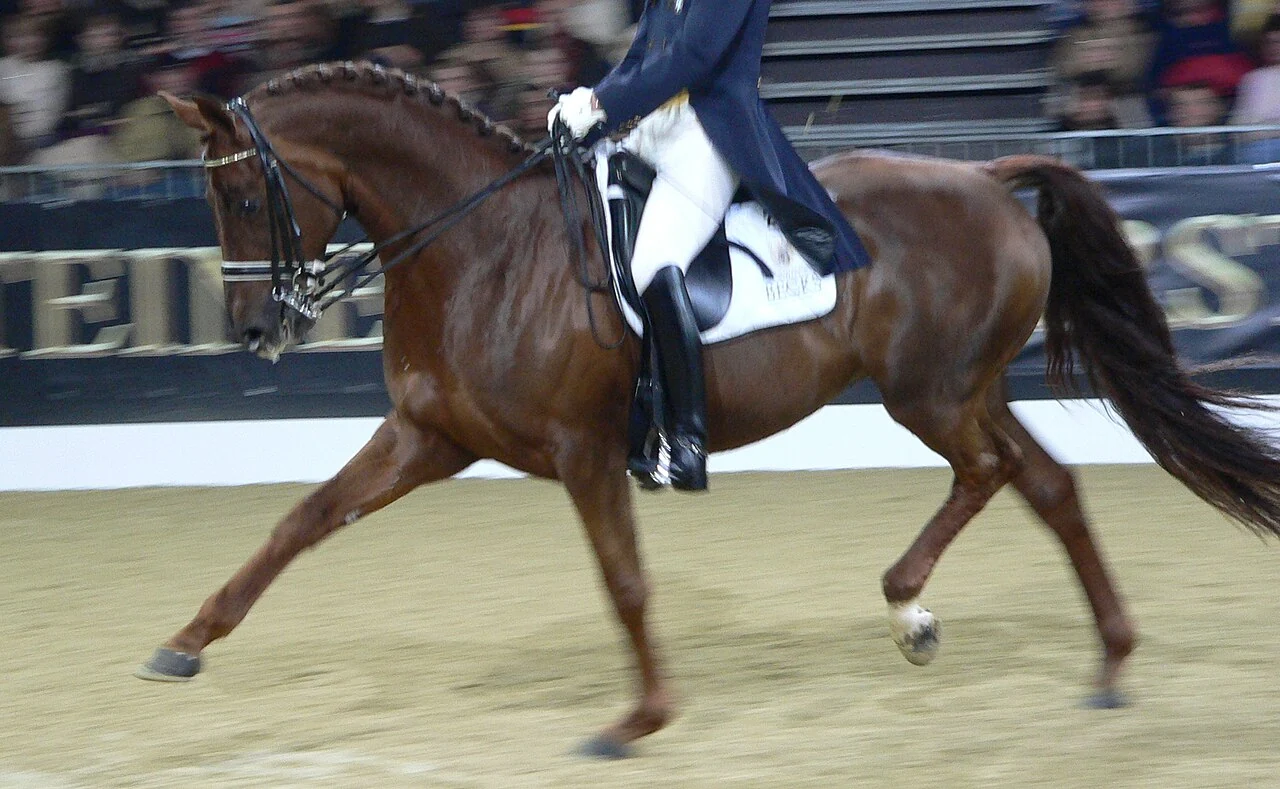
Sources and photo credit
- Where to keep your horseBritish Horse Society
- Owning a horseBritish Horse Society
- Feeding horsesBritish Horse Society
- Essential care for your horse’s hoovesBritish Horse Society
- Stage 1 Care syllabusBritish Horse Society
- Guide to buying a horseBritish Horse Society
- Breeding programsHannoveraner Verband
- Training: how do horses learn?World Horse Welfare
Photo: Carde noir - Pauline Basquin et Liaison.JPG · Alain Laurioux CDDENE · CC BY-SA 3.0. Resized and converted to WebP; scene unchanged.
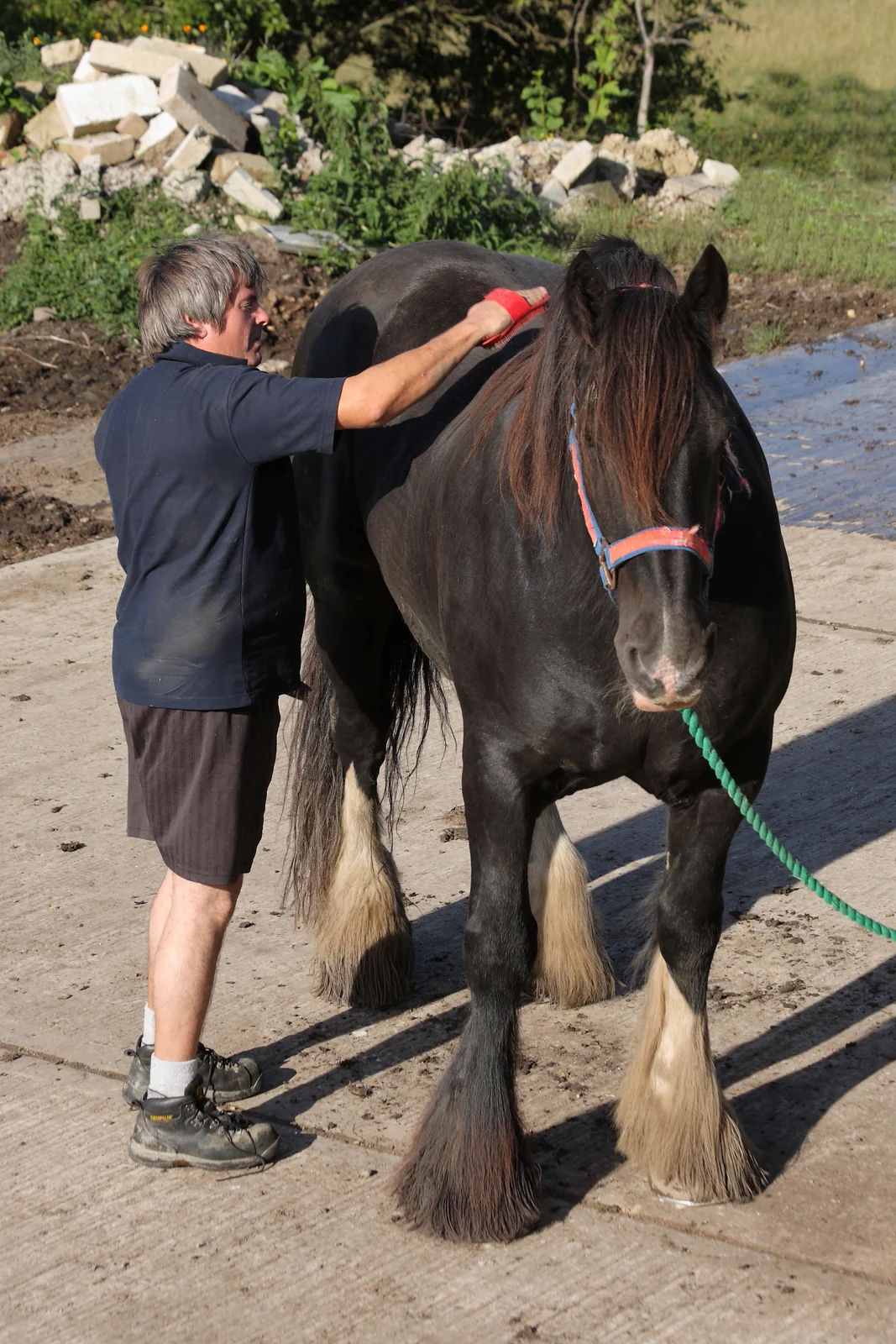
Photo: ENE Sontero HAN.JPG · Eponimm · CC BY-SA 3.0. Resized and converted to WebP; scene unchanged.
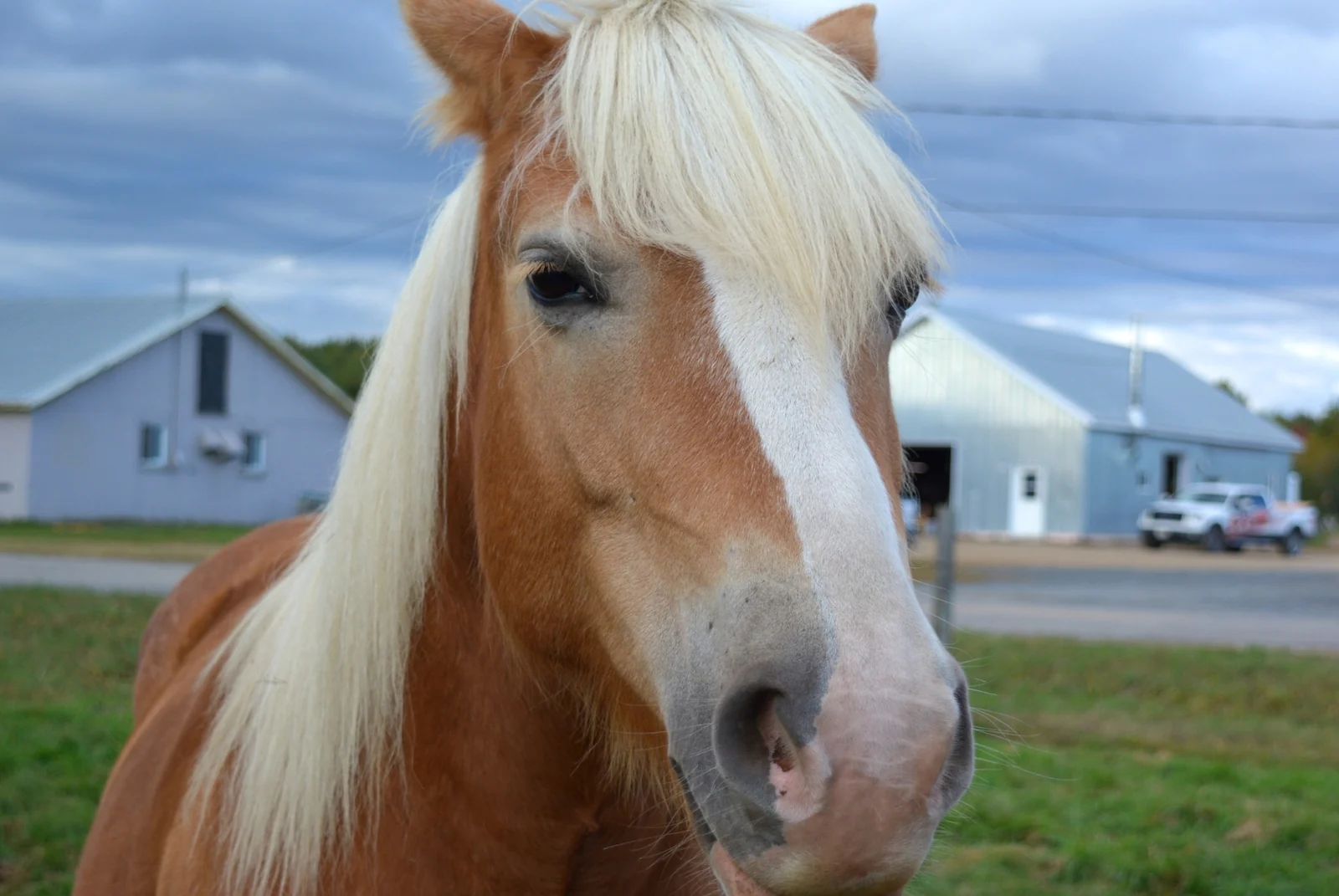
Photo: RCMP Farm Hannoverian2.jpg · Nikki · CC BY-SA 2.0. Resized and converted to WebP; scene unchanged.
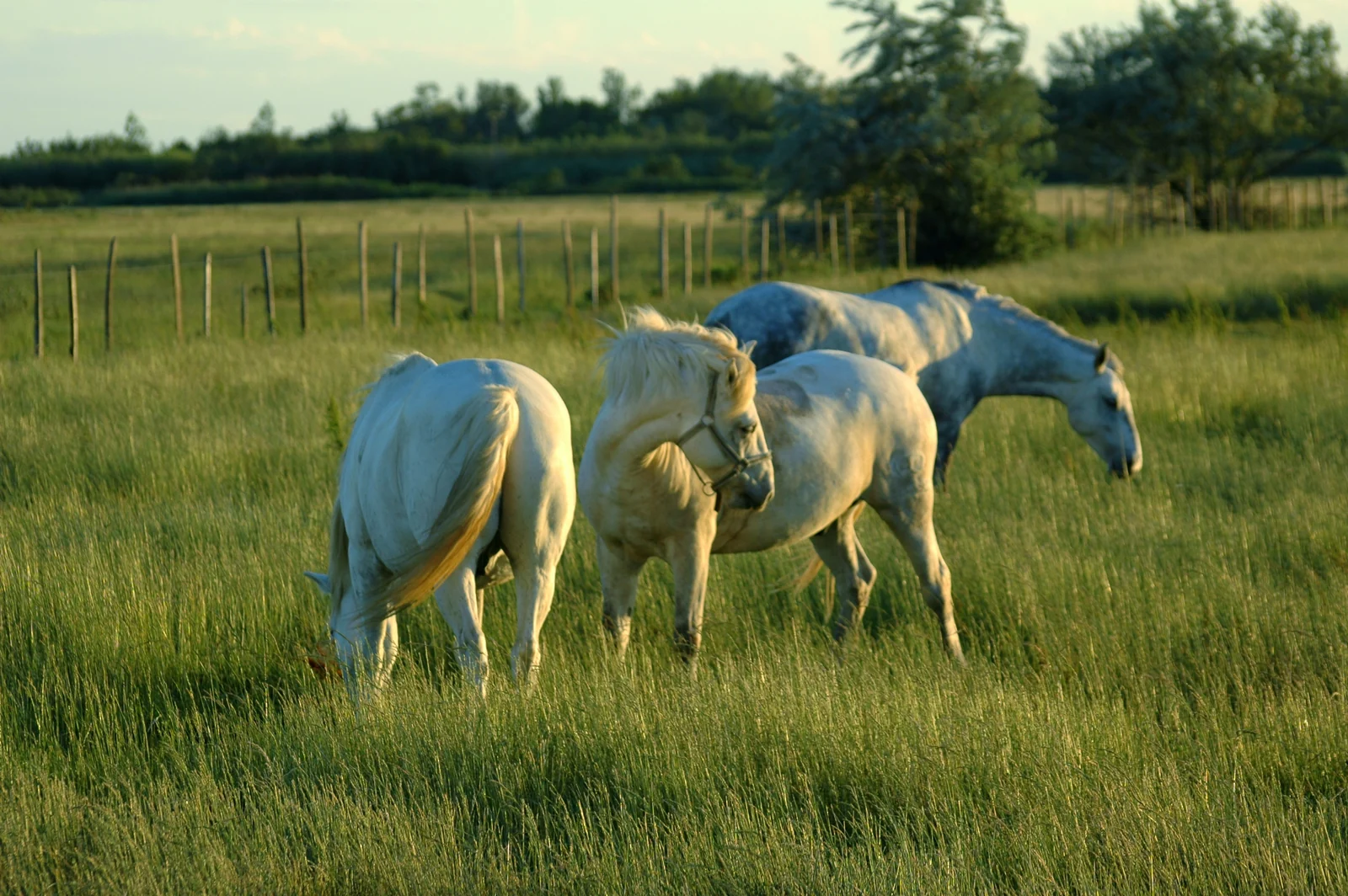
Photo: Hannoveraner Dressur Romantic Boy1.jpg · BS Thurner Hof · CC BY-SA 3.0. Resized and converted to WebP; scene unchanged.