fellfolio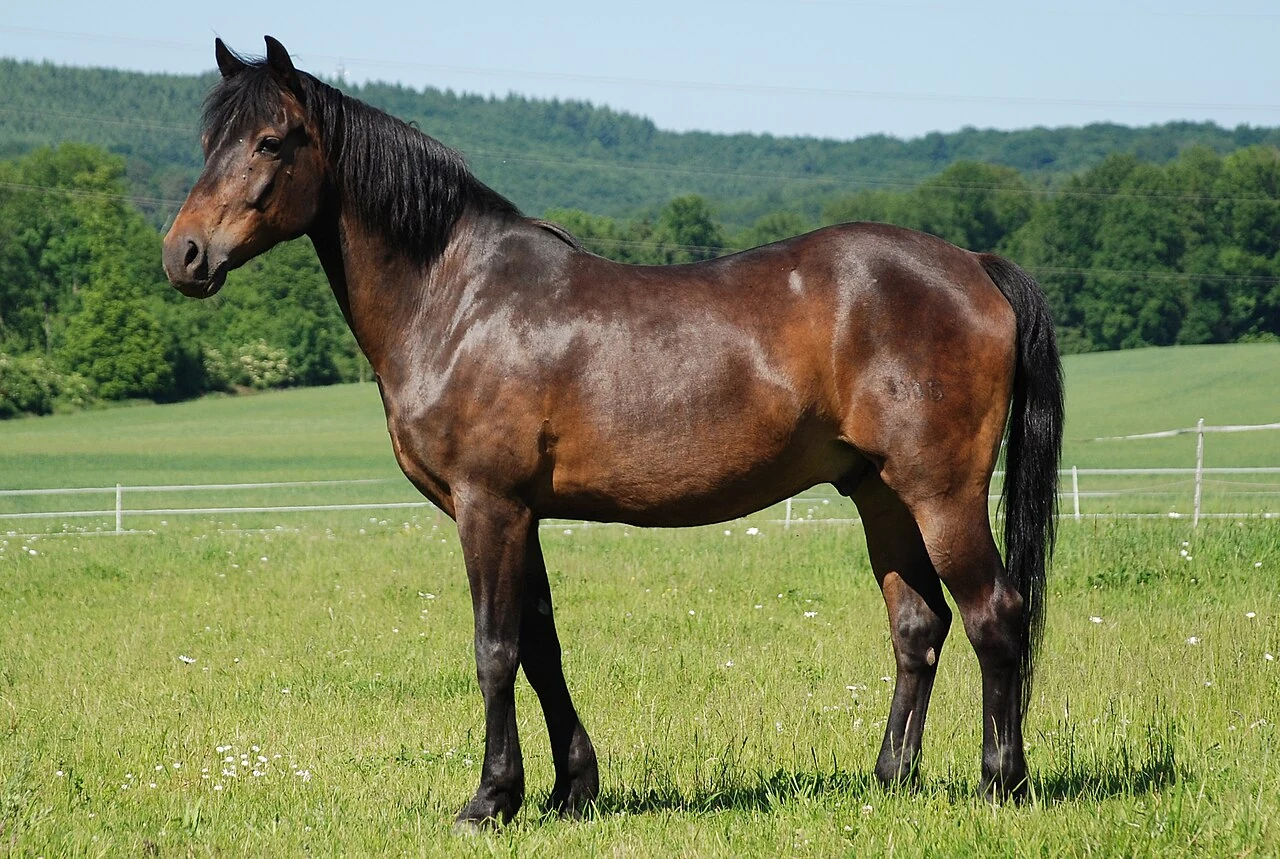
A German sport pony with varied ancestry
The German Riding Pony is bred in Germany as a versatile mount for leisure and sport. Several German breeding associations jointly maintain the original studbook, the register that defines ancestry and breeding requirements. The programme seeks movement and body shape suited to riding, alongside an approachable temperament.
Under specified rules, the studbook allows contributions from other pony and horse breeds. These include Welsh ponies, Arabian horses and certain riding horse breeds. This helps explain the variety of appearances. A German Riding Pony is nevertheless a registered breed, rather than a name for any small crossbred pony. Ancestry and assessment requirements govern the entry of breeding animals.
Understanding size and movement
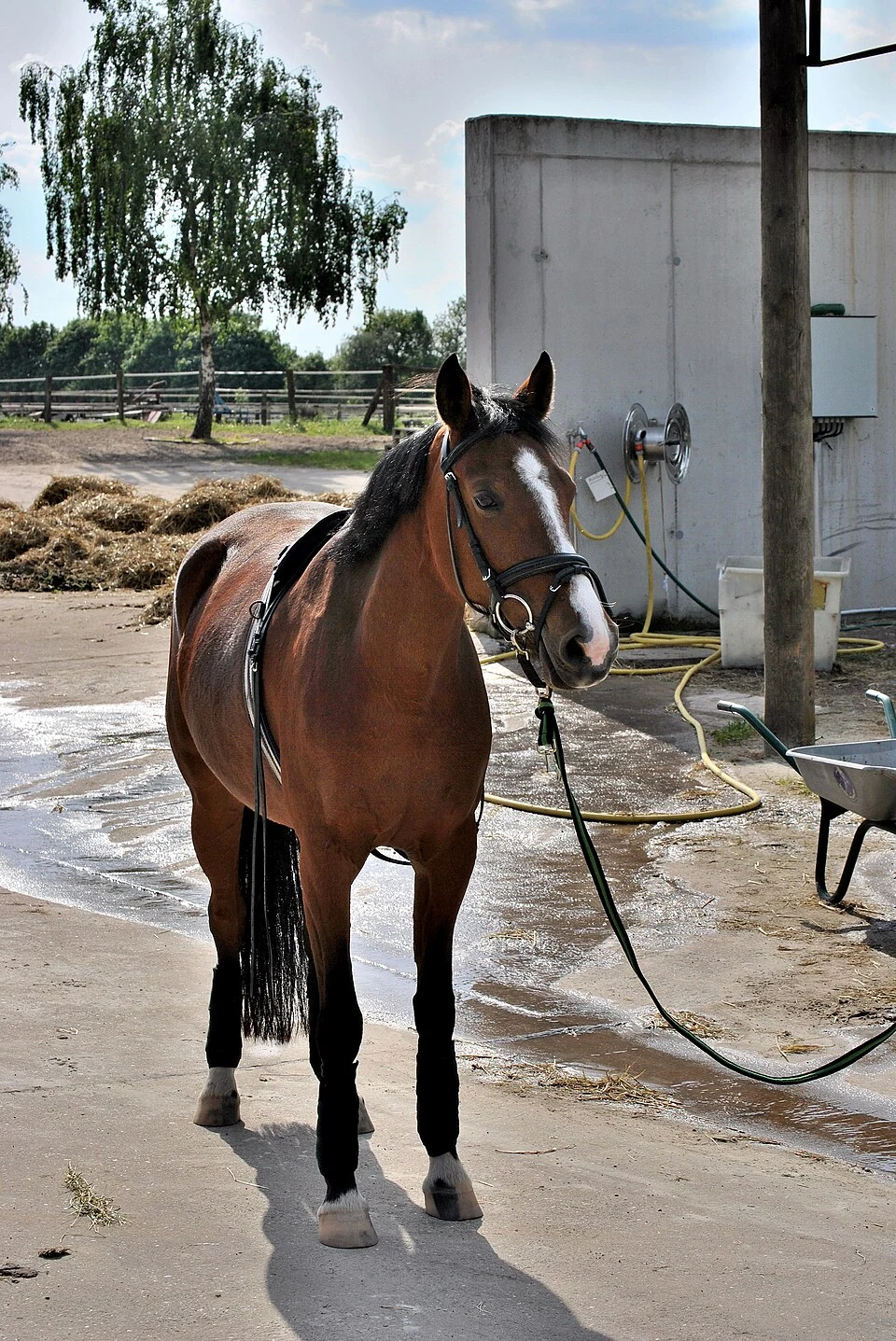
The programme published by the German association ZfdP describes an approximate height of 138 to 148 cm. Height is measured at the withers, the raised area where the neck meets the back. The breeding goal includes a balanced body, a well-muscled back and limbs that move straight and regularly. All coat colours are accepted.
A riding horse type means a more refined shape developed with riding in mind. At a viewing, appearance should be considered alongside how the pony walks, trots and canters. A veterinarian can investigate concerns about movement during a pre-purchase examination. The saddle should then be assessed on the individual pony, with its fit checked again as the pony grows or changes muscle.
Clear cues before demanding exercises
Riding cues are the signals used to ask a pony to move forward, turn or stop. They should be clear and as gentle as possible. One simple exercise is a calm halt from walk followed by moving off again. Giving an appropriate reward promptly after the response helps the pony connect its action with the outcome.
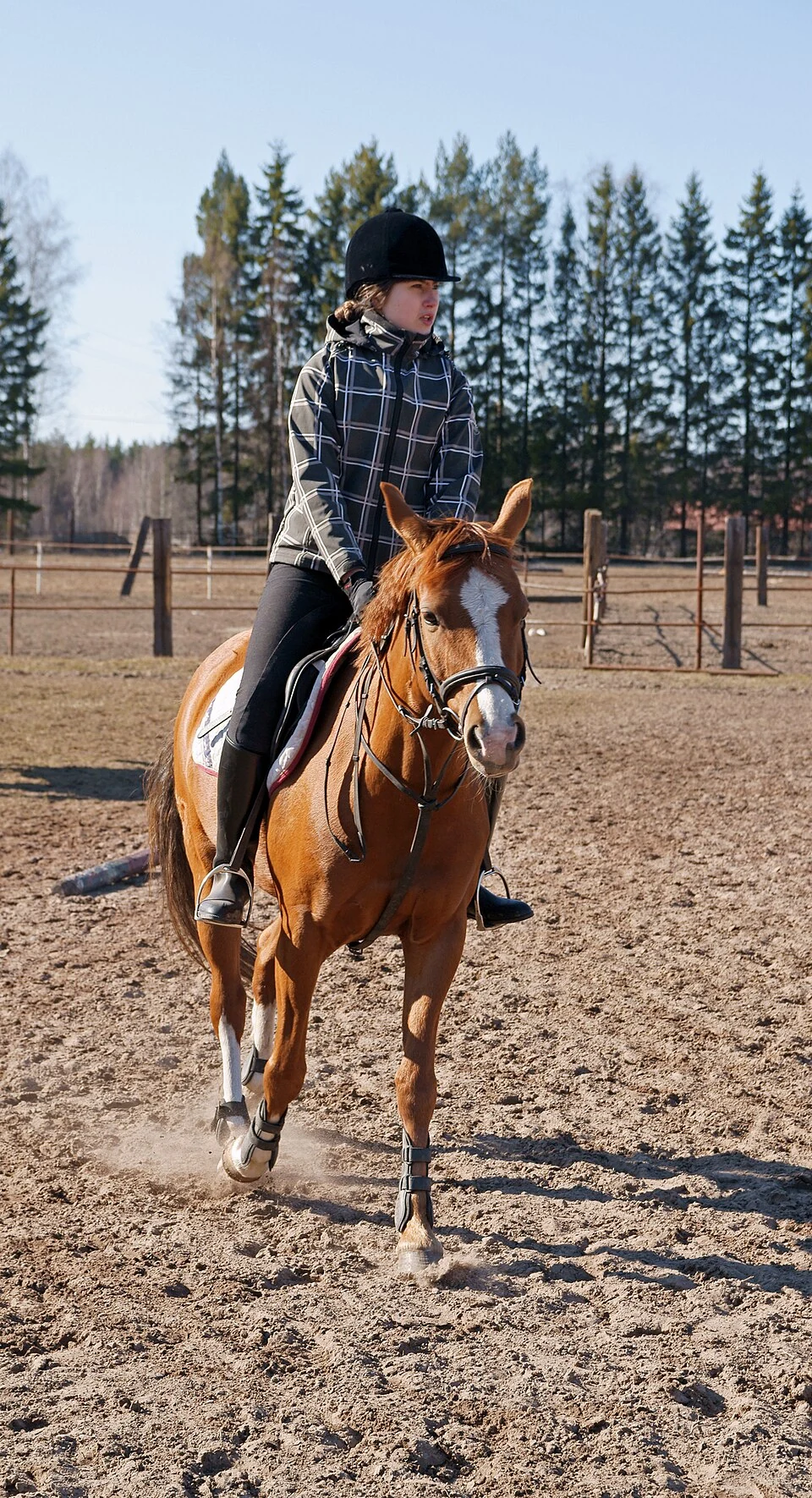
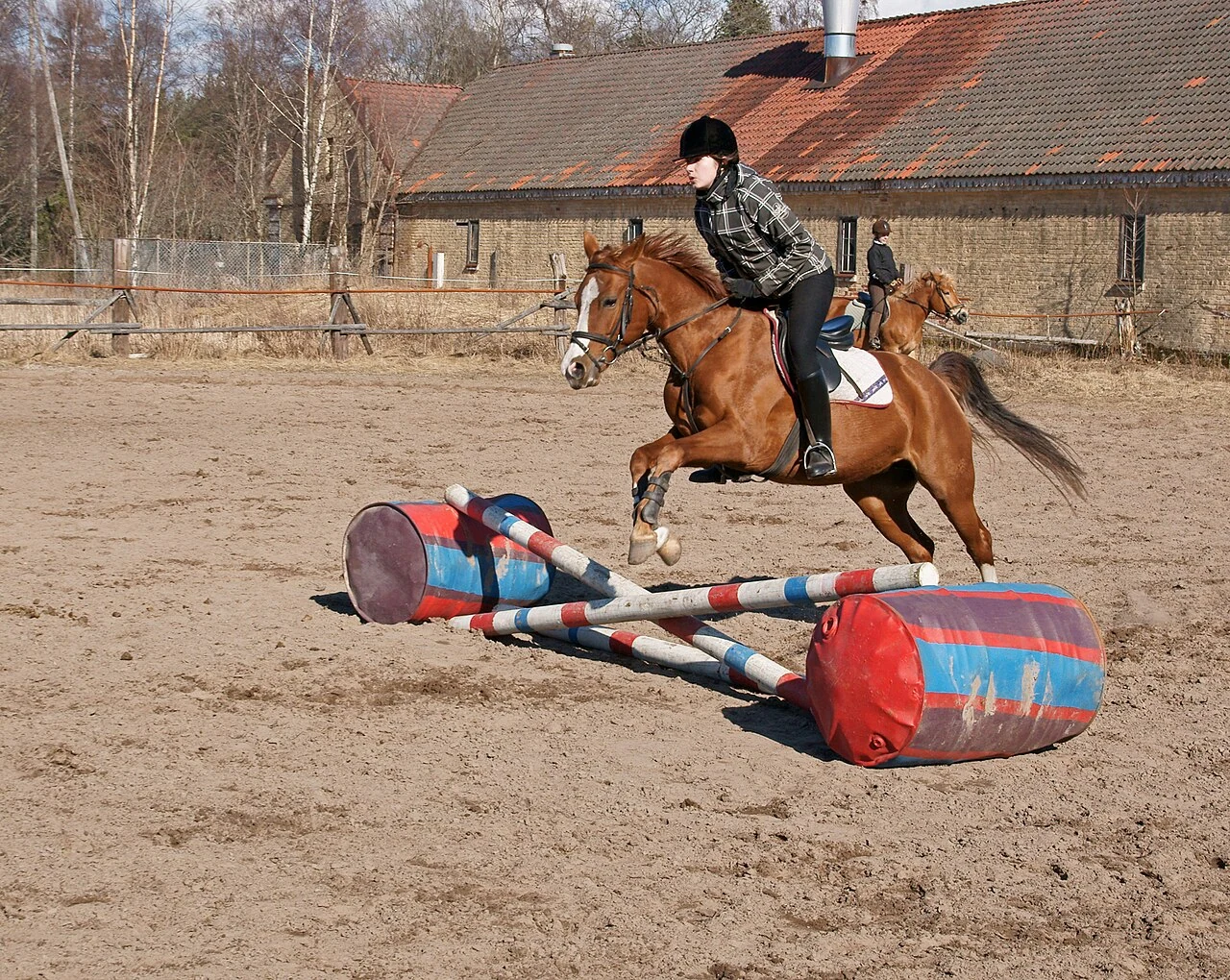
The breeding programme considers dressage, jumping and riding across varied ground. Dressage develops balance, suppleness and responses to the rider through progressive exercises. A young or less fit pony should start with manageable tasks and sufficient recovery. Riding a familiar outdoor route provides different experiences from repeating exercises in an arena.
Read more: Reward-based horse training: clear steps for everyday care · Foals and young horses: growing up, handling and early learning
A yard that supports the whole day
The pony’s home should provide daily time outdoors and contact with compatible horses. A ridden lesson does not replace this freedom to move. In a group, suitable feeding places should allow a lower-ranking pony to eat without being repeatedly driven away. A dry resting area and shelter from adverse weather should be part of the arrangement.
The practical details matter too. Someone arriving after school or work should have enough time to check feet, feed and observe the pony without rushing. Reliable cover is needed during illness, busy study periods or holidays. A written yard agreement should explain which tasks staff carry out and which services cost extra.
Read more: Keeping horses: building a good everyday life · Choosing the right yard for your horse
A sporting pedigree does not set the feed ration
Hay and suitable pasture grass should form the basis of the diet. They provide fibrous forage that supports digestion and allows extended chewing. Fresh water should always be accessible. Whether the pony needs an energy-dense feed depends on its work, body condition and the rest of the ration. Occasional gentle riding calls for a different assessment from regular demanding training.
Body condition should be checked by touch as well as appearance, feeling areas such as the ribs and neck to assess fat cover. A weigh tape can help track changes. Unwanted weight gain or loss should prompt a professional review of the diet. New feeds should be introduced gradually rather than replacing the whole ration at once.
Routine care and the meaning of test results
Feet should be cleaned and checked daily for stones, debris and changes. The interval between professional hoof appointments and the need for shoes should reflect hoof condition, surfaces and workload. Dental care and a veterinary plan for vaccinations and parasite control also belong in the ongoing routine.
The breeding programme includes tests for particular inherited changes, with some requirements depending on ancestry. Available results should be discussed with the veterinarian before purchase. A genetic test examines a specific change in inherited genetic information. It cannot establish the current health of the pony’s back, teeth or feet. A clinical examination and its previous medical history address different questions.
Meeting a possible partner with experienced support
For a child or a less experienced adult, a pony with established training is usually the better starting point. A viewing should include catching, grooming, saddling and mounting where possible. A knowledgeable riding coach should help judge whether the pony’s size, movement and responses suit the intended rider.
If competitions are planned, the requirements of the particular event should be checked separately. The immediate purchase decision should focus on health, experience and appropriate support. Housing, lessons, hoof care and veterinary bills all belong in the budget. A low purchase price does not reduce those continuing responsibilities.
Read more: Your first horse: preparing for the decision
Common questions
Is every German Riding Pony suitable for a child?
The breeding goal includes an approachable temperament. A child should try a suitably trained individual pony with knowledgeable supervision so that the match can be assessed.
Is it the same as a Welsh Pony?
No. Welsh ponies belong to their own studbook sections. They may contribute to a German Riding Pony’s ancestry under the rules of its breeding programme.
A closer look
Sources and photo credit
- Zuchtprogramm für die Rasse Deutsches Reitpony, Stand 18.12.2025Zuchtverband für deutsche Pferde e.V.A German sport pony with varied ancestry · Understanding size and movement · Clear cues before demanding exercises · Routine care and the meaning of test results
- Where to keep your horseBritish Horse SocietyA yard that supports the whole day · Meeting a possible partner with experienced support
- Feeding horsesBritish Horse SocietyA sporting pedigree does not set the feed ration
- Essential care for your horse’s hoovesBritish Horse SocietyRoutine care and the meaning of test results
- Guide to buying a horse: questions to ask and moreBritish Horse SocietyUnderstanding size and movement · Clear cues before demanding exercises · Routine care and the meaning of test results · Meeting a possible partner with experienced support
- Fat scoring horsesBritish Horse SocietyA sporting pedigree does not set the feed ration
- Training: how do horses learn?World Horse WelfareClear cues before demanding exercises
- Horse health essentialsWorld Horse WelfareUnderstanding size and movement · Routine care and the meaning of test results
Photo credits
Photo: Deutsches Reitpony Wallach.jpg · Sara Landvogt · CC BY-SA 3.0. Image format adapted.
Photo: Deutsches Reitpony.jpg · kaʁstn (Carschten) · CC BY-SA 3.0 de. Image format adapted.
Photo: Esteharjoittelua.jpg · kallerna · CC BY-SA 3.0. Image format adapted.
Photo: Harjoittelua - Yyteri Cup.jpg · kallerna · CC BY-SA 3.0. Image format adapted.