 fellfolio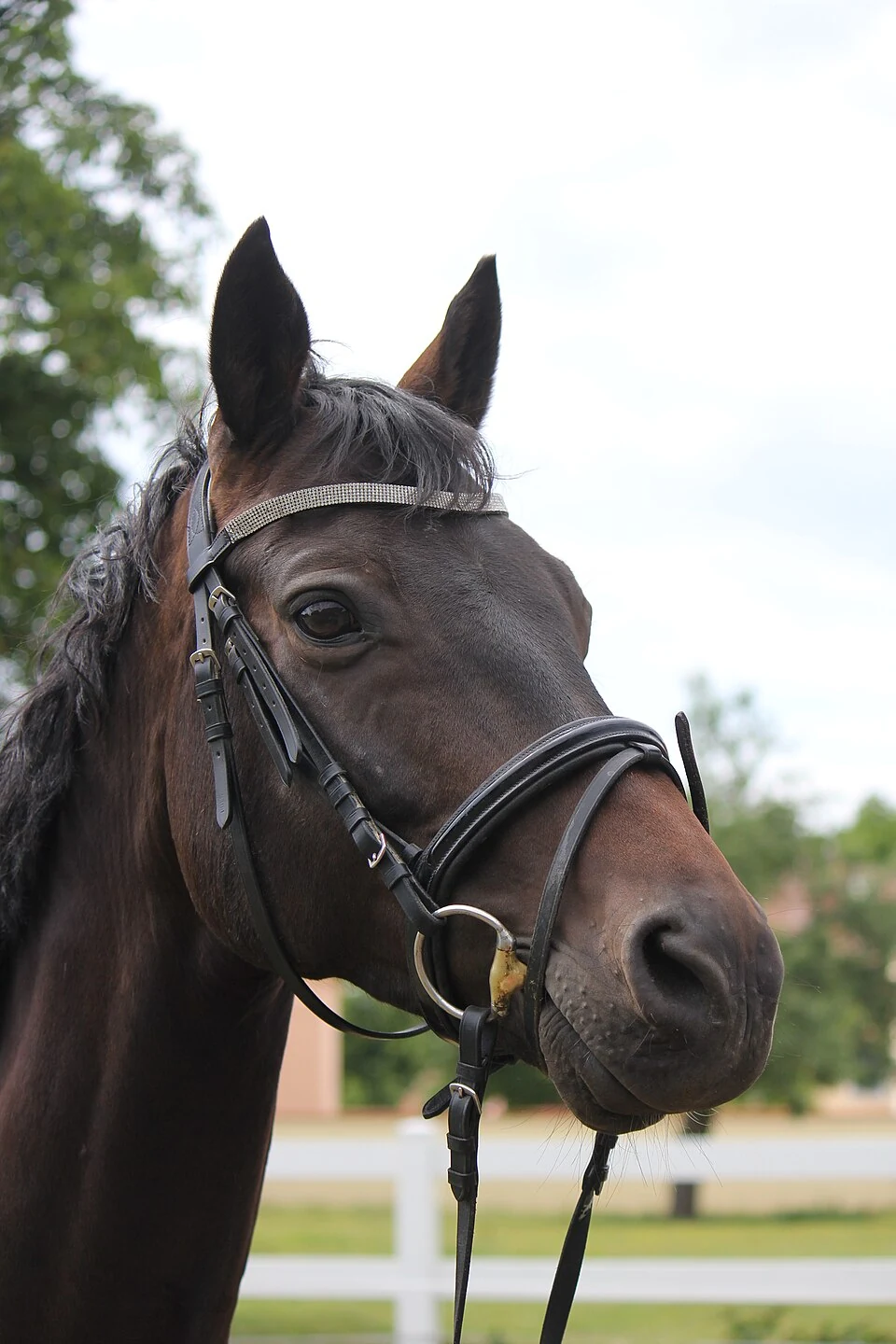
From Trakehnen to modern breeding
The official population name describes an East Prussian warmblood horse of Trakehner ancestry. The Trakehnen stud, founded in 1732, and breeding across East Prussia form part of its history. After 1945, breeding continued with the remaining horses, mainly in Germany. The Trakehner association now maintains the original stud book.
A stud book records ancestry and breeding entries. The Trakehner’s main book is described as closed. Breeding uses its own population alongside specified English Thoroughbreds, Arabians, Shagya Arabians and Anglo-Arabians. Anglo-Arabians combine English Thoroughbred and Arabian ancestry. Other ancestors are subject to tightly defined exceptions in the programme.
These rules explain why the pedigree documents deserve close attention. Daily partnership also depends on the individual’s education. Someone seeking a leisure companion should therefore ask about outdoor riding and routine handling as well as previous arena work.
Build and the desired height
The goal describes a harmoniously built, athletic riding horse with a refined, expressive head and a body suitable for ridden work. Good movement in walk, trot and canter and jumping ability are desired. All coat colours are allowed.
The association gives a desired height of 160 to 170 cm at the withers. The withers are the raised area where neck and back meet, used as the measuring point. An individual should be measured when getting acquainted so that accommodation, transport and equipment can be planned appropriately.
A fitted saddle should avoid uncomfortable pressure on the back and offer the rider a suitable seat. Its fit should be checked again when growth or training changes body shape. Avoidance during saddling or difficulties under saddle should prompt experienced assessment of equipment and possible pain.
Understanding education before setting expectations
Selection should begin with finding out which tasks the individual knows. A young Trakehner starting its education needs substantial support. A ridden horse should be shown doing the activities planned for your own routine.
New tasks should be divided into manageable steps. An unfamiliar route might first be explored over a short distance with familiar company. Clear cues and suitable rewards help the horse learn the intended response. An easier task should be chosen if it becomes worried.
Ridden work should allow balance, strength and fitness to develop gradually. An experienced instructor can support this and assess how horse and rider work together. Sudden agitation or reluctance during a familiar task should prompt consideration of equipment, health and possible pain alongside the training itself.
Read more: Reward-based horse training: clear steps for everyday care · Your first horse: preparing for the decision · Foals and young horses: growing up, handling and early learning
A dependable routine with other horses
Accommodation should offer daily free movement and contact with compatible horses. Choosing to move, eat quietly and lie down are part of everyday life. Suitable space, safe surfaces and a dry resting area should be available.
Every member of a group should be able to reach food and water. When changing yards, it is useful to discuss how new horses are introduced and observed at feeding time. A horse previously kept alone in a stable may need to learn different routines. Changes should be planned with experienced care.
Cover for busy working days and holidays should be arranged before ownership. Lessons, hoof care, veterinary prevention and equipment belong among recurring expenses. The cost planner can help organise these. Winter arrangements should explain how free movement and drinking water remain available in poor weather.
Feeding plans that respond to changes
Hay and suitable grazing should form the basis of feeding. Fibre and regular chewing support digestion. Fresh water should always be accessible. Additional feeds should reflect actual needs, which can change with work or health.
Body condition and food intake should be reviewed regularly. The neck, ribs and hindquarters should be looked at and gently felt to help identify extra fat deposits or weight loss. A lean overall appearance alone says little about whether a ration needs changing.
Before moving yards, the existing diet should be known and any required changes made gradually. Leaving food, struggling to chew or losing weight should prompt veterinary investigation. In older horses, dental problems may mean different foods or preparation methods are needed.
Read more: Older horses: adapting feeding, movement and daily care
Relating earlier records to the horse today
The Trakehner programme includes veterinary assessments for stallion selection, including examinations and radiographs. Existing records can be useful when getting to know a horse. A veterinary pre-purchase examination should still consider its present condition and your intended use.
Feet should be cleaned and checked daily. Professional hoof care should suit the individual and its workload. Changes in movement, swelling or unfamiliar behaviour should be discussed early. Skin, eating and the ability to lie down and stand up also deserve attention.
A preventive plan for teeth, vaccination and parasite control should be agreed with the vet. When care is shared, clear observations are useful: when did a change begin, in which circumstances is it noticeable and who saw it? These details help at an examination and when agreeing further care.
Read more: Foals and young horses: growing up, handling and early learning · Older horses: adapting feeding, movement and daily care
Common questions
Is the Trakehner stud book open to other warmblood breeds?
The main book principally uses its own population and specified Thoroughbred and Arabian breeds. The programme permits limited exceptions for other ancestors.
Can a Trakehner be a leisure companion?
An appropriately trained horse with suitable physical ability can suit leisure activities. Outdoor experience, handling and the tasks you plan should be assessed for the individual with knowledgeable support.
A closer look
Sources and photo credit
- Zuchtprogramm für die Population des Ostpreußischen Warmblutpferdes Trakehner Abstammung, Stand April 2025Trakehner Verband e.V.From Trakehnen to modern breeding · Build and the desired height · Understanding education before setting expectations · Relating earlier records to the horse today
- Guide to buying a horse: questions to ask and moreBritish Horse SocietyFrom Trakehnen to modern breeding · Understanding education before setting expectations · A dependable routine with other horses · Relating earlier records to the horse today
- Where to keep your horseBritish Horse SocietyBuild and the desired height · A dependable routine with other horses
- Horse health essentialsWorld Horse WelfareBuild and the desired height · Understanding education before setting expectations · Feeding plans that respond to changes · Relating earlier records to the horse today
- Training: how do horses learn?World Horse WelfareUnderstanding education before setting expectations
- Feeding horsesBritish Horse SocietyFeeding plans that respond to changes
- Fat scoring horsesBritish Horse SocietyFeeding plans that respond to changes
- Essential care for your horse’s hoovesBritish Horse SocietyRelating earlier records to the horse today
Photo credits
Photo: Der edle Kopf eines Trakehner.JPG · Melina Ziegler · CC BY-SA 4.0. Image format adapted.
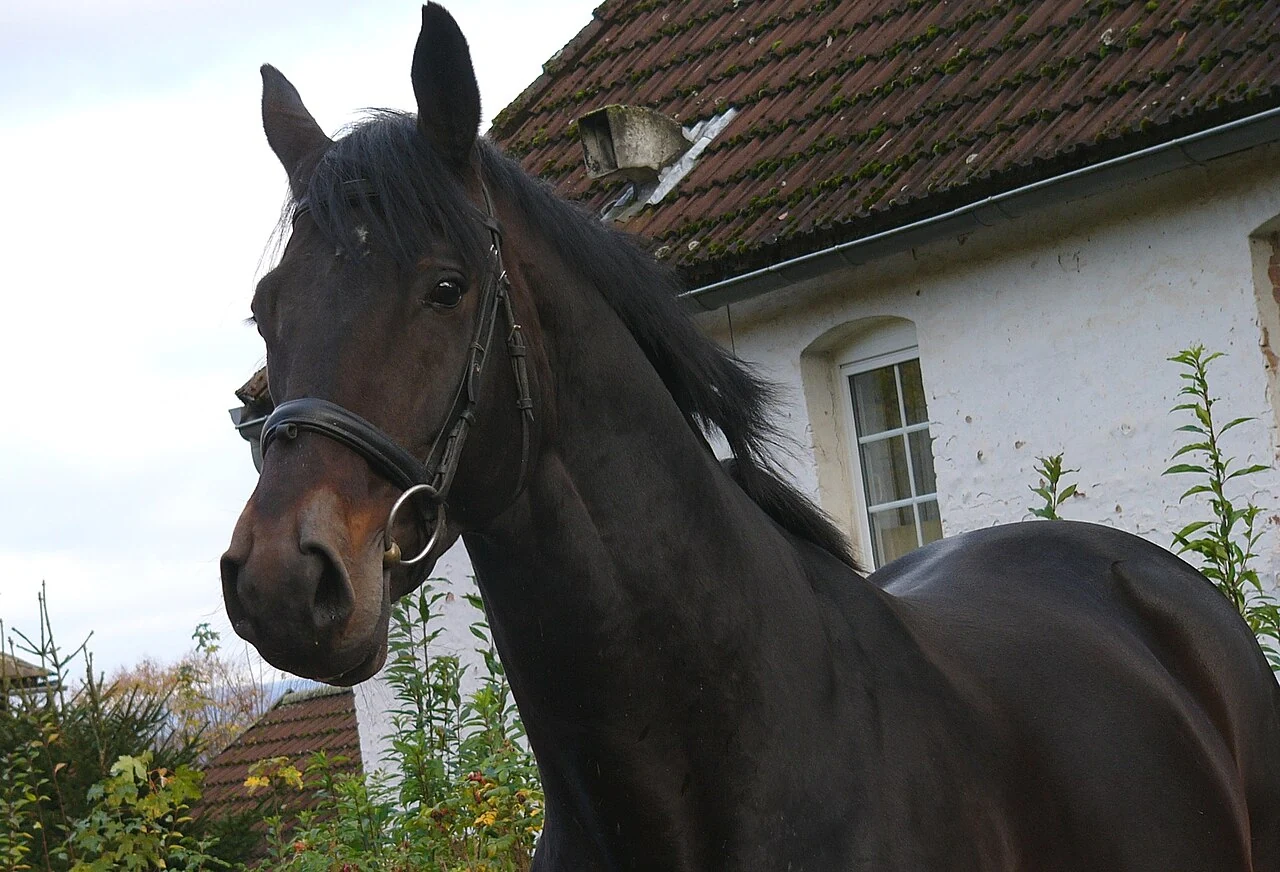
Photo: Trakehner Horse.jpg · Kathleen Conklin · CC BY 2.0. Image format adapted.
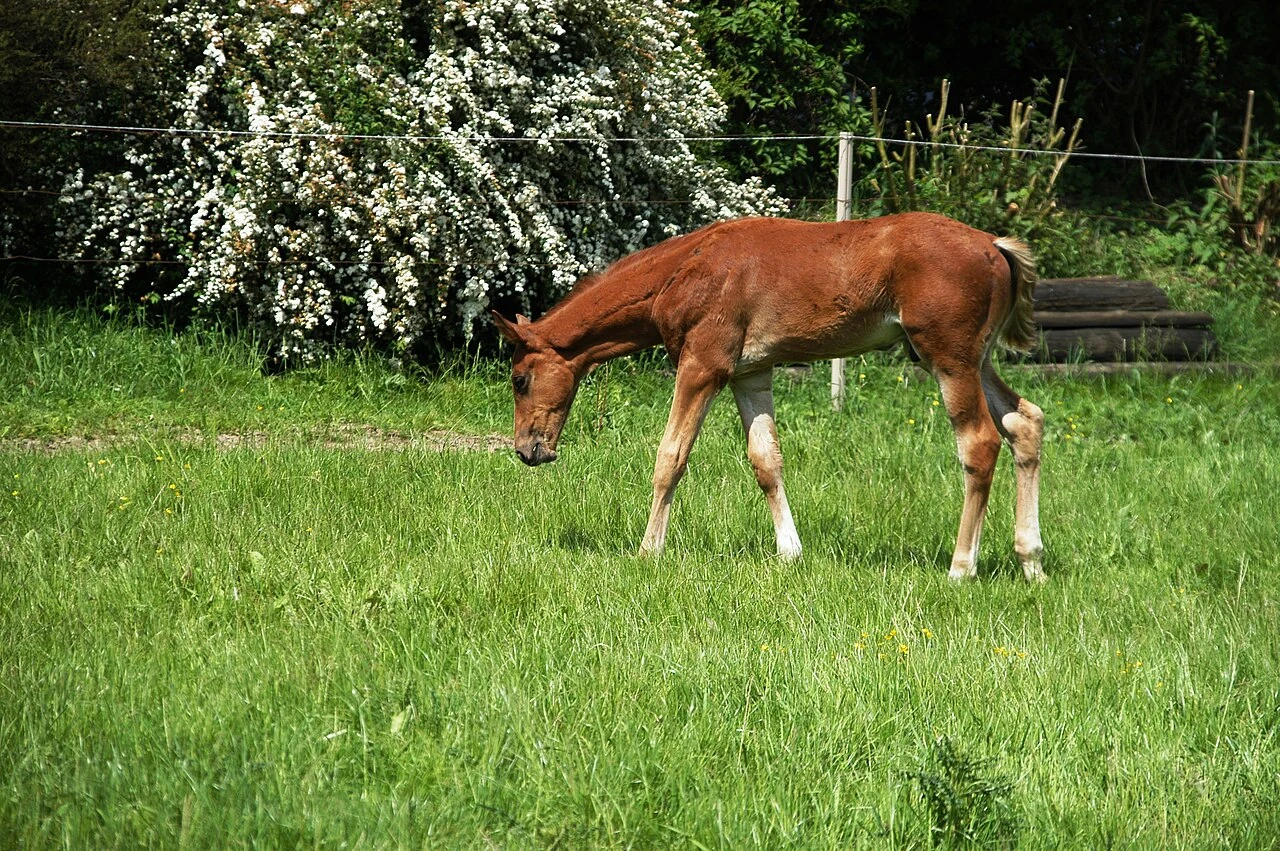
Photo: Trakehner foal.jpg · Kathleen Conklin · CC BY 2.0. Image format adapted.
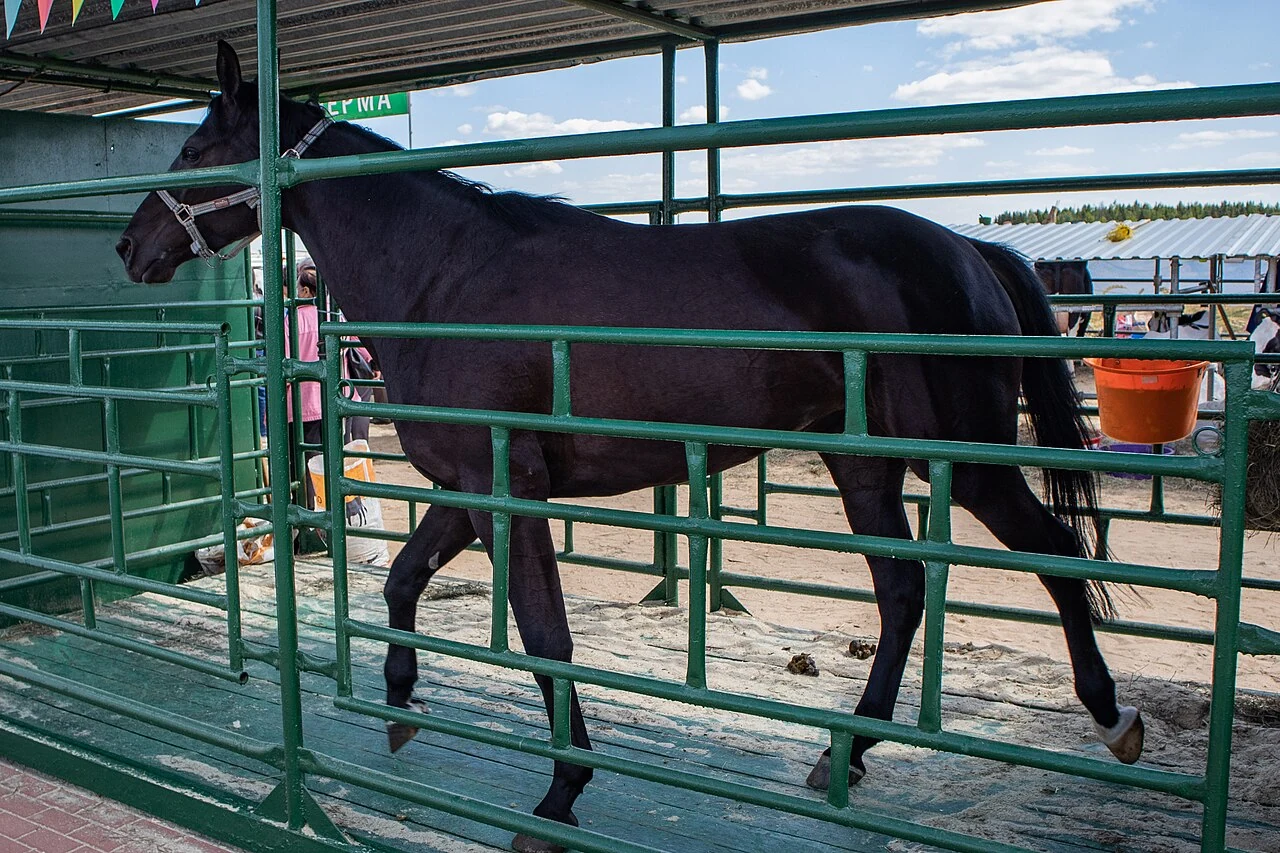
Photo: Trakehner horse (Belagro-2021) 1.jpg · Homoatrox · CC BY-SA 3.0. Image format adapted.


_1.jpg)