fellfolio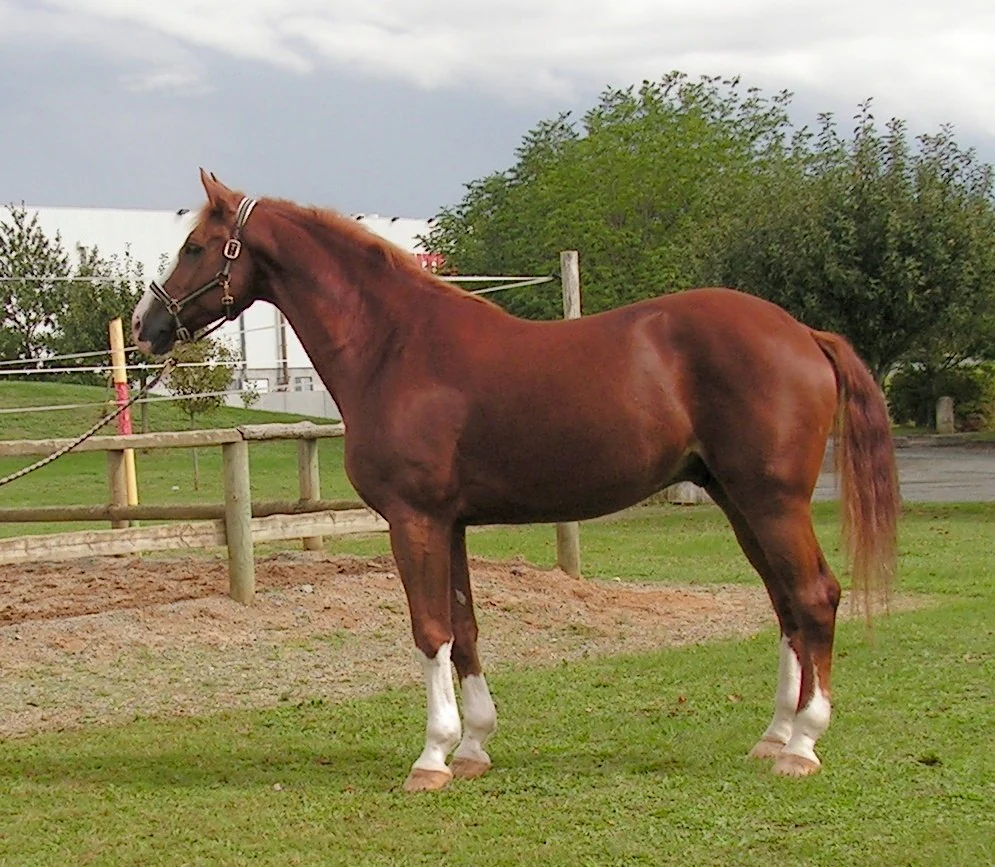
What the Westphalian name means
The official German breed name is Westfälisches Reitpferd. Its association maintains the original stud book, a register recording ancestry and breeding entries. The Westphalian is a warmblood, a breeding type of riding horse that differs, for example, from heavier draught breeds.
The programme admits horses from other selected populations under particular conditions. Several riding-horse breeds can therefore appear in a Westphalian pedigree. Documentation should be reviewed when a horse is offered for sale. Its existing education and daily experience also matter for future use.
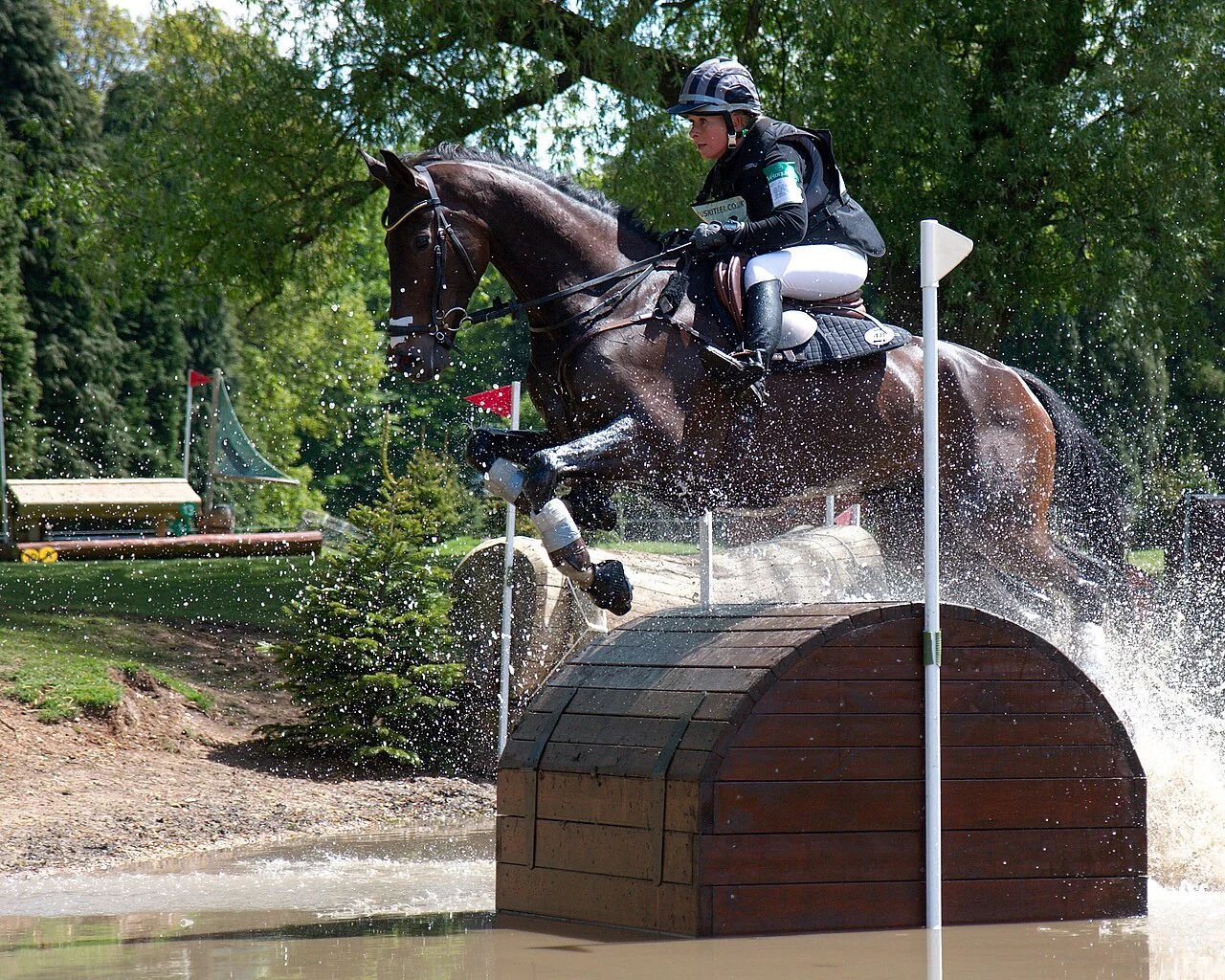
Eventing combines dressage, jumping and riding across country. These tasks help explain why movement, jumping ability and a sound body appear together in the breeding goal. A horse previously worked mainly in an arena should still be introduced gradually to unfamiliar outdoor tasks.
Height, movement and equipment that fits
The programme describes a substantial, harmoniously built riding horse with a well-muscled back and powerful hindquarters. All coat colours are admitted. Desired movement is regular and balanced in walk, trot and canter, alongside good jumping ability.
The programme’s height description starts at 158 cm at the withers. The withers are the raised area where neck and back meet, used as the measuring point. The actual horse should be measured. Proportions and movement also matter when deciding, including whether you can mount comfortably and safely at a viewing.
A saddle should fit so that it does not place uncomfortable pressure on the back and gives the rider a suitable seat. Growth and training can change body shape. Fit should therefore be reviewed later, particularly if the horse starts reacting differently when saddled or ridden.
Clear foundations for different activities
Simple transitions, calm halting and understandable turns should be established first. An instructor can help match exercises to both horse and rider experience. A young Westphalian needs time to grow and learn each stage of its education.
A broad turn at walk can be a manageable ridden exercise. An instructor can help make the cues clear and recognise when to reward a successful response. Difficulty should increase only as the task becomes familiar. Persistent agitation should also prompt consideration of fear, pain or excessive demands.
At a viewing, existing work should be demonstrated. Outdoor riders should ask about routes, traffic and experience with other horses. For jumping, training and physical suitability should be assessed with knowledgeable support. New work should build on tasks the horse already understands.
Read more: Reward-based horse training: clear steps for everyday care · Your first horse: preparing for the decision · Foals and young horses: growing up, handling and early learning
Free movement on days without riding
A Westphalian should have daily opportunities to move freely and interact with compatible horses. A day off ridden work can still include time in a suitable outdoor area. Accommodation should offer enough room, safe fencing and somewhere dry to rest.
In a group, every horse should be able to reach hay and water. Watching a normal feeding routine at a prospective yard can be useful. It allows discussion of whether there are enough feeding spaces and how individual needs are managed. Winter weather and muddy ground should also be considered.
Daily care, cover and recurring costs should be settled before ownership. Beyond accommodation, the budget should include hoof care, veterinary prevention, equipment and any lessons needed. The cost planner can help set these expenses out together.
Watching food needs as work changes
Hay and suitable grazing should form the dietary basis. They supply fibre and regular time for chewing. Fresh water should be accessible, and the daily routine should avoid prolonged gaps without suitable food.
Additional energy-rich feed should reflect actual needs. A change in workload is a useful point to reassess body condition. The neck, ribs and hindquarters should be looked at and gently felt. Increasing fat deposits or visible weight loss should be discussed with knowledgeable support rather than changing the ration by guesswork.
New feeds should be introduced gradually. Difficulty chewing, leaving food or a change in drinking should prompt investigation. Feeding problems may involve teeth or health, but access to food within a group can also need attention.
Understanding prevention and breeding records
The Westphalian programme records WFFS results for particular stallion entries. WFFS, now also called Fragile Foal Syndrome or FFS, is a fatal inherited connective tissue disorder in foals. Affected foals inherit two copies of the variant, one from each parent. A horse with only one copy is unaffected but can pass it on.
Both parents’ results should be considered when planning breeding. The programme does not exclude a stallion from registration solely because it is a carrier. For a riding-horse purchase, previous findings, current movement and intended use should be discussed during a veterinary pre-purchase examination.
Ongoing care should include daily hoof checks and regular professional hoof care. Dental examinations, vaccination and parasite control should be planned with the vet. Riders and carers should watch for and record changes in behaviour or movement. These notes help explain the changes to the vet.
Read more: Older horses: adapting feeding, movement and daily care
Common questions
Can a Westphalian suit a novice rider?
This should be assessed for the individual horse with an experienced instructor. Relevant factors include suitable education, experience with less skilled riders and ongoing support in daily life.
Does a Westphalian have to compete?
No. A physically suitable horse with appropriate education can be kept for leisure riding. Movement, equine company and daily care should be planned well whatever the sporting aim.
A closer look
Sources and photo credit
- Zuchtprogramm für das Westfälische Reitpferd, Stand Dezember 2024Westfälisches Pferdestammbuch e.V.What the Westphalian name means · Height, movement and equipment that fits · Understanding prevention and breeding records
- Guide to buying a horse: questions to ask and moreBritish Horse SocietyWhat the Westphalian name means · Height, movement and equipment that fits · Clear foundations for different activities · Free movement on days without riding · Understanding prevention and breeding records
- Training: how do horses learn?World Horse WelfareWhat the Westphalian name means · Clear foundations for different activities
- Horse health essentialsWorld Horse WelfareHeight, movement and equipment that fits · Clear foundations for different activities · Watching food needs as work changes · Understanding prevention and breeding records
- Where to keep your horseBritish Horse SocietyFree movement on days without riding · Watching food needs as work changes
- Feeding horsesBritish Horse SocietyWatching food needs as work changes
- Fat scoring horsesBritish Horse SocietyWatching food needs as work changes
- Fragile Foal Syndrome Type 1 (FFS)University of California, Davis, School of Veterinary MedicineUnderstanding prevention and breeding records
- Essential care for your horse’s hoovesBritish Horse SocietyUnderstanding prevention and breeding records
Photo credits
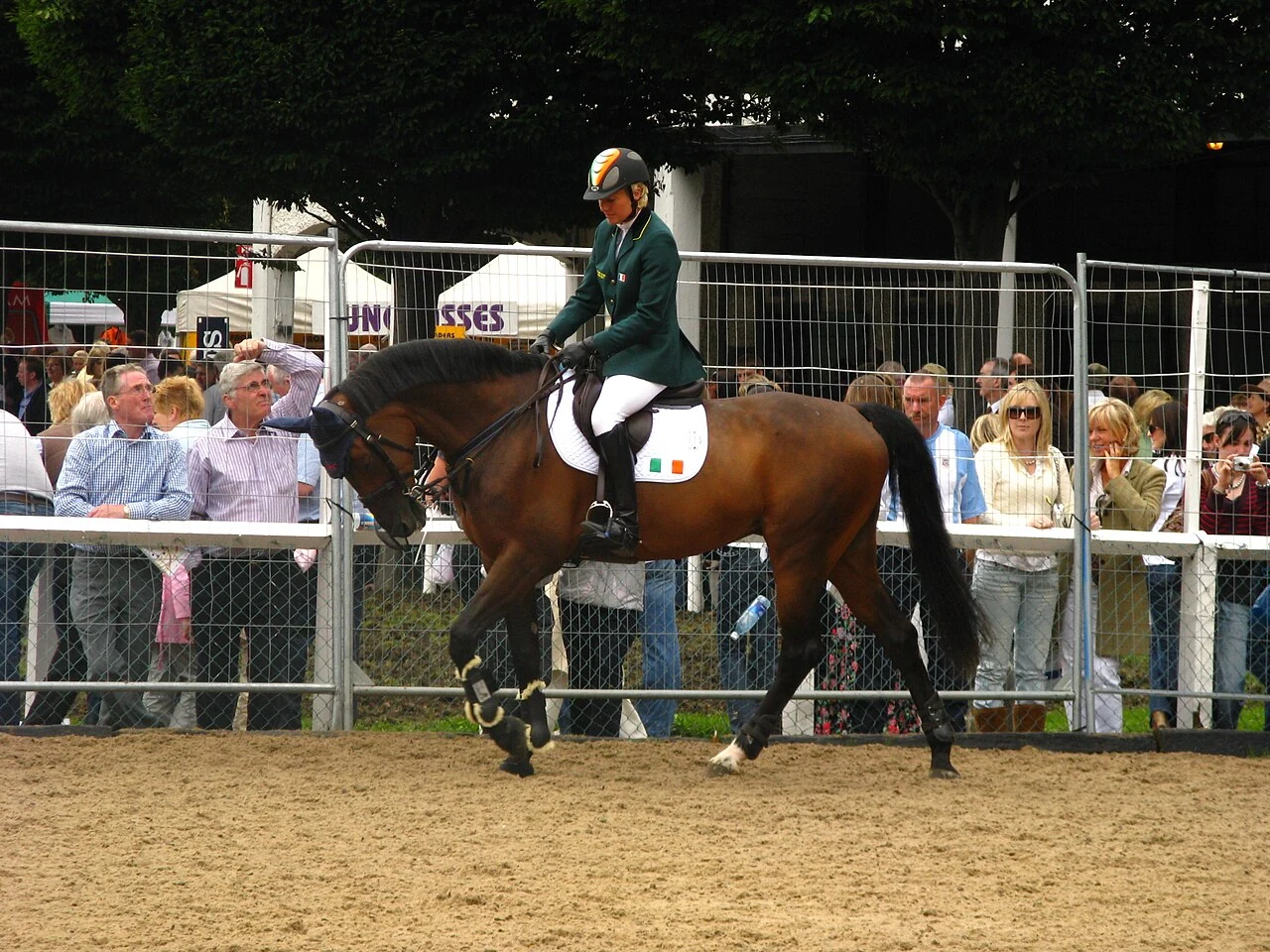
Photo: Avenger - Westphalian horse.jpg · Karlyne · CC BY-SA 2.5. Image format adapted.
Photo: Jessica Kürten and Castle Forbes Libertina - Dublin CSIO5*.jpg · Culnacreann · CC BY-SA 3.0. Image format adapted.
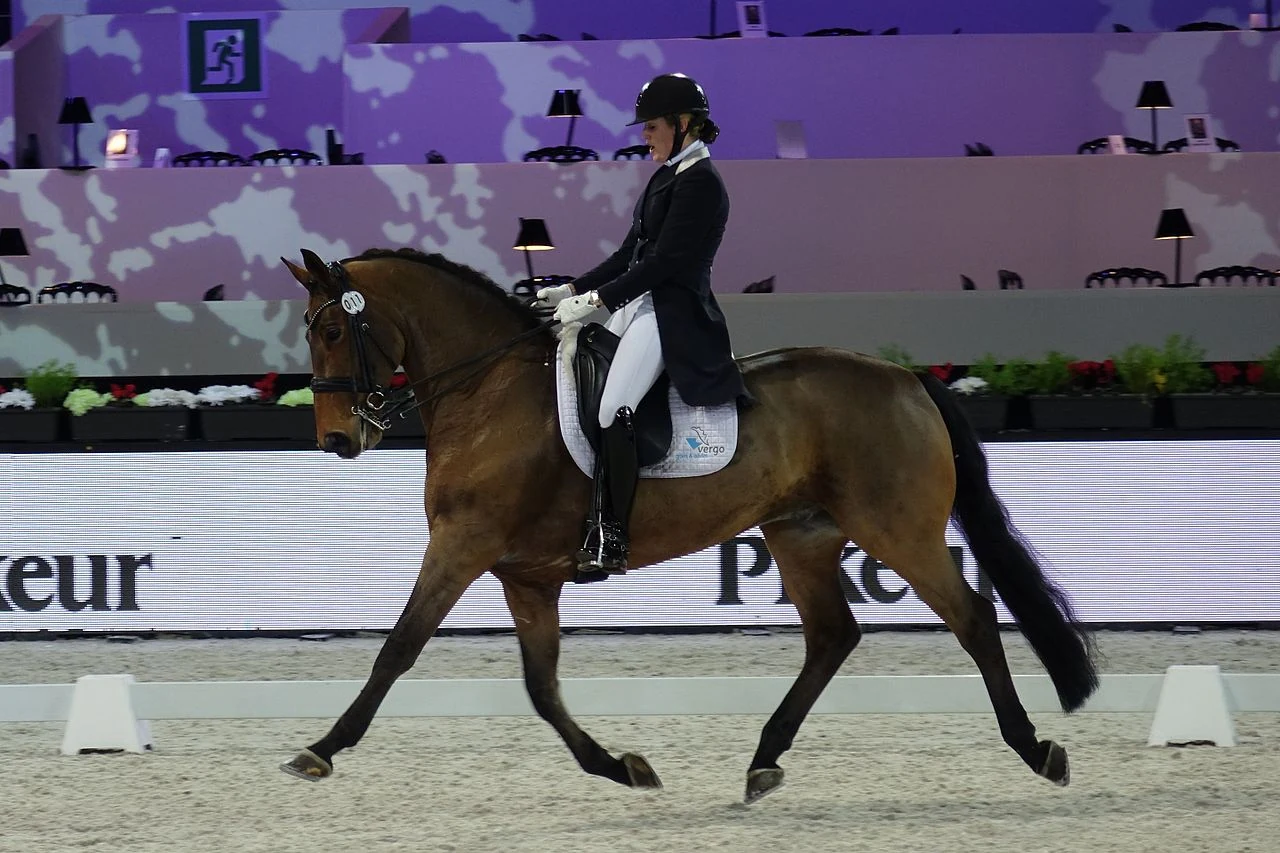
Photo: SDC2016 Saskia Maertens et Legend of Loxley.jpg · Eponimm · CC BY-SA 4.0. Image format adapted.
Photo: Bettina Hoy Designer 10 Treasure Chests Houghton 2013.jpg · Henry Bucklow / Lazy Photography (Sffubs) · CC BY-SA 3.0. Image format adapted.