fellfolio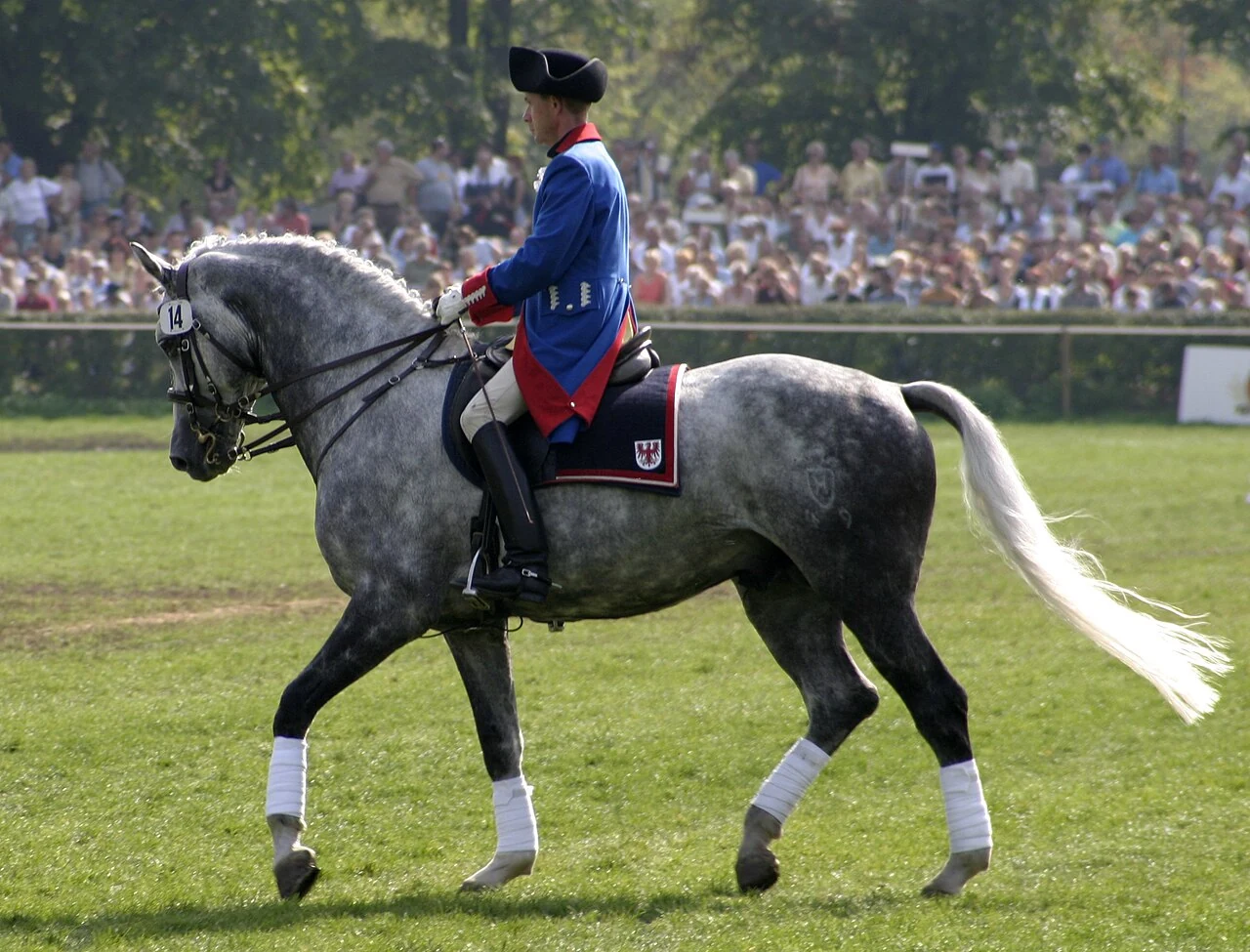
A working background shaped by changing needs
The heavy soils of the Elbe marshes influenced early horse breeding. Holsteiners worked on farms and pulled vehicles. During the twentieth century, breeding increasingly turned towards riding sport as those older roles changed. English Thoroughbreds and French sport horses contributed to the development of the modern population.
The Holsteiner is a warmblood, a breeding type of riding horse. The association maintains a stud book, a register documenting ancestry and breeding entries. Horses from other approved populations can contribute under specified admission rules.
Understanding build and height
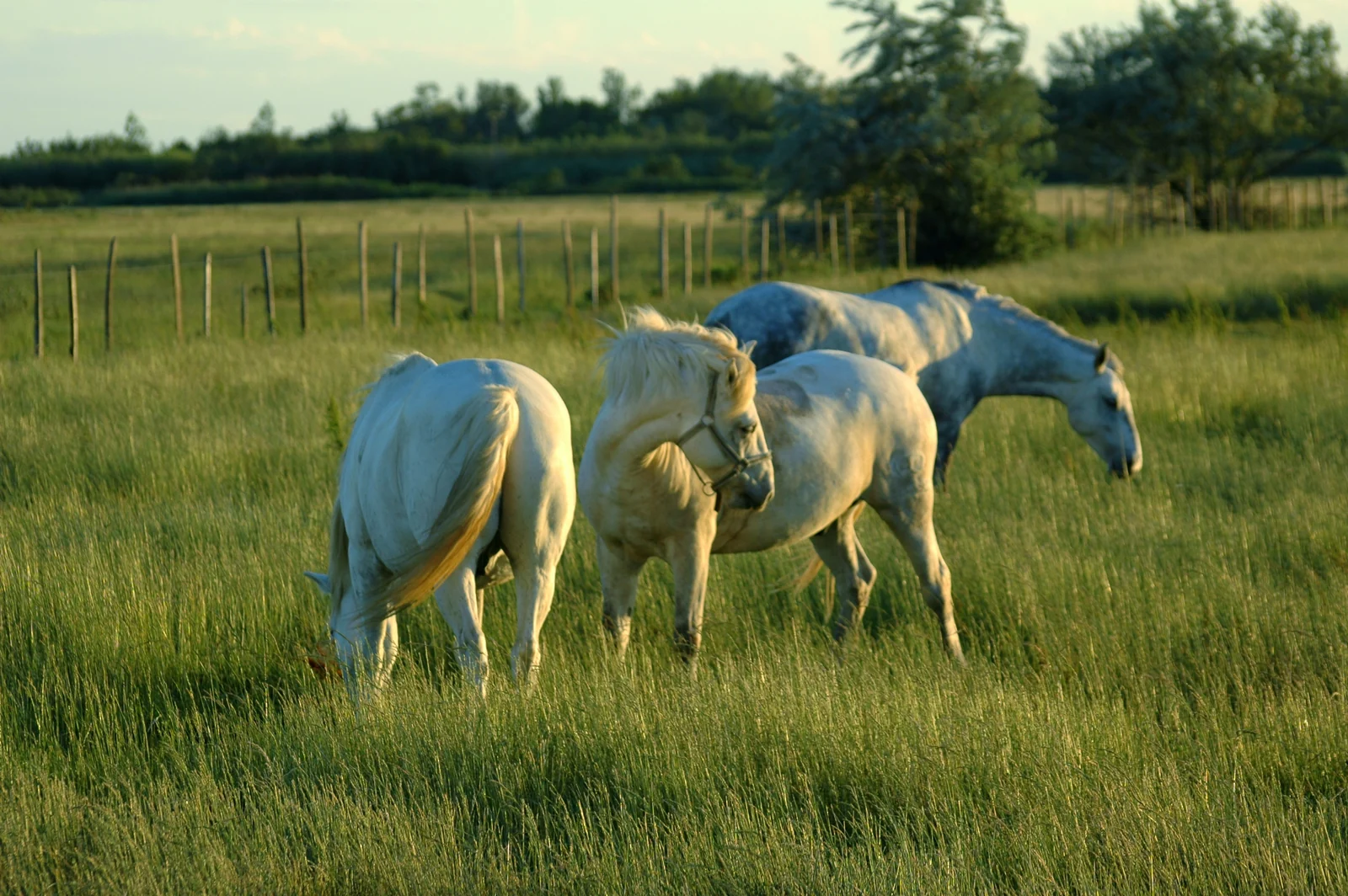
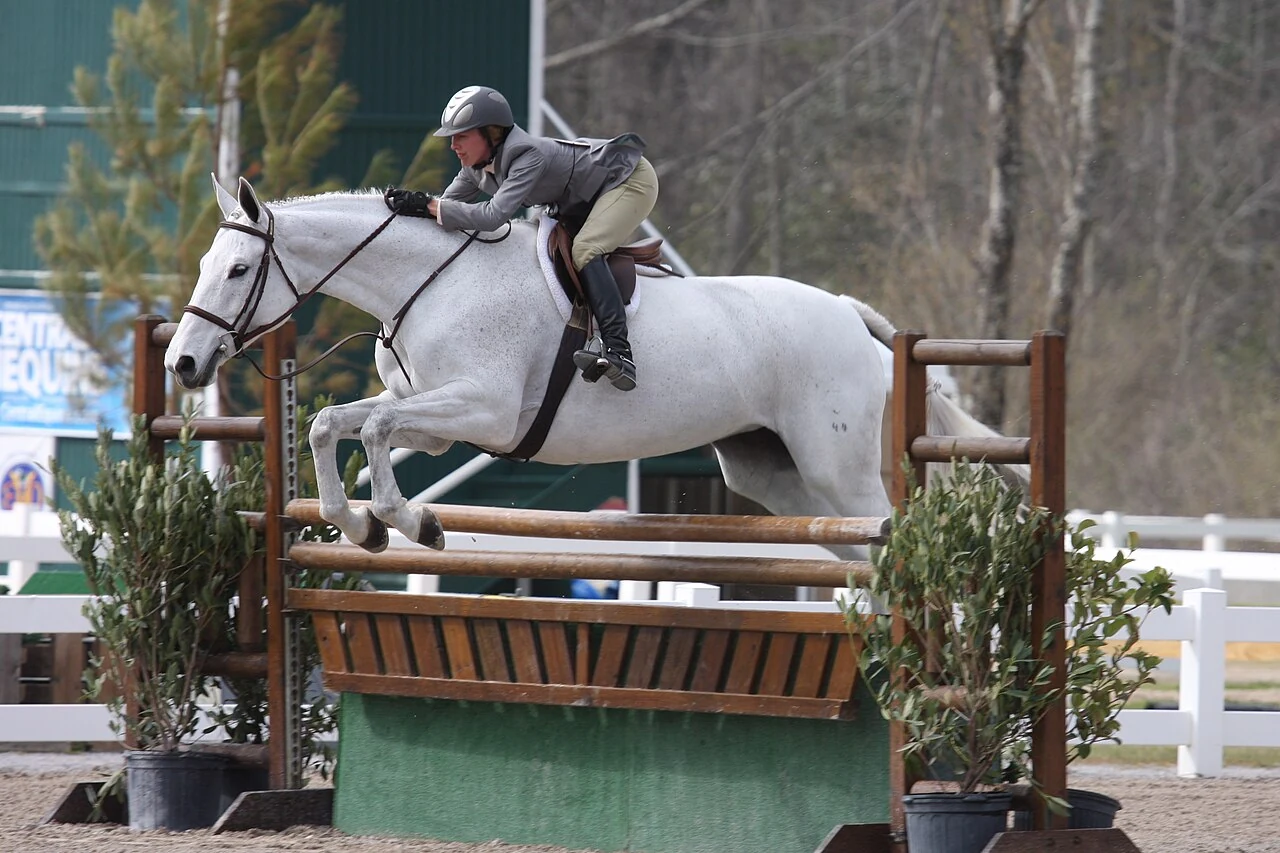
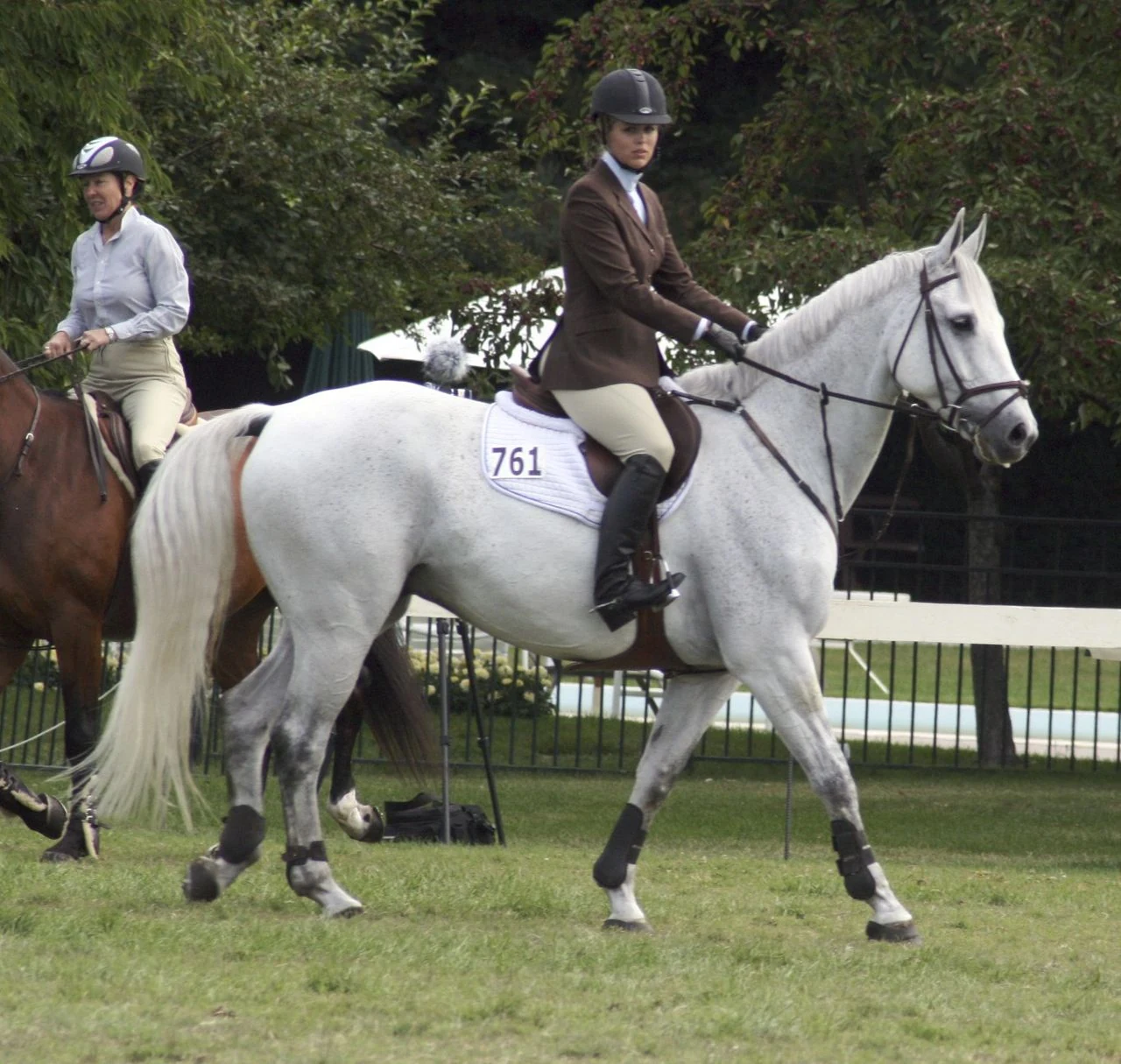
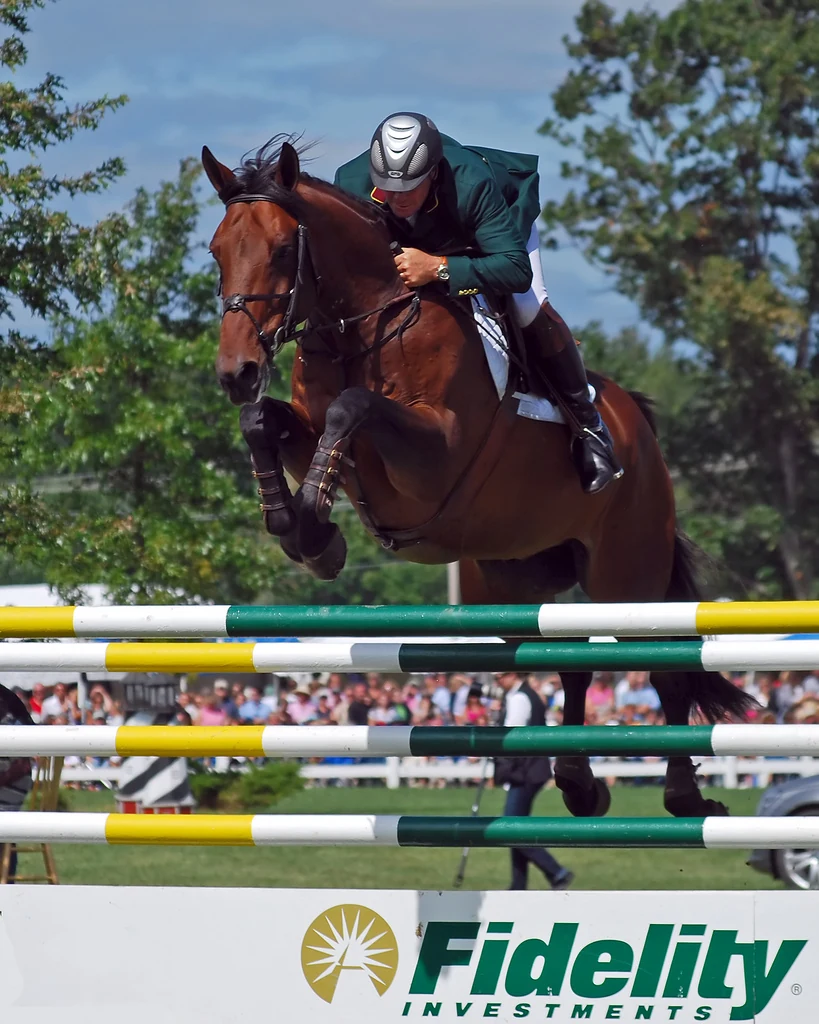
The breeding goal describes an athletic horse with a long neck, pronounced withers and powerful hindquarters. The withers are the raised area where the neck meets the back, used when measuring height. Soundly formed legs and hooves are also desired. Many Holsteiners are bay, while the programme excludes coats with large white and coloured patches.
The association’s height rules apply to particular breeding entries. Young stallions must measure at least 162 cm for licensing, rising to 164 cm from 36 months of age. Licensing assesses whether a stallion should be admitted for breeding. When choosing a riding horse, its actual measurements and suitable equipment should be checked in person.
A large horse needs enough room to lie down and rise, travel safely and stand when tied. A saddle should be fitted to the individual. Its fit should be checked again when growth or training changes the horse’s shape.
Simple foundations before higher fences
Stopping, moving forward, turning and maintaining a steady pace should be established before demanding jumping. An experienced instructor can help plan work that gives horse and rider time to develop balance and fitness. A young horse needs different tasks from a seasoned competition partner.
Clear, consistent cues and small steps help learning. A brief exercise might involve leading for a few strides, stopping and rewarding calm standing. If the horse becomes unsettled, it is worth asking whether the task is understood and considering fear or pain. Simply increasing pressure will not reliably address those different causes.
A knowledgeable person should accompany a purchase viewing. The current rider should demonstrate the agreed activities first. With suitable guidance, you can then assess how you and the horse work together. For a leisure companion, experience on outdoor routes and around other horses deserves attention alongside competition results.
Read more: Reward-based horse training: clear steps for everyday care · Your first horse: preparing for the decision
Daily life beyond riding
Accommodation should allow free movement every day, contact with compatible horses and a dry place to rest. Riding does not replace time when a horse can choose to walk, eat or stand quietly. Shared areas should provide room to keep a comfortable distance and safe access to food and water.
A stable should fit the horse’s size and have good ventilation. For group accommodation, companions, feeding areas and places to move away from others should be planned carefully. Before moving in, it is useful to see how the yard works in winter. Are outdoor areas usable in wet weather, and who notices a horse eating less or moving unevenly?
A realistic budget should cover daily care, hoof care, veterinary support and equipment. The cost planner can help you work through these expenses together. Reliable cover also needs arranging for days when you cannot reach the yard yourself.
Matching food to actual work
Hay and suitable grazing should form the foundation of the diet. Their fibre and the time spent chewing matter for digestion. Fresh water should always be accessible. Additional energy-rich feeds should reflect the work being done and changes in the individual’s body condition.
Regular training can alter dietary needs, but neither a breed name nor a future competition schedule is enough to decide how much extra food to give. The neck, ribs and hindquarters should be looked at and gently felt. This helps assess fat deposits and changes more clearly than total body weight alone.
New feeds should be introduced gradually. Weight loss, difficulty chewing or suddenly leaving food should prompt investigation. Dental problems, pain or difficulty accessing food may need attention before simply increasing the ration.
Checking health before and after purchase
A veterinary pre-purchase examination should reflect the intended use. Existing findings, previous injuries and the horse’s workload should be discussed openly. Health checks made during breeding selection assess particular requirements for breeding. Your prospective riding horse still needs an individual assessment.
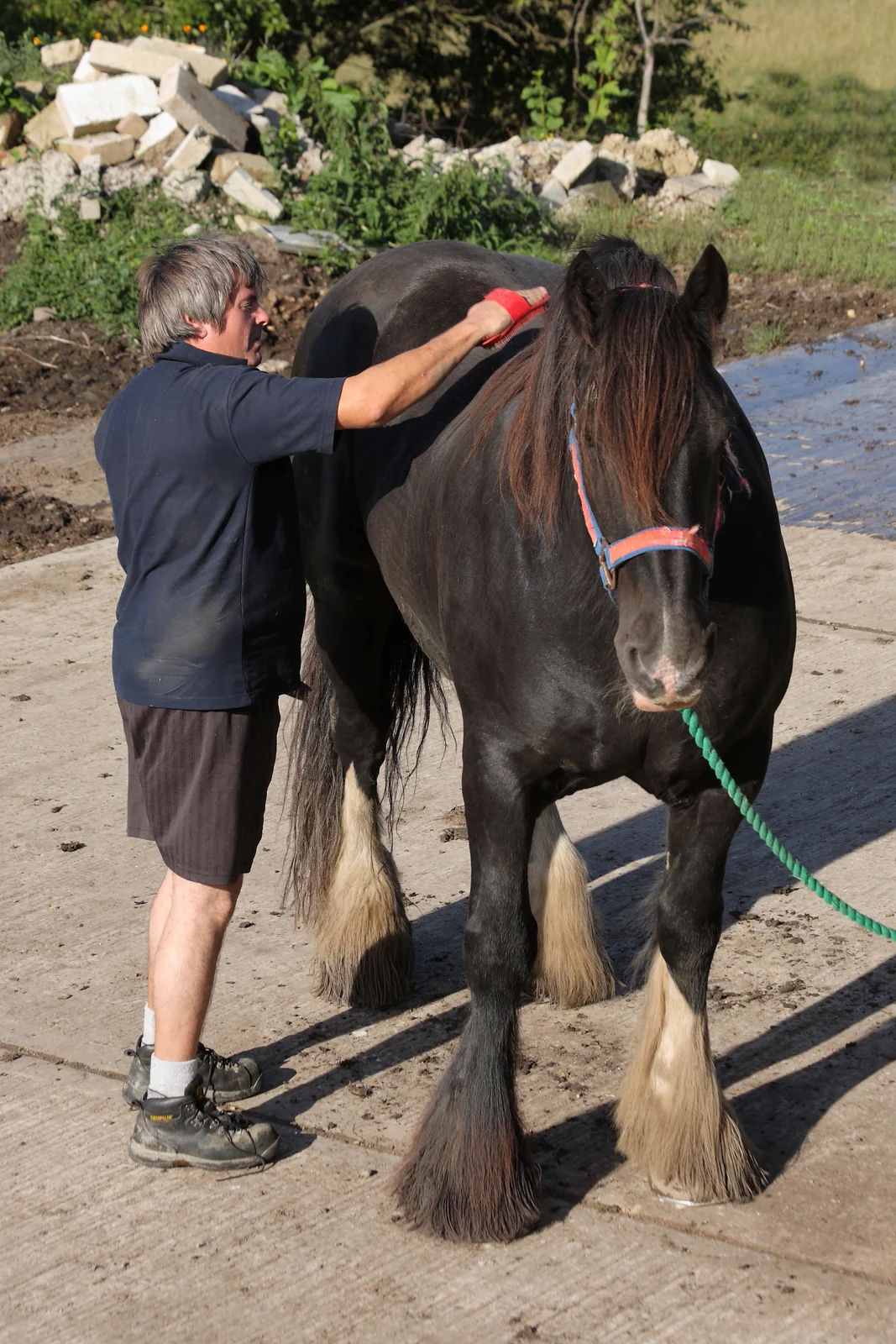
Routine observation should include hooves, legs, skin and movement. Feet should be cleaned each day so that stones or loose shoes can be noticed. The frequency and type of hoof work should be planned with a qualified professional for that horse.
Dental care, vaccination and parasite control belong in a plan agreed with the vet. Changes in behaviour or shorter strides should prompt a review of work and investigation of the cause. Young horses need time to develop, while older horses may need changes to feeding, equipment and exercise.
Read more: Foals and young horses: growing up, handling and early learning · Older horses: adapting feeding, movement and daily care
Common questions
Can a Holsteiner be a leisure horse?
Yes. An appropriately trained horse with suitable physical ability can be a leisure companion. Selection should include its everyday experience and behaviour during the activities you hope to share.
How tall is a Holsteiner?
The individual should be measured. The association sets different minimums for breeding entries, including 162 cm for licensing young stallions and 164 cm from 36 months. Those requirements apply to the relevant breeding assessment.
A closer look
Sources and photo credit
- Die Geschichte des Holsteiner PferdesHolsteiner VerbandA working background shaped by changing needs
- Zuchtprogramm für die Population des Holsteiner Pferdes, Stand Juni 2025Verband der Züchter des Holsteiner Pferdes e.V.A working background shaped by changing needs · Understanding build and height · Simple foundations before higher fences · Checking health before and after purchase
- Where to keep your horseBritish Horse SocietyUnderstanding build and height · Daily life beyond riding
- Horse health essentialsWorld Horse WelfareUnderstanding build and height · Simple foundations before higher fences · Matching food to actual work · Checking health before and after purchase
- Training: how do horses learn?World Horse WelfareSimple foundations before higher fences
- Guide to buying a horse: questions to ask and moreBritish Horse SocietySimple foundations before higher fences · Daily life beyond riding · Checking health before and after purchase
- Feeding horsesBritish Horse SocietyMatching food to actual work
- Fat scoring horsesBritish Horse SocietyMatching food to actual work
- Essential care for your horse’s hoovesBritish Horse SocietyChecking health before and after purchase
Photo credits
Photo: Holsteiner 0001.jpg · Alexander Kastler · CC BY-SA 2.5. Image format adapted.
Photo: Holsteiner-hunter.jpg · dregsplod · CC BY 2.0. Image format adapted.
Photo: Gray Holstein.jpg · Just chaos · CC BY 2.0. Image format adapted.
Photo: Caracas49.jpg · Paul Keleher · CC BY 2.0. Image format adapted.