fellfolio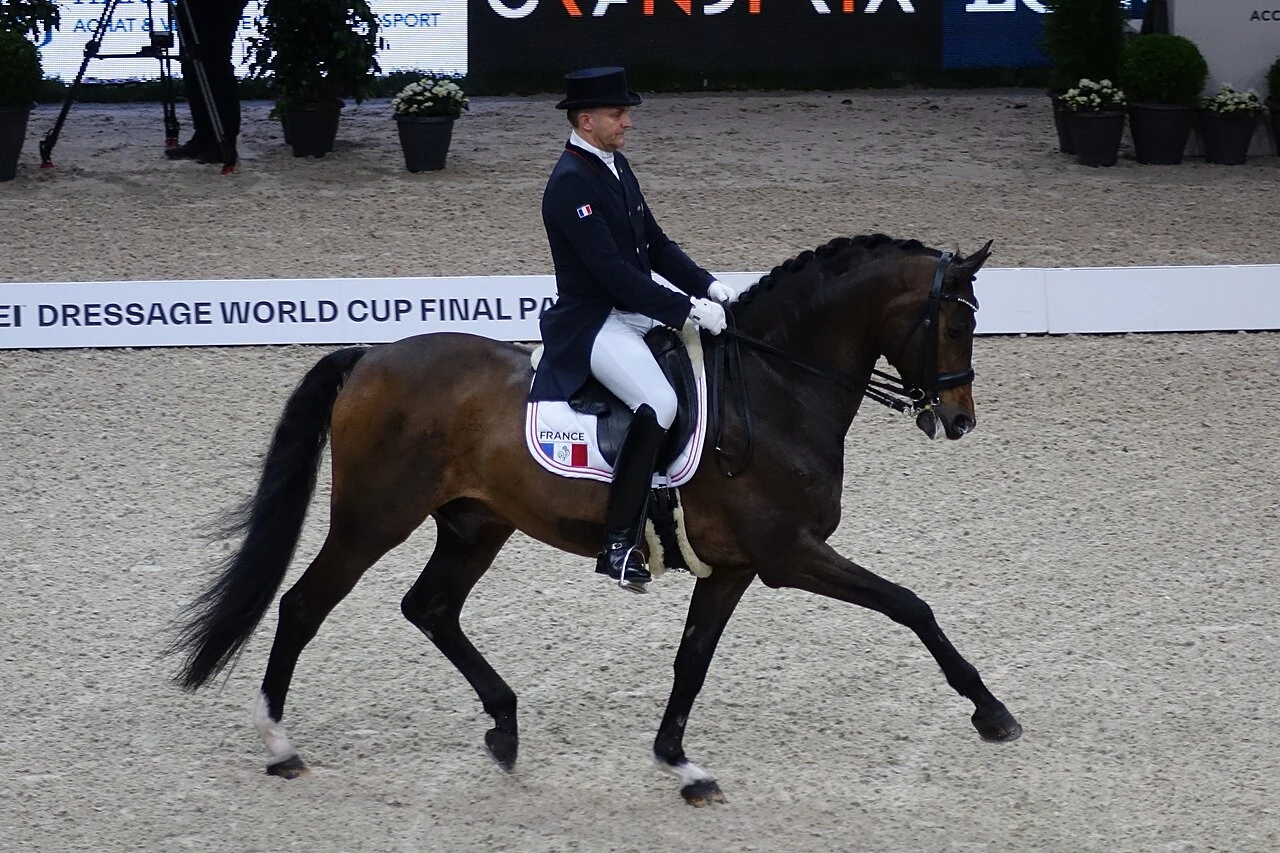
Regional breeding brought together in one studbook
The German Sport Horse association was formed in 1990. Joint stallion selection began in 2003, and five breeding associations introduced shared studbook management in 2014. The regional associations continue to support breeders in their own areas. The DSP designation applies to horses registered under the rules of this shared studbook.
Under specified conditions, the studbook also accepts horses from other approved breeding populations. Registration should be checked alongside ancestry when a horse is offered as a DSP. Its paperwork should be understandable to a prospective buyer. Equally useful questions concern how the horse was raised, what work it has learned and how it behaves with people and other horses today.
A breeding goal and the horse in front of you
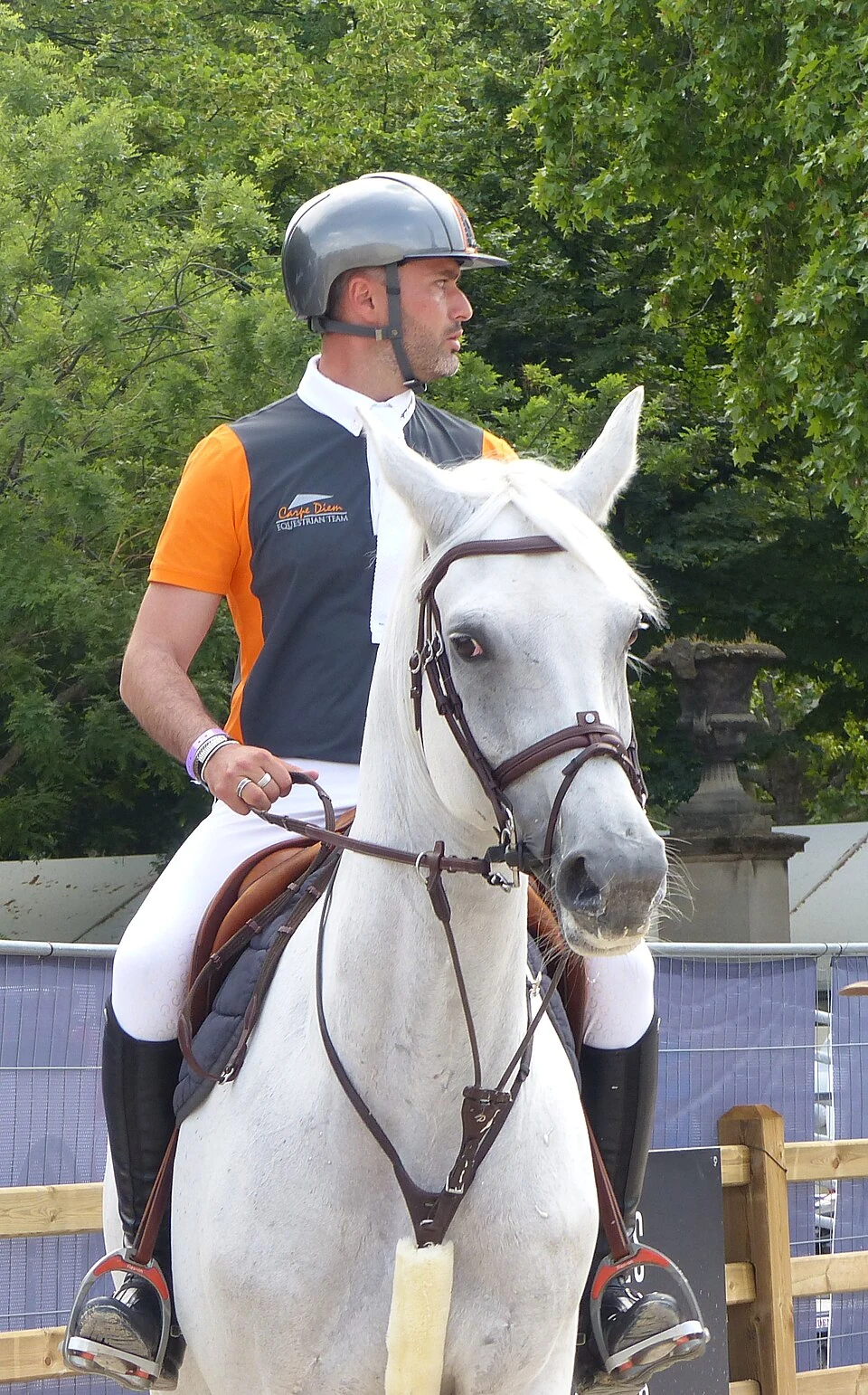
The published breeding programme dated April 2022 describes a versatile riding horse with a height around 165 centimetres. Height is measured from the ground to the withers, the highest point of the shoulder area. This figure describes the height the breeding programme aims for. Individual horses may be taller or shorter. All coat colours are accepted in the programme.
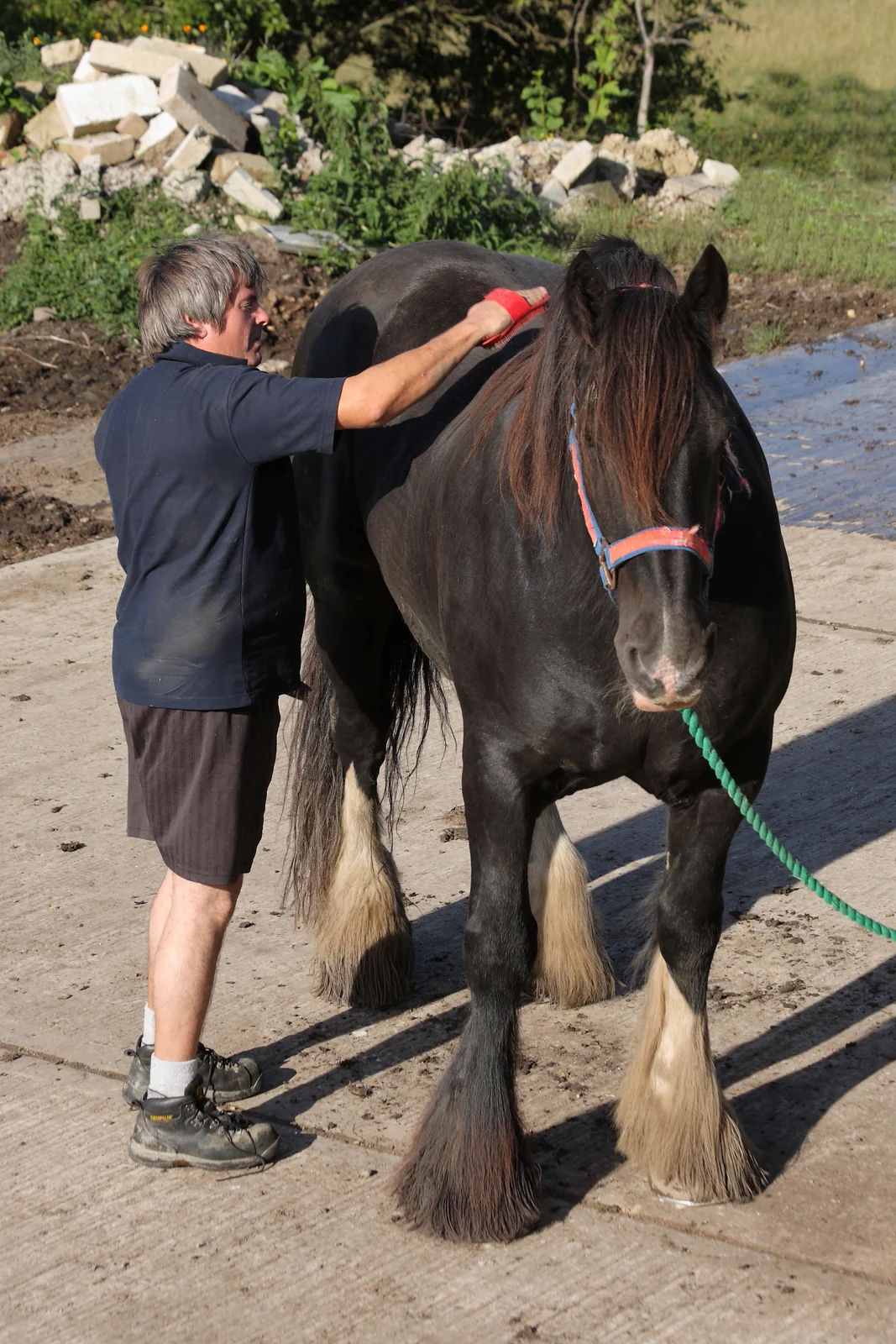
A viewing should include leading, grooming and saddling. The horse’s actual build determines practical needs such as space in a trailer and saddle fit. An experienced person accompanying the buyer can help assess whether the horse suits their riding and handling skills. Ancestry should be considered alongside this practical experience.
Useful foundations before demanding work
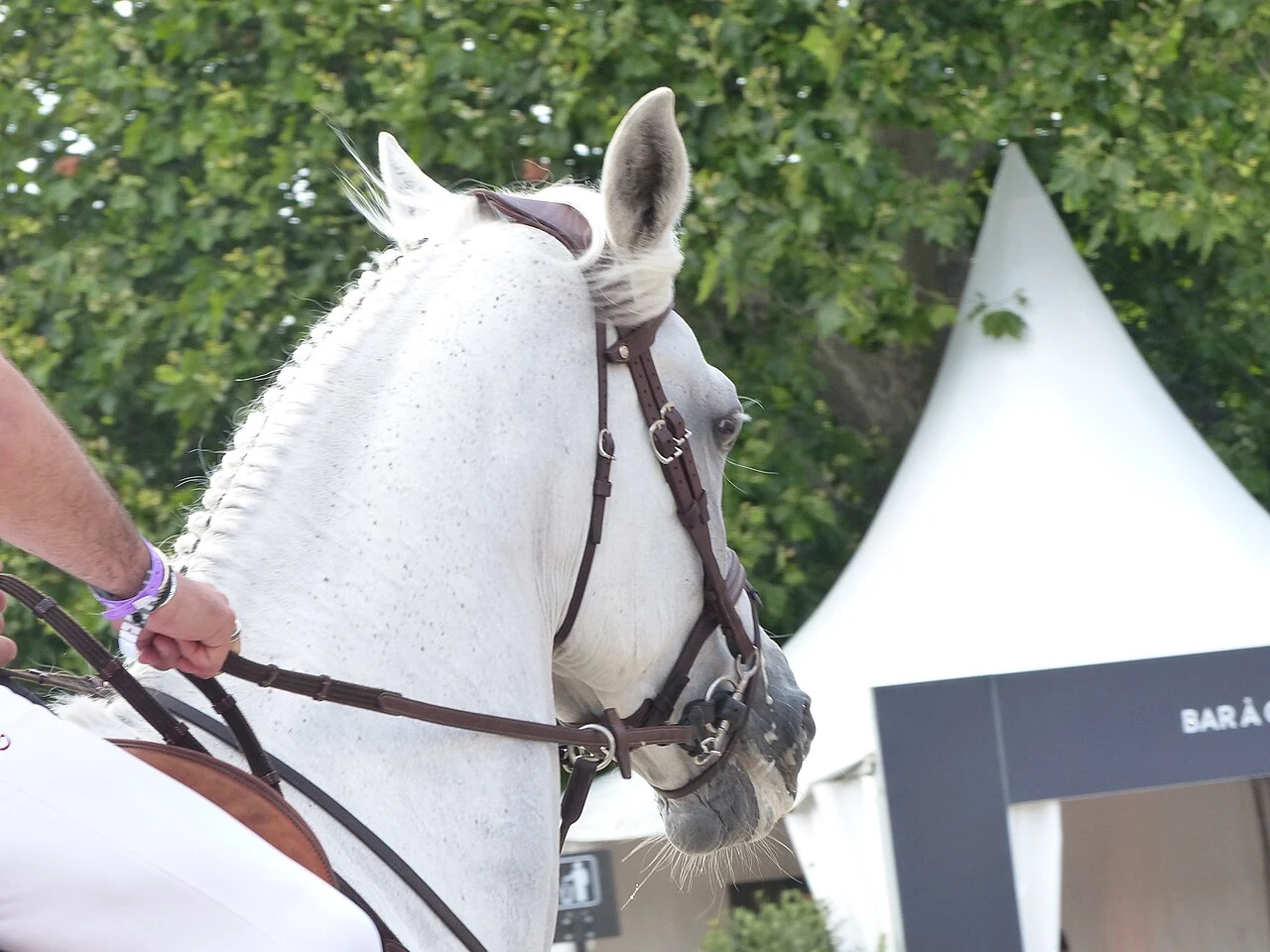
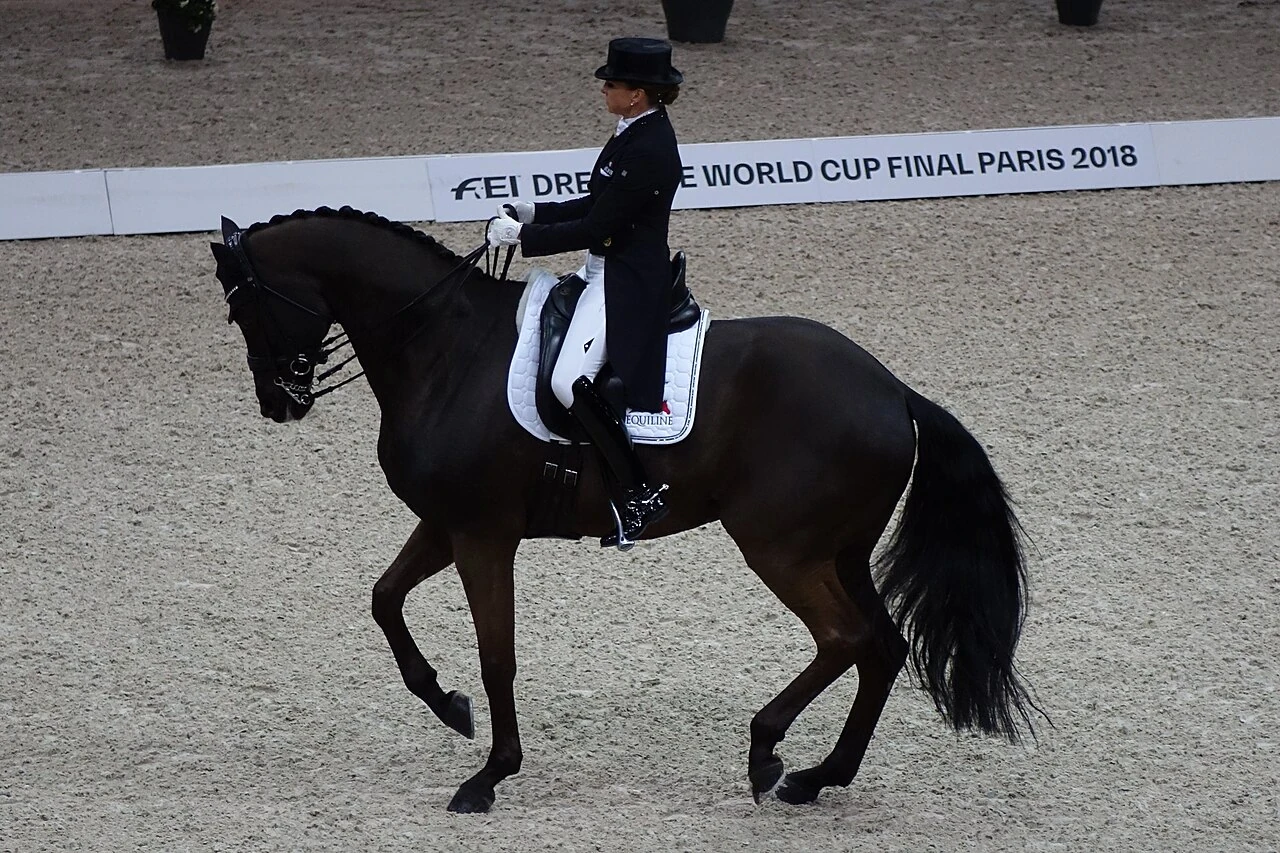
Dressage, jumping and eventing place different demands on a horse. Eventing combines dressage, a cross-country course with obstacles and showjumping. Each discipline should start with clear cues and suitable physical preparation. A young horse should learn to halt, move off calmly and balance through wide turns before more demanding movements or fences are introduced.
Small learning steps and well-timed breaks help the horse understand the task. Repeated difficulty with a new exercise should prompt a review of its difficulty, the rider’s guidance and possible discomfort. A qualified instructor can help plan the next training goals. For leisure riding, experience of riding outdoors and reliable everyday handling matter alongside work in an arena.
Read more: Reward-based horse training: clear steps for everyday care
Life beyond a training session
Accommodation should provide contact with other horses, daily freedom to move and a dry, sheltered resting area. Feeding places and access routes should allow every horse to reach food and water. Visiting a prospective yard at different times helps reveal how the group is fed and who notices a horse that becomes unwell or injured.
Responsibilities should be agreed before the horse arrives. They include checking its feet, providing movement on days without riding and arranging reliable cover. Expenses continue when an injury interrupts training. Yard costs, professional hoof care, veterinary support and lessons should all be part of the same plan.
Read more: Keeping horses: building a good everyday life · Your first horse: preparing for the decision
Match the ration to work and body condition
Hay and suitable grazing should form the basis of the diet. Additional energy requirements depend on workload, body condition and the quality of the available feed. A horse ridden quietly a few times a week needs different planning from one preparing for intensive work. Fresh water should always be easy to reach.
Body condition should be assessed by looking and feeling, including checking how much fat covers the ribs. Weight alone does not distinguish developing muscle from fat deposits. Feed changes should be gradual. Weight loss or unusual eating behaviour calls for veterinary assessment of the cause before simply increasing concentrated feed.
Health checks and inherited risks
A veterinary examination before purchase should consider the intended work and existing records. Movement, feet, back comfort and behaviour during saddling also deserve ongoing attention. New lameness or marked resistance to a familiar task can justify investigation. Sporting results from earlier years do not describe the horse’s health today.
Fragile Foal Syndrome, or FFS, matters when planning breeding. This inherited disease damages connective tissue, which supports the skin and other parts of the body. Affected foals have extremely fragile skin. The severe condition has no cure. It develops when a foal inherits the relevant genetic variant from both parents. A horse with one copy has no FFS symptoms but can pass the variant on. The genetic test results of both proposed parents should therefore be discussed before breeding.
Common questions
Can a German Sport Horse suit a beginner?
An experienced individual with suitable training may be an option with good instruction. A youngster or a horse with demanding training needs calls for different skills. The particular horse and available support are what matter.
How tall is a DSP?
The April 2022 breeding programme describes a height around 165 centimetres. This is not a minimum. Saddle fit, transport and accommodation should be planned around the individual horse’s actual size.
A closer look
Sources and photo credit
- Die Arbeitsgemeinschaft Deutsches SportpferdArbeitsgemeinschaft Deutsches SportpferdRegional breeding brought together in one studbook
- Zuchtprogramm für das Deutsche Sportpferd, Stand 15. April 2022Pferdezuchtverband Rheinland-Pfalz-Saar e.V.Regional breeding brought together in one studbook · A breeding goal and the horse in front of you · Useful foundations before demanding work · Health checks and inherited risks
- Guide to buying a horse: questions to ask and moreBritish Horse SocietyRegional breeding brought together in one studbook · A breeding goal and the horse in front of you · Useful foundations before demanding work · Life beyond a training session · Health checks and inherited risks
- Training: how do horses learn?World Horse WelfareUseful foundations before demanding work
- Where to keep your horseBritish Horse SocietyLife beyond a training session
- Essential care for your horse’s hoovesBritish Horse SocietyLife beyond a training session
- Feeding horsesBritish Horse SocietyMatch the ration to work and body condition
- Fat scoring horsesBritish Horse SocietyMatch the ration to work and body condition
- Horse health essentialsWorld Horse WelfareMatch the ration to work and body condition · Health checks and inherited risks
- Fragile Foal Syndrome Type 1 (FFS)University of California, Davis, School of Veterinary MedicineHealth checks and inherited risks
Photo credits
Photo: 2018FEI-WORLD-CUP-DRESSAGE-Ludovic-Henry2.jpg · Eponimm · CC BY-SA 4.0. Image format adapted.
Photo: 2018FEI-WORLD-CUP-DRESSAGE-Dorothee-Schneider1.jpg · Eponimm · CC BY-SA 4.0. Image format adapted.
Photo: Call me Princess et Efe Siyahi au Paris Eiffel Jumping 2023 03.jpg · Tsaag Valren · CC BY-SA 4.0. Image format adapted.
Photo: Call me Princess et Efe Siyahi au Paris Eiffel Jumping 2023 02.jpg · Tsaag Valren · CC BY-SA 4.0. Image format adapted.