fellfolio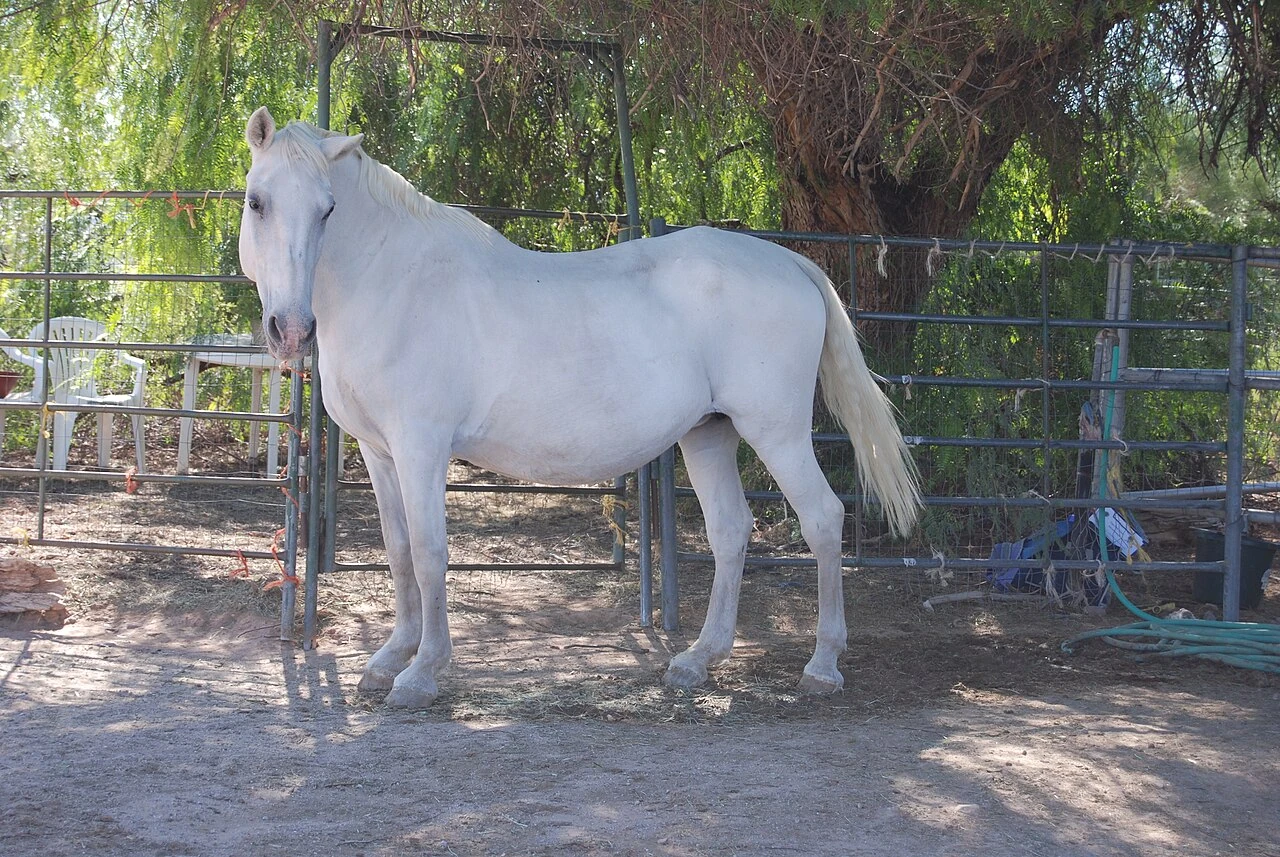
From Lipica to Vienna and Piber
The stud at Lipica was established in 1580 in what is now Slovenia. Austria’s Lipizzaner herd moved to Piber in 1920. Classical riding continues to shape the breed’s public image. Piber also trains mares under saddle and pulling carriages. The breed’s uses therefore extend beyond the performances of its well-known stallions.
A prospective owner should establish what training their particular horse knows. Driving experience involves different learned routines from those of a young riding horse. Paperwork and the previous carer should help explain that history. Standing for mounting, riding outdoors alone and settling with unfamiliar horses are also useful questions before taking one home.
A compact build and more than one colour
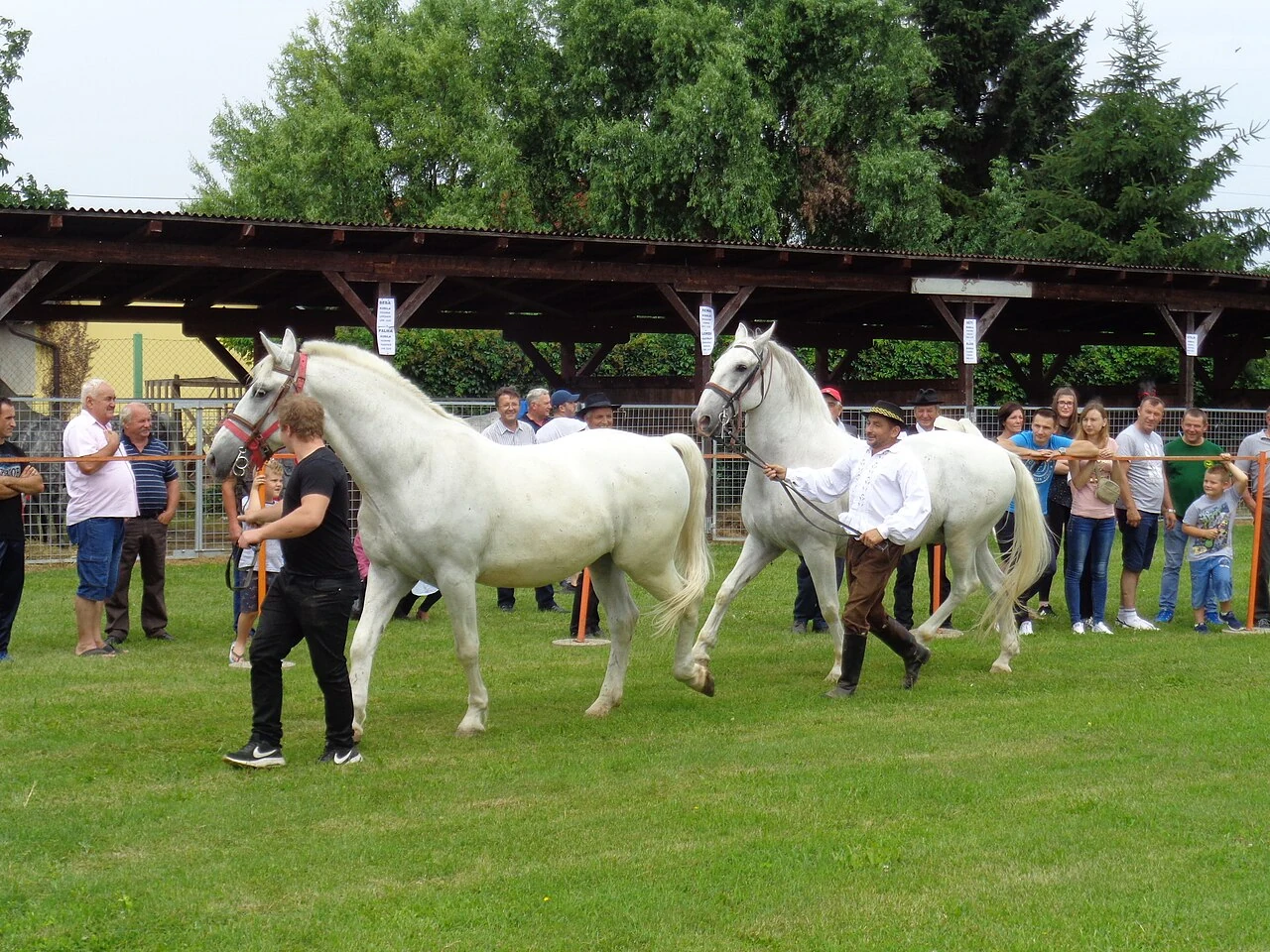
Piber describes Lipizzaners as compact and strong, with a height of 153 to 158 centimetres. The individual horse’s actual height should be measured at the withers, the highest point of the shoulder area. Body length, back shape and transport space also need consideration.
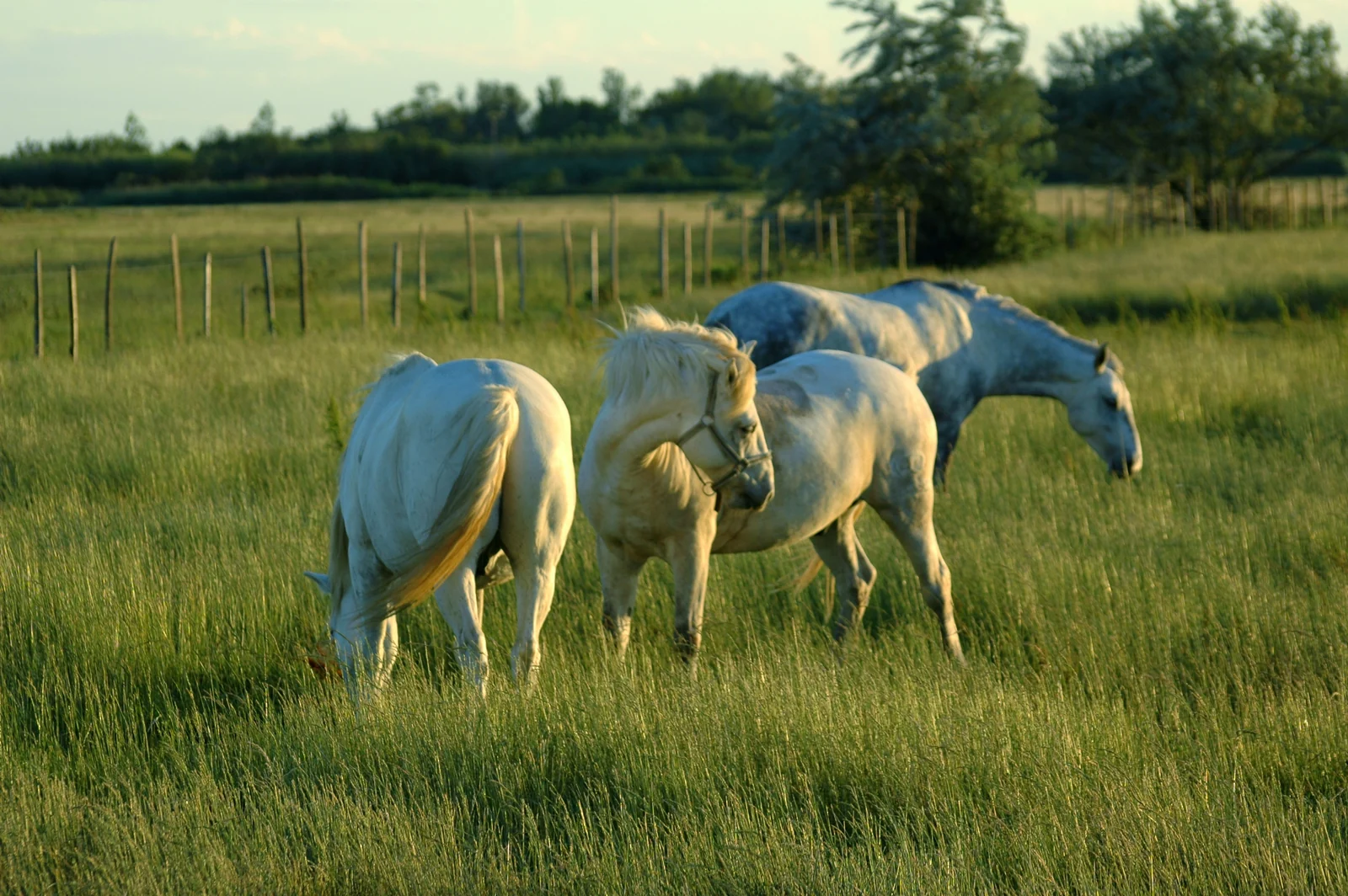
Many Lipizzaners are grey. They are born with coloured coats that gradually become paler, while the skin stays pigmented. A dark foal can therefore grow into an almost white horse. Other Lipizzaners keep a dark coat throughout life.
Develop strength and balance through simple exercises
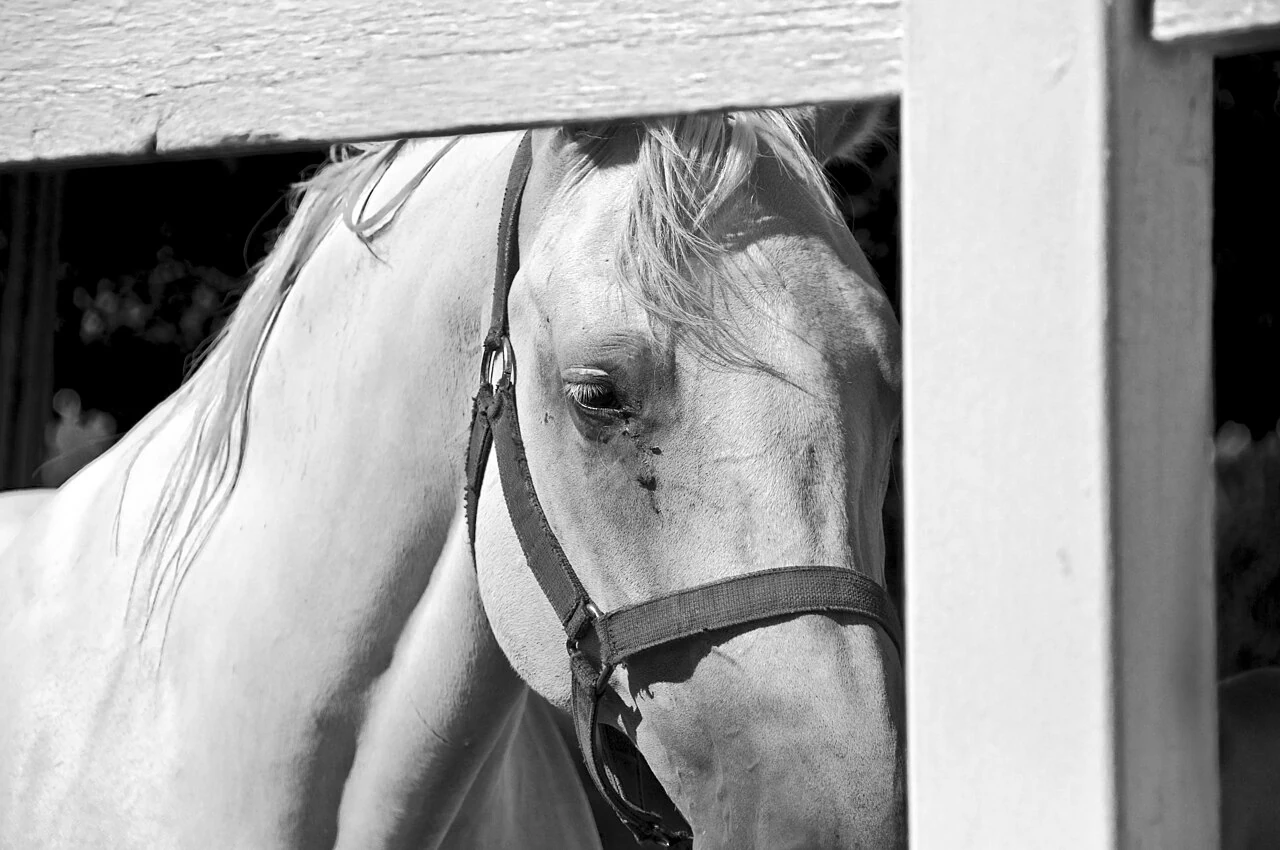
Training at the riding school takes many years. Demanding movements are developed through gradual physical and mental preparation. The same principle is useful for a privately kept horse: each task should be understandable and suit existing experience. Calm changes between walk and trot and balanced wide turns provide useful foundations.
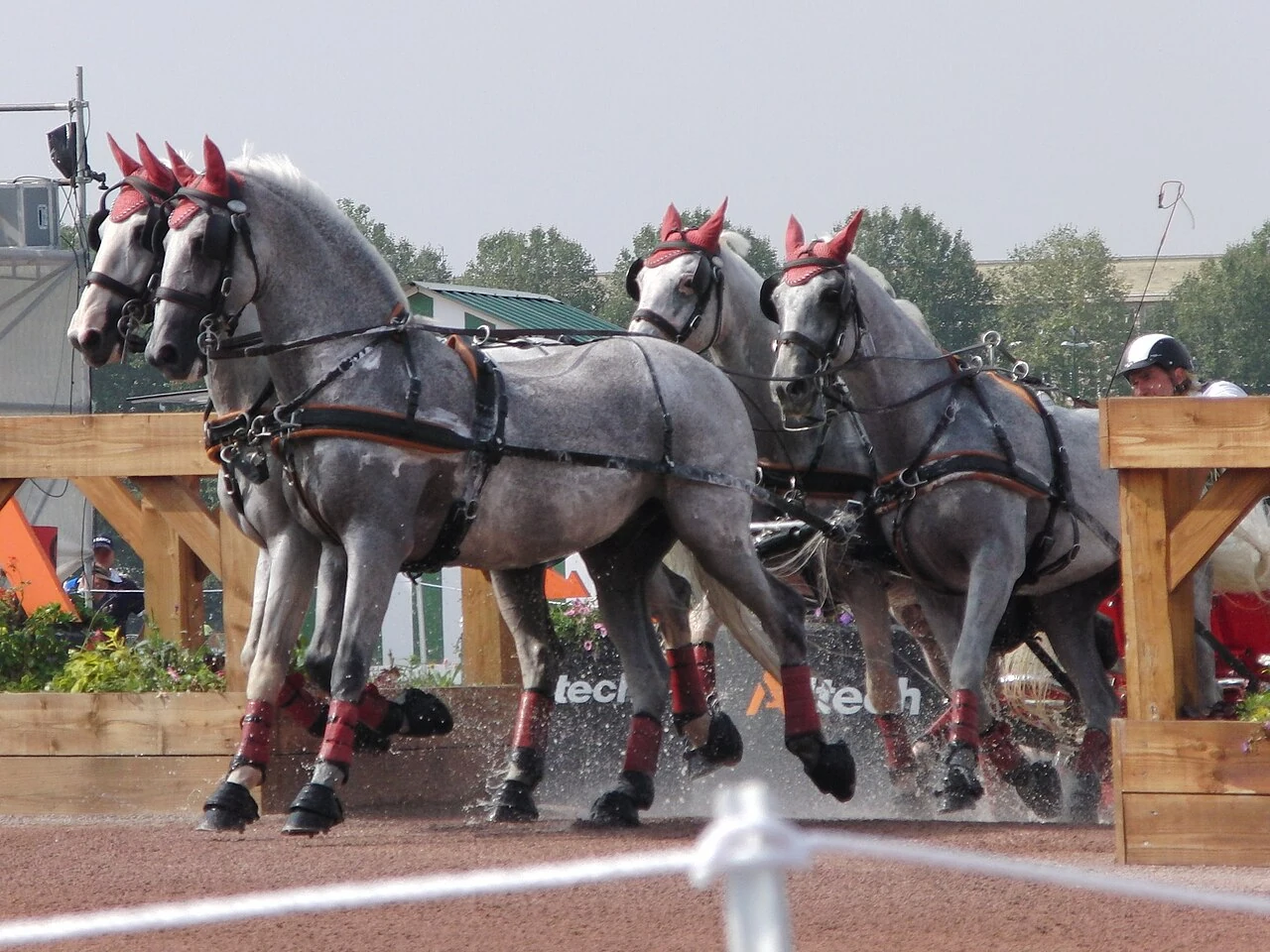
The horse should have time to respond to a clear cue. A correct response can be acknowledged with a break and suitable reward. An exercise that becomes hurried or repeatedly unsuccessful should prompt a review of the demands and possible discomfort. Plans to drive should include experienced instruction for learning the equipment and pulling a carriage as separate skills.
Read more: Reward-based horse training: clear steps for everyday care
Movement and company beyond lessons
Accommodation should offer daily freedom to move, contact with other horses and a sheltered resting area. A horse spends most of its day outside a lesson. Feeding access, ground conditions and group arrangements therefore deserve as much thought as the riding facilities. All horses should be able to reach water and food.
Daily responsibilities and cover should be agreed before the horse arrives. These include checking feet, observing eating and arranging help if it becomes unwell. Accommodation, instruction and ongoing care need to remain affordable over time. Reliable advice and support at the yard are particularly useful for someone taking on their first horse.
Read more: Keeping horses: building a good everyday life · Your first horse: preparing for the decision
Consider body condition alongside the work
Hay and suitable grazing should form the dietary basis. Additional feed needs to match actual work, body condition and available feed quality. A compact build alone should not determine whether the horse is too fat or thin. The ribs and other areas should also be felt to assess fat deposits.
During a break from training, the amount of feed should be reviewed against the horse’s reduced workload. Changes should be gradual, with professional advice when there are weight concerns. Easily reached water and suitable feeding opportunities belong in the routine. Dropping food, unusually slow eating or weight loss warrants investigation.
Give skin changes in grey horses proper attention
Grey horses develop melanomas more often than horses of other colours. These are tumours arising from cells that produce pigment. They may appear as firm lumps, for example under the tail or around the lips. A new lump should be assessed by a vet. Colour, size or a photograph alone cannot establish what the change is or how it should be managed.
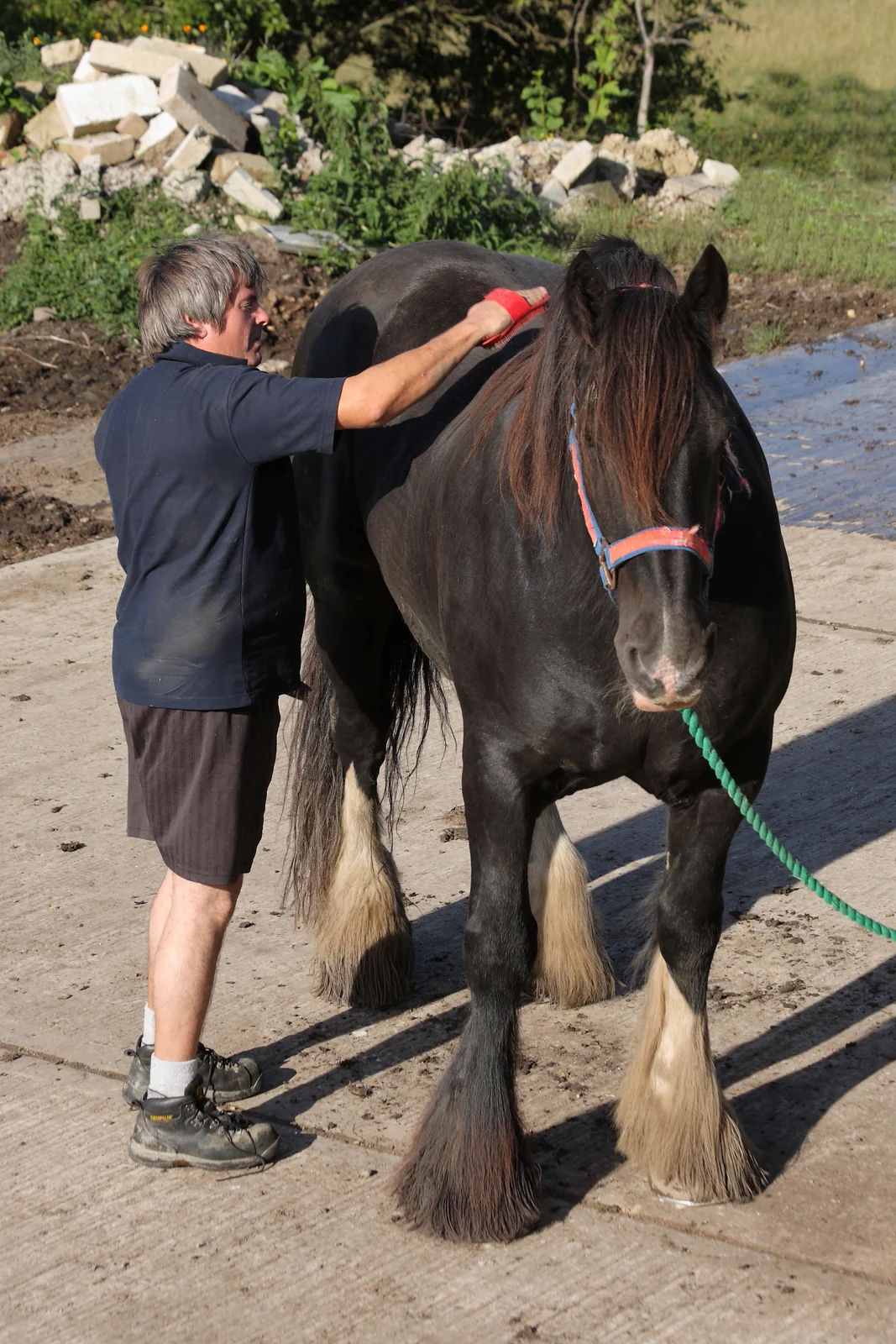
Regular grooming provides opportunities to inspect the skin and notice changes. Feet, the mouth and movement also need attention. A veterinary examination before purchase should include discussion of known skin findings and previous treatment. Results should be explained clearly so that ongoing observation and appropriate follow-up can be arranged.
Common questions
Are all Lipizzaners white?
No. Many are grey and become paler with age. Dark-coloured Lipizzaners occur too. Coat colour does not describe training or overall health.
Does a Lipizzaner need to learn advanced dressage?
Further education should suit the particular horse and its people. Quieter riding still needs clear cues, appropriate physical preparation and daily movement with access to other horses.
A closer look
Sources and photo credit
- History of the Spanish Riding SchoolSpanish Riding School and Lipizzaner Stud PiberFrom Lipica to Vienna and Piber
- LipizzanersSpanish Riding School and Lipizzaner Stud PiberFrom Lipica to Vienna and Piber · A compact build and more than one colour · Develop strength and balance through simple exercises
- Guide to buying a horse: questions to ask and moreBritish Horse SocietyFrom Lipica to Vienna and Piber · A compact build and more than one colour · Develop strength and balance through simple exercises · Movement and company beyond lessons · Give skin changes in grey horses proper attention
- Melanoma in HorsesUniversity of California, Davis, School of Veterinary MedicineA compact build and more than one colour · Give skin changes in grey horses proper attention
- Training: how do horses learn?World Horse WelfareDevelop strength and balance through simple exercises
- Where to keep your horseBritish Horse SocietyMovement and company beyond lessons
- Essential care for your horse’s hoovesBritish Horse SocietyMovement and company beyond lessons · Give skin changes in grey horses proper attention
- Horse health essentialsWorld Horse WelfareMovement and company beyond lessons · Consider body condition alongside the work · Give skin changes in grey horses proper attention
- Feeding horsesBritish Horse SocietyConsider body condition alongside the work
- Fat scoring horsesBritish Horse SocietyConsider body condition alongside the work
Photo credits
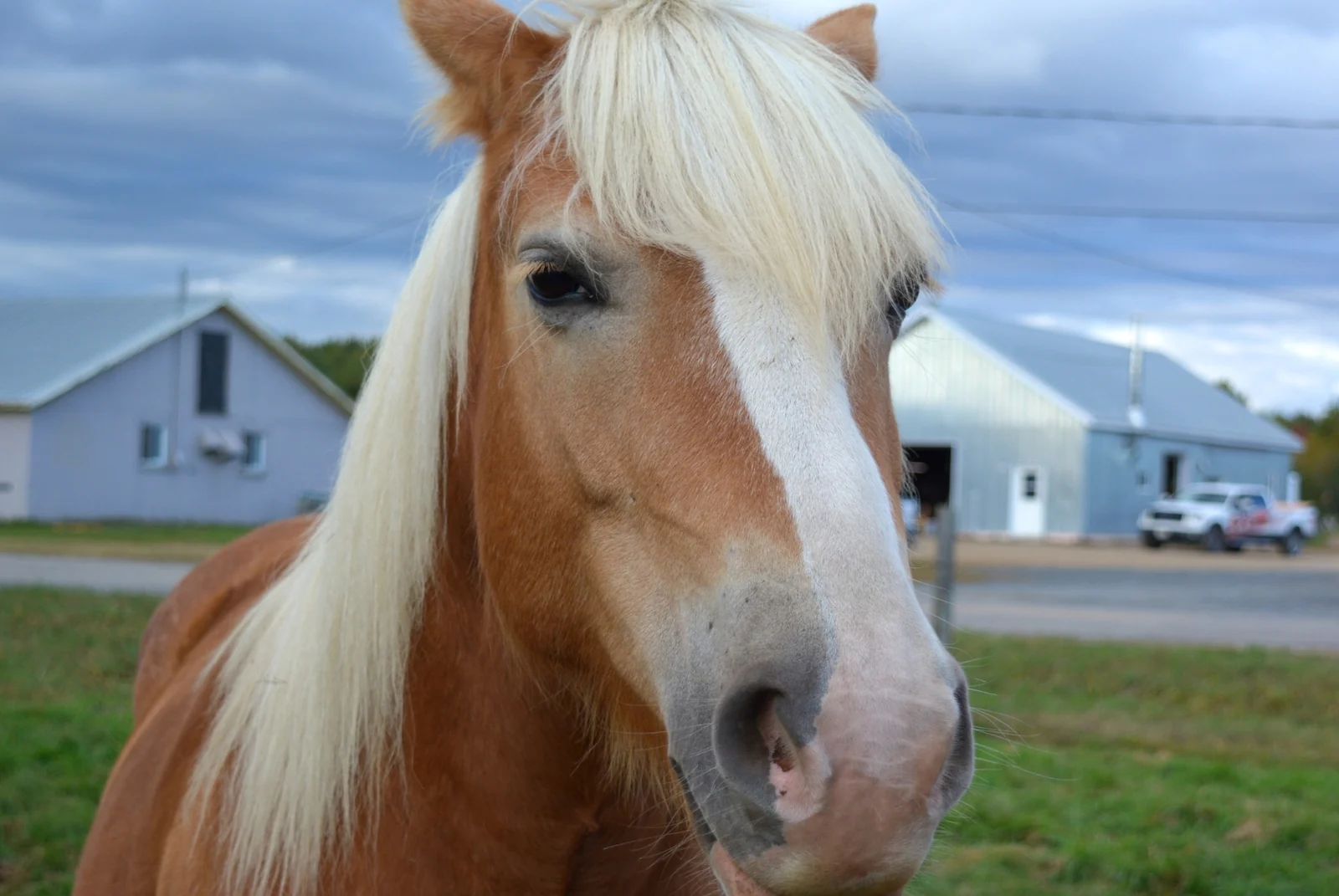
Photo: Carrma.jpg · Traci Castleberry · CC BY 2.0. Image format adapted.
Photo: Lipicanec.JPG · Rude · CC BY-SA 3.0. Image format adapted.
Photo: Dva lipicanca na MESAP-u 2018.jpg · Silverije · CC BY-SA 4.0. Image format adapted.
Photo: JEM2014-attelage-Zoltan-Lazar01.JPG · Eponimm · CC BY-SA 4.0. Image format adapted.