fellfolio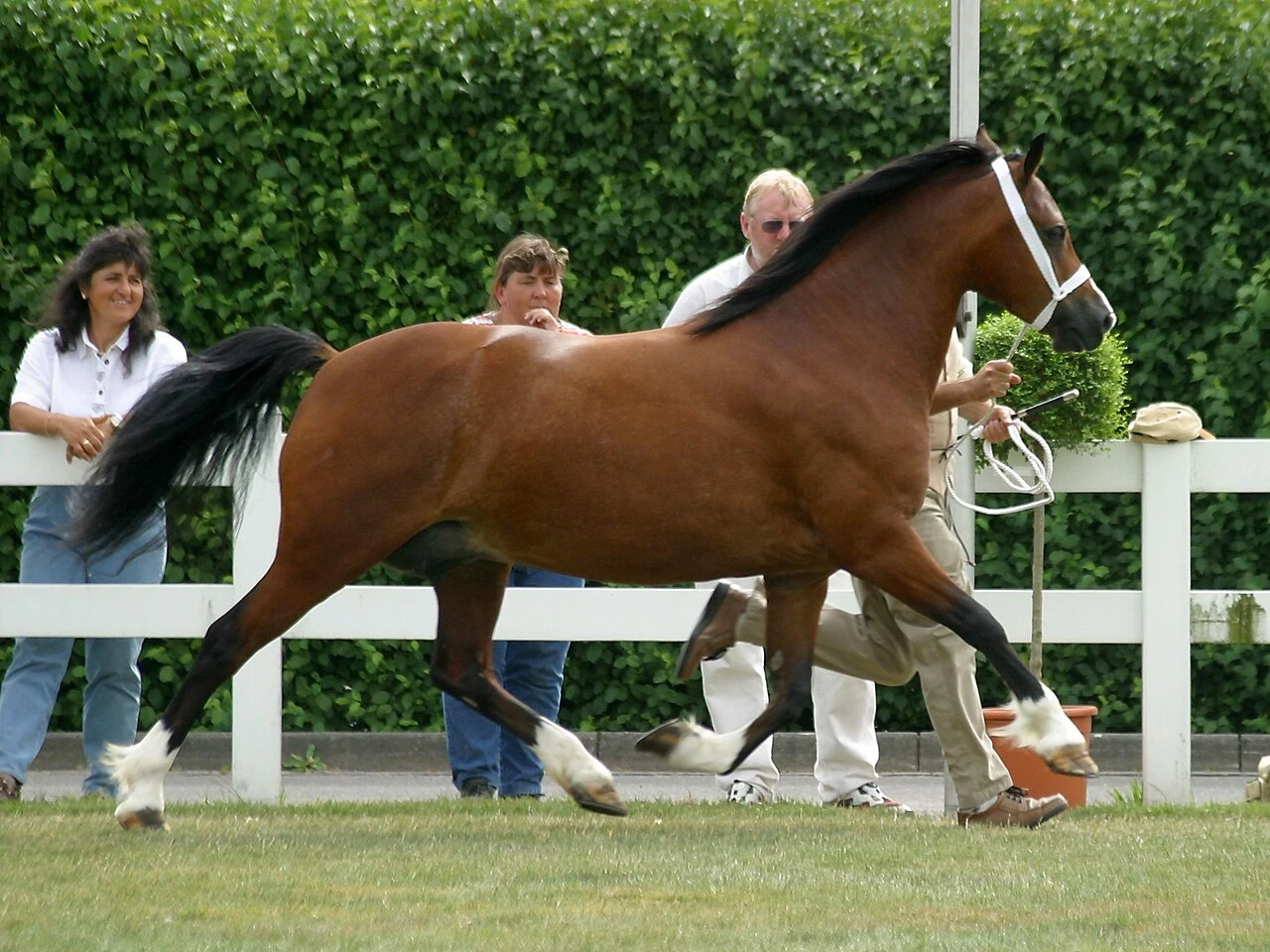
Why a Section C is not simply a larger Section B
The Welsh studbook contains Sections A, B, C and D. In Section C, cob type means a strong, muscular body with substantial limbs. Section B places greater emphasis on riding pony type. Both have a maximum height of 137.2 cm in the Welsh Pony and Cob Society’s standard, measured at the withers where neck and back meet.
Section C developed as a smaller counterpart to the Welsh Cob of Section D. Crosses between Welsh Mountain Ponies and Welsh Cobs contributed to its growth after the Second World War. Today, Section C describes a defined studbook type. A different pony does not become a Section C simply by having a broad body.
Assessing a substantial pony as an individual
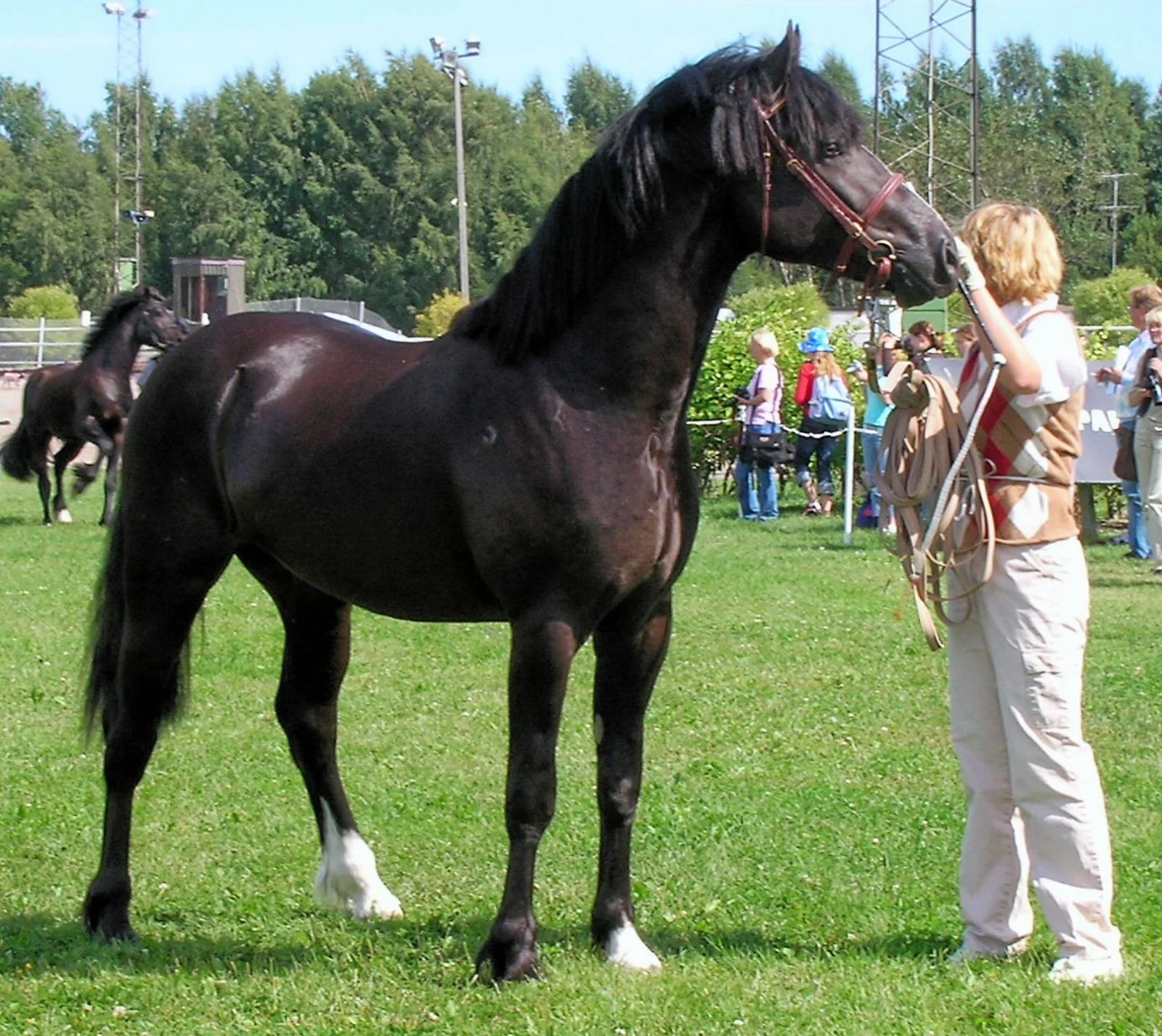
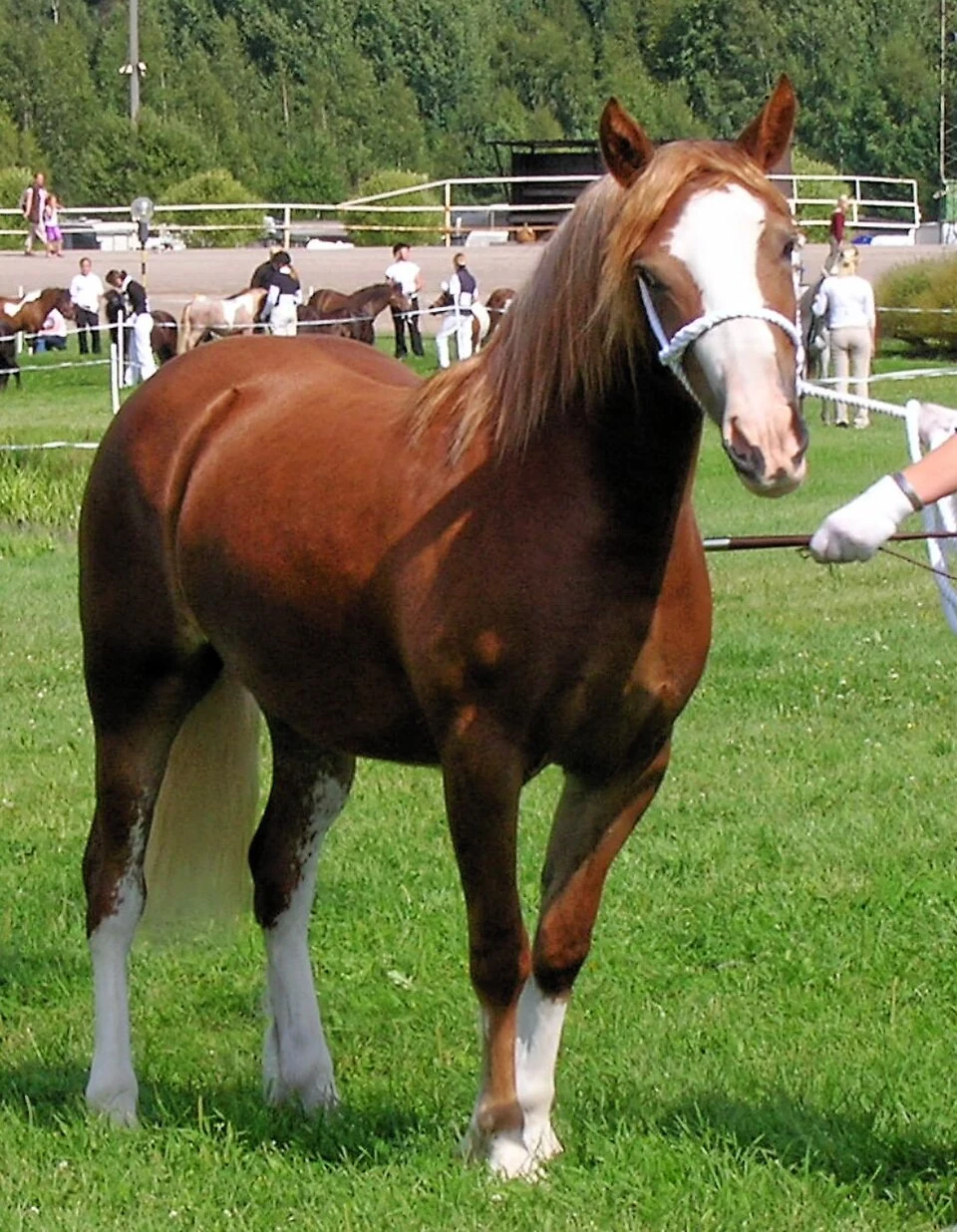
The standard calls for a strong back, muscular hindquarters and free, powerful, straight movement. Hindquarters means the rear part of the body and the hind limbs, which contribute to propulsion. Moderate silky feather is allowed, meaning longer hair around the lower legs and feet. Coat colours are accepted apart from piebald and skewbald, the large white and coloured body patches of patterned horses.
Movement, feet and back should be assessed with knowledgeable help when choosing a pony. For riding, suitable saddle fit is important as well. A strong build cannot establish a fixed rider weight limit. The planned activity should be assessed in relation to the individual pony, its training and the equipment to be used.
Preparing for riding and carriage work
Section C ponies are used for riding and driving. In carriage work, a harness is the fitted system of straps that transfers the pony’s pulling force to the vehicle. The pony should learn the associated sounds, contact and cues before pulling a carriage. An already ridden pony still needs specific education and skilled support for this different task.
Under saddle, clear and manageable exercises should also come first. A calm halt or a wide turn at walk can be developed in small steps. A prompt reward helps the pony learn. Strength and stamina should grow through suitable work. An expressive trot in a demonstration should not encourage long or demanding exercise before the pony has been prepared for it.
Read more: Reward-based horse training: clear steps for everyday care · Foals and young horses: growing up, handling and early learning
Arranging movement and feeding space
Daily life should offer freedom to move, compatible equine company and a dry resting area. Group feeding places should allow the animals to move away from one another. Food and water should remain accessible to every horse, including smaller or more reserved companions.
An accessible grooming area helps with checking the legs. Good lighting is particularly useful during winter. Sheltered resting space and clean, dry standing areas support foot and skin care. Reliable daily attention should be organised whether the pony is being ridden, driven or taking a break from training.
Read more: Keeping horses: building a good everyday life · Choosing the right yard for your horse
Distinguishing muscle from excess fat
A muscular cob type should not be confused with a pony carrying excess fat. Native pony and cob types may take in more energy from rich feeding than they use. Body condition should therefore be assessed by feeling the neck, ribs and hindquarters. If ribs can only be felt with strong pressure, or cannot be felt, professional advice about weight management should be sought.
Suitable pasture and good hay should form the basis of the diet. These fibrous feeds allow extended chewing and support digestion. Supplements or energy-dense feeds should be considered according to nutrient supply, work and body condition. Weight gain calls for an adjusted feeding and grazing plan. Leaving the pony without appropriate forage for long periods is not a suitable solution.
Checking beneath the lower-leg hair
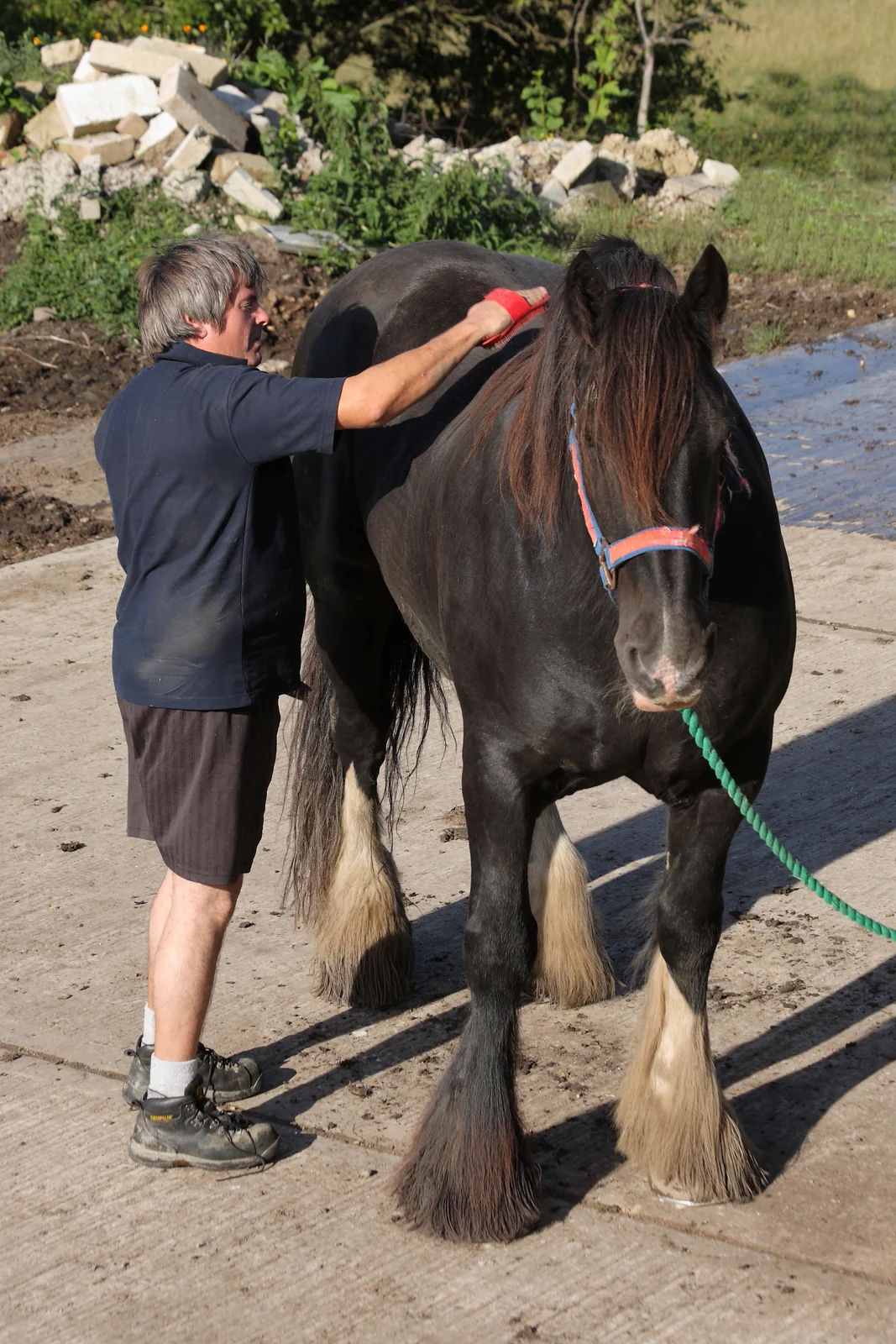
Daily grooming should include parting the longer hair on the lower legs so that the skin can be seen. Persistent wetness and dirt make inspection harder. Scabs, sores, swelling or tenderness should be assessed by a veterinarian. Legs should be washed only when needed and dried thoroughly but gently afterwards.
Feet should be cleaned daily and professionally maintained according to the pony’s needs. Excess weight also raises the risk of laminitis, painful damage to the supporting tissues inside the hoof. Suddenly shortened steps or reluctance to turn should prompt an immediate call to the veterinarian.
Seeing the pony in its intended role
Someone seeking a Section C for driving should discuss its experience with a vehicle and have that experience assessed by a knowledgeable person. For a riding pony, its previous riders and familiar tasks are important. Seeing the situations intended for its future daily life is more useful than an impressive movement demonstration alone.
Before taking the pony home, health records, previous hoof problems and current feeding should be reviewed. A pre-purchase veterinary examination can support the individual assessment. Housing, care, training and suitable driving equipment where needed also belong in the budget. Together, these details create a realistic plan for the pony, the people and the work intended.
Read more: Your first horse: preparing for the decision
Common questions
How does a Section C differ from a Section B?
Both sections share the same maximum height in the Welsh Pony and Cob Society’s standard. Section C describes a more substantial cob type, while Section B places greater emphasis on riding pony type.
Is every Section C already a driving pony?
The section is used for driving, but an individual needs appropriate education for the task. Experience carrying a rider is different from experience pulling a vehicle.
A closer look
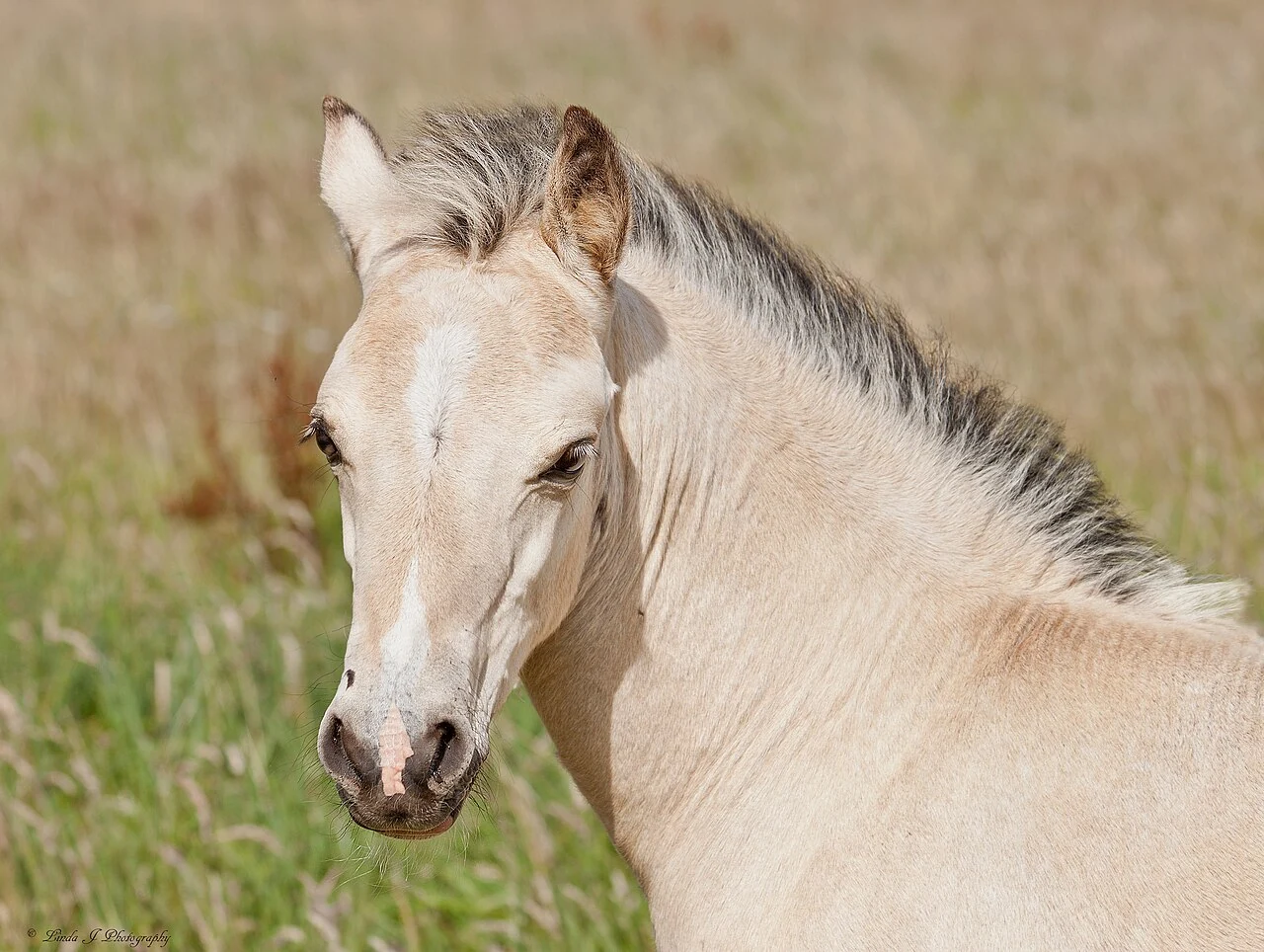
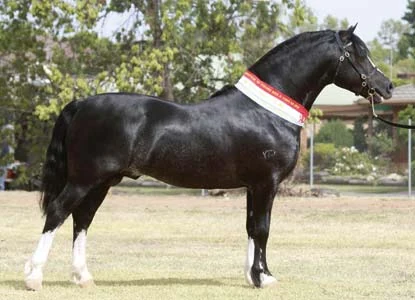
Sources and photo credit
- The Welsh BreedsWelsh Pony and Cob SocietyWhy a Section C is not simply a larger Section B
- Welsh Section B: The Welsh PonyWelsh Pony and Cob SocietyWhy a Section C is not simply a larger Section B
- Welsh Section C: The Welsh Pony of Cob TypeWelsh Pony and Cob SocietyWhy a Section C is not simply a larger Section B · Assessing a substantial pony as an individual · Preparing for riding and carriage work
- Where to keep your horseBritish Horse SocietyArranging movement and feeding space · Seeing the pony in its intended role
- Feeding horsesBritish Horse SocietyDistinguishing muscle from excess fat
- Essential care for your horse’s hoovesBritish Horse SocietyArranging movement and feeding space · Checking beneath the lower-leg hair
- Guide to buying a horse: questions to ask and moreBritish Horse SocietyAssessing a substantial pony as an individual · Preparing for riding and carriage work · Seeing the pony in its intended role
- LaminitisBritish Horse SocietyChecking beneath the lower-leg hair
- Fat scoring horsesBritish Horse SocietyDistinguishing muscle from excess fat
- Training: how do horses learn?World Horse WelfarePreparing for riding and carriage work
- Horse health essentialsWorld Horse WelfareAssessing a substantial pony as an individual · Arranging movement and feeding space · Checking beneath the lower-leg hair
- Feathered legs information sheetHorseWorldChecking beneath the lower-leg hair
Photo credits
Photo: Welsh-C-Trot.jpg · MBurger · CC BY-SA 3.0. Image format adapted.
Photo: Welshc nerys.JPG · Hanna V · CC BY-SA 3.0. Image format adapted.
Photo: Blonde Bombshell EXPLORE 1st March - Flickr - pipilongstockings.jpg · pipilongstockings · CC BY 2.0. Image format adapted.
Photo: Welsh C en show.jpg · Elevage de maika · CC BY-SA 4.0. Image format adapted.