fellfolio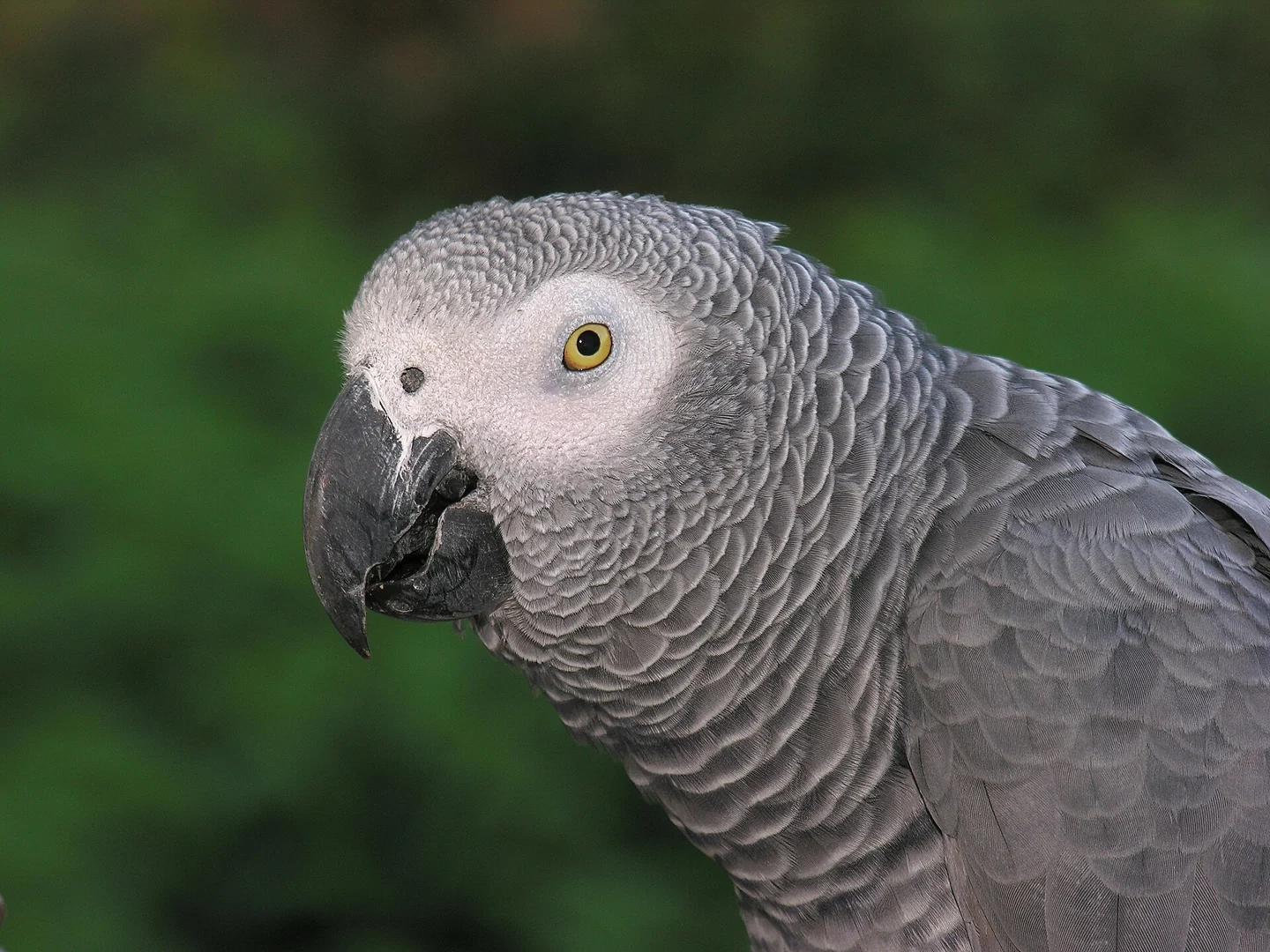
Grey parrots and Timneh parrots
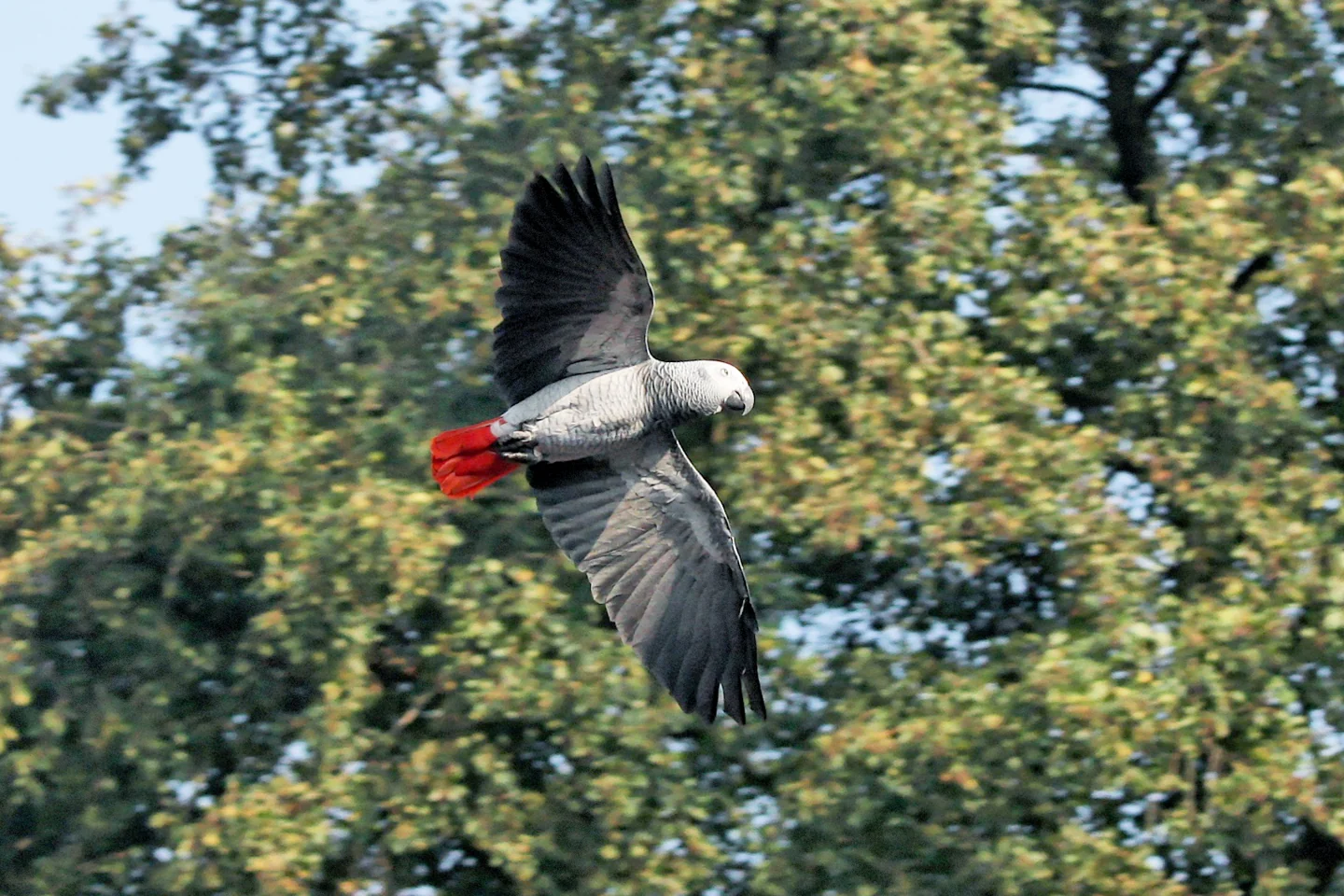
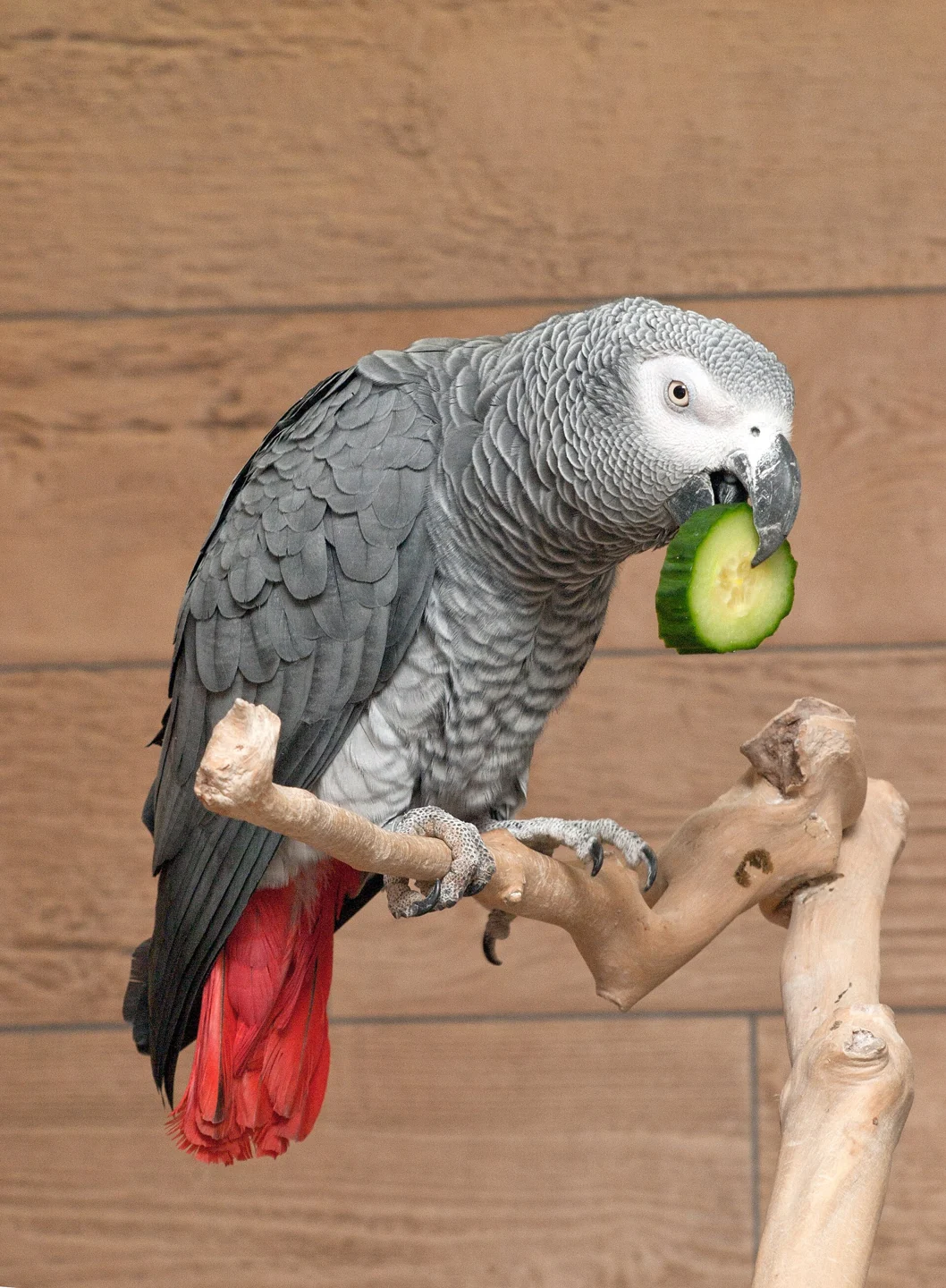
This profile covers Psittacus erithacus, often called the Congo African grey. It has a black bill, mainly grey plumage and a bright red tail. The Timneh parrot, Psittacus timneh, is recognised as a separate species. Identification should therefore be clear in records and when planning companionship.
Grey parrots come from African forest regions. The World Parrot Trust describes communal roosts and smaller feeding groups. Their sound imitation is well known but varies between individuals. Keeping them should be rewarding whether or not a particular bird learns human words.
Published lifespan guidance commonly describes approximately forty to sixty years. A parrot can therefore remain dependent on care through several stages of a person’s life. A familiar backup caregiver and a concrete long-term arrangement are particularly valuable. An established adult pair may offer a clearer picture of relationships and behaviour than promises made about a young single bird.
Sources for this section
- Grey ParrotWorld Parrot Trust
- GraupapageienSchweizer Tierschutz STS
Making room for a bird-to-bird relationship
A suitable companion provides social contact that a person cannot fully reproduce. Partner selection can take time and experienced guidance, especially after prolonged solitary housing or a strong attachment to one person. A specialist rescue may be able to assess history and help match compatible birds.
A new arrival needs an avian veterinary health assessment before contact. Initial meetings should allow retreat and safe separation. Several food stations and resting places remain useful in shared housing. Even a compatible pair needs the option to choose some distance.
Human contact should be voluntary. Stiffening, retreating or threatening behaviour can indicate discomfort and should be respected. Several familiar caregivers and predictable routines can reduce dependence on one person for every part of daily life. Changes are easier to introduce gradually while the birds can still return to known, comfortable arrangements.
Sources for this section
- GraupapageienSchweizer Tierschutz STS
- Living with other birdsRSPCA
- The power of positive reinforcementWorld Parrot Trust
A spacious area with purposeful furnishing
Swiss Animal Protection recommends six square metres of floor space for a pair, for example three metres by two metres, with a height around 2.3 metres. Larger flight opportunities are encouraged. This is a welfare-oriented housing reference, not a universal statement about local legal minimum dimensions.
Part of the area should remain clear for flight. Strong natural branches, safe climbing structures and replaceable chewing materials can be placed around the sides. Mesh, fixings and coatings need to be nontoxic and suitable for powerful parrot beaks. An opaque side provides shelter from constant visual exposure.
Air quality and household safety deserve close attention. Smoke, aerosols and cooking fumes should not reach the birds. Indoor housing may need professionally planned bird lighting, with distance, protection and operating times matched to the chosen system. A predictable day and undisturbed night remain important. Outdoor facilities also need appropriate shelter, weather protection and an escape-resistant entrance.
Read more: Setting up a bird room: safe flight and good landing places
Sources for this section
- GraupapageienSchweizer Tierschutz STS
- Housing and environments for pet birdsRSPCA
Combining nutrition and purposeful activity
A suitable complete parrot food with appropriate fresh plant foods can provide a balanced foundation. This means pellets formulated for the species: small pieces of compound food with the nutrients distributed throughout each piece. A seed-heavy diet in which a bird selects mainly fatty items needs review. An avian vet can adjust the plan to weight, activity and health.
Searching for food gives a grey parrot something to investigate with its bill and feet. Start with a few pieces of familiar food in a shallow dish where they are easy to find. Later, the pieces can be loosely wrapped in plain paper for the bird to work open. They should come out of the normal daily ration. Some greys are wary of unfamiliar objects, so a new food puzzle can first sit near a familiar perch while the bird chooses when to approach.
Diet changes require observation of actual eating and regular weight checks. Familiar food should remain available during the transition. Fresh leftovers need removing after feeding, and water and containers need keeping clean. Calcium or vitamins should not be dosed by guesswork; intake from the whole diet is what matters. Written feeding details are useful when more than one person shares care.
Sources for this section
- What to feed your pet birdRSPCA
- Grey ParrotWorld Parrot Trust
Voluntary cooperation and veterinary planning
A grey can learn to step onto scales, enter a carrier or move to a familiar station. Small immediate rewards make the requested action clear. More complex routines can be divided into individual movements, allowing success before the next demand is added.
Later in life, joint problems or declining vision can affect movement. Shorter routes and comfortable gripping surfaces may help after veterinary assessment. Sudden behavioural change or reduced eating needs prompt investigation. Laboured breathing requires immediate contact with an avian vet or emergency veterinary service. Feather damaging behaviour has several possible causes and should also be assessed rather than automatically labelled boredom.
Conservation paperwork is another part of preparation. Within the EU, Psittacus erithacus is listed in Annex A, making appropriate certification relevant to commercial transactions. The responsible wildlife authority can confirm the documents, identification and registration required in a particular case. Rules differ outside the EU. Verifiable lawful origin and a complete transfer record belong alongside the practical care arrangements.
Read more: Bird training: confidence, carriers and cooperative care · Bird life stages: from youngster to older companion
Sources for this section
- Step upWorld Parrot Trust / Barbara Heidenreich
- Geriatric diseases of pet birdsMerck Veterinary Manual
- Änderungen vom 20. Januar 2017Landesamt für Umweltschutz Sachsen-Anhalt
Common questions
Is a grey parrot suitable as a first bird?
Space, social needs, enrichment and care over decades make this a demanding species. Practical experience with a responsible keeper or rescue helps assess whether those needs can be met.
Is hand-rearing an advantage?
Strong early dependence on people can complicate later social behaviour. Independent feeding, health, social history and experience with other birds matter more than a promise of instant tameness.
A closer look
Sources and photo credit
- GraupapageienSchweizer Tierschutz STS
- Grey ParrotWorld Parrot Trust
- What to feed your pet birdRSPCA
- Housing and environments for pet birdsRSPCA
- Living with other birdsRSPCA
- Geriatric diseases of pet birdsMerck Veterinary Manual
- The power of positive reinforcementWorld Parrot Trust
- Step upWorld Parrot Trust / Barbara Heidenreich
- Änderungen vom 20. Januar 2017Landesamt für Umweltschutz Sachsen-Anhalt
Photo: Psittacus erithacus -upper body-8c.jpg · L.Miguel Bugallo Sánchez (http://commons.wikimedia.org/wiki/User:Lmbuga) · CC BY-SA 3.0. Resized proportionally and converted to WebP. The layout may crop the image.
Photo: Psittacus erithacus -flying-8a.jpg · Robert01 · CC BY-SA 3.0 de. Resized proportionally and converted to WebP. The layout may crop the image.
Photo: Psittacus erithacus cucumber.jpg · Papooga · CC0. Resized proportionally and converted to WebP. The layout may crop the image.
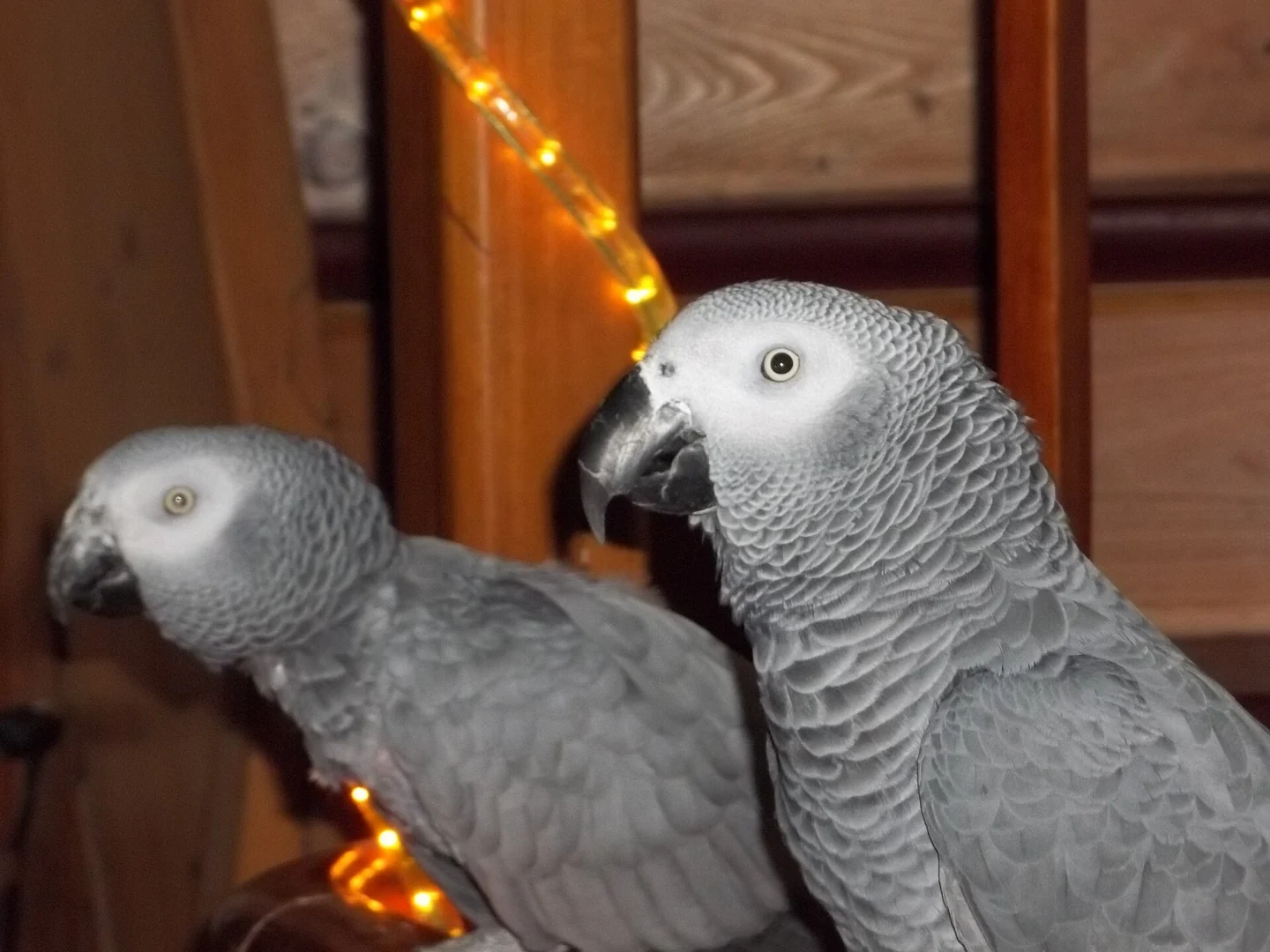
Photo: Psittacus erithacus erithacus sitting 3.JPG · Oceancetaceen Alice Chodura · CC BY-SA 3.0. Resized proportionally and converted to WebP. The layout may crop the image.