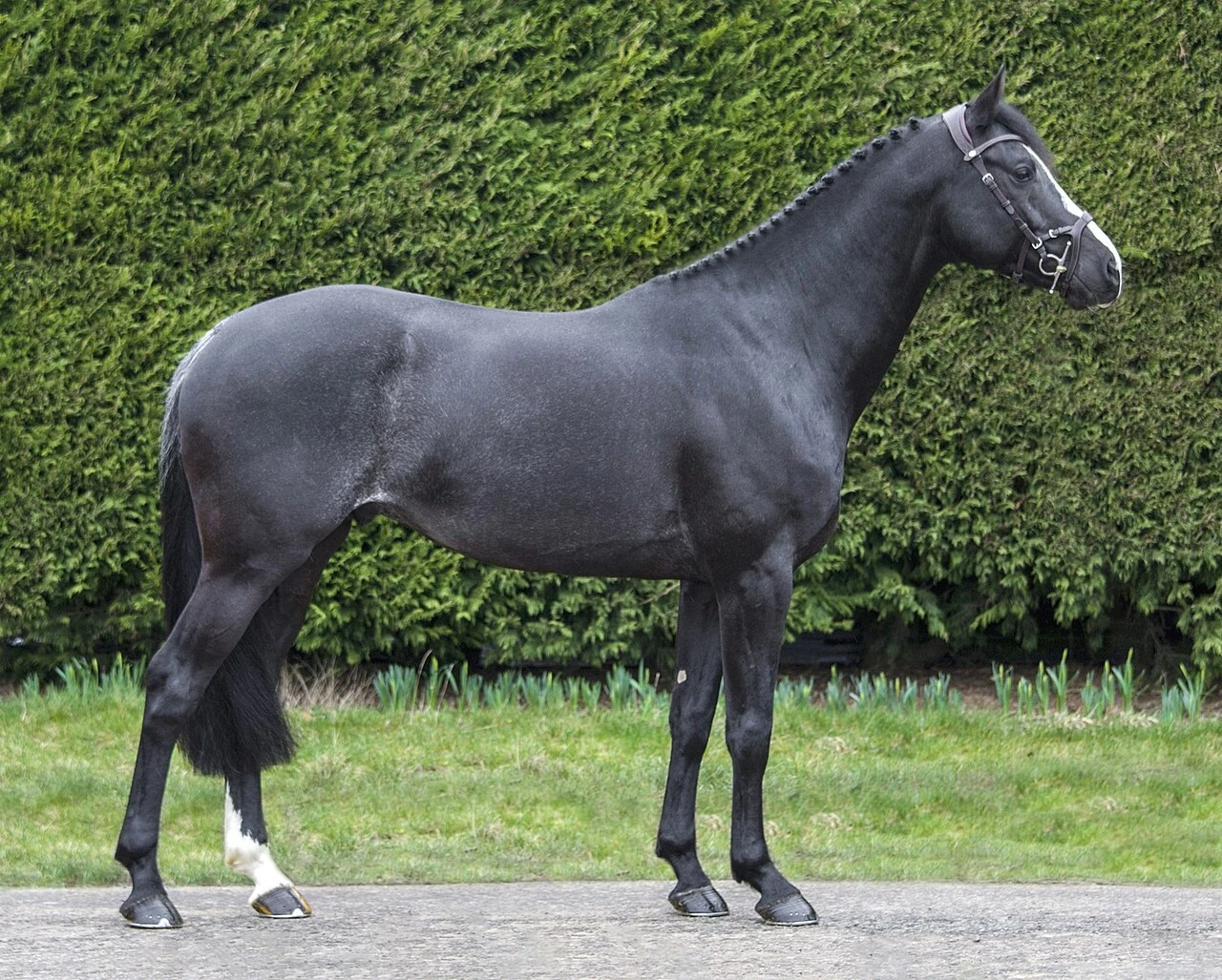
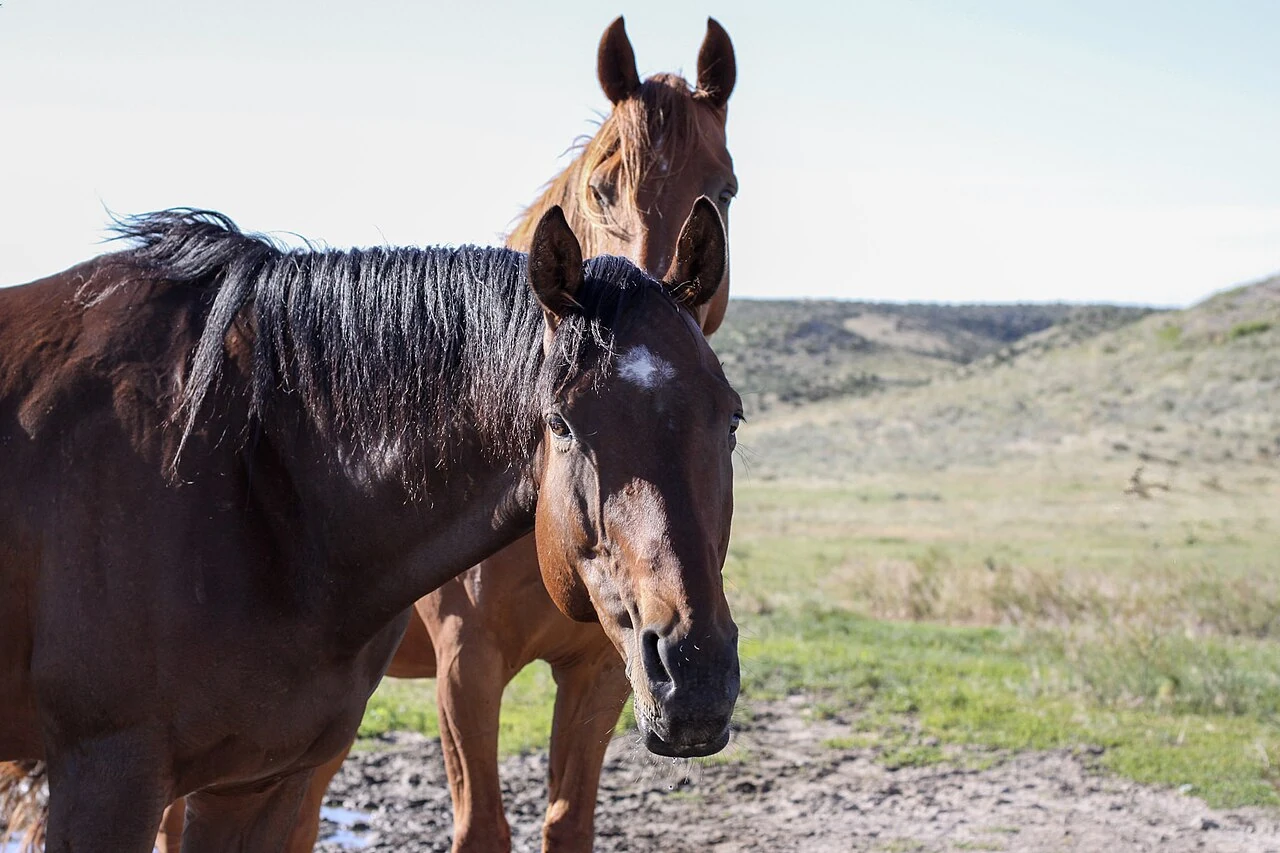
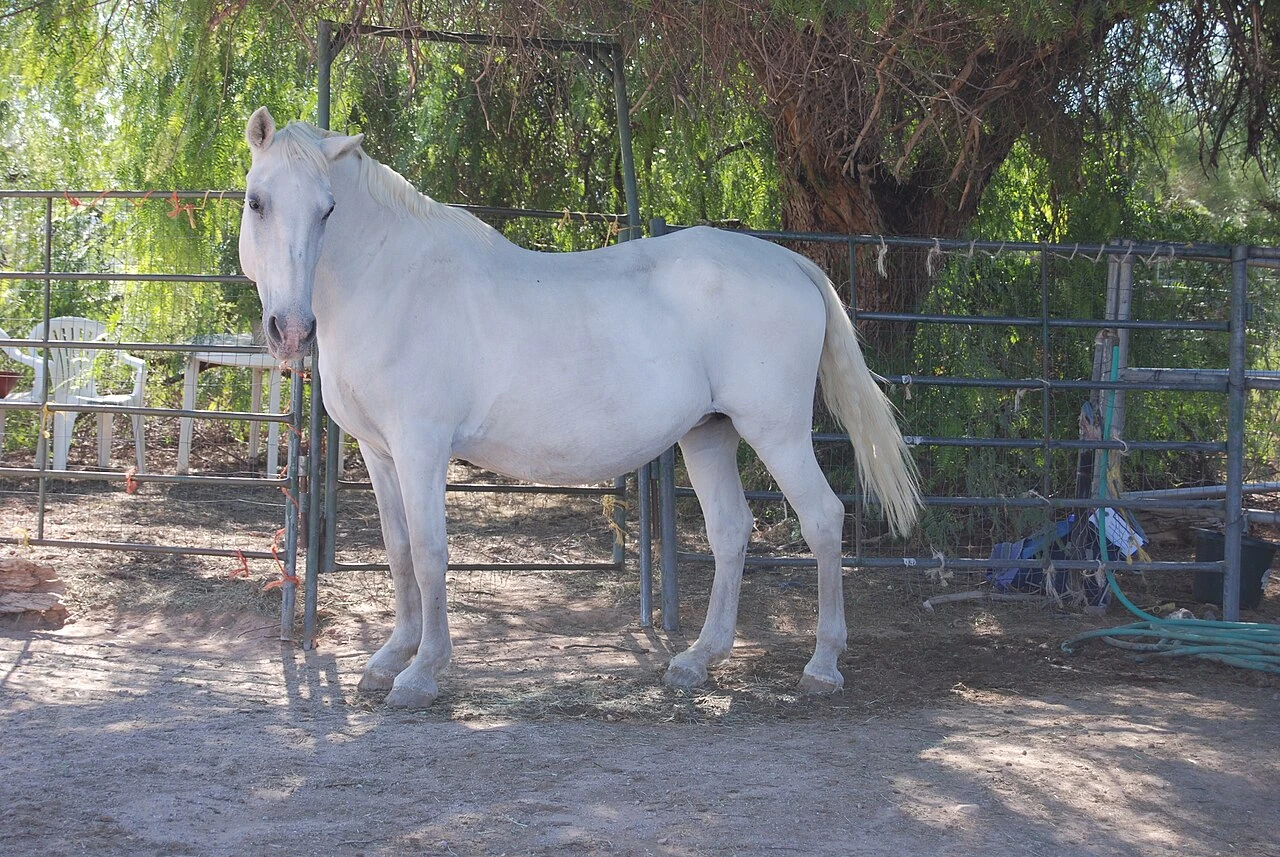
Which horse breeds are worth exploring for your plans? The finder considers activities, size and experience. Training, temperament and housing still need to suit the individual horse.
Breeds to explore
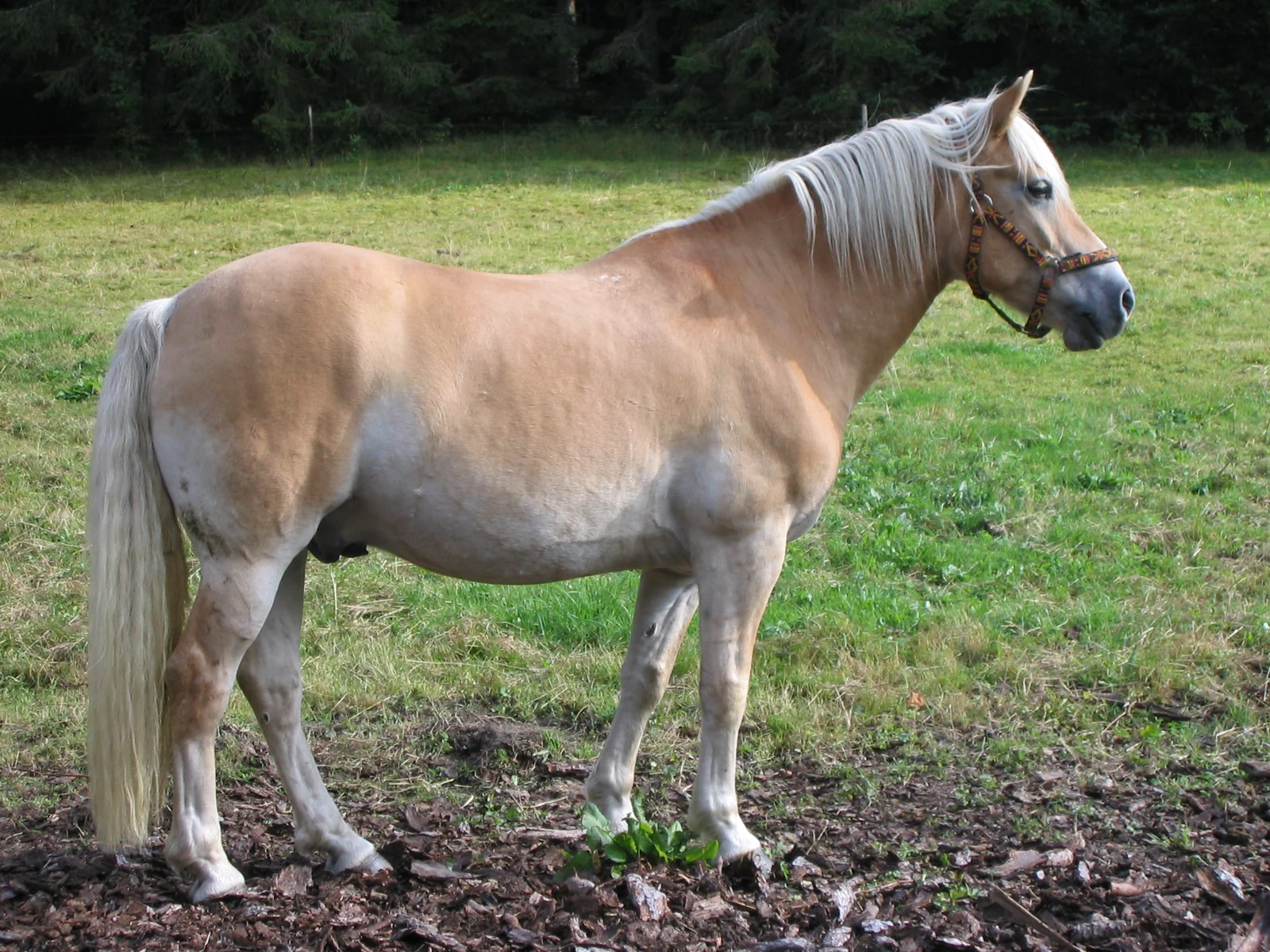
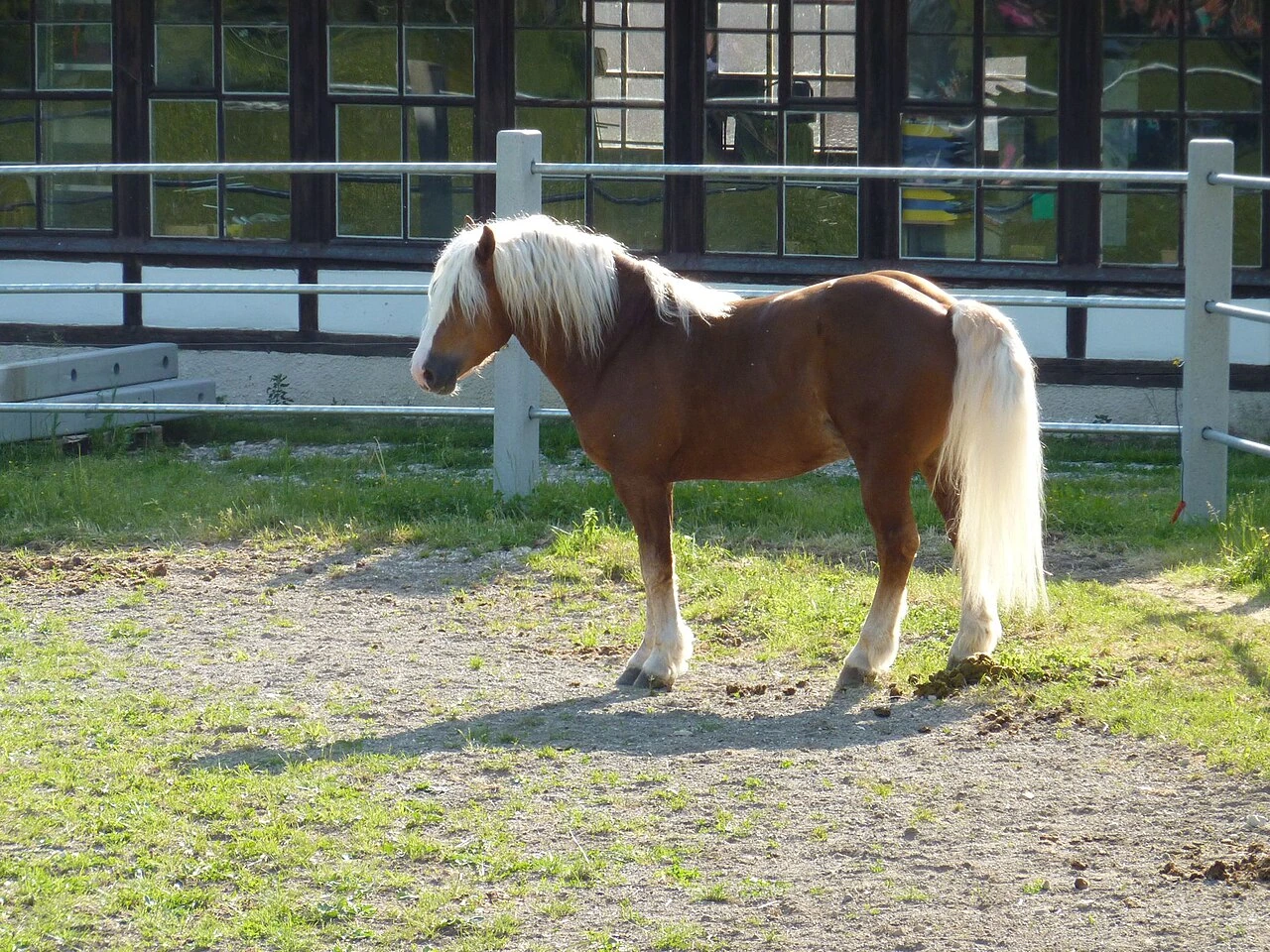
Haflinger
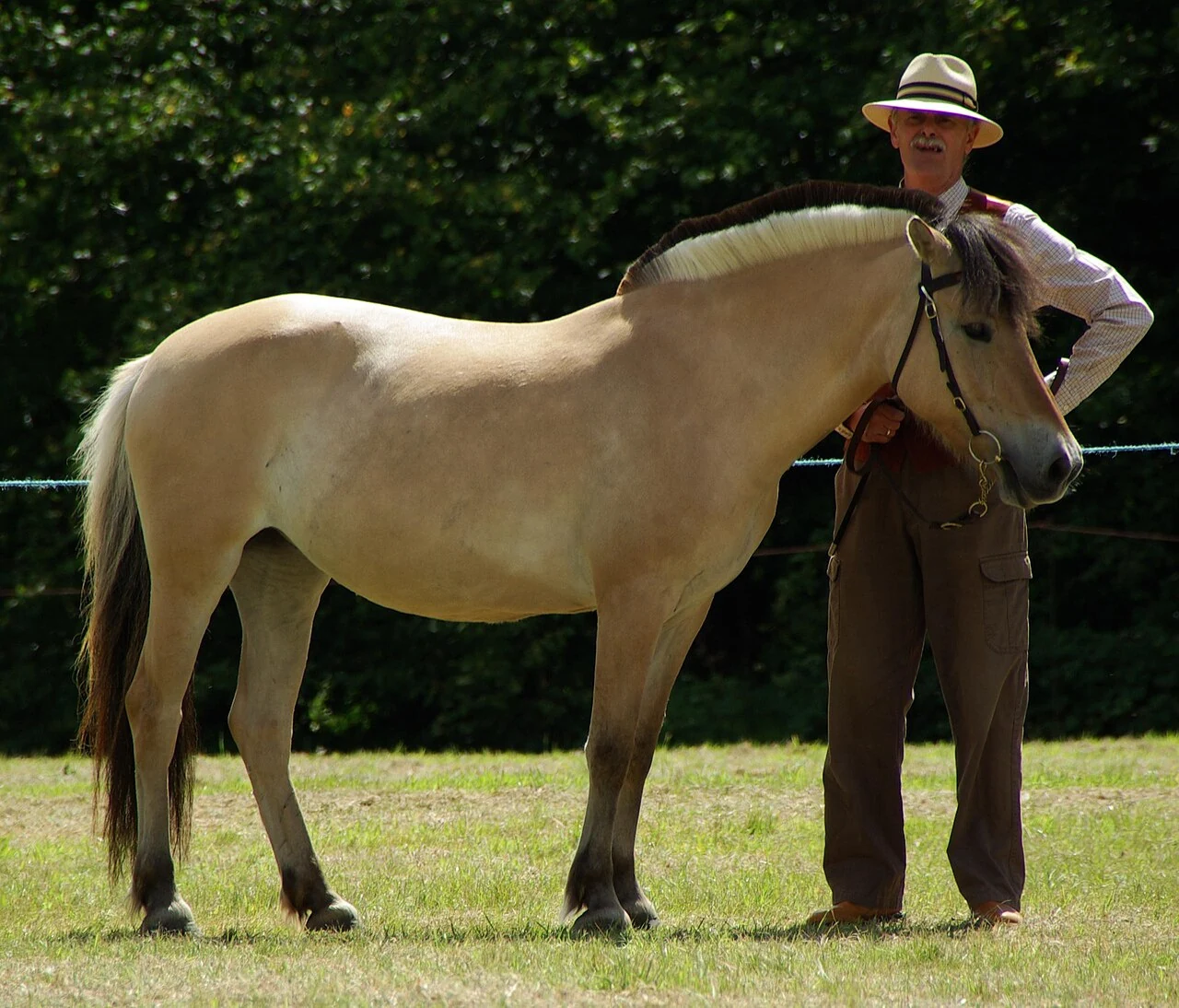
Haflingers are trained for leisure riding and driving. Check the individual’s training, handling and feeding needs.
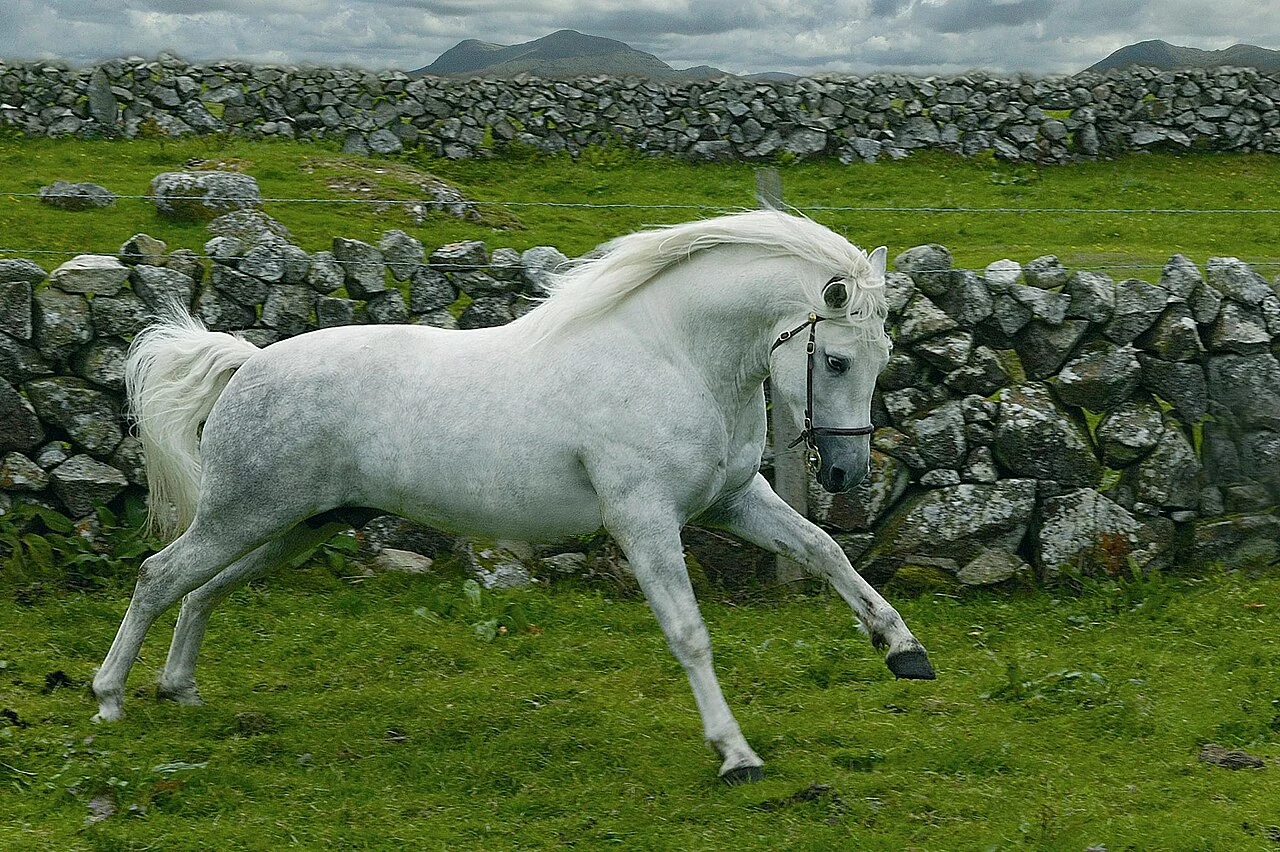
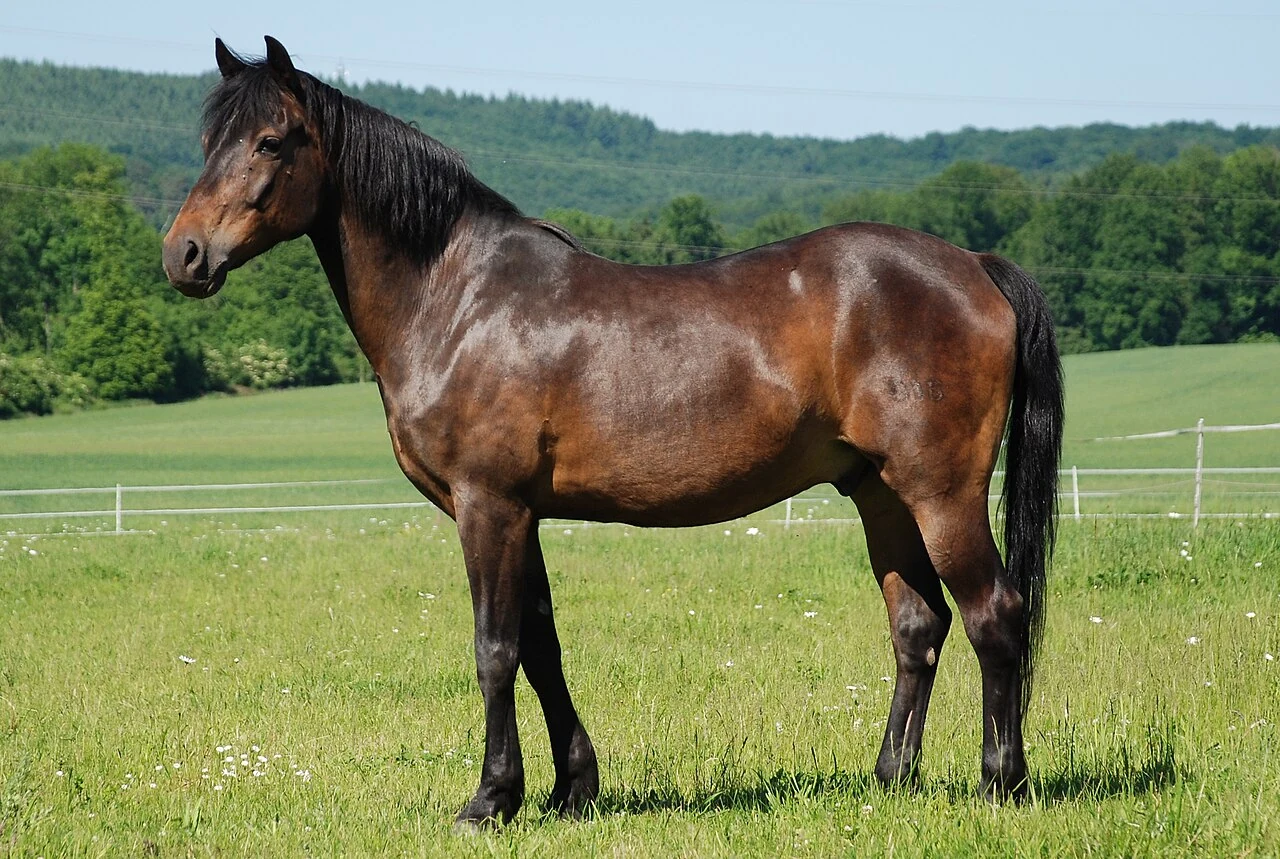
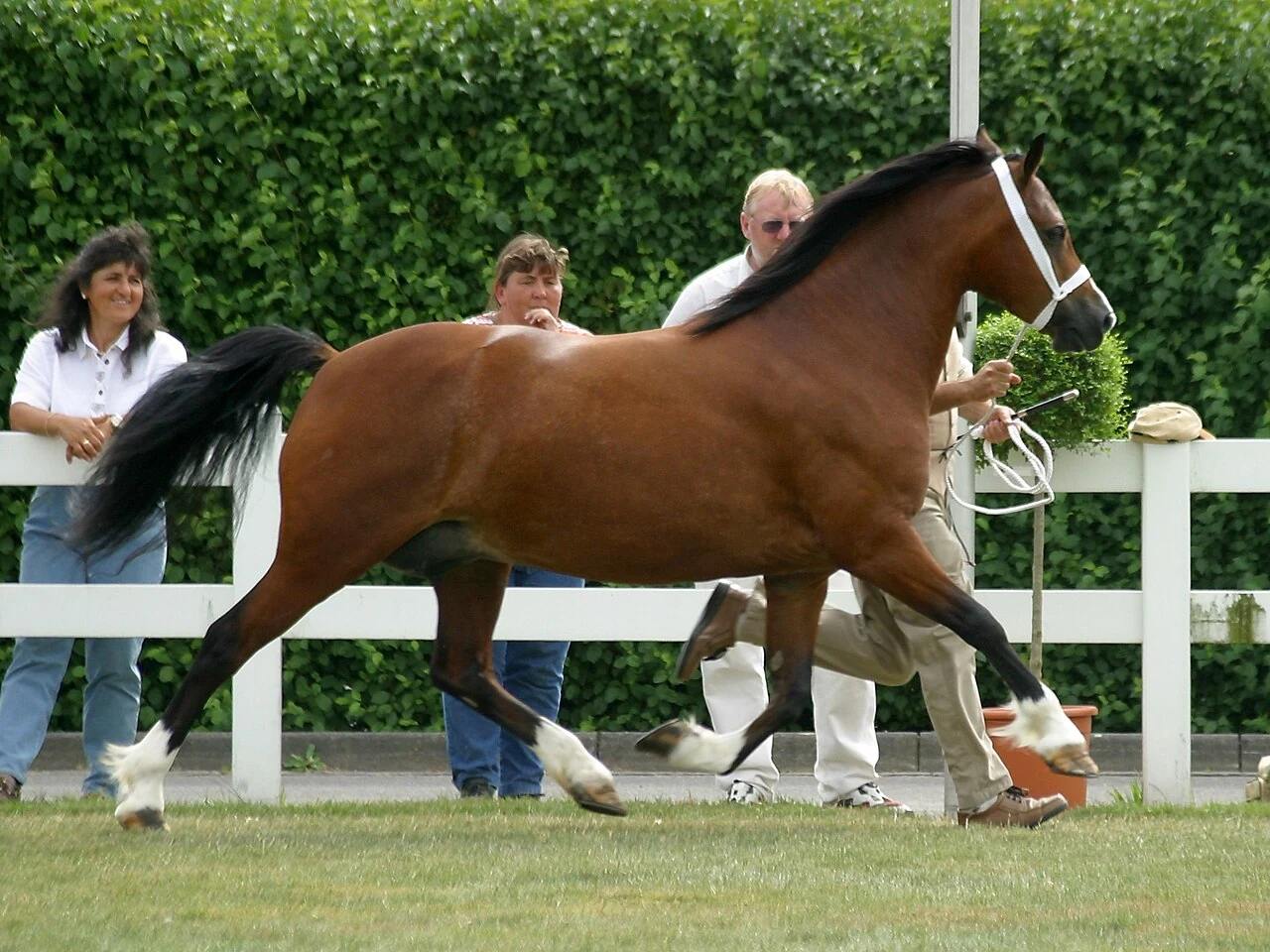
Welsh Cobs vary in size. With suitable training, they can be ridden or used for carriage driving. The individual horse and its equipment should suit the activity you have in mind.
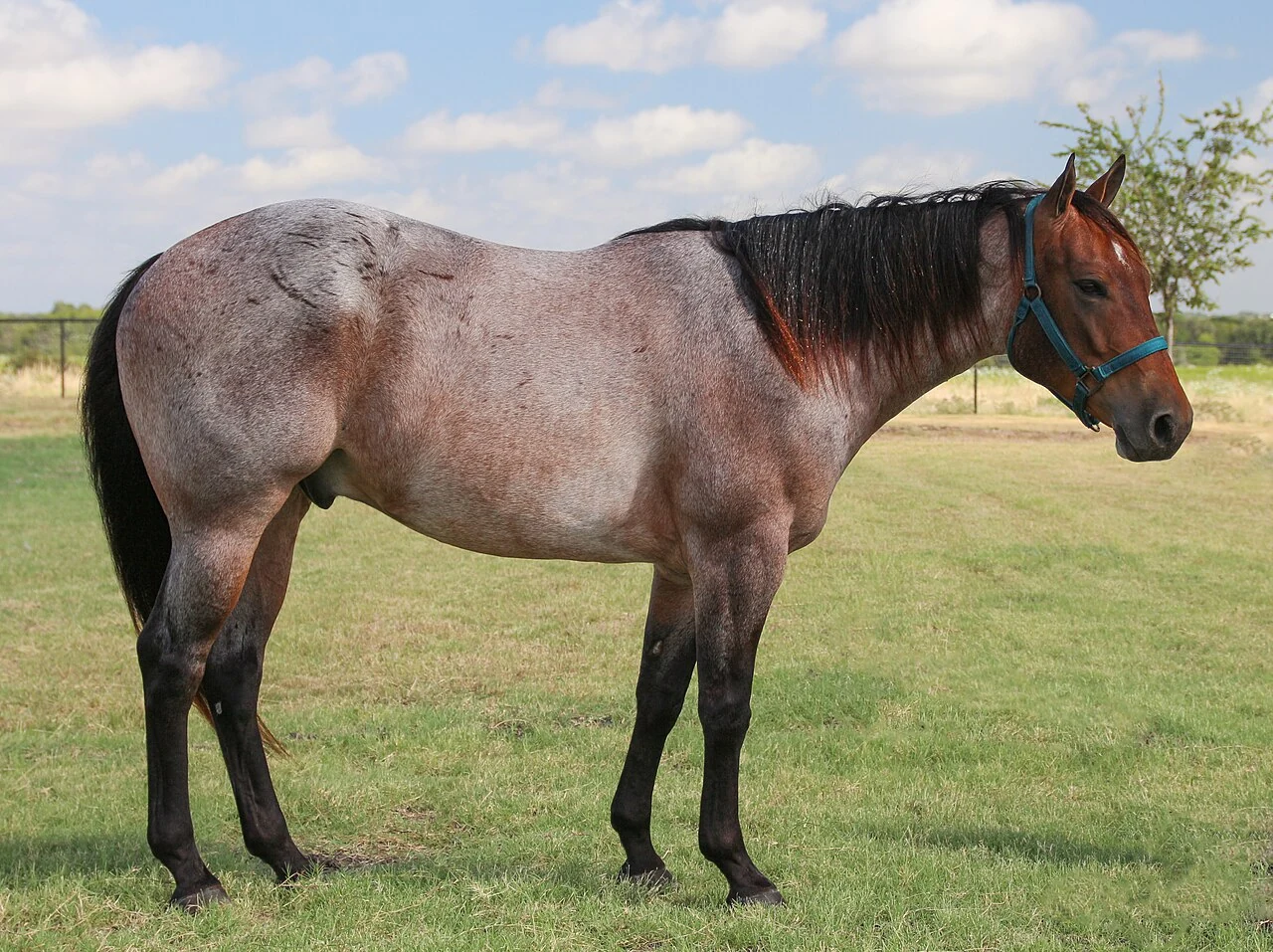
Quarter Horses are bred for activities including cattle work, riding competitions and racing. Before buying, ask to see what the individual horse has already learned.
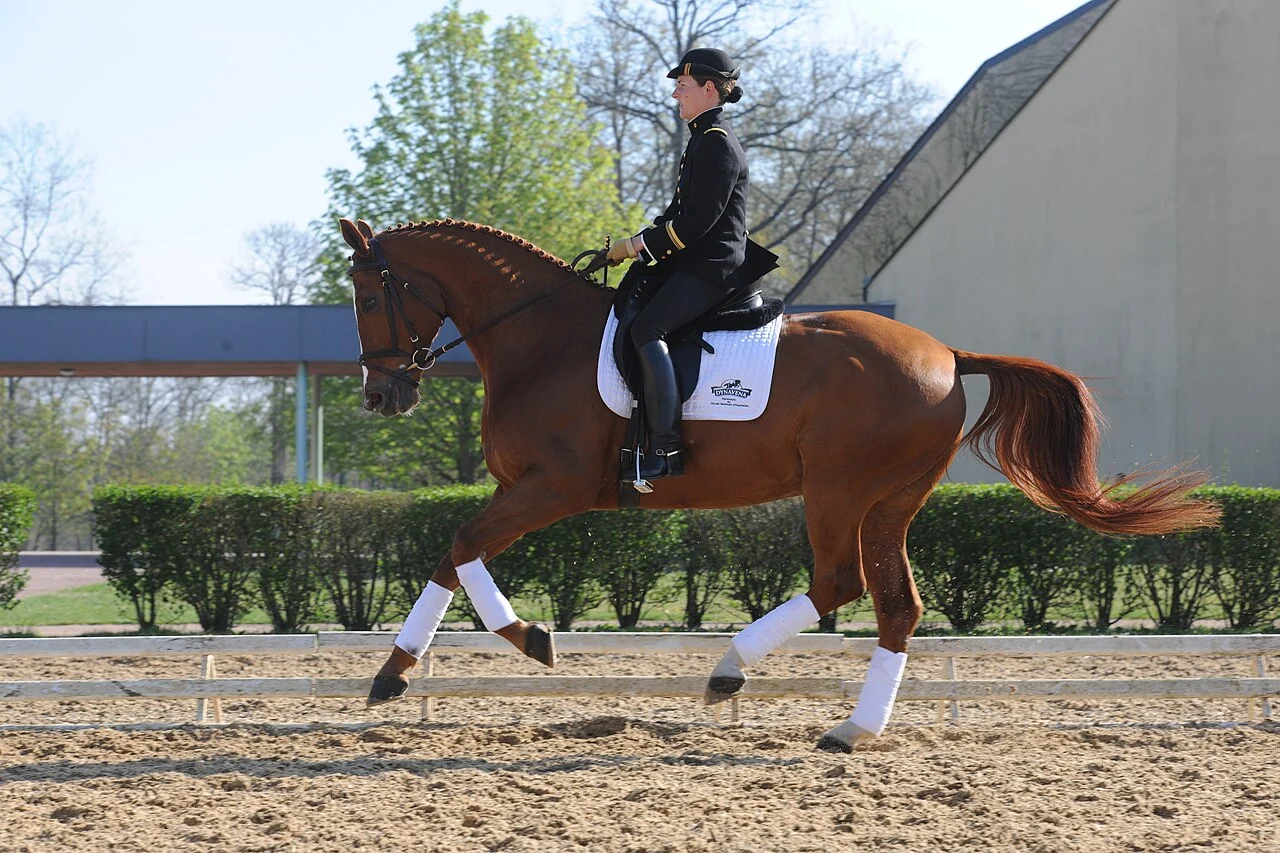
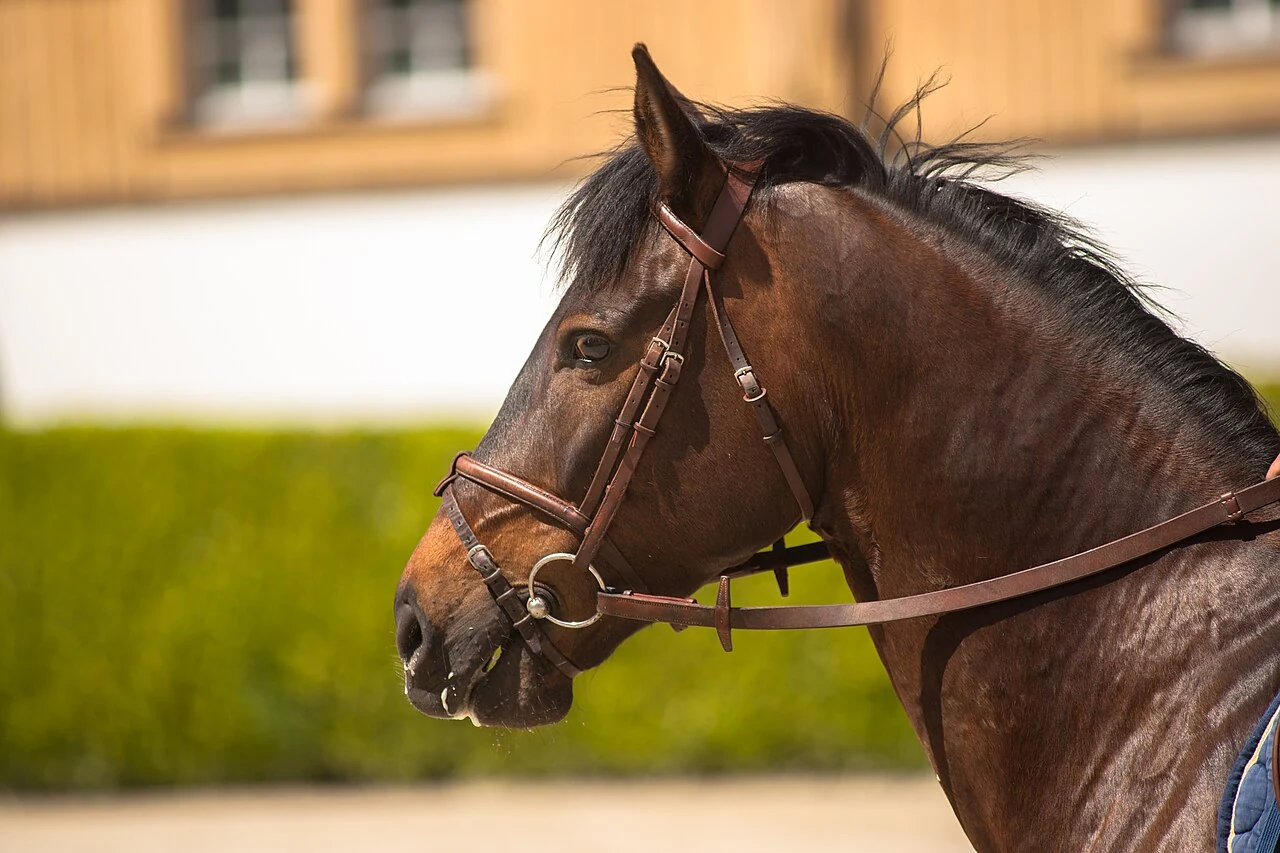
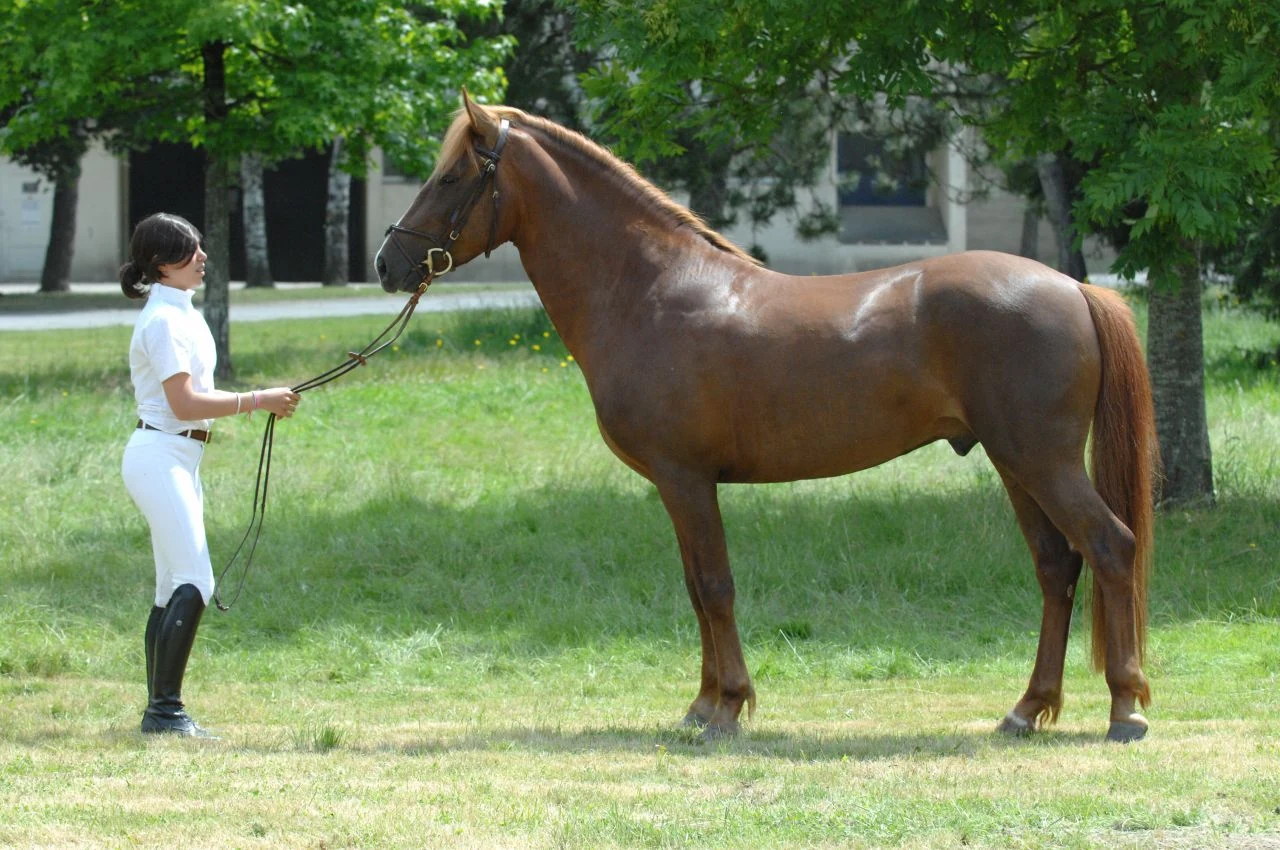
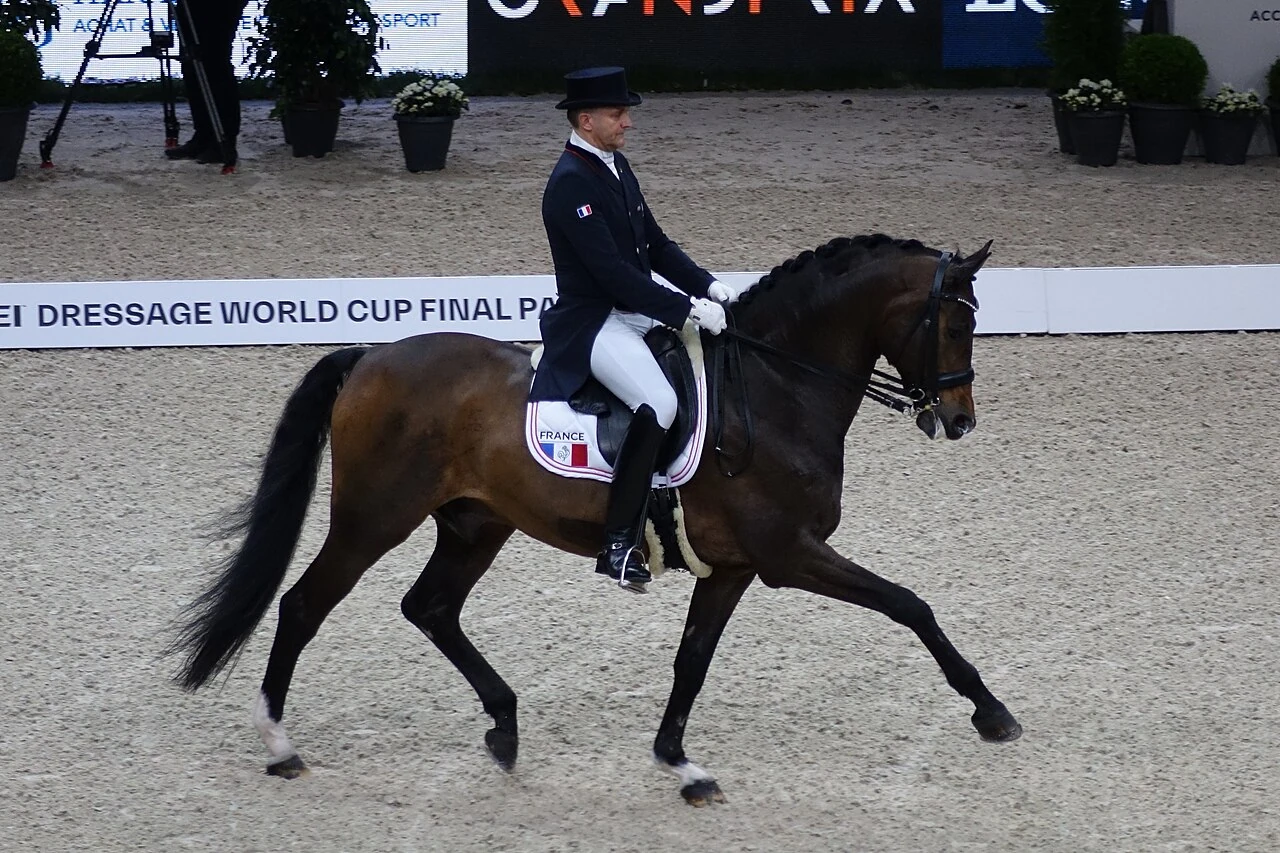
A PRE is worth exploring for dressage and leisure riding. During a viewing, you should assess how clearly you communicate with the horse and what experience it has of riding outdoors.
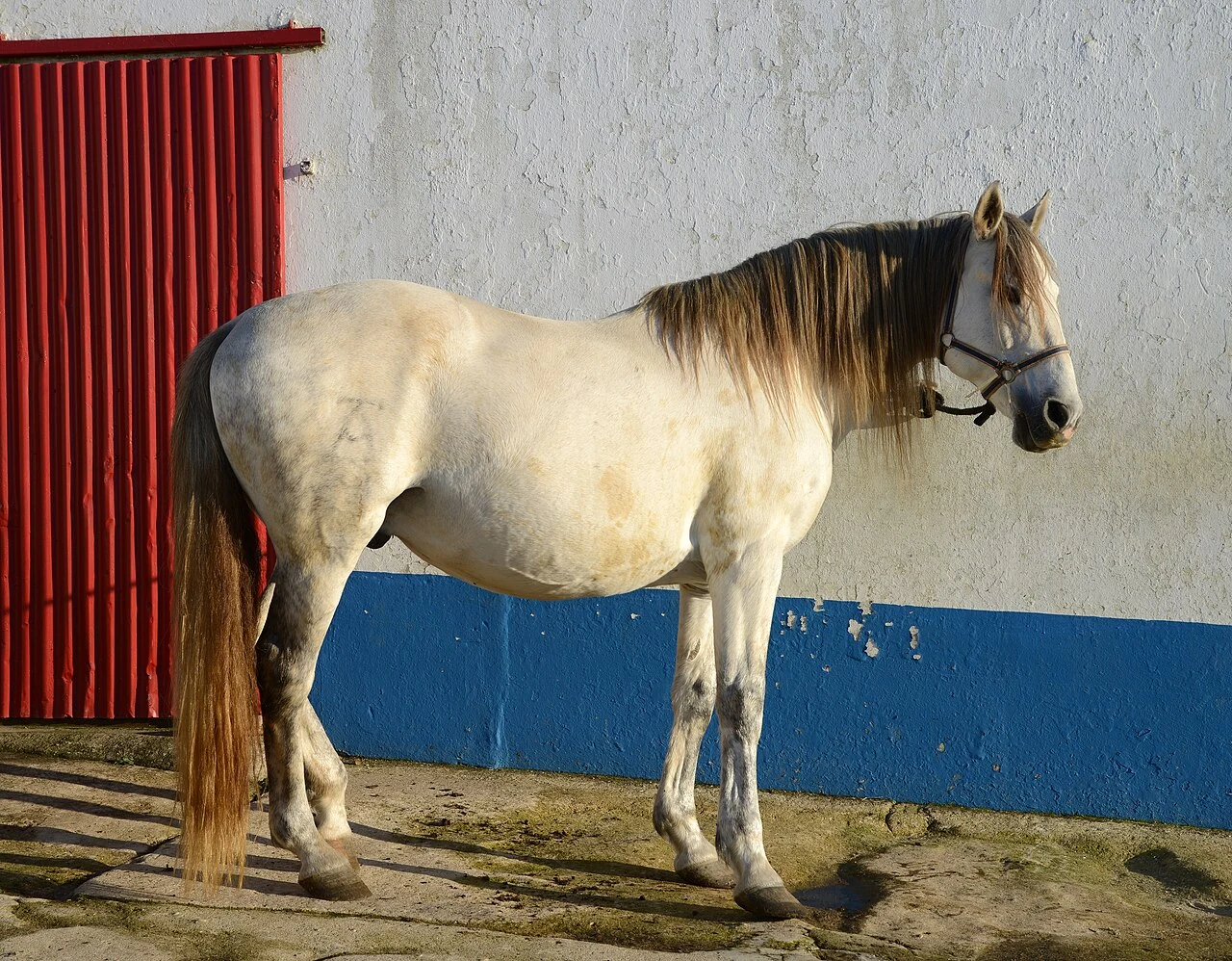
If you hope to combine dressage with rides outdoors and varied exercises, a Lusitano is worth exploring. You should get to know the horse beyond its familiar arena and check how its training fits your plans.
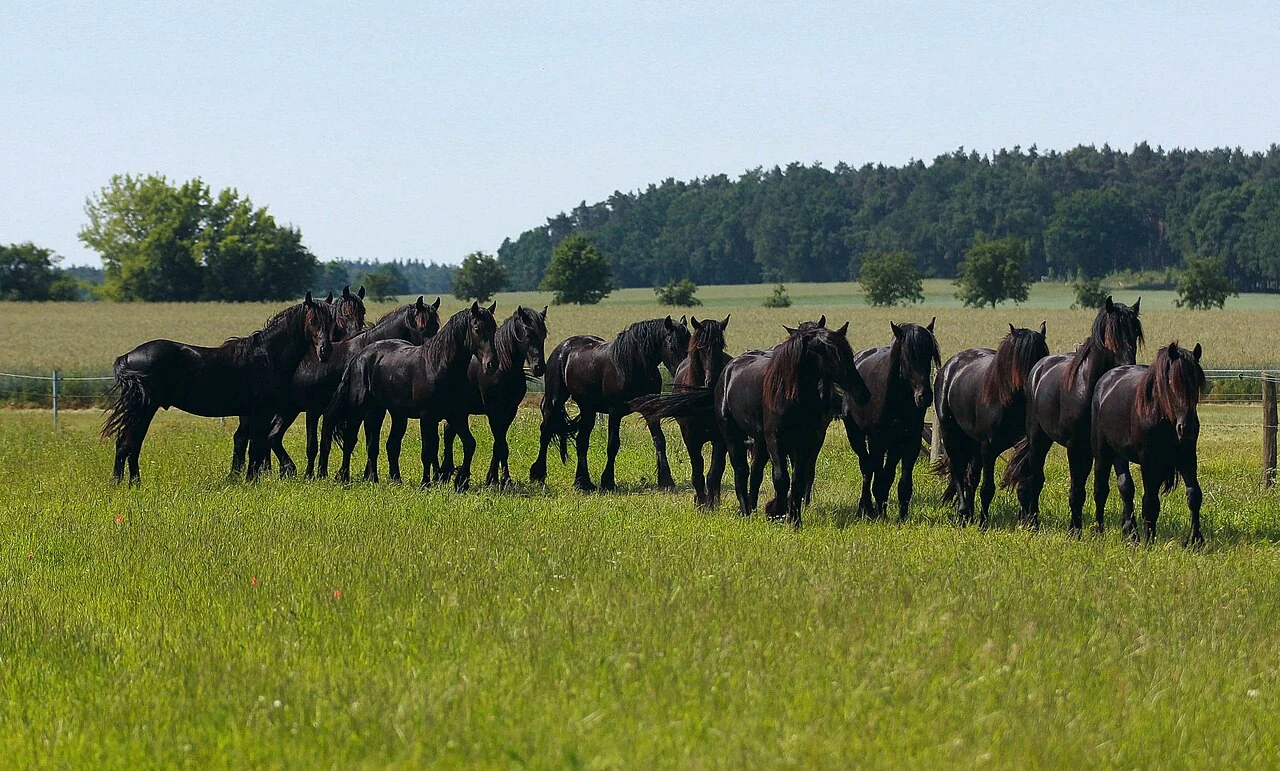
The Freiberger has a long tradition in riding and driving. A ridden horse has not automatically learned to pull a carriage. Its existing training should fit the activities you hope to share.
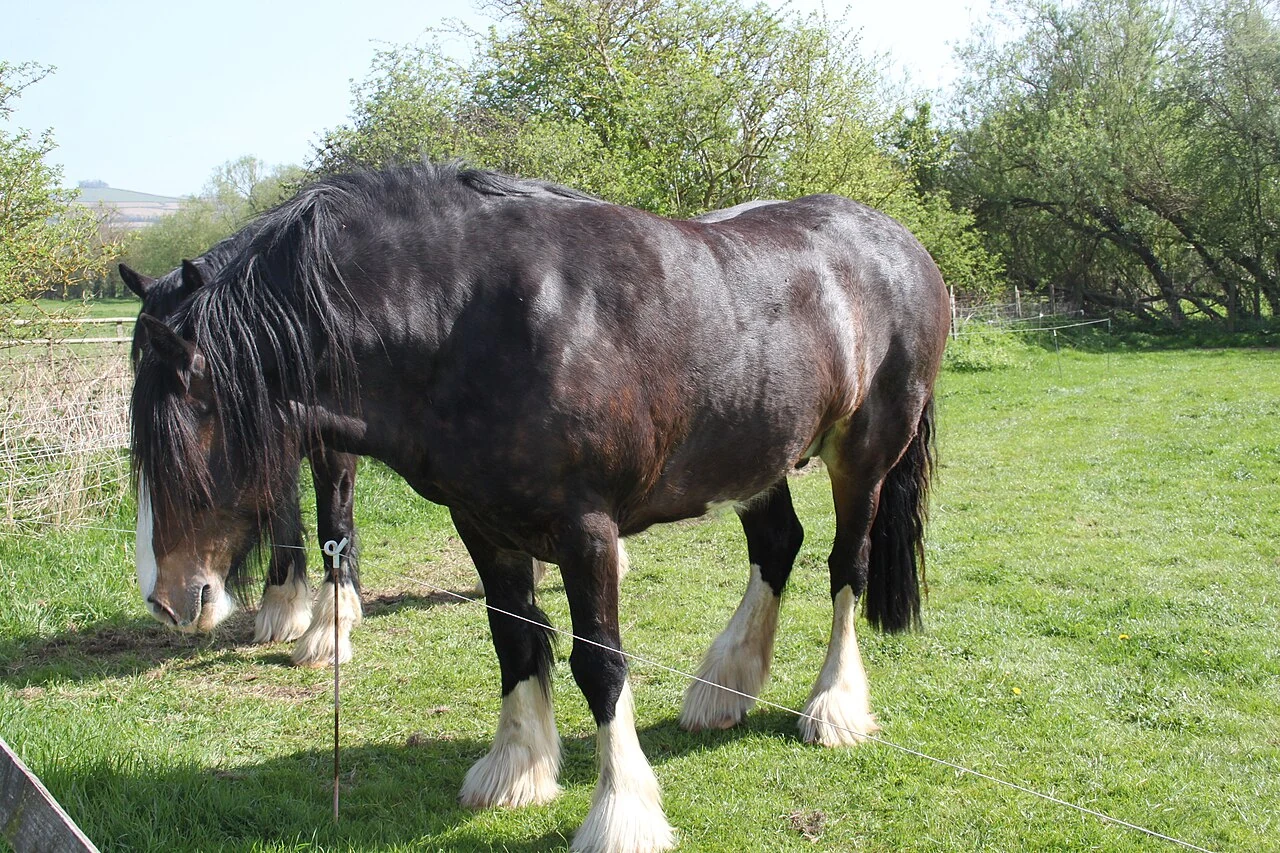
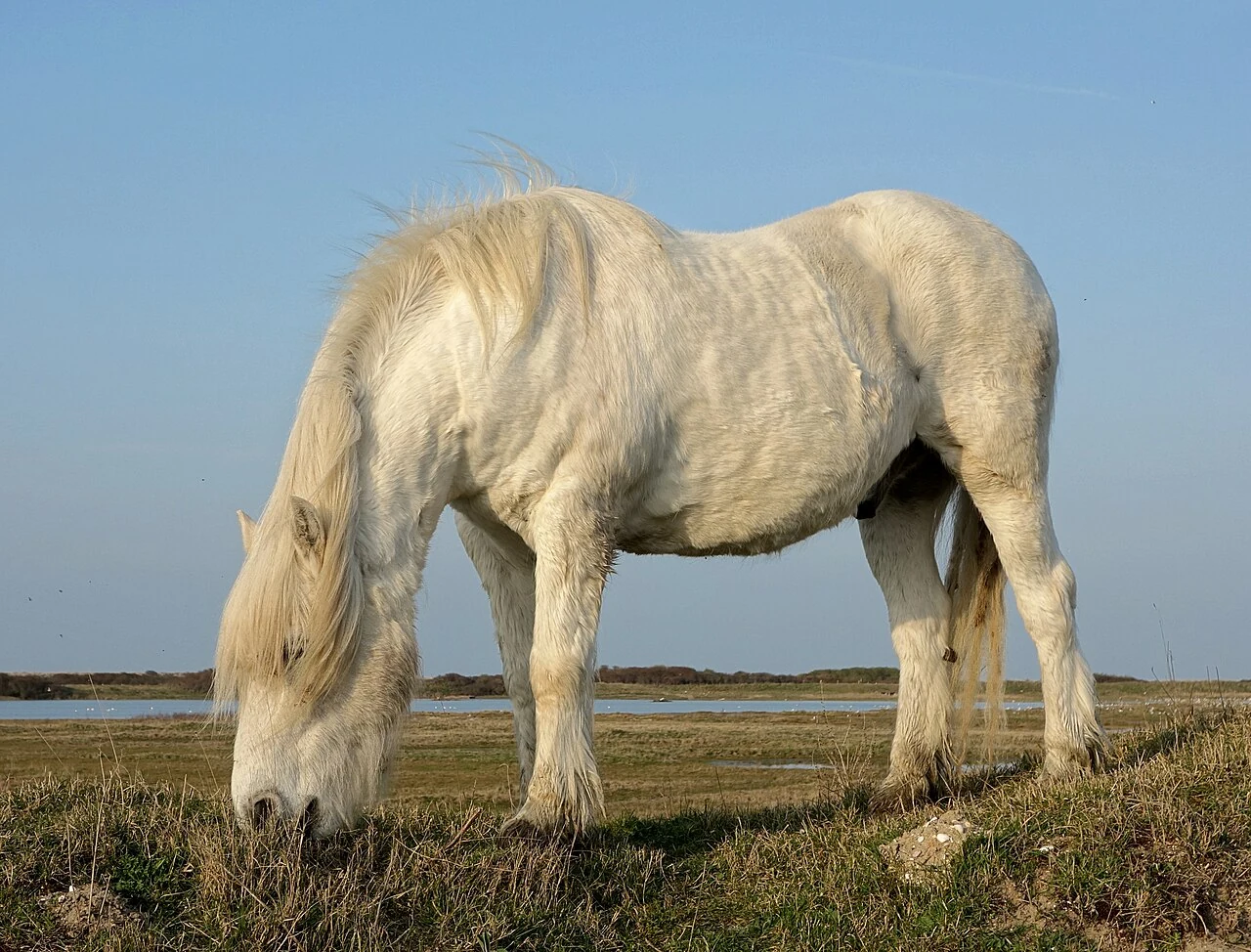
A Shire may be worth considering for driving or riding if it has the relevant training. Suitable housing, equipment and hoof care should be arranged before purchase. The skin beneath its long leg hair also needs regular checks.
A German Riding Pony may be an option for leisure riding, dressage or jumping. Its training, size and saddle should suit the intended rider. A young pony should have experienced support for further education.
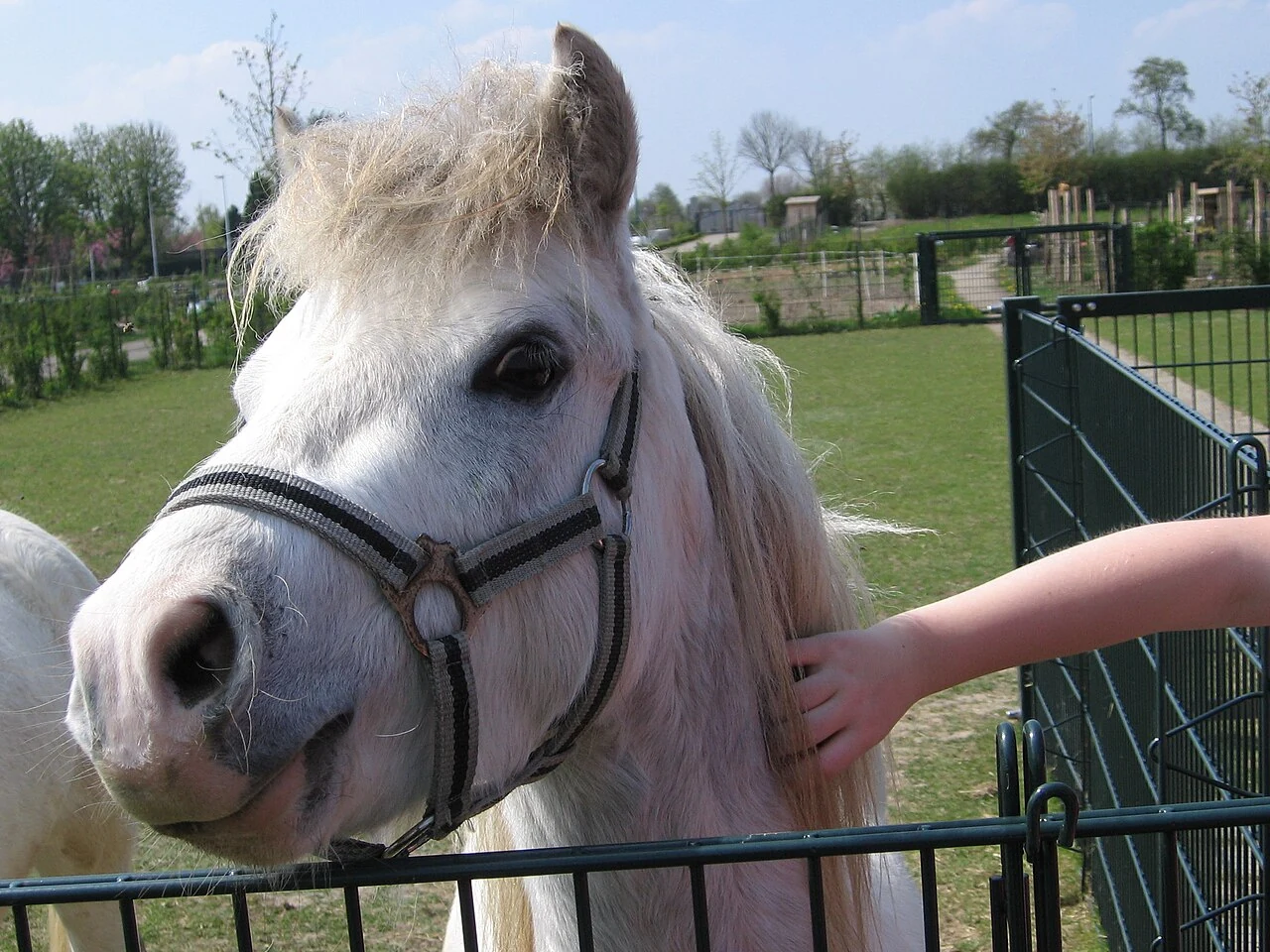
An experienced Welsh A may be an option for a child’s first experiences with horses. An experienced instructor should help with selection. Adults should take responsibility for care and keep track of feeding, weight and hoof health.
A Welsh C can be trained for riding or carriage driving. A viewing should show which tasks the pony already knows. Routine care includes foot checks and looking at the skin beneath its longer leg hair.
A New Forest Pony may be an option for leisure riding, dressage or jumping. Its experience and fitness should suit your plans. Genetic tests for the inherited muscle disorder PSSM1 should be checked, particularly when previous claims rely only on ancestry.
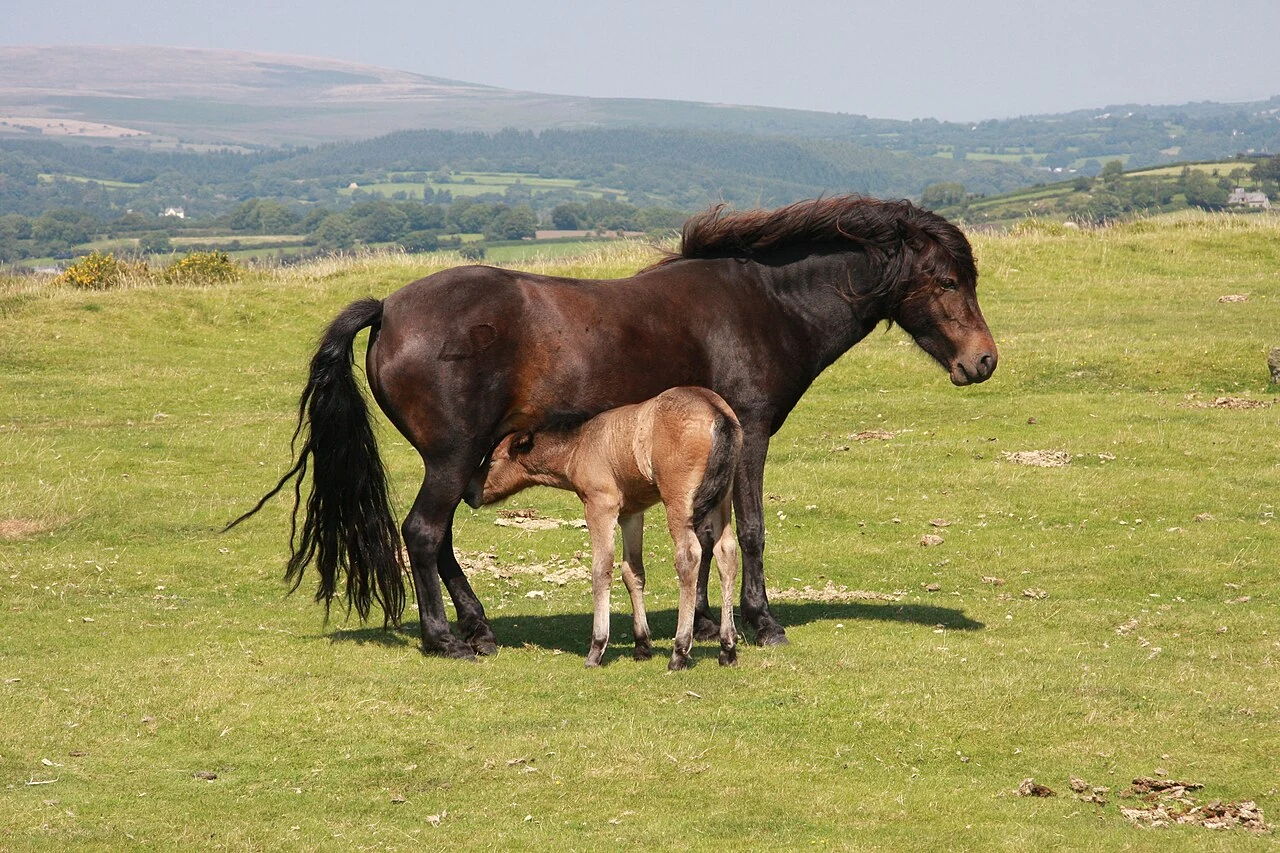
For a child’s early riding experiences, a Dartmoor Pony should already know the intended tasks. An experienced instructor should help with selection and lessons. Adults should take responsibility for daily care, including weight and hoof checks.
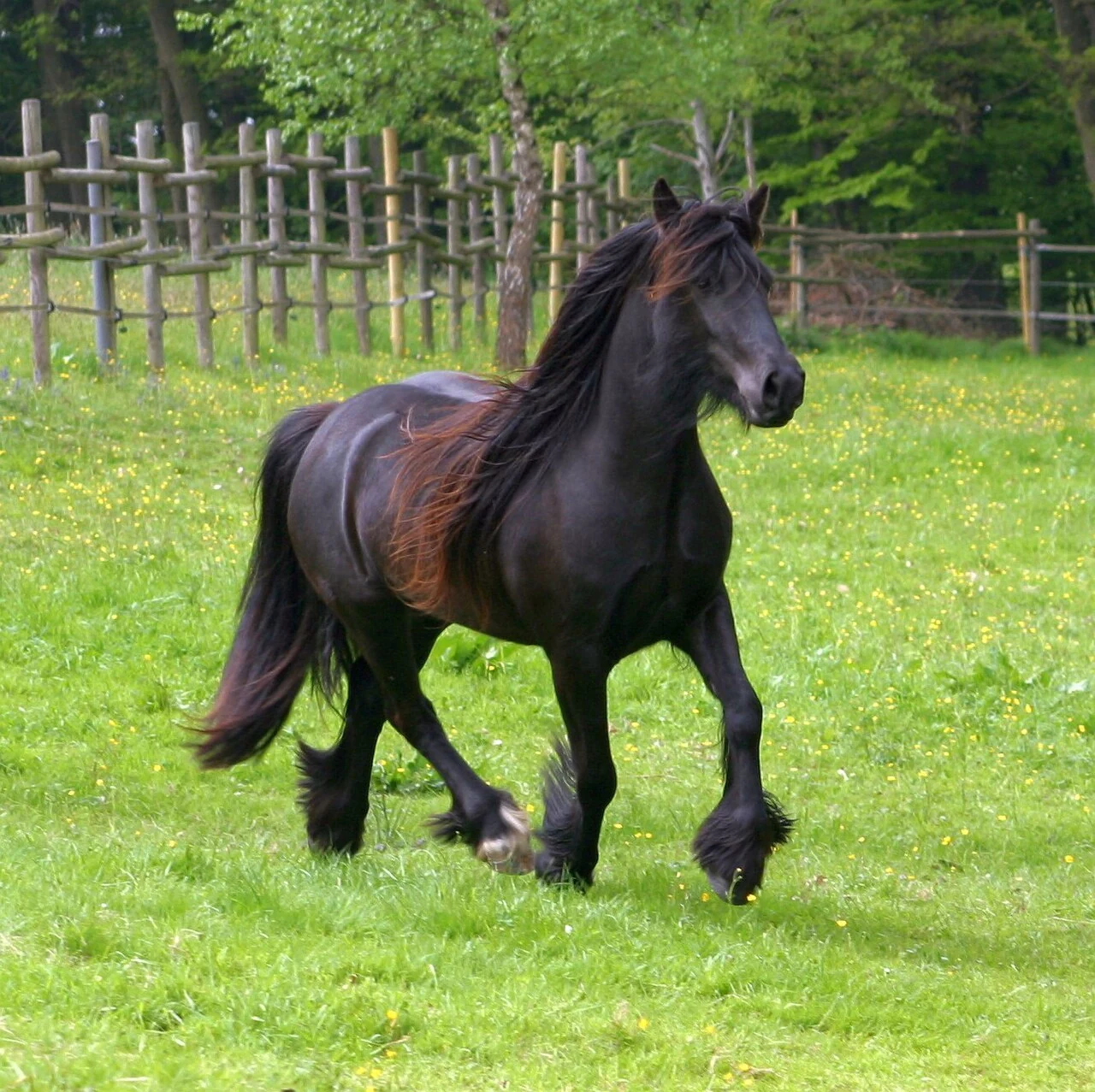
A Fell Pony can be trained for riding outdoors or carriage driving. At a viewing, you should ask to see the activities you hope to do with the pony. Routine care should include hoof care and checks of the skin beneath the long leg hair. Both parents should be tested for FIS before breeding. This inherited disorder is fatal for affected foals.
A Highland Pony’s existing training should suit your riding or driving plans. A viewing should show the tasks you intend. Body condition beneath the dense coat, grazing access and usable outdoor space in winter belong in ongoing care planning.
A Holsteiner may be an option for jumping or leisure riding. A viewing should demonstrate the tasks you plan, including riding outdoors if that is important to you. Training, fitness and your experience should be assessed together with an instructor.
An Oldenburg’s previous training should suit your riding plans. A viewing should demonstrate the dressage or outdoor riding you intend. During a trial ride, an instructor can help assess how you manage this horse’s movement and responses.
A Westphalian may be an option for dressage, jumping or leisure riding. Its existing training should suit the tasks you plan. If you plan to ride outdoors, you should ask about the horse’s experience on different routes, around traffic and with different companion horses. Experienced support can help with the assessment.
A Trakehner’s training and experience should suit your riding plans. A viewing should show the tasks that will form part of your routine. A young horse should have experienced guidance and time to develop balance and fitness.
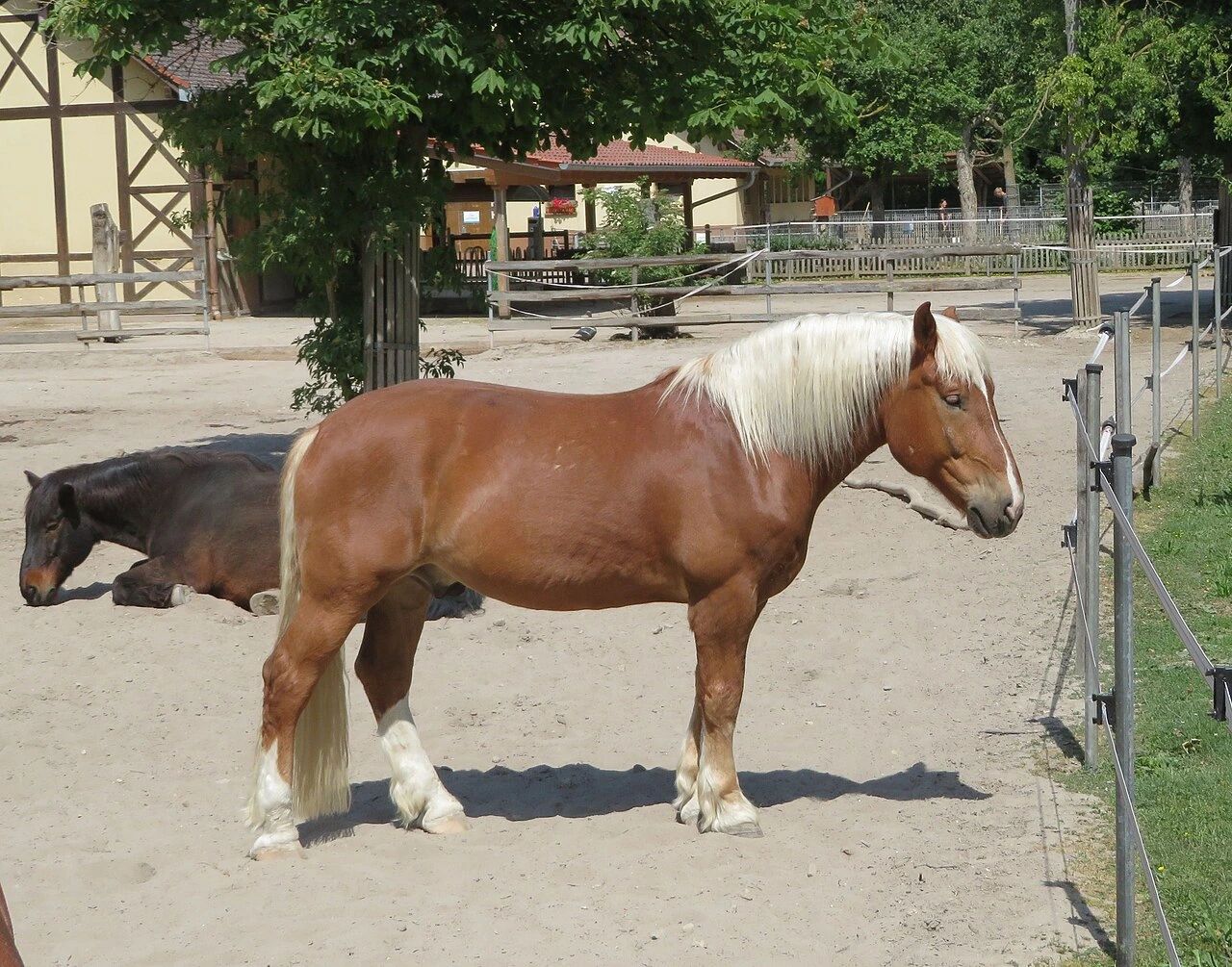
A Black Forest Horse may be an option for leisure riding or driving. When starting out, look for a horse that already knows the tasks you plan and is well trained in everyday handling. A viewing with knowledgeable support can help you assess whether its experience, fitness and equipment suit your plans.
A South German Coldblood may suit driving or leisure riding when appropriately trained. For riding, ask specifically what it has learned under saddle, as wagon experience alone does not prepare it for that work. Knowledgeable support can help you assess the horse. Discuss health records and any results for the inherited muscle condition PSSM1 with the vet.
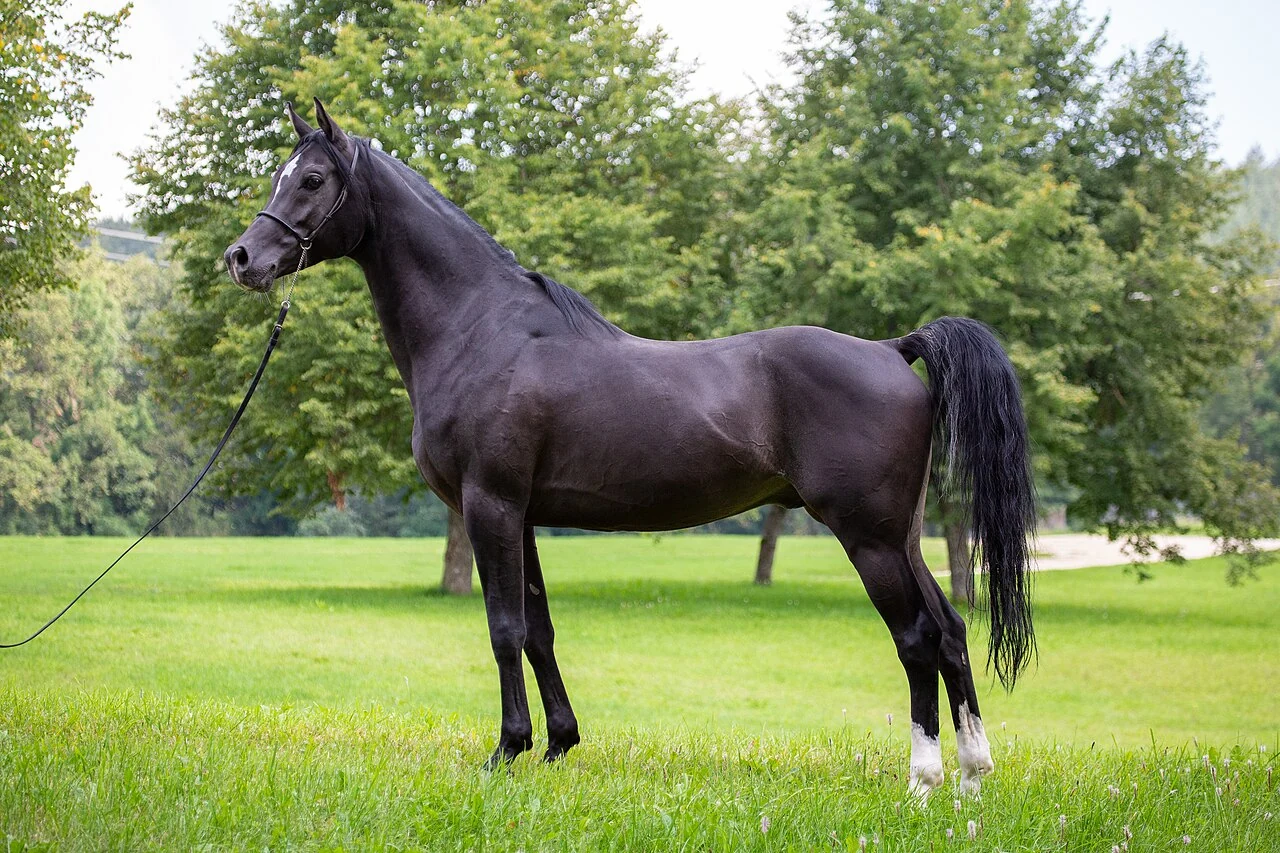
The shared DSP studbook registers horses from several German breeding regions. Breeding aims include dressage, jumping and eventing, which combines dressage, cross-country riding and showjumping. An experienced individual may suit someone starting leisure riding. A young sport horse will need time and skilled support for its further education.
For a KWPN horse, ask about both breeding direction and actual training. This Dutch studbook includes dressage, jumping and harness horses as well as versatile Gelder horses. A suitable leisure horse should know the situations you plan, such as riding out alone or in a group.
A Thoroughbred can become a riding horse after racing. The support you need depends on its previous training. An already retrained horse has different experience from one arriving directly from a racing yard. Lessons, feeding adjustments and a thorough health assessment should be part of the transition.
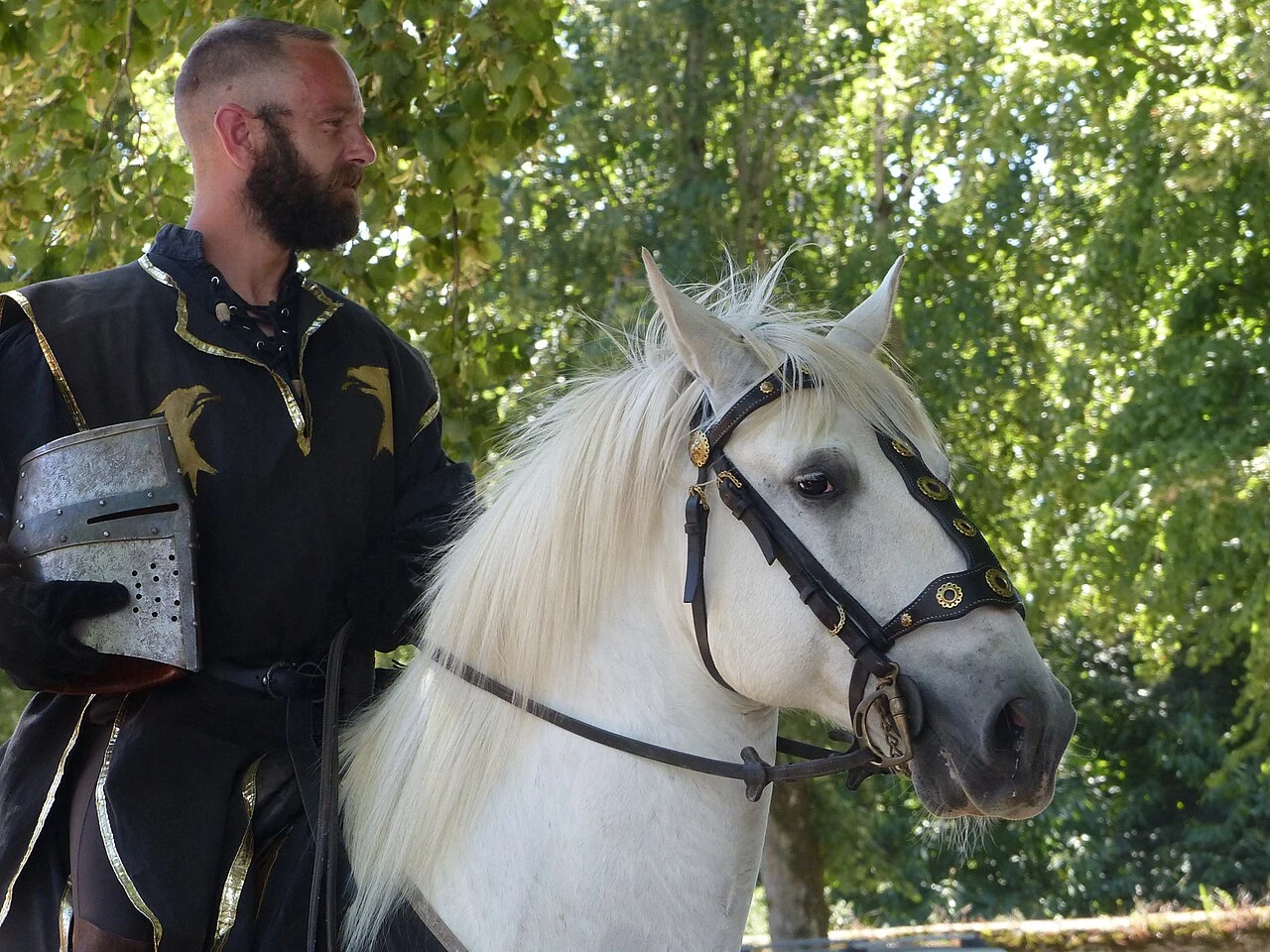
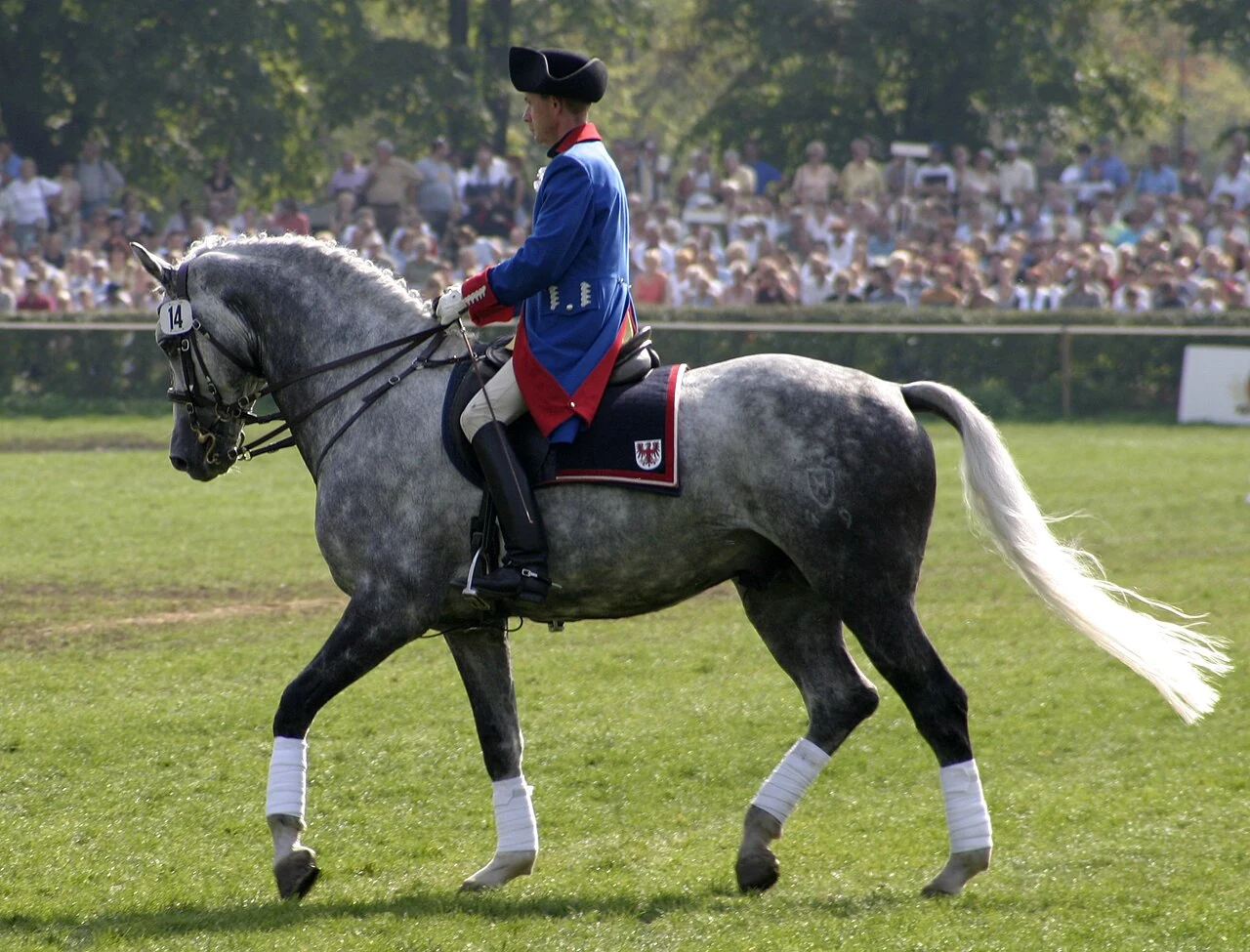
Lipizzaners are ridden and driven. Ask what the individual horse has already learned and whether that experience suits your plans. Advanced dressage requires lengthy, careful preparation. Quieter leisure riding still needs appropriate training, daily movement and equine company.
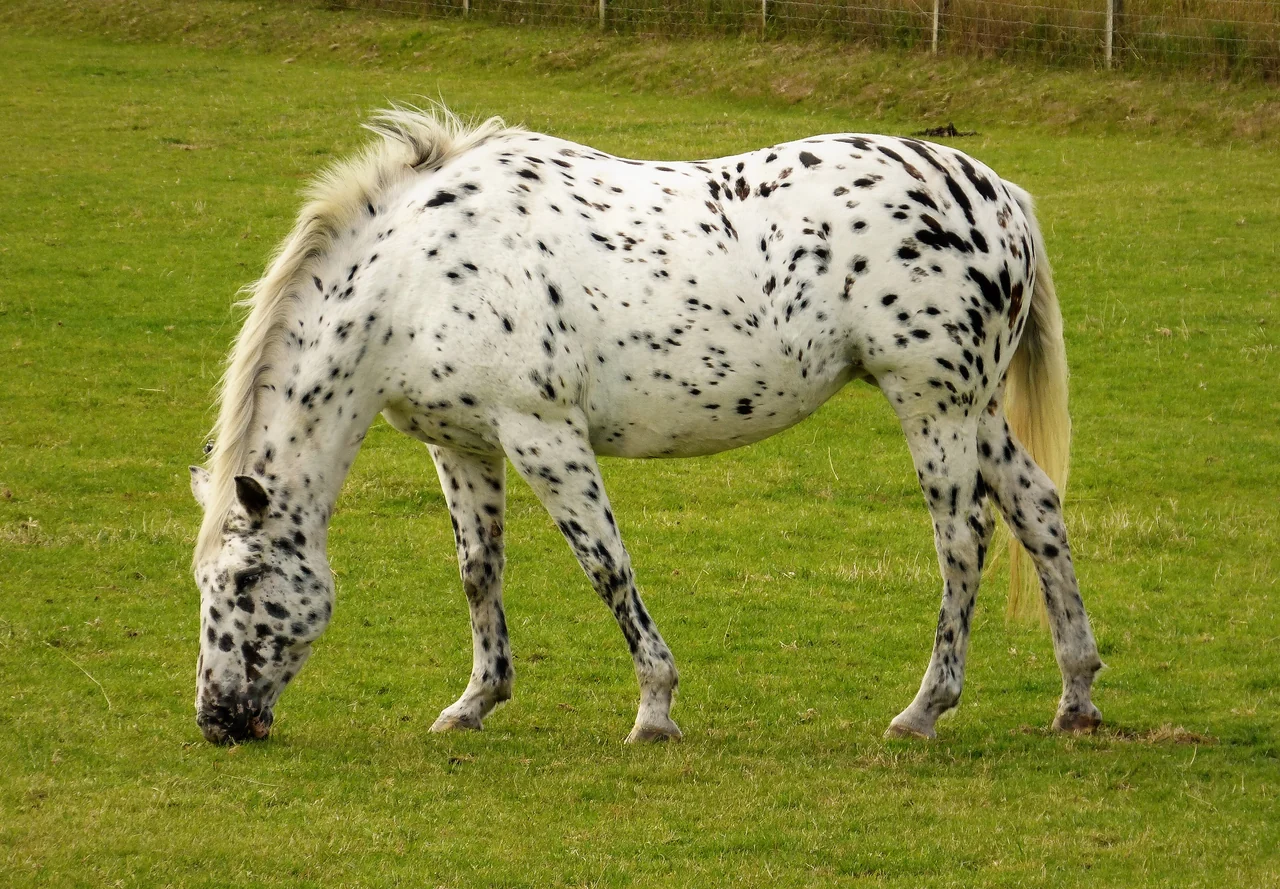
An Appaloosa may suit western riding, hacking and groundwork. The individual horse’s training and how confidently you work together matter most. At a viewing, include leading, grooming and responses to unfamiliar situations. Existing eye findings and any difficulty seeing in low light should be discussed during a veterinary examination before purchase.
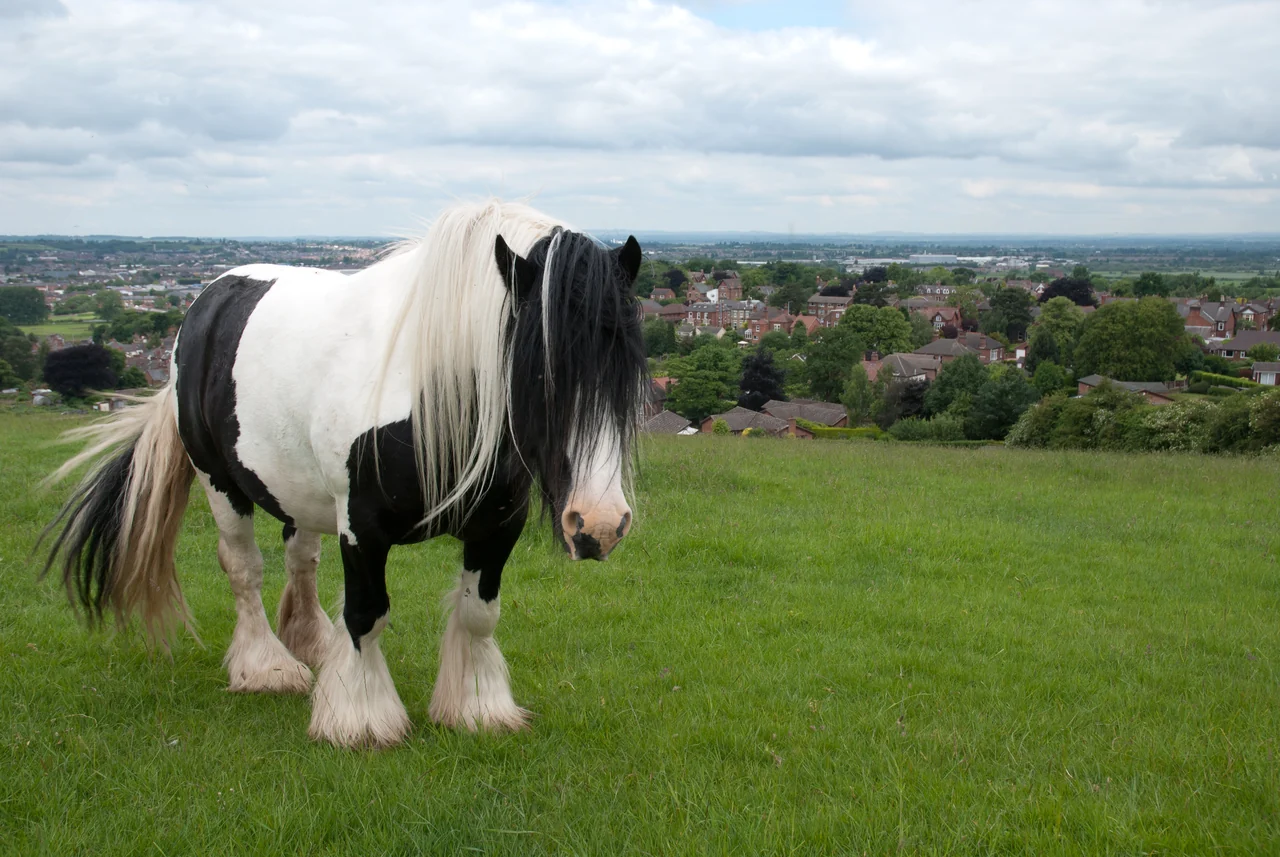
An Irish Cob may suit countryside rides, carriage driving or groundwork such as leading and handling exercises. Its training should match your plans and experience. A horse accustomed to a rider still needs separate training for driving. At a viewing, an experienced companion can help you assess how the horse behaves when led, groomed and asked to lift its feet. The long hair on the legs needs regular grooming, with daily checks of the skin underneath. Dry standing areas are an important part of suitable housing.
There is no suggestion for this combination yet. You can change individual answers or use the linked guides to explore your options.
You can show more suggestions or choose “Edit answers” to change your selection.
What to check in the individual horse
Meeting the individual horse is essential. How does it respond to leading, grooming and your intended activity? An experienced person who accompanies you can help assess whether its training and behaviour suit your abilities. Before purchase, an independent veterinary examination should assess its health.
Breed gives only a rough indication of size. Whether an individual horse suits you and can carry you comfortably also depends on conformation, health and fitness.
The profiles explain how these animals live and what they need each day. When choosing an individual animal, it also helps to speak with people who know its behaviour and history.
You are still deciding how much space is available. The guides explain the permanent space and equipment each species needs, so you can assess what will work in your home.The species covered here need a permanent enclosure, a dedicated exercise area or a suitable aquarium. Their profiles explain the space involved.The profiles explain the space each species needs. Compare the enclosure, exercise area or aquarium described there with the space available in your home.Plan the habitat firstWhat limits this choice nowArrange training and guidance firstIf you are still learning, a horse with reliable training is usually a more suitable starting point. A young or inexperienced horse needs guidance while you are developing your own skills. Regular professional support can help with selection and the first months together.A suitable yard needs equine companionship, daily care and cover for holidays and illness. These arrangements should be clear before purchase. The profiles can help you compare care needs while you plan.An experienced person who knows your abilities can help at viewings and trial rides, interpret the horse’s behaviour and ask about its training.Breed gives only a rough indication of size. Whether an individual horse suits you and can carry you comfortably also depends on conformation, health and fitness.Meeting the individual horse is essential. How does it respond to leading, grooming and your intended activity? An experienced person who accompanies you can help assess whether its training and behaviour suit your abilities. Before purchase, an independent veterinary examination should assess its health.The available space rules out some of these species.Some species need more daily care time.Many species need compatible companions of their own kind.These species need suitable equipment and regular checks of water quality or enclosure temperature and humidity.The interaction you want differs from how some of these species are best approached.Some species are most active when you are not available.Chinchillas need a cool room even in summer.
Your answers stay in this tab. The finder does not store or send them.
Read the guide
The horse comparison lets you view two breeds side by side and explore their housing, activity and care needs.
Livery, feed, hoof care and veterinary care are recurring expenses. The cost planner helps you budget for them and set aside a reserve before purchase.
 fellfolio